The average person sheds approximately 30,000 to 40,000 dead skin cells every minute, totaling nearly nine pounds of skin annually. Without proper exfoliation, these cells accumulate on the skin surface, leading to dullness, clogged pores, and rough texture. Natural loofah sponges have served as the primary exfoliation tool across Mediterranean and Middle Eastern cultures for over 4,000 years, and modern science now confirms what traditional practitioners understood intuitively about these remarkable plant fibers.
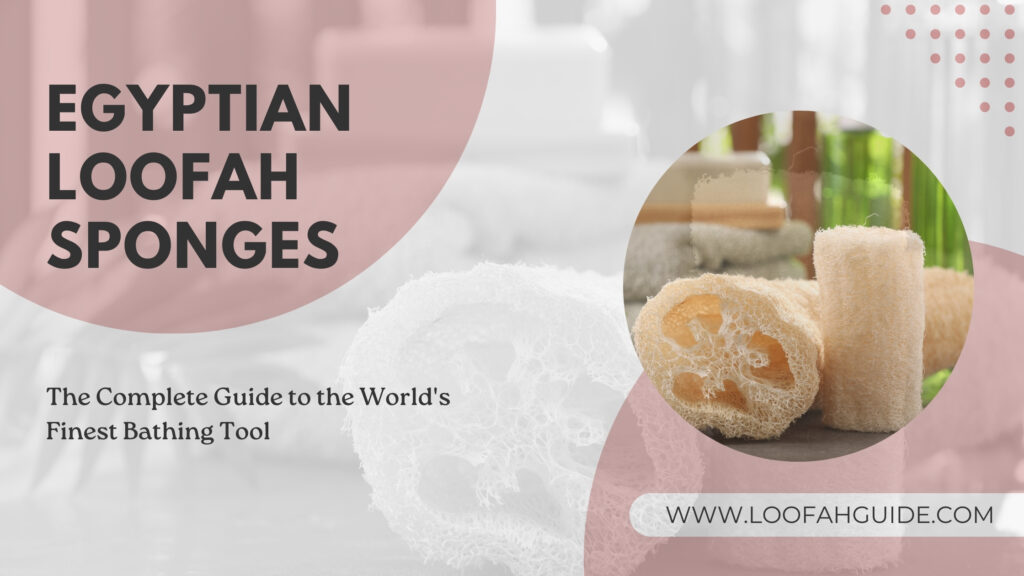
Using a natural loofah sponge for skin exfoliation provides a sustainable, effective method for maintaining healthy skin while eliminating plastic waste from personal care routines. Derived from the mature Luffa aegyptiaca gourd, these plant-based sponges offer a fibrous texture perfectly calibrated for removing dead cells without damaging the delicate new skin beneath. The benefits extend beyond personal skincare to encompass environmental responsibility, making loofahs essential components of any zero-waste bathroom.
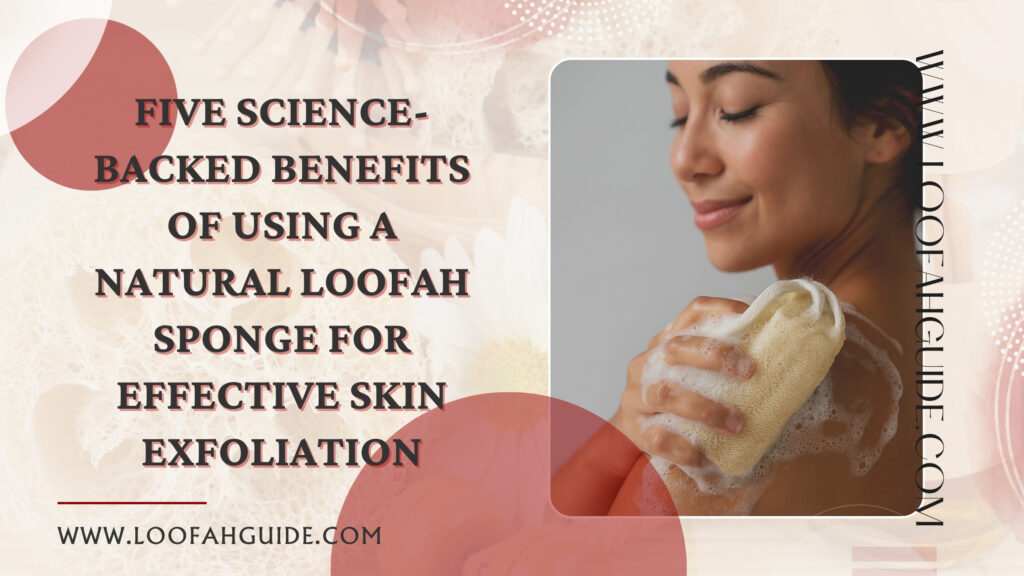
This comprehensive resource examines five clinically relevant benefits of incorporating a loofah sponge for skin exfoliation into regular hygiene practices. The information serves both individuals seeking to improve their skincare outcomes and professionals evaluating natural products for retail, spa, or hospitality applications. Egyptian loofahs, recognized globally as the premium quality standard, provide the reference point for understanding optimal product characteristics.
For those ready to source premium Egyptian loofahs, Egexo offers direct access to products grown in the Nile Delta region where ideal growing conditions produce superior fiber quality.
The Biological Basis of Loofah Exfoliation
Cellular Turnover and Why Exfoliation Matters
Human skin operates on a continuous renewal cycle lasting approximately 28 days in healthy adults. New keratinocytes form in the basal layer of the epidermis, gradually migrating upward as they mature and eventually reaching the stratum corneum where they flatten, lose their nuclei, and prepare for shedding. This process, called desquamation, occurs naturally but often proceeds inefficiently, leaving layers of dead cells that dull complexion and impede skin function.
Mechanical exfoliation using a natural loofah sponge accelerates and completes the desquamation process. The fiber texture creates controlled friction that dislodges cells ready for removal while leaving immature cells intact. Research indicates that consistent exfoliation can reduce the thickness of accumulated dead cell layers by up to 40 percent, revealing the fresher, more radiant skin beneath.
The distinction between natural and synthetic exfoliation tools lies in fiber behavior during use. Plant-based loofah fibers possess natural flexibility that responds to pressure variations, automatically reducing abrasion when encountering resistance. Synthetic materials lack this adaptive quality, applying uniform force regardless of skin condition and increasing irritation risk.
Understanding Fiber Structure in Quality Loofahs
Natural loofah sponges develop their characteristic texture through the vascular system of the mature Luffa gourd. As the fruit dries, soft tissue decomposes while the fibrous skeleton remains, creating an interconnected network of cellulose strands. The density and arrangement of these strands determine exfoliation effectiveness.
Premium loofahs from established growing regions like the Egyptian Nile Delta exhibit specific structural characteristics that distinguish them from inferior alternatives. Fiber density typically ranges from 15 to 25 strands per square centimeter in quality products, compared to 8 to 12 strands in quick-grown alternatives. This density directly correlates with exfoliation performance and product durability.
| Quality Indicator | Premium Grade | Standard Grade | Economy Grade |
|---|---|---|---|
| Fiber Density | 20 to 25 strands per sq cm | 15 to 19 strands per sq cm | 8 to 14 strands per sq cm |
| Typical Lifespan | 4 to 6 weeks | 3 to 4 weeks | 2 to 3 weeks |
| Exfoliation Consistency | Highly uniform | Moderately uniform | Variable |
| Fiber Flexibility | Optimal give | Good give | Limited give |
| Recommended Use | All skin types | Normal skin | Rough skin areas only |
Understanding these quality distinctions helps consumers select appropriate products and assists business buyers in evaluating supplier offerings. Detailed quality grading systems are available through Egexo quality standards documentation.
Benefit One: Enhanced Removal of Dead Skin and Impurities
Mechanical Action Superior to Chemical Alternatives
The primary benefit of using a natural loofah sponge centers on its exceptional capacity for physical dead skin removal. Unlike chemical exfoliants that dissolve cellular bonds, mechanical exfoliation physically displaces and removes dead cells along with accumulated dirt, oil, and environmental pollutants. This direct removal mechanism produces immediate visible results and works effectively across all skin types when appropriate pressure is applied.
Clinical comparisons between mechanical and chemical exfoliation methods reveal complementary but distinct benefits. Mechanical exfoliation using natural loofahs removes surface debris more completely in a single session, while chemical exfoliants penetrate slightly deeper into pore structures. Many dermatologists recommend combining both approaches, using loofah exfoliation two to three times weekly with occasional chemical treatments for comprehensive skin renewal.
The textured surface of quality loofah fibers creates thousands of microscopic contact points during use. Each contact point generates gentle friction that lifts dead cells from the skin surface. Studies measuring cell removal efficiency found that natural loofah sponges remove significantly more dead material per stroke than smooth washcloths or synthetic mesh products of equivalent surface area.
Addressing Specific Skin Concerns Through Targeted Exfoliation
Different body areas present varying exfoliation requirements based on skin thickness, oil production, and exposure to friction. A loofah sponge for skin exfoliation can be applied with adjusted technique to address specific concerns effectively.
Body Area Exfoliation Guide:
| Body Area | Skin Characteristics | Recommended Technique | Frequency |
|---|---|---|---|
| Face | Thin, sensitive | Light circular motions with facial disc | 1 to 2 times weekly |
| Neck and Chest | Moderate thickness, sensitive | Gentle upward strokes | 2 times weekly |
| Arms | Normal thickness | Circular motions, medium pressure | 2 to 3 times weekly |
| Back | Thick, often oily | Firm circular motions with long-handled loofah | 3 times weekly |
| Abdomen | Variable thickness | Gentle circular motions | 2 times weekly |
| Legs | Normal to thick | Long upward strokes toward heart | 2 to 3 times weekly |
| Feet and Heels | Very thick, callused | Firm scrubbing with raw loofah | 3 to 4 times weekly |
| Knees and Elbows | Thick, often rough | Focused circular scrubbing | 3 to 4 times weekly |
For targeted products designed for specific body areas, explore the body loofah collection featuring items optimized for different exfoliation needs.
Benefit Two: Completely Sustainable and Plastic-Free
Environmental Impact of Synthetic Bath Products
The second major benefit of natural loofah sponges addresses growing environmental concerns about plastic pollution in personal care. Conventional synthetic bath poufs consist primarily of nylon or polyethylene mesh, materials derived from petroleum that persist in the environment for centuries after disposal. Each synthetic pouf eventually breaks down into microplastic particles that contaminate water systems and enter food chains.
Research from marine biology institutions has detected microplastic particles in 83 percent of tap water samples worldwide, with personal care products identified as significant contributors. Using a natural loofah sponge eliminates this pollution pathway entirely, as plant-based fibers biodegrade completely within weeks when composted.
The production phase of synthetic poufs also carries substantial environmental costs. Manufacturing nylon mesh requires significant energy inputs and generates greenhouse gas emissions throughout the production chain. Natural loofahs grow using solar energy, sequester carbon during their growth cycle, and require minimal processing before reaching consumers.
Complete Life Cycle Sustainability
Natural loofahs demonstrate environmental superiority across every phase of their life cycle, from cultivation through disposal. This comprehensive sustainability makes them foundational products for zero-waste skincare routines.
Life Cycle Comparison:
| Life Cycle Phase | Natural Loofah | Synthetic Pouf |
|---|---|---|
| Raw Material Source | Renewable plant cultivation | Petroleum extraction |
| Growing and Production Energy | Solar powered growth, minimal processing | High energy manufacturing |
| Transportation Impact | Lightweight, compact shipping | Similar transportation footprint |
| Use Phase Impact | Zero microplastic release | Continuous microplastic shedding |
| Disposal Options | Home compost, municipal compost, landfill biodegradation | Landfill only, no biodegradation |
| Time to Full Decomposition | 30 days in active compost | 400 to 1000 years |
| Toxic Byproducts | None | Persistent microplastics |
The farm to export process documented by established suppliers demonstrates the minimal environmental footprint of quality loofah production from seed to finished product.
Benefit Three: Naturally Occurring Antimicrobial Properties
Plant Compounds That Inhibit Bacterial Growth
Natural loofah fibers contain lignin, cellulose, and hemicellulose compounds that provide inherent resistance to bacterial colonization. These plant materials create an environment less hospitable to microbial growth compared to synthetic alternatives, particularly when proper drying protocols are followed between uses.
The open structure of loofah fiber networks allows air circulation throughout the sponge material, facilitating rapid drying that prevents the sustained moisture bacteria require for reproduction. Synthetic poufs with tightly packed fibers retain moisture in interior spaces where air cannot penetrate, creating ideal conditions for bacterial proliferation.
Laboratory studies comparing bacterial counts on properly maintained natural loofahs versus synthetic poufs after identical use patterns found significantly lower bacterial populations on plant-based products. This difference becomes more pronounced over the product lifespan, as synthetic materials accumulate bacteria in fiber crevices that cleaning cannot fully reach.
Hygiene Maintenance Protocols
Maximizing the antimicrobial benefits of natural loofahs requires following established care practices. These protocols ensure safe, hygienic use throughout the product lifespan.
Essential Care Practices:
| Practice | Method | Frequency | Purpose |
|---|---|---|---|
| Post-use rinsing | Squeeze and rinse under running water | After every use | Removes soap residue and skin cells |
| Water removal | Squeeze firmly, shake excess water | After every use | Initiates drying process |
| Air drying | Hang in ventilated location away from shower | Between all uses | Prevents bacterial growth conditions |
| Deep cleaning | Soak in diluted vinegar for 5 minutes | Weekly | Eliminates accumulated bacteria |
| Alternative sanitizing | Microwave damp loofah for 30 seconds | Weekly alternative | Heat sanitization method |
| Sun exposure | Place in direct sunlight for 2 hours | When possible | UV provides additional sanitization |
Warning Signs Requiring Replacement:
Certain indicators signal that a loofah has reached end of useful life regardless of time in service. Replace immediately if you observe persistent musty odor despite cleaning, visible dark spots suggesting mold growth, significant fiber breakdown or shedding, or loss of structural integrity during use.
Following these protocols ensures that using a natural loofah sponge remains a hygienic practice that supports rather than compromises skin health.
Benefit Four: Stimulation of Circulation and Lymphatic Function
Physiological Response to Mechanical Skin Stimulation
The fourth significant benefit of loofah exfoliation involves circulatory improvements that extend beyond surface skin effects. When loofah fibers create friction against skin, the mechanical stimulation triggers vasodilation in surface capillaries, increasing blood flow to treated areas. This enhanced circulation delivers more oxygen and nutrients to skin cells while accelerating removal of metabolic waste products.
Regular exfoliation with a loofah sponge for skin exfoliation produces cumulative circulatory benefits over time. Consistent stimulation trains blood vessels to respond more efficiently, improving baseline circulation even between exfoliation sessions. Users commonly report improvements in skin tone, reduced appearance of cellulite, and faster healing of minor skin damage after establishing regular loofah use routines.
The lymphatic system also responds to mechanical skin stimulation. Unlike the cardiovascular system, lymphatic vessels lack a central pump and rely on muscle movement and external pressure to circulate lymph fluid. Loofah exfoliation, particularly when performed with strokes directed toward major lymph node clusters, supports lymphatic drainage and immune function.
Technique Optimization for Circulatory Benefits
Maximizing circulatory benefits requires attention to stroke direction and pressure application during loofah use. The following techniques enhance blood and lymph flow while providing effective exfoliation.
Circulatory Enhancement Technique:
| Body Region | Stroke Direction | Pressure Level | Movement Pattern |
|---|---|---|---|
| Feet | Upward toward ankles | Firm | Long strokes |
| Lower legs | Upward toward knees | Medium to firm | Long sweeping strokes |
| Thighs | Upward toward groin | Medium | Long strokes with circular areas |
| Abdomen | Clockwise circular | Gentle to medium | Following colon direction |
| Arms | Upward toward armpits | Medium | Long strokes |
| Hands | Upward toward wrists | Medium | Short focused strokes |
| Back | Upward toward shoulders | Medium to firm | Long diagonal strokes |
| Chest | Outward from center | Gentle | Radiating pattern |
This directional approach supports the natural flow patterns of both blood returning to the heart and lymph draining toward major node clusters. The technique transforms routine exfoliation into a circulatory health practice.
For professional spa applications incorporating these techniques, specialized products are available through spa and wellness loofah suppliers.
Benefit Five: Economic Value and Product Longevity
True Cost Analysis Favoring Natural Products
The fifth benefit addresses practical economic considerations that favor natural loofahs over synthetic alternatives. While initial purchase prices may appear slightly higher for quality plant-based products, comprehensive cost analysis reveals superior value when all factors are considered.
Natural loofahs from premium sources typically last three to four weeks with proper care, matching the recommended replacement schedule for synthetic poufs that dermatologists suggest due to bacterial accumulation concerns. The perceived durability advantage of synthetic products actually represents a hygiene liability rather than a benefit, as users often retain bacteria-laden poufs well beyond safe use periods.
Beyond direct product costs, natural loofahs generate savings through enhanced exfoliation efficiency that reduces need for additional scrubbing products, improved skin condition that decreases reliance on corrective skincare products, and elimination of hidden environmental costs that synthetic products externalize to society.
Purchasing Considerations for Different Buyers
Both individual consumers and business buyers benefit from understanding value factors that distinguish loofah purchasing options.
Consumer Value Factors:
| Factor | Budget Option | Quality Option | Premium Option |
|---|---|---|---|
| Initial Cost per Unit | Lower | Moderate | Higher |
| Effective Lifespan | 2 to 3 weeks | 3 to 4 weeks | 4 to 6 weeks |
| Cost per Week of Use | Often highest | Moderate | Often lowest |
| Exfoliation Consistency | Variable | Consistent | Highly consistent |
| User Experience | Basic | Good | Excellent |
| Suitable For | Trial use, rough areas | Regular use, most skin types | Discerning users, sensitive skin |
Business Buyer Considerations:
Retailers, spa operators, and distributors evaluating loofah suppliers should examine factors beyond unit pricing that impact actual business value.
| Evaluation Area | Key Questions | Why It Matters |
|---|---|---|
| Quality Consistency | Does supplier provide documented grading standards | Prevents customer complaints from variable quality |
| Minimum Order Flexibility | Can you order quantities appropriate for your scale | Avoids excess inventory or stockouts |
| Sample Availability | Can you evaluate products before bulk commitment | Reduces purchasing risk |
| Lead Time Reliability | Are delivery schedules consistent and predictable | Enables inventory planning |
| Customization Options | Can products be branded or modified for your market | Supports differentiation |
| Support Services | Does supplier provide marketing materials or guidance | Reduces your development costs |
Wholesale buyers seeking reliable supply relationships can request quotations from established exporters who offer flexible terms and consistent quality.
Selecting and Using Natural Loofahs Effectively
Product Selection Based on Intended Use
Different loofah products serve different purposes, and selecting appropriate items ensures optimal results. The diverse product forms available allow customization for specific needs and preferences.
Product Form Guide:
| Product Type | Best Applications | Texture Range | Typical Users |
|---|---|---|---|
| Whole Raw Loofah | Heavy exfoliation, crafts, cutting custom sizes | Firm to very firm | DIY enthusiasts, heavy exfoliators |
| Loofah Slices | Body exfoliation, back scrubbing | Medium to firm | General consumers |
| Loofah Discs | Facial use, gentle body areas | Gentle to medium | Sensitive skin users |
| Loofah Mitts | Full body convenience | Medium | Time-conscious users |
| Loofah Pads | Targeted scrubbing, travel | Medium | Travelers, targeted treatment |
| Loofah on Rope | Shower convenience, back access | Medium to firm | Daily shower users |
| Loofah Soap Pouches | Combined cleansing and exfoliation | Gentle to medium | Efficiency-focused users |
The raw loofah scrubber collection offers unprocessed options for users who prefer natural presentation or wish to customize products themselves.
First Use Preparation
New loofahs benefit from proper preparation before initial use. This process softens fibers to optimal texture and removes any residual plant material from processing.
Preparation Steps:
| Step | Action | Duration | Notes |
|---|---|---|---|
| 1 | Submerge in warm water | 10 to 15 minutes | Fully hydrates all fibers |
| 2 | Add mild soap if desired | During soaking | Optional for extra cleansing |
| 3 | Gently squeeze and release repeatedly | 1 to 2 minutes | Works water through fiber structure |
| 4 | Rinse thoroughly | Until water runs clear | Removes any loose material |
| 5 | Squeeze out excess water | 30 seconds | Prepares for drying |
| 6 | Air dry completely | Several hours | Ready for first use when dry |
Following initial preparation, loofahs soften progressively with use over the first week, reaching optimal texture after approximately five to seven uses.
Sourcing Quality Natural Loofahs
Geographic Origin as Quality Indicator
The growing region significantly impacts loofah quality, with Egyptian products recognized internationally as the premium standard. The Nile Delta provides ideal conditions including nutrient-rich alluvial soil deposited over millennia, consistent warm temperatures throughout the extended growing season, controlled irrigation enabling optimal moisture management, and generations of cultivation expertise among local farmers.
These factors combine to produce loofahs with denser fiber networks, more consistent texture, and longer useful lifespans compared to products from regions with less favorable conditions. Buyers seeking quality products should verify geographic origin and select suppliers who can document their sourcing.
Supplier Evaluation for Business Buyers
Businesses incorporating loofahs into product lines or service offerings should evaluate potential suppliers across multiple criteria before establishing purchasing relationships.
Supplier Assessment Framework:
| Category | Evaluation Criteria | Documentation to Request |
|---|---|---|
| Product Quality | Grading system, quality control processes | Grade specifications, QC procedures |
| Supply Reliability | Production capacity, inventory management | Capacity data, lead time history |
| Business Terms | MOQ flexibility, pricing structure, payment terms | Price lists, term sheets |
| Customization | Private label capabilities, custom products | Customization options, sample history |
| Compliance | Certifications, export documentation | Certificates, compliance records |
| Support | Communication responsiveness, problem resolution | References, response time data |
Established suppliers like Egexo provide documentation across all these categories, enabling informed purchasing decisions.
Integrating Loofahs Into Comprehensive Skincare Routines
Building a Complete Zero-Waste Bathroom
Using a natural loofah sponge serves as a cornerstone of sustainable personal care, complemented by other plastic-free products that together eliminate bathroom plastic waste. The zero-waste approach extends beyond environmental benefits to often deliver superior product quality and skincare outcomes.
Complementary sustainable products include bar soaps and solid cleansers that eliminate plastic bottles, bamboo toothbrushes and accessories replacing plastic handles, refillable containers for products requiring liquid form, and natural fiber towels and washcloths. Natural loofahs integrate seamlessly with these alternatives, sharing characteristics of biodegradability, renewable sourcing, and effective performance.
Sample Weekly Routine Incorporating Loofah Exfoliation
Establishing a consistent routine maximizes loofah benefits while preventing over-exfoliation that can irritate skin.
| Day | Morning Routine | Evening Routine |
|---|---|---|
| Monday | Regular cleansing | Loofah exfoliation followed by moisturizer |
| Tuesday | Regular cleansing | Regular cleansing |
| Wednesday | Regular cleansing | Regular cleansing |
| Thursday | Regular cleansing | Loofah exfoliation followed by moisturizer |
| Friday | Regular cleansing | Regular cleansing |
| Saturday | Regular cleansing | Regular cleansing |
| Sunday | Loofah exfoliation in shower | Deep moisturizing treatment |
This schedule provides three exfoliation sessions weekly, appropriate for most skin types. Adjust frequency based on individual skin response, reducing sessions if irritation occurs or increasing slightly for oilier skin that tolerates more frequent exfoliation.
Expert Insight from Egexo
The effectiveness of any loofah depends primarily on fiber maturity at harvest, a factor invisible to end users but crucial to product performance. At Egexo, our agronomists monitor crops throughout the 180 to 200 day growing cycle, identifying the precise 10 to 14 day window when each plant reaches optimal maturity. Harvest timing determines whether fibers achieve the density and flexibility that distinguish premium loofahs from inferior alternatives. Immature harvests produce soft fibers that wear quickly and provide inadequate exfoliation, while over-mature gourds develop brittle structures prone to breaking. This expertise, developed over 25 years of cultivation experience in Egypt’s Nile Delta region, explains why origin and supplier selection matter far more than most consumers realize when choosing natural loofah products.
Frequently Asked Questions
Q: How long does a natural loofah sponge typically last with regular use?
A: Quality natural loofahs last three to four weeks with daily use when proper care protocols are followed. Premium grade Egyptian loofahs may extend to six weeks. Replace your loofah when fibers show visible breakdown, the texture becomes overly soft, or any odor persists despite cleaning. Regular drying between uses and weekly sanitization maximize product lifespan.
Q: Is using a natural loofah sponge safe for sensitive skin?
A: Natural loofahs are safe for most sensitive skin when appropriate products and techniques are used. Select softer processed loofahs such as facial discs rather than raw whole loofahs. Apply gentle pressure and limit exfoliation to once weekly initially, increasing frequency only if skin tolerates well. Discontinue use if persistent redness or irritation develops.
Q: What causes natural loofahs to develop odor and how can this be prevented?
A: Odor develops when bacteria grow in moist loofah fibers that remain wet between uses. Prevention requires thorough drying after each use by squeezing out water and hanging in a ventilated location away from shower spray. Weekly sanitization with diluted vinegar or brief microwaving eliminates accumulated bacteria. If odor persists despite these measures, replace the loofah.
Q: Can natural loofahs be used with all types of body wash and soap?
A: Natural loofahs work effectively with virtually all cleansing products including bar soaps, liquid body washes, shower gels, and exfoliating scrubs. The fibrous structure creates excellent lather from minimal product, often reducing the amount of cleanser needed. Avoid using loofahs with thick oil-based products that may clog fiber pores and impede drying.
Q: Where do the highest quality natural loofahs come from?
A: Egypt’s Nile Delta region produces the highest quality natural loofahs globally, accounting for approximately 60 percent of premium supply. The combination of nutrient-rich alluvial soil, ideal climate conditions, controlled irrigation, and generations of cultivation expertise creates loofahs with superior fiber density and durability. When purchasing, verify Egyptian origin for assured quality.
Q: How do wholesale buyers evaluate loofah quality before placing large orders?
A: Professional buyers should request product samples representing each quality grade before committing to bulk purchases. Evaluate fiber density by visual inspection and feel, test durability through extended use trials, and verify consistency across multiple sample pieces. Established suppliers provide documented grading standards and readily supply evaluation samples.
Q: Are there any skin conditions that preclude using loofah sponges?
A: Avoid loofah use on skin with active acne, open wounds, sunburn, rashes, or active eczema or psoriasis flares. Those with extremely sensitive skin conditions should consult a dermatologist before incorporating mechanical exfoliation. After the acute phase of these conditions resolves, gentle loofah use may resume with physician approval.
Conclusion
Using a natural loofah sponge for skin exfoliation delivers five substantial benefits that justify its place as a bathroom essential for health-conscious consumers and a profitable product category for forward-thinking retailers. Superior dead skin removal, complete environmental sustainability, natural antimicrobial properties, circulatory stimulation, and genuine economic value combine to make plant-based loofahs the intelligent choice for modern skincare routines.
The shift toward zero-waste living continues gaining momentum as consumers recognize that sustainable products frequently outperform plastic alternatives they replace. Natural loofahs exemplify this pattern, providing more effective exfoliation while generating zero persistent waste. Egyptian loofahs, cultivated in the Nile Delta using techniques refined over generations, represent the quality benchmark against which all other sources are measured.
Key Takeaways:
- Natural loofah fibers provide superior mechanical exfoliation compared to synthetic alternatives
- Plant-based loofahs biodegrade completely within 30 days, eliminating microplastic pollution
- Proper care protocols ensure hygienic use throughout the three to four week product lifespan
- Directional exfoliation technique enhances circulatory and lymphatic benefits
- Egyptian origin indicates premium quality backed by optimal growing conditions and expertise
Ready to experience authentic Egyptian loofah quality?
For Wholesale Buyers: Request a custom quotation or download the complete product catalog
For Individual Shoppers: Browse the full collection or request samples to evaluate quality firsthand
For More Information: Visit WholesaleLoofah.com for additional wholesale resources