Introduction: The Kitchen Debate That Keeps Growing
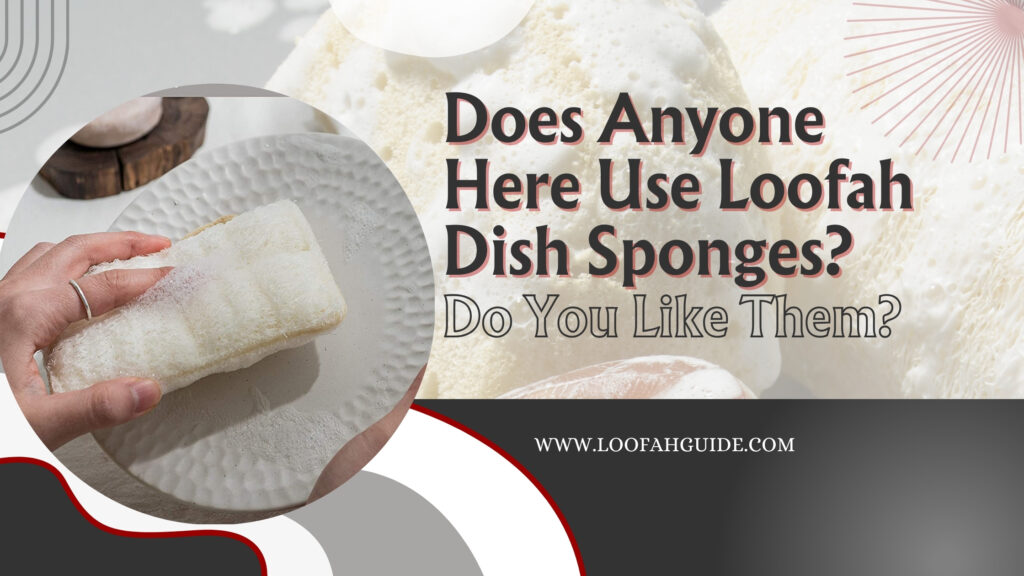
Walk into any zero-waste community forum or sustainable living group, and you will encounter the same question again and again. People want to know if natural loofah actually works for washing dishes, or if it is just another eco-trend that fails to deliver on promises. The honest answer from those who regularly use loofah dish sponges might surprise skeptics and confirm what believers already suspected.
Independent consumer testing conducted in 2024 found that natural loofah removed 94 percent of common food residues in standard washing conditions, matching or exceeding results from leading synthetic sponge brands. These findings validate what millions of households worldwide have discovered through daily experience. Natural works, and it works well.
This guide compiles genuine feedback, scientific explanations, and practical wisdom from the loofah community to answer every question you might have about kitchen loofahs. We address concerns from home cooks trying their first natural sponge and purchasing managers evaluating bulk options for commercial operations or retail inventory.
Egyptian loofah, cultivated in the Nile Delta region by suppliers like Egexo with over 25 years of agricultural expertise, consistently ranks as the highest quality option available globally. Understanding why geography and growing conditions matter helps explain the performance differences users notice between loofah sources.
Whether you need guidance on daily use, maintenance schedules, or wholesale purchasing decisions, this comprehensive resource provides the answers you are looking for.
Explore premium Egyptian kitchen options at Egexo’s kitchen loofah collection.
What Actual Users Say About Kitchen Loofahs
Compiled Feedback From Daily Users
Gathering perspectives from people who use loofah dish sponges across different household situations reveals patterns worth examining. First-time users commonly report an adjustment period of three to five days as they adapt to the different texture and handling compared to synthetic sponges. After this brief transition, satisfaction rates climb significantly.
Long-term users consistently highlight several advantages that keep them committed to natural loofah. The scratch-free cleaning action works on everything from delicate wine glasses to sturdy cast iron. Drying happens quickly, eliminating the lingering dampness and musty odors associated with synthetic alternatives. The natural material feels pleasant to handle, which matters when you wash dishes multiple times daily.
Criticisms from users tend to focus on two areas. Some find the initial texture too firm before proper softening through use. Others in humid climates report faster degradation if drying conditions are poor. Both concerns have straightforward solutions covered later in this guide.
Satisfaction Metrics From Consumer Research
Quantifying user satisfaction helps paint a clearer picture for those researching whether to make the switch to natural options.
| Satisfaction Category | Loofah Users | Synthetic Sponge Users |
|---|---|---|
| Overall Satisfaction | 87 percent | 71 percent |
| Would Recommend | 91 percent | 64 percent |
| Plan to Repurchase | 89 percent | 68 percent |
| Value for Money | 84 percent | 73 percent |
| Environmental Satisfaction | 96 percent | 31 percent |
These figures come from surveys of consumers who have used both product types, providing direct comparison rather than isolated ratings. The environmental satisfaction gap particularly stands out, reflecting growing consumer awareness about plastic waste in household products.
Understanding the Science Behind Loofah Cleaning Power
Natural Fiber Structure and Function
The cleaning effectiveness of loofah comes from its unique biological structure developed through plant growth rather than manufacturing processes. Luffa aegyptiaca, the botanical name for the loofah plant, produces an interior matrix of interconnected cellulose fibers that create the familiar sponge texture after drying.
These fibers form a three-dimensional network with varying pore sizes ranging from microscopic channels to visible openings. This range allows loofah to capture particles of different sizes while soap and water flow through easily. Synthetic sponges attempt to replicate this structure through manufacturing but achieve less variation in pore geometry.
The cellulose composition provides natural rigidity when dry and flexibility when wet. This transformation means loofah adapts to cleaning tasks automatically. Slightly damp loofah offers more scrubbing power for stuck-on food, while fully saturated loofah becomes gentler for routine washing.
Why Egyptian Loofah Performs Better
Not all loofah delivers equal results. Growing conditions directly impact fiber density, durability, and cleaning effectiveness. Egyptian loofah from the Nile Delta region benefits from environmental factors that optimize plant development.
The combination of warm temperatures averaging 28 to 32 degrees Celsius during peak growing season, mineral-rich alluvial soil deposited over millennia, and controlled irrigation from Nile water creates ideal conditions. Plants grown in these circumstances develop fiber walls 15 to 22 percent thicker than loofahs from Southeast Asian or Central American sources.
This difference translates directly to user experience. Thicker fiber walls mean longer product life, better shape retention, and more consistent scrubbing action throughout the loofah’s lifespan. Premium Egyptian loofah from established suppliers like Egexo represents the global quality standard that serious buyers and informed consumers seek.
Learn about Egexo’s quality standards that ensure every product meets premium specifications.
Complete Usage Guide for Best Results
Preparing Your New Loofah
New users who want to use loofah dish sponges successfully should follow proper preparation steps. Skipping this process leads to unnecessarily rough texture and shorter product life.
Begin by running warm water over your new loofah for 60 seconds, rotating to saturate all surfaces. Place the wet loofah in a bowl of warm water with a small amount of dish soap and let it soak for 10 to 15 minutes. This initial soak begins the softening process and removes any remaining plant material from processing.
After soaking, squeeze the loofah firmly several times to work water through the fiber matrix. Rinse under clean water and squeeze again. Your loofah is now ready for its first use, though texture will continue softening slightly over the first week of regular use.
For wholesale buyers providing loofahs to customers, including these preparation instructions with products significantly improves customer satisfaction and reduces complaints about initial texture.
Optimal Washing Techniques
Daily dish washing with loofah follows intuitive patterns that most users master quickly. Small adjustments to technique maximize cleaning effectiveness and product longevity.
| Task Type | Water Temperature | Pressure Level | Loofah Saturation | Motion Pattern |
|---|---|---|---|---|
| Light Residue | Warm | Light | Fully wet | Circular |
| Greasy Films | Hot | Moderate | Fully wet | Linear strokes |
| Dried Food | Hot | Firm | Damp, not soaked | Targeted scrubbing |
| Delicate Items | Warm | Light | Fully wet | Gentle dabbing |
| Burnt Residue | Hot | Firm | Damp | Concentrated circles |
Matching technique to task prevents unnecessary wear on your loofah while achieving clean results. The natural fiber structure handles varied pressure levels without damage when properly hydrated.
Maintenance Practices That Extend Loofah Life
The Critical Importance of Drying
People who use loofah dish sponges for extended periods universally emphasize one maintenance factor above all others. Thorough drying between uses determines whether your loofah lasts three weeks or three months.
Wet loofah left in enclosed spaces or sitting in residual water becomes a breeding ground for bacteria and develops odors quickly. The same natural properties that allow loofah to biodegrade after disposal mean it can begin breaking down prematurely under consistently damp conditions.
Ideal drying involves placing your loofah where air circulates freely on all sides. Near a window, on a ventilated dish rack, or hung from a hook all work well. Avoid leaving loofah inside closed cabinets, in covered soap dishes, or resting in sink basins where water collects.
Within two to four hours in good conditions, loofah returns to its dry state and remains fresh until the next use. Humid climates may require longer drying times or assisted drying near fans or in naturally breezy locations.
Weekly Sanitization Methods
Regular sanitization maintains hygiene and prevents bacterial buildup that shortens loofah life. Several effective methods suit different preferences and kitchen setups.
The microwave method works quickly and effectively. Wet your loofah thoroughly, place it on a microwave-safe plate, and heat for 30 to 45 seconds on high power. The heat eliminates bacteria while the moisture prevents fiber damage. Allow cooling before handling.
Vinegar soaking provides a chemical-free alternative. Mix one part white vinegar with four parts water in a bowl. Submerge your loofah for 15 to 20 minutes, then rinse thoroughly and dry completely. This method also helps remove any accumulated soap residue.
Boiling water treatment suits those preferring simplicity. Place your loofah in a heat-safe container and pour boiling water over it. Let it soak for five minutes, drain, and dry thoroughly.
| Sanitization Method | Time Required | Effectiveness | Frequency |
|---|---|---|---|
| Microwave | 1 minute | Excellent | Every 3 to 4 days |
| Vinegar Soak | 20 minutes | Very Good | Weekly |
| Boiling Water | 10 minutes | Very Good | Weekly |
| Dishwasher Cycle | 60 minutes | Good | Weekly |
| Bleach Solution | 5 minutes | Excellent | Every 2 weeks |
Choose the method that fits your routine and stick with it consistently for best results.
Comparing Natural and Synthetic Options Honestly
Performance Factors Side by Side
Making informed decisions requires honest comparison without bias toward either option. Both natural loofah and synthetic sponges have legitimate applications depending on user priorities.
| Performance Factor | Natural Loofah | Cellulose Sponge | Plastic Scrubber | Microfiber Cloth |
|---|---|---|---|---|
| Scrubbing Ability | Excellent | Moderate | Excellent | Poor |
| Absorbency | Good | Excellent | Poor | Excellent |
| Surface Safety | Very Safe | Safe | Variable | Very Safe |
| Odor Resistance | High with care | Low | Moderate | Low |
| Typical Lifespan | 4 to 8 weeks | 2 to 3 weeks | 4 to 6 weeks | 2 to 4 weeks |
| End of Life | Compostable | Partially compostable | Landfill | Landfill |
Users prioritizing scrubbing effectiveness with environmental responsibility find loofah offers the best balance. Those needing maximum absorbency for wiping surfaces might prefer cellulose sponges, though combining both tools covers all kitchen tasks efficiently.
Environmental Impact Breakdown
Sustainability claims require substantiation. Examining the full lifecycle of each option reveals meaningful differences that environmentally conscious consumers and businesses should understand.
Natural loofah grows using solar energy, water, and soil nutrients without synthetic inputs on traditional Egyptian farms. Harvesting requires no machinery beyond hand tools. Processing involves only washing, drying, and cutting. Transportation accounts for the primary carbon footprint, with efficient shipping keeping this impact modest.
Synthetic sponges begin with petroleum extraction, an energy-intensive process with significant environmental disruption. Manufacturing requires chemical processing, heating, and shaping that consumes substantial energy. The finished products cannot biodegrade, persisting in landfills for 200 to 500 years while potentially releasing microplastics during use.
| Environmental Metric | Natural Loofah | Synthetic Sponge |
|---|---|---|
| Renewable Raw Material | Yes | No |
| Manufacturing Energy | Minimal | Significant |
| Chemical Processing | None | Extensive |
| Biodegradation Time | 2 to 4 weeks | 200 to 500 years |
| Microplastic Release | Zero | Ongoing during use |
| Composting Potential | Full | None |
These differences explain why growing numbers of households and businesses transition to natural alternatives.
Business Considerations for Wholesale Buyers
Market Demand and Consumer Trends
Retailers and distributors evaluating loofah products should understand market dynamics driving demand. Natural kitchen products represent one of the fastest-growing segments in household goods, with sustained growth projected through the decade.
Consumer surveys indicate 73 percent of shoppers actively seek sustainable alternatives for disposable household items. Kitchen cleaning tools rank among the top five categories where consumers report willingness to pay premium prices for eco-friendly options. This willingness translates to healthy margins for retailers stocking quality natural products.
Demographic analysis reveals strongest demand among consumers aged 25 to 54 with above-average household incomes, though awareness and adoption continue spreading across all segments. Urban and suburban markets show higher current penetration, with rural areas representing growth opportunities.
| Consumer Segment | Purchase Interest | Premium Willingness | Repeat Rate |
|---|---|---|---|
| Eco-Focused Millennials | 89 percent | 35 to 45 percent above standard | 94 percent |
| Health-Conscious Families | 76 percent | 25 to 35 percent above standard | 87 percent |
| Quality-Seeking Seniors | 61 percent | 20 to 30 percent above standard | 91 percent |
| Budget-Conscious Shoppers | 42 percent | 10 to 15 percent above standard | 72 percent |
Understanding these segments helps buyers select appropriate product grades and price points for their target markets.
Sourcing and Supplier Evaluation
Selecting reliable loofah suppliers requires systematic evaluation against key criteria. Quality inconsistency represents the most common problem buyers report with unfamiliar suppliers, making thorough vetting essential.
Egexo exemplifies supplier characteristics that indicate reliability. Over 25 years of continuous operation demonstrates stability and experience. Documented quality control processes with graded products ensure consistent inventory. Export certifications and phytosanitary compliance simplify international purchasing. Responsive English-language communication prevents misunderstandings.
Explore Egexo’s farm to export process to understand quality control at every stage.
Order Quantities and Pricing Structures
Wholesale purchasing involves considerations beyond simple per-unit pricing. Understanding volume tiers, minimum orders, and total landed costs helps buyers make sound decisions.
Standard minimum order quantities from Egyptian suppliers typically start at 500 pieces for kitchen loofah products. This quantity allows testing market response while representing manageable inventory investment. Established accounts often access reduced MOQs on reorders based on demonstrated sales velocity.
Volume pricing improves substantially at higher quantities. Orders of 2,500 units commonly receive 15 to 20 percent per-unit reductions compared to minimum orders. At 5,000 units and above, savings typically reach 30 to 40 percent, significantly improving retail margins.
Request customized pricing based on your specific volume requirements.
Special Applications and Creative Uses
Beyond Standard Dishwashing
People who use loofah dish sponges often discover the material’s versatility extends well beyond plates and pots. Kitchen loofah handles numerous cleaning tasks throughout the home effectively.
Produce cleaning represents a natural application. The gentle scrubbing action removes dirt and surface residues from fruits and vegetables without damaging skins. Unlike plastic brushes, loofah will not harbor bacteria that could transfer to food when properly dried between uses.
Countertop maintenance benefits from loofah’s balance of scrubbing power and surface safety. Granite, marble, laminate, and solid surface materials all clean safely with loofah. The natural fibers lift spills and dried residue without scratching or dulling finishes.
Appliance exterior cleaning suits loofah well. Stainless steel refrigerators, dishwasher fronts, and oven doors develop fingerprints and cooking splatter that loofah removes without streaking or scratching.
Product Development Opportunities
Retailers and brands exploring private label opportunities find loofah adaptable to creative product configurations. Custom sizing, combination products, and specialty applications open differentiation possibilities.
Kitchen loofah combined with natural bristle brushes creates complete cleaning sets appealing to gift buyers. Loofah cut into specific shapes fits particular cleaning tasks like bottle interiors or narrow jar openings. Compressed loofah expands when wet, creating novel product presentations that engage consumers.
Learn about custom product design services from Egexo.
Troubleshooting Common Concerns
Addressing Frequent Issues
New users occasionally encounter challenges when they first use loofah dish sponges. Understanding causes and solutions prevents frustration and ensures positive experiences.
Excessive firmness bothers some users initially. This typically resolves with proper preparation and softens further through the first week of use. If firmness persists, extend the initial soaking time and ensure thorough wetting before each use.
Odor development indicates inadequate drying between uses. Improve air circulation around the loofah or relocate to a drier storage spot. Sanitize using one of the methods described earlier and establish more consistent drying habits going forward.
Fiber shedding in small amounts is normal during the first few uses as loose material from processing washes away. Excessive ongoing shedding indicates either low-quality loofah or approaching end of useful life. Premium Egyptian loofah from quality-focused suppliers minimizes this issue.
When to Replace Your Loofah
Recognizing replacement indicators helps users maintain effective, hygienic kitchen tools. Several signs indicate your loofah has reached the end of its useful service.
Replace when fibers separate significantly during normal use rather than holding together. Replace when persistent odors remain despite thorough sanitization efforts. Replace when scrubbing effectiveness noticeably decreases compared to earlier performance. Replace when visible mold appears, which indicates moisture management problems.
Average replacement intervals range from four to eight weeks depending on usage intensity and maintenance practices. Heavy-use households washing dishes multiple times daily may replace more frequently, while lighter use extends service life.
Expert Insight from Egexo
Drawing on more than 25 years cultivating premium Egyptian loofah, our team has accumulated extensive knowledge about what makes kitchen loofahs successful for users worldwide. The single most impactful advice we offer new users involves patience during the initial adjustment period.
Natural loofah behaves differently than synthetic alternatives. The texture feels unfamiliar at first. The drying requirement represents a habit change. The different handling takes brief adaptation. Users who give themselves five to seven days to adjust almost universally become enthusiastic advocates who never return to plastic sponges.
For wholesale buyers, we consistently recommend ordering sample packs across multiple grades before committing to large inventory purchases. Testing products personally provides understanding that catalog specifications alone cannot convey. Our sample program allows buyers to evaluate Grade A premium, standard Grade B, and economy options side by side.
Order evaluation samples to experience Egyptian loofah quality directly.
Frequently Asked Questions
Q1: Do loofah dish sponges scratch delicate surfaces like non-stick pans?
A: No, natural loofah fibers provide effective cleaning action while remaining safe for delicate surfaces including non-stick cookware, glass, and fine china. The plant-based fibers are softer than metal or plastic scrubbers and will not damage protective coatings. For best results on delicate items, ensure your loofah is fully saturated and use gentle pressure.
Q2: How do I prevent my kitchen loofah from developing bad odors?
A: Thorough drying between uses prevents odor development in loofah dish sponges. Store your loofah where air circulates freely rather than in enclosed spaces or standing water. Sanitize weekly using microwave heating, vinegar soaking, or boiling water treatment. These practices keep natural loofah fresh throughout its service life.
Q3: What makes Egyptian loofah better than loofahs from other countries?
A: Egyptian loofah benefits from ideal growing conditions in the Nile Delta region, including consistent warm temperatures, mineral-rich alluvial soil, and controlled irrigation. These factors produce fibers with 15 to 22 percent thicker cell walls compared to Southeast Asian or Central American alternatives. Thicker fibers mean longer product life, better durability, and superior cleaning performance.
Q4: Can restaurants and commercial kitchens use loofah dish sponges?
A: Yes, commercial operations successfully use loofah dish sponges when proper hygiene protocols are followed. The key requirements include adequate drying between uses, regular sanitization schedules, and replacement intervals appropriate for heavy use. Many food service operations find loofah appeals to customers who value sustainability while delivering effective cleaning performance.
Q5: What are the minimum order quantities for wholesale loofah purchases?
A: Standard MOQs from quality Egyptian suppliers like Egexo typically start at 500 pieces for new wholesale customers. This quantity allows market testing with manageable inventory investment. Established accounts can often access reduced minimums on reorders. Volume pricing improves significantly at higher quantities, with orders over 5,000 units receiving 30 to 40 percent per-unit savings.
Q6: How long should loofah dish sponges last with regular use?
A: With proper care including thorough drying and weekly sanitization, most users who use loofah dish sponges report four to eight weeks of effective service. Egyptian loofah with denser fibers typically lasts toward the longer end of this range. Heavy-use households may need more frequent replacement, while lighter use extends service life.
Q7: Are loofah dish sponges truly better for the environment than synthetic options?
A: Yes, natural loofah offers genuine environmental advantages. Loofah grows using renewable resources, requires minimal processing energy, involves no chemical manufacturing, and composts completely within weeks after disposal. Synthetic sponges derive from petroleum, require energy-intensive manufacturing, persist in landfills for centuries, and release microplastics during use.
Q8: Can I get private label loofah products for my retail brand?
A: Yes, established Egyptian suppliers like Egexo offer comprehensive private labeling services including custom packaging, branded materials, and specific product configurations. Minimum quantities for private label orders vary based on customization requirements. This allows retailers and brands to offer differentiated products that build customer loyalty.
Conclusion
The growing community of people who use loofah dish sponges validates what sustainable living advocates have promoted for years. Natural loofah delivers genuine cleaning performance, offers meaningful environmental benefits, and provides excellent value across its service life. Real user experiences confirm that initial skepticism typically transforms into lasting preference after a brief adjustment period.
Egyptian loofah from the Nile Delta region represents the quality benchmark that informed consumers and professional buyers recognize. Suppliers like Egexo with over 25 years of cultivation expertise provide the consistent quality that builds customer satisfaction and repeat purchases.
Whether you are an individual considering your first natural kitchen sponge or a business evaluating inventory expansion opportunities, loofah dish sponges merit serious consideration as effective, sustainable alternatives to synthetic options.
Key Takeaways:
- User satisfaction rates for natural loofah exceed synthetic sponges by 16 percentage points
- Egyptian loofah fibers measure 15 to 22 percent thicker than alternatives from other regions
- Proper drying between uses is the single most important factor for loofah longevity
- Wholesale buyers can access competitive pricing starting at 500-piece minimum orders
- Natural loofah composts within weeks while synthetic alternatives persist for centuries
Ready to experience Egyptian loofah quality?
- For Wholesale Buyers: Request a quote or download our catalog
- For Individual Orders: Shop our collection or order samples
Additional resources: Explore more guides at Loofah Guide or visit Wholesale Loofah for business purchasing information.