Most people assume loofahs come from the ocean. In reality, that textured scrubber in your shower started life as a vegetable growing on a vine in a sun-drenched field thousands of miles away. Understanding how bath loofahs are made transforms how you select, use, and appreciate these remarkable natural products.
The journey from seed to skincare tool involves agricultural expertise, precise timing, and multiple processing stages that directly determine whether you end up with a premium exfoliator or a disappointing product that falls apart within weeks. This distinction matters whether you purchase loofahs for personal use or source them for a business serving customers who expect quality.
Natural loofah production represents a fascinating intersection of traditional farming and modern quality control. The industry processes approximately 20 million units annually, with Egyptian producers accounting for the majority of premium grade output. Production methods have evolved over decades while maintaining core principles that have guided loofah cultivation for generations.
This comprehensive guide examines each phase of loofah manufacturing. You will discover why certain production choices create superior products, learn quality markers that separate premium loofahs from inferior alternatives, and understand factors that influence purchasing decisions for both wholesale buyers and individual consumers.
For those ready to source quality loofahs, Egexo offers products reflecting the best practices outlined in this guide, backed by over 25 years of Egyptian loofah expertise.
What Exactly Is a Loofah and Where Does It Come From
Before exploring how bath loofahs are made, understanding what you are actually using proves helpful. The natural loofah belongs to the cucumber family, growing as a gourd on climbing vines that can reach 30 feet in length.
The Botanical Reality Behind Your Bath Scrubber
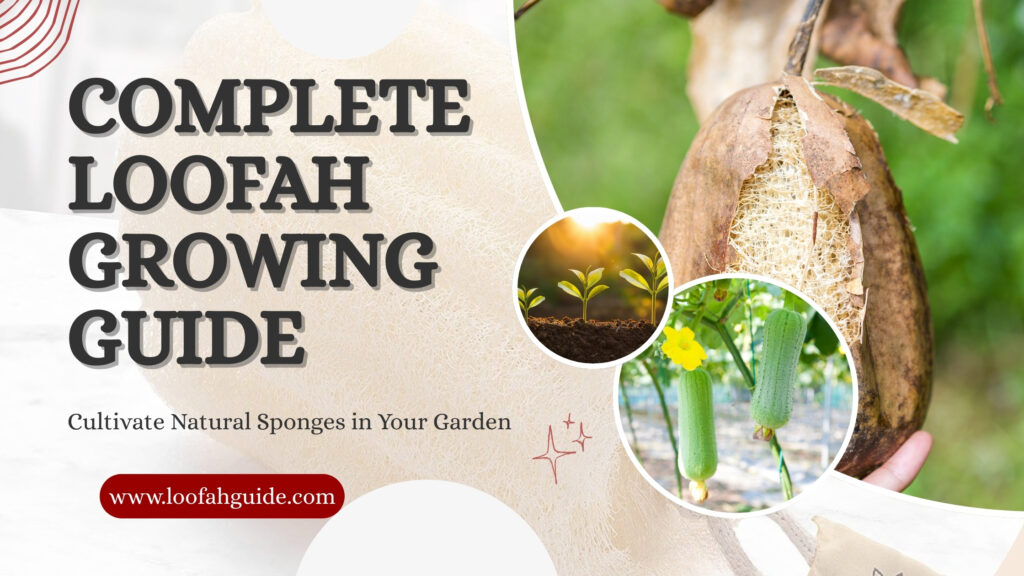
The plant species responsible for bath loofahs is Luffa aegyptiaca, sometimes called the Egyptian loofah or sponge gourd. Despite the aquatic appearance of the finished product, loofahs are entirely terrestrial plants requiring warm climates, adequate water, and several months of growing time.
When mature, the gourd develops an intricate internal fiber network that serves as the plant’s vascular system. This fibrous skeleton, once the soft outer flesh and seeds are removed, becomes the exfoliating tool familiar to consumers worldwide.
The fiber structure forms naturally during growth, creating the characteristic texture without any artificial processing. This organic development explains why natural loofahs offer exfoliation properties that synthetic alternatives struggle to replicate despite extensive engineering efforts.
Geographic Origins and Quality Implications
Loofah cultivation occurs across tropical and subtropical regions globally, but growing location dramatically impacts final product quality. The primary production regions include Egypt, China, India, Colombia, and smaller operations in various other countries.
Egyptian loofahs have earned recognition as the global quality standard. The Nile Delta region provides environmental conditions that optimize fiber development, producing loofahs with superior density and durability. Soil mineral content, temperature consistency, and growing season length all contribute to this quality advantage.
Regional Production Characteristics
| Growing Region | Annual Output | Quality Rating | Primary Markets | Notable Characteristics |
|---|---|---|---|---|
| Egypt | 6 to 8 million units | Premium | Europe, North America, luxury global | Highest fiber density, longest durability |
| China | 8 to 10 million units | Variable | Mass retail worldwide | High volume, inconsistent grading |
| India | 3 to 4 million units | Good | Asia, Middle East | Mid-range quality, competitive pricing |
| Colombia | 1 to 2 million units | Good | Americas | Growing reputation, sustainable focus |
| Other regions | 2 to 3 million units | Variable | Local and regional | Limited export infrastructure |
Professional buyers recognize these regional differences when specifying product requirements. Retailers serving quality-conscious consumers typically source Egyptian loofahs or carefully vetted alternatives. Budget-focused retailers often accept variable quality from high-volume producers.
For detailed supplier evaluation guidance, Wholesale Loofah provides resources helping buyers navigate sourcing decisions.
The Complete Production Timeline: Seed to Shipping
Learning how bath loofahs are made requires following the production timeline from initial planting through final delivery. Each stage involves specific techniques and timing that impact quality outcomes.
Phase One: Soil Preparation and Planting
Production begins months before any loofah takes shape. Farmers prepare fields during late winter, testing soil composition and amending as needed to achieve optimal growing conditions. Loofah vines prefer well-drained soil with moderate fertility and slightly acidic pH levels.
Planting occurs as soil temperatures stabilize in spring, typically March through April in Egyptian growing regions. Seeds may be started in protected nurseries before transplanting or direct-seeded into prepared fields depending on local practices and scale of operation.
Spacing between plants requires careful consideration. Too close together restricts airflow and promotes disease. Too far apart wastes productive land. Experienced growers position plants to maximize yield while maintaining plant health throughout the growing season.
Phase Two: Vine Growth and Flower Development
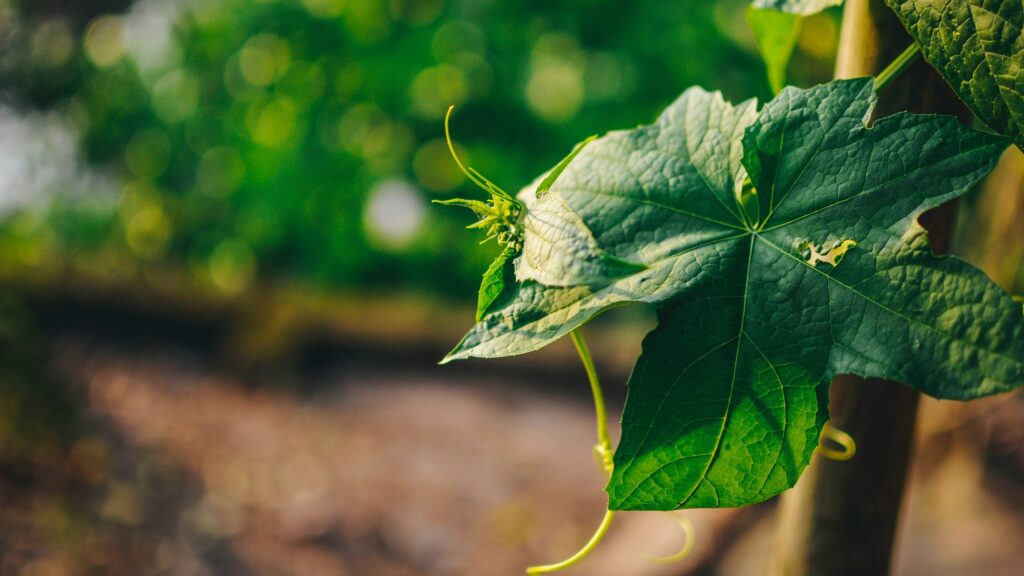
Loofah vines grow aggressively once established, producing large leaves and climbing structures in search of sunlight. Most commercial operations provide trellising systems that support vines while keeping developing gourds off the ground.
Yellow flowers appear after several weeks of vegetative growth. These flowers require pollination to develop into fruit, with bees and other insects providing this essential service. Growing regions with healthy pollinator populations produce more consistent yields.
Not every flower becomes a harvestable loofah. Growers often thin developing fruit to direct plant energy toward fewer, higher-quality gourds rather than numerous smaller ones. This thinning decision significantly impacts final product sizing and fiber development.
Phase Three: Fruit Development and Maturation
Following successful pollination, loofahs develop over several months. The gourd starts small and green, gradually elongating and developing the internal fiber network that defines the finished product.
During this growth phase, consistent water and nutrient availability matter greatly. Stress from drought, flooding, or nutrient deficiency creates weaknesses in fiber development that persist into the finished product. Premium producers maintain careful irrigation and monitoring throughout this critical period.
Color changes signal approaching maturity. Green skin yellows and eventually browns as the plant naturally begins drying. Internal moisture decreases while fibers strengthen and the characteristic loofah structure solidifies.
Loofah Development Timeline
| Growth Stage | Duration | Key Developments | Quality Factors |
|---|---|---|---|
| Germination | 7 to 14 days | Seed sprouts, initial roots form | Seed quality, soil temperature |
| Vegetative growth | 6 to 8 weeks | Vine extension, leaf development | Nutrient availability, spacing |
| Flowering | 2 to 4 weeks | Bloom production, pollination | Pollinator presence, weather |
| Fruit development | 8 to 12 weeks | Gourd enlargement, fiber formation | Water consistency, plant health |
| Maturation | 4 to 6 weeks | Drying, fiber strengthening | Harvest timing, weather conditions |
Phase Four: Harvest Timing and Technique
Harvest timing represents perhaps the most critical quality determinant in loofah production. The optimal harvest window spans only one to two weeks for any individual gourd, and identifying this window requires experienced judgment.
Loofahs harvested too early contain underdeveloped fibers and excessive moisture. These products feel soft initially but lack durability, breaking down quickly under normal use. They may also develop mold problems during drying and storage.
Loofahs left too long on the vine become overly dried and woody. While structurally sound, they offer harsh texture unsuitable for most skin types. Salvaging over-mature loofahs requires aggressive softening treatments that add cost and may compromise natural properties.
Expert harvesters evaluate multiple indicators including skin color, weight, sound when tapped, and slight flex when pressed. This assessment happens individually for each gourd since maturation timing varies even within the same field.
Visit the Egexo Farm to Export Process page for detailed information about how professional operations manage harvest timing.
Processing Steps That Transform Raw Gourds Into Bath Products
Raw harvested loofahs bear little resemblance to finished bath products. Multiple processing steps transform field produce into the familiar scrubbing tools consumers recognize.
Initial Processing: Skin and Seed Removal
Freshly harvested loofahs still contain outer skin and hundreds of seeds. Removing these elements requires different techniques depending on loofah maturity and intended end product.
Traditional skin removal involves soaking gourds in water until the outer layer softens and separates. Workers then peel or scrape away the skin, revealing the fiber network underneath. Alternative methods include dry processing for very mature loofahs where skin has already begun separating naturally.
Seed removal follows skin processing. Shaking, tapping, and manual extraction clear seeds from the fiber matrix. Thorough seed removal matters because retained seeds create dark spots and can harbor bacteria or mold in finished products.
These initial processing steps generate significant waste material. Progressive operations compost skin and seed waste, often returning nutrients to growing fields. Seeds from superior plants may be saved for future planting, maintaining genetic quality across growing seasons.
Cleaning and Sanitizing Procedures
Post-harvest loofahs require thorough cleaning before further processing. Residual plant material, field soil, and potential contaminants must be removed to create hygienic finished products.
Cleaning typically involves water washing with controlled temperature and duration. Water too hot damages fibers while water too cold fails to effectively remove residues. Optimal cleaning balances thorough cleansing with fiber preservation.
Sanitizing treatments vary by producer and intended market. Some operations use food-grade hydrogen peroxide solutions that eliminate bacteria without harsh chemical residues. Others rely on thorough drying combined with UV exposure for natural sanitization.
Processing Method Comparison
| Processing Approach | Advantages | Disadvantages | Best Applications |
|---|---|---|---|
| Traditional water soak | Low cost, gentle on fibers | Time intensive, weather dependent | Small-scale operations |
| Mechanical processing | Faster throughput, consistent results | Equipment investment, potential fiber damage | High-volume producers |
| Controlled environment | Precise results, year-round operation | Higher operational costs | Premium quality focus |
| Minimal processing | Preserves natural properties | Variable outcomes, limited scalability | Artisan and specialty markets |
Drying and Curing Requirements
Proper drying prevents mold growth and stabilizes loofahs for long-term storage and shipping. Target moisture content typically falls between 8 and 12 percent, low enough to prevent biological degradation while maintaining fiber flexibility.
Natural sun drying remains common in Egyptian production, taking advantage of consistently dry, sunny conditions. Loofahs spread on racks or hung in ventilated structures dry over several days to a week depending on initial moisture content.
Climate-controlled drying offers more consistent results but adds significant cost. Facilities using heated air or dehumidification can process loofahs year-round regardless of weather conditions, important for operations in less favorable climates.
Curing follows initial drying, allowing loofahs to reach equilibrium moisture content and stabilize before packaging. Rushing this phase can result in moisture migration after packaging, causing mold growth or quality degradation during storage and transit.
Quality Grading Systems and What They Mean
Finished loofahs undergo grading that categorizes them by quality characteristics. Understanding these grades helps both wholesale buyers and individual consumers select products matching their needs and expectations.
Industry Standard Grading Criteria
While no universal grading standard exists across all producers, most quality-focused operations use similar evaluation criteria. The primary factors include fiber density, color consistency, structural integrity, and sizing accuracy.
Standard Quality Grades Explained
| Grade Designation | Fiber Density | Color Standard | Defect Tolerance | Typical Applications |
|---|---|---|---|---|
| Premium or Grade A | Very high, tight weave | Uniform cream to light tan | Less than 5 percent minor defects | Luxury retail, professional spas |
| Standard or Grade B | High, consistent weave | Minor variations acceptable | Less than 10 percent defects | General retail, hospitality |
| Economy or Grade C | Moderate, some looseness | Natural variations allowed | Less than 20 percent defects | Budget retail, promotional use |
| Industrial | Variable | Not specified | Functional integrity only | Manufacturing inputs, pet products |
Premium grades command higher prices but deliver measurable performance advantages. Independent testing shows Grade A loofahs maintain structural integrity 50 to 60 percent longer than Grade C alternatives under identical use conditions.
For wholesale buyers, grade specification in purchase orders ensures receiving products matching customer expectations. Retailers stocking multiple grades can serve diverse market segments while maintaining appropriate margin structures.
Explore Egexo Quality Standards for detailed specifications across their product range.
Visual and Tactile Quality Indicators
Beyond formal grading, experienced buyers and consumers learn to recognize quality through direct examination.
Quick Quality Assessment Checklist
| What to Check | Premium Indicator | Warning Sign |
|---|---|---|
| Fiber tightness | Dense, springs back when pressed | Loose, stays compressed |
| Surface color | Even cream to tan tones | Dark spots, discoloration |
| Edge condition | Clean cuts, minimal loose fibers | Frayed, shedding edges |
| Weight relative to size | Substantial, indicates density | Unusually light or heavy |
| Flexibility | Slight give without brittleness | Rigid or overly soft |
| Odor | Neutral, clean | Musty, chemical, or sour |
Individual consumers can apply this checklist when shopping locally. Wholesale buyers should request samples before large orders to evaluate quality directly. Order samples from Egexo to assess their quality standards firsthand.
Shaping and Finishing for Different Product Types
Raw processed loofahs rarely sell in their natural cylindrical form. Most undergo cutting and shaping to create specific product configurations serving different use cases.
Common Bath Loofah Configurations
The bath and body market demands diverse loofah shapes. Each configuration suits different applications and consumer preferences.
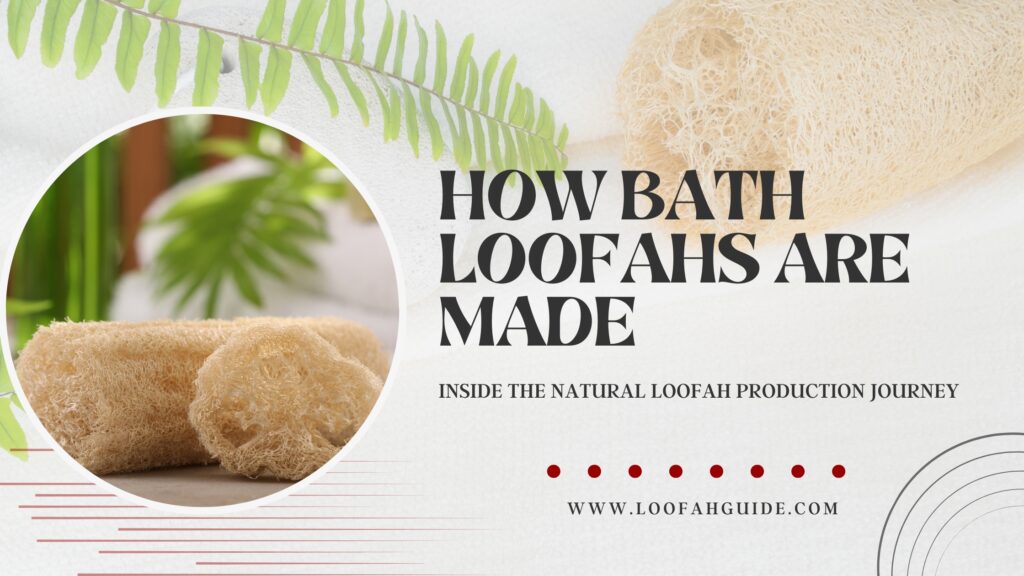
Round slices work well for facial cleansing and targeted body areas. Cutting creates uniform thickness pieces from larger loofahs, maximizing material use while providing appropriately sized products for delicate applications.
Back scrubber formats use longer loofah sections, sometimes with attached handles or straps. These products address the common challenge of reaching back areas during bathing, a significant consumer pain point that drives strong sales in this category.
Mitt and pad styles combine loofah material with fabric backing or enclosures. These hybrid products offer handling convenience while maintaining natural exfoliation benefits. Production requires integration with textile manufacturing capabilities.
Browse the complete Bath and Body Loofah selection to see available configurations across quality grades.
Kitchen and Household Applications
Natural loofahs excel at cleaning applications beyond personal care. The gentle abrasiveness removes residue without scratching, making them ideal for dishes, cookware, and surfaces where harsher scrubbers cause damage.
Kitchen loofah products typically use different sizing and sometimes different processing than bath items. Firmer texture may be preferred for cleaning applications where more aggressive scrubbing benefits task completion.
The Kitchen Loofah category features products specifically designed for household cleaning applications.
Specialty and Custom Products
Beyond standard configurations, loofah material supports various specialty applications. Pet grooming products use loofah texture for coat care. Spa treatments incorporate loofahs into body wraps and exfoliation services. Craft applications use loofah as a natural material component.
Custom product development allows businesses to create unique offerings differentiated from competitors. Custom Loofah Product Design services help businesses bring specialized product concepts to market.
For businesses seeking branded products, Private Label Loofah Manufacturing provides complete solutions from product development through finished packaging.
Sustainability Factors in Loofah Production
Environmental considerations increasingly influence purchasing decisions across consumer and business markets. Natural loofahs offer inherent sustainability advantages worth understanding.
Biodegradability Advantage
Unlike plastic mesh poufs that persist in landfills for centuries, natural loofahs decompose completely within months. Composting spent loofahs returns organic matter to soil, completing a natural cycle from plant to product to earth.
This biodegradability represents a significant differentiator in markets where consumers actively seek alternatives to persistent plastic products. Retailers positioning natural loofahs against synthetic competitors often highlight this environmental benefit.
Agricultural Sustainability Considerations
Loofah cultivation supports rural agricultural communities while requiring relatively modest resource inputs. The plants need moderate water compared to many crops and can integrate into sustainable farming rotations that maintain soil health.
Farms practicing responsible cultivation contribute to local economies while producing genuinely sustainable products. Understanding supply chain practices helps buyers identify sources aligned with sustainability commitments.
For comprehensive supply chain information, review the Egexo Farm to Export Process documentation.
Carbon Footprint Analysis
Natural plant-based products generally carry lower embodied carbon than synthetic alternatives requiring petroleum inputs and industrial manufacturing. While international shipping adds transportation impact, lifecycle analysis typically favors natural loofahs over plastic alternatives even accounting for distance traveled.
Progressive brands communicate these sustainability advantages to environmentally conscious customers, adding value beyond basic product functionality.
Practical Guidance for Buyers and Consumers
Whether purchasing for business or personal use, applying production knowledge improves selection and satisfaction outcomes.
For Wholesale and Business Buyers
Professional purchasing decisions should consider several factors beyond basic pricing.
Wholesale Buyer Evaluation Framework
| Evaluation Factor | What to Assess | Why It Matters |
|---|---|---|
| Quality consistency | Sample multiple lots, check grading accuracy | Protects customer satisfaction, reduces returns |
| Supply reliability | Production capacity, seasonal limitations | Prevents stockouts during demand peaks |
| Documentation | Certifications, testing reports, origin verification | Supports marketing claims, regulatory compliance |
| Communication | Response time, problem resolution approach | Enables smooth ongoing partnership |
| Flexibility | Custom options, minimum order requirements | Matches business needs and growth trajectory |
Building supplier relationships with quality-focused producers like Egexo provides advantages beyond transaction pricing, including priority allocation, early access to new products, and collaborative problem solving.
For detailed product specifications and pricing structures, download the complete Egexo catalog.
For Individual Consumers
Personal purchasers benefit from quality recognition skills and proper care practices.
Select loofahs showing dense fiber structure, consistent color, and clean edges. Avoid products with visible dark spots, loose fibers, or unusual odors. Premium quality costs more initially but delivers better value through longer useful life.
Consumer Care Best Practices
| Practice | Frequency | Purpose |
|---|---|---|
| Thorough rinsing | After every use | Removes soap and skin debris |
| Complete drying | After every use | Prevents bacterial and mold growth |
| Vinegar sanitizing | Weekly | Deep cleans fiber structure |
| Replacement | Every 3 to 4 weeks | Maintains hygiene standards |
Proper care extends loofah life significantly. Premium Egyptian loofahs with good care routinely last 8 to 12 weeks, delivering substantially more value than budget alternatives requiring frequent replacement.
Expert Insight from Egexo
With over 25 years cultivating and processing Egyptian loofahs, Egexo has refined production practices that consistently deliver premium quality. Their insight illuminates what separates exceptional loofahs from ordinary ones.
The fiber network inside each loofah develops according to growing conditions and harvest timing. Once formed, this structure cannot be improved through processing. No amount of treatment transforms a poorly developed loofah into a premium product. This reality underscores why origin and cultivation practices matter far more than processing techniques.
When evaluating any loofah, test fiber density by pressing firmly. Premium loofahs resist compression and spring back immediately. Inferior products stay compressed or feel overly soft. This simple test reveals more about quality than any label claim or marketing description.
Businesses serious about loofah quality should visit production facilities when possible. Seeing cultivation and processing firsthand provides understanding that remote evaluation cannot match. Egexo welcomes visits from serious buyers interested in establishing supply partnerships.
Frequently Asked Questions
How long does the entire loofah production process take from planting to finished product?
The complete production timeline spans approximately seven to eight months. Growing requires five to six months from planting through harvest. Post-harvest processing including drying, cleaning, cutting, and packaging adds another four to eight weeks depending on product complexity and production scale. This extended timeline explains why supply planning requires long lead times.
What causes some loofahs to fall apart quickly while others last for months?
Durability differences trace directly to fiber development during growth and harvest timing. Loofahs grown under optimal conditions develop dense, tightly woven fiber networks that withstand extended use. Premature harvesting creates underdeveloped fibers that break down quickly. Poor storage or shipping conditions can also degrade quality before products reach consumers.
How can consumers identify genuinely premium loofahs when shopping?
Look for dense fiber structure that springs back when compressed, consistent cream to tan coloring without dark spots, clean cut edges with minimal loose fibers, and neutral odor. Weight relative to size also indicates quality since denser fibers create heavier products. Egyptian origin often correlates with premium quality due to superior growing conditions.
What minimum order quantities should wholesale buyers expect?
Minimums vary significantly by supplier and product type. Sample orders typically have no minimum, allowing quality evaluation before commitment. Small wholesale orders often start at 100 to 500 units with per-unit pricing 20 to 30 percent below retail. Volume discounts increase at higher quantities, with orders above 2000 units commonly achieving 50 percent or greater savings.
Are there environmental certifications available for natural loofahs?
Organic cultivation certification is available from producers following approved growing practices. Fair trade certification verifies equitable treatment of agricultural workers. Import safety certifications confirm products meet destination country standards. Not all applications require certified products, but certification options enable serving markets with specific requirements.
How do kitchen loofahs differ from bath loofahs in production?
Kitchen and bath loofahs often come from the same raw material but may receive different processing and sizing. Kitchen products sometimes use firmer loofah sections providing more aggressive scrubbing for cleaning tasks. Bath products typically receive softening treatments and gentler finishing for skin contact applications. Some producers grow specific varieties optimized for each application.
What should spa owners look for when sourcing professional-grade loofahs?
Professional environments require consistent sizing, predictable texture, and reliable supply continuity. Specify Premium or Grade A products to ensure quality meeting client expectations. Request samples from multiple lots to verify consistency before committing to suppliers. Establish relationships with suppliers offering priority allocation and responsive communication for ongoing service needs.
Conclusion
Understanding how bath loofahs are made reveals the complexity behind these seemingly simple natural products. From careful seed selection through harvest timing, processing techniques, and quality grading, each production stage influences the product that ultimately reaches your hands.
Egyptian loofahs represent the quality standard against which alternatives are measured. The unique combination of growing conditions, agricultural expertise, and established production infrastructure creates products with measurably superior fiber density and durability. This quality advantage matters equally to wholesale buyers protecting their business reputation and individual consumers seeking value from their purchases.
Key Takeaways:
- Loofah production spans seven to eight months from planting through finished product
- Harvest timing critically determines fiber development and final quality
- Egyptian growing conditions produce 30 to 40 percent higher fiber density than other regions
- Quality grading systems help match products to specific applications and price points
- Natural loofahs offer genuine sustainability advantages over synthetic alternatives
- Proper care extends loofah life from a few weeks to two to three months
Ready to source quality loofahs?
- For Wholesale Buyers: Request a quote from Egexo or download their product catalog
- For Individual Shoppers: Browse the Egexo collection or request samples