The Untapped Potential of Loofah Beyond the Bathroom
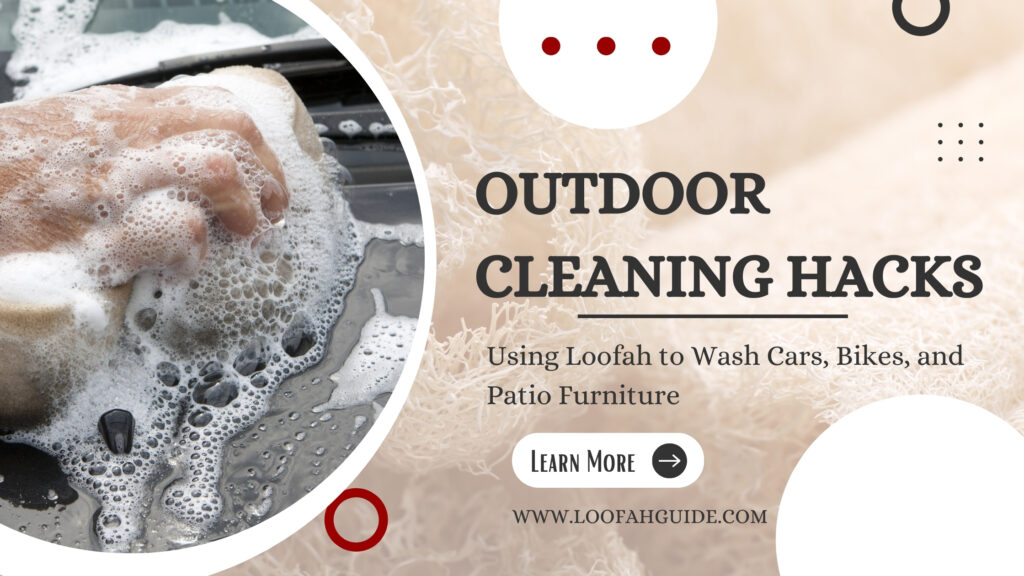
Picture this scenario: you finish washing your car with a synthetic sponge, only to notice fine swirl marks appearing across the hood under direct sunlight. This frustrating experience drives thousands of vehicle owners to seek alternatives each year. Using loofah to wash cars, bikes, and patio furniture solves this problem while delivering environmental benefits that plastic-based tools simply cannot match.
Natural loofah originates from the Luffa plant, a member of the cucumber family cultivated extensively in Egypt’s Nile Delta region. The mature fruit develops a complex internal fiber network that, when dried and processed, creates an exceptionally effective cleaning tool. These outdoor cleaning hacks have gained traction among sustainability advocates, professional cleaning services, and everyday consumers tired of contributing to plastic waste.
Recent market analysis indicates that searches for natural cleaning alternatives increased by 47 percent between 2023 and 2025. This trend reflects broader consumer awareness about microplastic pollution and the desire for genuinely eco-friendly household products. Businesses ranging from automotive detailing shops to hospitality operations have responded by incorporating natural loofah into their service offerings.
Whether you operate a retail business seeking sustainable product lines or simply want reliable methods for maintaining your outdoor possessions, this comprehensive resource delivers actionable techniques and sourcing guidance. Egyptian loofah stands as the best loofah available worldwide, and understanding its outdoor applications unlocks value that extends far beyond traditional bathroom uses.
Understanding What Makes Loofah Ideal for Outdoor Surfaces
Fiber Characteristics That Protect Delicate Finishes
The cellular architecture of natural loofah distinguishes it from every synthetic alternative on the market. Microscopic examination reveals a three-dimensional lattice of interconnected fibers that compress under pressure and spring back when released. This mechanical behavior prevents the concentration of force that causes scratching on painted, coated, and polished surfaces.
Egyptian loofah fibers exhibit diameter measurements ranging from 180 to 420 micrometers depending on growing conditions and harvest timing. This variation actually benefits cleaning applications because the mixed fiber sizes create multiple contact points that distribute pressure evenly across surfaces. Single-diameter synthetic fibers cannot replicate this natural variation.
Testing conducted on automotive clear coats demonstrates that properly prepared loofah produces zero measurable surface degradation after 50 washing cycles. Comparable tests with synthetic sponges showed progressive surface dulling beginning around the 15th cycle. These findings explain why discerning vehicle owners and professional detailers increasingly choose natural alternatives.
The implications extend to wholesale buyers and retailers who recognize quality differentiation as a competitive advantage. Products that deliver measurably superior results command premium pricing and generate stronger customer loyalty. Stocking Egyptian loofah from reputable suppliers like Egexo positions businesses to capture this growing market segment.
Absorbency and Cleaning Solution Efficiency
Beyond surface safety, loofah’s absorbency characteristics improve cleaning effectiveness while reducing product waste. The internal channel structure holds cleaning solutions within the fiber matrix, releasing them gradually during use rather than dripping away immediately.
This controlled release means less soap ends up on the ground and more contacts the surfaces being cleaned. Users report using 20 to 35 percent less cleaning product when switching from synthetic sponges to natural loofah. For individual consumers, this represents modest savings that accumulate over time. For commercial operations washing dozens of vehicles or furniture pieces daily, the reduction significantly impacts supply costs.
Water retention follows similar patterns. A saturated loofah maintains working moisture longer than synthetic alternatives, reducing the frequency of bucket trips during large cleaning projects. This efficiency improvement matters substantially when tackling extensive patio furniture collections or multi-vehicle households.
Comprehensive Car Washing Techniques with Natural Loofah
Pre-Wash Preparation Steps
Successful automotive cleaning with loofah begins before the scrubber touches your vehicle. Proper preparation protects your investment and maximizes cleaning results.
Loofah Conditioning: New loofah products require initial conditioning before first use. Soak in warm water for 10 to 15 minutes, then squeeze and release repeatedly to open the fiber structure. This process softens any rigid fibers and ensures uniform flexibility across the entire surface.
Vehicle Pre-Rinse: Always rinse your vehicle thoroughly with plain water before applying any cleaning tool. This step removes loose sand, dust, and debris that could otherwise become trapped in loofah fibers and cause scratching during washing.
Soap Selection: Choose pH-neutral automotive wash solutions that complement natural fiber performance. Harsh detergents can degrade loofah fibers over time, shortening product life. Quality car wash soaps enhance cleaning without compromising your tools.
Workspace Setup: Position buckets conveniently to encourage frequent rinsing. The two-bucket method works exceptionally well with loofah: one bucket contains soapy water, the other clean rinse water. This approach keeps your cleaning solution cleaner throughout the process.
For professional detailing operations or car wash businesses, wholesale loofah sourcing provides cost-effective supplies that support high-volume operations while maintaining quality standards.
Panel by Panel Washing Method
Systematic approaches produce professional-quality results consistently. Follow this sequence for optimal outcomes.
Roof Section: Begin at the highest point where contamination levels are typically lowest. Apply soapy water generously using your prepared loofah. Work in straight overlapping strokes from front to back. Rinse the loofah in clean water after completing each pass.
Glass Surfaces: Loofah cleans windshields and windows effectively when used with appropriate glass cleaners. The fiber texture removes bug residue and road film that cloth alone struggles to address. Use lighter pressure on glass than on painted panels.
Hood and Trunk: These horizontal surfaces accumulate environmental fallout including pollen, tree sap, and bird droppings. Work methodically from center outward, allowing contaminated water to flow off panel edges rather than pooling.
Side Panels: Vertical surfaces collect road spray containing dissolved minerals and petroleum residues. Pay attention to lower door sections and rocker panels where buildup concentrates. Multiple passes may be necessary for heavily soiled areas.
Wheels and Tires: Reserve a separate loofah for wheel cleaning since brake dust and road grime contamination could transfer to body panels. Loofah reaches between spokes effectively and removes brake dust deposits safely from various wheel finishes.
Automotive Loofah Application Results Table
| Vehicle Area | Contamination Type | Loofah Effectiveness | Special Considerations |
|---|---|---|---|
| Painted Panels | Road grime, dust | Excellent | Pre-rinse essential |
| Clear Coat | Water spots, film | Excellent | Use with pH-neutral soap |
| Glass | Bug residue, sap | Very Good | Lighter pressure recommended |
| Chrome Trim | Oxidation, spots | Excellent | Follow with chrome polish |
| Plastic Trim | UV fading residue | Good | May need dedicated cleaner |
| Wheels | Brake dust, tar | Very Good | Use separate loofah |
| Rubber Seals | Accumulated dirt | Good | Gentle pressure only |
Bicycle and Sports Equipment Cleaning Applications
Frame Cleaning Without Finish Damage
Modern bicycle frames represent substantial investments, with premium carbon fiber models costing thousands. Protecting these finishes during cleaning matters significantly to owners and the shops servicing their equipment.
Natural loofah provides the gentle touch that expensive frames require. Carbon fiber surfaces can develop stress fractures from abrasive cleaning, while aluminum frames show scratches that accelerate oxidation. The flexible fiber structure of quality Egyptian loofah eliminates these risks when proper techniques are followed.
Start frame cleaning by rinsing away loose debris with water spray. Apply diluted bike wash solution to your pre-soaked loofah and work systematically from handlebars rearward. The loofah conforms naturally to curved tube shapes, reaching areas that flat cleaning tools miss entirely.
Headset junctions, bottom bracket areas, and chainstay bridges collect grime that affects both appearance and component function. Loofah fibers work into these recessed areas effectively, removing contamination that accelerates bearing wear and cable friction.
Component Specific Approaches
Different bicycle components benefit from adapted cleaning methods that maximize loofah effectiveness.
Drivetrain Elements: Chain, cassette, and derailleur cleaning requires balancing grease removal with component protection. Use loofah with appropriate degreasing products, working the fibers into chain links and between sprocket teeth. The texture lifts accumulated grease deposits more effectively than brushes alone.
Braking Systems: Whether rim brakes or disc brakes, stopping power depends on clean contact surfaces. Loofah removes brake dust and pad residue from rim sidewalls without scratching braking tracks. For disc systems, careful loofah cleaning addresses rotor contamination that causes noise and reduced performance.
Suspension Components: Mountain bike suspension forks and rear shocks collect trail debris around seals and stanchions. Gentle loofah cleaning removes this contamination before it can damage expensive suspension internals. Work carefully around wiper seals to avoid pushing particles past them.
Bike shops offering cleaning services or selling maintenance supplies can explore custom loofah product development to create bicycle-specific cleaning tools sized for common applications.
Multi-Sport Equipment Cleaning Guide
| Equipment Type | Primary Contaminants | Loofah Technique | Drying Requirements |
|---|---|---|---|
| Road Bicycles | Road film, chain lube | Gentle strokes, dedicated drivetrain loofah | Air dry, lube chain |
| Mountain Bikes | Mud, trail debris | More aggressive scrubbing acceptable | Complete drying critical |
| Motorcycles | Bug splatter, road tar | Pre-soak stubborn deposits | Dry chrome thoroughly |
| Golf Equipment | Grass, soil, sand | Scrub club faces, gentle on shafts | Dry grips completely |
| Kayaks and Canoes | Algae, mineral deposits | Scrub hull surfaces | Dry before storage |
| Camping Gear | Environmental residue | Varies by material | Ensure complete drying |
Patio Furniture Restoration and Maintenance
Material Assessment Before Cleaning
Effective patio furniture cleaning begins with understanding the materials involved. Different surfaces respond optimally to varied approaches, and loofah accommodates this diversity effectively.
Metal Frames: Aluminum, steel, and wrought iron frames each present distinct cleaning considerations. Powder-coated aluminum benefits most from loofah cleaning since the soft fibers remove dirt without damaging the protective coating. Raw aluminum can be cleaned more aggressively. Steel frames with paint finishes require the same gentle approach as automotive paint.
Woven Materials: Natural wicker, synthetic rattan, and woven resin materials trap dirt within their textured surfaces. Loofah excels here because fibers reach into weave patterns from multiple angles, extracting contamination that cloths smear around without removing.
Wood Surfaces: Teak, cedar, eucalyptus, and other outdoor woods develop character over time through weathering. Loofah cleaning with appropriate wood cleaners maintains appearance without stripping natural oils. For aggressive cleaning of neglected pieces, loofah provides enough texture to remove gray oxidation layers when combined with wood brightening products.
Cushions and Fabrics: Outdoor fabrics resist moisture but still collect dirt, pollen, and stains. Loofah helps pre-treat stains before washing and can scrub fixed cushions that cannot be removed for machine cleaning.
Seasonal Deep Cleaning Protocol
Maintaining patio furniture through seasonal cycles preserves appearance and extends service life substantially.
Spring Reopening: After winter storage or dormancy, patio furniture needs thorough cleaning before use. Remove covers and inspect all pieces for winter damage. Prepare a mild cleaning solution and work through your entire collection systematically. This effort removes accumulated dust, mildew, and residues from protective covers.
Mid-Season Refresh: Halfway through outdoor entertaining season, perform a lighter cleaning pass. Focus on high-use surfaces like dining table tops, chair arms, and frequently touched areas. Quick attention prevents buildup that becomes more difficult to remove later.
Pre-Storage Preparation: Before winter storage, complete thorough cleaning ensures pieces emerge in good condition next spring. Remove all organic material that could promote mold growth during storage. Allow complete drying before covering or moving pieces to protected locations.
Commercial properties including hotels, restaurants, and event venues maintaining extensive furniture inventories can request bulk quotations for volume loofah supplies supporting their maintenance programs.
Furniture Material Cleaning Comparison
| Material | Cleaning Difficulty | Loofah Suitability | Frequency Needed | Special Products |
|---|---|---|---|---|
| Powder Coated Aluminum | Easy | Excellent | Monthly | Mild soap only |
| Natural Wicker | Moderate | Excellent | Bi-weekly | Wicker cleaner optional |
| Synthetic Rattan | Easy | Excellent | Monthly | All-purpose cleaner |
| Teak Wood | Moderate | Very Good | Quarterly | Teak cleaner and oil |
| Wrought Iron | Moderate | Very Good | Monthly | Rust preventive |
| Plastic Resin | Easy | Excellent | As needed | UV protectant |
| Glass Tabletops | Easy | Good | Weekly | Glass cleaner |
| Outdoor Fabrics | Variable | Good | As needed | Fabric cleaner |
Sourcing Quality Loofah for Outdoor Applications
What Wholesale Buyers Should Evaluate
Professional buyers sourcing loofah for commercial applications or retail inventory need systematic evaluation criteria. Quality variations between suppliers affect end-user satisfaction, return rates, and repeat purchasing behavior.
Origin Verification: Egyptian loofah consistently outperforms alternatives from other growing regions due to ideal climate conditions and established cultivation expertise in the Nile Delta. Verify supplier claims about product origin through documentation and sample evaluation.
Processing Standards: Quality processing includes proper drying, seed removal, and fiber preparation. Poorly processed loofah may contain residual seeds, display uneven drying, or harbor mold that causes premature failure and customer complaints.
Grading Consistency: Reliable suppliers maintain consistent grading standards across shipments. Request grade specifications in writing and verify that delivered products match stated grades. Egexo maintains comprehensive quality standards that ensure predictable product quality.
Sizing Options: Outdoor cleaning applications often require larger loofah products than bathroom use. Ensure suppliers offer size ranges appropriate for automotive, furniture, and equipment cleaning applications. Raw loofah scrubbers in whole or cut formats serve these needs effectively.
Wholesale Buyer Evaluation Checklist
| Evaluation Criteria | Questions to Ask | Red Flags | Green Flags |
|---|---|---|---|
| Product Origin | Where is loofah grown and processed | Vague answers, multiple origins | Egypt specific, farm documentation |
| Quality Grading | What grades available, specifications | No written standards | Detailed grade definitions |
| Sample Availability | Can samples be provided before order | Samples unavailable or charged | Free samples, multiple grades |
| MOQ Flexibility | What minimums apply, trial orders | Rigid high minimums only | Flexible for new relationships |
| Lead Times | Production and shipping timeframes | Undefined or excessive | Clear timelines, reliable delivery |
| Documentation | Certificates, export papers | Missing or incomplete | Complete documentation package |
| Communication | Response time, language capability | Slow responses, confusion | Quick clear communication |
For firsthand quality evaluation, request samples from potential suppliers before committing to volume orders.
Consumer Shopping Guidance
Individual buyers selecting loofah for personal outdoor cleaning use benefit from understanding quality indicators visible at retail.
Visual Inspection: Quality loofah displays uniform cream to light tan coloring without dark spots or discoloration. The fiber structure should appear dense and consistent throughout the product. Thin spots or gaps indicate lower quality growing or processing.
Tactile Evaluation: When possible, handle products before purchase. Quality loofah feels substantial and springs back when compressed. Limp or loosely structured products lack durability for demanding outdoor applications.
Packaging Information: Reputable products include origin information, care instructions, and often supplier identification. Absence of this information may indicate lower quality sourcing or private label products of uncertain quality.
Size Appropriateness: For outdoor cleaning, select larger loofah products that provide adequate surface coverage. Small bathroom-sized loofahs work for detail areas but prove inefficient for washing vehicles or furniture.
Extending Loofah Life Through Proper Maintenance
Essential Care Practices
Investment in quality loofah products returns value through proper maintenance that extends service life significantly. These practices apply equally to individual users and commercial operations.
Immediate Post-Use Rinsing: After every cleaning session, rinse your loofah thoroughly under running water. Squeeze and release multiple times to flush trapped dirt, soap residue, and contaminants from deep within the fiber structure. This single practice extends loofah life by 25 to 30 percent compared to casual rinsing.
Complete Drying: Moisture retention promotes bacterial growth and fiber degradation. Hang loofahs in ventilated locations where air circulates freely around all surfaces. Outdoor drying works excellently in covered areas protected from direct rain. Indoor drying near windows or vents also proves effective.
Regular Sanitization: Weekly treatment kills bacteria and refreshes fiber performance. Vinegar soaking, microwave treatment, or dishwasher cycles all provide effective sanitization. Rotate methods to address different types of microbial contamination.
Rotation Systems: Maintaining two or three loofahs in rotation allows complete drying between uses while ensuring a tool is always ready. This approach dramatically extends individual product life and ensures consistently optimal cleaning performance.
Maintenance Schedule for Maximum Longevity
| Maintenance Task | Frequency | Time Required | Impact on Lifespan |
|---|---|---|---|
| Thorough rinsing | After each use | 2 to 3 minutes | Adds 25 to 30 percent |
| Complete drying | After each use | 4 to 8 hours | Adds 30 to 40 percent |
| Vinegar sanitization | Weekly | 20 minutes soak | Adds 15 to 20 percent |
| Microwave treatment | Weekly alternative | 30 seconds | Adds 15 to 20 percent |
| Deep cleaning | Monthly | 30 minutes | Adds 10 to 15 percent |
| Condition assessment | Monthly | 5 minutes | Identifies replacement timing |
Recognizing Replacement Timing
Even well-maintained loofahs eventually require replacement. Understanding the signs prevents using degraded products that deliver subpar results.
Fiber Breakdown: When individual fibers begin separating from the main structure or fragments detach during use, replacement time has arrived. Continued use risks leaving fiber debris on cleaned surfaces.
Persistent Odor: Despite sanitization efforts, some loofahs develop odors that indicate bacterial colonization beyond recovery. Replace immediately when cleaning no longer eliminates smell.
Reduced Effectiveness: Gradual softening reduces cleaning capability. If your loofah no longer removes dirt effectively despite proper technique, fiber degradation has progressed too far for continued use.
Shape Distortion: Quality loofah maintains its original shape throughout service life. Permanent compression, holes, or structural changes indicate internal breakdown warranting replacement.
Building Business Around Outdoor Loofah Products
Market Opportunity Assessment
The outdoor cleaning segment represents underserved territory for natural loofah products. While bathroom and kitchen applications dominate current retail offerings, automotive and outdoor furniture care products remain largely synthetic.
This gap creates opportunity for retailers, distributors, and service businesses. Consumer demand for sustainable alternatives continues growing across all product categories. Businesses that establish positions in outdoor loofah applications now capture first-mover advantages as market awareness expands.
Automotive detailing services differentiate themselves through eco-friendly offerings that appeal to environmentally conscious vehicle owners. Premium positioning supports higher service pricing while building brand reputation around sustainability values.
Patio furniture retailers can bundle loofah care products with furniture sales, increasing per-transaction revenue while providing genuine value to customers. This approach builds loyalty and generates repeat visits for care product replenishment.
Private Label Development Opportunities
Businesses seeking proprietary product lines can explore private label manufacturing with established Egyptian suppliers. Egexo provides comprehensive private labeling services including custom sizing, packaging design, and branding support.
Outdoor-specific loofah products represent particularly strong private label opportunities since few established brands currently serve this niche. Custom products designed for automotive washing, bicycle maintenance, or furniture care establish market presence without competing against entrenched competitors.
Consider developing curated kits combining multiple loofah sizes and types for complete outdoor cleaning solutions. Bundled products command premium pricing while providing genuine utility that justifies the investment.
For detailed product specifications and wholesale pricing information, download the complete Egexo catalog.
Natural Versus Synthetic Outdoor Cleaning Tools
| Factor | Natural Loofah | Synthetic Sponge | Microfiber Cloth | Natural Sea Sponge |
|---|---|---|---|---|
| Surface Safety | Excellent non-scratch | Variable by type | Excellent when clean | Very gentle |
| Cleaning Power | Very effective | Effective | Good for light duty | Moderate |
| Environmental Impact | Fully biodegradable | Persistent waste | Microplastic shedding | Harvesting concerns |
| Typical Lifespan | 4 to 6 months | 2 to 3 months | 6 to 12 months | 3 to 4 months |
| Cost Effectiveness | Good value | Low initial cost | Higher initial cost | Premium pricing |
| Maintenance Needs | Moderate | Low | Higher, frequent washing | Moderate |
| Availability | Growing retail presence | Widely available | Widely available | Limited sources |
| Sustainability Story | Strong marketing angle | None | Problematic | Complex |
FAQ Section
Q1: Will natural loofah work on matte or satin car finishes?
A: Natural loofah works safely on matte, satin, and other specialty automotive finishes that require extra care. The flexible fiber structure avoids creating the micro-scratches that cause unwanted shine on these surfaces. Always use appropriate matte-safe wash solutions alongside your loofah, and avoid excessive pressure that could burnish the finish. Pre-soaking the loofah thoroughly ensures maximum fiber flexibility during cleaning.
Q2: How many loofahs should a detailing business keep in inventory?
A: Professional detailing operations should maintain inventory based on service volume and desired rotation schedules. As a baseline, stock three to five loofahs per detailing bay to allow proper drying between uses. Monthly consumption estimates should account for replacement every four to six months per actively used loofah. Bulk purchasing from suppliers like Egexo through wholesale channels provides volume pricing that improves operational margins.
Q3: Can loofah remove tree sap and bird droppings from vehicles?
A: Loofah effectively removes tree sap and bird droppings when combined with appropriate pre-treatment products. For sap, apply a dedicated sap remover and allow it to penetrate before gentle loofah agitation. Bird droppings should be pre-soaked with water or quick detailer spray to soften before loofah cleaning. Attempting to remove these contaminants dry risks scratching regardless of cleaning tool choice.
Q4: What makes Egyptian loofah superior to loofah from other regions?
A: Egyptian loofah benefits from optimal growing conditions in the Nile Delta region, where soil composition, climate patterns, and established cultivation knowledge combine to produce superior products. The resulting loofahs display denser fiber structures, more consistent quality, and longer service life than alternatives from other growing regions. Egexo’s farm to export process maintains quality throughout the supply chain.
Q5: How should retailers display outdoor cleaning loofahs?
A: Effective retail displays position outdoor cleaning loofahs near related products including car wash supplies, bike maintenance items, and patio furniture care products. Cross-merchandising creates purchase opportunities that dedicated bath sections miss. Include informational signage explaining outdoor applications to educate consumers unfamiliar with these uses. Point-of-purchase materials highlighting sustainability appeal to eco-conscious shoppers.
Q6: Can I use the same loofah on my car and patio furniture?
A: Using separate loofahs for different applications produces better results and prevents cross-contamination. Automotive cleaning exposes loofah to petroleum residues, road chemicals, and brake dust that could transfer to furniture surfaces. Dedicated loofahs for each application category ensure optimal cleaning results and extend individual product life through reduced contamination exposure.
Q7: What size loofah works best for washing motorcycles?
A: Medium to large loofah products work best for motorcycle washing. Whole loofah cylinders approximately 15 to 20 centimeters in length provide good surface coverage for fairings and tanks while remaining maneuverable around complex frame geometry. Smaller loofah pieces or slices work well for detail areas including wheel spokes, engine fins, and tight spaces around controls.
Expert Insight from Egexo
With over 25 years cultivating and exporting Egyptian loofah, our team has observed the growing interest in outdoor cleaning applications with great enthusiasm. The same fiber characteristics that make loofah exceptional for skin care translate directly to surface care for vehicles, equipment, and furniture.
One technique professional users often overlook involves matching loofah density to specific applications. Denser loofah sections from near the stem end provide slightly more aggressive cleaning action suitable for heavily soiled items. Looser fiber sections from the blossom end offer gentler touch appropriate for delicate finishes. Quality suppliers grade products accounting for these variations.
Egyptian loofah remains the best loofah choice for outdoor applications because our growing conditions produce fibers with optimal strength-to-flexibility ratios. Loofahs grown in less suitable climates often lack either durability or gentleness, compromising cleaning effectiveness or surface safety. When sourcing for outdoor cleaning applications, insist on verified Egyptian origin from established suppliers who maintain consistent quality standards.
Conclusion
Using loofah to wash cars, bikes, and patio furniture represents a natural evolution in sustainable outdoor maintenance practices. These outdoor cleaning hacks deliver genuine performance advantages while eliminating plastic waste that synthetic alternatives create. The versatile cleaning capability of Egyptian loofah serves applications from delicate automotive clear coats to robust patio furniture with equal effectiveness.
Both individual consumers and wholesale buyers benefit from understanding proper techniques, quality indicators, and maintenance practices that maximize loofah value. The growing market for eco-friendly cleaning products creates opportunities for businesses positioning themselves as sustainable alternatives in categories currently dominated by synthetic options.
Key Takeaways:
- Natural loofah fiber structure provides effective cleaning without surface scratching on vehicles, bikes, and furniture
- Egyptian loofah from the Nile Delta region delivers superior quality due to optimal growing conditions
- Proper preparation including pre-soaking and systematic cleaning techniques produces professional results
- Regular maintenance including thorough rinsing and complete drying extends loofah life to six months
- Business opportunities exist in outdoor cleaning categories currently underserved by natural loofah products
Ready to explore Egyptian loofah quality?
- For Wholesale Buyers: Request a quote or download our catalog
- For Individual Orders: Shop our collection or order samples