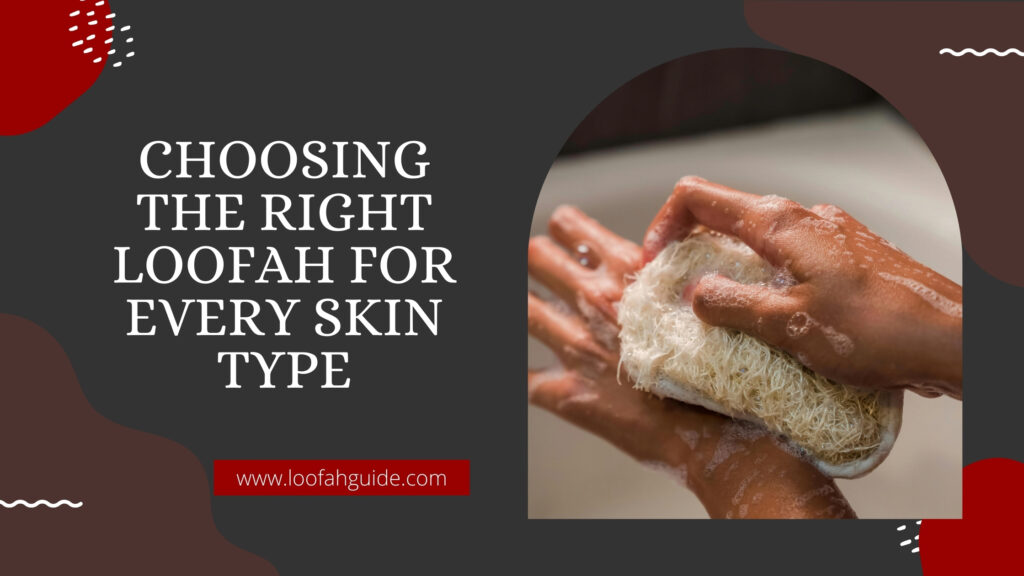
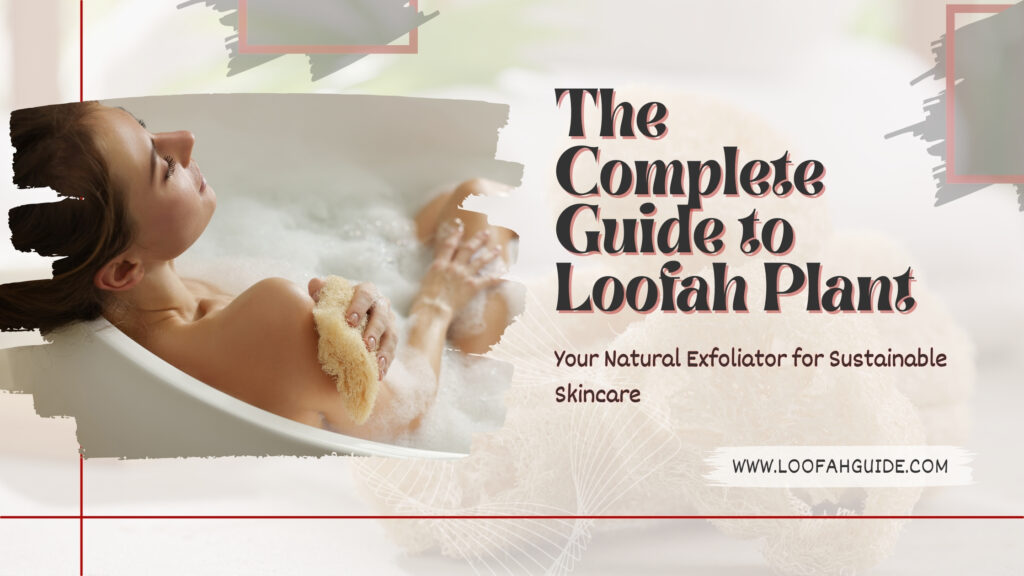
Every year, consumers discard approximately 8.3 billion synthetic bath sponges globally, with each one taking between 200 and 500 years to decompose. This staggering waste stream has prompted growing interest in the loofah plant, a remarkable natural exfoliator that offers superior skincare benefits while decomposing completely within weeks. Understanding this plant and its applications empowers both individual consumers seeking healthier skincare routines and businesses looking to meet rising demand for sustainable products.
The loofah plant has served human skincare needs for thousands of years, predating every synthetic alternative by millennia. Yet many people today remain unfamiliar with its origins, proper use, and remarkable benefits. This comprehensive guide addresses everything you need to know about incorporating this natural exfoliator into your routine or product offerings, drawing on expertise from leading Egyptian loofah cultivators who have perfected growing and processing methods across generations.
Whether you seek practical advice for personal use, scientific understanding of how natural exfoliation works, or business insights for sourcing quality products, this guide provides the information you need. The loofah plant represents more than a beauty tool; it embodies a return to sustainable practices that honor both personal health and planetary wellbeing.
What Exactly Is the Loofah Plant
Many people express surprise upon learning that their loofah sponge grows from a plant rather than originating from the ocean. The loofah plant belongs to the Cucurbitaceae family, making it a botanical cousin of cucumbers, melons, and squash. This climbing vine produces elongated fruits that, when properly matured and processed, yield the fibrous natural exfoliator found in bathrooms worldwide.
Botanical Origins and Characteristics
The scientific name Luffa aegyptiaca reflects the plant’s strong association with Egyptian cultivation, though the species grows throughout tropical and subtropical regions. The vine features large leaves and yellow flowers, eventually producing cylindrical fruits that can reach lengths of 30 to 60 centimeters depending on variety and growing conditions.
During early growth stages, loofah fruits remain edible and are consumed as vegetables in many Asian cuisines. However, allowing the fruit to fully mature on the vine transforms its interior into the dense fiber network that makes it valuable as a natural exfoliator. This maturation process typically requires 150 to 200 days from planting to harvest.
The fiber structure develops through a natural process where the fruit’s flesh breaks down while vascular bundles strengthen and interconnect. This creates the characteristic texture that provides effective exfoliation without the microplastic contamination associated with synthetic alternatives.
Growing Conditions and Regional Differences
Climate significantly influences loofah quality, with certain regions producing notably superior products. The loofah plant thrives in warm temperatures between 25 and 35 degrees Celsius, requiring consistent moisture during early growth followed by drier conditions as fruits mature.
| Growing Region | Climate Characteristics | Typical Quality | Market Position |
|---|---|---|---|
| Egypt, Nile Delta | Warm, controlled irrigation, rich soil | Premium, dense fibers | Highest quality, export focused |
| China | Variable, large scale production | Mixed quality levels | Volume production |
| India | Tropical, traditional methods | Moderate quality | Regional markets |
| Central America | Humid tropical | Variable quality | Local and specialty markets |
| Mediterranean | Warm summers, limited growing season | Good quality, limited volume | Specialty and organic markets |
Egyptian loofah has earned recognition as the global quality standard due to the unique combination of Nile Delta soil composition, controlled irrigation practices, and generations of cultivation expertise. These factors produce fiber density and durability that distinguish Egyptian products in international markets.
For wholesale buyers evaluating sourcing options, understanding these regional differences proves essential. Suppliers like Egexo leverage Egyptian growing advantages to deliver consistent quality that satisfies demanding commercial applications and discerning retail consumers alike.
How the Natural Exfoliator Benefits Your Skin
The loofah plant provides exfoliation benefits through mechanical action rather than chemical processes. Understanding how this works helps users maximize benefits while avoiding potential issues from improper use.
The Science of Natural Exfoliation
Your skin continuously regenerates, with new cells forming in deeper layers and gradually migrating to the surface over approximately 28 to 40 days. Dead cells accumulate on the outer layer, potentially causing dullness, clogged pores, and rough texture. The natural exfoliator action of loofah physically removes these dead cells, revealing fresher skin beneath.
Unlike chemical exfoliants that dissolve cellular bonds, mechanical exfoliation using the loofah plant works through gentle friction. The fiber structure creates microscopic contact points that lift and remove dead cells without penetrating living tissue. This makes loofah suitable for regular use without the sensitivity concerns associated with acid-based exfoliants.
Research indicates that regular mechanical exfoliation supports several skin health markers:
Improved Circulation: The massaging action stimulates blood flow to treated areas, delivering oxygen and nutrients while promoting lymphatic drainage.
Enhanced Absorption: Removing the dead cell barrier allows skincare products to penetrate more effectively, increasing their efficacy.
Reduced Ingrown Hairs: Regular exfoliation prevents dead cells from trapping hair follicles, reducing ingrown hair occurrence.
Brighter Appearance: Fresh cell exposure reflects light more evenly, creating a naturally radiant appearance.
Skin Type Considerations
The loofah plant works across skin types when used appropriately, though technique and frequency should vary based on individual characteristics.
| Skin Type | Recommended Frequency | Pressure Level | Best Loofah Type |
|---|---|---|---|
| Normal | 3 to 4 times weekly | Moderate | Standard body loofah |
| Oily | 4 to 5 times weekly | Moderate to firm | Dense fiber loofah |
| Dry | 2 times weekly | Light to moderate | Softer loofah varieties |
| Sensitive | 1 to 2 times weekly | Very light | Fine texture facial loofah |
| Combination | 3 times weekly | Varies by area | Multiple loofah types |
| Mature | 2 to 3 times weekly | Light | Softer body loofah |
Understanding your skin type ensures you extract maximum benefit from your natural exfoliator while minimizing irritation risk. When beginning loofah use, start with lighter pressure and less frequency, gradually increasing as your skin adjusts.
Areas to Exfoliate and Areas to Avoid
The loofah plant produces versatile products suitable for most body areas, though certain zones require caution or alternative approaches.
Ideal for loofah exfoliation: Arms, legs, back, shoulders, feet, and torso respond well to regular loofah use. These areas feature thicker skin that tolerates and benefits from mechanical exfoliation.
Use with caution: The face requires gentler treatment than body skin. If using loofah on facial areas, select products specifically designed for facial use with finer, softer textures. Alternatively, reserve loofah for body use and select gentler methods for facial exfoliation.
Avoid loofah use: Never use loofah on broken skin, active acne lesions, sunburned areas, or irritated skin. These conditions require healing before resuming exfoliation. Additionally, avoid using body loofah on intimate areas where skin is thinner and more sensitive.
Selecting Quality Loofah Products
Not all loofah products deliver equivalent results. Quality varies significantly based on cultivation, harvest timing, processing methods, and storage conditions. Learning to identify quality helps consumers make satisfying purchases and guides businesses in sourcing decisions.
Visual Quality Indicators
Examining a loofah before purchase reveals much about its quality and likely performance.
| Quality Indicator | Signs of Quality | Signs of Poor Quality |
|---|---|---|
| Fiber density | Tightly woven, no visible gaps | Loose fibers, visible holes |
| Color | Cream to golden tan, uniform | Bright white, gray, or spotted |
| Flexibility | Springs back when compressed | Stays compressed, brittle |
| Odor | Mild earthy scent or odorless | Chemical smell, musty odor |
| Weight | Substantial for size | Unusually light |
| Texture | Consistent throughout | Varying density, soft spots |
Premium loofah from established suppliers like Egexo undergoes quality control processes that eliminate substandard products before reaching buyers. This consistency matters particularly for wholesale purchasers whose business reputation depends on product quality.
Product Forms and Applications
The loofah plant yields raw material that manufacturers shape into various product forms, each designed for specific applications.
Whole loofah: The complete processed fruit, often cut to standard lengths. Versatile for personal cutting and shaping or direct use on body areas.
Loofah slices: Cross-cut sections creating circular or oval shapes. Popular for facial use and targeted exfoliation.
Loofah mitts and gloves: Loofah material attached to fabric backing with hand enclosure. Provides control and convenience for body exfoliation.
Loofah pads: Flat loofah pieces, sometimes with backing materials. Useful for both body care and household cleaning applications.
Loofah on rope: Whole or partial loofah with hanging cord attached. Facilitates drying and shower storage.
Combination products: Loofah paired with natural bristles, pumice, or other materials. Addresses multiple needs in single products.
For consumers, selecting appropriate product forms based on intended use ensures satisfaction. For businesses building product lines, understanding these categories helps in curating assortments that meet diverse customer needs. Explore body and bath loofah options to see the range of possibilities available.
Sourcing Considerations for Buyers
Businesses incorporating loofah products into their offerings must evaluate suppliers carefully. The wholesale market includes sources ranging from premium Egyptian suppliers to low-cost alternatives with inconsistent quality.
Essential supplier evaluation criteria:
| Factor | What to Assess | Why It Matters |
|---|---|---|
| Origin verification | Confirm actual growing region | Quality correlates with origin |
| Quality documentation | Request specifications and testing data | Validates claims objectively |
| Sample availability | Order samples before committing | Firsthand quality verification |
| MOQ flexibility | Understand minimum requirements | Affects inventory investment |
| Customization options | Assess branding and modification capabilities | Enables differentiation |
| Communication responsiveness | Evaluate pre-sale interactions | Indicates post-sale support |
| Export experience | Review shipping and documentation history | Ensures smooth logistics |
| Certification status | Verify relevant certifications | Meets market requirements |
Egexo demonstrates these qualities through over 25 years of Egyptian loofah cultivation and export experience. Their farm to export process provides transparency that supports buyer confidence, while sample programs allow quality verification before volume purchases.
Businesses ready to explore sourcing can request samples to evaluate product quality firsthand, or request wholesale quotes for specific product needs and volume requirements.
Proper Care for Your Natural Exfoliator
Maximizing loofah lifespan and maintaining hygiene requires consistent care practices. The natural fibers that make loofah environmentally friendly also create considerations for maintenance that differ from synthetic alternatives.
Daily Care Protocol
Every use session should end with proper cleaning and storage. These habits significantly extend product life while ensuring hygienic conditions.
Step one: Rinse thoroughly under running water, working soap and debris from all fiber surfaces. The loofah plant’s network structure can trap residue, so thorough rinsing matters.
Step two: Squeeze firmly to remove excess water without wringing or twisting, which can damage fibers over time.
Step three: Shake gently to open fiber structure and promote air circulation during drying.
Step four: Hang in a well-ventilated location away from direct shower spray. Complete drying between uses prevents bacterial growth and fiber deterioration.
Weekly Deep Cleaning Methods
Beyond daily care, weekly disinfection eliminates bacteria that accumulate despite regular rinsing. Several effective methods exist, allowing users to select based on available materials and preferences.
Diluted bleach soak: Combine one tablespoon of bleach per gallon of water. Submerge loofah for five minutes, then rinse thoroughly and dry completely. Effective but may slightly accelerate fiber breakdown with repeated use.
Vinegar solution: Mix equal parts white vinegar and warm water. Soak loofah for 15 to 20 minutes, rinse well, and dry. Gentler than bleach while providing good antibacterial action.
Hydrogen peroxide treatment: Apply three percent hydrogen peroxide solution, allowing it to penetrate fibers for 10 minutes. Rinse and dry. Effective and gentle on natural fibers.
Boiling water: Submerge loofah in boiling water for two to three minutes. Allow to cool before handling. Highly effective but may slightly soften fibers over time.
Essential oil treatment: Add several drops of tea tree or eucalyptus oil to rinse water. These natural antimicrobials help control bacteria while adding pleasant scent.
Replacement Timing Guide
The loofah plant produces a biodegradable product, meaning it naturally breaks down over time. This environmental benefit requires periodic replacement to maintain effectiveness and hygiene.
Replace your loofah when you observe:
- Persistent odor despite thorough cleaning
- Visible discoloration or dark spots that do not wash away
- Significant fiber shedding during use
- Loss of structural firmness or shape retention
- Decreased lather production
- Any visible mold growth
Under typical use conditions with proper care, quality loofah lasts three to four weeks. Heavy use may necessitate more frequent replacement, while occasional use might extend lifespan somewhat. However, prioritize hygiene over maximizing product life, replacing at the first sign of deterioration.
Sustainable Beauty Beyond the Loofah Plant
While the loofah plant provides an excellent foundation for sustainable skincare, comprehensive eco-friendly beauty routines incorporate multiple elements. Understanding how loofah fits within broader sustainable practices helps both consumers and businesses approach environmental responsibility holistically.
Building a Complete Sustainable Routine
The natural exfoliator you choose represents one component of daily routines that collectively determine environmental impact.
Cleansing: Bar soaps in minimal packaging replace liquid body wash in plastic bottles. Many natural soaps pair excellently with loofah, creating rich lather while cleaning effectively.
Moisturizing: Products in glass containers, solid lotion bars, or refillable packaging reduce plastic waste. Apply after loofah exfoliation for optimal absorption.
Hair care: Shampoo and conditioner bars eliminate plastic bottles entirely while often containing fewer synthetic ingredients than liquid alternatives.
Oral care: Bamboo toothbrushes, tooth powder in glass jars, and plastic-free floss complete bathroom sustainability.
Makeup and cosmetics: Refillable palettes, products in recyclable packaging, and brands committed to sustainability reduce beauty routine environmental impact.
Environmental Impact Comparison
Understanding the quantified differences between sustainable and conventional choices reinforces commitment to better practices.
| Product Category | Conventional Option | Sustainable Alternative | Annual Waste Reduction |
|---|---|---|---|
| Body exfoliator | Plastic bath puff | Loofah plant sponge | 6 to 8 plastic items |
| Body wash | Plastic bottle | Bar soap | 8 to 12 bottles |
| Shampoo | Plastic bottle | Shampoo bar | 6 to 8 bottles |
| Cotton rounds | Disposable cotton | Reusable cloth rounds | 500 plus cotton pads |
| Razors | Disposable plastic | Safety razor | 12 to 24 razors |
| Toothbrush | Plastic | Bamboo | 4 plastic brushes |
These individual changes compound across millions of consumers, creating meaningful environmental impact. For businesses, offering sustainable alternatives positions your brand favorably with growing eco-conscious market segments.
The Business Case for Sustainability
Retailers and service providers increasingly recognize that sustainable products drive customer loyalty and premium pricing opportunities.
Consumer research consistently shows willingness to pay more for environmentally responsible products, with natural personal care representing one of the fastest-growing market segments. Businesses that establish sustainability credentials early build competitive advantages as this trend accelerates.
For spa and hospitality operations, natural amenities like Egyptian loofah create differentiation while reducing environmental compliance concerns. Guests notice and appreciate these choices, often mentioning sustainable practices in reviews and recommendations.
Private labeling options allow businesses to develop branded sustainable product lines featuring premium loofah. Custom product design services enable creation of unique offerings that stand out in competitive markets.
Applications Beyond Personal Care
The loofah plant’s versatility extends beyond bathroom use, providing sustainable alternatives in multiple contexts. Understanding these applications reveals additional opportunities for both personal use and business development.
Kitchen and Household Cleaning
Natural loofah excels at scrubbing dishes, countertops, and various surfaces without scratching. The same fiber structure that gently exfoliates skin provides effective cleaning action for household tasks.
Kitchen loofah advantages:
- Naturally antibacterial properties reduce odor development
- Tough enough for stubborn food residue without damaging surfaces
- Completely compostable at end of life
- Creates good lather with dish soap
- Durable enough for extended kitchen use
Dedicated kitchen loofah products feature denser fiber construction optimized for cleaning applications. Explore kitchen loofah options designed specifically for household use.
Pet and Spa Grooming
Animal grooming represents another application where the loofah plant provides sustainable alternatives to synthetic brushes and sponges.
For pets, appropriately textured loofah gently removes loose fur while cleaning skin and stimulating circulation. Many pet owners appreciate the natural, non-toxic nature of loofah for grooming animals who may chew their grooming tools.
Professional groomers and pet spa operations can incorporate loofah into service offerings, differentiating from competitors while meeting pet owner demand for natural products. Pet and spa grooming loofah products address this market specifically.
Craft and DIY Applications
Raw loofah material serves creative purposes beyond its functional uses. Crafters incorporate loofah into soap making, creating embedded exfoliating bars. Gardeners use loofah sections as biodegradable plant ties and seed starters. Artists employ loofah texture in various creative projects.
For businesses serving craft markets, raw and minimally processed loofah offers product opportunities distinct from finished personal care items. Raw loofah scrubbers provide material for these applications.
Frequently Asked Questions
What makes the loofah plant different from sea sponges?
Despite similar names and uses, loofah and sea sponges have entirely different origins. The loofah plant grows on land as a vine, producing vegetable matter that becomes fibrous when dried. Sea sponges are marine animals harvested from ocean environments. Loofah provides vegan, fully plant-based exfoliation with complete biodegradability and no impact on marine ecosystems.
How can I tell if my loofah has gone bad?
Several signs indicate your natural exfoliator needs replacement. Persistent unpleasant odor despite cleaning suggests bacterial overgrowth. Visible discoloration, particularly dark spots or grayish areas, indicates mold or breakdown. If fibers shed significantly during use or the loofah no longer holds its shape when wet, it has reached end of useful life. When uncertain, replacement ensures hygiene.
Can loofah cause skin damage or irritation?
When used correctly, the loofah plant provides safe, beneficial exfoliation. However, excessive pressure, too frequent use, or using loofah on inappropriate areas can cause irritation. Start gently with new loofah use, increase frequency gradually, and never use on broken or irritated skin. Selecting appropriate loofah texture for your skin type also prevents problems.
What should wholesale buyers look for when sourcing loofah?
Wholesale buyers should prioritize origin verification, quality consistency, and supplier reliability. Egyptian loofah represents the quality standard against which others are measured. Request samples before committing to volume purchases, review quality documentation, and evaluate supplier communication responsiveness. Established suppliers like Egexo provide the documentation and sample programs that support confident sourcing decisions.
Is loofah environmentally sustainable to produce?
The loofah plant represents highly sustainable agriculture. As a vine crop, it requires relatively modest resources compared to many alternatives. When grown using responsible practices, loofah production maintains soil health, requires minimal synthetic inputs, and produces a fully biodegradable end product. Choosing loofah from suppliers committed to sustainable farming, like Egexo with their quality standards, maximizes environmental benefits.
How do spas and hotels incorporate loofah into operations?
Hospitality businesses use loofah in multiple ways. Guest amenity programs provide individual loofah products as sustainable alternatives to synthetic bath accessories. Spa treatment menus incorporate loofah into exfoliation services and body treatments. Retail areas sell loofah products for guest purchase. Businesses can develop branded products through private label manufacturing to extend brand presence beyond the visit.
Expert Insight from Egexo
Understanding what makes exceptional loofah requires seeing the complete journey from seed to finished product. At Egexo, our 25 plus years cultivating loofah in Egypt’s Nile Delta has taught us that quality begins long before harvest. Soil preparation, irrigation timing, and plant spacing all influence fiber development. We harvest only when fiber density reaches optimal levels, a timing that varies by season and requires experienced judgment.
Processing equally affects final quality. Our methods remove seeds and flesh while preserving fiber integrity, avoiding harsh chemicals that would weaken the natural structure. The result is a natural exfoliator that performs consistently whether purchased by an individual consumer or distributed through major retail chains. This attention to every production stage explains why Egyptian loofah maintains its premium reputation, and why businesses worldwide trust Egexo as their sourcing partner.
Conclusion
The loofah plant offers a compelling combination of skincare effectiveness, environmental responsibility, and versatile applications that synthetic alternatives simply cannot match. As a natural exfoliator, it connects users to sustainable practices while delivering genuine benefits for skin health and appearance.
Key Takeaways:
- The loofah plant produces a completely biodegradable exfoliator that decomposes within weeks rather than centuries like synthetic alternatives
- Quality varies significantly by origin, with Egyptian loofah recognized globally as the premium standard for fiber density and durability
- Proper care including thorough drying and weekly disinfection extends product life while maintaining hygiene
- Applications extend beyond personal care to kitchen cleaning, pet grooming, and creative uses
- Both individual consumers and businesses benefit from understanding loofah selection, care, and sourcing considerations
Ready to experience premium Egyptian loofah quality?
- For Wholesale Buyers: Request a quote or download the complete catalog
- For Individual Orders: Shop the collection or order samples