Every year, households discard billions of synthetic sponges and plastic scrubbers that will persist in landfills for centuries. This staggering waste has prompted a significant shift toward plant-based cleaning alternatives, with the natural kitchen scrubber category experiencing unprecedented growth among environmentally aware consumers and forward-thinking businesses alike. At the forefront of this movement stands the Egyptian loofah, a remarkable plant that transforms ordinary dishwashing into an act of environmental responsibility.
Egyptian loofahs provide a superior cleaning experience that synthetic materials simply cannot match. Grown from the Luffa aegyptiaca vine in the nutrient-rich soils along the Nile River, these natural scrubbers combine powerful cleaning ability with complete biodegradability. The dense fiber networks formed during the plant’s maturation create an ideal texture for removing stubborn kitchen residues while remaining gentle enough to protect your cookware investments.
This educational guide examines the complete picture of natural kitchen scrubbers, from the botanical science behind their effectiveness to practical selection criteria for consumers and procurement considerations for businesses. Whether you seek a single scrubber for your home or plan to stock inventory for a retail operation, understanding these fundamentals ensures informed decisions that benefit both your cleaning results and environmental footprint.
Understanding What Makes a Kitchen Scrubber Truly Natural
The term natural appears frequently on cleaning product packaging, yet not all products marketed this way deliver genuine environmental benefits. True natural kitchen scrubbers derive entirely from plant materials, contain no synthetic additives, and biodegrade completely after disposal. Egyptian loofahs exemplify this standard, offering a cleaning tool that begins as a seed and ends as compost.
Botanical Origins of Loofah Scrubbers
The loofah plant belongs to the cucumber family and grows as a climbing vine that produces elongated gourds during its growing season. When these gourds mature fully and dry on the vine, the soft flesh deteriorates while the fibrous skeleton remains intact. This natural process creates the familiar loofah texture without any manufacturing intervention beyond harvesting and cleaning.
Egyptian cultivation practices have refined loofah growing over countless generations. Farmers in the Nile Delta region understand precisely when to harvest for optimal fiber development, how to process the gourds to preserve structural integrity, and which quality indicators distinguish premium products from inferior alternatives. This accumulated expertise explains why Egyptian loofahs consistently outperform those grown elsewhere.
The resulting natural kitchen scrubber contains only cellulose fibers arranged in a complex three-dimensional matrix. No plastics, no chemical treatments, no artificial components compromise the product’s natural character. When your loofah eventually wears out, it returns to the earth within weeks rather than persisting for generations.
Distinguishing Authentic Natural Products from Imitations
Consumers increasingly encounter products labeled as natural that contain synthetic components or undergo chemical processing that undermines environmental benefits. Learning to identify genuinely natural kitchen scrubbers protects both your purchasing investment and environmental intentions.
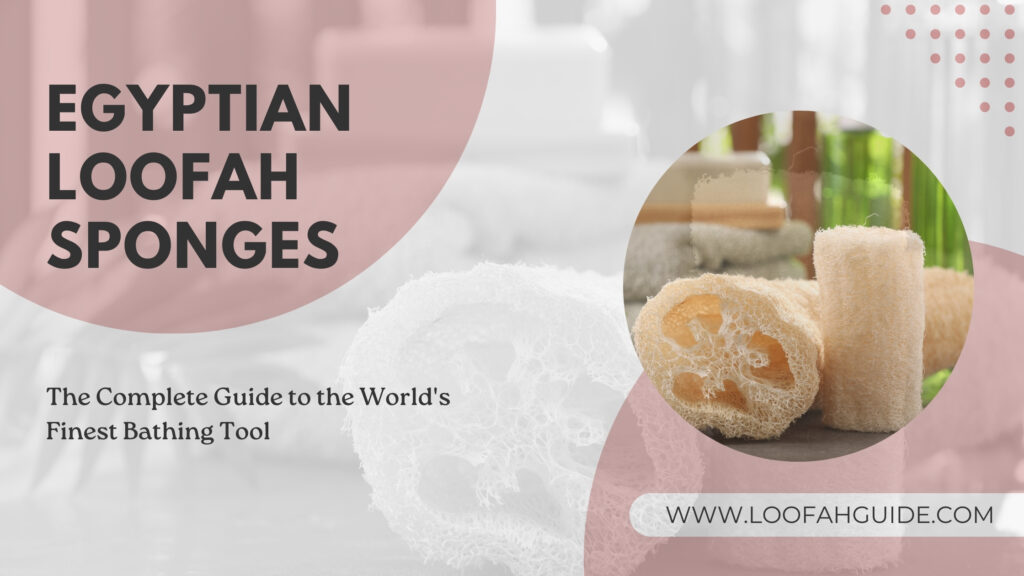
Authentic plant-based loofahs display visible fiber structures with natural color variations ranging from pale cream to light tan. The texture feels firm yet flexible, and the material has a subtle natural scent reminiscent of dried plant matter. Avoid products with uniform artificial coloring, chemical odors, or unusually soft textures that suggest synthetic foam cores wrapped in natural-looking materials.
For wholesale buyers evaluating supplier offerings, requesting detailed information about cultivation practices, processing methods, and material composition reveals commitment to authentic natural products. Reputable suppliers like those featured on WholesaleLoofah.com provide transparent documentation of their sourcing and quality control procedures.
Why Egyptian Loofahs Deliver Exceptional Kitchen Cleaning Performance
The effectiveness of Egyptian loofahs as kitchen scrubbers stems from specific physical characteristics developed through optimal growing conditions and traditional cultivation expertise. Understanding these factors helps consumers appreciate why geographic origin significantly impacts product performance.
The Nile Delta Advantage
Egyptian loofah cultivation centers in the Nile Delta, where unique environmental conditions create ideal growing circumstances. The combination of rich alluvial soil deposited over millennia, consistent warm temperatures, adequate humidity, and traditional farming knowledge produces loofahs with distinctly superior fiber characteristics.
Soil composition directly influences fiber density and strength. The mineral-rich Nile sediments provide nutrients that support robust plant development and dense cellular structures. Temperature consistency allows uniform maturation across the growing season, preventing the fiber irregularities that occur when plants experience stress from temperature fluctuations.
The farm to export process maintained by quality Egyptian suppliers preserves these advantages through careful harvesting timing, proper drying procedures, and appropriate storage conditions. Each step in this chain affects final product quality, making supplier selection crucial for both individual consumers and wholesale buyers.
Fiber Characteristics That Enhance Cleaning
Egyptian loofah fibers demonstrate specific properties that translate directly into cleaning effectiveness. The cellular structure creates thousands of tiny scrubbing surfaces that work collectively to remove residues. Unlike uniform synthetic bristles, these natural fibers vary slightly in texture and flexibility, adapting to different surface contours and cleaning requirements.
The following table compares key fiber characteristics between Egyptian loofahs and common alternatives:
| Fiber Characteristic | Egyptian Loofah | Asian-Grown Loofah | Synthetic Scrubber |
|---|---|---|---|
| Fiber Density | High to very high | Low to medium | Uniform artificial |
| Structural Flexibility | Excellent | Moderate | Limited |
| Surface Adaptation | Conforms to contours | Partial adaptation | Rigid contact |
| Durability Under Use | 3 to 6 months typical | 1 to 3 months typical | 2 to 4 weeks typical |
| Cleaning Consistency | Maintains performance | Degrades faster | Rapid decline |
| Natural Variation | Present, beneficial | Present, variable | None |
These fiber advantages make Egyptian loofahs particularly effective for kitchen applications where diverse cookware surfaces, varying soil types, and different cleaning intensities require adaptable tools. A single quality loofah handles everything from gentle glass cleaning to aggressive grease removal.
Practical Applications: Using Natural Scrubbers Throughout Your Kitchen
Maximizing the benefits of your natural kitchen scrubber requires understanding optimal techniques for different cleaning tasks. The versatility of Egyptian loofahs makes them suitable for virtually every kitchen cleaning application when used appropriately.
Cookware Cleaning Techniques by Material Type
Different cookware materials respond best to specific cleaning approaches. The natural flexibility of loofah fibers allows adjustment of pressure and technique to match surface requirements, protecting your kitchen investments while achieving thorough cleaning.
Stainless steel cookware tolerates and benefits from vigorous scrubbing with natural loofahs. The fiber texture effectively removes baked-on residues, water spots, and discoloration without scratching the durable steel surface. Apply firm pressure in circular motions with warm water and standard dish soap for optimal results.
Cast iron requires gentler treatment to preserve seasoning layers that provide natural non-stick properties and prevent rust. Use your loofah with minimal soap and moderate pressure, focusing on removing food particles rather than stripping the seasoning. Dry cast iron immediately after washing and apply a thin oil layer for protection.
Non-stick coatings demand the lightest touch to prevent surface damage that compromises their food-release properties. The natural give of loofah fibers makes them safer than rigid plastic brushes for these surfaces. Use light pressure with cool to warm water, allowing the loofah texture to lift residues without aggressive scrubbing that could damage coatings.
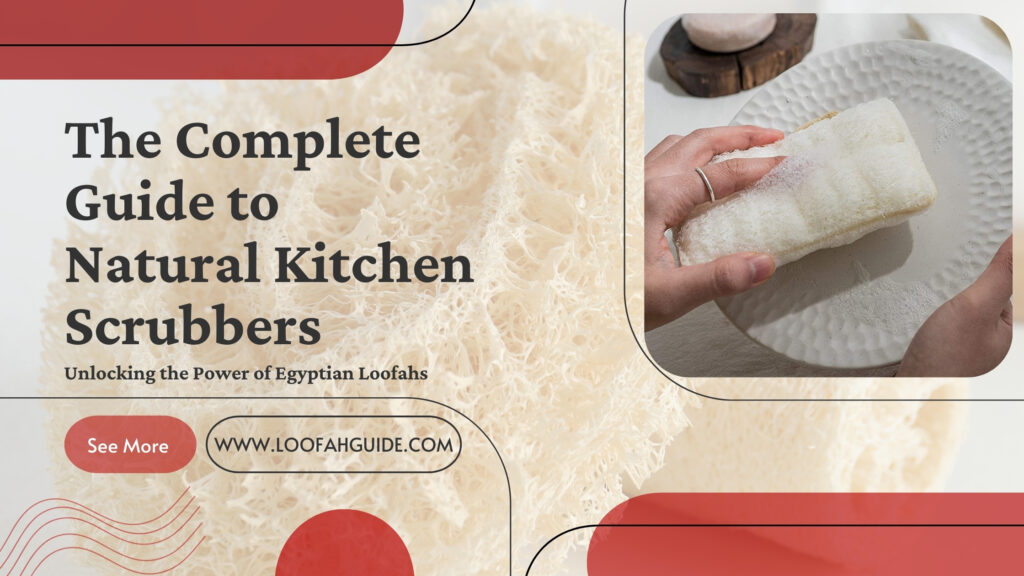
Glass and ceramic surfaces clean beautifully with Egyptian loofahs, which remove residues while imparting a subtle polishing effect. The fiber texture reaches into textured surfaces and corners more effectively than flat sponges, ensuring thorough cleaning of bakeware and serving dishes.
Kitchen Surface Cleaning Applications
Beyond cookware, natural kitchen scrubbers excel at maintaining countertops, sinks, appliances, and other surfaces throughout your kitchen workspace.
| Kitchen Surface | Loofah Effectiveness | Best Technique | Special Considerations |
|---|---|---|---|
| Granite countertops | Excellent | Damp loofah with pH-neutral cleaner | Avoid acidic cleaners |
| Laminate surfaces | Very good | Light pressure with all-purpose cleaner | Prevents scratching |
| Stainless appliances | Excellent | Follow grain direction | Removes fingerprints effectively |
| Ceramic tile | Excellent | Firm scrubbing in grout lines | Reaches into texture |
| Porcelain sinks | Excellent | Circular motions with mild abrasive | Natural polishing action |
| Cutting boards | Very good | Thorough coverage with food-safe soap | Important for hygiene |
| Stovetop surfaces | Good to excellent | Careful around burners and controls | Check material compatibility |
The natural kitchen scrubber versatility demonstrated across these applications makes a single quality loofah a comprehensive cleaning tool. Rather than maintaining multiple specialized scrubbers, many households find that one or two Egyptian loofahs handle all their kitchen cleaning needs effectively.
Health and Hygiene Advantages of Plant-Based Scrubbers
Choosing natural kitchen scrubbers over synthetic alternatives provides meaningful health and hygiene benefits that extend beyond environmental considerations. Understanding these advantages helps consumers make fully informed decisions about their kitchen cleaning tools.
Bacterial Resistance and Drying Properties
One significant concern with kitchen sponges and scrubbers involves bacterial accumulation that can transfer to dishes, cookware, and food preparation surfaces. Studies of kitchen cleaning tools consistently find synthetic sponges harbor significant bacterial populations, including potentially harmful species.
Egyptian loofahs demonstrate natural resistance to bacterial colonization through several mechanisms. The open fiber structure allows rapid air circulation that promotes quick drying between uses. Bacteria require moisture to multiply, so the fast-drying characteristic of natural loofahs creates an inhospitable environment that limits bacterial growth.
Additionally, the physical structure of plant cellulose fibers differs from synthetic foam in ways that reduce bacterial attachment. While foam sponges contain countless tiny pockets where bacteria accumulate protected from cleaning and drying, loofah fibers present exposed surfaces that rinse clean and dry thoroughly.
Proper maintenance amplifies these natural advantages. Rinsing your loofah completely after each use, squeezing out excess water, and storing in a well-ventilated location maximizes drying speed and minimizes bacterial opportunity. Weekly sanitizing with diluted vinegar provides additional protection for hygiene-conscious households.
Chemical-Free Cleaning Tool Benefits
Synthetic scrubbers often contain chemical additives including antimicrobial treatments, colorants, fragrances, and binding agents that may transfer to dishes and surfaces during cleaning. While individual exposure levels remain low, cumulative contact with these chemicals raises concerns for health-conscious consumers.
Natural loofahs require no chemical treatments to function effectively. The plant material provides inherent scrubbing capability without artificial enhancement. For households seeking to minimize chemical exposure, particularly those with young children, individuals with sensitivities, or anyone pursuing cleaner living, plant-based scrubbers eliminate one source of unnecessary chemical contact.
The absence of synthetic materials also means no microplastic shedding during use. Synthetic sponges and scrubbers release tiny plastic particles that wash down drains and enter water systems. Natural loofahs shed only biodegradable plant fibers that break down harmlessly in the environment.
Comprehensive Care Guide for Maximum Loofah Longevity
Extending the useful life of your natural kitchen scrubber requires consistent care practices that maintain hygiene and preserve fiber integrity. Following these guidelines ensures you extract maximum value from your investment while maintaining optimal cleaning performance.
Daily Maintenance Protocol
Effective daily care takes only moments but significantly impacts loofah lifespan and hygiene. After completing your cleaning tasks, rinse the loofah thoroughly under running water while squeezing gently to flush out trapped food particles and soap residue. Continue rinsing until water runs clear.
Squeeze firmly to remove as much water as possible, then shake to dislodge remaining droplets. Place or hang the loofah in a location with good air circulation where it can dry completely before next use. Avoid enclosed spaces like under-sink cabinets or closed containers that trap moisture and slow drying.
Ideal storage locations include hanging hooks near windows, countertop drying racks with airflow underneath, or dish drainer sections designated for scrubbers. The goal is maximum air exposure on all loofah surfaces to achieve complete drying within a few hours.
Weekly Deep Cleaning and Monthly Maintenance
Beyond daily care, periodic deep cleaning maintains optimal hygiene and refreshes loofah fibers that may accumulate residues despite regular rinsing.
| Maintenance Activity | Frequency | Method | Purpose |
|---|---|---|---|
| Basic rinse and dry | After each use | Running water and air dry | Remove immediate debris |
| Deep sanitizing soak | Weekly | 15 minutes in diluted white vinegar | Kill bacteria, remove odors |
| Sunlight exposure | Every 1 to 2 weeks | 2 to 3 hours in direct sunlight | Natural UV sanitizing |
| Boiling water treatment | Monthly or as needed | Brief immersion in boiling water | Deep sanitizing |
| Condition assessment | Weekly | Visual and tactile inspection | Monitor for replacement timing |
| Full replacement | Every 3 to 6 months | Dispose in compost, replace with new | Maintain cleaning effectiveness |
The vinegar solution for weekly sanitizing uses one part white vinegar to four parts water. Submerge the loofah completely and allow soaking for approximately fifteen minutes. Rinse thoroughly afterward to remove vinegar residue, then dry completely before resuming regular use.
Recognizing When Replacement Becomes Necessary
Even with excellent care, natural loofahs eventually reach the end of their effective service life. Recognizing replacement indicators ensures you maintain optimal cleaning performance and hygiene standards.
Physical signs indicating replacement needs include persistent odors that do not resolve with sanitizing, visible dark spots or discoloration suggesting mold growth, significant fiber breakdown creating loose or mushy texture, loss of structural integrity where the loofah no longer holds its shape, and noticeably reduced cleaning effectiveness despite proper technique.
When disposal time arrives, simply add your worn loofah to your compost bin or yard waste collection. The natural plant material breaks down completely within weeks, returning nutrients to soil rather than persisting in landfills. This complete biodegradability represents a fundamental advantage over synthetic alternatives that remain in the environment essentially forever.
Selection Criteria: Choosing Quality Natural Kitchen Scrubbers
Whether purchasing a single loofah for home use or evaluating wholesale suppliers for business inventory, applying consistent quality criteria ensures satisfaction with your natural kitchen scrubber selection.
Visual and Physical Quality Indicators
Examining potential purchases before buying helps identify quality products worth your investment. The following characteristics indicate premium Egyptian loofahs suitable for demanding kitchen applications.
Color should range from pale cream to light tan, with natural variation acceptable and even desirable as evidence of authentic plant origin. Avoid products with unnaturally uniform coloring, bright white bleached appearance, or dark discoloration suggesting improper processing or age deterioration.
Fiber density becomes apparent through visual inspection and gentle squeezing. Premium loofahs display tightly interwoven fiber networks throughout the scrubber body. Sparse or uneven fiber distribution indicates immature harvest or inferior cultivation that compromises durability and cleaning effectiveness.
Structural integrity testing involves applying moderate pressure to evaluate flexibility and resilience. Quality loofahs compress under pressure and spring back to original shape when released. Products that crack, crumble, or remain compressed after release demonstrate inadequate fiber development or damage from improper handling.
Smell provides additional quality information. Fresh, properly processed loofahs have minimal scent, perhaps a subtle dried plant aroma. Chemical odors suggest treatments that may compromise naturalness, while musty or moldy smells indicate moisture damage that may harbor harmful organisms.
Size and Shape Considerations
Natural kitchen scrubbers come in various sizes and configurations suited to different preferences and applications. Selecting appropriate dimensions enhances usability and comfort during cleaning tasks.
| Loofah Size | Dimensions Typical | Best Applications | User Preference |
|---|---|---|---|
| Small | 3 to 4 inches | Detail work, small items | Smaller hands, precise control |
| Medium | 4 to 6 inches | General purpose, most cookware | Most users, versatile |
| Large | 6 to 8 inches | Large pots, sheet pans, surfaces | Larger hands, extensive cleaning |
| Disc shape | 3 to 4 inch diameter | Countertops, flat surfaces | Ergonomic palm grip |
| Rectangle | Various | Commercial kitchens | Professional applications |
For household use, medium-sized loofahs typically provide the best balance of coverage and control. Having two loofahs in rotation allows proper drying time between uses while ensuring a clean scrubber remains available. This approach extends individual loofah life while maintaining optimal hygiene.
Business Opportunities in the Natural Scrubber Market
The growing consumer preference for sustainable cleaning products creates significant opportunities for retailers, distributors, and businesses seeking to meet this demand. Understanding market dynamics and sourcing considerations helps capture this expanding market segment.
Market Trends Driving Natural Product Demand
Consumer awareness of environmental issues continues increasing, translating directly into purchasing decisions that favor sustainable alternatives. Surveys consistently show willingness to pay premium prices for genuinely eco-friendly products, with natural cleaning tools representing a category where sustainable options perform as well or better than conventional alternatives.
The natural kitchen scrubber market benefits from several converging trends. Plastic reduction initiatives at governmental and corporate levels encourage alternatives to single-use and short-lifespan synthetic products. Health consciousness drives interest in chemical-free household items. Social media amplifies awareness of sustainable lifestyle choices. These factors combine to create sustained demand growth that forward-thinking businesses can capture.
Retail channels from specialty eco-stores to mainstream supermarkets increasingly stock natural loofah products, indicating market maturation and mainstream acceptance. Businesses entering this space benefit from established consumer awareness while still enjoying less competition than saturated product categories.
Sourcing and Supplier Evaluation for Business Buyers
Businesses seeking to stock natural kitchen scrubbers require reliable suppliers capable of consistent quality, appropriate quantities, and competitive pricing. Evaluating potential suppliers against key criteria identifies partners capable of supporting business success.
Quality consistency across orders matters significantly for businesses building customer relationships based on product performance. Suppliers should demonstrate documented quality control procedures, provide samples representative of standard production, and maintain batch-to-batch consistency that supports customer satisfaction.
Supply reliability ensures inventory availability when customer demand requires. Established suppliers with direct access to cultivation sources, like those working directly with Egyptian farmers, provide more reliable supply chains than intermediaries dependent on third-party sourcing.
Customization capabilities allow businesses to differentiate their offerings through private label manufacturing and custom product design. These options enable brand building and margin optimization unavailable with generic commodity products.
The product categories available from quality Egyptian suppliers extend beyond basic kitchen scrubbers to include bath products, pet grooming items, spa accessories, and raw materials for custom applications. This range allows businesses to expand offerings as they develop their natural product lines.
Expert Insight from LoofahGuide
Our research and testing across hundreds of loofah products from various sources consistently confirms the superior quality of properly cultivated Egyptian loofahs. The difference becomes apparent immediately when handling these products, and proves itself over months of use through maintained cleaning performance and extended lifespan.
For consumers new to natural kitchen scrubbers, we recommend starting with a medium-sized Egyptian loofah and following the care guidelines outlined in this guide. Most users report immediate appreciation for the cleaning effectiveness and find the transition from synthetic sponges easier than anticipated. Within weeks, the superior performance and sustainability benefits make returning to plastic products unthinkable.
For businesses considering natural product lines, the wholesale resources available through established Egyptian suppliers provide entry points suitable for operations of any scale. The growing market demand and favorable margins make this category worthy of serious evaluation for retailers seeking sustainable product expansion.
Frequently Asked Questions
What exactly is a natural kitchen scrubber made from?
A genuine natural kitchen scrubber derives from plant materials, most commonly the dried fibrous skeleton of the Luffa aegyptiaca gourd. This tropical vine produces elongated fruits that, when mature and dried, reveal an intricate network of cellulose fibers ideal for scrubbing applications. Egyptian-grown loofahs are particularly prized for their dense fiber structure developed through optimal growing conditions in the Nile Delta region. The resulting scrubber contains only plant material with no synthetic components, plastics, or chemical additives.
How do Egyptian loofahs provide a superior cleaning experience compared to other options?
Egyptian loofahs provide a superior cleaning experience through their uniquely dense fiber networks developed in ideal Nile Delta growing conditions. The combination of mineral-rich soil, consistent temperatures, and generations of cultivation expertise produces fibers with exceptional structural integrity and optimal texture for kitchen cleaning. These fibers adapt to surface contours, remove stubborn residues effectively, and maintain their cleaning power through months of use rather than degrading within weeks like synthetic alternatives.
Can I use the same natural loofah for all my kitchen cleaning tasks?
Yes, a quality Egyptian loofah handles virtually all kitchen cleaning applications effectively. The natural fiber flexibility allows adjustment of pressure and technique to match different surfaces, from aggressive scrubbing on stainless steel to gentle cleaning of non-stick coatings. However, some households prefer maintaining separate loofahs for different task categories, such as one for cookware and another for countertops, to prevent cross-contamination and allow proper drying rotation.
How often should I replace my natural kitchen scrubber?
With proper care including thorough rinsing, complete drying between uses, and weekly sanitizing, quality Egyptian loofahs typically provide effective service for three to six months. Replacement becomes necessary when you notice persistent odors despite sanitizing, visible discoloration or fiber breakdown, loss of structural integrity, or noticeably reduced cleaning effectiveness. These indicators vary based on usage intensity, so high-volume kitchens may require more frequent replacement while light-use households may extend lifespan toward the upper range.
Are natural loofahs sanitary for kitchen use?
Natural loofahs offer excellent sanitary properties when properly maintained. The open fiber structure promotes rapid drying that discourages bacterial growth, unlike dense foam sponges that retain moisture and harbor bacteria in countless tiny pockets. Weekly sanitizing with diluted vinegar and ensuring complete drying between uses maintains optimal hygiene. Many users find properly cared-for natural loofahs remain fresher-smelling and cleaner than synthetic sponges that develop odors within weeks regardless of maintenance efforts.
Where can I find quality Egyptian loofahs for purchase?
Quality Egyptian loofahs are available through specialty eco-retailers, natural product stores, online marketplaces, and directly from wholesale suppliers who source from Egyptian cultivation regions. For individual purchases, look for products specifically identifying Egyptian origin and examine quality indicators like fiber density, color uniformity, and structural integrity. Businesses seeking wholesale quantities can request quotations from established suppliers or order samples for evaluation before committing to larger orders.
What environmental benefits do natural scrubbers provide over synthetic options?
Natural kitchen scrubbers eliminate the environmental burden of synthetic alternatives through complete biodegradability, renewable sourcing, and absence of microplastic pollution. While synthetic sponges persist in landfills for centuries and shed microplastics during use that enter waterways, natural loofahs compost completely within weeks and shed only harmless plant fibers. The cultivation process requires minimal resources compared to petroleum-based synthetic manufacturing, making natural loofahs significantly better for environmental sustainability across their entire lifecycle.
Conclusion
Natural kitchen scrubbers represent a meaningful opportunity for consumers and businesses to improve cleaning effectiveness while supporting environmental sustainability. Egyptian loofahs stand at the pinnacle of this product category, offering fiber density, durability, and cleaning performance that synthetic alternatives simply cannot match. The combination of superior functionality with complete biodegradability makes them an ideal choice for anyone seeking sustainable kitchen solutions.
Key Takeaways:
- Egyptian loofahs develop superior fiber density through unique Nile Delta growing conditions
- Natural scrubbers provide health benefits including reduced bacterial growth and chemical-free cleaning
- Proper care extends loofah lifespan to three to six months of effective use
- Quality indicators include fiber density, color consistency, structural integrity, and appropriate scent
- Growing consumer demand creates business opportunities in the natural cleaning products market
Ready to experience the natural kitchen scrubber difference?
- For Wholesale Buyers: Request a quote or download the product catalog
- For Individual Orders: Shop the collection or order samples
Explore additional resources at Egexo.com and WholesaleLoofah.com to deepen your understanding of quality Egyptian loofah products.