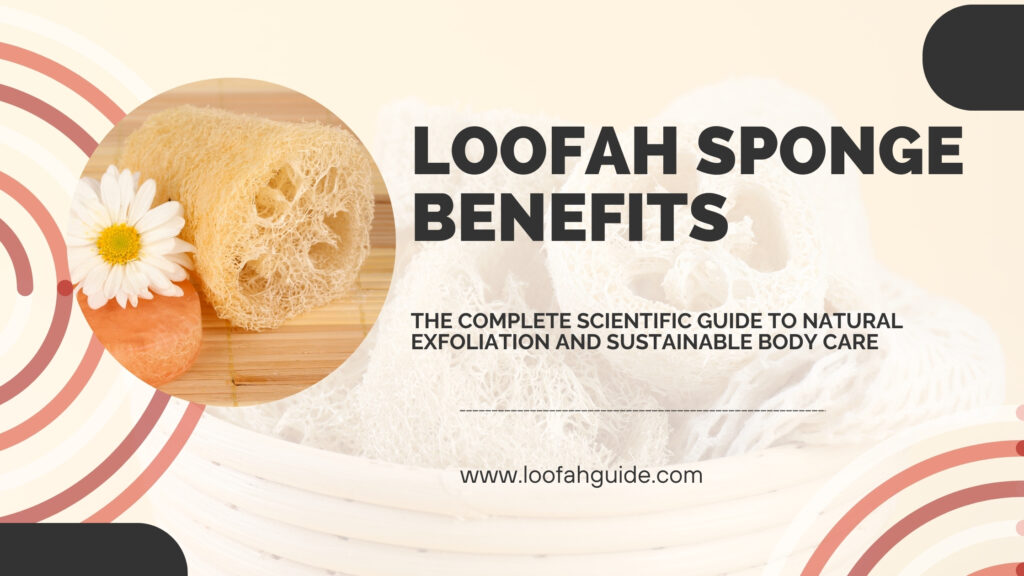
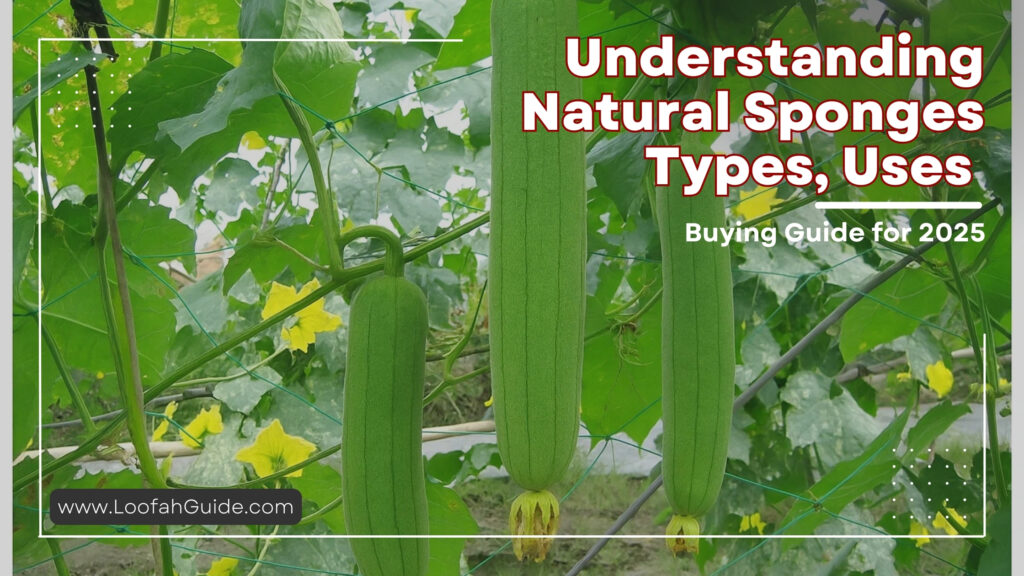
The shift toward plant-based and marine-derived cleaning tools represents more than a trend; it reflects a fundamental change in how people think about everyday products and their long-term impact on the planet.
Natural sponges encompass a diverse category of cleaning and exfoliating tools derived from botanical and marine sources. From the fibrous interior of the luffa gourd cultivated in Egyptian farmlands to the soft tissue of Caribbean sea creatures, these products offer effective alternatives to petroleum-based synthetics while providing unique benefits that manufactured products cannot replicate. The natural sponge market now serves everyone from individual consumers seeking gentler skincare routines to major hospitality chains outfitting hundreds of spa locations with sustainable amenities.
This guide breaks down the essential information about natural sponges, helping you understand which types suit specific applications, how to evaluate quality before purchasing, and where to find reliable sources for both personal and commercial needs. Whether you manage purchasing for a boutique hotel chain or simply want a better shower experience, the following sections provide actionable knowledge for making informed decisions. EGEXO has been exporting Egyptian loofah since 2015.
What Defines a Natural Sponge
This definition separates genuine natural products from marketing terms like “natural-feel” or “nature-inspired” that manufacturers sometimes apply to petroleum-based items. True natural sponges come from two primary source categories, each with distinct characteristics and applications.
Botanical Origin Sponges
Plants provide the majority of natural sponges used globally, with agricultural cultivation enabling consistent supply and quality control. The luffa plant stands as the dominant botanical source, producing the familiar textured sponges found in bathrooms and kitchens worldwide. Other plant sources include konjac root, bamboo fiber, sisal agave, and cellulose derived from wood pulp.
Botanical sponges offer significant advantages for commercial buyers concerned with supply chain stability. Unlike marine harvesting, which depends on wild populations and environmental conditions, plant cultivation follows predictable agricultural cycles. Egyptian luffa farmers, for example, harvest crops annually between September and November, allowing wholesalers to plan inventory procurement around reliable schedules. This agricultural foundation also enables quality standardization that wild-harvested products cannot match.
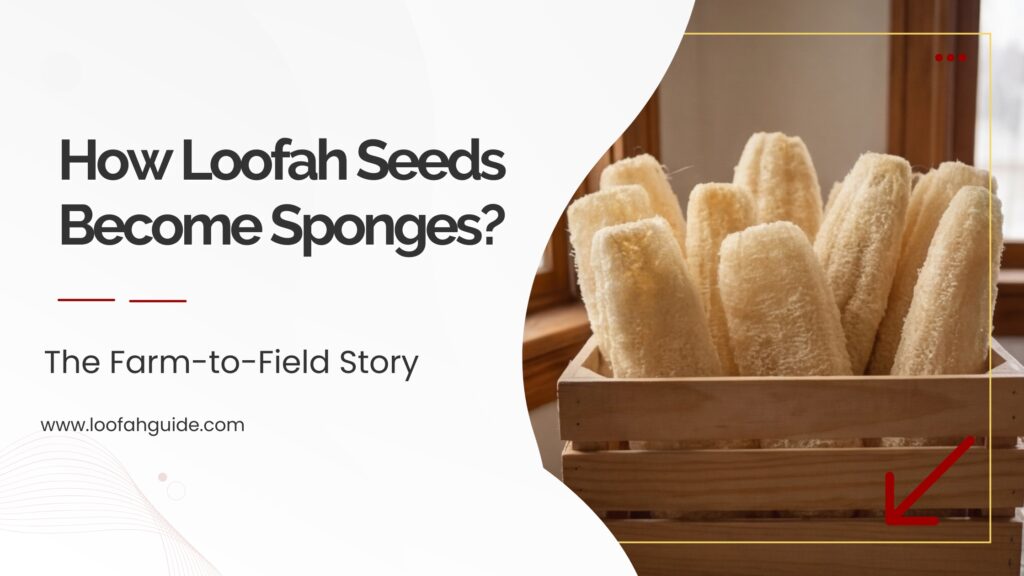
The cultivation process for luffa involves planting seeds in spring, supporting vine growth through summer months, and allowing gourds to mature fully on the vine before harvest. Post-harvest processing removes outer skin and seeds, leaving the fibrous skeleton that becomes the finished sponge. Egypt’s Nile region is a long-established source of luffa for international markets.
Marine Origin Sponges
Sea sponges come from simple aquatic animals that lack organs, nerves, and muscles but produce remarkably useful skeletal structures. Harvesters collect these creatures from ocean floors, process them to remove living tissue, and prepare the remaining protein framework for commercial use. The Florida Keys, Mediterranean Sea, and Caribbean waters serve as primary harvesting regions.
Marine sponges typically command higher prices than botanical alternatives due to limited supply and labor-intensive harvesting. Commercial divers must locate suitable specimens, cut them properly to allow regeneration, and transport them without damage. Environmental regulations in many regions restrict harvesting seasons and quantities, further constraining availability for wholesale buyers.
Looking for natural plant fibre products for your range? Request the EGEXO catalog.
Comprehensive Natural Sponge Classification
Understanding the full range of natural sponge options helps buyers match products to specific requirements. The following classification covers major varieties available in current markets.
Primary Natural Sponge Categories
| Category | Common Names | Primary Source | Texture Range | Renewable Status |
|---|---|---|---|---|
| Luffa | Loofah, vegetable sponge, dishcloth gourd | Luffa aegyptiaca and Luffa cylindrica plants | Medium to coarse | Fully renewable, annual crop |
| Sea Sponge | Wool sponge, grass sponge, yellow sponge | Porifera marine animals | Very soft to medium | Renewable with proper harvesting |
| Konjac | Konjac puff, konnyaku sponge | Amorphophallus konjac root | Ultra soft | Fully renewable, perennial crop |
| Sisal | Sisal scrubber, agave sponge | Agave sisalana plant | Coarse to very coarse | Fully renewable, perennial crop |
| Ramie | China grass sponge | Boehmeria nivea plant | Medium | Fully renewable, perennial crop |
| Cellulose | Wood sponge, pulp sponge | Wood pulp processing | Soft to medium | Renewable with sustainable forestry |
Each category serves distinct market segments based on texture preferences, durability requirements, and price sensitivity. Retailers stocking natural sponges typically carry multiple categories to address varied customer needs, while hospitality buyers often standardize on specific types matching their service positioning.
Luffa Subcategories and Applications
Luffa deserves detailed examination as the most versatile and widely traded natural sponge variety. Manufacturers process raw luffa into numerous product forms serving different end uses.
| Luffa Product Form | Processing Level | Target Application | Typical Buyer Profile |
|---|---|---|---|
| Whole raw luffa | Minimal, cleaned only | Craft supplies, DIY projects | Artisans, craft retailers |
| Cut body loofah | Sliced into sections | Bath and body exfoliation | Spas, personal care retailers |
| Kitchen loofah pads | Cut and shaped for grip | Dish and surface cleaning | Eco-retailers, food service |
| Loofah slices | Thin cross-sections | Soap embedding, personal care products | Soap makers, beauty brands |
| Ground loofah fiber | Processed to particles | personal care formulations, industrial | skincare manufacturers |
| Pet grooming loofah | Shaped for animal use | Pet bathing and massage | Pet stores, groomers |
This product diversity creates opportunities for wholesale buyers to serve multiple market segments from a single supplier relationship. Egexo’s product catalog demonstrates the range available from established Egyptian producers.
Why Natural Sponges Outperform Synthetic Alternatives
Consumer preference for natural sponges reflects more than environmental consciousness. Practical performance advantages make these products genuinely superior for many applications, justifying their selection on purely functional grounds.
Exfoliation Effectiveness
The irregular fiber structure of plant-based sponges creates varied contact points that lift and remove cellular debris more thoroughly than uniform synthetic surfaces. This natural variation also reduces the risk of over-exfoliation that can occur with aggressive manufactured abrasives.
Sea sponges excel in different exfoliation contexts, providing gentle cleansing suitable for facial skin and sensitive areas. Their protein-based structure matches human skin pH more closely than synthetic materials, reducing irritation potential.
Cleaning Performance Metrics
Results demonstrate specific advantages worth considering for both household and commercial applications.
These performance characteristics explain why professional cleaning services and hospitality operations increasingly specify natural sponges despite slightly higher unit costs. The combination of effectiveness and sustainability aligns with both operational needs and corporate responsibility commitments.
Economic Analysis for Business Buyers
Wholesale purchasers evaluating natural sponge investments benefit from comprehensive cost analysis beyond simple unit pricing. Total cost of ownership calculations often favor natural products when all factors receive consideration.
However, several offsetting factors improve the economic picture for natural products.
Replacement frequency advantages emerge from durability in many natural sponge categories. A natural Egyptian luffa can last longer than several synthetic sponges used over the same period, reducing effective per-use costs. Customer perception benefits also contribute value, as guests and clients increasingly expect sustainable amenity options from hospitality and wellness providers.
Marketing differentiation value proves difficult to quantify but remains significant for businesses competing in environmentally conscious market segments. Natural sponge offerings enable authentic sustainability messaging that synthetic products cannot support, contributing to brand positioning and customer loyalty.
No minimum order on standard products. Private label from 1,000 units.
Selecting Natural Sponges for Specific Applications
Matching natural sponge types to intended uses maximizes satisfaction for end users and minimizes returns for retailers. The following guidance covers major application categories with specific recommendations.
Personal Care and Bathing Applications
Body exfoliation represents the largest consumer application for natural sponges, with product selection depending on skin type and exfoliation goals.
Normal to Oily Skin: Medium-textured Egyptian luffa provides ideal exfoliation intensity, effectively removing dead cells and excess sebum without irritation.
These varieties can be used more frequently, even daily for konjac, without risk of over-exfoliation.
Sensitive or Problematic Skin: Konjac sponges offer the gentlest natural option, suitable even for facial use on reactive skin types. Always consult healthcare providers before using any exfoliating product on skin with active conditions.
Athletic or Heavy Exfoliation Needs: Sisal or coarse luffa varieties serve users wanting intensive exfoliation for callused areas, rough patches, or pre-tanning preparation. Reserve these textures for less sensitive body areas and limit frequency to prevent irritation.
Kitchen and Household Cleaning
Natural sponges serve household cleaning needs effectively while eliminating microplastic contamination concerns associated with synthetic alternatives.
Kitchen luffa products handle dish washing, counter wiping, and general surface cleaning without scratching. Their open fiber structure rinses clean easily, reducing bacterial accumulation compared to dense synthetic foam that traps food particles. For heavy-duty applications like baked-on residue, slightly dampened luffa provides scrubbing power comparable to plastic scourers without damaging cookware finishes.
Cellulose sponges suit tasks requiring high absorbency, such as spill cleanup and surface drying. Their soft texture makes them appropriate for delicate surfaces including glass and polished wood. Cellulose does wear faster than luffa, requiring more frequent replacement for heavy-use applications.
Commercial and Professional Settings
Business applications require natural sponge selection balancing performance, presentation, and procurement efficiency.
Spa and Wellness Facilities: Premium appearance matters alongside functionality. Many spas offer private labeled products as retail items, creating additional revenue streams from treatment room exposure.
Hotels and Resorts: Bathroom amenity programs benefit from natural sponge inclusion, particularly for properties emphasizing sustainability credentials. Standardized sizes and consistent quality ensure uniform guest experiences across properties. Bulk purchasing through established suppliers like Egexo provides cost advantages while ensuring reliable inventory flow.
Retail Operations: Stores catering to eco-conscious consumers should stock diverse natural sponge options at multiple price points. Display strategies highlighting sustainability benefits and proper care instructions improve sell-through rates and reduce customer service inquiries.
Quality Assessment Framework for Buyers
Evaluating natural sponge quality requires attention to specific characteristics that predict performance and longevity. Both individual consumers and wholesale buyers benefit from systematic assessment approaches.
Visual Quality Indicators
Physical examination reveals important quality signals before purchase or upon receiving wholesale shipments.
Color Assessment: Premium luffa displays uniform cream to light tan coloring without dark spots, which may indicate mold exposure or improper drying. Sea sponges should show consistent coloring appropriate to their variety, with wool sponges appearing pale yellow and grass sponges showing darker tones.
Structural Examination: Quality natural sponges maintain defined shapes without collapsed sections or irregular bulges. Fiber density should appear consistent throughout, with no areas of obvious thinning or looseness. For luffa specifically, the internal channel structure should be visible and evenly distributed.
Surface Condition: Examine surfaces for debris, foreign materials, or damage from handling. Good products arrive clean and intact, while lower-quality ones may show cosmetic imperfections acceptable for less demanding applications.
Functional Testing Methods
Flexibility Test: Quality luffa should flex slightly without cracking or shedding fibers. Brittle sponges indicate over-drying or age degradation that reduces effective lifespan. Sea sponges should compress easily and spring back to original shape when released.
Water Absorption Test: Submerge the sponge and observe absorption speed and capacity. Quality products absorb water quickly and evenly throughout their structure. Uneven absorption suggests density inconsistencies affecting cleaning performance.
Fiber Adhesion Test: Gently tug surface fibers to assess attachment strength. Well-processed natural sponges resist fiber pulling, while poor quality products shed easily under light pressure.
Wholesale Quality Verification Checklist
Commercial buyers should verify quality through systematic evaluation before committing to supplier relationships or large orders.
| Verification Step | What to Examine | Red Flags to Avoid |
|---|---|---|
| Sample evaluation | Request samples before bulk orders | Suppliers refusing sample requests |
| Documentation review | Certificates of origin and shipping papers | Missing or vague documentation |
| Consistency check | Compare multiple samples from same lot | High variation within the same lot |
| Communication assessment | Supplier responsiveness and knowledge | Slow responses, unclear answers |
| Reference verification | Contact existing customers if possible | No references available |
| Facility information | Production and quality control processes | Unwillingness to share process details |
Established suppliers welcome quality verification as an opportunity to demonstrate capabilities. Requesting samples from Egexo allows buyers to evaluate Egyptian luffa quality firsthand before procurement commitments.
Maintaining Natural Sponges for Maximum Lifespan
Proper care practices dramatically extend natural sponge service life while ensuring hygienic performance throughout use. Following established maintenance protocols protects both product investment and user health.
Essential Daily Maintenance
Every use cycle should conclude with basic care steps preventing bacterial growth and fiber degradation.
Begin by rinsing thoroughly under running water, working the sponge to flush interior fibers where soap residue and debris accumulate. Squeeze firmly but avoid wringing motions that stress and weaken natural fiber structures over time. Position the cleaned sponge where air circulates freely, avoiding enclosed containers or humid corners where drying slows significantly.
Complete drying between uses represents the single most important factor in natural sponge hygiene and longevity. Bacteria require moisture for reproduction, and consistently dry storage environments inhibit problematic growth. In humid climates or bathrooms with poor ventilation, consider relocating sponges to drier areas between uses or using small fans to accelerate drying.
Periodic Deep Sanitization
Weekly sanitization treatments eliminate accumulated bacteria and refresh sponge performance. Several effective methods suit different preferences and situations.
Boiling Method: Submerge luffa or other heat-tolerant natural sponges in actively boiling water for 3 to 5 minutes. This kills virtually all bacteria and loosens embedded debris for easier removal during subsequent rinsing. Allow complete cooling before handling and ensure thorough drying afterward.
Vinegar Soak Method: Combine one cup white vinegar with four cups water and submerge the sponge for 20 to 30 minutes. Acetic acid neutralizes odor-causing bacteria and dissolves mineral deposits from hard water. Rinse thoroughly after treatment to remove vinegar residue.
Sunlight Method: Direct sunlight helps all natural sponge types dry thoroughly after cleaning. Place cleaned sponges in bright sunlight until completely dry, turning midway through for even exposure. This method works particularly well in dry climates where sponges dry quickly.
Replacement Timing Guidelines
Even well-maintained natural sponges eventually require replacement as fibers break down through normal use. Recognizing replacement indicators ensures continued hygiene and performance.
Replace immediately if: Persistent odor remains after sanitization, visible mold appears despite cleaning efforts, significant fiber shedding occurs during normal use, or structural integrity fails with sections becoming mushy or collapsed.
Replace when worn: Replace any sponge when it smells, breaks down or stays discoloured. Bath luffa usually needs replacing every few weeks, and kitchen sponges sooner, depending on use intensity.
Businesses should establish replacement schedules ensuring consistent customer experiences. Hospitality operations typically replace guest-facing sponges monthly regardless of apparent condition, maintaining premium presentation standards.
Sourcing Strategies for Different Buyer Types
Natural sponge procurement approaches vary based on purchase volume, quality requirements, and business model considerations. The following guidance addresses common buyer scenarios.
Individual Consumer Purchasing
Personal buyers prioritize convenience, reasonable pricing, and confidence in product authenticity. Online specialty retailers offer extensive selection with detailed product information enabling informed choices. Look for sellers providing clear origin information, clear product specifications, and customer reviews reflecting actual use experience.
Local health food stores and eco-friendly retailers provide opportunities to examine products physically before purchase. Staff at these locations often possess product knowledge helpful for first-time natural sponge buyers. Prices may exceed online options but include the value of personal service and immediate availability.
Avoid products with vague origin claims or unusually low prices suggesting inferior quality or misleading marketing. Authentic Egyptian luffa and genuine sea sponges command fair prices reflecting actual production costs and sustainable practices.
Retail Business Sourcing
See our wholesale prices on egexo.com under Products.
Establishing relationships with multiple suppliers provides backup options protecting against supply disruptions, though concentrating volume with primary suppliers improves pricing leverage.
Agree clear procedures in supplier agreements for addressing substandard shipments.
Hospitality and Spa Procurement
Hotels, resorts, and wellness facilities require procurement approaches balancing quality presentation with operational efficiency. Centralized purchasing through established suppliers simplifies logistics while ensuring uniform guest experiences across properties or locations.
Custom product development enables differentiated amenity programs aligning with brand positioning. Private labeling transforms commodity sponges into branded touchpoints reinforcing property identity.
Consider the complete farm to export process when evaluating suppliers for hospitality applications. Understanding production methods supports sustainability claims and provides compelling story elements for guest communications.
A Note from Egexo
Natural sponge quality begins long before harvest, rooted in agricultural decisions that determine fiber characteristics months later. Buyers evaluating natural sponges should ask suppliers about cultivation practices, not just finished product specifications. EGEXO grows loofah on its own farms and partner farms in the Nile Delta and processes it in its own factory. We check every order by hand for colour, holes, size and dryness. Request a quote or request samples from EGEXO.
Frequently Asked Questions About Natural Sponges
Q1: What distinguishes natural sponges from products labeled as natural-feel or eco-friendly?
A: Genuine natural sponges derive entirely from plant or marine sources without synthetic components. Products labeled natural-feel or eco-friendly may contain petroleum-based materials with additives creating softer textures or may simply use recyclable packaging while remaining fundamentally synthetic. Always check product descriptions for specific source information such as luffa plant, sea sponge, or konjac root to verify authentic natural origin.
Q2: How should wholesale buyers evaluate potential natural sponge suppliers?
A: Effective supplier evaluation includes requesting product samples for hands-on quality assessment, reviewing documentation including certificates of origin, checking supplier responsiveness and industry knowledge through communications, and verifying production capabilities through facility information or references. Suppliers like Egexo welcome thorough evaluation.
Q3: Which natural sponge type works best for facial cleansing?
A: Konjac sponges offer the gentlest option for facial use, with ultra-soft texture suitable even for sensitive skin types. Fine-textured sea sponges provide another facial-appropriate option with slightly more cleansing action. Luffa is generally too coarse for facial application except on areas with thicker skin.
Q4: Do natural sponges harbor more bacteria than synthetic alternatives?
A: Natural sponges do not inherently harbor more bacteria than synthetics. Bacterial growth depends primarily on moisture and food residue, factors present in both natural and synthetic sponges. Natural sponges often dry faster than dense synthetic foam. Proper care, including thorough rinsing, complete drying between uses, and regular washing, keeps any sponge type hygienic.
Q5: What minimum order quantities apply for wholesale natural sponge purchases?
A: No minimum order on standard products. Private label from 1,000 units.
Q6: How can retailers verify that natural sponges are authentically sourced?
A: Request certificates of origin documenting product source locations and supply chain documentation tracing products from cultivation through processing. Reputable suppliers provide this documentation readily and can explain their quality control processes. Be cautious of suppliers offering unusually low prices or unable to provide clear sourcing information, as these may indicate mislabeled or inferior products.
Q8: Can natural sponges cause allergic reactions?
A: Allergic reactions to natural sponges are uncommon but possible, particularly for individuals with latex sensitivities who may react to certain plant proteins. Marine sponges occasionally cause reactions in people with shellfish allergies. Those with known sensitivities should test small skin areas before full use. Natural sponges generally cause fewer reactions than synthetic products containing chemical additives and dyes.
Conclusion
Natural sponges represent a meaningful choice for consumers and businesses seeking effective, sustainable alternatives to synthetic cleaning and bathing products. From the agricultural heritage of Egyptian luffa cultivation to the careful harvesting of Caribbean sea sponges, these products connect daily routines with environmental responsibility. Understanding the diverse options available, recognizing quality indicators, and implementing proper care practices ensures maximum value from natural sponge investments at any scale.
Key Takeaways:
- Natural sponges divide into plant-based varieties like luffa and konjac, and marine-derived sea sponges, each serving distinct applications
- Quality assessment requires attention to color uniformity, structural integrity, and fiber density, with samples recommended before wholesale commitments
- Egyptian luffa offers the optimal combination of durability, texture, and sustainability for most exfoliation and cleaning applications
- Wholesale buyers benefit from establishing direct supplier relationships providing quality consistency, documentation, and customization options
Ready to source premium natural sponges?
- For Wholesale Buyers: Request a quote or download our catalog
- For Individual Orders: Request a quote or request samples
Keep reading: plant based loofahs and Luffa aegyptiaca explained.