Natural loofah sponges hanging in bathrooms and kitchens across the world begin their journey as climbing vines in tropical gardens. The satisfying connection between planting a seed and harvesting your own exfoliating sponge drives increasing numbers of gardeners to learn loofah growth techniques. This renewable approach to personal care aligns with broader movements toward sustainable living and reduced plastic consumption.
The loofah plant produces gourd-like fruits containing the distinctive fibrous network we recognize as natural sponges. Unlike synthetic alternatives that persist in landfills for centuries, homegrown loofahs biodegrade completely while providing effective exfoliation for skin and surfaces. Cultivating your own supply transforms a simple vegetable garden into a source of bathroom essentials, kitchen scrubbers, and potentially even supplemental income.
Loofah growth follows patterns familiar to gardeners experienced with cucumbers, squash, and melons. The plants share family connections and similar growing requirements, though loofahs demand notably longer seasons and specific conditions for optimal fiber development. Egyptian farmers perfected cultivation techniques over generations, creating standards that inform both home gardening advice and commercial production worldwide.
Understanding how professional growers achieve consistent quality helps home cultivators improve their own harvests. The techniques that produce premium wholesale loofah translate directly to backyard applications, though scaled appropriately for personal use rather than commercial distribution.
The Loofah Plant: Botanical Background and Varieties
Before diving into cultivation specifics, understanding what you are growing provides context for care decisions throughout the season. Loofah belongs to the gourd family Cucurbitaceae, placing it alongside familiar garden vegetables including pumpkins, zucchini, and watermelons. This family relationship explains why experienced vegetable gardeners often find loofah cultivation intuitive despite its unique characteristics.
Two Species Worth Knowing
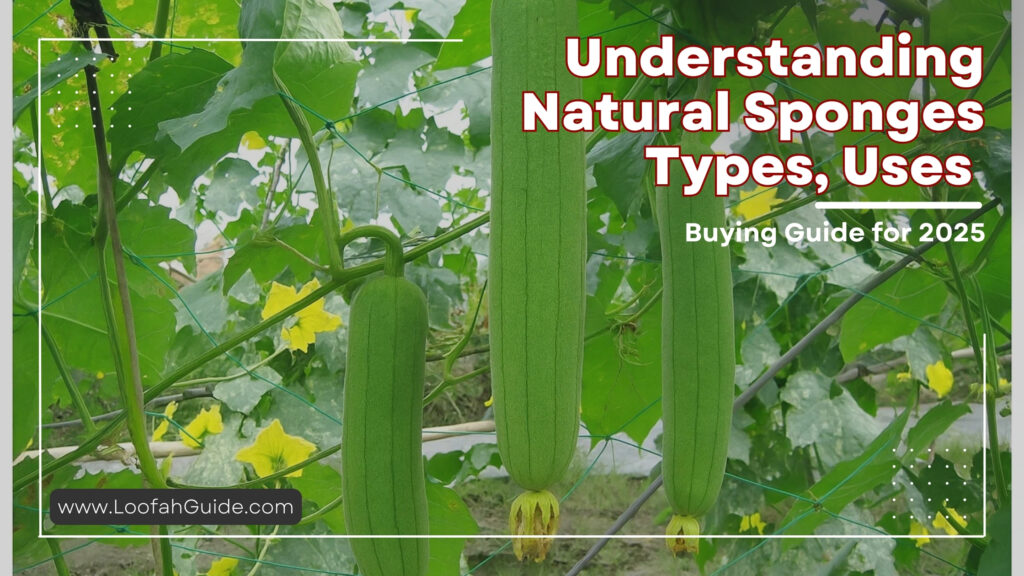
Commercial and home cultivation centers on two primary loofah species with distinct characteristics and applications. Luffa aegyptiaca, variously called Egyptian loofah, smooth loofah, or sponge gourd, produces the cylindrical sponges most commonly used for body care and household cleaning. Its relatively smooth exterior and dense internal fiber structure make it ideal for producing durable exfoliating products.
Luffa acutangula, known as ridged loofah, angled loofah, or Chinese okra, features prominent ridges running lengthwise along the fruit. This species serves primarily culinary purposes in Asian cuisines, where young fruits are harvested and prepared similarly to summer squash. While mature ridged loofah can produce usable fiber, the quality generally falls below that of smooth loofah varieties preferred for bath and body applications.
For gardeners interested primarily in producing natural sponges, smooth loofah varieties offer the best results. Seeds marketed specifically for sponge production typically derive from Luffa aegyptiaca strains selected for fiber quality rather than culinary characteristics.
Regional Cultivation Excellence
Geography significantly influences loofah quality, with certain regions producing notably superior products. Egyptian loofah commands premium pricing in global markets due to ideal growing conditions in the Nile Delta, where centuries of cultivation experience combine with optimal climate factors. Professional buyers sourcing wholesale quantities recognize these regional differences when evaluating suppliers.
Home gardeners outside tropical regions can still achieve excellent results by understanding and compensating for climate limitations. The growing techniques detailed throughout this guide help maximize quality regardless of location, though tropical and subtropical gardeners enjoy natural advantages in season length and temperature consistency.
Preparing for Successful Loofah Growth
Successful loofah cultivation begins weeks before any seeds enter the ground. Proper preparation addresses the plant’s demanding requirements and establishes conditions supporting healthy growth throughout an extended season. Taking time to prepare properly prevents frustrations and failures that discourage first-time loofah growers.
Site Selection and Garden Planning
Choose a planting location receiving full sun for minimum eight hours daily. Loofah vines require intense light for vigorous growth and proper fruit development. Shaded conditions produce spindly vines with reduced yields and inferior fiber quality. Southern or western exposures typically provide optimal light in northern hemisphere gardens.
Plan for substantial vertical space, as loofah vines commonly reach 20 to 30 feet under favorable conditions. Existing structures including fences, arbors, or outbuilding walls can support vines if sufficiently sturdy. Purpose-built trellises should reach at least eight feet height with construction robust enough to support considerable weight when vines mature and carry multiple developing fruits.
| Garden Planning Factor | Minimum Requirement | Optimal Condition |
|---|---|---|
| Daily sun exposure | 6 hours | 8 or more hours |
| Vertical growing space | 8 feet | 12 feet |
| Horizontal spacing per plant | 3 feet | 5 feet |
| Soil depth | 12 inches | 18 inches |
| Growing season length | 150 days | 180 or more days |
Consider proximity to water sources when positioning loofah plantings. The plants require consistent moisture, particularly during fruit development, making irrigation convenience important for maintenance success. Gardeners relying on hand watering will appreciate shorter hose runs to loofah growing areas.
Soil Preparation for Nutrient-Hungry Vines
Loofah plants extract substantial nutrients from soil throughout their lengthy growing season. Preparing the planting area with generous organic matter amendments supports sustained growth without constant supplemental feeding. Begin soil preparation two to four weeks before anticipated planting dates to allow amendments to integrate naturally.
Test soil pH before amending, targeting a slightly acidic to neutral range between 6.0 and 7.0. Most garden soils fall within acceptable parameters, though strongly acidic or alkaline conditions require correction using lime or sulfur applications respectively. Local extension services often provide inexpensive soil testing with specific amendment recommendations.
Incorporate two to four inches of quality compost into the planting area, working material into the top twelve inches of soil. This organic matter improves soil structure, moisture retention, drainage characteristics, and nutrient availability simultaneously. Additional amendments including aged manure, leaf mold, or commercial soil conditioners further enhance growing conditions.
Starting Loofah Seeds Successfully
Germinating loofah seeds challenges many gardeners due to the hard protective seed coat that inhibits moisture absorption. Understanding seed biology and applying proven pre-treatment techniques dramatically improves germination rates and produces vigorous seedlings ready for transplanting when outdoor conditions allow.
Seed Pre-Treatment Methods
The tough outer coating protecting loofah seeds during storage becomes an obstacle to germination when planting time arrives. Water must penetrate this coating to initiate the sprouting process, which occurs slowly or incompletely without intervention. Several pre-treatment approaches address this challenge with varying effectiveness.
Simple water soaking remains the most common and accessible method. Place seeds in a container of warm water for 24 to 48 hours before planting, changing water every 12 hours if possible. Seeds that sink to the bottom during soaking generally indicate viability, while persistent floaters may be empty or otherwise non-viable.
Scarification involves physically compromising the seed coat to allow water penetration. Using a file, sandpaper, or nail clippers, create a small nick or abrasion on the seed surface away from the pointed end where the root emerges. This technique accelerates germination but requires care to avoid damaging internal seed structures.
| Pre-Treatment Method | Time Required | Germination Improvement | Skill Level |
|---|---|---|---|
| No treatment | None | Baseline 40 to 50 percent | Beginner |
| Warm water soak 24 hours | 1 day | 65 to 70 percent | Beginner |
| Extended soak 48 hours | 2 days | 75 to 80 percent | Beginner |
| Scarification plus soak | 2 days | 85 to 90 percent | Intermediate |
| Paper towel pre-sprout | 5 to 7 days | 90 to 95 percent | Intermediate |
Advanced gardeners often pre-sprout seeds using the paper towel method, which allows monitoring germination progress before committing seeds to growing medium. Place treated seeds between moist paper towels in a sealed container, maintaining warm temperatures around 85 degrees Fahrenheit. Check daily for emerging roots, transplanting successfully sprouted seeds to containers immediately.
Indoor Starting Timeline and Techniques
Gardeners in climates with growing seasons shorter than 150 days must start loofah seeds indoors to achieve harvestable results. Calculate your starting date by counting backward from your last expected frost date, adding six to eight weeks for indoor growing time. This timing produces transplant-ready seedlings when outdoor conditions become suitable.
Use biodegradable pots that transplant directly into the garden without disturbing sensitive root systems. Loofah roots resent disturbance, and traditional transplanting from plastic containers often causes setback or failure. Peat pots, coir pots, or newspaper pots all work effectively and decompose naturally after planting.
Fill containers with quality seed starting mix, planting prepared seeds one inch deep with the pointed end facing downward. Water thoroughly and cover with plastic wrap or humidity domes to maintain moisture during germination. Bottom heat from seedling mats significantly accelerates sprouting, maintaining the warm temperatures loofah seeds prefer.
Transplanting and Establishing Young Plants
The transition from indoor containers to garden soil represents a critical period in loofah development. Proper hardening off, timing, and transplanting techniques establish plants successfully while minimizing stress that delays growth and reduces eventual yields.
Hardening Off Process
Indoor-grown seedlings require gradual acclimation to outdoor conditions before permanent transplanting. Begin hardening off approximately two weeks before anticipated planting, exposing seedlings to increasing periods of outdoor conditions daily. Start with one to two hours in a protected, shaded location, gradually increasing duration and sun exposure over seven to ten days.
Watch for signs of stress during hardening including wilting, leaf scorching, or growth cessation. Return struggling plants to protected conditions temporarily, resuming hardening at a gentler pace. Properly hardened seedlings display sturdy stems, deep green coloration, and tolerance for direct sun and wind exposure.
Transplanting for Minimal Root Disturbance
Wait until soil temperatures consistently reach 70 degrees Fahrenheit and all frost danger passes before transplanting. Cool soil temperatures stunt loofah growth significantly, making patience essential even when air temperatures feel summery. Soil thermometers provide accurate readings for making informed planting decisions.
Prepare planting holes twice the width of root balls, incorporating a handful of compost into excavated soil. Position biodegradable pots directly in holes, tearing away any pot material extending above soil level that might wick moisture away from roots. Firm soil gently around transplants and water deeply to settle roots and eliminate air pockets.
Apply organic mulch in a three to four inch layer around transplants, maintaining a small gap around stems to prevent rot issues. Mulch conserves soil moisture, moderates temperature fluctuations, and suppresses weed competition that diverts resources from developing vines.
Supporting and Training Growing Vines
Loofah vines require substantial support structures and benefit from training guidance as they develop. Proper support systems produce higher quality fruits while simplifying harvest and reducing disease pressure from improved air circulation.
Constructing Effective Support Structures
Build or install support structures before or immediately after transplanting to avoid root disturbance from later construction. The specific design matters less than overall strength, height, and stability. Supports must withstand considerable weight from mature vines bearing multiple developing fruits, potentially exceeding 50 pounds per plant.
Simple designs using sturdy wooden or metal posts with heavy gauge wire strung between them work effectively for most home garden situations. Space posts eight to ten feet apart with cross wires at twelve inch intervals providing climbing surfaces for tendrils. Ensure posts are set at least 24 inches deep for stability in strong winds.
Cattle panels bent into arch shapes create attractive and functional tunnel trellises that accommodate multiple plants while adding visual interest to garden spaces. Existing structures including chain link fences, arbors, or pergolas can support loofah vines if structurally sound and positioned in full sun locations.
Vine Training Principles
Young loofah vines begin climbing independently once stems lengthen and tendrils develop. Guide initial growth toward support structures using soft ties that hold stems without constricting growth. Check ties regularly as stems thicken, loosening or replacing as needed to prevent girdling damage.
Pinching the growing tip when vines reach trellis tops encourages lateral branching that increases flowering and fruiting potential. This simple technique redirects growth energy from vertical extension to horizontal spread and fruit production. Commercial growers routinely practice tip removal for improved yields.
Remove excessive foliage that shades developing fruits, particularly interior leaves that block air circulation without contributing significantly to photosynthesis. This selective pruning promotes even fruit ripening, reduces disease pressure, and improves overall plant health. Avoid removing more than one third of total foliage in any single pruning session.
Watering and Feeding for Optimal Growth
Consistent care throughout the growing season determines both yield quantity and loofah fiber quality. These nutrient-demanding vines require regular attention to watering and feeding schedules, particularly during critical fruit development periods.
Irrigation Management Strategies
Loofah plants require one to two inches of water weekly during active growth, increasing to two inches or more during flowering and fruit development. Irregular watering causes stress that manifests as reduced fruit size, poor fiber development, and increased susceptibility to pests and diseases.
Morning watering allows foliage to dry before evening, reducing fungal disease risk common in humid conditions. Direct water to root zones using drip irrigation or soaker hoses rather than overhead sprinklers that wet foliage and promote disease. Mulched plantings require less frequent watering due to reduced evaporation from soil surfaces.
Monitor plants for signs of water stress including wilting during morning hours, curling or yellowing leaves, and slowed growth. Container-grown loofahs require especially vigilant watering attention due to limited soil volumes and increased evaporation. Daily watering may prove necessary during hot weather periods.
Fertilization Program
Begin fertilization at transplant time with balanced formulations providing equal parts nitrogen, phosphorus, and potassium. Transition to higher phosphorus formulations as flowering begins, supporting bloom production and fruit set. During fruit development, emphasize potassium for quality fiber development and disease resistance.
| Growth Stage | Recommended Fertilizer Type | Application Frequency |
|---|---|---|
| Transplant establishment | Balanced 10-10-10 or equivalent | At planting |
| Vegetative growth | Balanced with moderate nitrogen | Every 2 weeks |
| Flowering | High phosphorus bloom formula | Every 2 weeks |
| Fruit development | High potassium fruit formula | Every 2 weeks |
| Late season maturation | Reduced or none | Monthly if needed |
Organic fertilization options including compost tea, fish emulsion, and kelp extract provide nutrients while supporting beneficial soil biology. Side-dress established plants with compost or aged manure monthly, working material into the top few inches of soil around plant bases. Avoid excessive nitrogen during flowering and fruiting, which promotes foliage at the expense of sponge production.
From Flower to Fruit: Pollination and Development
Understanding loofah flowering patterns helps gardeners recognize normal development and identify potential problems before they impact harvests. The plants produce separate male and female flowers requiring insect pollination for successful fruit set.
Recognizing Male and Female Flowers
Male flowers appear first on young vines, typically three to four weeks before female flowers develop. This timing ensures pollen availability when female flowers open. Male flowers grow in clusters on long stems extending from leaf axils, opening in succession over several days.
Female flowers appear singly with a distinctive miniature fruit visible behind the petals. This immature fruit enlarges rapidly following successful pollination or withers and drops if pollination fails. Female flowers remain receptive for a single day, making timely pollination critical for fruit set.
Bees and other pollinators naturally transfer pollen between flowers during their foraging activities. Gardens with abundant pollinator habitat and diverse flowering plants generally experience reliable fruit set without intervention. Avoiding pesticide applications during flowering periods protects pollinators and ensures their presence when needed.
Hand Pollination Technique
When natural pollination proves unreliable due to limited pollinator populations or poor weather during flowering, hand pollination guarantees fruit set. This simple technique takes only moments per flower and dramatically improves yields in challenging conditions.
Identify freshly opened female flowers during morning hours when both flower types are receptive. Locate male flowers and remove a single bloom, peeling back petals to expose the pollen-covered anthers. Touch anthers directly to the female flower stigma, rolling gently to transfer pollen thoroughly. A single male flower can pollinate multiple females if pollen supply remains adequate.
Alternative methods use small brushes or cotton swabs to collect and transfer pollen without removing male flowers. This approach preserves male blooms for natural pollinator visits while still ensuring female flower pollination.
Harvesting at Peak Quality
Harvest timing significantly influences loofah quality, with both premature and delayed harvesting reducing fiber durability and overall product quality. Learning to recognize harvest readiness ensures maximum return on your growing season investment.
Harvest Readiness Indicators
| Indicator | Not Ready | Almost Ready | Harvest Now |
|---|---|---|---|
| Exterior color | Green | Yellow-green | Brown |
| Skin texture | Firm, attached | Loosening | Papery, separating |
| Fruit weight | Heavy | Medium | Light |
| Shake test | No sound | Slight rattle | Seeds audibly rattling |
| Stem condition | Green, flexible | Yellowing | Dry, shriveled |
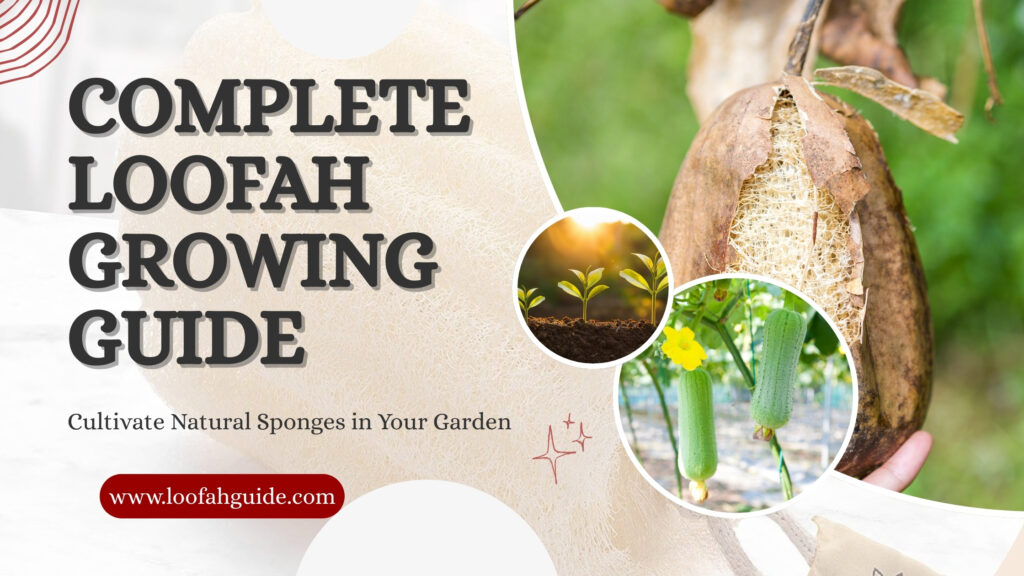
Allow fruits to dry naturally on vines whenever possible, as this produces the highest quality fiber. Watch weather forecasts as harvest approaches, bringing in fruits before hard freezes that damage fiber structure. Fruits harvested slightly early continue drying off-vine, though fiber quality may not reach its full potential.
Cut mature loofahs from vines using clean pruning shears, leaving a short stem attached. Handle harvested fruits gently to preserve internal fiber structures. Process immediately or store briefly in dry, well-ventilated conditions until ready for peeling.
Processing Your Harvest Into Usable Sponges
Transforming garden loofahs into finished sponges requires removing the outer skin and seeds while preserving the valuable fiber network. Several processing approaches work effectively, with method selection depending on fruit condition and personal preference.
Peeling and Seed Removal
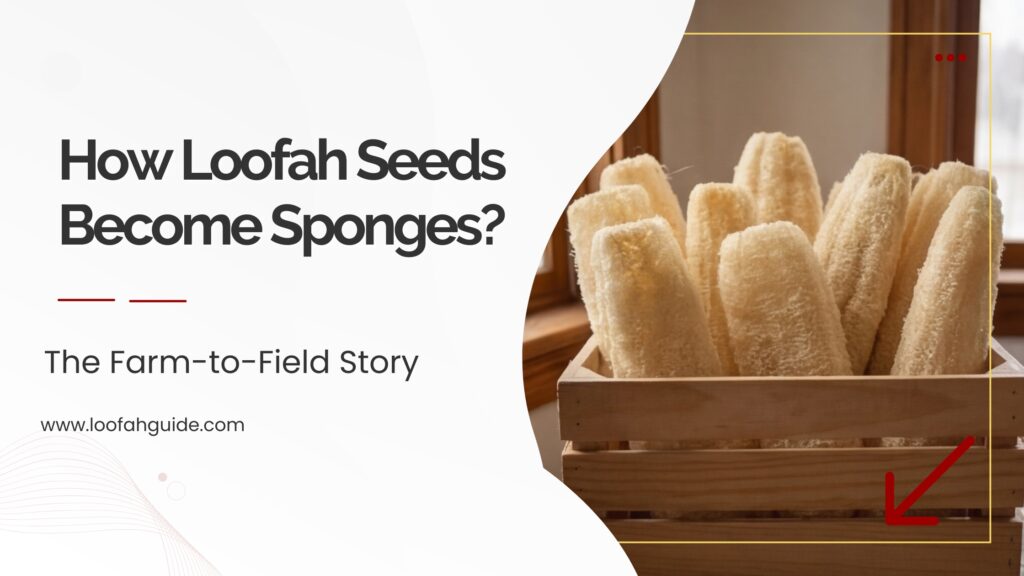
Fully dried loofahs with loose, papery skin process most easily. Begin at the stem end, carefully peeling away the outer skin layer without tearing underlying fibers. Work methodically around and down the fruit until skin removal is complete. Shake vigorously to dislodge seeds through the open ends, saving some for next year’s planting.
Fresher loofahs with attached skin benefit from soaking in water for several hours or overnight. The moisture softens the skin layer, allowing easier removal without fiber damage. Some gardeners briefly blanch loofahs in boiling water to loosen skin quickly, though temperature control prevents fiber damage from overprocessing.
After skin removal, rinse thoroughly under running water to remove remaining debris, plant material, and loose fiber fragments. Squeeze repeatedly while rinsing to flush internal channels and complete cleaning. Allow processed sponges to dry completely in sunny, well-ventilated locations before storage or use.
Quality Assessment and Grading
Evaluate finished sponges for quality characteristics that influence their best applications. Dense, uniform fiber structures indicate premium quality suitable for facial and body exfoliation. Looser, more open structures work well for kitchen cleaning, dish scrubbing, and other household applications where gentler texture matters less.
Professional grading systems used by wholesale loofah suppliers classify products by size, fiber density, color uniformity, and structural integrity. Home growers can apply similar evaluation criteria when assessing their harvests and planning product uses.
Selecting the Right Loofah for Different Skin Types
Whether using homegrown loofahs or purchasing from quality suppliers, matching loofah characteristics to skin type ensures effective exfoliation without irritation. Understanding fiber differences helps make appropriate selections for personal use or product recommendations.
Skin Type Compatibility Guide
| Skin Type | Ideal Loofah Characteristics | Usage Tips |
|---|---|---|
| Sensitive | Fine, dense fibers, softer texture | Gentle circular motions, limit to weekly use |
| Normal | Medium density, balanced texture | Regular use 2 to 3 times weekly |
| Oily | Firmer fibers, effective exfoliation | More frequent use acceptable |
| Combination | Varies by area | Adjust pressure and frequency by zone |
| Mature | Medium to soft, hydrating products paired | Focus on promoting circulation |
Natural loofah provides advantages over synthetic alternatives regardless of skin type. The organic fiber structure exfoliates effectively while remaining sufficiently gentle for regular use. Environmental benefits further favor natural options, as plant-derived sponges biodegrade completely rather than contributing to persistent plastic pollution.
FAQ Section
Q1: What climate zones support loofah growth without season extension techniques?
A: USDA hardiness zones 9 through 11 provide sufficient growing season length and temperatures for direct-sown loofah cultivation without indoor starting or season extension. Zone 8 gardeners can succeed with early indoor starting and protected planting sites. Zones 7 and below require indoor seed starting six to eight weeks before last frost, season extension techniques like row covers, and variety selection emphasizing shorter maturation times.
Q2: How many loofah plants should I grow for a year’s supply of sponges?
A: Plan for three to five plants per household member using loofahs regularly, assuming each plant produces five to ten harvestable fruits under good growing conditions. This quantity accounts for replacement cycles of three to four weeks per bath sponge and provides extras for kitchen use, gifts, and any cultivation losses. First-year growers should start modestly with three to five plants total to develop skills before expanding.
Q3: Can loofah vines damage structures they climb?
A: Loofah tendrils attach firmly but do not penetrate or damage most surfaces the way some climbing plants do. The vines add considerable weight when mature, which can stress or damage insufficient support structures. Avoid allowing vines to climb wooden structures where trapped moisture might promote rot, and ensure any support can handle expected loads safely.
Q4: Why are my loofah plants flowering but not producing fruit?
A: Poor fruit set typically indicates pollination problems rather than plant health issues. Male flowers normally appear several weeks before female flowers, so early flowering without fruit is expected. Once female flowers appear, inadequate pollinator activity, excessive heat, or weather conditions preventing bee activity can cause pollination failure. Hand pollinating ensures fruit set when natural pollination proves unreliable.
Q5: How do commercial growers achieve such consistent loofah quality?
A: Commercial operations including established suppliers like Egexo control numerous variables that home growers cannot easily replicate. Optimal climate conditions in growing regions like Egypt’s Nile Delta, refined cultivation techniques developed over generations, selective harvesting of mature fruits, and professional processing methods all contribute to consistent commercial quality. Home growers can apply similar principles at appropriate scale to improve their own results.
Q6: What causes brown spots or discoloration on growing loofah fruits?
A: Several factors cause cosmetic damage to developing loofahs including direct soil contact, pest feeding, disease infection, or physical damage from wind or handling. Vertical growing systems minimize soil contact issues. Minor discoloration often affects appearance without compromising fiber quality, though significant damage may indicate problems requiring attention.
Q7: How long do harvested loofah sponges last with proper care?
A: Natural loofah sponges used for bathing should be replaced every three to four weeks to maintain hygiene and effectiveness. Kitchen loofahs may last longer with proper drying between uses. Stored dry loofahs remain usable for years, making them excellent shelf-stable gifts or products for gradual use throughout the year.
Q8: Where can I purchase quality loofah seeds or sponges if growing my own is not practical?
A: Quality natural loofahs are available from specialty bath product retailers, eco-friendly home goods stores, and directly from wholesale suppliers like Egexo who also serve retail customers. When purchasing, look for Egyptian-origin products which consistently demonstrate superior fiber quality due to optimal growing conditions and established cultivation expertise.
Expert Insight from LoofahGuide
Successful loofah growing shares more with patience than gardening skill. The extended growing season challenges gardeners accustomed to quicker-maturing vegetables, but the reward of harvesting your own natural sponges justifies the wait. Focus on providing consistent conditions rather than intensive intervention. Loofah plants thrive with reliable water, adequate nutrition, and sturdy support, then largely care for themselves through the long development period. Resist the temptation to harvest early when you see that first beautiful mature fruit forming. Allowing full vine-drying produces noticeably superior fiber quality that makes your patience worthwhile. Start with a few plants your first season, learn from the experience, and expand confidently in subsequent years as your cultivation skills develop.
Conclusion
Cultivating loofah connects gardeners with an ancient practice that produces genuinely useful household products from simple seeds. The lengthy growing season demands planning and patience, but the rewards include sustainable access to natural exfoliating sponges and the satisfaction of producing your own bath and kitchen essentials.
Understanding loofah growth fundamentals empowers gardeners to achieve quality results while appreciating why professional growers in optimal locations like Egypt produce consistently superior commercial products. Whether growing a few plants for personal use or exploring market opportunities, the principles remain consistent across scales.
Key Takeaways:
- Pre-treat loofah seeds to improve germination rates from 50 percent to over 85 percent
- Provide sturdy support structures capable of bearing 50 or more pounds per mature plant
- Allow fruits to dry completely on vines before harvest for maximum fiber quality
- Match loofah characteristics to skin type for effective exfoliation without irritation
- Natural loofahs biodegrade completely, supporting sustainable personal care routines
Continue Your Loofah Journey:
- For Wholesale Information: Visit WholesaleLoofah.com to explore bulk purchasing options
- For Premium Products: Browse the Egexo shop for quality Egyptian loofahs
- For Quality Evaluation: Request samples to experience the difference firsthand