
The Renaissance of Natural Cleaning: Why Loofah Sponges Deserve Your Attention
Somewhere between the plastic-wrapped convenience products of modern retail and the growing mountain of non-biodegradable waste sits an ancient solution hiding in plain sight. The loofah sponge, a humble plant-based cleaning tool with roots stretching back thousands of years, has quietly re-emerged as the thinking person’s answer to sustainable home care.
Recent environmental studies estimate that the average household discards over 400 synthetic sponges during a typical lifetime, each one destined to persist in landfills for centuries. Natural loofah sponges offer a compelling alternative that performs exceptionally well while decomposing completely within months of disposal. This plant-derived tool serves dual purposes with remarkable effectiveness, handling everything from gentle skin exfoliation to stubborn kitchen grease.
What distinguishes quality loofah from inferior alternatives? How do you match the right product to your specific skin type? What techniques maximize cleaning effectiveness while extending product life? This guide answers these questions and more, drawing on established expertise from leading Egyptian producers who have cultivated premium loofah for generations along the fertile Nile Delta.
Whether you manage inventory for a retail operation or simply want better cleaning tools for your home, understanding loofah fundamentals transforms how you approach product selection and daily use. The knowledge shared here applies equally to business sourcing decisions and personal purchasing choices.
Decoding the Loofah Plant: Nature’s Engineered Cleaning System
Botanical Background and Growth Characteristics
The loofah belongs to the Cucurbitaceae family, sharing ancestry with cucumbers, squash, and melons. Two primary species produce the fibrous material used in cleaning products: Luffa aegyptiaca and Luffa acutangula. The former, sometimes called the Egyptian loofah or smooth loofah, dominates commercial production due to its superior fiber characteristics and consistent quality.
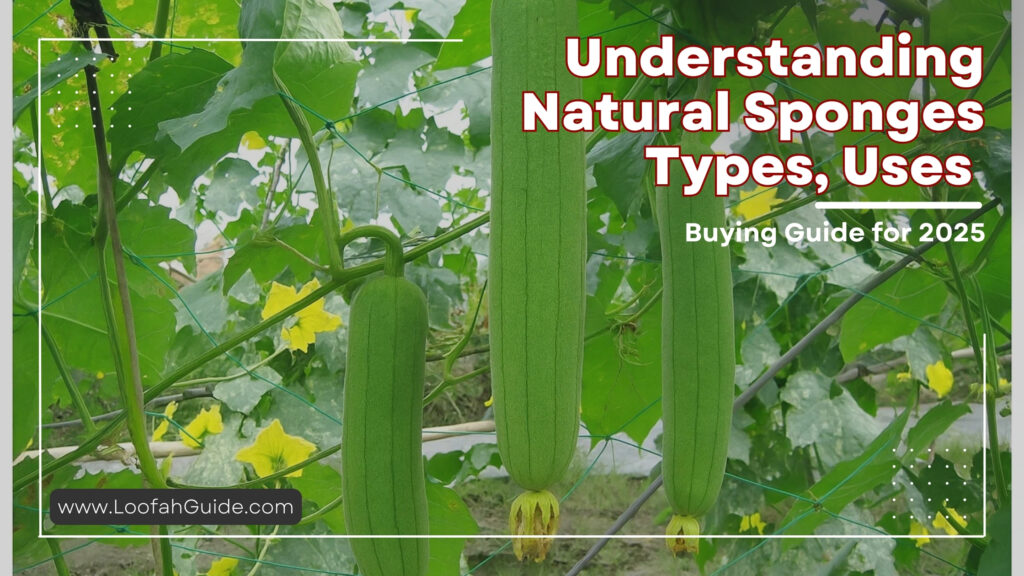
Growing as a vigorous climbing vine, the loofah plant produces large yellow flowers that develop into elongated gourds reaching lengths of 30 to 60 centimeters at maturity. During the growing season, these gourds contain edible flesh similar to zucchini. However, when left to mature fully and dry on the vine, the interior transforms into the dense fibrous network recognized worldwide as the natural loofah sponge.
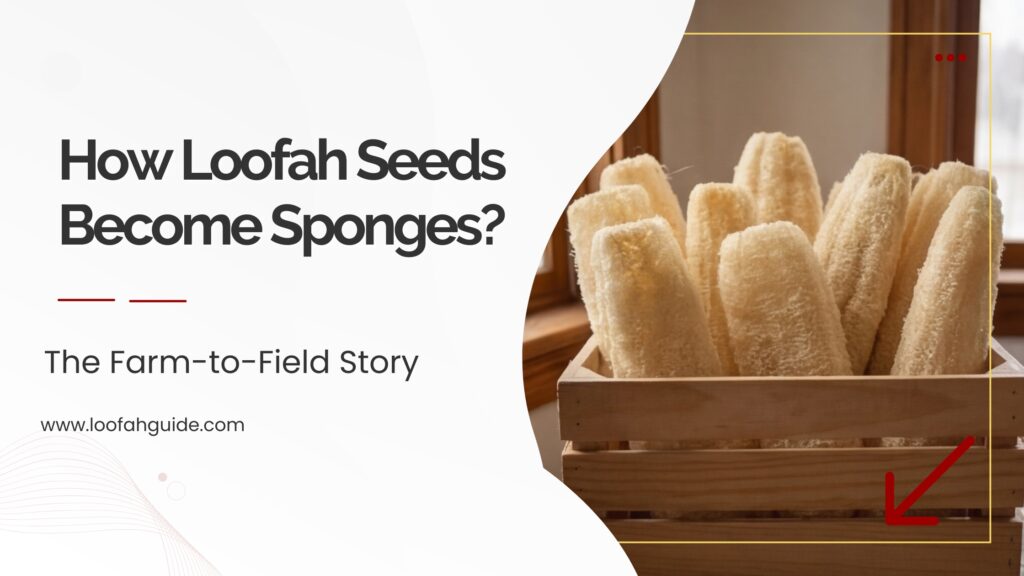
The drying process concentrates the cellulose fibers while eliminating the soft flesh, leaving behind an intricate three-dimensional structure of interconnected channels. This natural architecture creates the characteristic scrubbing texture that makes loofah effective for both skin exfoliation and surface cleaning. No synthetic manufacturing process has successfully replicated the complexity and functionality of this organic design.
Geographic Origins and Quality Variations
Growing conditions significantly impact loofah quality, and certain regions consistently produce superior products. The Nile Delta in Egypt represents the gold standard for commercial loofah cultivation, where a combination of factors creates ideal growing conditions.
| Regional Factor | Egyptian Nile Delta | Asian Production | Central American |
|---|---|---|---|
| Soil Composition | Nutrient-rich alluvial deposits | Variable quality | Moderate fertility |
| Climate Consistency | Stable warm seasons | Monsoon variations | Tropical humidity |
| Agricultural Heritage | Centuries of expertise | Developing industry | Traditional but limited |
| Fiber Density | Highest quality | Medium to good | Variable |
| Color Consistency | Natural cream to golden | Often darker | Variable coloring |
| Processing Standards | Well-established | Inconsistent | Developing |
Understanding these regional differences helps buyers, whether wholesale purchasers or individual consumers, make informed sourcing decisions. Premium Egyptian loofah commands higher prices but delivers correspondingly superior performance and longevity.
For detailed information about cultivation practices and quality assurance, explore resources covering the complete farm to export process used by established producers.
Matching Your Skin Type to the Ideal Loofah Texture
Understanding Exfoliation Needs
Effective skin care requires matching exfoliation intensity to individual skin characteristics. Using an overly aggressive loofah on delicate skin causes irritation and damage, while too gentle a product fails to deliver meaningful results for those with resilient skin. The natural variation in loofah fiber density provides options across the entire spectrum.
Your skin type reflects multiple factors including genetic predisposition, age, environmental exposure, hydration levels, and overall health. Before selecting a loofah, honestly assess where your skin falls on the sensitivity spectrum by considering how it typically reacts to new products, sun exposure, and physical contact.
Comprehensive Skin Type Assessment
| Skin Characteristic | Sensitivity Level | Recommended Loofah Grade | Usage Guidelines |
|---|---|---|---|
| Reacts easily to products, redness common | High Sensitivity | Ultra-soft outer fibers | Once weekly, minimal pressure |
| Occasional sensitivity, generally tolerant | Moderate Sensitivity | Soft standard grade | Twice weekly, light pressure |
| Rarely reacts, handles most products | Normal Resilience | Medium density | Three times weekly, moderate pressure |
| Thick texture, tolerates vigorous treatment | Low Sensitivity | Firm core sections | Daily use acceptable, firm pressure |
| Oily with enlarged pores | Oily and Congested | Medium to firm | Three to four times weekly for pore cleansing |
| Dry with flaking tendency | Dry and Dehydrated | Soft with moisturizing soap | Once weekly to avoid over-drying |
| Combination zones | Mixed Characteristics | Medium versatile grade | Adjust pressure by zone |
Special Considerations for Problematic Skin
Certain skin conditions require modified approaches to loofah use. Those managing acne benefit from regular gentle exfoliation that prevents pore clogging, but aggressive scrubbing worsens inflammation and spreads bacteria. Select a medium-soft loofah and use light circular motions without pressing into active breakouts.
Mature skin presents different considerations. While exfoliation stimulates cell turnover and improves appearance, aged skin produces less protective oil and heals more slowly from micro-damage. Soft loofahs with thorough pre-soaking provide effective exfoliation without compromising skin integrity.
Eczema, psoriasis, and other inflammatory conditions generally contraindicate loofah use on affected areas. Consult dermatological guidance before incorporating any exfoliating tool into care routines for these conditions. Unaffected areas may still benefit from appropriate loofah use.
For those exploring products designed specifically for various skin types, reviewing available body loofah options provides insight into the range of textures and formats available.
Beyond Personal Care: Kitchen Applications for Natural Loofah
Why Loofah Excels at Dish and Surface Cleaning
The same fibrous architecture that provides effective skin exfoliation translates remarkably well to kitchen cleaning tasks. Natural loofah sponges tackle baked-on food residue, grease films, and stubborn stains while remaining gentle enough to avoid scratching most surfaces.
Several characteristics make loofah superior to synthetic alternatives for kitchen use. The organic fiber structure rinses clean more thoroughly than plastic-based materials, reducing the bacterial accumulation that makes synthetic sponges smell unpleasant. The natural material resists the sliminess that develops in petroleum-based products. Most importantly, spent loofahs compost completely rather than contributing to landfill accumulation.
Kitchen loofahs work effectively on dishes, glassware, cookware, countertops, stovetops, and even fruits and vegetables requiring surface cleaning. The texture adjusts when wet, softening for delicate items while maintaining scrubbing effectiveness for tougher jobs.
Kitchen Cleaning Application Guide
| Cleaning Task | Loofah Type | Technique | Effectiveness Rating |
|---|---|---|---|
| Daily dishwashing | Standard kitchen loofah | Soapy circular motions | Excellent |
| Baked-on food residue | Firmer textured loofah | Soak item first, then scrub firmly | Very good |
| Non-stick cookware | Soft wet loofah | Gentle pressure to protect coating | Good, prevents scratching |
| Glass and crystal | Thoroughly soaked soft loofah | Light pressure, rinse immediately | Excellent, streak-free |
| Stainless steel | Medium texture loofah | Follow grain direction | Very good |
| Countertop cleaning | Damp loofah with cleaner | Wipe and lift motions | Excellent |
| Vegetable scrubbing | Dedicated food-safe loofah | Running water, gentle scrub | Very good for root vegetables |
| Stovetop degreasing | Firm loofah with degreaser | Circular scrubbing motion | Excellent |
Dedicated kitchen loofah products designed specifically for household cleaning tasks offer optimized shapes and textures for various applications.
Food Safety Considerations
When using loofah for food contact surfaces or vegetable cleaning, dedicate specific products exclusively to these purposes. Never use a loofah that has contacted cleaning chemicals or non-food surfaces for washing produce. Label your kitchen loofahs clearly and maintain strict separation to prevent cross-contamination.
Natural loofah presents lower food safety concerns than synthetic alternatives because the plant-based material contains no chemical additives or petroleum derivatives. Any microscopic fiber residue is completely food-safe and digestible. However, proper sanitation practices remain essential regardless of material composition.
Specialized Loofah Applications You May Not Have Considered
Pet Grooming and Animal Care
Pet owners increasingly discover the benefits of natural loofah for animal grooming. The gentle texture effectively removes loose fur, distributes natural oils throughout the coat, and provides a massage-like sensation that many pets enjoy. Unlike plastic grooming tools, loofah does not generate static electricity that makes fur difficult to manage.
For dogs, cats, horses, and other animals with various coat types, loofah grooming products offer a natural alternative to synthetic brushes and mitts. The flexible material conforms to body contours while providing consistent grooming action across different coat densities.
Explore specialized pet and spa grooming loofahs designed for animal care applications with appropriate textures and ergonomic shapes.
Craft and DIY Applications
Creative communities have embraced raw loofah material for numerous craft applications beyond traditional cleaning use. The unique texture and natural aesthetic make loofah an interesting material for artistic and functional projects.
Popular craft applications include handmade soap embedding where loofah slices become part of exfoliating soap bars, creating unique gift items with both visual appeal and practical function. Home decor projects utilize loofah sections as natural textural elements in arrangements, wreaths, and displays. Garden applications include using loofah as biodegradable plant ties and seed starting containers.
For crafters and DIY enthusiasts, purchasing raw unprocessed loofah provides the flexibility to cut, shape, and incorporate the material into custom creations. The natural variation in each piece ensures that handmade items maintain unique character.
Spa and Wellness Integration
Professional spa environments incorporate natural loofah into treatment protocols ranging from body scrub services to retail product offerings. The authentic sustainability narrative resonates with wellness-focused clientele seeking natural alternatives to synthetic products.
Spa owners evaluating loofah for professional use benefit from private label manufacturing options that allow branded product development using premium Egyptian loofah. Custom formulations and packaging create distinctive offerings that reinforce brand identity while delivering quality results.
Natural Versus Synthetic: An Honest Comparison
Performance Across Key Metrics
Choosing between natural loofah and synthetic alternatives involves weighing multiple factors according to individual priorities. Neither option proves universally superior, but understanding the tradeoffs enables informed decision-making.
| Comparison Factor | Natural Egyptian Loofah | Plastic Mesh Puff | Synthetic Cellulose | Microfiber Cloth |
|---|---|---|---|---|
| Raw Material Source | Renewable plant fiber | Petroleum-based plastic | Wood pulp with synthetic binders | Polyester and polyamide |
| Manufacturing Impact | Low energy, minimal processing | High energy, chemical intensive | Moderate processing | Synthetic fiber production |
| Exfoliation Effectiveness | Excellent, adjustable with water | Good but inconsistent | Mild only | Minimal exfoliation |
| Cleaning Power | Very good for scrubbing tasks | Limited scrubbing ability | Good absorption, weak scrubbing | Excellent for wiping, weak scrubbing |
| Durability | 3 to 4 months typical | 1 to 2 months before hygiene issues | 2 to 4 weeks | 6 months or more with washing |
| Bacterial Resistance | Good when properly dried | Poor, traps moisture | Poor, rapid colonization | Good with regular laundering |
| End of Life | Fully compostable | Centuries in landfill | Partially biodegradable | Non-biodegradable |
| Microplastic Release | None | Continuous shedding | Minimal | Significant with washing |
| Cost Efficiency | Moderate initial, excellent long-term | Low initial, ongoing replacement | Very low, frequent replacement | Moderate initial, good long-term |
Environmental Impact Deep Dive
The environmental case for natural loofah extends beyond simple biodegradability. Throughout its lifecycle, loofah generates positive environmental outcomes that synthetic alternatives cannot match.
During cultivation, loofah plants absorb carbon dioxide while producing oxygen, functioning as living carbon sinks. The vines require minimal irrigation in suitable climates, particularly in regions like Egypt where agricultural practices align with natural water availability. No synthetic pesticides or fertilizers are necessary for quality loofah production using traditional methods.
Processing natural loofah involves primarily mechanical steps including harvesting, drying, seed removal, and cutting. Compare this to synthetic sponge production requiring petroleum extraction, chemical processing, polymerization, and forming operations that consume substantial energy and generate industrial waste.
At end of life, natural loofah returns to the earth within months, contributing nutrients to soil rather than occupying landfill space. Synthetic products persist for centuries while gradually fragmenting into microplastics that contaminate soil and waterways.
For consumers and businesses prioritizing environmental responsibility, natural loofah represents one of the clearest available choices for reducing household and commercial ecological impact.
Mastering Loofah Care for Maximum Value
Daily Maintenance Essentials
Proper care dramatically extends loofah lifespan while maintaining hygienic conditions throughout use. Implementing simple daily practices prevents the problems that cause premature disposal and potential health concerns.
After every use, rinse your loofah thoroughly under clean running water. Work through the fibers with your fingers to flush out all soap residue, dead skin cells, and debris trapped within the structure. Incomplete rinsing leaves organic material that provides nutrition for bacteria and mold.
Squeeze the loofah firmly to expel excess water, then shake vigorously to separate fibers and create air channels. Proper drying cannot occur if fibers remain compressed and waterlogged after use.
Hang your loofah in a location with excellent air circulation, preferably outside the shower stall where humidity levels remain elevated. A hook near a window or in a well-ventilated area provides ideal drying conditions. Avoid enclosed shower caddies, medicine cabinets, or any space restricting airflow.
Weekly and Monthly Maintenance Schedule
| Maintenance Activity | Frequency | Detailed Method | Purpose |
|---|---|---|---|
| Complete rinse and squeeze | After each use | Running water, firm hand pressure | Remove debris and soap |
| Shake to separate fibers | After each use | Vigorous shaking motion | Open structure for drying |
| Vinegar sanitization | Weekly | Soak 5 minutes in 1 part vinegar to 4 parts water | Kill bacteria and mold spores |
| Sunlight exposure | Weekly when possible | Place in direct sun for 1 to 2 hours | Natural UV disinfection |
| Boiling water treatment | Every 2 to 4 weeks | Submerge in rolling boil for 2 to 3 minutes | Deep sanitization |
| Baking soda refresh | Monthly | Soak in baking soda solution 10 minutes | Neutralize odors, deep clean |
| Bleach sanitization | Only when needed | Brief soak in very diluted bleach, rinse thoroughly | Address visible mold (shortens lifespan) |
| Replacement evaluation | Monthly | Check for odor, discoloration, fiber breakdown | Determine remaining useful life |
Recognizing Replacement Indicators
Even perfectly maintained loofahs eventually require replacement. Recognizing the signs prevents using degraded products that no longer perform effectively or safely.
Persistent odor that remains after thorough cleaning and complete drying indicates bacterial colonization beyond what sanitization can address. While fresh loofahs may develop slight natural scent when wet, any smell persisting after drying signals contamination requiring disposal.
Visible mold appearing as dark spots, fuzzy growth, or discoloration means immediate disposal regardless of how long the loofah has been in use. Mold presents health risks and cannot be completely eliminated once established in the fiber structure.
Physical degradation including excessive softness, fiber shedding during use, or sections that tear easily indicates structural breakdown. A loofah past its useful life provides less effective cleaning while potentially leaving fiber debris on skin or surfaces.
Under normal use with proper care, expect three to four months of service from quality natural loofah. Kitchen loofahs facing harsher conditions may require more frequent replacement.
Purchasing Guidance for Consumers and Businesses
Evaluating Product Quality
Whether purchasing single items for personal use or sourcing inventory for retail sale, quality evaluation skills ensure satisfaction and value. Several observable characteristics distinguish premium loofah from inferior products.
Examine fiber uniformity across the entire product. Quality loofahs display consistent density without thin spots, gaps, or areas of sparse fiber development. Hold the product to light and check for even distribution throughout the structure.
Assess natural coloring which should range from creamy white to light golden brown. Dark discoloration, particularly in spotty patterns, may indicate mold exposure, improper drying during processing, or inferior growing conditions. Some color variation occurs naturally, but overall appearance should suggest healthy, properly processed plant material.
Test flexibility by bending the dry loofah gently. Quality products resist cracking or breaking while demonstrating resilience that indicates intact fiber structure. Brittle loofahs that crack under light pressure will not withstand regular use.
Check for debris content including seeds, stem material, or plant residue. While small amounts of natural debris may be present, excessive contamination indicates inadequate processing and requires cleaning before use.
Understanding Wholesale Purchasing
Business buyers sourcing loofah inventory face additional considerations beyond individual product quality. Establishing reliable supplier relationships ensures consistent stock availability and predictable product characteristics.
| Business Consideration | Key Questions | Why It Matters |
|---|---|---|
| Supplier Experience | How long in loofah production? | Indicates quality consistency and reliability |
| Quality Grading System | How are products sorted and graded? | Enables inventory targeting for different price points |
| Minimum Order Requirements | What quantities required per order? | Affects cash flow and storage needs |
| Customization Options | Can specifications be modified? | Enables product differentiation |
| Lead Time Reliability | What is typical order to delivery time? | Impacts inventory planning |
| Sample Availability | Can products be evaluated before commitment? | Reduces purchasing risk |
| Documentation | What certificates and specifications provided? | Supports regulatory compliance and marketing claims |
Established suppliers like Egexo provide transparent information about quality standards and offer sample ordering for evaluation before bulk commitment.
Businesses seeking distinctive products can explore custom product design services that create unique items tailored to specific market positioning and customer preferences.
Troubleshooting Common Loofah Issues
Problem Resolution Guide
Even with quality products and good intentions, loofah users occasionally encounter issues. Understanding causes and solutions keeps your cleaning tools performing optimally.
| Problem | Likely Cause | Solution | Prevention |
|---|---|---|---|
| Persistent bad smell | Bacterial growth from inadequate drying | Sanitize with vinegar or boiling, improve drying location | Ensure complete drying between uses |
| Mold development | Moisture retention in humid environment | Dispose and replace, improve storage ventilation | Store in well-ventilated area, weekly sanitization |
| Too harsh on skin | Product texture unsuitable for skin type | Select softer variety, soak longer before use | Match texture to skin sensitivity |
| Fiber shedding | Product past useful life or low quality | Replace with quality product | Purchase from reputable sources |
| Loses texture quickly | Inferior product or excessive use | Replace and moderate use frequency | Select premium grade, follow care guidelines |
| Does not lather well | Natural variation or product dried out | Soak thoroughly before adding soap | Extend soaking time |
| Skin irritation | Sensitivity reaction or contaminated product | Discontinue use, replace if contamination suspected | Test on small area first, maintain hygiene |
| Discoloration | Natural aging or mold beginning | If odor-free, may continue use; if odor present, replace | Regular sanitization, proper drying |
FAQ Section
Q1: How long does a natural loofah sponge typically last with regular use?
A: With proper care including thorough rinsing, complete drying, and weekly sanitization, a quality natural loofah sponge provides three to four months of regular use. Factors affecting longevity include usage frequency, storage conditions, and initial product quality. Kitchen loofahs facing harsher cleaning agents and abrasive tasks may require replacement every two to three months. Always replace immediately if persistent odor, visible mold, or significant fiber breakdown occurs.
Q2: What is the best method for sanitizing a loofah sponge at home?
A: The most effective home sanitization method involves soaking your loofah in a solution of one part white vinegar to four parts water for five minutes, then rinsing thoroughly and allowing to dry completely. For deeper sanitization, submerge the loofah in boiling water for two to three minutes. Weekly sanitization using either method prevents bacterial and mold growth. Avoid harsh chemicals like bleach except when addressing visible contamination, as these degrade fibers and shorten product life.
Q3: Can I use the same loofah for both body care and kitchen cleaning?
A: No, you should maintain separate loofahs for personal care and kitchen cleaning purposes. Body loofahs accumulate skin cells, body oils, and personal care product residues that are inappropriate for kitchen use. Kitchen loofahs contact cleaning chemicals, food residues, and potentially raw meat contamination that should never contact skin. Label your loofahs clearly and store them in different locations to prevent accidental cross-use.
Q4: Are natural loofah sponges safe for people with sensitive skin?
A: Natural loofah sponges can be safe for sensitive skin when selecting appropriate textures and using proper techniques. Choose soft loofahs from outer fiber sections, soak thoroughly for several minutes before use to maximize softness, apply minimal pressure during use, and limit exfoliation to once or twice weekly. Avoid loofah use on irritated, broken, or inflamed skin. Test on a small area before full body use if you have known sensitivities.
Q5: What makes Egyptian loofah considered superior to other sources?
A: Egyptian loofah benefits from ideal growing conditions in the Nile Delta region where nutrient-rich alluvial soil, consistent warm climate, and centuries of cultivation expertise combine to produce exceptional fiber quality. Egyptian loofahs typically exhibit more uniform fiber density, superior natural coloring, better flexibility, and greater durability compared to varieties from other regions. The established agricultural infrastructure and processing knowledge further ensure consistent quality across production batches.
Q6: How can retailers evaluate loofah quality when sourcing products?
A: Retailers should assess fiber uniformity, natural coloring, flexibility, and debris content when evaluating loofah products. Request samples before placing bulk orders to physically inspect products. Verify supplier credentials including production experience, quality grading systems, and available certifications. Evaluate packaging and labeling options that support retail presentation. Established suppliers provide detailed product specifications, quality guarantees, and documentation supporting marketing claims.
Q7: Do natural loofahs harbor more bacteria than synthetic sponges?
A: Natural loofahs can harbor bacteria if improperly maintained, but they do not inherently contain more bacteria than synthetic alternatives. The key factor is moisture management rather than material composition. Natural loofah fibers dry more thoroughly than many synthetic materials when properly stored, actually reducing bacterial growth potential. Synthetic mesh puffs and cellulose sponges often retain moisture in their structures despite appearing dry externally. Proper care practices maintain hygiene regardless of material type.
Q8: What are the environmental benefits of switching to natural loofah?
A: Switching to natural loofah eliminates microplastic pollution from synthetic sponge degradation, reduces petroleum consumption in manufacturing, and ensures complete biodegradability at end of life. Loofah cultivation absorbs carbon dioxide while requiring minimal water and no synthetic agricultural chemicals. The complete lifecycle from farm through disposal generates positive environmental outcomes compared to synthetic alternatives that persist in landfills for centuries while fragmenting into environmental pollutants.
Expert Insight from Egexo
The difference between an adequate loofah and an exceptional one often comes down to harvest timing and processing care. At Egexo, our cultivation teams monitor each growing loofah carefully, waiting for the precise moment when fiber development reaches optimal density before beginning the drying process. Harvesting too early produces weak, sparse fibers that break down quickly. Harvesting too late can result in overly tough material that feels harsh even when wet.
After harvest, the drying and cleaning process determines whether natural quality translates into finished product excellence. We avoid chemical treatments that might speed processing but compromise fiber integrity. Our mechanical seed removal and cleaning preserves the natural structure while ensuring thorough debris elimination.
For consumers selecting retail products, look for loofahs with consistent texture and clean natural coloring. For business buyers evaluating wholesale sources, request processing information and evaluate samples across multiple product batches to assess consistency. The supplier willing to share detailed production information typically delivers the most reliable quality.
Conclusion
Natural loofah sponges represent a meaningful choice for anyone seeking effective cleaning tools that align with environmental values. From daily shower routines providing gentle skin exfoliation to demanding kitchen tasks requiring serious scrubbing power, these plant-based products deliver performance while supporting sustainable consumption patterns.
Understanding how to select the right loofah texture for your skin type prevents irritation while maximizing exfoliation benefits. Proper care practices including thorough rinsing, complete drying, and regular sanitization extend product life and maintain hygienic conditions throughout use. Recognizing quality indicators enables confident purchasing whether selecting single items or sourcing wholesale inventory.
The environmental advantages of natural loofah extend throughout the product lifecycle, from carbon-absorbing cultivation through complete biodegradation at disposal. Choosing natural alternatives to synthetic cleaning products represents one of many available steps toward reducing household environmental impact.
Whether you approach loofah selection as a consumer seeking better personal care and cleaning tools or as a business buyer evaluating inventory options, the information shared here provides foundation for informed decisions that serve both practical needs and broader values.
Key Takeaways:
- Natural loofah sponges serve effectively for both personal exfoliation and household cleaning applications
- Matching loofah texture to skin type prevents irritation while maximizing exfoliation benefits
- Proper maintenance including thorough drying and regular sanitization extends product life significantly
- Egyptian loofah offers premium quality due to ideal growing conditions and established expertise
- Environmental benefits include complete biodegradability and elimination of microplastic pollution
Explore Further Resources:
- For Wholesale Sourcing: Request a quotation or browse the product catalog
- For Consumer Purchases: Shop available products or request samples
- For Additional Information: Visit WholesaleLoofah.com for more wholesale resources