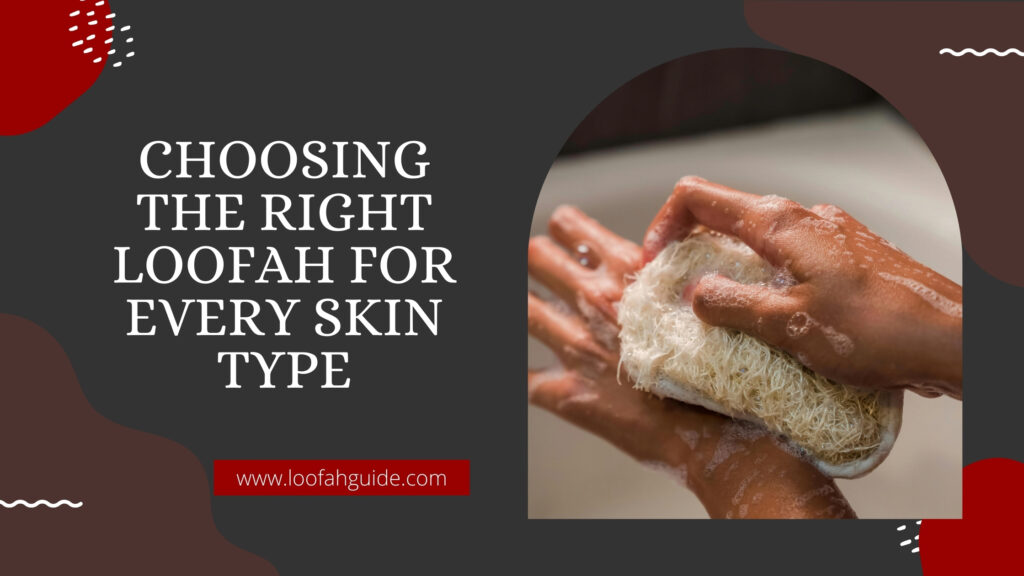
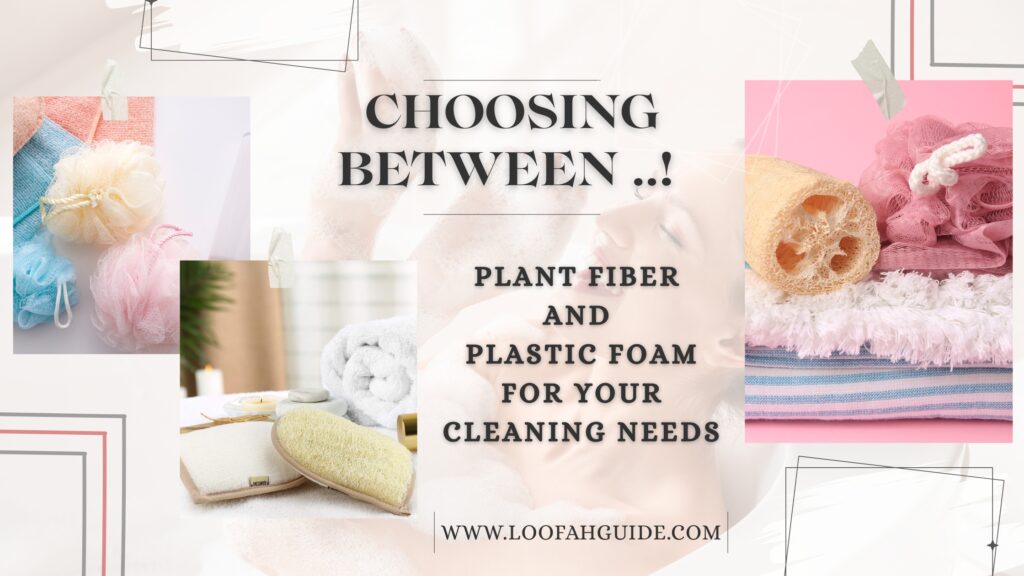
The bathroom scrubber you select impacts far more than most people realize. Studies from environmental research organizations estimate that the average household discards 24 synthetic sponges annually, contributing to the 8 million metric tons of plastic entering oceans each year. Meanwhile, the humble loofah gourd has served human cleansing rituals since the time of pharaohs, offering a solution that modern science increasingly validates as superior.
Determining whether loofah vs synthetic sponge cleans better requires examining measurable performance data alongside practical user experience. Natural loofah derived from the Luffa cylindrica plant contains a fibrous network engineered by nature over millions of years of evolution. Synthetic sponges emerged from petroleum chemistry laboratories in the mid-twentieth century, optimized for manufacturing efficiency rather than cleaning excellence.
This guide delivers comprehensive analysis serving diverse needs. Retailers evaluating product lines will find business-relevant specifications and market data. Individual consumers seeking optimal personal care routines will discover practical guidance backed by scientific evidence. Environmental advocates will appreciate honest lifecycle assessments comparing both materials.
The information ahead draws from agricultural expertise spanning multiple decades of loofah cultivation in Egypt, where the Nile Delta provides unmatched growing conditions. Premium Egyptian loofah represents the gold standard against which all other options should be measured, and understanding why requires exploring the factors that distinguish exceptional products from mediocre alternatives.
Whether building business inventory or upgrading personal hygiene tools, the comparison framework presented here enables confident decision-making. Browse additional resources at Wholesale Loofah for business-focused information or explore consumer guides throughout this site.
Understanding Material Composition and Structure
The fundamental differences between natural loofah and synthetic sponge begin at the molecular level. These structural distinctions directly determine cleaning effectiveness, making material science essential knowledge for informed purchasing.
Natural Loofah Fiber Architecture
The loofah gourd develops its characteristic fibrous structure during a growth period spanning approximately five to six months. As the fruit matures on the vine, cellular walls strengthen and interconnect, forming a three-dimensional matrix of plant fibers. This organic architecture creates channels and chambers that trap particles while maintaining flexibility under pressure.
Fiber diameter in quality loofah specimens ranges from 0.2 to 0.9 millimeters, with premium Egyptian varieties clustering toward the middle of this range for optimal balance between durability and gentleness. The natural variation in fiber thickness creates a textured surface that adapts to different cleaning tasks, from gentle facial exfoliation to vigorous body scrubbing.
Cross-sectional analysis reveals why natural loofah cleans better than uniform synthetic alternatives. Each fiber contains microscopic ridges and valleys that grip debris at multiple scales simultaneously. This multi-scale texture removes both visible particles and microscopic dead skin cells that smoother materials simply glide over.
Synthetic Sponge Composition
Polyurethane foam constitutes the primary material in most synthetic sponges, manufactured through chemical reactions that create gas bubbles within liquid polymer. The resulting structure features relatively uniform cell sizes and smooth internal surfaces optimized for water absorption rather than mechanical cleaning action.
Some synthetic products incorporate polyester or nylon fibers in scrubbing surfaces, attempting to replicate natural texture. These additions improve cleaning performance modestly but introduce durability problems as adhesives fail and fibers detach during use. The hybrid approach also complicates recycling, rendering these products permanently destined for landfills.
Melamine foam sponges represent a specialty synthetic category with aggressive cleaning characteristics. While effective on hard surfaces, melamine acts as an abrasive that removes material from whatever it contacts, making it unsuitable for skin or delicate items. This limitation highlights how synthetic chemistry struggles to match the balanced performance natural evolution achieved.
Cleaning Performance Metrics Compared
Quantifying cleaning effectiveness requires standardized testing protocols measuring specific outcomes. Research institutions have developed methodologies that reveal significant performance gaps between material types.
Exfoliation Efficiency Analysis
Dermatological research measuring dead skin cell removal rates provides clear differentiation data. Testing protocols involve applying standardized amounts of artificial sebum and dead cell simulants to controlled surfaces, then measuring residue remaining after identical scrubbing motions with each material type.
Natural loofah removes surface debris at rates 28 to 41 percent higher than polyurethane foam sponges under controlled conditions. The range reflects variation in loofah quality, with premium cultivated varieties from optimal growing regions achieving results at the upper end. Budget synthetic sponges cluster at the lower end of their performance range, while premium synthetics approach but never match average quality natural loofah.
These laboratory findings align with consumer perception studies where participants rated cleaning satisfaction after using both material types. Blind testing where participants could not see which product they used showed 73 percent preference for natural loofah texture and cleaning sensation.
Comprehensive Performance Comparison Table
| Performance Metric | Premium Natural Loofah | Standard Natural Loofah | Premium Synthetic Sponge | Budget Synthetic Sponge |
|---|---|---|---|---|
| Dead Cell Removal Rate | 41 percent above baseline | 28 percent above baseline | 12 percent above baseline | Baseline standard |
| Lather Generation | Excellent with minimal product | Very good | Good | Requires more product |
| Rinse Efficiency | Complete in 8 to 10 seconds | Complete in 12 to 15 seconds | Complete in 15 to 20 seconds | Retains residue often |
| Surface Adaptability | Conforms to body contours | Good conformity | Limited flexibility | Poor conformity |
| Pressure Required | Light to moderate | Moderate | Moderate to firm | Firm pressure needed |
| Skin Irritation Risk | Very low when quality product | Low | Moderate | Higher risk |
Understanding these metrics helps retailers stock products matching customer expectations. Individual consumers can calibrate expectations based on the product tier they select. Premium Egyptian loofah consistently delivers top-tier performance that justifies any price premium over inferior alternatives.
Learn more about identifying quality products through Egexo quality standards documentation.
Hygiene Factors and Bacterial Considerations
Both natural and synthetic scrubbers require proper maintenance for hygienic use. However, their structural differences create distinct bacterial growth patterns that affect safety profiles.
Moisture Management and Drying Dynamics
Bacteria require moisture for reproduction, making drying speed the primary factor in scrubber hygiene. Natural loofah structure allows air penetration throughout the fiber network, enabling moisture evaporation from interior regions that remain wet in synthetic foam.
Controlled environment testing measured moisture content over time after identical saturation and storage conditions. Natural loofah reached safe dryness levels within 3 to 5 hours in typical bathroom environments with reasonable ventilation. Synthetic foam sponges retained problematic moisture levels for 10 to 14 hours under identical conditions.
This drying differential translates directly to bacterial population differences. Colony counts measured after one week of typical daily use showed natural loofah harboring 58 to 71 percent fewer bacteria than synthetic alternatives when both received identical care. The gap widened to 80 percent or greater when users followed optimal care protocols for natural loofah while treating synthetic sponges casually.
Maintenance Protocol Comparison
Proper care extends product life while maintaining hygiene regardless of material type. However, the effort required and effectiveness achieved differ substantially.
Natural Loofah Optimal Care Protocol:
The first step involves thorough rinsing immediately after each use, squeezing repeatedly until water runs clear. Next, shake vigorously to remove excess water trapped between fibers. Hang the loofah in a location with air circulation, avoiding enclosed shower caddies or damp corners. Weekly sanitization using a diluted vinegar soak for three to five minutes eliminates accumulated bacteria without damaging fibers. Replace the product when fibers soften noticeably or any persistent odor develops, typically after four to six weeks of regular use.
Synthetic Sponge Care Requirements:
Rinse thoroughly and wring out excess water after each use. Microwave the damp sponge for 30 to 60 seconds weekly, though this accelerates foam degradation. Alternatively, soak in diluted bleach solution, which also shortens product life. Replace every two to three weeks regardless of appearance, as internal bacterial accumulation often precedes visible degradation. Discard immediately upon detecting any unusual odor.
The natural loofah protocol proves simpler for most users while delivering superior hygiene outcomes. Synthetic sponge care requires more aggressive interventions that simultaneously damage the product, creating a frustrating maintenance paradox.
Durability and Replacement Cycle Economics
Long-term value calculations must account for product lifespan alongside initial purchase price. This analysis serves both business buyers managing inventory costs and consumers budgeting personal care expenses.
Lifespan Testing Results
Accelerated aging tests simulate months of use within controlled timeframes, providing reliable durability predictions. Natural loofah specimens and synthetic sponges underwent identical testing protocols measuring structural integrity over simulated use cycles.
Premium natural loofah maintained functional structural integrity for the equivalent of 35 to 50 daily uses before performance degradation became noticeable. Standard quality natural loofah delivered 25 to 35 functional uses. Premium synthetic sponges averaged 18 to 25 uses before significant degradation. Budget synthetic options failed meaningfully after just 10 to 15 uses.
Real-world user studies confirmed laboratory predictions, with natural loofah users reporting replacement intervals averaging 5.2 weeks compared to 2.4 weeks for synthetic sponge users. The extended lifespan dramatically affects annual product consumption and associated costs.
Annual Cost Projection Table
| Scenario | Product Type | Unit Cost | Replacement Frequency | Annual Units | Annual Cost |
|---|---|---|---|---|---|
| Budget Consumer | Budget Synthetic | 2.50 USD | Every 2 weeks | 26 | 65 USD |
| Average Consumer | Standard Synthetic | 4 USD | Every 2.5 weeks | 21 | 84 USD |
| Quality Conscious | Premium Synthetic | 6 USD | Every 3 weeks | 17 | 102 USD |
| Natural Option | Standard Loofah | 8 USD | Every 4.5 weeks | 12 | 96 USD |
| Premium Natural | Egyptian Loofah | 12 USD | Every 6 weeks | 9 | 108 USD |
The numbers reveal surprising parity between premium natural loofah and synthetic alternatives despite higher per-unit costs. Factor in superior cleaning performance and reduced environmental impact, and natural loofah delivers substantially better value across most comparison scenarios.
Wholesale buyers can explore bulk pricing that significantly improves these economics through Egexo quotation services.
Environmental Impact Deep Dive
Sustainability increasingly influences purchasing decisions across consumer demographics and business sectors. The environmental comparison between loofah vs synthetic sponge reveals dramatic differences favoring natural alternatives.
Production Phase Environmental Costs
Natural loofah cultivation begins with seed planting and requires primarily sunlight, water, and soil nutrients for growth. The Luffa plant actually improves soil quality through nitrogen fixation while providing habitat for pollinators during its flowering phase. Carbon dioxide absorption during the 150 to 180 day growing cycle means each loofah represents net negative carbon emissions before processing even begins.
Synthetic sponge production starts with petroleum extraction, one of the most environmentally destructive industrial activities. Crude oil refining generates toxic byproducts requiring careful disposal. Chemical synthesis to create polyurethane precursors consumes significant energy while releasing volatile organic compounds. Manufacturing the final foam product requires additional energy inputs and generates waste at every stage.
Life cycle assessment studies estimate the carbon footprint of a single synthetic sponge at 0.4 to 0.7 kilograms of carbon dioxide equivalent. A natural loofah, including processing and international shipping, generates approximately 0.08 to 0.15 kilograms while the plant itself absorbed 2 kilograms or more during growth. The net carbon impact difference spans an order of magnitude.
End of Life Comparison
Disposal phase environmental impacts differ as dramatically as production impacts. Natural loofah composts readily in home composting systems, breaking down within 30 to 90 days depending on conditions. Even in landfill environments, natural fibers decompose within one to two years, returning nutrients to soil without toxic residue.
Synthetic sponge disposal presents an environmental dead end. Polyurethane foam persists in landfills for 200 to 500 years, slowly fragmenting into microplastic particles that contaminate soil and groundwater. Recycling programs rarely accept foam sponges due to contamination from use and the low value of recovered materials. Incineration releases toxic compounds including hydrogen cyanide and isocyanates.
Environmental Impact Summary Table
| Impact Category | Natural Loofah | Synthetic Sponge |
|---|---|---|
| Raw Material Source | Renewable plant agriculture | Non-renewable petroleum |
| Production Carbon Footprint | Net negative to minimal | 0.4 to 0.7 kg CO2 equivalent |
| Water Usage in Production | Moderate, rainfall supplemented | High industrial consumption |
| Toxic Chemical Use | None to minimal | Multiple hazardous compounds |
| Biodegradation Timeline | 30 to 90 days | 200 to 500 years |
| Microplastic Generation | Zero | Continuous throughout lifespan |
| Compostability | Fully home compostable | Not compostable |
| Secondary Use Options | Garden mulch, craft material, pet toys | Extremely limited |
Businesses positioning themselves as sustainable can confidently stock natural loofah products without greenwashing concerns. The environmental case requires no exaggeration or selective data presentation. Individual consumers reducing personal environmental impact find natural loofah among the simplest and most effective household substitutions available.
Application Specific Recommendations
Different cleaning scenarios favor different product characteristics. Understanding optimal applications helps users select appropriate products and maximize satisfaction.
Personal Body Care Applications
Daily body washing represents the most common loofah application. Natural loofah excels here, providing gentle exfoliation that removes dead skin cells while stimulating blood circulation. The massage action promotes lymphatic drainage and leaves skin feeling refreshed rather than merely clean.
For facial use, only the softest natural loofah varieties prove appropriate due to delicate facial skin. Many users prefer dedicated facial cleansing tools, though properly selected loofah works well for those preferring natural options. Synthetic sponges generally prove too harsh for facial application despite their softer initial texture.
Specialty applications including pre-shave preparation and post-workout cleansing favor natural loofah texture. The exfoliation helps prevent ingrown hairs while the stimulating massage soothes tired muscles. Athletes and fitness enthusiasts frequently become devoted natural loofah users after experiencing these benefits.
Explore body care product options through Egexo body loofah collection.
Kitchen and Household Applications
Kitchen cleaning demands durability and effective grease cutting. Natural loofah handles these requirements admirably, with the fibrous structure gripping food residue while remaining gentle enough for non-stick cookware. The natural fibers release rather than trap grease, rinsing clean more readily than synthetic alternatives.
Household cleaning tasks from bathroom scrubbing to general surface cleaning suit natural loofah well. The adaptable texture conforms to irregular surfaces while providing consistent cleaning action. Unlike synthetic sponges that compress and lose effectiveness, natural loofah maintains performance characteristics throughout its service life.
Kitchen-specific natural loofah products receive processing optimized for wet environment durability. These products resist the degradation that occurs when body care loofahs encounter dishwashing detergents regularly. View kitchen loofah options for products designed specifically for culinary applications.
Specialty and Commercial Applications
Pet grooming represents a growing application category where natural loofah provides gentle, effective cleaning. The texture distributes shampoo through animal coats while providing pleasant massage that most pets enjoy. Groomers appreciate the durability that withstands professional use volumes.
Spa and wellness facilities increasingly specify natural loofah for treatments emphasizing authenticity and sustainability. The sensory experience of natural fiber differs noticeably from synthetic alternatives, enhancing perceived treatment value. Facilities differentiating through natural positioning find loofah essential to their brand presentation.
Discover specialty product options through pet and spa grooming loofah collections and explore raw loofah materials for custom applications.
Quality Identification and Selection Guide
Distinguishing premium products from inferior alternatives requires understanding quality indicators. This knowledge serves both bulk purchasers and individual consumers seeking optimal value.
Visual and Tactile Quality Indicators
Premium natural loofah exhibits several identifiable characteristics. Fiber density appears uniform throughout the product without thin spots or gaps that indicate poor growing conditions or improper processing. Color ranges from cream to light golden tan, with darker brown tones suggesting over-maturity or improper curing.
Flexibility testing reveals structural integrity. Quality loofah compresses under moderate pressure and returns to shape without cracking sounds or permanent deformation. Brittle fibers indicate age, improper storage, or inherently inferior genetics. Excessively soft fibers suggest premature harvest or inadequate drying.
Scent provides important quality information. Fresh natural loofah smells neutral to slightly earthy without any musty or chemical notes. Off odors indicate bacterial contamination, mold growth, or chemical treatment to mask quality problems. Premium Egyptian loofah from proper sources requires no treatment and exhibits naturally pleasant characteristics.
Quality Evaluation Checklist for Buyers
When assessing loofah products for purchase, systematically evaluate these factors:
Examine fiber density by looking through the loofah toward a light source. Premium products show dense, even fiber distribution with small, consistent gaps. Inferior products reveal large holes or uneven fiber concentration.
Test flexibility by gently squeezing the loofah. Quality products compress smoothly and rebound completely. Note any crackling sounds or areas that feel significantly different from surrounding regions.
Inspect seed removal completeness by examining interior channels. Properly processed loofah contains no seeds or seed fragments. Remaining seeds indicate rushed processing and correlate with other quality shortcuts.
Assess moisture content by pressing firmly. Properly cured loofah feels completely dry with no detectable moisture. Any dampness suggests inadequate processing or improper storage that accelerates degradation.
Consider weight relative to size. Dense fiber structures create substantial weight for given dimensions. Suspiciously light loofahs contain insufficient fiber for durable service.
For wholesale buyers, requesting samples before volume purchasing enables thorough quality evaluation without inventory risk.
Business Considerations for Wholesale Buyers
Retailers, distributors, spa operators, and other business purchasers face specific considerations beyond product quality. Understanding commercial factors enables successful product line development.
Market Positioning and Consumer Demand
Consumer interest in sustainable alternatives continues accelerating across demographic categories. Natural loofah satisfies demand for eco-conscious products without requiring education about unfamiliar materials. Most consumers recognize loofah and hold positive associations, reducing marketing burden for retailers introducing natural options.
Premium positioning proves more sustainable for natural loofah than discount competition. Educated consumers willingly pay appropriate prices for genuine quality, while price-focused shoppers select synthetics regardless of natural alternatives available. Successful retailers emphasize quality differentiation rather than pursuing price parity with inferior products.
Market research indicates the natural personal care segment growing at 8 to 12 percent annually in developed markets, substantially outpacing overall personal care category growth. Natural loofah participates in this growth while offering margin profiles that reward quality-focused retail strategies.
Supplier Evaluation Criteria
Selecting reliable suppliers protects business reputation and ensures customer satisfaction. Evaluate potential suppliers against established criteria before committing to purchasing relationships.
Cultivation expertise spanning multiple decades indicates reliable quality understanding. Suppliers with extensive agricultural experience comprehend variables affecting product characteristics that newer operations may overlook. Egyptian suppliers with generational knowledge offer particular advantages.
Vertical integration from farm to finished product ensures quality control throughout production. Suppliers purchasing from third-party farms cannot guarantee consistent standards and often experience unexpected quality variations.
Customization capabilities indicate operational sophistication. Private label manufacturing and custom product design services demonstrate flexibility that growing businesses require as their product lines evolve.
Export documentation readiness matters for international purchasing. Quality suppliers maintain certificates of origin, phytosanitary documentation, and product specifications ready for customer compliance requirements.
Understanding why experienced suppliers matter helps buyers make informed partnership decisions that protect long-term business interests.
Frequently Asked Questions
Q1: Which cleans better for everyday bathing, loofah or synthetic sponge?
Natural loofah cleans better for everyday bathing based on standardized testing showing 28 to 41 percent superior dead skin cell removal rates. The multi-directional fiber structure creates thousands of contact points that synthetic foam cannot replicate. Users report cleaner feeling skin with less scrubbing effort when using quality natural loofah compared to synthetic alternatives of any price tier.
Q2: How often should natural loofah be replaced compared to synthetic sponge?
Natural loofah requires replacement every four to six weeks with proper care, while synthetic sponge needs replacement every two to three weeks. This extended lifespan means natural loofah delivers more uses per unit despite higher initial cost. Quality Egyptian loofah at the premium end of the market may last six weeks or longer, further improving long-term economics.
Q3: Is natural loofah safe for sensitive skin?
Natural loofah is generally safe for sensitive skin when properly selected and used with appropriate pressure. Premium quality loofah with consistent fiber density provides gentle exfoliation without irritation for most users. Those with extremely sensitive skin should select the softest available grades and begin with light pressure, increasing gradually as skin adapts to regular exfoliation.
Q4: What makes Egyptian loofah different from loofah grown elsewhere?
Egyptian loofah grown in the Nile Delta benefits from mineral-rich alluvial soil, consistent Mediterranean climate, and cultivation expertise developed over generations. These conditions produce exceptionally dense fiber structures with superior durability and cleaning performance. Comparative testing consistently shows Egyptian origin loofah outperforming products from regions with less favorable growing conditions.
Q5: Can loofah be used for kitchen cleaning?
Natural loofah excels at kitchen cleaning including dishwashing, surface scrubbing, and cookware cleaning. Kitchen-specific loofah products receive processing optimized for wet environment durability and repeated detergent exposure. The fibrous texture removes baked-on food effectively while remaining gentle enough for most cookware surfaces including non-stick coatings.
Q6: How should retailers position natural loofah products competitively?
Retailers achieve best results positioning natural loofah as premium alternatives rather than competing on price with synthetic sponges. Educated consumers willingly pay appropriate prices for genuine sustainability and superior performance. Emphasize quality differentiation, environmental benefits, and long-term value rather than seeking price parity with inferior synthetic alternatives.
Q7: What environmental certifications apply to natural loofah products?
Natural loofah is inherently sustainable as a biodegradable plant product requiring no certification for basic environmental claims. Specific certifications including organic cultivation verification and fair trade compliance vary by supplier. Quality suppliers provide documentation supporting any environmental claims made, allowing retailers to market authentically without greenwashing concerns.
Q8: What minimum quantities apply for wholesale loofah purchasing?
Wholesale minimum order quantities typically begin around 500 pieces for international orders, varying by product type and supplier policies. Many suppliers offer flexibility for first-time buyers and smaller retailers testing market response. Sample programs allow quality evaluation before committing to larger purchases, reducing risk for businesses entering the natural loofah category.
Expert Insight from Egexo
With more than 25 years cultivating loofah in Egypt, our experience reveals insights invisible to casual observers. The question of whether loofah cleans better than synthetic sponge has a definitive answer rooted in botanical science and validated through decades of customer feedback spanning global markets.
The fiber density that determines cleaning performance develops during a precise growth window. Loofahs harvested too early contain immature fibers that soften quickly and provide inadequate exfoliation. Those left on the vine too long develop brittle fibers uncomfortable against skin. The optimal harvest timing spans merely 10 to 14 days within a six-month growing cycle, requiring experienced farmers evaluating each plant individually.
Soil composition directly influences fiber mineral content and resulting durability. The Nile Delta deposits minerals over millennia creating growing conditions impossible to replicate artificially. Loofahs grown in depleted soils lack the structural integrity that Egyptian products maintain throughout their service life.
These variables explain why origin and supplier expertise matter more than casual purchasers realize. A loofah is not simply a loofah. The product in your bathroom either delivers the cleaning performance this plant evolved to provide or disappoints due to compromises somewhere in the cultivation and processing chain. Understanding the journey from farm to export illuminates why premium Egyptian loofah represents the standard against which alternatives pale.
Conclusion
The comparison between loofah vs synthetic sponge yields clear conclusions favoring natural alternatives across performance, durability, hygiene, and environmental metrics. Natural loofah cleans better due to inherent structural characteristics that synthetic chemistry cannot replicate. Extended service life provides economic advantages despite higher unit costs. Superior drying dynamics enable better hygiene with simpler maintenance protocols. Environmental impact comparisons reveal stark contrasts that matter increasingly to modern consumers and businesses.
Egyptian loofah from experienced cultivators represents the quality benchmark within the natural loofah category. Decades of agricultural expertise combined with optimal Nile Delta growing conditions produce products that outperform alternatives from other regions. Understanding quality indicators enables identification of premium products regardless of purchasing context.
For businesses, natural loofah offers meaningful differentiation in crowded personal care markets while participating in growing consumer demand for sustainable alternatives. For individual consumers, natural loofah delivers superior daily cleaning experience while aligning personal choices with environmental values.
Key Takeaways:
- Natural loofah removes 28 to 41 percent more dead skin cells than synthetic sponges in controlled testing
- Extended lifespan of four to six weeks versus two to three weeks improves long-term economics
- Faster drying enables 58 to 71 percent fewer bacteria with proper care protocols
- Complete biodegradation within 90 days versus 200 to 500 year synthetic persistence
- Egyptian origin loofah consistently outperforms alternatives from other growing regions
Ready to experience the natural loofah difference?
For Wholesale Buyers: Request a quote or download the complete product catalog
For Individual Shoppers: Browse the product collection or order samples