If you have ever stood in the shower holding that familiar textured sponge and wondered exactly how long it should last, you are not alone. Millions of people use some form of bath sponge daily without knowing the answer to a simple but important question: how long do you use a sponge in the shower before it becomes more harmful than helpful?
The answer matters more than most people realize. A shower sponge that has outlived its usefulness can harbor thousands of bacteria, mold spores, and dead skin cells. Research published in the Journal of Clinical Microbiology found that used bath sponges can contain bacterial counts exceeding 10 billion organisms per sponge. Yet the right sponge, properly maintained and replaced on schedule, remains one of the most effective tools for skin exfoliation and cleanliness.
This guide will walk you through everything you need to know about shower sponge lifespan. You will learn how different materials affect durability, discover the warning signs that indicate replacement time, and master the care techniques that can extend your sponge’s useful life. Whether you are a consumer looking to make smarter bathroom choices or a business owner sourcing products for spas, hotels, or retail shelves, understanding shower sponge longevity helps you make informed decisions.
Natural loofahs sourced from Egyptian farms represent the gold standard for shower sponges, offering superior durability compared to synthetic alternatives. Companies like Egexo have spent over 25 years perfecting loofah cultivation, producing fibers that maintain their integrity far longer than mass-produced synthetic options.
Let us explore everything you need to know about that sponge thing in your shower.
What Exactly Is That Sponge Thing in Your Shower?
Before discussing lifespan, it helps to understand what shower sponges actually are. The term covers several distinct products, each with unique characteristics that affect how long they last and how well they perform.
Natural Loofah Sponges
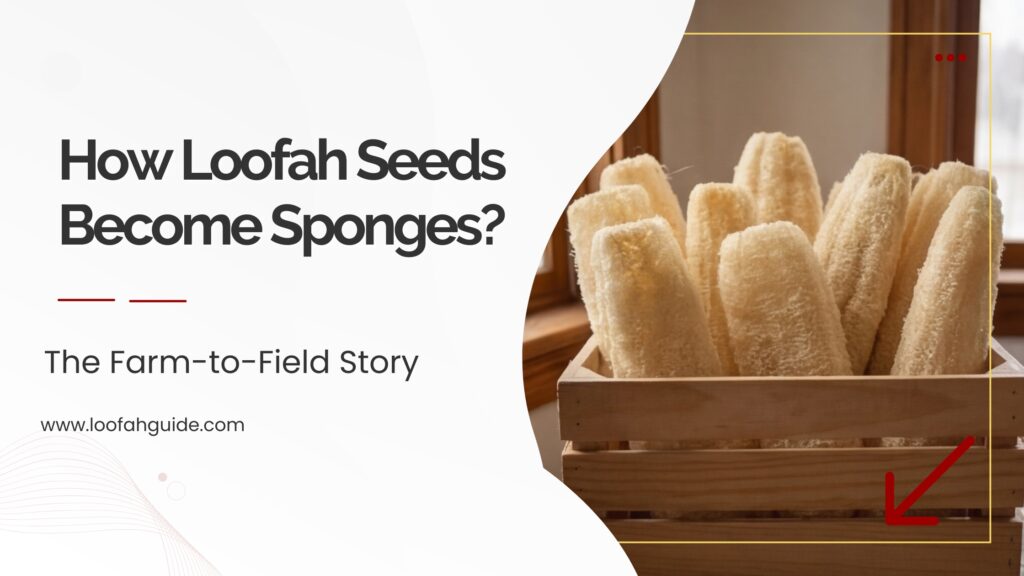
Natural loofahs come from the Luffa aegyptiaca plant, a member of the cucumber family grown primarily in Egypt, where climate conditions produce the strongest fibers in the world. When harvested and processed correctly, these plant-based sponges create a textured surface perfect for exfoliating skin and generating rich lather from soaps and body washes.
Egyptian loofahs stand apart from loofahs grown elsewhere due to the Nile Delta region’s unique combination of soil composition, humidity levels, and temperature ranges. The fibers develop a density and resilience that simply cannot be replicated in other growing regions. This explains why premium spas and retailers specifically seek Egyptian-origin products from suppliers with established farming operations.
You can explore the journey from farm to finished product at resources like the Egexo farm to export process page, which details how cultivation practices affect final product quality.
Synthetic Shower Poufs
Those colorful mesh balls hanging in most shower caddies are synthetic poufs made from nylon or polyester netting. While inexpensive and widely available, these petroleum-based products present both durability and environmental concerns that informed consumers increasingly consider.
Sea Sponges
Harvested from ocean floors, natural sea sponges offer exceptional softness but come with sustainability questions and generally shorter lifespans than plant-based alternatives.
Silicone Scrubbers
The newest category, silicone shower tools resist bacterial growth but lack the exfoliating texture many users prefer and cannot match the lather-building capability of fibrous sponges.
How Long Should You Use a Sponge in the Shower?
The lifespan of your shower sponge depends primarily on its material composition, your usage frequency, and how well you maintain it between uses. Here is what the research and industry experience reveal about replacement timelines.
Shower Sponge Lifespan by Material Type
| Sponge Type | Average Lifespan | Maximum Lifespan with Proper Care | Replacement Indicators |
|---|---|---|---|
| Egyptian Natural Loofah | 4 to 6 weeks | 8 weeks | Fiber breakdown, persistent odor |
| Standard Natural Loofah | 3 to 4 weeks | 6 weeks | Softening, discoloration |
| Synthetic Mesh Pouf | 2 to 3 weeks | 4 weeks | Unraveling, mildew smell |
| Sea Sponge | 2 to 4 weeks | 6 weeks | Tearing, texture loss |
| Silicone Scrubber | 8 to 12 weeks | 16 weeks | Staining, reduced flexibility |
These timelines assume daily use with proper drying between showers. High-quality Egyptian loofahs from established suppliers consistently outperform other natural options because their denser fiber structure resists breakdown longer.
For those interested in exploring premium natural options, the body loofah collection offers products specifically designed for extended durability.
Factors That Shorten Sponge Lifespan
Several common habits significantly reduce how long your shower sponge remains safe and effective:
Storing in the shower: Constant humidity prevents complete drying between uses, accelerating bacterial growth and fiber degradation. Sponges left in shower caddies or hanging from shower heads can develop mold within days.
Using with harsh chemicals: While natural loofahs pair beautifully with most soaps and body washes, certain chemical exfoliants and acne treatments can break down natural fibers prematurely.
Sharing between users: Each person’s skin carries unique bacteria. Shared sponges transfer microorganisms between users while also experiencing double or triple the normal wear.
Aggressive scrubbing: Excessive pressure damages both synthetic and natural fibers. Gentle circular motions achieve better exfoliation while preserving sponge integrity.
The Science Behind Shower Sponge Contamination
Understanding why sponges require regular replacement helps motivate proper care habits. The warm, moist environment of bathrooms creates ideal conditions for microbial growth, and your sponge sits at the center of this ecosystem.
What Lives on Your Shower Sponge
A study conducted by dermatologists at the University of Arizona identified over 75 distinct bacterial species on used bath sponges. The most common inhabitants include:
Pseudomonas aeruginosa: This bacteria thrives in wet environments and can cause skin infections, particularly in people with compromised immune systems or open wounds.
Staphylococcus aureus: Commonly known as staph, this organism naturally lives on skin but can cause infections when introduced to cuts or hair follicles during aggressive exfoliation with a contaminated sponge.
Escherichia coli: Yes, E. coli. Sponges used on all body areas can transfer intestinal bacteria to other skin surfaces.
Mold and mildew: Various fungal species colonize sponges that remain damp, producing the characteristic musty smell many people associate with old bath products.
How Contamination Affects Your Skin
Using a contaminated sponge essentially spreads these microorganisms across your body each time you shower. The exfoliation process that makes sponges effective also creates micro-abrasions in the skin surface, providing entry points for bacteria.
Common results of using an old or contaminated sponge include:
Folliculitis, or infected hair follicles appearing as small red bumps
Acne flares caused by bacterial transfer to facial skin
Fungal infections particularly between toes and in skin folds
General skin irritation and unexplained rashes
This scientific reality underscores why replacement timelines matter and why investing in quality products makes sense for skin health.
Choosing the Right Shower Sponge for Your Needs
Selecting the appropriate sponge type affects both your experience and how long you can safely use each product. Different skin types and exfoliation preferences call for different solutions.
Shower Sponge Selection Guide
| Skin Type | Recommended Sponge | Texture Level | Usage Frequency |
|---|---|---|---|
| Sensitive or Dry | Soft natural loofah or sea sponge | Gentle | 2 to 3 times weekly |
| Normal | Medium-density Egyptian loofah | Moderate | Daily |
| Oily or Acne-Prone | Dense natural loofah | Firm | Daily |
| Combination | Medium Egyptian loofah | Moderate | Daily with varied pressure |
| Mature | Soft to medium loofah | Gentle to moderate | 3 to 4 times weekly |
Why Natural Beats Synthetic
The sustainability conversation extends beyond environmental impact to practical performance differences. Natural loofahs offer advantages that directly affect lifespan and user experience:
Biodegradability: When your natural loofah reaches end of life, it composts completely within weeks. Synthetic poufs persist in landfills for centuries.
Fiber structure: Natural loofah fibers maintain their shape and texture throughout their lifespan, while synthetic mesh gradually stretches and loses effectiveness.
Lather generation: The cellular structure of plant-based loofahs creates more lather from less product, saving money on soap and body wash.
Skin compatibility: Natural materials rarely cause allergic reactions, while some users experience sensitivity to dyes and chemicals in synthetic products.
For consumers seeking the highest quality natural options, LoofahGuide.com provides comprehensive comparisons and recommendations.
Proper Care Techniques to Maximize Sponge Lifespan
How you treat your shower sponge between uses dramatically affects its longevity. Implementing these care practices can nearly double the safe usage period for quality natural loofahs.
Daily Care Routine
After each use: Rinse your sponge thoroughly under clean running water, squeezing several times to remove all soap residue and dead skin cells. These organic materials provide food for bacteria if left in the sponge fibers.
Drying location: Remove your sponge from the bathroom entirely if possible. A hook near a sunny window or in a well-ventilated area allows complete drying between uses. At minimum, hang it outside the shower enclosure where air circulation promotes drying.
Positioning: Hang your sponge by a loop or string rather than laying it flat. Vertical positioning allows water to drain and air to circulate around all surfaces.
Weekly Deep Cleaning Protocol
Even with proper daily care, weekly disinfection extends sponge lifespan and eliminates accumulated bacteria.
Step 1: Soak your natural loofah in a solution of one gallon warm water mixed with two tablespoons of white vinegar or the juice of one lemon. The mild acidity kills bacteria without damaging plant fibers.
Step 2: Allow the sponge to soak for 15 to 20 minutes, occasionally squeezing to ensure the solution penetrates all fibers.
Step 3: Rinse thoroughly under clean running water until no vinegar smell remains.
Step 4: Squeeze out excess water and hang in a well-ventilated area to dry completely before next use.
Alternative method: For a quicker clean, place a damp natural loofah in the microwave for 30 seconds. This heat treatment kills most bacteria but can damage synthetic materials, so reserve this method for plant-based sponges only.
Monthly Assessment Checklist
| Inspection Point | What to Check | Action if Failing |
|---|---|---|
| Fiber Integrity | Are fibers still firm and springy? | Replace if soft or mushy |
| Odor | Any smell after thorough drying? | Replace immediately |
| Color | Significant darkening or spots? | Replace if discolored |
| Texture | Still effectively exfoliates? | Replace if too smooth |
| Shape | Maintaining original form? | Replace if misshapen |
| Residue | Clean appearance after rinsing? | Deep clean or replace |
When to Replace Your Shower Sponge: Warning Signs
Recognizing the signs that indicate replacement time protects your skin health and ensures you get the best experience from your bathing routine.
Immediate Replacement Indicators
Persistent odor: A sponge that smells musty, sour, or unpleasant even when completely dry has developed bacterial or mold growth too extensive for cleaning to resolve. This is the most critical warning sign.
Visible mold: Any dark spots, pink discoloration, or fuzzy growth indicates mold colonization. Do not attempt to clean a moldy sponge as spores have likely penetrated throughout the material.
Skin reactions: If you develop unexplained rashes, bumps, or irritation after showering, your sponge may be transferring bacteria to your skin. Replace immediately and monitor for improvement.
Gradual Decline Indicators
Loss of texture: Natural loofahs should feel slightly rough against the skin. When the surface becomes smooth or slimy, exfoliating effectiveness has ended.
Fiber separation: For natural sponges, loose fibers or pieces coming off during use indicate structural breakdown.
Reduced lather: Quality sponges generate abundant lather from small amounts of soap. Declining lather production signals material degradation.
Color changes: Natural loofahs darken gradually with use, but dramatic color shifts, particularly to gray or black, indicate contamination.
Business Considerations for Sponge Selection
For spa owners, hotel managers, and retailers, understanding shower sponge lifespan carries additional implications. Product quality directly affects customer satisfaction, repeat business, and brand reputation.
Quality Markers for Professional Buyers
When sourcing shower sponges for business use, look for these indicators of premium products:
Origin verification: Egyptian loofahs command premium pricing because they demonstrably outperform alternatives. Reputable suppliers like Egexo provide documentation of origin and can explain their cultivation practices.
Fiber density: Hold the loofah up to light. Dense fiber networks indicate quality, while visible gaps suggest inferior products.
Processing standards: How loofahs are cleaned, treated, and packaged affects both initial quality and shelf life. Suppliers should willingly discuss their processing methods.
Consistency: For business use, products must maintain uniform quality across large orders. Established suppliers with decades of experience deliver this consistency reliably.
Cost Analysis for Commercial Users
While premium natural loofahs cost more per unit than synthetic alternatives, total cost of ownership often favors quality:
| Factor | Premium Egyptian Loofah | Budget Natural Loofah | Synthetic Pouf |
|---|---|---|---|
| Initial Cost | Higher | Moderate | Lowest |
| Lifespan | 6 to 8 weeks | 3 to 4 weeks | 2 to 3 weeks |
| Replacement Frequency | Lower | Moderate | Highest |
| Customer Satisfaction | Highest | Moderate | Variable |
| Environmental Impact | Positive | Positive | Negative |
| Annual Cost per User | Moderate | Moderate to High | Moderate to High |
Wholesale buyers can explore options through WholesaleLoofah.com or request samples directly from suppliers to evaluate quality before committing to large orders.
Businesses interested in creating their own branded products can explore private labeling services that allow customization while maintaining quality standards.
Environmental Impact of Your Shower Sponge Choice
The shower sponge you choose carries environmental implications that extend far beyond your bathroom.
The Plastic Problem with Synthetic Sponges
Global production of synthetic mesh poufs exceeds 500 million units annually. Each one represents petroleum extraction, chemical processing, and eventual landfill contribution. These products take an estimated 200 to 500 years to decompose, releasing microplastics throughout that timeframe.
Every time a synthetic pouf is rinsed, it sheds microscopic plastic particles that flow into water systems. These microplastics have been found in drinking water, marine life, and even human tissue samples.
The Natural Alternative
Plant-based loofahs represent a circular economy product. Grown from seeds, processed without harsh chemicals, used for personal care, and then composted back into soil, they leave no lasting environmental footprint.
Egyptian loofah farming actually contributes positively to local ecosystems. The plants capture carbon during growth, require relatively little water compared to other crops, and support agricultural communities in the Nile Delta region.
Making the Sustainable Switch
Transitioning from synthetic to natural sponges takes minimal adjustment. The texture feels different initially but most users prefer natural loofahs within a week of switching. The environmental benefit compounds with each replacement cycle you eliminate through longer-lasting products.
Expert Insight from Industry Specialists
Professionals who have worked in loofah cultivation and distribution for decades offer perspective that casual users might miss.
Quality begins at planting. The seed selection, soil preparation, and irrigation schedule during the first weeks of growth determine fiber density months later at harvest. Rushing any stage produces inferior products that may look similar but perform noticeably worse.
Egyptian growing conditions remain unmatched globally. The specific humidity patterns, temperature ranges, and soil mineral content of the Nile Delta region create loofahs with a fiber structure that cannot be replicated elsewhere. This is why informed buyers specifically seek Egyptian origin products and why reputable suppliers maintain transparent relationships with Egyptian farms.
Processing matters as much as growing. How the harvested gourds are dried, cleaned, and prepared affects both hygiene and longevity. Shortcuts at this stage introduce contamination risks or damage fiber structure. Established suppliers with facilities in growing regions maintain direct control over quality at every stage.
Frequently Asked Questions
How often should I replace my shower loofah?
Replace natural Egyptian loofahs every four to six weeks with proper care, or sooner if you notice odor, discoloration, or texture changes. Synthetic poufs require replacement every two to three weeks due to faster bacterial accumulation. Quality products from established suppliers last longer than generic alternatives due to superior fiber density.
Can I sanitize my shower sponge to extend its life?
Yes, weekly sanitization significantly extends safe usage periods. Soak natural loofahs in diluted vinegar or lemon water for 15 to 20 minutes, then rinse and dry completely. Avoid bleach on natural fibers as it damages plant material. Even with regular sanitization, physical fiber breakdown eventually requires replacement.
Why does my shower sponge smell bad even when I dry it?
Persistent odor indicates bacterial or mold growth that has penetrated too deeply for surface cleaning to eliminate. This typically results from inadequate drying between uses or storing the sponge in humid bathroom environments. Once odor persists after thorough drying, replacement is necessary for skin health.
Are natural loofahs better than synthetic shower poufs?
Natural loofahs offer superior durability, environmental sustainability, and skin compatibility compared to synthetic alternatives. Egyptian loofahs specifically provide the densest fiber structure and longest lifespan among natural options. While synthetic poufs cost less initially, their shorter lifespan and environmental impact make natural options more economical long-term.
What causes shower sponges to grow bacteria so quickly?
The warm, moist bathroom environment combined with dead skin cells and soap residue trapped in sponge fibers creates ideal bacterial growth conditions. Each shower introduces new bacteria while providing food sources and moisture. This is why proper drying between uses and regular replacement matter significantly.
How do I know if my loofah is good quality?
High-quality loofahs feel firm and dense when dry, spring back when compressed, and have tightly woven fiber networks visible when held to light. Egyptian origin typically indicates superior quality due to optimal growing conditions. Products from suppliers like Egexo with documented quality standards consistently outperform generic alternatives.
Can shower sponges cause skin problems?
Old or contaminated sponges can cause folliculitis, acne flares, fungal infections, and general skin irritation by transferring accumulated bacteria to skin during use. Regular replacement and proper care prevent these issues. If skin problems develop, replacing your sponge often resolves symptoms within days.
Where should I store my shower sponge?
Store your sponge outside the humid shower area, ideally hanging vertically in a well-ventilated location where it can dry completely between uses. A hook near a window or in an adjacent room works well. Avoid enclosed cabinets, shower caddies, and any location where the sponge remains damp for extended periods.
Conclusion
That sponge thing in your shower deserves more attention than most people give it. Understanding how long to use a shower sponge protects your skin health, saves money through informed replacement timing, and helps you choose products that align with your values regarding quality and sustainability.
Natural Egyptian loofahs represent the best combination of performance, durability, and environmental responsibility available in shower sponges. With proper care, they outperform synthetic alternatives while decomposing harmlessly at end of life.
Key Takeaways:
Natural Egyptian loofahs last four to six weeks with proper care, significantly outlasting synthetic alternatives
Weekly sanitization with diluted vinegar extends safe usage periods while eliminating accumulated bacteria
Proper drying between uses is the single most important factor in preventing bacterial and mold growth
Persistent odor, visible mold, or texture changes indicate immediate replacement is necessary
Quality products from established suppliers with transparent sourcing deliver consistent results
Ready to Upgrade Your Shower Routine?
Explore comprehensive loofah guides and comparisons at LoofahGuide.com to find the perfect products for your needs. For those interested in premium Egyptian loofahs, browse the complete body loofah collection or learn more about quality standards that distinguish superior products.