Understanding the Pet Grooming Industry’s Shift Toward Natural Loofah
A remarkable transformation is reshaping how professionals approach animal skincare. Across grooming salons from small independent shops to large franchise operations, natural loofah has emerged as the preferred exfoliation tool for discerning pet care specialists. Recent industry data suggests that adoption of plant-based grooming implements has grown by 47 percent since 2020, with loofah leading this botanical revolution.
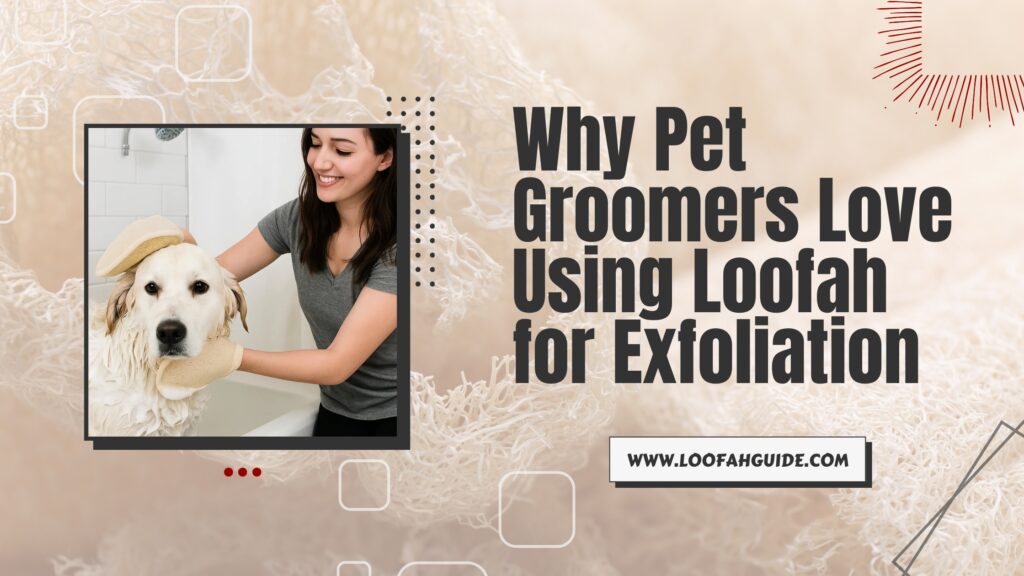
Why pet groomers love using loofah for exfoliation connects to fundamental principles of animal dermatology combined with practical business considerations. The fibrous structure of mature loofah plants creates an ideal texture for removing accumulated dead skin, environmental particles, and loose undercoat without triggering the inflammatory responses that synthetic materials often cause. Pet owners notice the difference immediately through improved coat luster and reduced shedding between appointments.
This guide delivers actionable knowledge for anyone seeking to understand loofah’s role in modern pet care. Grooming professionals will discover sourcing strategies, implementation frameworks, and cost optimization techniques. Home pet owners will learn selection criteria, application methods, and maintenance practices that extend product life while maximizing grooming effectiveness. Business buyers evaluating wholesale partnerships will find supplier assessment guidelines and quality benchmarks that protect purchasing investments.
The information presented draws from established industry practices and reflects growing consumer demand for transparent, sustainable pet care solutions. Whether you operate a bustling urban grooming salon or simply want healthier skin and coat for your beloved companion animal, mastering loofah-based grooming techniques delivers measurable benefits.
The Botanical Foundation of Effective Pet Exfoliation
Loofah belongs to the Cucurbitaceae family, sharing genetic heritage with cucumbers and squash. The species most valued for grooming applications, Luffa aegyptiaca, develops a complex internal fiber network during maturation that distinguishes it from all synthetic alternatives. Understanding this botanical foundation explains why pet groomers love using loofah for exfoliation across diverse animal types and coat conditions.
The mature loofah fruit contains thousands of interconnected cellulose fibers arranged in a three-dimensional lattice pattern. This natural architecture creates varying density zones within a single specimen. Central fibers tend toward softness suitable for delicate applications, while peripheral fibers develop greater rigidity appropriate for intensive exfoliation work. Skilled groomers learn to identify and utilize these different zones for specific grooming tasks.
Fiber Characteristics That Benefit Animal Skin
Plant-based cellulose fibers interact with mammalian skin differently than petroleum-derived synthetics. Natural loofah possesses inherent hydrophilic properties, meaning fibers absorb and release water efficiently during bathing procedures. This moisture management prevents the waterlogging that causes synthetic sponges to become breeding grounds for harmful bacteria and fungi.
The microscopic surface texture of loofah fibers features gentle irregularities that capture loose hair and dander particles through mechanical adhesion rather than abrasive scraping. Veterinary dermatology research indicates this capture mechanism removes 25 to 40 percent more loose material compared to smooth-surfaced synthetic tools while generating significantly less friction against the skin surface.
Additionally, loofah fibers contain trace amounts of natural saponins, plant-based compounds with mild cleansing properties. While these compounds alone cannot replace proper pet shampoos, they contribute to overall cleaning effectiveness and may provide subtle antimicrobial benefits during the grooming process.
Why Growing Region Matters for Quality
Geographic origin significantly influences loofah performance characteristics. Cultivation conditions including soil mineral content, water quality, sunlight exposure, and temperature ranges during the growing season all affect final fiber properties. Egyptian loofah, particularly specimens grown in the Nile Delta region, consistently demonstrates superior characteristics for demanding professional applications.
The combination of ancient alluvial soils, abundant sunshine, and traditional farming knowledge accumulated over generations produces Egyptian loofah with exceptional fiber uniformity and tensile strength. Suppliers like Egexo, with over 25 years of cultivation expertise in this region, have refined growing and processing techniques that maximize quality for specialized applications including pet grooming.
For wholesale buyers sourcing inventory, understanding regional quality differences prevents costly mistakes. Budget-priced loofah from regions with less favorable growing conditions may appear similar but typically delivers shorter useful life and inconsistent performance that frustrates both groomers and their clients.
Practical Applications Across Different Pet Types
Effective loofah grooming requires matching technique and fiber density to specific animal characteristics. The versatility that makes loofah valuable also demands thoughtful application to achieve optimal results without causing discomfort or skin irritation.
Canine Grooming Applications by Coat Type
Dogs present the widest variety of coat configurations among common companion animals. Successful loofah integration addresses this diversity through appropriate product selection and technique modification.
Short-coated breeds including Boxers, Dobermans, Weimaraners, and similar dogs benefit from softer loofah grades applied with light pressure in circular motions. These breeds often have more sensitive skin beneath their minimal coat coverage. The primary grooming goal involves stimulating circulation, removing shed hair, and distributing natural oils across the coat surface. Sessions typically last 5 to 10 minutes during regular bathing.
Medium-coated breeds such as Labrador Retrievers, Australian Shepherds, and Border Collies tolerate moderate loofah density with slightly increased pressure. Focus attention on areas prone to accumulating loose undercoat including the chest, haunches, and neck ruff. These dogs benefit from pre-bath dry brushing with loofah to loosen dead coat before water exposure.
Double-coated breeds including Huskies, Malamutes, Samoyeds, and similar northern breeds require the most intensive loofah treatment. Dense outer loofah fibers provide necessary penetration through the guard coat to reach accumulated undercoat. Professional groomers often dedicate 15 to 25 minutes to thorough loofah exfoliation for these breeds, particularly during seasonal coat blowing periods.
Feline Grooming Considerations
Cats present unique challenges for loofah grooming due to their typically lower tolerance for handling and more delicate skin structure. However, appropriate technique makes loofah beneficial for feline coat care, particularly for longer-haired breeds prone to matting and hairball issues.
Select the softest available loofah grades for cat applications. Introduce the texture gradually during positive interaction sessions before attempting full grooming procedures. Many cats accept loofah more readily than bristle brushes due to the warmer, more organic sensation against their skin.
Focus feline loofah grooming on the back, sides, and haunches where cats typically accept handling. Avoid sensitive areas including the belly, legs, and tail base unless your individual cat demonstrates exceptional tolerance. Brief sessions of 3 to 5 minutes typically prove more successful than extended grooming attempts.
Application Techniques Comparison Table
| Technique | Best For | Pressure Level | Motion Pattern | Duration |
|---|---|---|---|---|
| Circular Buffing | Short coats, sensitive skin | Light | Small overlapping circles | 5 to 10 minutes |
| Linear Strokes | Medium coats, general maintenance | Moderate | With hair growth direction | 8 to 15 minutes |
| Cross-Pattern | Double coats, heavy shedding | Firm | Alternating directions | 15 to 25 minutes |
| Spot Treatment | Problem areas, mats | Variable | Concentrated circular | 2 to 5 minutes per area |
| Gentle Massage | Cats, anxious animals | Very light | Slow sweeping | 3 to 5 minutes |
For comprehensive guidance on loofah selection for various applications, the wholesale resources at wholesaleloofah.com provide detailed product specifications that help match loofah types to specific grooming requirements.
Evaluating and Selecting Quality Loofah for Pet Applications
Product quality varies dramatically across the loofah market. Understanding evaluation criteria protects both professional investments and ensures safe, effective products for animal use. These assessment guidelines apply whether purchasing single items for home use or evaluating suppliers for wholesale partnerships.
Visual and Physical Quality Indicators
Initial quality assessment begins with careful visual and tactile examination. Premium loofah suitable for pet grooming displays consistent characteristics that distinguish it from inferior products.
Color provides immediate quality signals. Properly processed loofah exhibits light golden to natural tan coloration throughout the fiber structure. Avoid specimens showing dark spots, gray patches, or uneven color distribution, as these indicate inadequate drying, mold exposure, or age-related degradation. Artificially bleached loofah, identifiable by unnaturally white appearance, may contain chemical residues inappropriate for animal skin contact.
Fiber density should appear uniform when examining the loofah cross-section. Quality specimens show consistent fiber distribution without thin patches, gaps, or areas of compressed material. Squeeze the loofah gently to assess structural integrity. Premium products resist compression and return to original shape, while inferior products remain compressed or feel brittle.
Examine interior surfaces for complete seed removal. Processing should eliminate all seeds, seed fragments, and associated debris that could irritate animal skin or become lodged in coat during grooming. Any visible seed material indicates inadequate processing quality.
Professional Grading Standards
The loofah industry utilizes grading systems that categorize products by quality characteristics. Understanding these grades helps buyers specify appropriate products for intended applications.
| Grade | Characteristics | Recommended Use | Typical Lifespan |
|---|---|---|---|
| Premium A | Exceptional uniformity, perfect color, complete processing | Professional high-volume grooming | 10 to 14 weeks |
| Grade A | Uniform density, good color, thorough processing | Professional standard grooming | 8 to 12 weeks |
| Grade B | Minor density variations, acceptable color | Home grooming, light professional use | 6 to 10 weeks |
| Grade C | Noticeable variations, functional quality | Budget applications, single use | 4 to 6 weeks |
| Craft Grade | Irregular specimens, cosmetic defects | Non-grooming applications | Variable |
Professional grooming operations should source Grade A or Premium A products to ensure consistent client results and predictable replacement cycles. Home users may find Grade B products adequate for less demanding single-pet applications.
Egexo maintains rigorous grading standards across their product lines, with quality documentation available through their quality standards page that details specific criteria for each grade classification.
Supplier Evaluation Framework
Beyond individual product quality, supplier reliability determines long-term sourcing success. Evaluate potential suppliers against comprehensive criteria before establishing purchasing relationships.
| Evaluation Area | Key Questions | Documentation to Request |
|---|---|---|
| Production Capacity | Can they meet your volume requirements consistently? | Annual production figures, inventory policies |
| Quality Control | What inspection processes ensure product consistency? | QC procedures, rejection rate data |
| Traceability | Can products be traced to specific cultivation sources? | Farm documentation, processing records |
| Certifications | What third-party verifications support quality claims? | Certificates, audit reports |
| Communication | How responsive and transparent is their team? | Reference contacts, response time testing |
| Flexibility | Do they accommodate custom requirements? | Custom order policies, MOQ flexibility |
| Logistics | What shipping options and timelines apply? | Shipping methods, delivery guarantees |
For businesses exploring wholesale partnerships, requesting samples before volume commitment remains essential practice. Egexo offers sample ordering that enables quality verification against your specific requirements prior to bulk purchasing decisions.
Maintaining Loofah for Extended Service Life
Proper maintenance significantly extends loofah useful life while ensuring hygienic conditions for animal contact. These care protocols apply to both professional grooming environments and home use situations.
Daily Maintenance Protocol
After each grooming session, thorough rinsing removes accumulated hair, skin particles, and shampoo residues. Use clean running water and squeeze the loofah repeatedly until water runs clear. Pay particular attention to dense fiber areas where debris accumulates most readily.
Following rinsing, remove excess water by squeezing firmly without twisting, which can damage fiber structure. Hang or position the loofah to allow complete air circulation around all surfaces. Avoid enclosed storage while any moisture remains, as trapped dampness promotes bacterial and fungal growth.
In professional settings, consider dedicated drying stations with adequate ventilation to ensure complete drying between client appointments. Many high-volume grooming operations maintain rotation systems with multiple loofah sets to guarantee dry products for each grooming session.
Weekly Deep Cleaning Procedure
Weekly deep cleaning removes accumulated organic matter and sanitizes fibers for continued safe use. This protocol maintains hygienic standards essential for professional operations and recommended for conscientious home users.
Prepare a cleaning solution using one part white vinegar to four parts warm water. Submerge the loofah completely and allow soaking for 15 to 20 minutes. The mild acidity neutralizes odor-causing bacteria while dissolving organic residues without damaging cellulose fibers.
After soaking, rinse thoroughly with clean water to remove all vinegar solution. For additional sanitization, some groomers follow with a brief soak in diluted hydrogen peroxide solution, though this step remains optional for typical applications.
Complete the deep cleaning with extended drying time. Position the loofah in a well-ventilated area, preferably with sunlight exposure which provides natural antimicrobial benefits. Allow 24 to 48 hours for complete drying before returning to service.
Replacement Timing Guidelines
Even with proper maintenance, loofah eventually requires replacement. Recognizing replacement indicators prevents using degraded products that deliver substandard grooming results or pose hygiene concerns.
| Indicator | Description | Action Required |
|---|---|---|
| Fiber Compression | Loofah no longer returns to original shape after squeezing | Replace immediately |
| Persistent Odor | Unpleasant smell remains despite deep cleaning | Replace immediately |
| Color Changes | Darkening or discoloration not addressed by cleaning | Replace soon |
| Reduced Effectiveness | Noticeably less hair and debris removal | Replace soon |
| Fiber Shedding | Loose fibers coming off during use | Replace immediately |
| Structural Damage | Tears, holes, or breakdown of fiber matrix | Replace immediately |
Professional operations should establish routine replacement schedules based on usage volume rather than waiting for degradation indicators. Consistent replacement ensures reliable grooming quality and demonstrates commitment to hygiene standards that clients value.
Business Considerations for Professional Groomers
Integrating loofah-based services creates business opportunities beyond improved grooming outcomes. Strategic implementation generates competitive differentiation, premium pricing justification, and enhanced client retention.
Service Menu Development
Position loofah exfoliation as a premium add-on service or component of signature treatment packages. Clear service descriptions communicate value to pet owners unfamiliar with natural exfoliation benefits.
Sample service descriptions that effectively communicate loofah benefits include botanical exfoliation treatment, natural deshedding therapy, and organic coat rejuvenation. Avoid generic terminology that fails to distinguish loofah services from standard grooming procedures.
Consider tiered service offerings that match different client needs and price sensitivities. Basic packages might include brief loofah treatment during standard bathing, while premium packages feature extended exfoliation sessions with specialized techniques for specific coat conditions.
Pricing Strategy Considerations
Loofah services command premium pricing when value is effectively communicated. Market research indicates that pet owners willingly pay 25 to 40 percent premiums for services positioned as natural, botanical, or eco-friendly when benefits are clearly explained.
Calculate pricing based on time investment, product costs, and market positioning rather than simply adding marginal charges to existing services. Premium positioning requires premium pricing to maintain perceived value and service credibility.
| Service Level | Time Investment | Suggested Premium | Target Client |
|---|---|---|---|
| Basic Add-On | 5 to 10 minutes | 8 to 15 USD | Value-conscious, maintenance-focused |
| Standard Treatment | 10 to 20 minutes | 15 to 25 USD | Quality-focused, regular clients |
| Premium Package | 20 to 30 minutes | 25 to 40 USD | Luxury-seeking, coat-concerned |
| Intensive Therapy | 30 to 45 minutes | 40 to 60 USD | Problem coats, seasonal shedding |
For businesses seeking to develop private branded loofah products, Egexo offers private label manufacturing services that enable custom product development reflecting your business identity.
Client Education and Marketing
Effective marketing communicates why pet groomers love using loofah for exfoliation in terms that resonate with pet owner priorities. Focus messaging on pet comfort, coat health benefits, and environmental responsibility rather than technical product details.
Develop educational materials explaining the difference between natural and synthetic exfoliation tools. Many pet owners lack awareness of grooming product options and appreciate guidance from trusted professionals. Position your grooming business as an authority on natural pet care to build client loyalty and referral networks.
Visual documentation of grooming results, including before and after coat photography, provides compelling evidence that supports premium service positioning. Client testimonials specifically mentioning loofah treatment benefits build social proof that attracts new business.
Home Pet Owner Guide to Loofah Grooming
Individual pet owners achieve professional-caliber results through proper technique and consistent practice. Home loofah grooming strengthens the human-animal bond while maintaining coat health between professional appointments.
Getting Started with Home Loofah Grooming
Begin with appropriate product selection based on your pet’s coat type and temperament. First-time users should start with softer loofah grades and lighter pressure, adjusting technique as they develop familiarity with their pet’s responses.
Introduce loofah gradually during positive interaction sessions before attempting formal grooming. Allow your pet to investigate the loofah, associating the new object with treats and affection. This introduction period reduces anxiety during actual grooming sessions and builds acceptance of the unfamiliar texture.
Select a comfortable grooming location with good lighting and easy cleanup. Non-slip surfaces help pets feel secure during handling. Have treats readily available for positive reinforcement throughout the grooming process.
Home Grooming Session Structure
Effective home grooming follows a consistent sequence that maximizes results while maintaining pet comfort throughout the process.
Begin with overall condition assessment. Examine your pet’s coat for mats, tangles, or skin abnormalities that require attention before loofah treatment. Address any mats with appropriate detangling before water exposure.
Proceed with pre-bath dry brushing using loofah in gentle strokes following hair growth direction. This step loosens dead coat and surface debris, improving subsequent bathing effectiveness. Spend 3 to 5 minutes on this preparatory phase.
During bathing, wet loofah thoroughly and apply pet shampoo. Work systematically from shoulders toward tail, using circular motions with moderate pressure. Avoid face, ears, and sensitive areas. Rinse thoroughly to remove all shampoo residues.
Complete grooming with gentle towel drying followed by breed-appropriate drying method. Store loofah properly to ensure complete drying before next use.
Common Home Grooming Mistakes to Avoid
| Mistake | Why It Happens | How to Prevent |
|---|---|---|
| Excessive Pressure | Enthusiasm for visible results | Let fiber texture do the work, not force |
| Insufficient Rinsing | Time pressure, impatience | Budget adequate time, check for residue |
| Wet Storage | Convenience, forgetfulness | Establish dedicated drying location |
| Wrong Fiber Density | Lack of product knowledge | Match loofah grade to coat type |
| Skipping Maintenance | Underestimating importance | Schedule weekly deep cleaning |
| Ignoring Pet Signals | Focus on task completion | Pause if pet shows discomfort |
For detailed information on loofah product options suitable for various pet types, explore the pet and spa grooming collection which includes products specifically selected for animal applications.
Environmental Benefits of Choosing Natural Loofah
Sustainability considerations increasingly influence purchasing decisions across consumer and business markets. Natural loofah delivers genuine environmental benefits that support eco-conscious positioning for grooming businesses and align with personal values for individual pet owners.
Lifecycle Environmental Comparison
Natural loofah provides environmental advantages throughout its complete lifecycle from cultivation through disposal. Understanding these benefits enables accurate communication of sustainability value.
| Lifecycle Phase | Natural Loofah | Synthetic Alternatives |
|---|---|---|
| Raw Materials | Renewable plant cultivation | Petroleum extraction |
| Manufacturing | Minimal processing, sun drying | Energy-intensive production |
| Transportation | Lightweight, efficient shipping | Similar transportation impact |
| Use Phase | No microplastic shedding | Microplastic release during use |
| End of Life | Complete biodegradation, compostable | Landfill persistence, ocean pollution |
| Carbon Impact | Carbon sequestration during growth | Net carbon emission |
For grooming businesses, legitimate sustainability claims provide marketing differentiation in competitive markets. Documenting your loofah sourcing through suppliers like Egexo, who maintain transparent farm to export processes, enables verifiable environmental responsibility claims.
Disposal and Composting
When loofah reaches end of useful life, responsible disposal completes the sustainable lifecycle. Unlike synthetic products requiring landfill disposal, spent loofah offers multiple environmentally beneficial end-of-life options.
Home composting accepts loofah readily. Cut used loofah into smaller pieces to accelerate decomposition and add to compost bins with other plant materials. Loofah contributes beneficial cellulose fiber structure that improves compost aeration.
Garden mulching provides another disposal option. Shredded loofah applied around plants decomposes gradually while providing moisture retention and weed suppression benefits. The natural plant material integrates completely into soil without leaving residues.
Even simple disposal in standard waste systems represents improvement over synthetic alternatives, as loofah biodegrades naturally rather than persisting indefinitely in landfill environments.
Expert Insight from Egexo
With more than 25 years dedicated to loofah cultivation and export from Egypt’s premier growing regions, our team has witnessed the expanding appreciation for natural grooming products among pet care professionals worldwide. The shift toward plant-based grooming tools reflects both genuine performance advantages and growing consumer awareness of sustainability importance.
Selection of appropriate fiber density represents the single most important factor in successful pet loofah grooming. We recommend that groomers maintain inventory across multiple density grades rather than attempting universal application with single products. This specialization approach improves outcomes for diverse coat types while actually extending product life through appropriate use matching.
For home pet owners new to loofah grooming, patience during the introduction phase yields lasting benefits. Animals that initially resist unfamiliar textures often become enthusiastic participants once positive associations develop. The natural warmth and organic texture of quality loofah typically proves more acceptable to sensitive pets than cold plastic or metal grooming tools.
FAQ Section
Q1: What makes natural loofah better than synthetic scrubbers for pet grooming?
A: Natural loofah outperforms synthetic alternatives through superior moisture management, natural antimicrobial properties, and gentler fiber action on animal skin. Loofah’s cellulose fibers capture loose hair and dander through mechanical adhesion rather than abrasive scraping, removing 25 to 40 percent more material while generating less friction. The rapid drying characteristics prevent bacterial colonization that commonly affects moisture-retaining synthetic sponges. Pet owners consistently notice improved coat condition when groomers switch to natural loofah tools.
Q2: How do I choose the right loofah density for my pet’s coat type?
A: Match loofah density to your pet’s coat characteristics for optimal results. Soft loofah grades suit short-coated breeds and sensitive-skinned animals requiring gentle exfoliation. Medium density loofah works well for standard single-coated breeds during routine maintenance grooming. Dense, mature loofah fibers are appropriate for thick double-coated breeds needing intensive undercoat removal. When uncertain, begin with softer grades and lighter pressure, adjusting based on your pet’s response and visible grooming results.
Q3: How often should loofah be replaced in a professional grooming setting?
A: Professional grooming operations typically replace quality loofah every 8 to 12 weeks under standard usage conditions processing multiple animals daily. Replacement timing depends on usage volume, maintenance practices, and product grade. Premium A grade loofah may last 10 to 14 weeks with proper care, while lower grades require more frequent replacement. Establish routine replacement schedules rather than waiting for degradation indicators to ensure consistent service quality and hygiene standards.
Q4: Can loofah grooming help reduce pet shedding and dander?
A: Regular loofah exfoliation effectively reduces visible shedding and dander accumulation through mechanical removal of loose undercoat and dead skin cells. The fiber texture captures material that would otherwise shed naturally throughout living spaces. Professional groomers report that clients notice significant shedding reduction following loofah treatment sessions. For maximum effectiveness, combine loofah grooming with appropriate bathing frequency based on your pet’s breed characteristics and lifestyle factors.
Q5: What certifications should pet groomers look for when sourcing loofah?
A: Professional grooming operations should prioritize suppliers offering documented cultivation practices, pesticide-free growing certification, and complete processing records. Quality certifications verify that products meet safety standards appropriate for animal skin contact. Request documentation of farm sourcing, processing methods, and quality control procedures. Suppliers like Egexo provide comprehensive quality documentation supporting professional compliance requirements and enabling substantiated marketing claims about natural product sourcing.
Q6: Is loofah safe for puppies and kittens?
A: Loofah can be safely used on puppies and kittens when appropriate product selection and gentle technique are employed. Select the softest available loofah grades for young animals with developing skin. Use very light pressure and brief sessions of 2 to 3 minutes maximum. Introduce loofah gradually with positive reinforcement to build acceptance. Avoid loofah grooming on very young animals under 8 weeks or those with skin conditions without veterinary guidance. Most young pets tolerate gentle loofah treatment well once properly introduced.
Q7: How does Egyptian loofah quality compare to products from other regions?
A: Egyptian loofah, particularly from the Nile Delta region, consistently demonstrates superior quality characteristics including fiber uniformity, tensile strength, and durability. The unique combination of mineral-rich alluvial soils, consistent climate conditions, and generations of cultivation expertise produces premium specimens. Professional grooming applications see 30 to 50 percent longer useful life from Egyptian loofah compared to products from regions with less favorable growing conditions. The quality advantages justify moderate price premiums through reduced replacement frequency and more consistent grooming results.
Conclusion
The widespread adoption of natural loofah in professional pet grooming reflects genuine performance advantages that benefit animals, groomers, and pet owners alike. Why pet groomers love using loofah for exfoliation encompasses the unique fiber characteristics that provide gentle yet effective results, the sustainability profile that appeals to environmentally conscious consumers, and the business opportunities that premium natural services create.
For grooming professionals, implementing loofah-based services delivers measurable returns through service differentiation, premium pricing opportunities, and enhanced client satisfaction. The investment in quality loofah products and proper technique development pays dividends through stronger client relationships and business growth.
Home pet owners gain accessible tools for maintaining professional-quality coat care between grooming appointments. The natural, gentle action of loofah makes regular exfoliation practical for pet families committed to animal wellness without requiring professional training or expensive equipment.
Understanding sourcing, selection, and maintenance practices ensures that both professional and home users maximize the benefits that quality loofah delivers. Choosing reputable suppliers with documented quality standards protects investments and guarantees consistent results.
Key Takeaways:
- Natural loofah provides measurably better exfoliation results than synthetic alternatives through gentle fiber action and superior moisture management
- Matching loofah density to specific coat types ensures optimal grooming outcomes and animal comfort
- Proper maintenance extends loofah useful life to 8 to 12 weeks in professional settings
- Premium loofah services command 25 to 40 percent price increases when value is effectively communicated
- Egyptian loofah from experienced suppliers delivers superior quality and durability for demanding professional applications
Ready to experience the benefits of quality loofah for pet grooming?
- For Wholesale Buyers: Request a bulk quote or download the complete product catalog
- For Individual Orders: Shop the pet grooming collection or order samples