Why Ancient Bathing Wisdom Still Matters Today
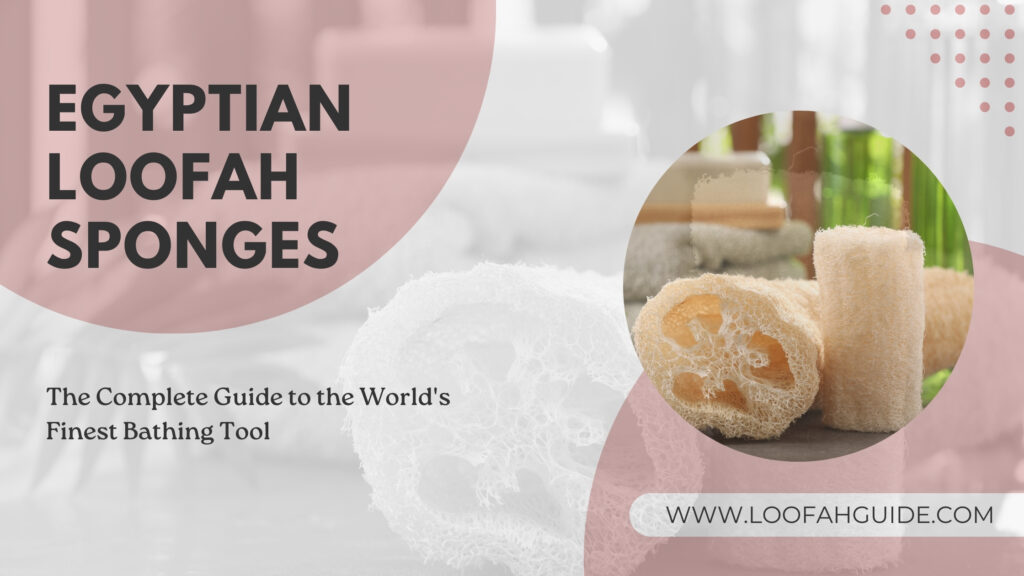
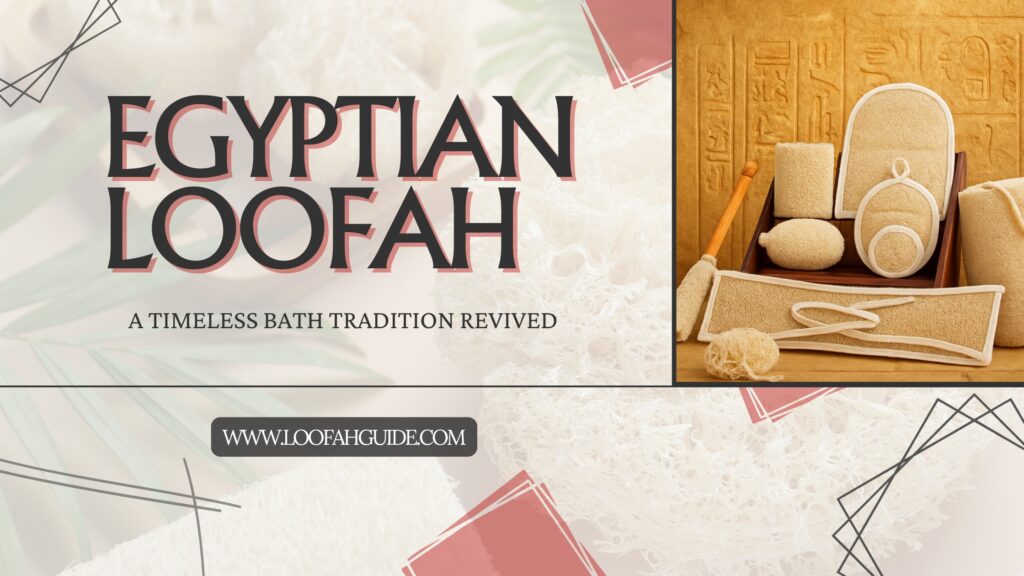
Long before modern skincare laboratories developed chemical exfoliants, Egyptian civilization perfected natural skin renewal using a humble gourd known today as loofah. Archaeological evidence suggests luffa plant cultivation in the Nile region dates back over 4,000 years, making Egyptian loofah one of humanity’s oldest continuous personal care traditions. This remarkable heritage continues today, with Egypt supplying premium natural sponges to discerning consumers and businesses across six continents.
The appeal of Egyptian loofah extends far beyond historical curiosity. Modern dermatological research confirms what ancient Egyptians understood intuitively: natural plant fibers provide superior exfoliation compared to synthetic materials. Studies measuring skin cell turnover rates show natural loofah users experience 30 to 45 percent faster renewal compared to those using plastic mesh alternatives. This translates to visibly smoother, healthier skin with regular use.
Whether you manage purchasing for a hotel spa chain, own a boutique skincare shop, or simply want better results from your daily shower routine, understanding Egyptian loofah transforms your approach to natural skincare. This comprehensive guide covers selection criteria, quality indicators, usage techniques, and maintenance practices that maximize the remarkable benefits this traditional product offers.
Egexo, with over 25 years cultivating and exporting premium Egyptian loofah, provides the expertise behind this guide. Their direct farm relationships and rigorous quality standards establish the benchmark against which all loofah products should be measured. Continue reading to discover how choosing authentic Egyptian loofah elevates both business offerings and personal care results.
The Botanical Story Behind Egyptian Loofah
Understanding Luffa Plant Biology
The loofah sponge originates from luffa aegyptiaca and luffa cylindrica, tropical vine plants belonging to the cucumber family. Despite common misconception, loofah is not harvested from the ocean but grows on land as an agricultural crop. The edible young fruit resembles zucchini, while mature fruit develops the fibrous interior structure used for exfoliation and cleaning.
Egyptian growing conditions produce exceptional fiber development through a combination of environmental factors unavailable elsewhere. The specific mineral composition of Nile alluvial soil provides trace elements that strengthen cellular structures within developing fibers. Extended summer daylight hours trigger prolonged photosynthesis periods, resulting in denser fiber networks than plants grown in equatorial regions with consistent twelve-hour days.
The plant lifecycle spans approximately 150 to 200 days from seed to harvest. Egyptian farmers plant in early spring, allow summer growth on elaborate trellis systems, and harvest during the dry autumn months when fiber maturation reaches optimal levels. This timing ensures fibers achieve maximum strength before winter dormancy would compromise quality.
Regional Variations in Loofah Quality
Not all loofah grows equally, and geographic origin significantly impacts product performance. Understanding these variations helps both businesses sourcing inventory and consumers evaluating purchase options.
Regional Loofah Characteristics
| Growing Region | Fiber Texture | Typical Durability | Color Profile | Market Position |
|---|---|---|---|---|
| Egypt Nile Delta | Dense, uniform | 90 to 120 days use | Cream to light tan | Premium |
| Egypt Upper Region | Medium dense | 75 to 90 days use | Light tan | Standard to Premium |
| China Coastal | Variable density | 45 to 60 days use | White to tan | Economy |
| India Central | Loose weave | 30 to 45 days use | Yellow to brown | Budget |
| Guatemala Highland | Medium texture | 60 to 75 days use | Cream variations | Mid-range |
| Paraguay | Coarse fiber | 45 to 60 days use | Dark tan | Economy |
Egyptian loofah commands premium positioning because performance justifies the price difference. Consumers report higher satisfaction rates with Egyptian origin products, while retailers experience lower return rates and stronger repeat purchase patterns. For detailed product specifications, explore wholesale options serving business buyers.
Summary Point: Egyptian loofah outperforms alternatives from other regions due to unique Nile Delta soil composition and extended growing season conditions that produce denser, more durable fiber structures.
Selecting Quality Egyptian Loofah
Visual Inspection Criteria
Identifying genuine quality Egyptian loofah requires understanding key visual indicators. These criteria apply whether examining products for personal use or evaluating wholesale samples for business inventory.
Quality Indicator Checklist
| Indicator | Premium Quality Signs | Warning Signs |
|---|---|---|
| Color uniformity | Consistent cream to light tan throughout | Blotchy, dark spots, or grey areas |
| Fiber visibility | Clear cross-hatch pattern visible | Matted or compressed appearance |
| Structural integrity | Springs back when compressed | Stays compressed, crumbles |
| Seed chamber | Clean, completely emptied | Seeds remaining, debris present |
| Aroma | Mild, natural plant scent | Musty, chemical, or moldy smell |
| Surface texture | Smooth outer fibers | Rough, splintering edges |
| Weight relative to size | Appropriately dense | Too light suggests poor fiber development |
When shopping online, request detailed photographs or video showing these characteristics. Reputable suppliers provide clear imagery and welcome questions about quality indicators. Request samples from Egexo to establish personal quality benchmarks before making larger purchases.
Size Selection for Different Applications
Matching loofah size to intended use ensures optimal results. The following recommendations guide selection for various applications.
Application-Based Size Guide
| Application | Recommended Size | Shape Preference | Notes |
|---|---|---|---|
| Full body exfoliation | 30 to 45 cm length | Whole cylinder | Allows two-hand grip for back reaching |
| Targeted body areas | 15 to 25 cm length | Whole or half cylinder | Easier manipulation for arms, legs |
| Facial exfoliation | 5 to 8 cm diameter | Thin slice or pad | Gentler pressure application |
| Foot care | 10 to 15 cm length | Dense slice | Extra durability for rough skin |
| Kitchen cleaning | 8 to 12 cm | Rectangular cut | Fits hand comfortably |
| Craft and DIY | Various | Any shape | Select based on project needs |
Body loofah products come in various sizes suited to different needs. Consider purchasing multiple sizes to optimize your routine for different body areas and applications.
The Complete Egyptian Loofah User Guide
Preparing Your New Loofah
Fresh Egyptian loofah benefits from proper preparation before first use. This process softens fibers slightly while removing any residual processing materials.
First Use Preparation Steps
Step 1: Submerge the loofah in warm water for 10 to 15 minutes. This allows fibers to absorb moisture and reach optimal softness.
Step 2: Add a small amount of mild soap and gently work through the fibers. This removes any dust or particles from packaging and shipping.
Step 3: Rinse thoroughly under running water until all soap residue clears.
Step 4: Squeeze out excess water without wringing, which can damage fiber structure.
Step 5: Allow to air dry completely before first use. This typically takes 4 to 6 hours in a ventilated area.
This preparation ritual takes minimal time but significantly improves initial user experience. The loofah becomes more pliable and comfortable against skin while maintaining full exfoliating effectiveness.
Optimal Usage Techniques
Maximizing Egyptian loofah benefits requires proper technique. These methods apply to personal home use and professional spa applications alike.
Body Exfoliation Method
Begin with thoroughly wet skin, ideally after several minutes in warm shower water when pores have opened. Apply your preferred cleanser directly to the wet loofah rather than skin. This creates better lather distribution and protects skin from excessive friction.
Work in circular motions starting from feet and moving upward toward the heart. This direction supports natural lymphatic drainage and circulation patterns. Apply moderate pressure, allowing the loofah texture to do the work rather than forcing friction through aggressive scrubbing.
Pay extra attention to areas prone to roughness including elbows, knees, and heels. These regions tolerate firmer pressure and benefit from additional exfoliation time. Reduce pressure over sensitive areas like inner arms, neck, and chest.
Complete each session by rinsing both skin and loofah thoroughly. The entire process should take approximately 5 to 10 minutes for full body coverage.
Frequency Recommendations
| Skin Type | Recommended Frequency | Duration Per Session |
|---|---|---|
| Normal skin | 3 to 4 times weekly | 5 to 7 minutes |
| Oily skin | 4 to 5 times weekly | 7 to 10 minutes |
| Dry skin | 2 to 3 times weekly | 3 to 5 minutes |
| Sensitive skin | 1 to 2 times weekly | 2 to 4 minutes |
| Combination skin | 3 times weekly | 5 to 7 minutes |
Adjust frequency based on how your skin responds. Slight tingling after use indicates effective exfoliation, while redness or irritation suggests reducing frequency or pressure.
Summary Point: Optimal Egyptian loofah technique involves circular motions moving toward the heart, moderate pressure allowing natural fiber texture to work, and frequency adjusted to individual skin type responses.
Caring for Your Egyptian Loofah Investment
Daily Maintenance Routine
Proper daily care prevents bacterial growth and extends product lifespan significantly. These habits take only moments but make substantial differences in both hygiene and durability.
After each use, rinse the loofah under clean running water for 30 to 60 seconds. Squeeze gently to remove trapped soap and skin cells. Shake vigorously to dislodge excess water from interior fibers.
Hang the loofah in a location with good air circulation, away from direct shower spray. Many bathrooms benefit from a hook outside the shower enclosure or near a window. The goal is complete drying between uses, which typically requires 6 to 8 hours in average humidity conditions.
Never store wet loofah in enclosed containers, travel bags, or shower caddies without ventilation. Trapped moisture creates ideal conditions for bacterial and mold growth, compromising both hygiene and fiber integrity.
Weekly Deep Cleaning Protocol
Beyond daily rinsing, weekly deep cleaning sanitizes the loofah and removes accumulated residue that regular rinsing misses.
Deep Cleaning Methods Comparison
| Method | Process | Effectiveness | Fiber Impact |
|---|---|---|---|
| Vinegar soak | Submerge in 1:4 vinegar to water ratio for 15 minutes | Excellent antibacterial | Gentle, preserves fibers |
| Baking soda wash | Dissolve 2 tablespoons in warm water, soak 15 minutes | Good deodorizing | Very gentle |
| Hydrogen peroxide | Soak in 3% solution for 10 minutes | Strong sanitizing | Moderate, may lighten color |
| Boiling water | Submerge in just-boiled water for 2 minutes | Excellent sanitizing | Can weaken fibers if repeated |
| Microwave method | Wet thoroughly, microwave 30 seconds | Quick sanitizing | Risk of uneven heating |
The vinegar soak method provides the best balance of effectiveness and fiber preservation for regular weekly use. Reserve stronger methods like boiling for situations where contamination is suspected.
After deep cleaning, sun drying adds natural sanitizing benefits. UV exposure kills remaining microorganisms while the heat accelerates complete drying. Position the loofah in direct sunlight for 2 to 4 hours after deep cleaning for optimal results.
Replacement Timing Indicators
Even well-maintained Egyptian loofah eventually requires replacement. Recognizing these indicators ensures you always use products at peak effectiveness.
Replacement Decision Guide
| Indicator | What It Means | Action Required |
|---|---|---|
| Persistent odor after cleaning | Bacterial colonization in deep fibers | Replace immediately |
| Visible mold spots | Fungal growth, cannot be fully removed | Replace immediately |
| Fiber shedding during use | Structural breakdown from age or damage | Replace soon |
| Reduced exfoliation feeling | Fibers worn smooth from use | Replace for effectiveness |
| Color changes to grey or dark | Accumulated residue, possible contamination | Deep clean or replace |
| Loss of springiness | Fiber elasticity exhausted | Replace for comfort |
Quality Egyptian loofah typically reaches replacement stage after 3 to 4 months of regular use. Lower quality alternatives may require replacement in 4 to 6 weeks. This durability difference significantly impacts long-term value for both individual consumers and businesses managing inventory costs.
Egyptian Loofah for Business Applications
Spa and Wellness Industry Integration
Professional spa operations increasingly incorporate Egyptian loofah into treatment menus. The natural material appeals to clients seeking chemical-free experiences while delivering measurable skin improvement results.
Popular Spa Treatment Applications
| Treatment Type | Loofah Format Used | Session Duration | Client Appeal Factors |
|---|---|---|---|
| Full body scrub | Large whole loofah | 45 to 60 minutes | Comprehensive exfoliation |
| Back treatment | Medium sections | 20 to 30 minutes | Targeted problem area focus |
| Foot ritual | Dense slices | 15 to 20 minutes | Addresses rough heel concerns |
| Hand rejuvenation | Small pads | 10 to 15 minutes | Anti-aging hand care |
| Pre-massage prep | Various sizes | 10 to 15 minutes | Enhances product absorption |
Spa owners benefit from private label manufacturing options that allow branded loofah products matching facility aesthetics and marketing positioning. Custom sizing ensures products fit specific treatment protocols.
For operations requiring consistent quality at scale, establishing direct relationships with verified Egyptian suppliers eliminates quality variation concerns. Egexo quality standards document the inspection processes ensuring batch consistency.
Retail and Distribution Opportunities
The growing consumer preference for natural personal care products creates expanding retail opportunities for Egyptian loofah. Market analysis indicates natural bath product segments growing 8 to 12 percent annually, outpacing conventional product categories.
Retail Channel Performance Data
| Channel Type | Growth Rate | Consumer Demographics | Product Format Preferences |
|---|---|---|---|
| Natural food stores | 12 to 15 percent | Health-conscious, 25 to 55 age | Whole loofah, minimal packaging |
| Boutique bath shops | 10 to 12 percent | Gift buyers, quality seekers | Packaged sets, premium grades |
| Online specialty | 15 to 20 percent | Research-driven, eco-focused | Various, value bundles |
| Hotel gift shops | 8 to 10 percent | Travelers, luxury oriented | Travel sizes, branded options |
| Spa retail sections | 10 to 14 percent | Treatment clients | Same products used in services |
Retailers can request wholesale quotations to evaluate margin potential and minimum order requirements. Download the complete Egexo catalog for full product listings with specifications.
Summary Point: Both spa operations and retail businesses find Egyptian loofah products generate strong margins while meeting growing consumer demand for natural, sustainable personal care options.
Environmental and Sustainability Considerations
The Eco-Friendly Choice
Egyptian loofah represents one of the most environmentally responsible personal care product options available. Understanding this sustainability profile helps both eco-conscious consumers and businesses building green brand positioning.
Environmental Impact Comparison
| Factor | Egyptian Loofah | Plastic Mesh Sponge | Synthetic Foam |
|---|---|---|---|
| Raw material source | Renewable annual crop | Petroleum extraction | Petroleum extraction |
| Manufacturing energy | Low, mostly manual | High, industrial processes | High, chemical processes |
| Transportation impact | Moderate, shipping weight | Low weight but global supply chains | Low weight but global supply chains |
| Usage lifespan | 3 to 4 months | 1 to 2 months | 1 to 3 months |
| End of life | Composts in 30 to 60 days | 200 plus years in landfill | 400 plus years in landfill |
| Microplastic release | None | Sheds particles during use | Sheds particles during use |
| Ocean impact | None, biodegrades if lost | Contributes to plastic pollution | Contributes to plastic pollution |
The microplastic concern deserves particular attention. Research estimates synthetic bath products release thousands of microscopic plastic particles per use, entering waterways and eventually food chains. Natural loofah eliminates this concern entirely.
Supporting Sustainable Agriculture
Choosing Egyptian loofah supports agricultural communities in the Nile Delta region. Unlike industrial manufacturing, loofah cultivation provides seasonal employment for rural farmers and processing workers. Fair compensation for quality production incentivizes continued traditional cultivation practices.
Egexo farm relationships ensure farmers receive appropriate value for their expertise and labor. This direct trade model contrasts with commodity supply chains where intermediaries capture margins intended for producers.
Specialized Applications Beyond Bath and Body
Kitchen and Household Uses
The same fiber properties making Egyptian loofah excellent for skin care translate to household cleaning applications. Kitchen loofah products offer sustainable alternatives to plastic scrubbers and synthetic sponges.
Natural loofah effectively cleans cookware, dishes, and surfaces without scratching. The fiber structure lifts residue through mechanical action rather than abrasive damage. This makes loofah particularly suitable for non-stick cookware and delicate surfaces where synthetic scrubbers cause damage.
Commercial kitchens and restaurants increasingly specify natural loofah to meet sustainability commitments. The fully compostable end of life aligns with zero-waste operational goals while providing effective cleaning performance.
Pet Care Applications
Gentle exfoliation benefits extend to animal companions. Pet grooming loofah products clean coats, remove loose fur, and provide massage that most animals enjoy.
Veterinarians recommend natural fiber grooming tools for pets with sensitive skin. Unlike synthetic brushes generating static electricity and potential irritation, loofah provides gentle cleaning action suitable for regular use.
FAQ Section
Q1: What distinguishes Egyptian loofah from loofah grown in other countries?
A: Egyptian loofah develops superior fiber density and durability due to unique Nile Delta growing conditions. The mineral-rich alluvial soil provides trace elements strengthening cellular structures, while extended summer daylight triggers prolonged photosynthesis periods. Laboratory analysis shows Egyptian loofah maintains structural integrity approximately 30 percent longer than Asian alternatives, translating to 3 to 4 months of regular use compared to 4 to 8 weeks for economy varieties.
Q2: How often should I replace my Egyptian loofah?
A: Quality Egyptian loofah typically requires replacement every 3 to 4 months with regular use and proper maintenance. Signs indicating replacement need include persistent odor despite cleaning, visible mold, fiber shedding during use, reduced exfoliation effectiveness, or loss of springiness. Lower quality alternatives from other origins may require replacement every 4 to 8 weeks, significantly impacting long-term value.
Q3: Is Egyptian loofah safe for sensitive skin?
A: Egyptian loofah suits most skin types including moderately sensitive skin when used correctly. Start with gentle pressure and limit initial sessions to 2 to 3 minutes, allowing skin to adjust. Premium grade Egyptian loofah offers softer, more consistent texture ideal for sensitive applications. Reduce usage frequency to once or twice weekly for sensitive skin. Discontinue use and consult a dermatologist if persistent irritation occurs.
Q4: How do wholesale buyers verify authentic Egyptian origin?
A: Legitimate Egyptian loofah suppliers provide documentation including export certificates from Egyptian trade authorities, phytosanitary certificates, and verifiable farm sourcing information. Request sample orders to physically evaluate fiber density, color consistency, and structural characteristics typical of Egyptian origin. Established suppliers like Egexo welcome verification inquiries and provide transparent supply chain documentation upon request.
Q5: Can Egyptian loofah be used daily?
A: Daily use suits some skin types, particularly oily or resilient normal skin. However, most dermatologists recommend 3 to 4 times weekly for optimal results without over-exfoliation. Dry and sensitive skin types benefit from limiting use to 2 to 3 times weekly. Listen to your skin’s response and adjust frequency accordingly. Signs of over-exfoliation include redness, irritation, or increased sensitivity.
Q6: What is the best way to store Egyptian loofah between uses?
A: Proper storage requires hanging the loofah in a well-ventilated area where it can dry completely between uses. Avoid enclosed shower spaces, sealed containers, or humid bathroom corners. Many users install a hook outside the shower enclosure or near a bathroom window. Complete drying between uses prevents bacterial growth and extends product lifespan significantly. Allow 6 to 8 hours drying time in typical humidity conditions.
Q7: Are there minimum order quantities for purchasing Egyptian loofah wholesale?
A: Standard wholesale minimum order quantities range from 500 to 2000 units depending on product type and customization requirements. Whole loofah products typically start at 500 units, while smaller items like slices or pads begin at 1000 to 2000 units. Custom private label orders may require higher minimums. Sample orders allow quality evaluation before committing to bulk purchases, reducing risk for first-time wholesale buyers.
Expert Insight from Egexo
Drawing on 25 years of Egyptian loofah cultivation and export experience, Egexo has identified patterns distinguishing exceptional loofah products from ordinary ones. The single most reliable quality indicator is fiber density observed when gently compressing the loofah. Premium Egyptian loofah springs back immediately with noticeable resistance, while inferior products remain compressed or recover slowly.
For individual consumers, this simple squeeze test works effectively when shopping in stores. For wholesale buyers evaluating samples, combine the compression test with visual inspection of fiber cross-hatch patterns and color uniformity. These three indicators together predict product performance with remarkable accuracy.
Businesses exploring custom loofah product design should prioritize fiber quality over cosmetic considerations. Customers quickly recognize performance differences during use, making quality the foundation of repeat purchase behavior and positive reviews. Contact Egexo to discuss how premium Egyptian loofah can elevate your product offerings.
Conclusion
Egyptian loofah connects ancient bathing wisdom with modern wellness priorities. The remarkable fiber structures developed in Nile Delta growing conditions deliver exfoliation results unmatched by synthetic alternatives or loofah from other regions. Understanding selection criteria, proper usage techniques, and maintenance practices ensures maximum benefit from this time-tested natural product.
This guide serves consumers seeking better personal care results and businesses building product offerings around quality natural materials. The practical information provided enables informed decisions whether purchasing a single loofah for home use or evaluating wholesale suppliers for commercial inventory needs.
Key Takeaways:
- Egyptian loofah develops 30 percent greater fiber durability than alternatives due to unique Nile Delta growing conditions and mineral-rich soil composition
- Proper selection involves visual inspection of color uniformity, fiber density, structural integrity, and cleanliness of seed chambers
- Optimal usage technique employs circular motions toward the heart with moderate pressure, frequency adjusted to skin type
- Daily rinsing plus weekly deep cleaning extends product lifespan to 3 to 4 months while maintaining hygiene
- Growing consumer preference for natural products creates expanding business opportunities in both spa services and retail channels
Ready to experience authentic Egyptian loofah quality?
- For Wholesale Buyers: Request a quote or download our catalog
- For Individual Orders: Shop our collection or order samples