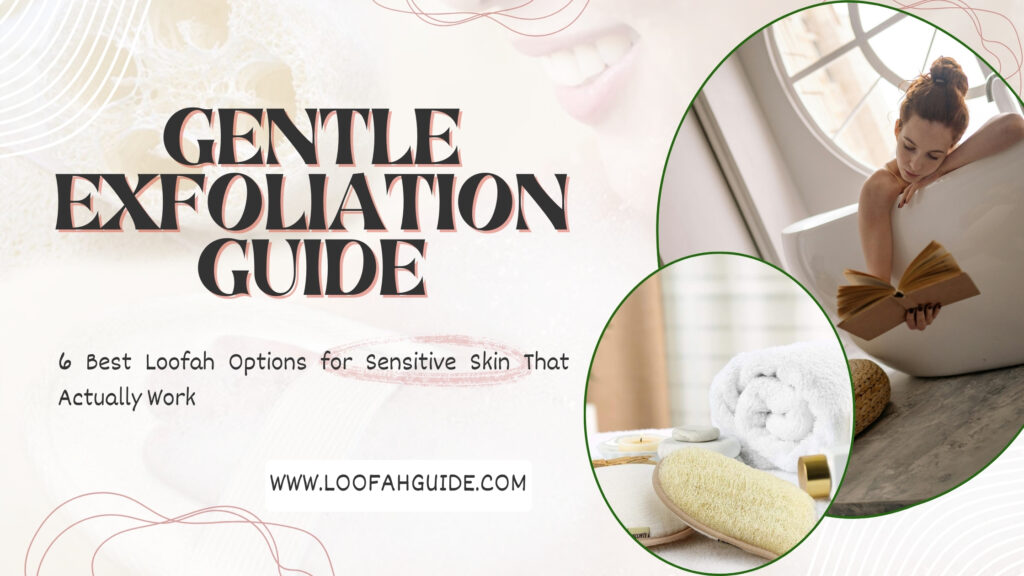
Short answer: For sensitive skin, choose a soft, flat loofah, wet it well and use light pressure for a short time. Stop if your skin feels sore. Egyptian loofah is soft and gentle from the first use.
The search for the best loofah options for sensitive skin leads many to abandon natural exfoliation entirely, missing out on benefits that proper product selection delivers safely.
This guide changes that pattern by identifying exactly which loofah varieties suit reactive skin types and explaining the science behind gentle exfoliation. Natural plant loofahs from the Luffa aegyptiaca gourd offer unique properties that synthetic mesh poufs and harsh scrubs cannot match.
Whether you manage skin reactivity personally, purchase products for family members with delicate skin, or source inventory for a business serving sensitive skin clientele, the information ahead applies directly to your situation. Spas expanding their gentle treatment options and retailers building natural skincare lines will find purchasing guidance alongside the practical consumer advice woven throughout.
Egyptian loofahs consistently rank highest for sensitive skin compatibility due to growing conditions and processing traditions that prioritize fiber softness. EGEXO has been exporting Egyptian loofah since 2015. By the conclusion of this guide, you will know precisely which loofah options to select, how to evaluate quality, and which techniques protect reactive skin during use.
The right loofah for sensitive skin exists. Finding it requires understanding what separates gentle options from irritating alternatives.
Understanding Why Sensitive Skin Needs Specialized Loofahs
Skin sensitivity manifests when the outermost protective barrier fails to function optimally. This compromised barrier allows irritants to penetrate more easily and reduces the skin capacity to retain moisture. Mechanical exfoliation with inappropriate tools accelerates barrier damage, creating a cycle where sensitivity worsens over time.
Natural loofahs differ fundamentally from synthetic exfoliators in how they interact with skin. The cellular structure of loofah fibers creates flexible contact points that bend and compress rather than scratching across the surface. This flexibility increases dramatically when fibers absorb water, allowing users to control abrasiveness through saturation levels.
Synthetic mesh poufs maintain constant texture regardless of moisture. The plastic fibers neither soften nor adapt to pressure changes during use. This inflexibility makes synthetic products inherently unsuitable for sensitive skin despite marketing claims suggesting gentleness.
Plant-based loofahs also provide natural porosity that creates cushioning effects during use. Each fiber absorbs cleansing product and water, surrounding itself with a gel-like layer that contacts skin instead of bare fiber material. This absorption characteristic adds protective buffering that rigid synthetic materials cannot provide.
How Fiber Processing Determines Sensitivity Suitability
The journey from harvested gourd to finished loofah involves processing steps that dramatically affect final texture. Understanding these steps helps consumers recognize quality indicators and helps businesses evaluate supplier capabilities for sensitive skin product lines.
Mature loofah gourds contain tough outer layers protecting the softer fiber network inside. Processing removes these outer layers through soaking, mechanical action, and careful cleaning. The duration and method of each step determines whether the finished product retains harsh elements or achieves true softness.
Extended soaking periods allow fiber walls to hydrate fully, breaking down rigid cellulose structures into more pliable materials.
Sun drying represents another critical processing variable. Natural drying under controlled conditions preserves fiber flexibility better than artificial heat methods.
The farm to export process documentation from quality suppliers reveals these processing details. Transparency about methods indicates confidence in gentle outcomes and helps buyers verify claims about sensitive skin suitability.
Buying for a shop or brand? Ask EGEXO For Export for the catalog of natural Egyptian loofah products.
The 6 Best Loofah Options for Sensitive Skin Ranked by Gentleness
After examining fiber characteristics, processing methods, and real-world performance across hundreds of loofah varieties, six options emerge as clearly superior for sensitive skin applications.
These loofahs undergo extended processing that removes coarse outer fibers while maintaining the structural network necessary for meaningful dead cell removal.
If you have a skin condition, ask your doctor.
These products suit the largest portion of the sensitive skin market, appealing to users who cannot tolerate standard loofahs but do not require the extreme gentleness of specialized variants.
2. Early Harvest Immature Loofah Slices
Loofahs harvested before full maturity develop fundamentally different fiber characteristics than standard products.
Early harvest loofahs typically come as cross-cut slices rather than full cylinders due to their smaller size at harvest time. This slice format actually benefits sensitive skin users by providing better control during application. The uniform thickness ensures consistent pressure across the contact surface.
Facial application represents the primary use case for early harvest slices. The delicate skin around eyes, nose, and mouth responds well to the exceptional gentleness these products provide.
The limited availability of early harvest products affects both pricing and accessibility. Farmers can only dedicate portions of their crop to early harvesting without compromising overall yield, creating natural scarcity. This scarcity positions early harvest loofahs as premium products in retail environments and spa menus.
Wholesale buyers should confirm supplier capacity for consistent early harvest supply before building product lines around these items. Production limitations mean that not all suppliers can fulfill large ongoing orders reliably.
3. Inner Core Processed Loofah Products
Removing the outer and middle fiber layers from mature loofahs leaves an inner core with cloud-like softness suitable for the most reactive skin types. This processing approach sacrifices material volume to achieve gentleness that no other method matches.
The additional processing labor and material loss make inner core products more expensive than alternatives. However, users with severe sensitivity often consider this premium worthwhile given the difficulty finding any exfoliation tool they can tolerate.
The custom loofah product design services available from established suppliers allow development of branded inner core products for specific market positioning.
4. Compressed Natural Loofah Pads
Compression processing transforms loofah material into flat pads with practical advantages for sensitive skin use.
The flat format distributes pressure more evenly than cylindrical shapes. This even distribution reduces concentrated friction points that can trigger sensitivity even from otherwise gentle products. Users report better control and more predictable results from pad formats during shower use.
Compressed pads also dry more quickly than dense cylindrical loofahs due to their thin profile.
Retail packaging benefits from the stackable pad format, allowing attractive displays that communicate accessibility to customers unfamiliar with natural loofahs. The familiar flat shape bridges consumer expectations from synthetic products, easing the transition to natural alternatives.
For spa and hotel applications, compressed pads simplify inventory management and treatment standardization. The consistent format ensures uniform guest experiences across staff members and service sessions.
5. Cotton Loofah Blend Products
Blending loofah fibers with cotton creates hybrid products that gentle texture beyond what pure loofah achieves. The cotton fibers intersperse with loofah material, adding cushioning layers between exfoliating surfaces and skin.
The familiar cotton feel provides psychological comfort alongside physical softening, helping new natural product users persist through the adjustment period.
These blends also enhance lathering compared to pure loofah. The cotton component holds soap and body wash more effectively, creating richer foam that some users prefer. This enhanced lathering adds practical appeal beyond sensitivity accommodation.
Market differentiation opportunities exist for retailers stocking blended products alongside pure loofahs. The variety addresses different customer preferences and expands the addressable market for natural exfoliation products.
Individual users should consider blends as stepping stones toward pure natural loofahs or as permanent solutions depending on their sensitivity levels and preferences. No shame exists in choosing the gentlest effective option for your skin.
6. Targeted Mini Loofah Formats
Small loofah pieces designed for specific application areas provide precision exfoliation that full-sized products cannot match.
Facial minis allow concentrated attention to problem areas while avoiding contact with surrounding skin. Users can exfoliate the forehead while completely skipping sensitive cheek areas, or focus on the chin while protecting the lip line. This selective application reduces overall skin stress.
Mini formats also work well for sensitive zones beyond the face. Underarm areas, bikini lines, and skin fold regions that trap dead cells benefit from targeted exfoliation without requiring full-body loofah contact.
Multi-pack retail presentation makes mini formats approachable entry products for natural loofah newcomers. The value perception of receiving multiple pieces encourages trial, and the variety enables customers to discover which applications work best for their needs.
Spa aestheticians stock various mini sizes for treatment customization. When clients present with mixed sensitivity across facial regions, appropriate tool selection for each zone demonstrates professional attention that builds client loyalty.
Browse available mini formats and request product samples to evaluate options before making quantity commitments.
Sensitive Skin Loofah Comparison Chart
Selecting Quality Loofahs for Sensitive Skin
Not all loofahs marketed for sensitive skin actually deliver appropriate gentleness. Quality assessment skills protect consumers from disappointing purchases and help businesses avoid stocking products that generate customer complaints.
Visual Inspection Criteria
Quality sensitive skin loofahs display uniform fiber distribution throughout their structure. Hold any loofah product up to light and examine for even density. Areas showing tight clumps surrounded by thin spots indicate inconsistent processing that creates unpredictable texture during use.
Color provides quality signals for natural loofahs. Appropriate coloration ranges from cream through light tan, with lighter shades typically indicating gentler processing. Very dark coloration suggests prolonged moisture exposure or improper storage that may have damaged fiber softness.
Avoid loofahs showing bright white coloration unless you verify natural processing. Some manufacturers bleach products to achieve uniform whiteness, but bleaching residues can irritate sensitive skin. Standard EGEXO loofah is not bleached. Bleaching is available on request.
Check for visible seeds or dark inclusions within the fiber network. While these remnants rarely cause harm, their presence suggests processing shortcuts that may affect overall quality consistency.
Physical Testing Methods
Gently bend the product and observe its response. Quality sensitive skin loofahs bend easily without cracking, snapping, or showing stress marks. Rigidity indicates insufficient processing that prevents adequate wet softening.
Press the loofah surface against your inner forearm using light pressure. Superior products compress noticeably under minimal force. Products requiring significant pressure to compress will feel abrasive during actual wet use regardless of how long you soak them.
If samples are available, perform wet testing by soaking for three to five minutes in warm water. The transformation from dry to wet state should be dramatic for sensitive skin appropriate products. Minimal softening during wet testing indicates a product that will irritate reactive skin.
Supplier Evaluation for Bulk Purchasing
Business buyers need additional evaluation criteria beyond individual product testing. Supplier capabilities, consistency across batches, and documentation supporting sensitive skin claims all factor into sound purchasing decisions.
Request multiple samples from different production batches when evaluating suppliers. Single samples may represent above-average quality not typical of regular production. Consistency verification requires examining several specimens before committing to inventory purchases.
Ask suppliers about their quality standards documentation and processing transparency. Reputable suppliers welcome these inquiries and provide detailed information about methods affecting final gentleness. Reluctance to discuss processing suggests potential issues with sensitive skin suitability.
Verify supplier capacity for ongoing orders before building product lines around their items. Sensitive skin products require reliable supply to maintain customer relationships. The wholesale quotation process with established suppliers includes discussions about volume capacity and lead times.
Quality Evaluation Checklist for Sensitive Skin Loofahs
| Evaluation Factor | Method | Quality Indicator | Warning Sign |
|---|---|---|---|
| Fiber Distribution | Light examination | Even throughout | Clumps or thin spots |
| Color | Visual inspection | Cream to light tan | Very dark or bright white |
| Flexibility Dry | Bend test | Easy bend, no cracking | Rigid or stress marks |
| Compression Response | Forearm press | Compresses under light force | Requires firm pressure |
| Wet Transformation | Soak test | Dramatic softening | Minimal change |
| Structural Integrity | Gentle pull | Fibers stay connected | Loose fibers detach |
| Batch Consistency | Multiple samples | Identical characteristics | Significant variation |
| Processing Documentation | Supplier inquiry | Detailed transparency | Vague or evasive |
Proper Techniques for Sensitive Skin Loofah Use
Even the gentlest loofah can cause problems when used incorrectly. Technique matters as much as product selection for achieving exfoliation benefits without triggering sensitivity responses.
Pre-Use Preparation Steps
Thorough soaking before skin contact dramatically reduces loofah abrasiveness. No minimum order on standard products. Private label from 1,000 units. Use warm water rather than cold to accelerate fiber hydration.
Apply your cleanser directly to the soaked loofah rather than to your skin. The loofah fibers distribute product evenly and generate lather that provides additional cushioning between fibers and skin surface. This approach improves coverage while reducing direct friction.
Ensure your skin is thoroughly wet before loofah contact. Dry or partially wet skin experiences significantly greater friction than fully saturated skin. The water layer between loofah and skin provides essential lubrication for comfortable use.
Even the gentlest exfoliation intensifies these conditions. Wait until skin calms before resuming loofah use.
Application Technique Guidelines
Light pressure produces effective exfoliation. The loofah texture performs cell removal even with barely perceptible contact force. Pressing harder does not improve results and does increase irritation risk for sensitive skin.
Use slow circular motions rather than rapid linear scrubbing. Circular patterns distribute friction evenly across the contact area and allow you to monitor skin response throughout. If any area begins feeling irritated, move immediately to another zone.
Work systematically from one body region to the next rather than randomly jumping around. This approach ensures complete coverage without excessive attention to any single area. Sensitive skin responds better to brief contact across the whole body than prolonged focus on specific zones.
Facial exfoliation requires even gentler approaches. Use fingertip pressure only and limit contact time to twenty or thirty seconds per area maximum.
Post-Use Care and Replacement Timing
Rinse your loofah thoroughly after every use until water runs clear. Residual cleanser and dead skin cells within the fiber network create bacterial growth opportunities and can transfer irritants back to skin during subsequent uses.
Squeeze excess water from your loofah by pressing rather than wringing. Twisting motions stress fiber connections and accelerate structural breakdown. Gentle pressing removes water while preserving the network that provides consistent texture.
Store your loofah where air circulates freely for complete drying between uses. Avoid enclosed shower caddies, sealed containers, or humid bathroom corners that trap moisture. Persistent dampness promotes mold and bacterial growth problematic for sensitive skin.
Replace sensitive skin loofahs every 3 to 4 weeks depending on use frequency. Fiber breakdown occurs gradually, reducing gentleness over time even with proper care. Fresh loofahs maintain consistent softness that deteriorating products lose.
Sensitive Skin Loofah Care Schedule
Why Egyptian Loofahs Excel for Sensitive Skin
Geographic origin significantly affects loofah quality for sensitive skin applications. Egyptian loofahs from the Nile River Valley consistently outperform alternatives from other growing regions due to climate conditions, agricultural traditions, and processing expertise.
Climate and Soil Contributions
The Nile River Valley provides growing conditions that optimize loofah fiber development. Consistent warm temperatures, controlled irrigation from river access, and mineral-rich alluvial soil produce plants with finer fiber structures than varieties grown elsewhere.
Temperature stability during the growing season prevents stress responses that coarsen fiber development. Plants experiencing temperature swings produce defensive fiber characteristics unsuitable for sensitive skin. The Egyptian climate minimizes these stressors.
Soil mineral composition affects cellular development throughout plant growth.
Agricultural and Processing Heritage
Egyptian farmers have cultivated loofahs for generations, accumulating knowledge about variety selection and growing techniques that prioritize quality. This heritage knowledge produces harvests with consistent characteristics that newer production regions cannot replicate.
Traditional processing methods passed through families preserve fiber softness that industrial approaches sacrifice for speed. Extended soaking periods, careful mechanical processing, and natural sun drying require patience but achieve results that rushed methods miss.
The complete farm to export process maintained by Egyptian suppliers like Egexo reflects this heritage commitment. Quality emerges from agricultural practices and processing traditions rather than just raw material selection.
Frequently Asked Questions
Q: Which loofah type is best for extremely sensitive facial skin?
A: Early harvest immature loofah slices provide the gentlest option for extremely sensitive facial skin. These loofahs come from gourds harvested before full maturity, producing fibers that remain exceptionally soft even after processing. The slice format offers precise control during delicate facial application. Users with severe facial sensitivity should also consider inner core processed products as alternatives when early harvest items are unavailable.
Q: How can I tell if a loofah is gentle enough for my sensitive skin before buying?
A: Perform flexibility and compression tests when possible. Quality sensitive skin loofahs bend easily without cracking when dry and compress noticeably under light pressure against your forearm. Examine fiber distribution by holding the product to light and checking for even density throughout. Avoid products showing fiber clumps, very dark coloration, or rigid texture. Request samples from suppliers before bulk purchasing to verify quality meets sensitive skin requirements.
Q: What causes loofah irritation and how do I prevent it?
A: Loofah irritation typically results from inadequate soaking before use, excessive pressure during application, too-frequent exfoliation sessions, or using products past their replacement date. No minimum order on standard products. Private label from 1,000 units. Users with extremely reactive skin may need once-weekly sessions initially.
Q: Are natural loofahs better than synthetic poufs for sensitive skin?
A: Natural loofahs from the Luffa aegyptiaca plant offer significant advantages over synthetic poufs for sensitive skin. Natural fibers soften dramatically when wet, allowing users to control abrasiveness through saturation. They also absorb water and cleanser, creating cushioning layers between fiber and skin. Synthetic poufs maintain constant texture regardless of moisture and lack this adaptive quality. Egyptian natural loofahs processed for sensitive skin applications provide gentleness that synthetic products cannot match.
Q: How often should loofahs be replaced for sensitive skin users?
A: Sensitive skin users should replace their loofahs every 3 to 4 weeks depending on use frequency. More frequent exfoliation shortens effective lifespan while less frequent use extends it. Watch for signs of fiber breakdown including reduced wet softness, visible deterioration, persistent odors despite cleaning, and decreased exfoliation effectiveness. Fresh loofahs maintain consistent gentleness that aging products gradually lose through structural degradation.
Q: Can I use the same loofah for face and body if I have sensitive skin?
A: Dedicated loofahs for face and body are recommended for sensitive skin users. Facial skin has thinner structure and greater reactivity than body skin, requiring gentler products like early harvest slices or inner core items. Using separate products also prevents transferring bacteria between zones and allows appropriate replacement timing for each area since facial loofahs typically need more frequent replacement.
Q: What should wholesale buyers look for when sourcing sensitive skin loofahs?
A: Wholesale buyers should verify supplier processing transparency, request multiple batch samples to confirm consistency, review quality standards documentation, and assess production capacity for ongoing orders. Evaluate suppliers based on their willingness to discuss methods affecting gentleness and their ability to provide test results supporting sensitive skin claims. Established Egyptian suppliers like Egexo offer the combination of quality, consistency, and capacity that sensitive skin product lines require.
EGEXO has been exporting Egyptian loofah since 2015, from our own farms and partner farms in the Nile Delta. Our most successful sensitive skin customers take time to test different options before standardizing their choices.
The single factor that most determines sensitive skin suitability is processing patience. Rushing any step in transforming raw gourds to finished loofahs produces inferior softness regardless of starting material quality. We maintain extended processing timelines because shortcuts compromise the gentleness our sensitive skin customers require.
Quality loofahs exist for virtually every sensitivity level. The key is taking time to find your match rather than giving up after trying inappropriate products. Request a quote or request samples from EGEXO.
Conclusion
Finding the best loofah options for sensitive skin requires understanding how fiber characteristics, processing methods, and usage techniques combine to create gentle or irritating experiences.
Natural plant loofahs offer advantages that synthetic alternatives fundamentally cannot match. The moisture-responsive softening, cushioning fiber structure, and customizable intensity through preparation make properly selected loofahs safe for sensitive skin that reacts to harsher products.
Key Takeaways:
- Early harvest and inner core loofahs provide maximum gentleness for the most reactive skin
- Proper soaking for three to five minutes dramatically reduces abrasiveness
- Light pressure and slow circular motions prevent irritation during use
- Replacement every 3 to 4 weeks maintains optimal gentleness
- Quality evaluation through visual and physical testing prevents disappointing purchases
Ready to find the right loofah for your sensitive skin?
For Wholesale Buyers: Request a quote for sensitive skin loofah inventory or download the complete catalog to review all available options.
For Individual Orders: Request a quote or request samples
Keep reading: loofah sponges for sensitive skin and how to soften a luffa sponge.