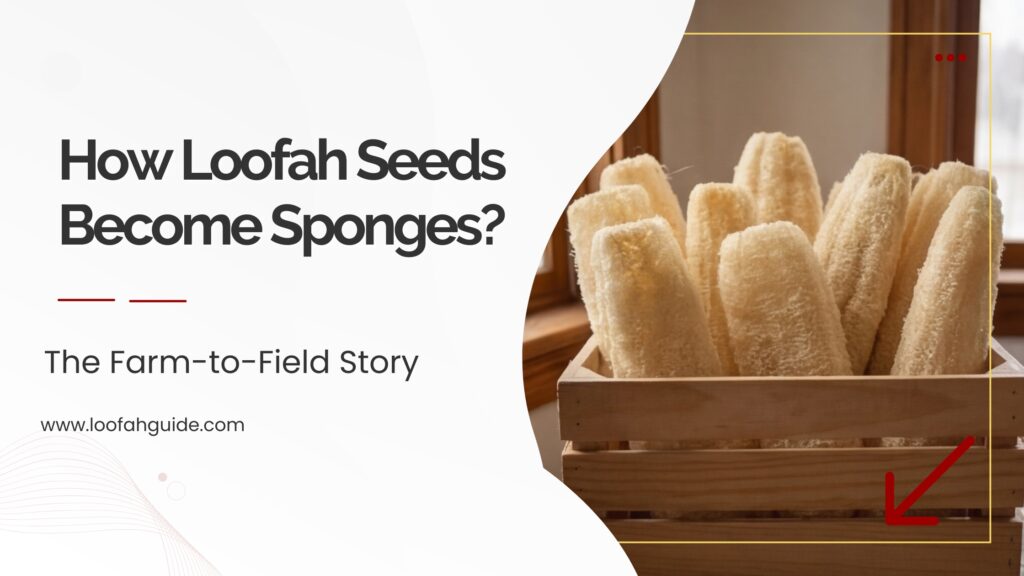
A single loofah seed weighing less than half a gram ultimately produces a sponge that serves countless uses from gentle skin exfoliation to effective kitchen cleaning. This farm to field story reveals the fascinating biological and agricultural processes behind every natural loofah you encounter. Understanding this journey transforms how you evaluate, use, and appreciate these versatile plant-based products.
Natural sponge cultivation represents an agricultural tradition spanning centuries, with techniques refined across generations of farming families. Today, loofah seeds planted in Egyptian fields supply over 80 percent of the global market for premium natural sponges. The extended growing season, ideal climate conditions, and accumulated cultivation expertise in this region produce consistently superior products recognized by buyers and consumers worldwide.
Whether you grow loofahs in your home garden, purchase them for personal care routines, or source them for your business, understanding the complete seed-to-sponge journey provides valuable context. This comprehensive guide covers every stage from germination through harvest and processing, explaining what happens at each step and how various factors influence the quality of finished products.
The increasing consumer preference for sustainable, plastic-free alternatives has driven 18 percent annual growth in natural sponge markets since 2020. This trend reflects broader awareness of environmental impacts and recognition that natural products offer genuine performance benefits alongside ecological advantages.
Understanding Loofah Plant Biology and Seed Characteristics
The loofah plant belongs to the Cucurbitaceae family, sharing ancestry with cucumbers, squash, and melons. Scientifically classified as Luffa aegyptiaca or Luffa cylindrica, this climbing vine produces the distinctive fibrous fruits we know as natural sponges. Every characteristic of the finished sponge traces back to genetics encoded within loofah seeds and environmental conditions during growth.
Seed Structure and Viability
Loofah seeds feature a distinctive flat, oval shape with dark coloring when mature. Quality seeds measure approximately 10 to 12 millimeters in length with consistent size and weight indicating proper development. The seed coat protects the embryo within, which contains the genetic information determining fiber density, color, and structural characteristics of eventual sponges.
Seed viability, meaning the percentage of seeds that will successfully germinate under proper conditions, varies significantly based on seed source and storage. Premium agricultural seeds from professional cultivators typically show 90 to 95 percent viability rates. Seeds saved from previous harvests or obtained from less controlled sources often demonstrate 70 to 80 percent germination, requiring higher planting densities to achieve desired plant populations.
For gardeners interested in growing loofahs, seed source quality substantially impacts results. Fresh seeds from current or recent season harvests outperform older seeds, as viability declines with storage time regardless of conditions.
Genetic Factors Affecting Sponge Quality
Selective breeding across multiple generations has produced loofah varieties optimized for sponge production rather than food consumption. These agricultural varieties prioritize fiber density, uniformity, and structural integrity over the softer flesh characteristics valued in culinary loofah varieties common in Asian cuisines.
The genetic blueprint within each seed determines maximum potential fiber quality, but environmental conditions and cultivation practices determine how fully that potential develops. Superior genetics combined with optimal growing conditions produces the densest, most durable sponges. Even excellent seeds perform suboptimally under poor growing conditions, demonstrating the interaction between nature and nurture in loofah production.
Commercial growers maintain controlled seed stock programs, selecting seeds exclusively from plants producing top-grade sponges. This ongoing selection pressure incrementally improves average quality across successive generations. Home gardeners can apply similar principles by saving seeds only from their best performing plants.
For detailed information about selecting quality loofah products, the Egexo quality standards page provides comprehensive grading criteria.
The Germination Process: Awakening Loofah Seeds
Germination marks the transition from dormant seed to actively growing plant. This process requires specific environmental triggers and conditions to proceed successfully. Understanding germination requirements helps gardeners optimize planting success and helps product buyers appreciate the precision required in commercial cultivation.
Temperature and Moisture Requirements
Loofah seeds require warm soil temperatures to initiate germination, with optimal ranges between 21 and 35 degrees Celsius. Seeds planted in cooler soil remain dormant or germinate slowly with weakened seedlings. This temperature sensitivity explains why loofah cultivation concentrates in warm climate regions with extended growing seasons.
Moisture activates the germination process by softening the seed coat and triggering metabolic processes within the embryo. Consistent soil moisture during the germination period prevents desiccation that kills emerging seedlings. However, waterlogged conditions promote seed rot and fungal diseases. The balance between adequate moisture and proper drainage proves critical during this vulnerable phase.
Pre-soaking seeds in water for 24 hours before planting accelerates germination by softening seed coats. This simple technique reduces time to emergence by 2 to 4 days in many cases. Some growers add scarification, gently nicking seed coats with sandpaper or files, to further speed water absorption.
Emergence and Early Seedling Care
Seedlings typically emerge 7 to 14 days after planting, pushing through soil as the embryo expands and develops. First leaves, called cotyledons, provide initial photosynthetic capacity while true leaves develop. The transition from seed-stored energy to photosynthetic self-sufficiency marks a critical developmental milestone.
Early seedling care focuses on maintaining consistent moisture, protecting from extreme temperature swings, and preventing pest damage during this vulnerable period. Seedlings grown in starter containers benefit from transplanting to final growing locations after developing 2 to 4 true leaves and establishing robust root systems.
Spacing decisions at transplanting time influence plant development and eventual harvest. Commercial operations typically space plants 60 to 90 centimeters apart within rows, with rows separated by 150 to 200 centimeters to allow maintenance access and trellising. Home gardeners with limited space can reduce spacing somewhat but should expect smaller vines and fewer fruits per plant.
Vegetative Growth: Building the Production Factory
The weeks following germination focus on vegetative growth, during which plants develop the root systems, vine structures, and leaf canopies needed to support fruit production. This phase determines the plant’s ultimate productive capacity.
Root System Development
Healthy root systems anchor plants, absorb water and nutrients, and store energy reserves. Loofah roots extend both downward and laterally, potentially reaching depths of 60 to 90 centimeters in loose, well-draining soils. Compacted or waterlogged soils restrict root development, limiting water and nutrient access that constrains above-ground growth.
Soil preparation before planting significantly impacts root development. Deep tilling or bed preparation loosens soil structure, incorporating organic matter that improves drainage while retaining adequate moisture. The investment in soil preparation pays returns throughout the growing season through healthier, more productive plants.
Vine Extension and Leaf Production
Loofah vines grow rapidly under favorable conditions, extending 15 to 30 centimeters daily during peak growth periods. This vigorous growth requires substantial nutrient inputs, particularly nitrogen for leaf production and potassium for overall plant health. Deficiency symptoms including yellowing leaves, stunted growth, or weak vines indicate nutritional needs requiring attention.
Trellising supports vertical vine growth, which offers multiple advantages over ground cultivation. Vertical vines receive better air circulation, reducing disease pressure from fungal pathogens thriving in humid, stagnant conditions. Developing fruits hang freely rather than resting on soil, preventing bottom rot and cosmetic blemishes. The improved light exposure to leaves throughout the canopy enhances photosynthetic efficiency.
Commercial operations invest significantly in trellis infrastructure, recognizing the quality improvements that vertical cultivation provides. Research comparing cultivation methods shows trellised plants produce 25 to 35 percent more marketable sponges than identical genetic material grown without support.
For home gardeners, existing fence lines, arbor structures, or simple stake-and-string supports provide adequate trellising without major infrastructure investment. The key requirement involves sturdy support capable of bearing the weight of mature vines and developing fruits.
Flowering, Pollination, and Fruit Set
The transition from vegetative growth to reproductive phases marks a pivotal point in the loofah production cycle. Successful flowering and pollination determines fruit set and ultimately the number and quality of sponges produced.
Understanding Loofah Flower Biology
Loofah plants produce separate male and female flowers on the same vine, a condition botanists term monoecious. Male flowers appear first and in greater numbers, producing pollen but no fruits. Female flowers, identifiable by small swelling at their base, follow approximately one to two weeks later.
The timing mismatch between male and female flower production serves reproductive purposes in wild populations but can complicate cultivation. Planting in succession or maintaining multiple plants ensures adequate pollen availability when female flowers open. Single isolated plants may experience poor fruit set due to timing gaps.
Pollination Requirements and Methods
Natural pollination relies on insects, primarily bees, transferring pollen from male to female flowers. The brief window during which flowers remain receptive requires timely pollinator visits for successful fertilization. Commercial operations near natural areas with robust bee populations typically experience adequate natural pollination.
Hand pollination provides insurance against inadequate natural pollination or allows controlled breeding for seed development. The process involves collecting pollen from freshly opened male flowers using small brushes or cotton swabs, then transferring pollen to female flower stigmas. Morning hours, when flowers are freshly opened, yield best results.
Insufficient pollination produces misshapen fruits or causes developing fruits to abort before maturity. When young fruits yellow and drop, inadequate pollination often bears responsibility. Increasing pollinator habitat nearby or implementing hand pollination programs addresses these issues.
Early Fruit Development
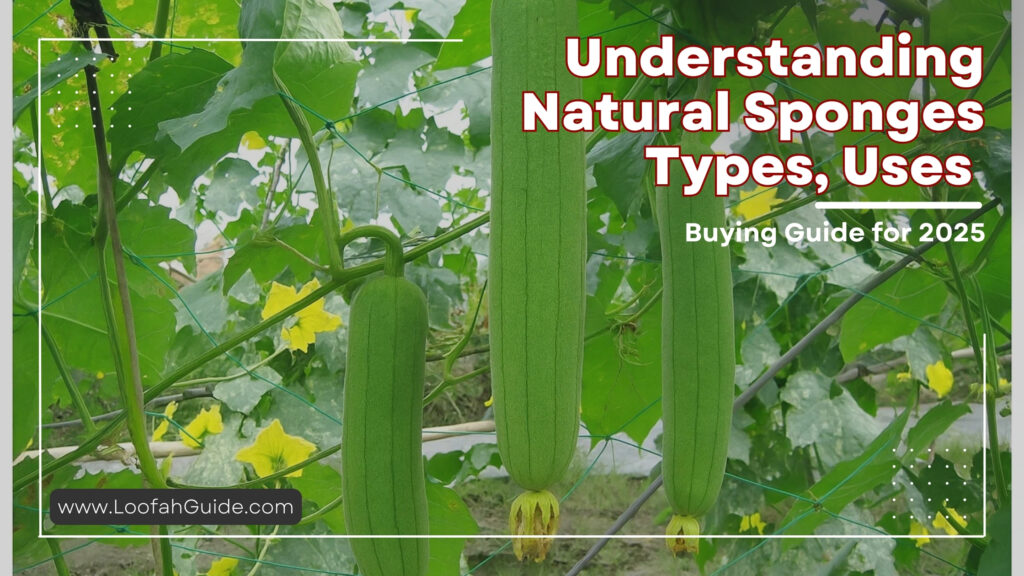
Successfully pollinated female flowers begin fruit development immediately, with visible swelling within days of fertilization. Young loofah fruits resemble cucumbers, with soft green flesh surrounding the developing seed cavity and fiber matrix. This resemblance reflects the close botanical relationship between loofahs and culinary cucumbers.
During early development, the flesh serves as nutrient storage supporting fiber formation within. As fruits mature, flesh gradually dries and fibers strengthen. Understanding this developmental process explains why harvest timing so critically influences finished sponge quality.
Fruit development continues for 60 to 90 days following pollination, with the exact duration depending on variety, growing conditions, and desired maturity level at harvest. Monitoring fruit development allows growers to anticipate harvest timing and schedule processing capacity accordingly.
Maturation and Harvest: The Critical Transition
The harvest window represents perhaps the most consequential decision in loofah production. Harvesting at optimal maturity maximizes fiber quality while avoiding deterioration from over-maturity. This expertise distinguishes professional cultivation from casual gardening.
Maturity Indicators
Several observable changes signal approaching harvest readiness. Skin color transitions from vibrant green toward yellow or tan as chlorophyll breaks down. The fruit becomes noticeably lighter as internal moisture decreases and flesh dries. Skin texture changes from smooth to slightly rough or ridged.
Experienced harvesters also assess maturity through feel and sound. Mature fruits feel lighter relative to their size than immature specimens. Shaking reveals loose seeds within the drying seed cavity. These subtle indicators guide harvest decisions when visual cues prove ambiguous.
| Maturity Indicator | Immature | Optimal Harvest | Over-mature |
|---|---|---|---|
| Skin Color | Bright green | Yellow-green to tan | Brown, dark patches |
| Weight | Heavy, water filled | Medium, noticeable lightening | Light, possibly hollow |
| Skin Texture | Smooth, firm | Slightly rough, gives to pressure | Brittle, cracking |
| Seed Sound | Silence when shaken | Soft rattling | Loud rattling |
| Fiber Visibility | None visible | Faint pattern visible | Clearly visible through skin |
| Recommended Action | Continue growing | Harvest within 1-2 weeks | Harvest immediately |
Harvest Techniques and Handling
Proper harvest technique protects both sponge quality and continuing vine productivity. Sharp cutting tools produce clean stem separations without tearing that could damage fiber structures near attachment points. Leaving small stem portions attached to fruits prevents entry points for deterioration.
Handling harvested gourds carefully prevents compression damage to developing fibers. While outer skins protect the interior, excessive pressure can bruise fibers affecting finished texture. Commercial operations use padded containers and careful stacking to transport harvested materials without damage.
Harvest timing across a field or garden requires multiple passes rather than single comprehensive harvests. Individual fruits mature at different rates based on pollination timing and position on vines. Selective harvesting maximizes quality by allowing each fruit to reach optimal maturity before collection.
Post-Harvest Processing: From Gourd to Sponge
The transformation from harvested gourd to finished sponge requires several processing steps that remove outer materials while preserving and enhancing the valuable fibrous interior. Each step influences final product characteristics.
Retting and Peeling
Traditional processing begins with retting, a controlled decomposition process that loosens outer skin for removal. Submerging harvested gourds in water for 24 to 72 hours softens the skin while beginning breakdown of the soft inner flesh. Water temperature affects retting speed, with warmer conditions accelerating the process.
Following adequate retting, peeling removes the outer skin to reveal the fiber structure beneath. Manual peeling involves rubbing softened skin away under running water. The process requires some pressure to remove all skin material while avoiding fiber damage from excessive scrubbing.
Alternative dry processing methods skip the retting stage, instead allowing gourds to dry completely on the vine or after harvest. Fully dried skin becomes brittle and can be cracked away to release the fiber cylinder within. This approach works well for small quantities but proves less efficient at commercial scale.
Seed Removal and Cleaning
The central seed cavity contains numerous seeds surrounded by remaining soft organic material. Shaking and rinsing removes loose seeds while water pressure flushes residual pulp from fiber interstices. Thorough cleaning at this stage prevents odor development and discoloration during subsequent storage.
Seeds from quality sponges can be saved for future planting, completing the production cycle from harvest back to new growth. Drying seeds thoroughly before storage prevents mold development and maintains viability for the following season.
Commercial processing includes sanitization steps using approved treatments that eliminate potential pathogens while preserving natural fiber characteristics. These food-safety and cosmetic-grade standards matter particularly for products entering regulated markets or contacting skin during personal care use.
Drying and Finishing
Processed sponges require thorough drying before storage or use. Residual moisture promotes mold growth and fiber degradation that ruins product quality. Sun drying in warm, dry climates provides natural and economical drying. Indoor drying using controlled temperature and airflow serves operations in less favorable climates or requiring consistent year-round processing.
Target moisture content for finished sponges ranges from 8 to 12 percent. Below this range, fibers become brittle and prone to breakage. Above this range, products risk mold development during storage and shipping. Professional operations measure moisture content using calibrated instruments rather than relying on subjective assessment.
Final processing may include light bleaching to achieve desired color uniformity, compression and baling for efficient shipping, or cutting into specific product shapes. These finishing steps prepare raw materials for various end uses while maintaining the natural characteristics that distinguish loofah sponges from synthetic alternatives.
For information about wholesale purchasing and bulk product options, wholesaleloofah.com provides industry resources and supplier connections.
Loofah Processing Stages Overview
| Processing Stage | Duration | Key Activities | Quality Impacts |
|---|---|---|---|
| Initial Harvest | 1 day | Selective cutting, careful handling | Prevents physical damage |
| Retting | 1 to 3 days | Water soaking to soften skin | Enables clean peeling |
| Peeling | Minutes per unit | Remove outer skin completely | Reveals clean fiber surface |
| Seed Removal | Minutes per unit | Extract seeds, flush pulp | Prevents odor, saves seeds |
| Primary Washing | 15 to 30 minutes | Multiple rinse cycles | Removes organic residue |
| Sanitization | Variable | Treatment per specifications | Ensures product safety |
| Drying | 3 to 7 days | Sun or controlled environment | Prevents mold, stabilizes fibers |
| Finishing | Variable | Cutting, shaping, packaging | Prepares for end use |
Quality Factors Throughout the Production Cycle
Every stage from seed selection through finished processing influences final product quality. Understanding these factors helps consumers recognize quality indicators and helps growers or buyers identify improvement opportunities.
Pre-Harvest Quality Determinants
Genetics establish maximum quality potential, making seed source selection fundamentally important. Optimal growing conditions allow plants to express genetic potential fully. Specific factors including soil fertility, irrigation consistency, pest and disease management, and trellising adequacy all contribute to harvest quality.
Growing season weather conditions introduce variability beyond grower control. Unusual temperature patterns, rainfall extremes, or pest pressure fluctuations affect annual harvests despite consistent cultivation practices. These natural variations explain why quality-focused buyers establish supplier relationships providing access to best available materials regardless of seasonal fluctuations.
Processing Quality Factors
Post-harvest handling determines whether cultivation quality translates into finished product quality. Prompt processing prevents deterioration of harvested materials. Thorough cleaning removes materials that cause odors or staining. Proper drying stabilizes fibers without causing brittleness.
Quality control inspection identifies and segregates sponges with defects from premium grade products. Professional operations implement documented inspection protocols with defined acceptance criteria for each quality grade. This systematic approach ensures consistency across production volumes and over time.
Storage and Handling Considerations
Even excellent sponges can deteriorate under improper storage conditions. Moisture exposure promotes mold growth that ruins products. Compression during storage or shipping can permanently deform fiber structures. Exposure to sunlight or high temperatures accelerates fiber degradation.
Proper storage involves dry, cool, dark conditions with adequate ventilation. Packaging should protect from moisture and physical damage while allowing air circulation. These requirements apply equally to commercial inventory management and consumer storage of purchased products.
Consumers can extend sponge lifespan through proper between-use care. Rinsing thoroughly after use removes soap and organic debris that feed bacterial growth. Complete drying between uses prevents the damp conditions microorganisms require. Periodic sanitization using microwave heating or mild disinfectant solutions maintains hygiene.
Natural Loofahs Compared to Synthetic Alternatives
Understanding how natural loofahs compare to synthetic alternatives helps consumers make informed choices aligned with their priorities and values.
| Characteristic | Natural Loofah | Plastic Mesh Sponge | Synthetic Foam |
|---|---|---|---|
| Material Source | Renewable plant fiber | Petroleum derived plastic | Petroleum derived chemicals |
| Biodegradability | Complete, months to years | None, persists centuries | None, persists centuries |
| Exfoliation Texture | Natural variation, generally gentle | Harsh, can irritate skin | Very soft, limited exfoliation |
| Drying Speed | Fast, open fiber structure | Slow, retains water | Very slow, holds moisture |
| Bacteria Resistance | Good when dried properly | Poor, porous plastic harbors bacteria | Poor, dense material traps bacteria |
| Typical Lifespan | 3 to 8 weeks with proper care | 2 to 4 weeks before degradation | 2 to 6 weeks |
| Environmental Impact | Positive, carbon sequestering growth | Negative, plastic pollution | Negative, microplastic shedding |
| Cost Range | Moderate | Low | Low to moderate |
The comparison reveals natural loofahs offer advantages in environmental impact, drying characteristics, and appropriate exfoliation texture. Synthetic alternatives offer lower initial cost but shorter effective lifespan and significant environmental drawbacks.
For consumers prioritizing sustainability, natural loofahs represent one element of broader plastic reduction strategies. Each synthetic sponge avoided prevents plastic entering waste streams where it persists for generations.
Practical Applications and Product Selection
The farm to field journey ultimately produces products serving diverse practical applications. Matching product characteristics to intended use optimizes results and value.
Body Care and Exfoliation
Natural loofahs excel at skin exfoliation, removing dead surface cells to reveal fresher skin beneath. The natural fiber texture provides effective scrubbing without the harshness of some synthetic alternatives. Regular exfoliation improves skin texture and helps prevent ingrown hairs.
Product selection for body care considers fiber density and sponge size. Softer, lower-density products suit sensitive skin or facial use. Firmer, higher-density sponges provide more aggressive exfoliation for body skin or calloused areas. Size preferences vary based on personal preference and specific use areas.
The Egexo body loofah collection demonstrates the range of options available for personal care applications.
Kitchen and Household Cleaning
Natural loofah fiber provides excellent scrubbing action for dishes, surfaces, and general cleaning tasks. Unlike plastic alternatives that can scratch delicate surfaces, natural fibers offer effective cleaning with reduced damage risk. The open fiber structure releases debris easily during rinsing, maintaining cleaning effectiveness across extended use.
Kitchen loofahs typically feature denser, firmer fiber suitable for scrubbing without falling apart under pressure. Cut shapes optimized for hand comfort and cleaning motions improve usability. Proper drying between uses maintains hygiene and extends product lifespan.
Explore kitchen loofah options for household cleaning applications.
Specialty and Creative Applications
Beyond conventional body and kitchen uses, natural loofahs serve numerous specialty applications. Pet grooming products leverage the gentle scrubbing action for animal bathing. Craft applications use loofah texture in handmade soaps, decorative items, and artistic projects. Industrial applications include specialty cleaning and surface preparation.
The versatility of natural loofah fiber reflects its fundamental utility as a scrubbing and cleaning material. Creative applications continue expanding as sustainability awareness drives interest in natural material alternatives across product categories.
Home Growing Considerations
Understanding commercial loofah cultivation helps home gardeners improve their own growing results. While scale differs dramatically, fundamental principles apply regardless of operation size.
Climate and Growing Season Requirements
Loofah plants require extended warm seasons to mature fruits adequately. Growing degree day accumulations of 2,500 to 3,500 above 10 degree Celsius base temperatures indicate adequate season length. Regions with shorter seasons can extend effective growing time using season extension techniques including early indoor starting and protective structures.
Frost kills loofah plants immediately, making freeze date awareness essential for planting timing. Starting seeds indoors 4 to 6 weeks before last expected frost allows plants to develop while outdoor conditions remain unsuitable. Transplanting after soil warms accelerates establishment compared to direct seeding.
Gardeners in marginal climates should select earlier-maturing varieties and employ techniques maximizing heat accumulation including south-facing locations, dark mulches, and protective structures.
Realistic Yield Expectations
Home garden yields vary substantially based on growing conditions, plant care, and season length. Individual plants typically produce 5 to 15 usable sponges under favorable conditions. Shorter seasons, inadequate fertility, or pest pressure reduce yields accordingly.
Quality expectations should reflect cultivation conditions. Home-grown sponges may show more variation than commercial products selected through grading processes. Cosmetic imperfections rarely affect functional performance, making home-grown loofahs entirely satisfactory for personal use despite appearance variations.
For those preferring consistent quality without cultivation effort, purchasing from established suppliers provides reliable access to graded products. Request samples to evaluate commercial product quality before larger purchases.
FAQ Section
Q: What is the complete timeline for loofah seeds to develop into usable sponges?
A: The complete cycle from planting loofah seeds to finished sponges spans approximately 6 to 8 months. Germination requires 1 to 2 weeks, vegetative growth occupies 2 to 3 months, and fruit development through maturity adds another 2 to 3 months. Post-harvest processing including retting, peeling, washing, and drying adds 1 to 3 weeks depending on methods used. This extended timeline explains why professional cultivators plan production cycles well in advance.
Q: Can I grow loofahs successfully outside tropical or subtropical regions?
A: Gardeners in temperate climates can grow loofahs successfully using season extension techniques. Starting seeds indoors 4 to 6 weeks before last frost and transplanting after soil warms provides adequate growing time in many regions. Selecting early-maturing varieties and maximizing heat accumulation through site selection and protective structures improves success rates. Gardeners in regions with fewer than 150 frost-free days may struggle to mature fruits adequately.
Q: How do I know when my home-grown loofahs are ready to harvest?
A: Watch for multiple maturity indicators including skin color transitioning from green toward yellow or tan, noticeable weight reduction as internal moisture decreases, and skin texture becoming slightly rough rather than smooth. Shaking mature fruits produces a rattling sound from loose seeds within. Harvest when multiple indicators suggest maturity rather than relying on any single sign.
Q: What causes loofahs to develop brown spots or discoloration?
A: Brown discoloration can result from several causes including over-maturity at harvest, inadequate drying allowing mold development, residual organic material not removed during processing, or sun damage during drying. Preventing discoloration requires timely harvest, thorough cleaning, complete drying, and protection from excessive direct sun exposure during the drying phase.
Q: How long do natural loofah sponges last with proper care?
A: Natural body loofahs typically last 3 to 4 weeks with daily use and proper care. Kitchen loofahs used for dish washing may last 4 to 8 weeks depending on use intensity. Extending lifespan requires thorough rinsing after use, complete drying between uses, and periodic sanitization. Replacement timing should prioritize hygiene over maximum use duration, particularly for body care products.
Q: Are loofahs grown for food the same as those used for sponges?
A: Loofah varieties exist for both culinary and sponge production purposes. Food varieties prioritize tender young fruits harvested before fibers develop. Sponge varieties emphasize fiber density and structural characteristics in mature fruits. While technically the same species, variety selection significantly impacts suitability for intended purpose. Sponge-type loofahs become tough and fibrous far earlier than culinary varieties.
Q: What makes Egyptian-grown loofahs different from those produced elsewhere?
A: Egyptian loofah production benefits from ideal growing conditions including extended warm seasons, abundant sunshine, and fertile Nile Delta soils. Equally important, generations of cultivation expertise have optimized growing practices and processing methods. Commercial infrastructure supports consistent quality control and efficient export logistics. These combined factors explain Egyptian dominance in premium natural sponge markets globally.
Expert Insight from Egexo
The farm to field journey we have described represents knowledge accumulated across more than 25 years of Egyptian loofah cultivation and processing. Several insights stand out from this extensive experience.
Harvest timing expertise cannot be replaced by written guidelines. Our most experienced harvesters assess maturity through subtle indicators developed over years of practice. This human expertise remains essential despite advances in agricultural technology. When evaluating suppliers, inquire about harvest decision processes and team experience levels.
Seed genetics matter more than most realize. Our ongoing seed selection program tracks harvest quality back to specific parent plants, continuously improving our genetic base. The fiber density improvements we have achieved over decades compound across generations, producing sponges noticeably superior to commodity products from unselected seed stocks.
Post-harvest processing speed significantly impacts quality. Delays between harvest and processing allow deterioration that no subsequent treatment corrects. Our integrated field-to-facility operations minimize handling time, preserving the quality our cultivation practices create.
Conclusion
The transformation from tiny loofah seeds to finished natural sponges represents one of agriculture’s most remarkable journeys. Each stage from germination through harvest and processing contributes to the products reaching consumers and businesses worldwide. Understanding this farm to field story reveals why quality variation exists and what distinguishes premium products from commodity alternatives.
Egyptian loofah cultivation stands at the forefront of this industry, combining ideal natural conditions with expertise refined across generations. The resulting products consistently achieve quality standards that command premium positioning in global markets. For buyers and consumers seeking the best available natural sponges, Egyptian origin represents a reliable quality indicator.
The growing preference for sustainable, plastic-free alternatives positions natural loofahs for continued market expansion. As environmental awareness increases, products offering genuine sustainability credentials alongside practical performance benefits will capture increasing market share. Natural loofahs exemplify this combination of ecological responsibility and functional excellence.
Key Takeaways:
- Loofah seeds require 150 to 200 days to develop into harvest-ready gourds under optimal conditions
- Multiple maturity indicators guide harvest timing decisions critical to finished quality
- Post-harvest processing including retting, peeling, drying, and finishing prepares raw materials for use
- Natural loofahs offer environmental advantages alongside practical performance benefits
- Egyptian production dominates premium natural sponge markets due to climate and expertise advantages
Ready to experience quality natural loofahs?
- For Business Sourcing: Request wholesale quotations or download the product catalog
- For Personal Use: Shop the collection or request samples to evaluate quality