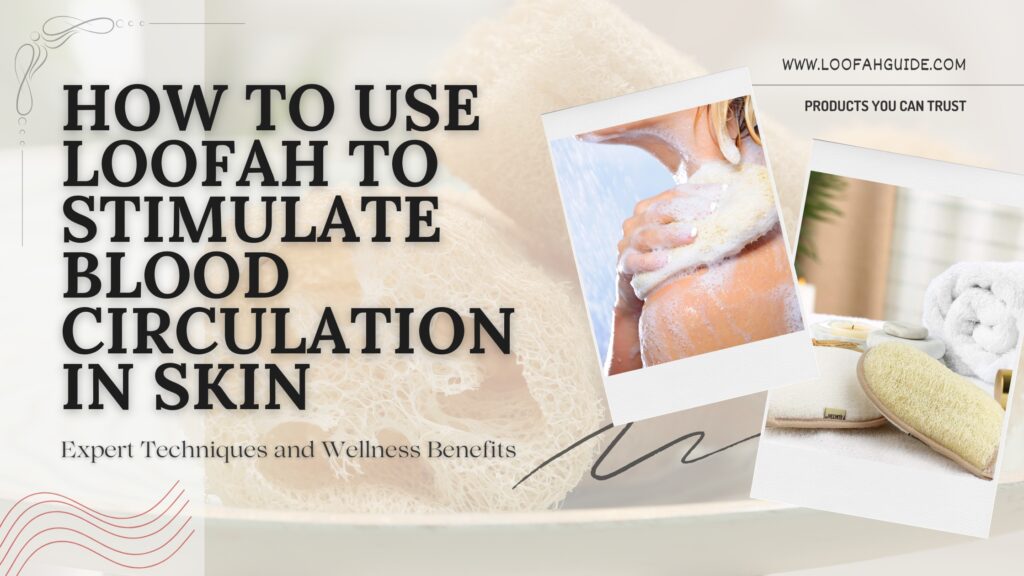
Understanding the Connection Between Loofah Exfoliation and Vascular Health
Your skin contains roughly 11 miles of blood vessels working continuously to nourish approximately 20 square feet of tissue. When these vessels function optimally, skin appears vibrant, heals quickly, and maintains youthful elasticity. Learning how to use loofah to stimulate blood circulation in skin provides a natural, accessible method for supporting this vital vascular network.
The practice of using plant-based fibers for skin stimulation dates back thousands of years across diverse cultures from ancient Egypt to traditional Japanese bathing rituals. Modern research now validates what practitioners long observed: mechanical stimulation through natural fibers like loofah triggers measurable increases in cutaneous blood flow, with studies documenting flow improvements lasting 20 to 45 minutes after a single session.
This comprehensive resource examines the physiological mechanisms behind loofah circulation benefits, presents detailed application methods for various body regions, and addresses considerations for both personal wellness enthusiasts and industry professionals seeking to incorporate these techniques into service offerings or product lines. Individual readers will discover practical daily routines while business professionals will find valuable market insights and sourcing guidance.
Those interested in exploring premium loofah products can browse the extensive body and bath loofah collection available from established Egyptian suppliers.
The Physiology of Skin Circulation Enhancement
Understanding how blood moves through skin tissue reveals why certain stimulation methods prove more effective than others. The skin contains two distinct vascular networks: a superficial plexus located in the upper dermis and a deeper plexus at the dermal-hypodermal junction.
Vascular Response to Mechanical Stimulation
When loofah fibers contact skin with appropriate pressure, several physiological responses activate simultaneously. Sensory nerve endings detect the mechanical input and trigger local vasodilation through axon reflexes. Histamine and other vasoactive substances release from mast cells, further widening blood vessels. The physical compression and release cycle creates a pumping effect that moves blood through capillary beds.
Natural loofah proves particularly effective because its fibrous matrix creates what researchers term heterogeneous pressure distribution. Unlike uniform synthetic materials that apply consistent force, loofah fibers of varying thickness and density stimulate different pressure receptors unpredictably. This variability prevents sensory adaptation, maintaining the circulatory response throughout the treatment session.
Measuring Circulation Improvements
Laser Doppler flowmetry studies demonstrate that proper loofah massage increases superficial blood flow by 25 to 35 percent in treated areas. This enhancement peaks approximately two to three minutes after stimulation begins and gradually returns to baseline over 30 to 45 minutes. Repeated sessions over weeks produce cumulative benefits as vascular responsiveness improves.
The quality of loofah material directly impacts these outcomes. Egyptian loofah, cultivated in nutrient-rich Nile Delta soil, develops fiber structures with optimal density for circulation work. Suppliers like Egexo maintain rigorous quality standards ensuring consistent therapeutic performance across production batches.
Regional Circulation Techniques for Maximum Benefit
Different body areas respond optimally to specific loofah application methods. Adapting your technique to each region maximizes circulatory benefits while respecting tissue sensitivity variations.
Lower Extremity Protocol
Legs and feet frequently experience circulation challenges due to gravitational effects on venous return. Poor lower extremity circulation manifests as cold feet, slow wound healing, and visible skin changes including discoloration and dryness.
Begin each session with feet submerged in warm water for three minutes to pre-dilate vessels. Starting at the toes, apply loofah in small circular motions across the dorsal and plantar surfaces. Progress to the ankles using slightly larger circles, then transition to long upward strokes along the calves. Maintain consistent moderate pressure throughout, adjusting only for bony prominences where lighter touch prevents discomfort.
The thigh region benefits from broad sweeping motions oriented toward the groin where major lymphatic nodes reside. Spend additional time on the inner thigh where superficial vessels are more accessible. Complete each leg in approximately two minutes before moving to the opposite side.
Core and Torso Approach
The abdomen requires gentler treatment due to underlying organ proximity. Use clockwise circular motions following the natural direction of intestinal movement. This pattern supports both blood and lymphatic circulation while promoting healthy digestive function.
For the back, reach limitations make self-treatment challenging. Long-handled loofah tools designed for back access allow independent treatment, though partner assistance enables superior coverage. Focus on the paraspinal muscles running alongside the spine where tension commonly restricts local circulation.
Chest treatment should avoid breast tissue in women, instead focusing on the sternum and upper chest where lymphatic drainage pathways concentrate. Men can treat the entire chest surface using moderate circular motions.
Upper Extremity Method
Arms respond well to systematic treatment progressing from fingertips toward shoulders. Begin by working each finger individually, then progress across the palm and dorsal hand surfaces. The forearm benefits from alternating circular and linear strokes, while the upper arm receives long sweeping motions toward the axilla.
Pay particular attention to the inner arm where skin remains thinner and more vascularly responsive. This region often shows the most dramatic immediate color change following treatment, indicating strong circulatory activation.
Loofah Selection Criteria for Circulation Applications
Choosing appropriate loofah products significantly impacts circulation treatment effectiveness. Various factors including fiber density, processing method, and form factor influence therapeutic outcomes.
Fiber Characteristics Comparison
| Characteristic | Optimal Range for Circulation | Effect on Treatment |
|---|---|---|
| Fiber Density | 0.40 to 0.55 g per cubic cm | Higher density provides better sustained pressure |
| Moisture Absorption | 150 to 200 percent of dry weight | Adequate absorption ensures proper softening |
| Tensile Strength | 2.0 to 3.0 newtons | Prevents premature breakdown during use |
| Surface Roughness | Medium grade | Balances stimulation with comfort |
| Fiber Uniformity | 85 percent or greater | Ensures predictable pressure distribution |
Products falling outside these parameters may provide inadequate stimulation or risk skin damage. Professional-grade loofah intended for therapeutic applications undergoes testing to verify compliance with these specifications.
Form Factor Selection Guide
The shape and configuration of your loofah should match your intended application and personal preferences.
Whole Loofah Gourds offer maximum versatility, allowing users to cut custom shapes for specific needs. Their larger size suits full-body treatments but requires more storage space. Ideal for enthusiasts who want control over their tools.
Pre-Cut Slices provide convenient ready-to-use formats in standardized sizes. These work well for targeted treatments and travel. Most retail products fall into this category.
Loofah Pads and Mitts combine natural fibers with ergonomic backing materials for comfortable handling. The mitt format particularly suits those with grip limitations. Browse options in the body loofah category for various configurations.
Loofah on Handles extends reach for back treatment and reduces hand fatigue during extended sessions. Essential for comprehensive self-treatment routines.
Origin and Quality Verification
Geographic origin significantly impacts loofah quality. Egyptian cultivation produces consistently superior fiber characteristics due to optimal growing conditions and generations of agricultural expertise.
| Origin Region | Typical Fiber Quality | Availability | Price Point |
|---|---|---|---|
| Egypt Nile Delta | Premium to Superior | Year-round | Moderate to Premium |
| China | Variable | Year-round | Budget to Moderate |
| South America | Good to Premium | Seasonal | Moderate |
| Southeast Asia | Basic to Good | Year-round | Budget |
| United States | Good | Limited | Premium |
Verify origin claims by requesting documentation from suppliers. Established exporters like Egexo provide traceability information demonstrating authentic Egyptian sourcing. Understanding the farm to export process helps buyers evaluate supplier credibility.
Building an Effective Circulation Enhancement Routine
Consistency matters more than intensity when using loofah for circulation improvement. Establishing sustainable routines produces superior long-term results compared to sporadic intensive sessions.
Weekly Schedule Framework
| Day | Session Type | Duration | Focus Areas | Intensity |
|---|---|---|---|---|
| Monday | Full Body | 8 to 10 min | All regions | Moderate |
| Tuesday | Rest | None | Recovery | None |
| Wednesday | Lower Body | 5 to 6 min | Legs and feet | Moderate to firm |
| Thursday | Rest | None | Recovery | None |
| Friday | Upper Body | 5 to 6 min | Arms and torso | Moderate |
| Saturday | Full Body | 8 to 10 min | All regions | Moderate |
| Sunday | Rest | None | Recovery | None |
This schedule provides adequate stimulation while allowing tissue recovery between sessions. Adjust frequency based on individual skin response and tolerance.
Pre-Session Preparation Steps
Proper preparation enhances treatment effectiveness and prevents adverse reactions.
Step 1: Gather supplies including loofah, cleanser, moisturizer, and clean towel. Having everything ready prevents interrupting your routine.
Step 2: Test water temperature to ensure warmth without excessive heat. Ideal range falls between 37 and 40 degrees Celsius. Overly hot water can cause vasodilation that masks treatment effects.
Step 3: Wet skin thoroughly for minimum two minutes. This softens the stratum corneum and prepares vessels for stimulation response.
Step 4: Soak loofah until fibers reach optimal pliability. Squeeze to remove excess water, achieving a damp but not dripping state.
Step 5: Apply small amount of cleanser or treatment product if desired. Some practitioners prefer dry loofah on wet skin for maximum stimulation.
Post-Session Care Protocol
What you do after loofah treatment significantly impacts results and skin health.
Rinse skin thoroughly to remove all exfoliated cells and product residue. Pat dry gently rather than rubbing, which can irritate freshly stimulated tissue. Apply hydrating moisturizer within three minutes while skin remains slightly damp for optimal absorption.
Observe skin color and sensation. Healthy response includes mild pinkness lasting 10 to 20 minutes and slight warmth without pain or persistent redness. Any lasting discomfort indicates excessive pressure requiring technique adjustment.
Professional Applications and Business Considerations
Spa owners, wellness practitioners, and retailers increasingly recognize loofah circulation treatments as valuable service and product offerings. Market demand for natural wellness solutions continues expanding year over year.
Service Menu Development
Circulation-focused loofah treatments fit naturally within various spa service categories. As standalone offerings, they provide accessible entry-point services that introduce clients to your practice. Combined with massage, body wraps, or facial treatments, they enhance overall service value and justify premium pricing.
Consider developing signature treatment protocols that differentiate your offerings from competitors. Training staff on the physiological mechanisms allows them to educate clients effectively, building trust and encouraging repeat visits.
Egexo supports professional partners through custom product design services enabling branded loofah tools exclusive to your business.
Retail Product Strategy
Clients experiencing circulation benefits during treatments frequently seek home-use products. Capturing this retail opportunity requires strategic product selection and effective merchandising.
Stock multiple loofah formats at various price points to accommodate different customer preferences and budgets. Display products near treatment rooms where clients can see them post-service while benefits remain fresh in mind. Train staff to recommend appropriate products based on treatment observations.
For retailers building loofah inventory, wholesale sourcing provides necessary margins for profitability. Request wholesale pricing to evaluate bulk purchasing opportunities.
Quality Assurance for Professional Use
Professional settings demand consistent product performance to maintain client satisfaction and safety. Establishing supplier relationships with documented quality standards protects your business reputation.
| Quality Factor | Professional Requirement | Verification Method |
|---|---|---|
| Microbial Testing | Negative for pathogens | Certificate of analysis |
| Fiber Integrity | No loose or broken fibers | Visual inspection |
| Size Consistency | Within 10 percent of specification | Measurement sampling |
| Moisture Content | Below 12 percent | Documentation from supplier |
| Packaging Integrity | Sealed, undamaged | Receiving inspection |
Suppliers maintaining comprehensive quality systems provide documentation supporting these requirements. Review the Egexo quality standards as an example of professional-grade quality assurance.
Complementary Practices Enhancing Circulation Benefits
Loofah treatments work synergistically with other wellness practices. Combining multiple approaches amplifies results beyond what any single method achieves independently.
Hydrotherapy Integration
Water temperature manipulation before and during loofah use enhances vascular response. Begin with warm water exposure to induce initial vasodilation, apply loofah treatment, then conclude with brief cool water rinse. This contrast creates a pumping effect as vessels dilate and constrict repeatedly.
The contrast need not be extreme. Temperatures of 38 to 40 degrees Celsius for warm phases and 20 to 24 degrees Celsius for cool phases provide sufficient stimulus without shock or discomfort.
Aromatherapy Combinations
Certain essential oils possess circulatory-stimulating properties that complement loofah treatment. Rosemary, ginger, and black pepper oils contain compounds promoting vasodilation when applied topically. Eucalyptus and peppermint create cooling sensations that trigger circulatory responses.
Add two to three drops of chosen essential oil to carrier oil or unscented body wash before loofah application. The mechanical action aids absorption while distributing aromatic compounds across treatment areas.
Movement and Exercise Synergy
Physical activity dramatically increases whole-body circulation. Performing loofah treatments immediately following exercise capitalizes on already-elevated blood flow, potentially enhancing local tissue benefits. The warm, slightly sweating state also optimizes loofah glide and fiber response.
Alternatively, use loofah treatment before exercise as part of warm-up routines. The increased superficial circulation helps prepare muscles for activity while the exfoliation clears pores for effective sweating during exercise.
Addressing Special Populations and Considerations
Certain conditions require modified approaches to loofah circulation treatment. Understanding these considerations ensures safe, effective application across diverse populations.
Mature Skin Adaptations
Aging skin demonstrates reduced vascular responsiveness and increased fragility. The dermis thins while collagen and elastin decrease, making tissue more susceptible to damage from mechanical stress.
Adapt treatment for mature skin by selecting softer grade loofah, reducing pressure by approximately 50 percent compared to younger skin protocols, limiting session duration to four to five minutes maximum, and increasing moisturizer application post-treatment.
Despite these modifications, mature skin often benefits significantly from gentle circulation stimulation. The enhanced nutrient delivery supports repair processes that naturally slow with age.
Sensitive Skin Protocols
Individuals with sensitive, reactive, or easily irritated skin require careful approach to loofah use. The goal remains circulatory benefit while avoiding inflammatory responses that would counteract therapeutic effects.
Begin with patch testing on inner forearm before full body application. If no reaction occurs within 24 hours, proceed with gentle treatment using extra-fine grade loofah specifically processed for sensitive skin. Keep sessions brief, approximately three minutes, and monitor for excessive redness or discomfort.
Some sensitive skin individuals tolerate loofah better after brief acclimation periods. Start with once weekly treatments and gradually increase frequency as tolerance develops.
Contraindications and Cautions
Certain conditions contraindicate loofah circulation treatment entirely or require medical clearance before proceeding.
Absolute Contraindications:
Active skin infections, open wounds or lesions, severe sunburn, active eczema or psoriasis flares, and immediately post-procedure skin
Relative Contraindications Requiring Caution:
Varicose veins in treatment area, blood clotting disorders, diabetes with peripheral neuropathy, pregnancy first trimester, and current use of blood thinning medications
When uncertain, advise consultation with healthcare providers before beginning any new skin treatment regimen.
Maintenance and Hygiene Best Practices
Proper loofah care preserves circulation-boosting effectiveness while preventing bacterial colonization that could harm skin health.
Daily Maintenance Checklist
| Task | Timing | Method | Purpose |
|---|---|---|---|
| Thorough rinse | After each use | Running warm water 30 seconds | Remove organic debris |
| Excess water removal | After rinsing | Firm squeeze and shake | Reduce drying time |
| Proper hanging | After squeezing | Ventilated location outside shower | Enable air circulation |
| Visual inspection | Before each use | Check for discoloration or odor | Identify contamination early |
Weekly Deep Cleaning Protocol
Beyond daily maintenance, weekly sanitization prevents microbial buildup that daily rinsing cannot address.
Prepare cleaning solution by mixing one part white vinegar with four parts warm water. Submerge loofah completely and allow soaking for 15 to 20 minutes. Alternatively, use diluted hydrogen peroxide at three percent concentration for equivalent sanitization.
After soaking, rinse thoroughly under running water for one full minute. Squeeze repeatedly to flush cleaning solution from interior fibers. Allow complete drying in well-ventilated area before next use.
Replacement Timing Guidelines
Even well-maintained loofahs require periodic replacement to ensure optimal therapeutic benefit and hygiene safety.
Replace your loofah when fibers become permanently compressed and no longer spring back after drying, when discoloration persists despite cleaning, when unusual odors develop that cleaning does not eliminate, when visible mold or mildew appears anywhere on the product, or when physical deterioration creates loose fiber sections.
Under normal use conditions, quality Egyptian loofah maintains effectiveness for three to five months. Heavy use may shorten this timeline while light use extends it. When replacement time approaches, order samples from quality suppliers to ensure seamless transition.
FAQ Section
Q1: What immediate signs indicate successful blood circulation stimulation from loofah use?
A: Successful circulation stimulation produces visible and sensory indicators within minutes of proper loofah application. Skin develops a healthy pink or rosy hue as blood vessels dilate and blood flow increases to superficial tissues. You may notice mild warmth in treated areas persisting for 10 to 20 minutes after session completion. Some individuals experience slight tingling sensations indicating nerve activation. These responses should feel pleasant rather than painful and gradually diminish as circulation normalizes. Absence of any visible response may indicate insufficient pressure or low-quality loofah requiring adjustment.
Q2: How does loofah circulation treatment compare to dry brushing methods?
A: Loofah and dry brushing both stimulate circulation through mechanical action but differ in significant ways. Dry brushing uses stiff bristles on dry skin creating more aggressive stimulation that some find uncomfortable or irritating. Wet loofah treatment provides gentler stimulation with reduced friction risk while maintaining effective circulatory activation. Studies suggest wet methods produce comparable blood flow increases with lower incidence of skin barrier disruption. Loofah also provides exfoliation benefits that bristle brushes cannot match. Many practitioners prefer loofah for sensitive areas and daily use while reserving dry brushing for occasional intensive sessions.
Q3: Can loofah circulation treatments help reduce appearance of spider veins?
A: While loofah treatments cannot eliminate existing spider veins, regular circulation stimulation may help prevent new formation and improve overall skin appearance in affected areas. Enhanced blood flow supports healthy vessel function and reduces venous stasis contributing to spider vein development. Improved lymphatic drainage decreases fluid accumulation that can worsen their appearance. However, avoid direct aggressive treatment over visible spider veins as excessive pressure could cause discomfort or rare bruising. Focus gentle loofah work on surrounding areas to promote regional circulation without direct vessel manipulation.
Q4: What wholesale quantities are typically available for spa and retail businesses?
A: Wholesale loofah purchasing accommodates various business scales from small spas to large retail operations. Standard minimum order quantities typically range from 500 to 1000 pieces depending on product type and supplier policies. Established suppliers like Egexo offer flexible arrangements for new business relationships including smaller trial orders before major commitments. Volume pricing tiers generally begin at 500 units with improved rates at 1000, 2500, and 5000 unit levels. Custom packaging and private labeling options usually require higher minimums around 1000 to 2000 units. Contact suppliers directly through wholesale inquiry forms for specific pricing and quantity information.
Q5: How long should someone wait to see cumulative circulation improvement benefits?
A: Initial circulation benefits occur immediately during and following each loofah session, but cumulative improvements in baseline vascular function develop over weeks of consistent practice. Most individuals notice enhanced skin tone and texture within two to three weeks of regular treatment following recommended frequency guidelines. More significant changes including improved wound healing speed and reduced cold sensitivity typically emerge after six to eight weeks. Maximum benefit accrual generally occurs around the three-month mark with maintenance thereafter. Consistency proves more important than intensity, with those maintaining regular schedules experiencing superior outcomes compared to sporadic users regardless of individual session duration.
Q6: Are there specific loofah products designed exclusively for circulation treatments?
A: While all quality natural loofahs provide circulation benefits through mechanical stimulation, certain products optimize specifically for therapeutic applications. Medium-density loofah with fiber ratings between 0.45 and 0.50 grams per cubic centimeter offers ideal balance between effective stimulation and skin comfort. Some manufacturers produce circulation-specific products with consistent thickness ensuring uniform pressure distribution. Professional-grade loofahs undergo additional quality testing verifying therapeutic performance standards. The raw loofah scrubber category includes options suitable for intensive circulation work while body loofah products provide gentler options for routine maintenance.
Q7: Can children safely use loofah for circulation benefits?
A: Children can benefit from gentle loofah circulation treatment with appropriate modifications and adult supervision. Select the softest available loofah grades and reduce pressure significantly compared to adult protocols. Limit sessions to two to three minutes maximum for younger children. Frame the experience as gentle skin care rather than intensive treatment. Children under age six should only receive loofah treatment applied by adults rather than self-application. Avoid treatment during active skin conditions including rashes, eczema flares, or healing wounds. As with adults, proper loofah hygiene proves essential, with each child ideally having their own dedicated loofah to prevent cross-contamination.
Q8: What makes Egyptian loofah superior for circulation stimulation compared to other origins?
A: Egyptian loofah develops superior characteristics due to unique growing conditions in the Nile Delta agricultural region. The mineral-rich alluvial soil deposited by annual flooding provides optimal nutrition for fiber development. Consistent temperatures between 25 and 35 degrees Celsius throughout the extended growing season allow complete maturation. Generations of cultivation expertise ensure proper harvest timing when fiber strength and flexibility peak. Laboratory analysis shows Egyptian loofah averages 20 percent higher fiber density than competing origins, directly correlating with more effective circulation stimulation. Additionally, Egyptian suppliers like Egexo implement comprehensive quality control processes ensuring only premium product reaches international markets.
Expert Insight from Egexo
With over two decades of experience cultivating loofah in Egyptian soil, our team has developed deep understanding of how growing conditions influence therapeutic effectiveness. The Nile Delta provides irreplaceable advantages including soil composition containing elevated levels of potassium and magnesium that strengthen fiber cell walls during development.
Harvest timing represents perhaps the most critical factor affecting circulation treatment performance. Our agricultural experts monitor each crop continuously, identifying the narrow maturity window when fiber networks achieve maximum density without becoming brittle. Loofah harvested even one week outside this window demonstrates measurably reduced performance in therapeutic applications.
We encourage both individual consumers and professional buyers to experience the difference authentic Egyptian cultivation makes. The sample request program allows direct quality evaluation before purchase commitment. For wholesale partners, our team provides consultation on product selection optimized for your specific circulation treatment applications through our custom design services.
Conclusion
Mastering how to use loofah to stimulate blood circulation in skin opens pathways to healthier, more vibrant skin through entirely natural means. The physiological mechanisms underlying loofah circulation treatment are well-established, with research documenting significant blood flow improvements from proper application techniques.
Success requires attention to loofah selection, technique refinement, and consistent practice. Quality Egyptian loofah provides the fiber characteristics necessary for optimal therapeutic outcomes, while proper regional application methods ensure comprehensive treatment. Both individual wellness enthusiasts and industry professionals can leverage these benefits to achieve personal health goals or enhance business offerings.
Key Takeaways:
- Loofah circulation treatment increases superficial blood flow by 25 to 35 percent through mechanical stimulation triggering vasodilation and axon reflexes
- Regional techniques should adapt to tissue sensitivity with gentler approach for face and abdomen and firmer treatment for extremities
- Egyptian loofah demonstrates superior fiber density and tensile strength compared to other origins due to unique Nile Delta growing conditions
- Consistent routine practice produces cumulative vascular improvements beyond individual session benefits with noticeable changes within two to three weeks
- Professional applications including spa services and retail products represent growing market opportunities with strong consumer demand
Ready to experience authentic Egyptian loofah quality?
- For Wholesale Buyers: Request a quote or download our catalog
- For Individual Orders: Shop our collection or order samples