
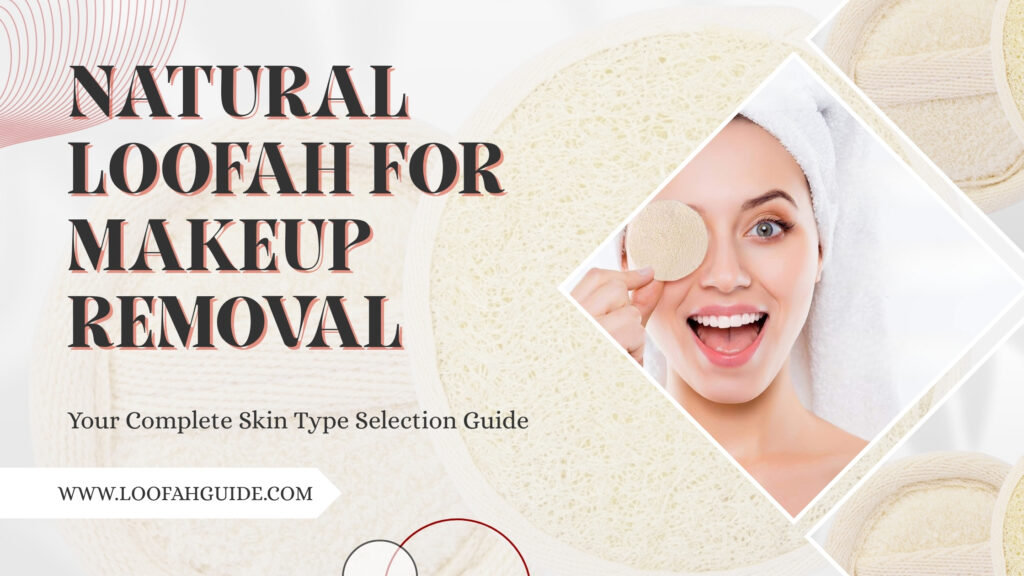
Every evening, millions of people reach for cotton pads, disposable wipes, and plastic-based cleansing tools to remove their makeup. These single-use products generate staggering amounts of waste, with the average person discarding over 1,800 cotton rounds annually for skincare alone. Natural loofah for makeup removal offers a sustainable alternative that outperforms many conventional options while reducing environmental impact and supporting healthier skin over time.
The practice of using plant-based fibers for facial cleansing dates back thousands of years across multiple cultures. Egyptian loofah, grown in the fertile Nile Delta region, represents the gold standard for this application due to unique growing conditions that produce exceptionally fine and flexible fibers. Modern skincare enthusiasts rediscovering this traditional method find that proper loofah selection and technique delivers superior results compared to synthetic alternatives.
This guide focuses on matching natural loofah for makeup removal to your specific skin type and cosmetic needs. You will learn the characteristics that distinguish various loofah grades, understand how fiber texture affects your skin differently based on your unique sensitivity, and discover maintenance practices that maximize both hygiene and product longevity. Whether you purchase individual sponges for personal use or consider wholesale quantities for a small business, this information helps you make informed decisions.
Why Natural Loofah Works for Makeup Removal
Understanding the mechanism behind loofah-based cleansing explains why this natural tool often outperforms synthetic alternatives for thorough yet gentle makeup removal.
The interior structure of a mature loofah consists of interconnected hollow fibers arranged in a complex three-dimensional matrix. This architecture creates thousands of tiny pockets that trap makeup particles, dead skin cells, and excess sebum during cleansing. Unlike flat cloths or smooth silicone pads that merely push products across the skin surface, loofah fibers physically lift and capture debris through their textured network.
When properly hydrated, these natural fibers become remarkably soft while maintaining enough texture to provide effective mechanical exfoliation. The plant-based composition allows loofah to absorb and release water readily, meaning the sponge maintains consistent performance throughout the cleansing process. Synthetic mesh products often become slippery when wet, requiring more pressure to achieve adequate makeup removal.
Natural loofah for makeup removal also provides environmental benefits that appeal to eco-conscious consumers. A single quality loofah replaces hundreds of disposable cotton pads or cleansing wipes over its useful life. At end of life, the plant-based material composts completely within weeks, unlike plastic-based alternatives that persist in landfills for centuries.
The sustainability credentials of Egyptian loofah extend beyond biodegradability. Traditional cultivation practices in the Nile Delta region use minimal chemical inputs and support local agricultural communities. Choosing authentic Egyptian loofah connects your skincare routine to sustainable farming practices with generations of refinement.
How Loofah Exfoliation Supports Skin Health
Regular gentle exfoliation through loofah use provides benefits beyond immediate makeup removal. The mechanical action encourages cell turnover, removes dulling dead cell buildup, and improves product absorption for subsequent skincare steps.
Dermatological research indicates that appropriate exfoliation frequency supports the skin’s natural renewal process without disrupting barrier function. The key lies in matching exfoliation intensity to individual skin tolerance. Natural loofah offers particular advantages in this regard because various grades provide a range of textures from barely perceptible to moderately scrubbing.
Unlike chemical exfoliants that continue working until fully absorbed, mechanical exfoliation through loofah provides precise control over intensity and duration. You decide exactly how much pressure to apply and for how long, making this method particularly suitable for sensitive skin types that react unpredictably to active ingredients.
The following table summarizes exfoliation benefits by skin concern when using appropriate natural loofah grades.
| Skin Concern | Exfoliation Benefit | Recommended Frequency | Loofah Grade |
|---|---|---|---|
| Dullness | Removes dead cell buildup, reveals fresher skin | 3 to 4 times weekly | Fine grade |
| Texture irregularities | Smooths rough patches, evens skin surface | 2 to 3 times weekly | Standard grade |
| Makeup residue buildup | Thoroughly cleanses pores, prevents congestion | Daily or as needed | Fine grade |
| Flakiness | Gently removes loose skin, improves moisturizer absorption | 1 to 2 times weekly | Ultra-fine grade |
| Excess oiliness | Controls sebum, deep cleans pore openings | Daily acceptable | Standard grade |
| Sensitivity | Very gentle cell turnover without irritation | 1 to 2 times weekly | Ultra-fine grade |
Comprehensive Skin Type Guide for Loofah Selection
Choosing natural loofah for makeup removal requires understanding how different fiber characteristics interact with various skin types. This matching process ensures effective cleansing without irritation or damage.
Sensitive Skin Loofah Selection
Sensitive skin responds quickly to physical and chemical stimuli, often with redness, stinging, or inflammation. This reactivity requires careful product selection across all skincare categories, including cleansing tools.
For sensitive skin, seek loofahs specifically graded as ultra-fine or facial-grade with the softest available texture. These products come from the innermost portions of the loofah fruit where fibers remain finest, or from younger harvests before significant fiber development occurs. The resulting texture feels almost silky when properly hydrated.
Preparation proves especially important for sensitive skin users. Soak new loofahs for a minimum of 20 minutes, and consider a second soak with gentle cleanser to ensure complete softening. Some sensitive skin users benefit from briefly microwaving their wet loofah to further soften fibers, though this step remains optional.
Limit loofah makeup removal sessions to two or three times weekly for sensitive skin, using the gentlest possible pressure. On remaining days, use soft cloths or your fingertips for cleansing to provide recovery time between exfoliation sessions.
Normal Skin Loofah Selection
Normal skin tolerates a broader range of products and techniques without adverse reactions. This skin type benefits from natural loofah for makeup removal with fine-grade textures that provide noticeable exfoliation without excessive intensity.
Fine-grade loofah offers the ideal balance for normal skin, providing enough texture to thoroughly remove makeup while remaining gentle enough for regular use. Most normal skin types tolerate loofah cleansing three to five times weekly without issues, though individual responses vary.
Normal skin users can experiment with different grades to find their preferred texture. Starting with fine-grade products and gradually exploring slightly more textured options helps identify optimal intensity without risking irritation. The flexibility normal skin provides makes this experimentation both safe and informative.
Combination Skin Loofah Selection
Combination skin presents unique challenges because different facial zones require different approaches. The forehead, nose, and chin typically produce more oil and tolerate more intensive cleansing, while cheeks and eye areas often behave more like dry or sensitive skin.
For combination skin, standard fine-grade loofah works well across most facial areas, with technique adjustments compensating for zone differences. Apply slightly more pressure and time to oily areas while treating drier zones more gently. This single-product approach proves more practical than using multiple loofahs for different zones.
Alternatively, combination skin users can maintain two loofah grades, using standard texture on the T-zone and ultra-fine grade on cheeks and sensitive areas. This approach requires more products but provides optimized treatment for each zone’s specific needs.
Oily Skin Loofah Selection
Oily skin produces excess sebum that can trap makeup particles and contribute to congestion and breakouts. Natural loofah for makeup removal proves particularly beneficial for this skin type because thorough cleansing helps prevent these issues.
Standard to medium-grade loofah provides appropriate texture for oily skin, offering enough intensity to deeply cleanse pore openings without causing rebound oil production that harsh treatments can trigger. The mechanical action helps dislodge sebum plugs before they develop into blackheads or acne.
Oily skin often tolerates daily loofah use for makeup removal, though monitoring for signs of over-exfoliation remains important. Increased oiliness, unexpected breakouts, or sensitivity development may indicate need to reduce frequency. Most oily skin types thrive with four to six sessions weekly.
Dry Skin Loofah Selection
Dry skin lacks sufficient natural oil production and may show flaking, tightness, or rough texture. While exfoliation helps by removing dead cell buildup that can make dryness appear worse, aggressive techniques worsen the underlying condition.
Ultra-fine to fine-grade loofah suits dry skin best, providing gentle exfoliation that improves moisturizer absorption without stripping already depleted oils. Always follow loofah cleansing immediately with hydrating products to replace moisture lost during the process.
Limit loofah makeup removal sessions to two or three times weekly for dry skin. On alternate days, use oil-based cleansers with fingertips or soft cloths to remove makeup while adding beneficial oils rather than removing them. This balanced approach maintains smooth texture without exacerbating dryness.
Mature Skin Loofah Selection
Mature skin requires particularly gentle treatment due to natural thinning, decreased elasticity, and reduced healing capacity that accompanies aging. However, gentle exfoliation supports cell turnover that helps maintain youthful appearance.
Choose ultra-fine grade loofah with the softest available texture for mature skin. The goal involves achieving light exfoliation without mechanical stress that could contribute to sagging or fine line formation. Let the texture work rather than applying pressure.
| Age Group | Recommended Loofah Grade | Weekly Frequency | Key Precautions |
|---|---|---|---|
| 40 to 50 | Fine to ultra-fine | 2 to 3 times | Avoid stretching skin, use upward motions |
| 50 to 60 | Ultra-fine | 2 times | Very light pressure, focus on gentle lifting |
| 60 plus | Ultra-fine or soft cloth | 1 to 2 times | Consider alternating with non-exfoliating methods |
Mature skin benefits particularly from immediate moisturizer application after loofah use. The mild exfoliation temporarily increases product penetration, making post-cleansing the optimal time for anti-aging serums and treatments.
Matching Loofah to Different Makeup Formulations
Various cosmetic products require different removal approaches. Understanding these differences helps you use natural loofah for makeup removal more effectively based on what you typically wear.
Light Everyday Makeup
Tinted moisturizers, BB creams, light powder foundations, and natural-look cosmetics respond well to gentle loofah cleansing with basic gel or foam cleansers. These formulations lack the heavy adhesive compounds found in long-wear products, making removal relatively straightforward.
For light makeup, ultra-fine or fine-grade loofah provides sufficient texture. A single pass typically achieves complete removal, and the process takes minimal time. This easy removal makes loofah particularly practical for daily users who want effective cleansing without extended routines.
Medium Coverage Foundation and Standard Cosmetics
Standard liquid foundations, powder products, blush, bronzer, and typical mascara require slightly more thorough cleansing. Fine-grade loofah handles these products well when paired with appropriate cleansing products.
The cleansing product matters as much as the loofah grade for medium makeup. Cream or balm cleansers that emulsify makeup particles improve removal efficiency, reducing the need for aggressive scrubbing. Allow cleanser to sit briefly before beginning loofah massage to give products time to break down makeup bonds.
Heavy Coverage and Long-Wear Formulations
Full coverage foundations, setting sprays, long-wear lipsticks, and waterproof products present the greatest removal challenge. These formulations contain adhesive polymers designed to resist sweat, oil, and water, requiring specific strategies for complete removal.
The double cleanse method proves most effective for heavy makeup. First, apply oil-based cleanser or dedicated makeup remover with fingertips, allowing several minutes to dissolve waterproof compounds. Then use fine or standard-grade loofah with foam cleanser to lift remaining residue through mechanical action.
| Makeup Type | Cleanser First Step | Loofah Grade | Technique |
|---|---|---|---|
| Tinted moisturizer | Foam or gel cleanser | Ultra-fine | Single pass, gentle circles |
| Medium foundation | Cream cleanser | Fine | Standard cleansing massage |
| Full coverage foundation | Oil or balm cleanser | Fine to standard | Double cleanse recommended |
| Setting spray | Micellar water | Fine | May need longer cleansing time |
| Waterproof mascara | Dedicated eye makeup remover | Not for eye area | Use soft cloth on eyes |
| Long-wear lip products | Oil cleanser | Fine, small piece | Gentle lip-specific attention |
Practical Guide to Using Natural Loofah for Makeup Removal
Proper technique maximizes effectiveness while protecting your skin from unnecessary irritation. These steps apply regardless of skin type, with pressure and frequency adjustments based on individual needs.
Initial Loofah Preparation
New loofahs require conditioning before facial use. This preparation softens fibers and removes any residual plant material from processing.
Submerge the loofah in warm water for 15 to 20 minutes, allowing complete fiber saturation. Add a small amount of gentle cleanser to the soaking water for additional softening. After soaking, squeeze the loofah multiple times under running water until runoff appears completely clear.
This preparation transforms dry, somewhat scratchy loofah into a soft, pliable cleansing tool appropriate for facial skin. Skipping this step represents the most common cause of loofah-related skin irritation.
Daily Use Technique
Before each use, briefly re-wet your loofah under warm running water and squeeze to achieve damp but not dripping consistency. Apply your chosen cleanser directly to the loofah surface and work into a light lather using your fingers.
Beginning at the forehead, use gentle circular motions to cleanse across facial skin, avoiding direct contact with the immediate eye area. Work methodically across cheeks, nose, chin, and jawline, adjusting pressure based on zone sensitivity. The entire process should take between one and three minutes depending on makeup heaviness.
Rinse your face thoroughly with lukewarm water, then finish with a cool water splash to help close pores after exfoliation. Follow immediately with toner and regular skincare products.
Technique Adjustments by Skin Type
| Skin Type | Pressure Level | Motion Type | Session Duration |
|---|---|---|---|
| Sensitive | Very light, let texture work | Gentle circles, minimal passes | 1 to 2 minutes |
| Normal | Light to moderate | Circles and upward strokes | 2 to 3 minutes |
| Combination | Varies by zone | T-zone more thorough, cheeks gentle | 2 to 3 minutes |
| Oily | Moderate | Thorough circles, focus on pores | 2 to 4 minutes |
| Dry | Light | Gentle circles, avoid dry patches | 1 to 2 minutes |
| Mature | Very light, upward motions | Lifting strokes, no stretching | 1 to 2 minutes |
Hygiene and Care for Long-Lasting Loofah Performance
Proper maintenance ensures your loofah remains hygienic and effective throughout its useful life. These practices prevent bacterial growth while maximizing product longevity.
Post-Use Care Routine
After every makeup removal session, rinse your loofah thoroughly under running water. Squeeze firmly multiple times to expel cleanser, makeup residue, and skin debris trapped within the fiber matrix. Continue rinsing until water runs completely clear.
Hang the loofah in a location with good air circulation for complete drying between uses. Avoid storing loofah in enclosed spaces like medicine cabinets or shower caddies where humidity remains high. A well-ventilated area outside the bathroom provides ideal drying conditions.
Bacteria require moisture to multiply, and thorough drying represents your primary defense against microbial colonization. A loofah that never fully dries will develop odor and potentially harbor harmful organisms regardless of other care practices.
Weekly Deep Cleaning Protocol
Once weekly, sanitize your facial loofah through deep cleaning to eliminate accumulated bacteria and residue. Several effective methods exist, allowing you to choose based on available materials.
The vinegar method involves soaking the loofah in a solution of one part white vinegar to four parts water for 30 minutes. Vinegar’s acidity kills most common bacteria while remaining gentle on natural fibers. Rinse thoroughly after soaking.
Alternatively, the boiling method provides more intensive sanitization. Submerge the loofah in boiling water for 2 to 3 minutes, then allow to cool completely before use. This method may slightly shorten loofah lifespan but provides superior disinfection.
Replacement Schedule and Indicators
Even with perfect care, facial loofahs require regular replacement to maintain hygiene and effectiveness. The following table helps identify replacement timing.
| Indicator | Description | Action Required |
|---|---|---|
| Time in use | 3 to 4 weeks for facial loofah | Replace on schedule |
| Persistent odor | Smell remains after cleaning | Replace immediately |
| Fiber breakdown | Visible deterioration or shedding | Replace immediately |
| Discoloration | Color changes beyond normal use | Replace within days |
| Reduced effectiveness | Makeup not removing as easily | Replace soon |
| Loss of texture | Fibers feel smooth or matted | Replace soon |
Maintaining a replacement schedule ensures you always have fresh loofah available. Consider purchasing multiple units to have backup supply ready, particularly if you source from specialty suppliers with shipping lead times.
Environmental Impact and Sustainable Skincare Choices
Choosing natural loofah for makeup removal aligns with broader sustainable living practices that benefit both personal health and environmental wellbeing.
The single-use nature of cotton pads, cleansing wipes, and similar products creates significant waste. A person removing makeup daily with disposable products generates approximately five pounds of waste annually from this single routine. Over a lifetime, this accumulates to hundreds of pounds of material destined for landfills.
Natural loofah eliminates this waste stream entirely. Each loofah serves for approximately one month, meaning 12 loofahs replace over 1,800 cotton rounds annually. At end of life, the plant-based material composts completely within weeks, returning nutrients to soil rather than occupying landfill space indefinitely.
The cultivation of Egyptian loofah supports sustainable agriculture in the Nile Delta region. Traditional farming methods use minimal chemical inputs, and the plant’s vine growth habit allows cultivation alongside other crops. Purchasing authentic Egyptian loofah connects your skincare routine to agricultural communities maintaining generations-old sustainable practices.
For those interested in deeper sustainability engagement, consider purchasing wholesale quantities even for personal use. Larger orders reduce per-unit packaging and shipping impact while ensuring you maintain adequate supply. Many suppliers offer bulk options accessible to individual consumers.
FAQ Section
Q1: How do I know if my skin is too sensitive for natural loofah makeup removal?
A: Signs of sensitivity to loofah include redness lasting more than 15 minutes after use, stinging or burning sensations during cleansing, or increased breakouts following loofah sessions. If you experience these symptoms, try switching to ultra-fine grade loofah, reducing frequency to once weekly, or extending preparation soaking time. Some genuinely sensitive skin may not tolerate any mechanical exfoliation, in which case soft cloths or fingertip cleansing provide alternatives.
Q2: Can I use the same loofah for body and facial makeup removal?
A: We recommend maintaining separate loofahs for face and body use. Body-grade loofahs typically feature coarser texture inappropriate for delicate facial skin, and using the same product on both areas can transfer bacteria between zones. Purchase facial-specific loofahs for makeup removal and keep body loofahs separate. The small additional cost provides meaningful benefits for skin health and hygiene.
Q3: What is the best way to store multiple loofahs if I purchase in quantity?
A: Store unused loofahs in their original packaging in a cool, dry location away from direct sunlight and humidity. A bedroom closet or linen closet typically provides appropriate conditions. Properly stored natural loofah maintains quality for twelve to eighteen months, allowing bulk purchasing without quality degradation. Only remove individual loofahs from storage when placing into active use.
Q4: Does natural loofah remove mineral makeup as effectively as liquid foundations?
A: Natural loofah actually excels at removing mineral makeup compared to many alternatives. Mineral particles tend to settle into fine lines and pores throughout the day, and the three-dimensional fiber structure of loofah reaches these areas more thoroughly than flat cloths or smooth pads. Use gentle circular motions to allow fibers to lift settled particles, and you may find mineral makeup removal easier than liquid foundation removal.
Q5: How can I tell the difference between quality Egyptian loofah and lower-grade products?
A: Quality Egyptian loofah displays uniform fiber consistency without large variation in texture across the sponge surface. Fibers should feel flexible rather than brittle when dry, and should soften significantly after brief soaking. Lower-grade products often show patchy fiber density, excessive stiffness, or unpleasant odor. Purchasing from established suppliers with documented Egyptian sourcing helps ensure authentic quality products.
Q6: Is loofah safe to use around the eye area for removing eye makeup?
A: We recommend avoiding direct loofah contact with eyelids and the immediate under-eye area due to skin delicacy in these zones. Use dedicated eye makeup remover with soft cotton pads or microfiber cloths for mascara and eyeshadow removal. Loofah works well for removing foundation and concealer from outer eye areas and cheekbones, but direct eyelid contact risks irritation even with ultra-fine grades.
Q7: Can I sanitize my loofah in the microwave?
A: Microwaving provides effective sanitization for natural loofah when done correctly. Wet the loofah thoroughly, squeeze out excess water, and microwave on high for 30 seconds to one minute. Allow to cool completely before handling or use. This method kills bacteria and can help soften stubborn fibers. However, never microwave a dry loofah, as this creates fire risk. Weekly microwave sanitization can replace or supplement vinegar soaking.
Q8: Where can I purchase high-quality facial-grade loofah for makeup removal?
A: Quality facial-grade loofah is available through specialty skincare retailers, natural product stores, and directly from Egyptian loofah suppliers. For consistent quality, seek suppliers with documented sourcing from Egypt’s Nile Delta region and available product grading information. Online purchasing allows access to premium grades that may not stock in local retail. Sample orders help evaluate quality before committing to regular purchasing from any new supplier.
Expert Insight from Egexo
Through decades of loofah cultivation in Egypt, we have observed that successful facial use depends primarily on two factors: proper grade selection and adequate preparation. Many consumers who experience irritation simply used body-grade products on their face, or applied dry loofah without sufficient hydration.
For makeup removal specifically, we recommend our finest facial grades, harvested young and processed to maintain maximum softness. The difference between facial-grade and body-grade loofah becomes immediately apparent during use. Taking time to properly prepare new loofah through extended soaking transforms the product from scratchy to silky, making it suitable for even relatively sensitive facial skin.
Our recommendation for consumers exploring natural loofah for makeup removal is to begin with ultra-fine grade regardless of your skin type. Starting gentle allows you to experience proper loofah texture without risk, and you can explore slightly more textured options once comfortable with the technique.
Conclusion
Natural loofah for makeup removal combines effective cleansing with sustainable practices that benefit both your skin and the environment. Understanding how to match loofah grade to your specific skin type ensures comfortable, irritation-free experiences while achieving thorough makeup removal that supports healthy skin.
Key Takeaways:
- Match loofah texture to your skin type, starting with gentler grades if uncertain
- Proper preparation through thorough soaking is essential before first facial use
- Complete drying between uses prevents bacterial growth and extends product life
- Replace facial loofahs every three to four weeks regardless of visual appearance
- Double cleanse method works best for heavy or waterproof makeup removal
- Quality Egyptian loofah provides superior fiber consistency for facial applications
Ready to experience natural loofah quality?
- For Wholesale Buyers: Request a quote at https://egexo.com/get-quotation-loofah-wholesale/ or download the catalog at https://egexo.com/wp-content/uploads/2025/08/EGEXO-Loofah-Wholesale-Supplier-Product-Catalog.pdf
- For Individual Orders: Shop the collection at https://egexo.com/shop or order samples at https://egexo.com/request-loofah-samples/