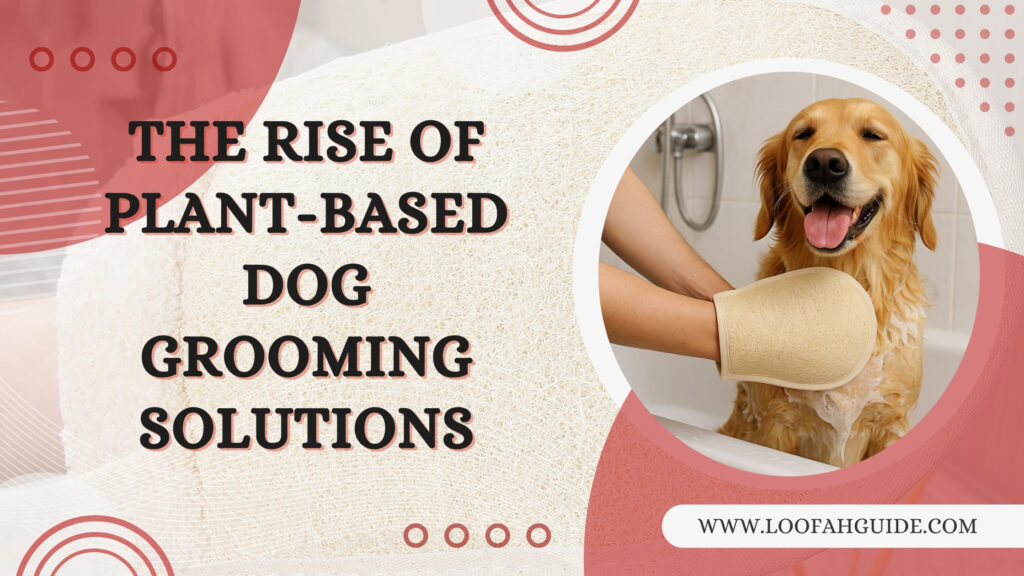
Pet grooming practices have transformed dramatically over the past decade as animal owners recognize connections between product choices and pet wellness outcomes. Research published by veterinary dermatology specialists indicates that approximately 35 percent of dogs experience some form of skin sensitivity, with synthetic grooming materials identified as contributing factors in many cases. This reality drives growing interest in natural pet grooming alternatives that work effectively without triggering adverse reactions.
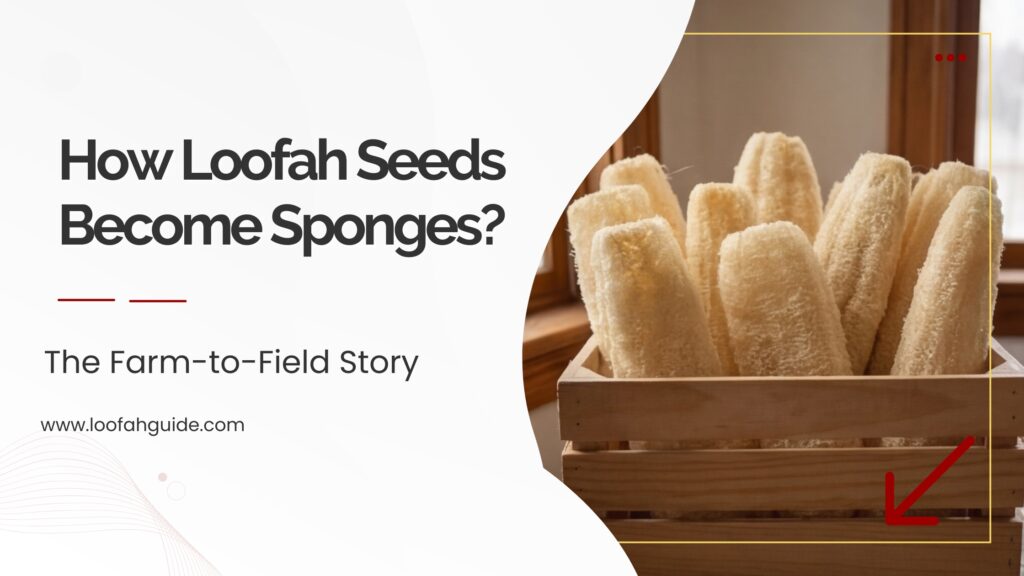
Loofah sponges for dog bathing offer a time-tested solution rooted in agricultural tradition rather than industrial chemistry. The loofah plant, scientifically known as Luffa aegyptiaca, produces a fibrous interior that humans have utilized for cleaning purposes across multiple civilizations spanning thousands of years. Applying this same gentle yet effective material to animal grooming represents a logical extension of its proven capabilities.
Egyptian loofah specifically has earned recognition as the premier variety for demanding grooming applications. The unique combination of Nile Delta growing conditions produces fiber structures with optimal density and flexibility for working through animal coats. Suppliers like Egexo, operating with over 25 years of cultivation expertise, have refined growing and processing techniques that maximize these natural advantages.
Whether you seek guidance for bathing your own dogs at home or require information supporting business decisions about grooming product inventory, this comprehensive resource addresses practical questions about selecting, using, and maintaining loofah for canine care. Professional groomers and pet care retailers will find valuable specifications and sourcing considerations alongside the hands-on techniques beneficial for individual pet owners.
How Loofah Fiber Structure Benefits Canine Coats
The Science Behind Natural Fiber Effectiveness
Understanding why loofah works so well for dog grooming requires examining the physical properties distinguishing natural plant fibers from manufactured alternatives. This knowledge helps both consumers making purchase decisions and business buyers evaluating product quality.
Loofah fibers grow in an interconnected matrix pattern within the developing fruit. As the plant matures, these fibers strengthen and develop a characteristic texture combining flexibility with structural integrity. When properly harvested and processed, the resulting loofah exhibits thousands of tiny surface variations that create effective cleaning action through mechanical contact rather than chemical abrasion.
This fiber architecture allows loofah to adapt to varying coat textures encountered across different dog breeds. The fibers flex when encountering resistance, preventing the scratching and pulling that rigid synthetic bristles often cause. Simultaneously, the fiber network maintains enough structure to effectively lift dirt, distribute oils, and capture loose fur during grooming sessions.
The cellular structure of loofah plant material also provides natural antimicrobial properties. Laboratory analysis demonstrates that properly dried loofah resists bacterial colonization more effectively than many synthetic sponge materials. This characteristic proves particularly valuable for pet grooming applications where tools contact skin and are stored between uses.
Water absorption capacity represents another key advantage. Natural loofah absorbs and holds water exceptionally well, facilitating even shampoo distribution and thorough rinsing during bathing. Synthetic materials often shed water rather than absorbing it, requiring more product and extended rinsing time to achieve comparable results.
Comparing Natural and Synthetic Grooming Materials
Direct comparison reveals measurable differences between grooming tool categories. These distinctions matter for pet owners prioritizing animal comfort and for businesses positioning products within competitive markets.
| Characteristic | Natural Loofah | Plastic Mesh Sponge | Silicone Brush | Nylon Bristle Brush |
|---|---|---|---|---|
| Fiber Flexibility | High natural give | Moderate to low | High | Very low |
| Skin Contact Gentleness | Excellent | Variable | Good | Poor for sensitive dogs |
| Cleaning Effectiveness | High | Moderate | Low to moderate | Moderate |
| Shampoo Distribution | Even throughout coat | Superficial only | Minimal absorption | Does not absorb |
| Loose Fur Capture | Excellent | Poor | Moderate | Moderate |
| Microplastic Release | None | Continuous | None | Moderate |
| Composting Potential | Fully compostable | Not compostable | Not compostable | Not compostable |
| Typical Cost Range | Low to moderate | Very low | Moderate to high | Low to moderate |
This comparison demonstrates why using loofah for dog brushing and bathing provides superior results for many applications. The combination of gentleness, effectiveness, and environmental responsibility creates compelling value propositions for eco-conscious consumers and sustainability-focused retailers alike.
For detailed information about quality standards that distinguish premium loofah from inferior products, visit https://egexo.com/loofah-quality-standards/ where grading criteria and testing protocols receive thorough explanation.
Selecting Appropriate Loofah Products for Your Dog
Matching Loofah Characteristics to Breed Requirements
Successful natural pet grooming depends significantly on appropriate product selection. Dogs vary enormously in size, coat type, and skin sensitivity, requiring thoughtful matching of loofah characteristics to individual animal needs.
Toy and small breeds weighing under 10 kilograms typically benefit from softer loofah with finer fiber density. These diminutive dogs often have delicate skin proportional to their size, making gentler contact essential. Loofahs measuring approximately 8 to 12 centimeters provide adequate coverage while remaining manageable for small body surface areas. Breeds including Maltese, Pomeranians, and Miniature Pinschers fall within this category.
Medium breeds ranging from 10 to 25 kilograms represent the largest segment of companion dogs and respond well to versatile moderate-density loofahs. These products offer balanced performance across varied coat textures commonly found in this size range. Loofahs measuring 12 to 18 centimeters suit breeds like Cocker Spaniels, Bulldogs, and Standard Schnauzers effectively.
Large breeds exceeding 25 kilograms require substantial loofahs with robust fiber structure capable of withstanding vigorous bathing sessions. The extended body surface area of breeds like Labrador Retrievers, German Shepherds, and Boxers demands loofahs measuring 18 to 25 centimeters or larger. Firmer fiber density ensures adequate penetration through dense double coats common in this size category.
Giant breeds present unique considerations due to their exceptional size and often thick, heavy coats. Great Danes, Saint Bernards, and Mastiffs benefit from the largest available loofahs with premium-grade fiber density. Some owners of giant breeds prefer using multiple loofahs during single bathing sessions, replacing saturated products mid-bath to maintain cleaning effectiveness.
Quality Assessment for Informed Purchasing
Evaluating loofah quality before purchase protects both individual consumers and business buyers from substandard products. Several observable characteristics indicate quality level.
| Quality Indicator | What to Look For | Warning Signs |
|---|---|---|
| Fiber Uniformity | Consistent density throughout product | Patchy areas with thin or missing fibers |
| Structural Soundness | Maintains shape when handled | Crumbling, flaking, or excessive softness |
| Color Consistency | Even cream to light tan coloration | Dark spots, mold indicators, or bleaching |
| Aroma | Mild natural plant scent | Musty, chemical, or decay odors |
| Flexibility | Returns to original shape after compression | Permanent deformation or brittleness |
| Surface Integrity | Smooth continuous fiber coverage | Holes, tears, or exposed inner cavity |
Wholesale buyers should establish quality verification protocols before committing to supplier relationships. Requesting samples allows hands-on assessment against these criteria. Egexo provides sample programs enabling business customers to evaluate products before large purchases through https://egexo.com/request-loofah-samples/.
Understanding the journey from farm to finished product helps contextualize quality factors. The cultivation, harvesting, and processing stages each influence final product characteristics. Learn about this complete process at https://egexo.com/loofah-farm-to-export-process/ for deeper appreciation of quality determinants.
Complete Dog Bathing Protocol Using Loofah
Pre-Bath Preparation Steps
Effective loofah bathing requires systematic preparation ensuring smooth, efficient grooming sessions. These steps apply whether bathing dogs at home or operating professional grooming facilities.
Remove tangles and mats from your dog’s coat before water contact. Using loofah for dog brushing on dry coats addresses surface debris and begins loosening embedded dirt. This preliminary attention prevents wet tangles from tightening during bathing, which causes discomfort and complicates thorough cleaning.
Assemble all required materials within immediate reach: loofah, pet-appropriate shampoo, towels, and optional conditioning products. For professional setups, organized stations with pre-positioned supplies maximize appointment efficiency. Having everything accessible prevents mid-bath interruptions that stress animals and extend session duration.
Condition your loofah by soaking it in warm water for approximately 3 minutes before use. This saturation softens natural fibers to optimal pliability, ensuring comfortable contact with your dog’s skin. The pre-soaked loofah also distributes shampoo more evenly than dry fiber would allow.
Verify water temperature before wetting your dog. Comfortable bathing water measures approximately 37 to 39 degrees Celsius, similar to body temperature. Water that feels neutral or slightly warm against your inner wrist typically falls within this acceptable range. Both excessively hot and cold water cause animal distress and may trigger skin reactions.
Prepare the bathing area to contain water and provide secure footing for your dog. Non-slip mats prevent accidents during bathing, while barriers or enclosures minimize mess from inevitable shaking. Professional grooming facilities should maintain standardized station configurations ensuring consistent safe conditions across all appointments.
Step-by-Step Bathing Technique
With preparation complete, systematic bathing technique maximizes loofah effectiveness while minimizing animal stress. The following sequence works for most dogs regardless of size or coat type.
Wet your dog thoroughly from neck to tail, initially avoiding the head and face. Most dogs tolerate body wetting better than facial water exposure, making this approach less stressful. Use consistent water pressure and temperature throughout the wetting phase, ensuring complete saturation before introducing shampoo.
Apply shampoo directly to your pre-soaked loofah rather than onto the dog. Approximately one tablespoon suits small dogs, scaling upward to three or four tablespoons for large breeds. Work the loofah gently to develop initial lather before contact with the coat.
Begin loofah application at the shoulders, using circular motions while moving systematically across the body. Natural pet grooming emphasizes methodical coverage ensuring no areas receive inadequate attention. The circular action stimulates circulation while the loofah texture lifts dirt and debris from coat and skin.
Progress from shoulders down the back, then address sides, chest, and belly. Pay particular attention to areas prone to oil and dirt accumulation including armpits, the collar zone, and groin regions. The flexibility of natural loofah allows it to conform to body contours that rigid brushes cannot reach effectively.
Legs and paws require dedicated attention despite their relatively small surface area. Dirt concentrates in these regions due to ground contact, while the spaces between toes harbor debris that causes irritation if not removed. Use gentle loofah pressure with thorough coverage around each paw.
Address the head and face last, using minimal shampoo and careful technique around eyes and ears. Some groomers prefer smaller loofah pieces or dedicated facial products for this delicate work. Always work away from eye areas to prevent shampoo contact.
Rinse thoroughly using clean water flowing from head to tail. Gravity assists in carrying suds away from the face when rinsing progresses in this direction. Continue rinsing until water runs completely clear with no visible or tactile residue remaining in the coat.
For additional product resources including loofahs specifically designed for pet applications, explore the selection at https://egexo.com/product-category/loofah-pet-spa-grooming/ featuring products suited for both home and professional use.
Dry Loofah Brushing for Between-Bath Maintenance
Benefits of Regular Dry Grooming Sessions
Natural pet grooming extends beyond occasional bathing to include regular maintenance between full wash sessions. Using loofah for dog brushing when dry delivers multiple benefits that improve coat health while reducing overall grooming effort.
Dead coat removal ranks among the most valuable dry brushing benefits. Dogs shed continuously, with seasonal peaks during coat transitions. Regular loofah sessions capture loose fur before it deposits on furniture, flooring, and clothing. This proactive approach reduces household cleaning demands significantly compared to allowing shed accumulation.
Skin exfoliation through gentle loofah contact removes dead skin cells contributing to dander. Allergy sufferers sharing homes with dogs often report symptom improvement when pets receive consistent loofah maintenance. The physical removal of dander at its source reduces airborne allergen loads more effectively than air filtration alone.
Circulation stimulation from loofah massage increases blood flow to hair follicles, promoting healthier coat growth and improved natural shine. Dogs recovering from skin conditions or exhibiting dull, lackluster coats often show visible improvement within weeks of beginning regular loofah grooming routines.
Oil distribution represents another key benefit. Natural sebaceous secretions concentrate near hair roots, leaving coat ends dry and prone to damage. Loofah brushing moves these protective oils outward along hair shafts, improving moisture balance and reducing static electricity that causes tangling in longer coats.
Recommended Brushing Frequencies and Techniques
Optimal brushing schedules vary based on coat characteristics and shedding patterns. The following guidelines provide starting points adjustable based on individual dog responses.
| Coat Category | Typical Examples | Suggested Frequency | Session Length |
|---|---|---|---|
| Short Single Coat | Greyhound, Boxer, Dalmatian | Two to three times weekly | 5 to 8 minutes |
| Short Double Coat | Labrador, Rottweiler, Beagle | Three to four times weekly | 8 to 12 minutes |
| Medium Length | Golden Retriever, Border Collie, Australian Shepherd | Daily during shedding, otherwise three times weekly | 10 to 15 minutes |
| Long Coat | Shih Tzu, Afghan Hound, Collie | Three to four times weekly | 15 to 20 minutes |
| Wire or Rough Coat | Terriers, Schnauzer, Wirehaired Pointer | Two to three times weekly | 10 to 12 minutes |
| Curly Coat | Poodle, Bichon Frise, Portuguese Water Dog | Two times weekly | 12 to 18 minutes |
During heavy shedding seasons, typically spring and fall for most breeds, increase frequency regardless of coat type. Some dogs benefit from brief daily sessions during peak shedding rather than longer less frequent grooming.
Always brush in the direction of natural coat growth except when specifically working to lift undercoat. Finish each session with smoothing strokes following the coat direction to settle fur into proper position. End on a positive note with treats or praise reinforcing grooming as an enjoyable experience.
Professional and Business Applications
Market Opportunity Analysis for Pet Industry Retailers
The natural pet care segment demonstrates sustained growth creating opportunities for businesses positioned to serve evolving consumer preferences. Understanding market dynamics helps retailers, groomers, and distributors capitalize on these trends.
Industry analysts project the global natural pet care market will expand from current valuations exceeding 8 billion USD to approximately 14 billion USD by decade end. This growth trajectory reflects broader consumer movements toward environmental responsibility extending into pet product purchases.
Natural grooming products specifically represent roughly one quarter of overall natural pet care spending. Loofah-based tools benefit from widespread consumer familiarity with loofah as a trusted natural material already present in many bathrooms. This existing positive association reduces educational barriers compared to less familiar natural product categories.
Demographic research identifies Millennial and Generation Z pet owners as primary growth drivers. These consumers demonstrate willingness to pay significant premiums for verified natural products with authentic origin stories and demonstrated sustainability benefits. Businesses offering genuine Egyptian loofah with documented provenance capture this premium market segment effectively.
Geographic analysis reveals strongest natural pet product demand in North America, Western Europe, Australia, and increasingly in Asian metropolitan markets. Retailers and distributors serving these regions find natural pet grooming products among their fastest-growing inventory categories.
Wholesale Purchasing and Supplier Evaluation
Business buyers require systematic approaches to supplier evaluation and wholesale purchasing. Several factors distinguish reliable partners from problematic suppliers.
Consistent product quality across orders represents the foundational supplier requirement. Batch-to-batch variation in loofah characteristics creates customer service problems and damages brand reputation. Suppliers should demonstrate quality control processes ensuring uniformity throughout their production operations.
Supply reliability matters particularly for businesses building customer expectations around product availability. Suppliers maintaining adequate inventory levels and demonstrating consistent fulfillment capabilities protect against stock-out situations damaging customer relationships.
Flexible minimum order quantities accommodate businesses at various growth stages. New retailers testing product categories need accessible entry points, while established operations require scaling capacity. Quality suppliers offer MOQ structures serving both needs appropriately.
Customization capabilities distinguish suppliers positioned for partnership from those offering only commodity products. Custom sizing, private labeling, and specialized product configurations allow retailers to differentiate offerings and build brand identity. Egexo provides comprehensive customization through services detailed at https://egexo.com/custom-loofah-product-design/ and https://egexo.com/private-label-loofah-manufacturing/.
Documentation and certification verify claims about product origin and processing standards. Suppliers should provide origin documentation, quality certifications, and processing details supporting marketing claims and satisfying increasingly curious consumers.
For wholesale inquiries and pricing information, contact Egexo through https://egexo.com/get-quotation-loofah-wholesale/ or download the complete product catalog at https://egexo.com/wp-content/uploads/2025/08/EGEXO-Loofah-Wholesale-Supplier-Product-Catalog.pdf for detailed specifications and ordering information.
Loofah Maintenance and Hygiene Protocols
Maximizing Product Lifespan
Proper care practices significantly extend loofah useful life while maintaining hygiene standards essential for pet grooming applications. These protocols apply equally to home users and commercial operations.
Post-use rinsing removes shampoo residue, dirt, and debris captured during grooming sessions. Squeeze your loofah firmly multiple times under clean running water until discharge runs clear. This simple practice prevents buildup that accelerates fiber degradation and creates conditions favoring bacterial growth.
Thorough drying between uses represents the most critical maintenance factor. Natural loofah fibers retain moisture that promotes mold and bacterial colonization if not adequately dried. Hang loofahs in well-ventilated locations allowing air circulation around all surfaces. Avoid enclosed storage until completely dry, typically requiring 12 to 24 hours depending on ambient humidity.
Weekly sanitization maintains hygienic standards without damaging natural fibers. Prepare a solution combining one part white vinegar with four parts water. Soak the loofah for 15 to 20 minutes, then rinse thoroughly and dry completely. This natural sanitization kills bacteria effectively without introducing harsh chemicals contacting your pet during subsequent use.
For commercial grooming operations, implement designated loofah rotation systems ensuring adequate drying time between uses. Consider individual loofahs per bathing station with replacement schedules based on usage volume. High-volume facilities may require daily or every-other-day replacement to maintain quality and hygiene standards.
Recognizing Replacement Indicators
Knowing when loofahs require replacement ensures continued grooming effectiveness and hygiene. Multiple indicators signal replacement time regardless of calendar age.
Visual deterioration signs include visible fiber thinning, hole development, structural breakdown, and persistent discoloration resisting cleaning efforts. Any dark spots potentially indicating mold growth warrant immediate replacement regardless of overall product condition.
Tactile changes signaling replacement include loss of structural resilience, persistent mushiness that does not firm with drying, and development of slippery or slimy surface texture. These changes indicate internal fiber breakdown or bacterial colonization requiring disposal.
Performance degradation also indicates replacement needs. Loofahs failing to create adequate lather, spreading rather than lifting dirt, or leaving residue despite normal technique have exceeded useful service life.
General replacement schedules suggest 4 to 6 weeks for home use with weekly bathing. Commercial operations should establish replacement frequencies based on usage volume, potentially requiring weekly or more frequent changes for high-throughput facilities.
Natural loofah disposal contributes positively to environmental outcomes. Spent loofahs compost completely within approximately 30 days, returning plant material to soil without lasting environmental impact. Add expired loofahs to compost bins, garden beds, or yard waste collection for proper end-of-life handling.
Expert Insight from Egexo
With over 25 years dedicated to Egyptian loofah cultivation and export, our team offers perspective refined through extensive experience serving demanding international markets including pet care applications:
Harvest timing dramatically influences loofah performance for pet grooming. We select loofahs at precise maturity stages when fiber development reaches optimal balance between flexibility and structural integrity. Too early harvest produces weak fibers lacking cleaning effectiveness, while delayed harvest creates excessive rigidity uncomfortable against animal skin. Our protocols ensure every loofah reaches peak condition for demanding grooming applications.
Pet industry wholesale buyers should request multiple quality grade samples before finalizing product selections. The tactile differences between grades prove particularly significant for animal applications where comfort directly impacts owner satisfaction and repeat purchasing. Understanding our grading system helps match products to specific market positioning and price points.
Egyptian loofah maintains superiority for pet grooming due to growing conditions unique to the Nile Delta region. The combination of mineral-rich soil, consistent climate patterns, and generations of refined cultivation technique produces fiber density and uniformity unmatched by loofahs from other origins. This quality difference translates directly to performance advantages pet owners readily perceive. Learn more about our quality standards at https://egexo.com/loofah-quality-standards/ and discover why informed buyers choose Egexo at https://egexo.com/why-choose-egexo-loofah-supplier/.
Frequently Asked Questions
Q1: What makes loofah better than plastic brushes for dog bathing?
A: Loofah sponges for dog bathing offer several advantages over plastic alternatives. The natural fiber structure flexes and adapts to coat contours rather than scratching across the surface. Loofah absorbs water and shampoo, distributing product evenly throughout the coat. Unlike plastic brushes that shed microplastics into waterways, natural loofah decomposes completely after disposal. Many dogs with sensitive skin tolerate loofah contact better than they tolerate synthetic materials, reducing irritation and grooming resistance.
Q2: How long does a pet grooming loofah typically last?
A: With proper care including thorough rinsing after each use, complete drying between sessions, and weekly sanitization, pet grooming loofahs typically last 4 to 6 weeks in home use scenarios with weekly or biweekly bathing. Commercial grooming operations with higher usage volumes may need replacement weekly or even more frequently. Replace loofahs immediately if they develop odors, visible mold, or significant structural deterioration regardless of age.
Q3: Can I use the same loofah for bathing and dry brushing?
A: Yes, the same loofah works effectively for both wet bathing and dry brushing applications. However, some pet owners prefer dedicated products for each purpose. Using loofah for dog brushing when dry requires firmer fiber than wet bathing applications, so if maintaining single products, select moderate density loofahs providing acceptable performance across both uses. Ensure complete drying between wet and dry grooming sessions.
Q4: What size loofah should I choose for my dog?
A: Loofah size selection depends on your dog’s body size. Small breeds under 10 kilograms benefit from loofahs measuring 8 to 12 centimeters. Medium breeds from 10 to 25 kilograms suit loofahs measuring 12 to 18 centimeters. Large breeds over 25 kilograms require loofahs measuring 18 to 25 centimeters or larger. When uncertain, slightly larger products provide more versatility than undersized options that require excessive repositioning during grooming.
Q5: Is loofah safe for dogs with skin allergies or sensitivities?
A: Natural pet grooming with loofah often benefits dogs experiencing skin sensitivities because plant-based fibers lack the synthetic compounds triggering reactions in some animals. The gentle texture of properly selected loofah provides effective cleaning without aggressive abrasion. For dogs with diagnosed skin conditions, consult your veterinarian before introducing new grooming tools. Begin with softer loofah grades and observe skin response before progressing to firmer products.
Q6: Where can businesses source quality loofah for pet grooming product lines?
A: Wholesale buyers should seek suppliers demonstrating consistent quality, reliable fulfillment, and appropriate certifications. Egexo specializes in Egyptian loofah wholesale supply with over 25 years of cultivation experience. Their offerings include standard products and custom configurations for pet grooming applications. Request information at https://egexo.com/get-quotation-loofah-wholesale/ or visit https://wholesaleloofah.com/ for additional wholesale resources.
Q7: How does Egyptian loofah differ from loofah grown elsewhere?
A: Egyptian loofah benefits from ideal growing conditions in the Nile Delta including mineral-rich alluvial soil, consistent Mediterranean climate, and refined cultivation techniques developed over generations. These factors produce loofahs with superior fiber density, uniformity, and durability compared to varieties grown in other regions. The enhanced fiber structure translates to better performance and longer useful life in demanding applications like pet grooming.
Conclusion
Natural pet grooming with loofah represents a practical choice benefiting animals, owners, and the environment simultaneously. The gentle effectiveness of plant-based fibers provides thorough cleaning without the irritation risks or environmental costs associated with synthetic alternatives.
Loofah sponges for dog bathing work across all breed sizes when appropriate products are selected based on coat type and animal sensitivity. Using loofah for dog brushing between baths maintains coat health while reducing shedding-related household cleaning demands. These versatile natural tools earn their place in grooming routines for individual pet owners and professional facilities alike.
Egyptian loofah from established suppliers like Egexo offers quality assurance that budget alternatives cannot match. The combination of superior growing conditions, refined cultivation techniques, and rigorous quality standards produces loofahs with performance characteristics discerning users readily appreciate.
Key Takeaways:
- Natural loofah fiber structure provides gentle yet effective cleaning suited to canine skin and coat requirements
- Proper loofah selection based on dog size and coat type optimizes grooming outcomes
- Regular dry brushing with loofah reduces shedding, improves circulation, and maintains coat health between baths
- Growing market demand for natural pet products creates opportunities for retailers and groomers
- Proper maintenance extends loofah lifespan while ensuring hygienic grooming conditions
Ready to explore Egyptian loofah quality?
- For Wholesale Buyers: Request pricing at https://egexo.com/get-quotation-loofah-wholesale/ or download the product catalog at https://egexo.com/wp-content/uploads/2025/08/EGEXO-Loofah-Wholesale-Supplier-Product-Catalog.pdf
- For Individual Orders: Browse the pet grooming selection at https://egexo.com/product-category/loofah-pet-spa-grooming/ or request samples at https://egexo.com/request-loofah-samples/