Demystifying the Natural Loofah
So what is the deal with loofahs anyway? This question surfaces constantly among skincare enthusiasts, eco conscious shoppers, and business owners seeking natural product alternatives. The answer reveals a surprisingly rich story involving ancient agriculture, modern sustainability movements, and genuine skincare science that benefits everyone from individual consumers to international distributors.
Loofahs rank among the most commonly misidentified products in personal care. Surveys indicate that nearly 60 percent of consumers mistakenly believe loofahs come from the ocean, confusing them with sea sponges. In reality, every loofah begins life as a climbing vine in the gourd family, cultivated across warm climate regions with Egypt dominating global production at roughly 35 percent market share.
The natural loofah industry processes more than 50,000 metric tons annually, serving markets ranging from luxury spas to everyday households. For businesses exploring wholesale loofah opportunities, understanding product fundamentals enables smarter purchasing decisions. Individual consumers gain equally valuable knowledge for selecting quality products and maximizing their benefits.
This guide compiles insights from industry leaders including Egexo, an Egyptian loofah specialist with over 25 years of cultivation and export expertise. By the time you finish reading, you will understand loofah origins, quality indicators, proper usage techniques, and purchasing considerations whether you need one loofah or ten thousand.
The growing demand for sustainable personal care products makes loofah knowledge increasingly relevant. Natural loofahs biodegrade completely, release zero microplastics, and deliver superior exfoliation compared to synthetic alternatives. These advantages explain why informed consumers and forward thinking businesses choose natural loofahs over petroleum based products.
The Botanical Reality Behind Loofahs
Loofah Plant Biology and Growth
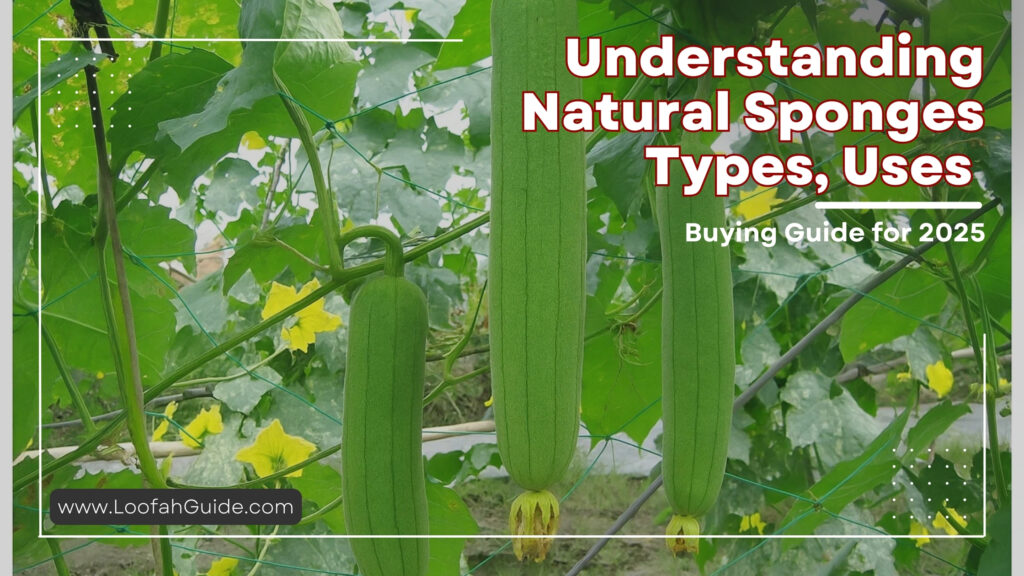
The loofah plant carries the scientific name Luffa aegyptiaca and belongs to the Cucurbitaceae family alongside cucumbers, melons, and squash. This vigorous climbing vine produces yellow flowers and elongated green gourds that can reach 60 centimeters or longer under optimal conditions. The magic happens inside these gourds where an intricate network of plant fibers develops throughout the growing season.
Successful loofah cultivation requires specific environmental conditions that limit viable growing regions worldwide. Temperatures must remain consistently between 25 and 35 degrees Celsius throughout the 150 to 180 day growing cycle. Adequate water supply, well draining soil rich in organic matter, and strong support structures for climbing vines all contribute to healthy plants and quality fiber development.
Egypt’s Nile Delta provides near perfect conditions for loofah agriculture. The combination of warm Mediterranean climate, nutrient dense alluvial soil deposited over millennia, and traditional farming knowledge creates loofahs with exceptional characteristics. Understanding the complete farm to export journey helps appreciate why Egyptian products command premium positioning in global markets.
Harvest and Processing Methods
Timing the loofah harvest requires significant expertise passed through generations of farming families. Gourds must mature sufficiently for fiber development but cannot remain on vines so long that seeds fully ripen and weaken the surrounding structure. This optimal harvest window spans merely one to two weeks, demanding constant field monitoring and rapid action when conditions align.
Loofah Processing Stages:
| Stage | Process Description | Duration | Quality Impact |
|---|---|---|---|
| Harvest | Manual selection of mature gourds | 1 day | Determines fiber maturity |
| Soaking | Water immersion to loosen skin | 2 to 5 days | Affects fiber cleanliness |
| Peeling | Removal of outer skin layers | 1 day | Reveals fiber structure |
| Seed Removal | Extraction of internal seeds | 1 day | Improves product appearance |
| Washing | Multiple rinse cycles | 1 to 2 days | Ensures hygiene standards |
| Drying | Sun or controlled environment | 3 to 7 days | Prevents mold development |
| Grading | Quality sorting and classification | 1 day | Determines market positioning |
| Packaging | Preparation for distribution | 1 day | Protects during shipping |
Post harvest processing transforms raw gourds into finished loofah products through careful steps that preserve fiber integrity. Improper processing can damage fibers, introduce contaminants, or create conditions for mold growth. Reputable suppliers like Egexo maintain strict quality standards throughout processing to ensure consistent product excellence.
Why Natural Loofahs Matter for Your Skin
The Science of Mechanical Exfoliation
Exfoliation removes dead skin cells from the outer epidermal layer, promoting cell turnover and revealing fresher skin beneath. Natural loofah fibers create mechanical exfoliation through physical friction rather than chemical dissolution. This gentle abrasive action offers several advantages that explain why dermatologists frequently recommend natural loofahs for appropriate skin types.
The cellular structure of loofah fibers creates millions of microscopic scrubbing surfaces with varying textures. Unlike uniform synthetic mesh that contacts skin at limited points, loofah fibers engage the skin surface comprehensively. This results in more effective dead cell removal with less pressure required, reducing irritation risk while improving results.
Exfoliation Method Comparison:
| Method | Mechanism | Effectiveness | Skin Sensitivity | Environmental Impact |
|---|---|---|---|---|
| Natural Loofah | Mechanical friction | High | Moderate friendly | Minimal |
| Synthetic Mesh | Mechanical friction | Medium | Generally safe | High plastic waste |
| Sugar or Salt Scrubs | Dissolving particles | Medium to High | Can irritate | Moderate |
| Chemical Exfoliants | Acid dissolution | High | Sensitivity risk | Varies |
| Dry Brushing | Bristle friction | Medium | Can irritate | Low |
| Microfiber Cloths | Fiber friction | Low to Medium | Very gentle | Moderate |
Regular loofah use stimulates blood circulation beneath the skin surface, delivering oxygen and nutrients while removing metabolic waste products. This circulatory boost contributes to healthier skin appearance and may support lymphatic drainage when proper techniques are employed.
Benefits Beyond Basic Cleansing
Natural loofahs enhance the effectiveness of cleansing products by creating rich lather from small amounts of soap or body wash. The fibrous structure traps and distributes product efficiently, reducing consumption while improving coverage. Many users report using 30 to 50 percent less product when applying with a quality loofah compared to hands alone.
Improved product absorption represents another significant benefit. By removing the barrier of dead cells, exfoliation allows moisturizers, serums, and treatments to penetrate more effectively. Skincare professionals recommend exfoliating before applying treatment products to maximize their benefits and value.
For those managing certain skin concerns, regular loofah exfoliation can help prevent ingrown hairs by keeping follicles clear of blocking debris. Athletes and active individuals appreciate how loofah use keeps pores open and skin breathing properly. Explore quality body and bath loofahs that deliver these benefits consistently.
Navigating the Loofah Product Landscape
Product Categories and Applications
The loofah market encompasses diverse product categories serving different needs and applications. Understanding these categories helps consumers select appropriate products and enables businesses to identify opportunities within specific segments.
Bath and body products represent the largest category by volume, including traditional loofah cylinders, sliced rounds, shaped pads, and integrated mitt designs. These products serve daily personal hygiene needs for millions of consumers worldwide. Quality variations within this category range from basic functional products to premium spa grade items.
Kitchen applications constitute a growing segment driven by sustainability concerns. Natural loofah scrubbers replace synthetic sponges for dish washing and surface cleaning without introducing microplastics into water systems. Food service businesses increasingly specify natural alternatives as part of environmental responsibility initiatives.
Loofah Product Category Overview:
| Category | Primary Uses | Key Features | Consumer Appeal | Business Opportunity |
|---|---|---|---|---|
| Bath Cylinders | Full body exfoliation | Traditional form | Familiar format | High volume staple |
| Loofah Slices | Targeted exfoliation | Compact size | Travel friendly | Impulse purchase item |
| Loofah Pads | Gentle cleansing | Flat surface | Easy handling | Spa and hospitality |
| Loofah Mitts | Convenient use | Fitted design | No grip needed | Premium positioning |
| Kitchen Scrubbers | Dish and surface cleaning | Durable texture | Eco alternative | Growing demand |
| Raw Loofahs | Crafts and DIY | Unprocessed | Creative freedom | Specialty niche |
| Pet Grooming | Animal coat care | Gentle fibers | Pet owner market | Emerging segment |
Raw loofah products serve crafters, soap makers, and creative entrepreneurs who incorporate loofahs into handmade products. These unprocessed forms maintain natural characteristics allowing maximum customization. Pet and spa grooming products address the specialized needs of animal care with gentler fiber configurations.
Quality Indicators Every Buyer Should Know
Recognizing quality differences enables smarter purchasing decisions whether selecting a single loofah or evaluating suppliers for bulk orders. Several observable characteristics indicate superior products worth their premium positioning.
Fiber density directly correlates with exfoliation effectiveness and product durability. Premium Egyptian loofahs contain 40 to 60 fibers per square centimeter, visibly denser than lower quality alternatives averaging 25 to 35 fibers. Higher density means more scrubbing surfaces, better lather generation, and longer useful life.
Color uniformity signals consistent growing conditions and proper processing. Quality loofahs display even golden to light tan coloring throughout without dark spots, green patches, or grayish areas that might indicate mold, improper drying, or mixed quality batches. Some color variation is natural, but dramatic inconsistency suggests quality control issues.
Quality Assessment Checklist:
| Quality Factor | Premium Indicator | Warning Signs | Testing Method |
|---|---|---|---|
| Fiber Density | Tight compact structure | Loose sparse fibers | Visual inspection and feel |
| Color | Uniform golden tan | Dark spots or gray areas | Visual inspection |
| Flexibility | Springs back when compressed | Stays compressed or brittle | Squeeze test |
| Odor | Neutral or slight plant smell | Musty or chemical smell | Smell test |
| Structural Integrity | No holes or weak spots | Visible damage or thin areas | Visual and physical check |
| Cleanliness | Free of debris and seeds | Visible particles or seeds | Visual inspection |
Egexo welcomes buyers to request samples for hands on quality evaluation before committing to larger orders. This sampling process builds confidence and ensures product specifications meet requirements.
The Business Perspective on Loofahs
Market Dynamics and Opportunities
Natural loofah products benefit from multiple converging trends creating sustained demand growth. The broader natural personal care market expands at 8 to 12 percent annually as consumers increasingly reject synthetic alternatives. Environmental awareness drives preference for biodegradable products that avoid plastic waste accumulation.
Retail channels from major chains to independent boutiques report strong loofah category performance. Consumer willingness to pay premium prices for sustainable products creates attractive margins for quality focused businesses. Private label opportunities allow retailers and brand owners to capture additional value through differentiated offerings.
Market Trend Analysis:
| Trend Factor | Current Status | Direction | Business Implication |
|---|---|---|---|
| Sustainability Preference | 67 percent actively seek eco products | Increasing | Strong demand driver |
| Plastic Reduction Awareness | Mainstream concern | Growing | Synthetic alternative rejection |
| Natural Skincare Interest | Established trend | Stable growth | Premium positioning viable |
| Wellness Tourism | Post pandemic recovery | Expanding | Spa and hospitality demand |
| E commerce Penetration | Accelerated adoption | Continuing | Direct consumer access |
| Private Label Demand | Active interest | Increasing | Margin opportunity |
For comprehensive market exploration, visit Wholesale Loofah which provides resources specifically for business buyers evaluating the loofah market opportunity.
Wholesale Buying Fundamentals
Businesses entering the loofah market must understand key purchasing considerations that impact profitability and customer satisfaction. Supplier selection represents the most critical decision, as quality consistency directly affects brand reputation and repeat purchase rates.
Minimum order quantities vary significantly based on product type, customization requirements, and supplier policies. Standard products typically require 500 to 5,000 piece minimums while custom branded items may need 2,000 to 10,000 pieces to justify setup costs. Understanding these thresholds helps businesses plan inventory investments appropriately.
Private label manufacturing services enable businesses to offer branded loofah products without developing production capabilities. Full service suppliers handle everything from product sourcing to packaging design and logo application. Custom product design goes further, creating unique product configurations for specific market positioning.
Wholesale Buyer Considerations:
| Consideration | Questions to Address | Impact Area |
|---|---|---|
| Supplier Location | Proximity to quality sources | Product quality and authenticity |
| Production Capacity | Can supplier meet growth needs | Scalability |
| Quality Certification | What standards are verified | Risk management |
| Lead Times | Order to delivery timeline | Inventory planning |
| Payment Terms | Flexibility and requirements | Cash flow |
| Communication | Responsiveness and clarity | Operational efficiency |
| Customization | Branding and design options | Market differentiation |
| Sample Policy | Availability and cost | Product evaluation |
Review the complete Egexo product catalog for detailed specifications, sizing charts, and current offerings. For personalized pricing based on your requirements, request a wholesale quote.
Proper Loofah Care and Maintenance
Daily Usage Best Practices
Maximizing loofah benefits while maintaining hygiene requires consistent care habits that many users overlook. Proper technique enhances results while extending product lifespan, delivering better value from each loofah purchased.
Before first use, soak your new loofah in warm water for two to three minutes to soften fibers and remove any processing residue. This initial conditioning prepares the loofah for optimal performance and gentler skin contact. Some users prefer soaking in diluted vinegar solution for extra assurance of cleanliness.
Daily Loofah Care Routine:
| Step | Timing | Action | Purpose |
|---|---|---|---|
| Pre shower prep | 1 minute before | Wet loofah under warm water | Soften fibers |
| Product application | Before skin contact | Apply cleanser to loofah | Build lather first |
| Exfoliation | During shower | Use gentle circular motions | Effective cleansing |
| Post use rinse | Immediately after | Rinse thoroughly under water | Remove all soap |
| Water removal | After rinsing | Squeeze firmly multiple times | Reduce moisture |
| Drying position | After squeezing | Hang in ventilated area | Prevent bacterial growth |
Avoid leaving your loofah sitting in pooled water on shower floors or ledges where bacteria thrive. Hanging allows air circulation that speeds drying and inhibits microbial growth. Position your loofah away from direct shower spray that might keep it constantly wet between uses.
Weekly Deep Cleaning Protocol
Beyond daily care, weekly deep cleaning significantly extends loofah lifespan while ensuring hygienic use. Several effective methods exist, each with specific advantages depending on available materials and personal preferences.
The vinegar soak method remains most popular due to accessibility and effectiveness. Combine one part white vinegar with four parts warm water in a container large enough to fully submerge your loofah. Soak for 15 to 20 minutes, then rinse thoroughly and squeeze dry. Vinegar’s acidity eliminates bacteria without damaging natural fibers.
Microwave sanitization offers rapid results for wet loofahs. Place a thoroughly wet loofah in the microwave and heat for 30 to 60 seconds on high power. The heat kills bacteria and mold spores effectively. Never microwave a dry loofah as this creates fire risk. Allow cooling before handling.
Deep Cleaning Method Comparison:
| Method | Time Required | Effectiveness | Considerations |
|---|---|---|---|
| Vinegar Soak | 20 to 25 minutes | Excellent | Most accessible |
| Microwave | 1 to 2 minutes | Excellent | Must be wet |
| Boiling Water | 5 to 10 minutes | Excellent | Can affect texture |
| Hydrogen Peroxide | 15 to 20 minutes | Very Good | Rinse thoroughly |
| Baking Soda Soak | 30 minutes | Good | Gentle option |
| Dishwasher Cycle | Full cycle | Good | Top rack only |
Knowing When to Replace
Even well maintained loofahs eventually require replacement as fibers break down and lose effectiveness. Recognizing replacement indicators prevents using degraded products that underperform or potentially harbor excessive bacteria.
Visual signs include fiber thinning, hole development, and color changes toward gray or dark tones that indicate mold despite cleaning. Texture changes matter too, with excessive softness suggesting fiber breakdown while brittleness indicates over drying damage.
Most quality loofahs from sources like Egexo last three to four months with proper care. Budget loofahs may require replacement after four to six weeks. Err toward earlier replacement if you notice any quality decline or experience skin irritation that might indicate bacterial issues.
Sustainability and Environmental Considerations
The Eco Advantage of Natural Loofahs
Environmental impact increasingly influences consumer choices and business sourcing decisions. Natural loofahs offer compelling sustainability credentials that synthetic alternatives simply cannot match, making them preferred choices for environmentally conscious markets.
Biodegradability represents the most significant advantage. Natural loofahs decompose completely within four to six weeks when composted, returning organic matter to soil cycles. Synthetic sponges made from petroleum based plastics persist in environments for 200 years or longer, accumulating in landfills and potentially entering waterways.
Microplastic pollution concerns further favor natural products. Every use of synthetic sponges releases microscopic plastic particles that wash down drains and eventually reach oceans. These microplastics enter food chains, affecting marine life and potentially human health. Natural loofahs release only biodegradable plant fibers posing no such risks.
Environmental Impact Comparison:
| Impact Category | Natural Loofah | Synthetic Sponge |
|---|---|---|
| Raw Material | Renewable plant | Petroleum derived |
| Production Energy | Low | High |
| Chemical Processing | Minimal | Extensive |
| Transportation Footprint | Moderate | Moderate |
| Usage Phase Pollution | None | Microplastic release |
| End of Life | Compostable | Landfill only |
| Ocean Impact | Neutral | Harmful |
| Carbon Lifecycle | Potentially negative | Positive emissions |
Supporting Sustainable Agriculture
Purchasing natural loofahs supports agricultural communities in producing regions, primarily Egypt’s Nile Delta where loofah farming provides livelihoods for thousands of families. This economic support helps preserve traditional farming knowledge while providing stable income in rural areas.
Sustainable loofah cultivation practices align with broader agricultural environmental goals. The plants require no synthetic pesticides when grown properly, reducing chemical runoff into water systems. Crop rotation with loofahs can actually improve soil health for subsequent plantings.
Expert Insight from Egexo
With over 25 years in Egyptian loofah cultivation and export, we have observed one consistent factor separating satisfied customers from disappointed ones, and that factor is understanding what to expect from natural products. Loofahs are agricultural products with natural variation, not factory manufactured items with identical specifications. Two loofahs from the same harvest may differ slightly in size, density, or color while both meeting quality standards. Experienced buyers appreciate this natural character while newcomers sometimes mistake normal variation for quality issues. We encourage first time buyers to request samples and establish realistic expectations before large orders. Education about natural product characteristics builds lasting relationships and prevents misunderstandings that damage trust. Quality means consistency within natural parameters, not artificial uniformity.
Frequently Asked Questions
Q: What is a loofah actually made from?
A: Loofahs come from the dried internal fibers of the Luffa aegyptiaca gourd, a plant related to cucumbers that grows on climbing vines in warm climates. The fibrous network inside mature gourds creates the scrubbing texture after seeds and outer skin are removed through careful processing. Egypt produces approximately 35 percent of global loofah supply, with the Nile Delta region yielding particularly high quality products.
Q: How often should I replace my loofah?
A: Replace natural loofahs every three to four months under normal use with proper daily and weekly care. Lower quality products may need replacement after four to six weeks. Watch for warning signs including fiber thinning, persistent odor despite cleaning, color changes toward gray tones, or reduced exfoliation effectiveness. When in doubt, replace sooner rather than risk hygiene issues.
Q: Are loofahs sanitary to use regularly?
A: Yes, loofahs are sanitary when properly maintained. Daily care requires thorough rinsing, squeezing out water, and hanging to dry in a ventilated location. Weekly deep cleaning with vinegar solution or microwave sanitization eliminates accumulated bacteria. Avoid sharing loofahs between users and replace at appropriate intervals. Proper care makes natural loofahs completely safe for regular use.
Q: What is the difference between natural and synthetic loofahs?
A: Natural loofahs come from plants and biodegrade completely within weeks. Synthetic loofahs are made from petroleum based plastics that persist for centuries and release microplastics with each use. Natural loofahs typically provide better exfoliation due to varied fiber textures, while synthetic versions offer uniform but less effective scrubbing surfaces. Environmental and performance factors favor natural products.
Q: Why do Egyptian loofahs cost more than other options?
A: Egyptian loofahs command premium prices due to superior quality resulting from ideal growing conditions and generations of cultivation expertise. Higher fiber density provides better exfoliation and longer product life, offering better value despite higher initial cost. The Nile Delta’s climate, soil, and agricultural knowledge combine to produce loofahs that outperform alternatives from other regions.
Q: Can businesses order custom branded loofahs?
A: Yes, established suppliers offer comprehensive private label services including custom packaging, logo application, unique shapes, and complete branding solutions. Minimum order quantities for custom products typically range from 2,000 to 10,000 pieces depending on customization complexity. These services enable businesses to create differentiated products for specific market positioning and brand building.
Q: What should wholesale buyers look for in a supplier?
A: Priority evaluation criteria include quality consistency verified through samples, production capacity to meet growth needs, export experience ensuring smooth international transactions, communication responsiveness, and customization capabilities. Established suppliers with 10 or more years experience and documented quality standards present lower risk. Request references and start with trial orders before major commitments.
Q: Can loofahs be composted after use?
A: Absolutely. Natural loofahs are 100 percent compostable and break down within four to six weeks in active compost systems. Cut used loofahs into smaller pieces to accelerate decomposition. The resulting compost adds organic matter to gardens without introducing any harmful residues. This complete biodegradability represents a major environmental advantage over synthetic alternatives.
Conclusion
What is the deal with loofahs ultimately comes down to appreciating a natural product that delivers genuine benefits for skincare, sustainability, and business opportunity. These plant based sponges from the Luffa aegyptiaca gourd offer effective exfoliation, environmental responsibility, and versatile applications that serve diverse needs.
Understanding loofah fundamentals empowers better decisions at every level. Consumers can select quality products, maintain them properly, and enjoy maximum benefits. Businesses can evaluate suppliers confidently, identify market opportunities, and build successful product lines around natural loofah offerings.
Key Takeaways:
- Loofahs are plant based products grown primarily in Egypt, not sea sponges as commonly believed
- Quality indicators include fiber density, color uniformity, and structural integrity
- Proper care involving daily drying and weekly deep cleaning extends product life to three or four months
- Environmental advantages over synthetic alternatives include complete biodegradability and zero microplastic release
- Wholesale opportunities exist across multiple product categories with customization options available
Ready to explore quality Egyptian loofahs?
- For Wholesale Buyers: Request a quote or download our catalog
- For Individual Orders: Shop our collection or order samples