Your bathroom routine holds untapped potential for reducing environmental impact. Simple tools can make the time you already spend in the shower more useful. If you have a skin condition, ask your doctor. Conventional exfoliation methods often rely on synthetic materials containing microplastics or harsh chemical formulas that harm the environment.
The unique fibrous structure creates ideal texture for effective yet gentle exfoliation suitable for daily use when proper techniques are employed. Beyond skincare benefits, choosing natural loofah sponges supports sustainable agriculture, eliminates plastic waste, and introduces biodegradable materials into personal care routines increasingly dominated by petroleum-derived products.
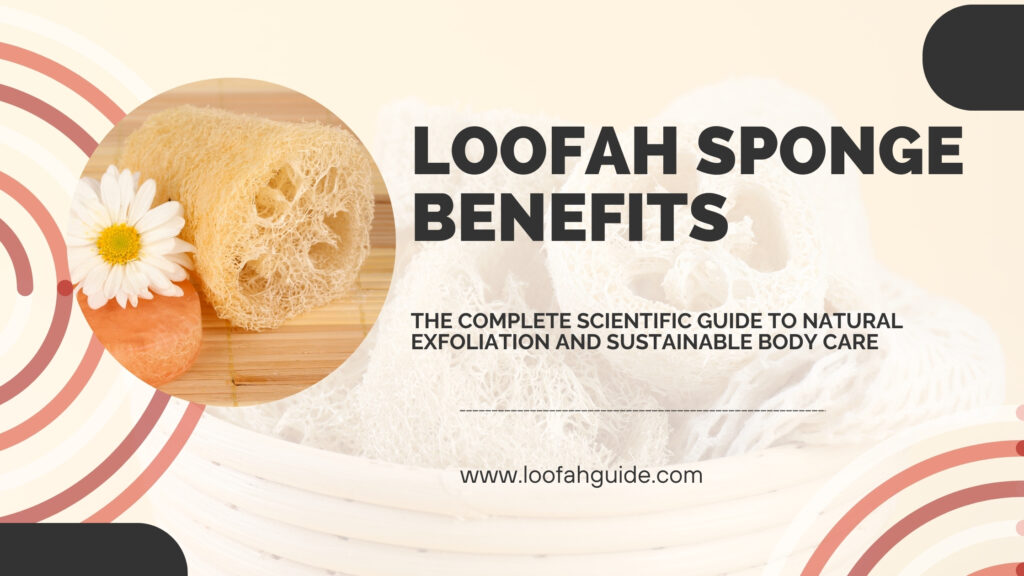
This guide explores the benefits of loofah sponges, from natural exfoliation to everyday care. Whether you’re building eco-conscious lifestyle habits or simply getting more from your daily hygiene routine, understanding loofah sponge benefits supports better choices for both personal wellness and planetary health.
The Science Behind Loofah Sponge Benefits: How Natural Exfoliation Works
Human skin constantly renews itself through a process called cellular turnover, where new cells form in deeper layers and gradually move to the surface. This journey takes several weeks, and the timeline extends with age.
Natural exfoliation through luffa sponges addresses this accumulation through mechanical action rather than chemical intervention. The fibrous plant structure contains thousands of individual cellulose strands forming an interconnected network with ideal texture for skin contact. When moistened, these fibers soften sufficiently to prevent harsh abrasion while maintaining enough firmness to effectively dislodge dead cells adhering to skin surface. The three-dimensional structure creates multiple contact points that work simultaneously across skin area, delivering consistent exfoliation that manual methods cannot replicate. This mechanical removal proves gentler than many realize, particularly when compared to harsh chemical exfoliants containing acids or enzymes that can cause sensitivity in reactive skin types.
Removing dead cells from the surface can leave skin looking smoother and feeling softer.
This circulatory boost delivers benefits extending beyond the immediate exfoliation event.
The pore-cleansing action of natural loofah sponges addresses a common skin concern affecting most individuals regardless of type. Sebum production, necessary for skin protection and hydration, can combine with dead cells and environmental debris to create blockages in pore openings. The textured surface of luffa sponges reaches into enlarged pores during use, mechanically removing accumulated material that cleansing alone cannot fully address.
The condition results from keratin protein accumulating around hair follicles, creating plugs that block follicle openings. While genetic factors drive the underlying tendency, regular gentle exfoliation with natural loofahs helps reduce visible bumps by preventing keratin accumulation and clearing existing plugs.
This inherent resistance supports hygiene when users follow proper care routines including thorough rinsing and complete drying between uses.
This adaptive response creates stronger, more resilient barriers compared to skin that never experiences exfoliation.
Buying for a spa or shop? Download the EGEXO catalog to browse our loofah products.
Environmental and Sustainability Benefits: Why Choosing Natural Luffa Matters
Personal choices regarding bath and body products create environmental impacts extending far beyond individual use, with synthetic materials contributing substantially to pollution crises affecting oceans, waterways, soil, and air quality globally. Understanding the environmental benefits of natural luffa sponges helps conscious consumers align daily habits with values while supporting sustainable industries that regenerate rather than degrade ecosystems. The contrast between plant-based and synthetic bath products proves stark across virtually every environmental metric, making the switch to natural loofahs among the most impactful sustainability choices individuals can implement immediately.
Plastic pollution elimination is the most visible environmental benefit of choosing natural over synthetic bath sponges.
Every time someone uses a synthetic sponge, mechanical abrasion releases microscopic plastic particles that wash down drains into wastewater systems. Municipal treatment facilities cannot capture these particles effectively due to their tiny size, meaning most pass through into rivers, lakes, and oceans.
Natural luffa sponges are plant fibre and contain no plastic. At end of life, natural loofahs biodegrade, turning from bath products into plant matter that can enrich soil rather than persisting as pollution. A single natural loofah that replaces several synthetic sponges means less plastic waste and fewer microplastic particles reaching waterways.
Carbon footprint reduction through natural loofah choice occurs across production, use, and disposal phases. The luffa plant actively sequesters atmospheric carbon dioxide throughout its 150-180 day growing cycle, removing approximately 4-6 kilograms of CO2 per plant through photosynthesis while releasing oxygen as a beneficial byproduct. This carbon capture partially offsets emissions from harvesting, processing, and transportation activities. Processing natural loofahs requires minimal energy, typically involving only soaking, peeling, washing, and sun-drying without energy-intensive manufacturing equipment. Transportation emissions remain comparable between natural and synthetic products when products travel similar distances. In contrast, synthetic sponge manufacturing begins with petroleum extraction, continues through energy-intensive chemical processing that generates substantial greenhouse gas emissions, and concludes with products that release no oxygen and sequester no carbon during production.
Water quality protection follows naturally from choosing bath products free from synthetic chemicals and plastic materials.
Choosing natural loofah supports plant-based agriculture rather than petroleum extraction. Luffa is a vine crop that does not require heavy pesticide or fertilizer, and it supports farming communities economically. This contrasts with petroleum industries that mine fossil fuels for synthetic material production, leaving environmental damage including habitat destruction, water contamination, and greenhouse gas emissions.
Packaging reduction represents an often-overlooked environmental advantage of natural loofah products. Synthetic sponges typically arrive in excessive plastic packaging including clamshells, sealed bags, and plastic hangers that create waste before products are even used. This packaging itself becomes environmental burden requiring disposal immediately upon purchase. Natural loofahs require minimal packaging, typically using simple paper or cardboard that consumers can recycle or compost along with the product itself. Some suppliers offer plastic-free packaging using twine, paper bands, or biodegradable plant-based films for moisture protection during transport. This packaging minimization extends environmental benefits beyond the products themselves to encompass complete product lifecycle from manufacture through disposal.
End-of-life flexibility provides disposal options that honor environmental values rather than forcing compromise. Natural loofahs provide multiple sustainable end-of-life pathways including home composting where they transform into nutrient-rich soil amendment over time, municipal green waste collection where available, repurposing for cleaning tasks that extend useful life before final disposal, and even landfill disposal where they biodegrade far faster than synthetic alternatives despite this being the least environmentally preferred option.
The following comparison illustrates environmental impact differences across critical categories:
| Environmental Impact | Natural Luffa Sponges | Synthetic Sponges | Advantage |
|---|---|---|---|
| Microplastic Release | None, plant fibre | Can shed plastic particles | Plastic-free |
| Chemical Pollution | Plant fibre only | Plasticizers, dyes, additives | Fewer additives |
| Water Contamination | Biodegradable plant matter | Persistent synthetic compounds | Natural decomposition |
| Agricultural Impact | Plant-based crop | Petroleum industry | Renewable source |
| Disposal Options | Compost, green waste, repurpose, landfill | Landfill only | Multiple disposal pathways |
For environmentally conscious consumers, the environmental benefits of natural luffa sponges extend beyond personal use to influence market dynamics and industry practices. Each natural product purchase signals demand for sustainable alternatives, encouraging retailers to stock more eco-friendly options and manufacturers to expand production of plant-based products. This market influence multiplies individual impact, particularly when consumers share their choices and experiences through social networks, online reviews, and personal conversations that inspire others to make similar switches.
Communicating environmental benefits to others amplifies positive impact while supporting the growing movement toward sustainable consumption. Share specific facts rather than vague eco-friendly claims, such as biodegradation timelines, microplastic elimination, and carbon footprint reductions that provide concrete understanding. Discuss personal experiences with natural loofahs including performance satisfaction and the positive feeling of aligning purchases with values. Post photos and reviews on social platforms with relevant hashtags that help others discover sustainable alternatives. Answer questions from curious friends and family members who notice your choices and want to learn more. This authentic advocacy proves more persuasive than corporate marketing while building community around shared environmental values.
The combination of individual action and collective movement creates the systemic change necessary for addressing environmental challenges that threaten both human welfare and planetary health for generations to come.
How to Use Luffa Sponges: Techniques for Maximum Benefits
Achieving optimal results from natural luffa sponges requires proper technique rather than expensive products or complicated procedures. Many users fail to realize the full potential benefits because they apply inadequate pressure, use incorrect motions, skip important preparation steps, or maintain irregular frequency that prevents cumulative improvements from developing. Understanding and implementing correct usage techniques transforms luffa sponges from simple bath accessories into powerful tools for skin transformation and personal wellness.
Initial sponge preparation ensures comfortable, effective use from the first application. New natural loofahs arrive compressed from packaging and feel quite firm, sometimes even slightly scratchy when dry. This firmness does not represent the working texture you’ll experience during actual use. Before first application, soak your new loofah in warm water for 2-3 minutes, allowing fibers to fully expand and soften to their natural hydrated state. Some people add a small amount of hair conditioner during this initial soak to further soften fibers, creating especially gentle texture suited to sensitive skin or facial applications. Squeeze the soaked loofah several times under running water to rinse thoroughly, removing any dust from processing and ensuring clean starting condition. This preparation creates ideal texture for comfortable exfoliation that avoids the scratchy sensation some people experience when using loofahs without proper softening.
Pre-bathing body preparation enhances exfoliation effectiveness while preventing potential irritation. Wet your entire body thoroughly with warm water, allowing 1-2 minutes for skin hydration before beginning loofah application. Avoid exfoliating immediately before or after shaving, waxing, or other hair removal that temporarily sensitizes skin and increases irritation risk from mechanical friction.
Wet your natural loofah completely, squeezing several times to ensure thorough saturation and fiber softening. Apply your preferred body wash or soap directly to the loofah, or apply to wet skin then use the loofah to work product into lather. Use circular motions with moderate pressure, moving the loofah across skin in overlapping circles approximately 8-10 centimeters in diameter. The pressure should feel firm but comfortable, similar to a moderate massage rather than aggressive scrubbing that causes discomfort. Cover each body area systematically, typically starting with extremities and working toward torso, though sequence matters less than ensuring comprehensive coverage. Spend approximately 15-30 seconds on each body section, avoiding excessive repetition in any single area that could cause irritation even with appropriate pressure.
Different body areas require pressure and technique adjustments based on skin thickness and sensitivity. Arms and legs tolerate moderate to firm pressure that delivers thorough exfoliation on these relatively resilient surfaces. Feet and heels need especially firm pressure to address thick calluses and roughness that lighter application cannot effectively manage.
Facial applications demand specialized technique using softer, smaller loofah pieces specifically designated for delicate facial tissue. Never use body loofahs on your face, as the firmer texture and larger size create excessive abrasion unsuitable for thin facial skin. Use small loofah pads or cut pieces no larger than 5-8 centimeters diameter, preferably from the softer inner portions of whole loofahs. Wet the facial loofah thoroughly and apply gentle facial cleanser. Use light circular motions with minimal pressure, treating your face as the delicate tissue it is rather than applying body scrubbing pressure. Focus on areas prone to congestion including forehead, nose, and chin, while avoiding the delicate skin around eyes unless using extremely gentle pressure.
Post-exfoliation care helps you get the most from your routine and avoids irritation or dryness. Rinse your entire body thoroughly with warm water, ensuring complete removal of soap residue and dislodged dead cells. Pat skin partially dry with a clean towel, leaving slight dampness that helps moisturizer absorb. Apply your preferred body lotion, cream, or oil soon after leaving the shower, while skin still holds moisture. Many people find that skin feels softer and stays hydrated longer when they follow this sequence consistently.
Most people with normal skin achieve optimal results using natural loofahs 3-4 times weekly, providing regular enough frequency for cumulative benefits while allowing adequate recovery time between sessions. Sensitive skin typically tolerates only 1-2 times weekly, requiring careful attention to skin response and willingness to reduce frequency if any irritation develops. Dry skin requires moderate frequency of 2-3 times weekly with religious moisturizing immediately after each session to prevent exacerbation of dryness. Monitor your individual skin response rather than rigidly following general guidelines, adjusting frequency based on observed results and any signs of irritation, excessive dryness, or sensitivity that suggest over-exfoliation.
The following technique guide addresses common usage questions and special applications:
| Application Scenario | Specific Technique | Frequency Recommendation | Pro Tips | Common Mistakes to Avoid |
|---|---|---|---|---|
| Daily Body Bathing | Moderate circular pressure, 15-30 sec per area | 3-4 times weekly | Wet loofah thoroughly, apply even coverage | Using dry loofah, excessive pressure |
| Facial Exfoliation | Light gentle circles, soft small loofah | 2-3 times weekly | Dedicated facial loofah only, gentle cleanser | Using body loofah, harsh pressure |
| Pre-Shaving Prep | Light to moderate, lift hair follicles | Before each shaving session | Brief gentle application, focus on hair areas | Aggressive scrubbing, immediate post-scrub shaving |
| Foot Care | Firm pressure, focus on heels and calluses | 4-5 times weekly | Spend extra time on rough areas, moisturize after | Light pressure insufficient for thick skin |
| Pre-Tanning Prep | Moderate thorough coverage | 24 hours before tanning | Extra attention to dry areas like elbows, knees | Too close to tanning time, missing problem areas |
| Keratosis Pilaris | Gentle consistent, affected areas focus | 2-3 times weekly | Follow with treatment lotion, patience for results | Harsh scrubbing hoping to remove bumps quickly |
Special considerations apply for individuals with certain health conditions, skin sensitivities, or specific circumstances. Pregnant women should avoid vigorous abdominal exfoliation while generally finding loofah use safe for other body areas, though consultation with healthcare providers provides personalized guidance. Individuals who have recently undergone personal care procedures including laser treatments, chemical peels, or injectable applications require specific timelines from providers before resuming exfoliation activities.
Travel adaptations allow maintaining exfoliation routines while away from home. Pack completely dry loofahs in breathable fabric bags to prevent moisture accumulation during transport. Smaller loofah pieces travel more conveniently than full-size options while providing adequate coverage for shorter trip durations. Consider disposable or single-use loofahs for extended travel where maintaining proper drying between uses may prove challenging. Hotels with humid bathrooms sometimes lack adequate ventilation for proper loofah drying, making this consideration important for frequent travelers maintaining skin care consistency.
For comprehensive technique demonstrations, troubleshooting guides, and answers to specific usage questions, the visual and written resources at Loofah Guide provide detailed instructions suited to various experience levels and specific application needs.
Comparing Natural Luffa to Synthetic Alternatives: Making Informed Choices
Understanding differences between natural luffa sponges and synthetic bath alternatives empowers consumers to make informed choices aligned with health priorities, environmental values, and practical considerations. While marketing claims from synthetic product manufacturers emphasize convenience and perceived hygiene advantages, comprehensive comparison across multiple dimensions reveals that natural options deliver superior overall value for most users when all factors receive appropriate consideration rather than focusing narrowly on initial purchase price or superficial characteristics.
Material composition represents the most fundamental difference affecting virtually all other performance and impact characteristics. Natural luffa sponges consist entirely of plant-based cellulose fibers from the mature luffa cylindrica gourd, containing no synthetic materials, chemicals, or artificial additives whatsoever. This fundamental material difference drives most other distinctions between product categories.
Exfoliation effectiveness varies significantly based on fiber structure and texture characteristics. Natural luffa provides firm mechanical exfoliation through thousands of individual plant fibers that maintain their structure when wet while softening enough to prevent harsh abrasion. The three-dimensional network creates multiple simultaneous contact points that work across skin surface for thorough dead cell removal. Users typically describe the sensation as invigorating and noticeable without being uncomfortable when proper technique and pressure are employed. Synthetic sponges offer much softer texture that feels gentle but often lacks sufficient firmness for effective mechanical exfoliation, functioning primarily as soap applicators rather than true exfoliating tools. Some synthetic scrubbers incorporate abrasive particles or rough textures attempting to provide exfoliation, though these often prove either too harsh or inconsistently effective compared to natural luffa fiber structure.
Durability under normal use favors natural luffa when it is properly maintained. With thorough rinsing and complete drying after each use, natural loofahs last well, and the fibres keep their structure through many wet-dry cycles until wear eventually requires replacement. Synthetic sponges often lose their shape, develop persistent odors despite cleaning, or show visible deterioration sooner. The softer synthetic materials compress and lose resilience more quickly, particularly in the hot water typical of showering and bathing.
Hygiene and bacterial resistance prove more complex than many consumers realize based on common assumptions about synthetic materials. The key difference lies in drying characteristics, with natural loofahs’ porous structure allowing faster, more complete air drying that prevents the moist environment bacteria require for proliferation.
Environmental impact comparison reveals stark differences favoring natural products across virtually every metric. Natural luffa breaks down naturally after disposal, releasing no persistent pollutants or toxic compounds during decomposition. The plant growth actively removes atmospheric carbon dioxide during cultivation, partially offsetting processing and transport emissions for net-reduced carbon footprints. Zero microplastic release during use eliminates water pollution that synthetic alternatives create continuously. Minimal packaging using recyclable materials further reduces environmental burden.
Cost considerations require analyzing value over product lifespan rather than focusing solely on initial purchase price. See our wholesale prices on egexo.com under Products. While natural options sometimes cost slightly more initially, their longer lifespan and superior effectiveness deliver better cost-per-use value. Additionally, the enhanced product absorption from effective exfoliation reduces consumption of body washes, lotions, and other products, creating indirect savings that offset any price differential. When environmental costs receive consideration beyond narrow financial calculations, natural loofahs prove dramatically more economical by avoiding pollution expenses that society collectively bears.
Chemical exposure differences matter for health-conscious consumers concerned about cumulative effects from synthetic materials. Natural alternatives eliminate these exposures completely while delivering equivalent or superior functional performance.
The following comprehensive comparison table enables informed evaluation:
| Comparison Factor | Natural Luffa Sponges | Synthetic Sponges |
|---|---|---|
| Exfoliation | Firm mechanical action, thorough removal | Soft texture, limited exfoliation |
| Texture Sensation | Noticeable invigoration without harshness | Very soft, gentle sensation |
| Lifespan | Lasts well when properly maintained | Often loses shape sooner |
| Microplastic Release | None, plant fibre | Can shed plastic particles |
| Chemical Exposure | Plant fibre only | Plasticizers, additives, dyes |
| End-of-Life Options | Compost, green waste, repurpose | Landfill only |
Consumer decision-making benefits from considering personal priorities across multiple dimensions rather than optimizing for single factors like initial price or perceived convenience. For individuals prioritizing environmental impact, natural luffa offers clear advantages across virtually all sustainability metrics. Budget-conscious consumers appreciate better long-term value from durable natural products despite sometimes higher initial investment. Health-focused individuals value avoiding synthetic chemical exposure from products used directly on skin daily. Even those prioritizing convenience find that natural loofahs require no additional effort beyond proper drying between uses, a simple practice that becomes automatic with minimal habit development.
The growing consumer shift toward natural bath products reflects increasing awareness of both health and environmental considerations that extend beyond narrow product functionality. Retailers report steadily increasing natural product sales with corresponding synthetic category declines, particularly among younger consumers who prioritize sustainability and older demographics increasingly concerned about chemical exposure. This market transformation suggests that comprehensive value assessment increasingly drives purchasing decisions rather than price alone, creating opportunities for natural product suppliers and challenges for synthetic manufacturers defending market share through price competition that cannot address underlying consumer concerns about health and environmental impacts.
The comprehensive evidence supporting natural luffa advantages makes the choice increasingly clear for informed consumers weighing multiple factors beyond superficial marketing claims and initial price considerations.
Beyond Bathing: Creative and Practical Applications for Natural Luffa
Natural luffa sponges serve remarkably diverse purposes extending far beyond traditional bath and body applications. This versatility maximizes value from each purchase while introducing sustainable materials into multiple areas of daily life where synthetic alternatives currently dominate. Understanding these varied uses helps consumers appreciate the complete potential of natural luffa products while discovering practical solutions for household needs, creative projects, and specialized applications that benefit from biodegradable plant-based materials.
Kitchen cleaning is a good use for natural luffa’s firm texture. Dish scrubbers made from natural luffa remove stuck food from cookware, plates, and utensils without scratching surfaces the way metal scrubbers can damage non-stick coatings. Luffa’s natural abrasion also helps clean vegetables and fruit. Unlike fabric dishcloths that stay damp, a luffa dries quickly when it is rinsed and hung up after use. Rinse thoroughly, as with any kitchen tool. When the kitchen loofah breaks down or stays stained, it can be composted rather than contributing to landfill waste.
Household cleaning tasks across various surfaces and spaces suit natural luffa’s abrasive yet non-damaging texture. Bathroom cleaning including tile, grout, tubs, and showers benefits from luffa scrubbing that removes soap scum and mineral deposits without harsh chemicals or excessive physical effort. The natural material works safely on most surfaces without scratching concerns that limit some synthetic scrubbers. Kitchen counter and appliance cleaning maintains surfaces without damage while the biodegradable material eliminates environmental concerns if disposing after particularly dirty jobs. Floor scrubbing, particularly when loofahs attach to handles or mop systems, provides effective cleaning with sustainable materials replacing synthetic scrub pads. The ability to cut natural luffa into custom shapes and sizes for specific applications provides flexibility that rigid synthetic alternatives cannot match.
Pet grooming represents a specialized application where natural materials offer distinct advantages over synthetic alternatives. The gentle scrubbing action provides sensory stimulation many animals enjoy, making bath time less stressful for both pets and owners. Horses and large animals receive effective grooming with extra-large loofahs that cover substantial surface area efficiently during cleaning routines. The natural material poses no concerns if animals lick themselves after bathing, unlike synthetic grooming tools that may contain chemicals or release particles better kept away from animal mouths. Professional groomers increasingly incorporate natural luffa tools for these benefits while appealing to pet owners seeking chemical-free care for their animals. The resources at Loofah Pet Spa Grooming include products specifically selected for animal care applications.
Craft and DIY projects provide creative outlets for natural luffa materials in art, functional items, and decorative applications. Loofah slices cut into thin cross-sections create natural stamps for painting and printing projects where the distinctive cellular pattern produces unique textures impossible to replicate with synthetic materials. Handmade soap crafters embed loofah pieces into bars to create exfoliating soaps that combine cleansing and mechanical exfoliation in single products popular at craft fairs and farmers markets. Holiday ornaments and decorative items incorporate luffa pieces for natural texture in sustainable craft projects aligned with eco-conscious values.
Garden applications utilize biodegradable luffa properties for purposes where synthetic materials would create pollution concerns. Seed starter containers made from luffa pieces provide natural vessels that biodegrade when transplanting seedlings, eliminating plastic pot waste while improving soil as luffa decomposes. Produce harvesting benefits from gentle luffa scrubbing that cleans vegetables and fruits fresh from garden without the harsh abrasion that damages delicate skins. Plant ties and supports cut from luffa strips hold stems and vines gently without the binding or cutting that synthetic ties can cause as plants grow.
Spa and wellness applications beyond basic exfoliation demonstrate versatility in professional treatment settings. Massage tools incorporating luffa provide textured surfaces for specialized techniques that combine pressure with exfoliation for comprehensive body treatments. Aromatherapy applications infuse luffa products with essential oils that release gradually during use, creating multisensory experiences that justify premium service pricing. Reflexology and foot care treatments employ specialized luffa shapes for targeted pressure and exfoliation on feet where thick skin requires firm tools. Bath and body retailers stock diverse luffa formats as both treatment supplies and retail products that clients purchase for home use between professional sessions.
Specialty cleaning applications in commercial and industrial settings leverage luffa durability and sustainability. Eco-conscious commercial cleaning services incorporate natural luffa in sustainability-focused programs appealing to environmentally responsible businesses seeking alternatives to conventional synthetic cleaning supplies. Manufacturing facilities with environmental management systems specify natural materials where feasible to reduce plastic consumption and waste generation throughout operations.
The following application guide categorizes diverse uses with specific recommendations:
| Application Category | Specific Uses | Suitable Luffa Type | Key Benefits |
|---|---|---|---|
| Household Cleaning | Bathroom tile, tub, counter, floor scrubbing | Firm density, various sizes | No surface scratching, sustainable |
| Pet Grooming | Dog bathing, horse grooming, coat maintenance | Medium density, large sizes | Gentle on skin, natural material |
| Craft Projects | Stamps, soap making, decorative items, children’s art | Irregular pieces acceptable | Natural texture, unique patterns |
| Garden Use | Seed starters, produce cleaning, plant supports | Plain loofah, biodegradable is what matters | Decomposes naturally, versatile |
| Commercial Cleaning | Food service, eco-cleaning programs, facilities | Bulk supply of firm loofah | Sustainable, effective performance |
This remarkable versatility demonstrates why natural luffa products deserve consideration beyond simple bath accessories. The combination of effectiveness, safety, sustainability, and adaptability creates value far exceeding the modest investment required. Consumers maximizing luffa applications across multiple areas of daily life achieve greater return on purchase price while implementing sustainable materials throughout households in ways that compound environmental benefits.
For creative inspiration and specific application techniques across this diverse range of uses, the comprehensive guides at Loofah Guide provide detailed instructions with visual demonstrations. The discovery that single natural products can replace numerous synthetic alternatives across different applications proves both economically sensible and environmentally responsible, making natural luffa among the most versatile sustainable materials available for modern households.
Premium Egyptian Loofah Resources: Your Complete Guide to Quality and Expertise
Understanding natural loofah sponges requires access to reliable information and trusted suppliers who prioritize quality, transparency, and customer education. Whether you’re researching product options, comparing suppliers, or seeking specialized loofah formats for unique applications, having comprehensive resources at your fingertips simplifies decision-making and ensures successful outcomes.
For businesses and consumers seeking unprocessed materials for custom applications or craft projects, raw loofah scrubbers provide versatile starting points. These uncut, minimally processed loofahs allow you to create custom sizes, shapes, and configurations matching specific requirements that pre-formatted products cannot address. Crafters appreciate the natural materials for artistic projects, while manufacturers use raw loofahs for specialized product development in industries ranging from spa treatments to industrial cleaning applications.
Choosing a supplier carefully protects your investment and helps you get consistent quality across orders. Our detailed guide on why choose Egexo as your loofah supplier explains what to expect from an Egyptian exporter that works with its own farms and partner farms and checks every order by hand.
The supplier evaluation frameworks and due diligence checklists help businesses avoid costly mistakes while identifying partners who deliver consistent value across long-term relationships.
Alternative terminology and search optimization matter when customers use different names for the same products. Whether customers search for loofah, luffa, loofa, or any other variation, comprehensive coverage ensures they find accurate information and quality products regardless of terminology preferences.
These interconnected resources create a comprehensive knowledge ecosystem that supports informed decision-making whether you’re making your first loofah purchase or managing established product lines. The combination of educational content, supplier transparency, product diversity, and market-specific guidance addresses the complete spectrum of needs from curious consumers to sophisticated wholesale buyers managing complex international procurement operations.
FAQ Section
Q1: What are the main benefits of using natural luffa sponges compared to washcloths or hands?
A: Natural luffa sponges deliver several distinct advantages over washcloths and hand washing. The firm fibrous texture provides mechanical exfoliation that effectively removes dead skin cells, something soft washcloths and hands cannot accomplish nearly as thoroughly. This exfoliation reveals smoother, fresher skin while stimulating cellular turnover that improves overall complexion health. The three-dimensional fiber network reaches into pores to remove accumulated oil and debris more effectively than flat washcloth surfaces. Natural loofahs dry completely between uses unlike fabric washcloths that retain moisture and harbor bacteria, providing better hygiene when proper care protocols are followed. While washcloths and hand washing serve purposes for gentle cleansing, incorporating natural luffa sponges 3-4 times weekly provides exfoliation benefits that these alternatives simply cannot deliver.
Q3: How do I know when it’s time to replace my natural luffa sponge?
A: Several clear indicators signal when natural luffa replacement becomes necessary for both hygiene and performance reasons. The most obvious sign is persistent musty odor that remains even after thorough cleaning and sanitizing, indicating bacterial colonization that cleaning cannot fully eliminate. Visible mold growth appearing as dark spots, fuzzy patches, or discoloration definitely requires immediate replacement regardless of how long you’ve used the loofah. Significant structural deterioration including loose fibers, tears, or collapse of the fiber network indicates the loofah has reached the end of useful life and won’t provide effective exfoliation. Permanent staining from accumulated residue that won’t rinse away suggests deep contamination better addressed through replacement than continued cleaning attempts. Reduced effectiveness where the loofah no longer provides satisfying exfoliation even when thoroughly wet and properly used means fiber degradation has progressed beyond functional usefulness. As general guidance, replace natural loofahs every 3 to 4 weeks, however often you use them. Never continue using loofahs showing any mold growth or persistent odors regardless of purchase timing, as hygiene concerns outweigh any economic considerations from extended use.
Q4: Are natural luffa sponges safe to use during pregnancy?
A: Natural luffa sponges are generally safe for pregnant women with some reasonable precautions and modifications to standard usage practices. The plant-based material contains no chemicals or synthetic substances raising pregnancy concerns, making natural loofahs safer than many synthetic alternatives or products with added chemicals. However, pregnant individuals should avoid vigorous abdominal exfoliation that creates intense pressure or stimulation to the belly area, instead using light gentle strokes if cleansing this region or simply avoiding direct abdominal loofah use during pregnancy. Some women experience increased skin sensitivity during pregnancy due to hormonal changes, suggesting starting with gentler pressure and less frequent use while monitoring skin response before establishing regular routines.
Q5: What’s the environmental impact of one person switching from synthetic to natural luffa sponges?
A: Individual switches from synthetic to natural luffa sponges add up when considered across entire households and communities. Natural loofahs are plant fibre and biodegrade, so they leave no plastic waste behind. Synthetic sponge use also releases microplastic particles that contaminate waterways and enter food chains, while natural loofahs release none. When households make the switch together, the benefits multiply. These individual choices also create market signals that influence retail stocking decisions, manufacturer production priorities, and broader industry trends toward sustainable products. No single person can solve global environmental challenges alone, but many people making similar switches add up to meaningful impact.
Q6: Can I use natural luffa sponges on my face or are they too harsh?
A: You absolutely can use natural luffa sponges on your face when you select appropriate products and employ proper technique suited to delicate facial skin. The key is choosing soft, small luffa pieces specifically designated for facial applications rather than using the firmer full-body loofahs directly on your face. Look for products labeled as facial luffa pads or cut small pieces 5-8 centimeters diameter from the softer inner portions of whole loofahs. Always wet facial loofahs thoroughly and allow 30-60 seconds for complete fiber softening before touching your face. Apply gentle facial cleanser appropriate for your skin type to either the loofah or your wet face. Use light circular motions with minimal pressure, treating your facial skin as the thin delicate tissue it is rather than applying body scrubbing pressure that would cause irritation. Focus exfoliation on areas prone to congestion including forehead, nose, and chin while avoiding the extremely delicate skin around eyes unless using barely perceptible pressure. When properly selected and gently used, natural facial loofahs provide effective mechanical exfoliation without the microplastics found in synthetic facial scrubs or the potential irritation from harsh chemical exfoliants, making them excellent choices for many people seeking natural skincare solutions.
Q7: Do natural luffa sponges work for removing fake tan or self-tanner mistakes?
A: Natural luffa sponges work excellently for correcting self-tanner application mistakes and removing fading fake tan as it becomes patchy and uneven. The mechanical exfoliation effectively removes the dead skin cells containing self-tanner pigments, lightening and evening areas where application went wrong or where natural fading has created uneven appearance. For immediate mistake correction, wet the problem area thoroughly with warm water, apply gentle exfoliating body wash or soap, then use moderate pressure with your luffa using firm circular motions over the too-dark or streaky sections. Multiple brief sessions spaced several hours apart work better than single aggressive scrubbing that can irritate skin while the gradual approach allows assessing progress and avoiding over-correction. For removing fading self-tan, focus luffa exfoliation on the patchiest areas including typical problem zones like inner arms, ankles, knees, and elbows where uneven fading commonly occurs first. The key is consistent moderate exfoliation rather than harsh scrubbing that damages skin trying to remove color faster. Combining luffa exfoliation with long warm baths or showers helps loosen and remove self-tanner more effectively than dry or quick exfoliation attempts. Many self-tanning enthusiasts maintain that proper pre-tanning luffa exfoliation prevents most mistakes, making natural loofahs essential both for preparation before application and correction after imperfect results. The natural approach provides effective tan removal without the harsh chemicals found in some commercial tan removal products that can irritate skin and create their own problems while trying to solve application mistakes.
Q8: What’s the best way to store natural luffa sponges between uses to prevent mold?
A: Proper storage between uses is absolutely critical for preventing mold growth and maintaining hygienic natural luffa sponges throughout their useful lifespan. The fundamental principle is ensuring complete drying in well-ventilated locations where air circulation removes moisture rather than allowing it to accumulate. Immediately after use, rinse your loofah thoroughly under running water while squeezing repeatedly to flush out all soap residue, skin cells, and debris. Squeeze firmly multiple times to eliminate as much water as possible from the fiber network. Shake vigorously to further remove water and open fiber pathways for airflow. Hang your loofah in locations with good air circulation such as shower curtain rods away from direct water spray, towel bars in well-ventilated bathrooms, hooks near windows where air movement accelerates drying, or purpose-built loofah hangers that maximize airflow around all surfaces. Never store wet or damp loofahs in enclosed shower caddies, sealed containers, medicine cabinets, or drawers where trapped moisture creates ideal mold growth conditions. Bathrooms with poor ventilation require extra attention, potentially necessitating moving loofahs to better-ventilated spaces after initial dripping stops. Some users install small fans or open windows specifically to improve bathroom air circulation for proper loofah drying. The loofah should feel completely dry to the touch throughout its structure before next use, which can take several hours depending on humidity levels. In high-humidity climates or during humid summer months, consider rotating between two loofahs to ensure each gets adequate drying time between uses. These simple storage practices prevent the mold problems that improper storage causes while extending loofah lifespan and maintaining the hygiene standards essential for products used directly on skin.
Sourcing Premium Natural Luffa: Quality Standards and Product Selection
Selecting quality natural luffa sponges requires understanding what distinguishes premium Egyptian products from inferior alternatives flooding global markets. Whether you’re purchasing for personal use, evaluating suppliers for wholesale orders, or exploring private label opportunities, knowing where to find authentic quality and what standards to expect protects your investment while ensuring the benefits this guide describes.
The journey from farm to your bathroom involves careful cultivation, expert processing, and rigorous quality control that separates professional suppliers from commodity brokers. Understanding this complete farm to export process provides transparency into production methods that directly impact the products you ultimately receive. Egyptian suppliers maintaining direct farm relationships and implementing systematic quality protocols deliver consistent results that generic importers simply cannot match.
Quality standards determine whether natural loofahs deliver the exfoliation effectiveness, durability, and hygiene characteristics this guide emphasizes. The comprehensive loofah quality standards implemented by established Egyptian exporters ensure every shipment meets expectations regardless of order size or destination market.
Product selection should match your specific applications and preferences rather than assuming one-size-fits-all approaches. For body bathing and exfoliation, the body loofah category offers various sizes and densities suited to different skin types and personal preferences. Kitchen and household cleaning applications require different characteristics found in specialized kitchen loofah products designed for food preparation and surface cleaning where gentle abrasion without surface damage proves essential.
Individual consumers exploring natural alternatives benefit from straightforward shopping experiences with clear product information and transparent sourcing. Reading product details and customer reviews before purchasing ensures alignment between your expectations and actual product characteristics.
Businesses seeking to develop branded product lines find that private labeling creates differentiation and customer loyalty that generic products cannot achieve. Comprehensive private label loofah manufacturing services guide you through design development, packaging creation, and production processes that transform your vision into market-ready products bearing your brand identity. This approach builds long-term value through proprietary products rather than competing solely on price with interchangeable generic alternatives.
Custom product development addresses specialized applications requiring unique sizes, shapes, processing methods, or combinations not available through standard catalogs.
Wholesale buyers serving diverse markets require reliable partners offering comprehensive product ranges, consistent quality, and scalable supply chains that grow with your business. No minimum order on standard products. Private label from 1,000 units.
The combination of quality sourcing, appropriate product selection, and reliable supplier relationships ensures that natural luffa sponges deliver the comprehensive benefits described throughout this guide. Whether purchasing individual pieces for personal use or container loads for commercial distribution, informed decision-making based on verified standards and transparent processes protects your interests while supporting sustainable industries that benefit both people and planet.
Tips from Loofah Guide
After years researching and testing natural exfoliation methods across hundreds of products and thousands of users, we’ve identified the single most common mistake that prevents people from experiencing the full benefits of natural luffa sponges: insufficient wetness before use. Many users wet their loofahs briefly, perhaps 10-15 seconds under running water, then immediately begin scrubbing. This rushed preparation means fibers haven’t fully softened, creating harsh scratchy sensation that people then attribute to luffa sponges themselves rather than recognizing as technique error.
The solution is remarkably simple. You’ll notice the texture transforms from firm and slightly rigid to flexible and pleasantly textured, perfect for comfortable effective exfoliation. This extra 30-45 seconds of patience completely eliminates the harshness some people experience while maximizing the gentle yet thorough exfoliation that makes natural loofahs so effective.
This small technique adjustment transforms user experience from potentially uncomfortable to genuinely pleasant, ensuring that you actually enjoy your exfoliation routine rather than enduring it as necessary but unpleasant task. When exfoliation feels good, consistency becomes natural rather than requiring motivation.
Conclusion
Environmental considerations make the choice between natural and synthetic bath products clear for conscious consumers who care about planetary health alongside personal wellness. Natural luffa sponges are plant-based and biodegradable, and they do not shed plastic. Individual choices multiply through market influence and social inspiration, creating collective impact far exceeding what isolated actions could achieve.
Practical versatility ensures that natural luffa investments deliver value extending beyond primary bathing applications into kitchen cleaning, household tasks, pet care, creative projects, and specialized uses where sustainable materials provide functional advantages alongside environmental benefits. This adaptability maximizes return on modest investment while implementing biodegradable alternatives throughout daily life in ways that compound positive impact.
Key Takeaways:
- Proper technique including thorough pre-use wetting, appropriate pressure, circular motions, and immediate post-exfoliation moisturizing maximizes benefits while preventing potential irritation
- Individual environmental choices create market transformation and social influence multiplying personal impact through retail trends, industry practices, and community inspiration
- Applications extending beyond bathing into kitchen cleaning, household tasks, pet grooming, and creative projects maximize versatility and value from natural luffa products
- Quality matters significantly, with Egyptian loofahs from reputable suppliers delivering superior fiber density, durability, and consistent performance compared to inferior alternatives
Ready to experience natural luffa benefits for yourself?
For Wholesale Buyers: Request detailed quotations for commercial orders, download complete product catalogs for comprehensive selection review, or order evaluation samples to assess quality before large commitments.
The simple switch to plant-based exfoliation creates positive change that extends far beyond individual bathrooms to influence markets, communities, and collective environmental outcomes that future generations will inherit.
Keep reading: body exfoliation with loofah and start here.