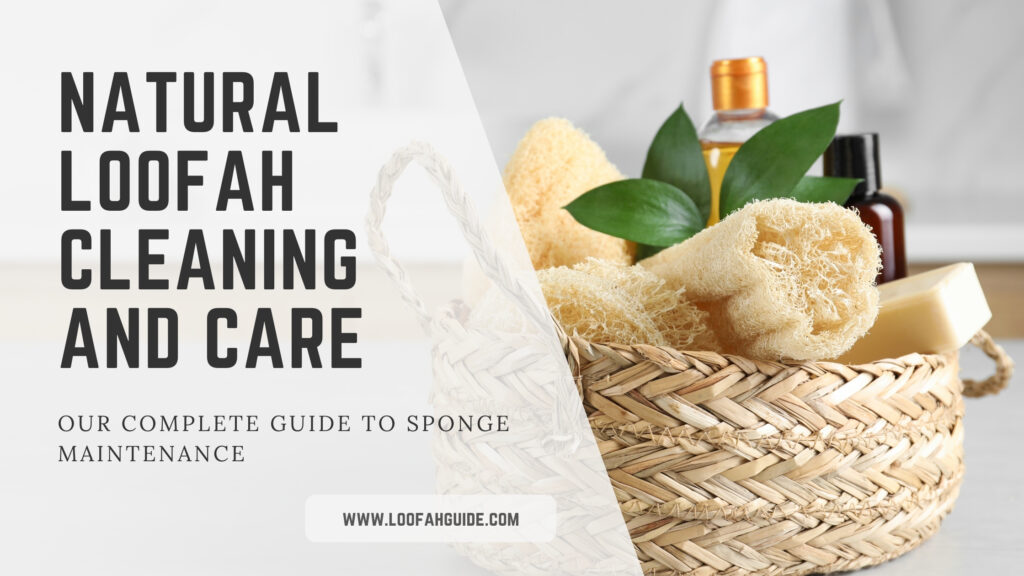
Bacteria colonies on an uncleaned loofah double every twenty minutes in warm bathroom conditions, transforming your exfoliation tool into a potential source of skin infections within days. This biological reality makes proper loofah cleaning essential knowledge for anyone using these natural sponges. Understanding exactly how to maintain your loofah protects your skin while dramatically extending product lifespan and value.
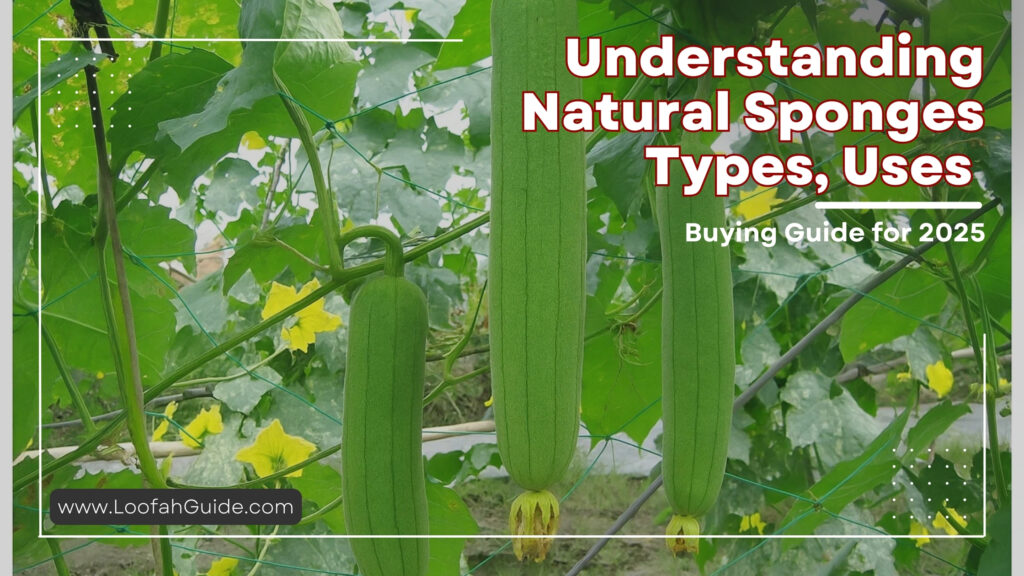
Natural loofahs come from the Luffa aegyptiaca plant, a member of the cucumber family cultivated primarily in Egypt’s Nile Delta region where ideal growing conditions produce the world’s highest quality fibers. These plant based sponges offer exceptional exfoliation benefits and represent a genuinely sustainable alternative to petroleum based synthetic poufs. However, their organic structure requires consistent care to remain safe and effective.
Whether you recently purchased your first natural loofah or have used them for years without a formal care routine, this guide provides everything needed to maximize your sponge’s performance and longevity. You will learn the science behind why loofahs require regular cleaning, master multiple sanitization techniques, understand replacement timing, and discover how proper maintenance aligns with environmental values. By the end, cleaning your loofah becomes second nature rather than an afterthought.
The Science Behind Loofah Contamination and Why Cleaning Matters
The same structural properties that make natural loofahs excellent exfoliators also create ideal conditions for microbial growth. Understanding this paradox helps explain why consistent cleaning proves so essential and motivates commitment to proper maintenance routines.
Natural loofah fibers form complex three dimensional networks with countless interconnected spaces. During bathing, these spaces trap dead skin cells, body oils, soap residue, and various organic materials. Each use deposits new contaminants while warm water and body heat create optimal temperatures for bacterial reproduction. When you hang your loofah in a steamy bathroom, you provide microorganisms with the moisture, warmth, and food supply they need to thrive.
Dermatological research has identified numerous problematic organisms in improperly maintained loofahs. Pseudomonas aeruginosa causes skin infections and can prove serious for individuals with compromised immune systems. Staphylococcus aureus leads to folliculitis, boils, and other skin conditions. Various fungal species trigger itching, rashes, and persistent infections resistant to simple treatments.
The infection pathway typically begins with small skin abrasions created during normal exfoliation. When contaminated loofah fibers pass over these microscopic openings, bacteria gain direct access beneath the skin barrier. Healthy immune systems usually handle minor exposures without issue, but repeated contact with heavily contaminated loofahs overwhelms natural defenses. People with diabetes, elderly individuals, and those taking immunosuppressive medications face heightened risks.
Beyond infection concerns, dirty loofahs simply work less effectively. Clogged fibers lose exfoliation ability as debris fills the spaces between strands. Soap lathers poorly against contaminated surfaces, and musty odors make bathing unpleasant. Proper cleaning restores both safety and function.
Microbial Growth Stages in Natural Loofahs
| Stage | Timeframe | Contamination Level | Observable Signs | Health Risk |
|---|---|---|---|---|
| Fresh | Day 1 | Minimal | Clean appearance and smell | Very Low |
| Early Growth | Days 2 to 4 | Low to Moderate | No visible changes | Low |
| Established Colonies | Days 5 to 10 | Moderate to High | Possible slight odor | Moderate |
| Mature Contamination | Weeks 2 to 3 | High | Odor, possible discoloration | High |
| Critical | Week 4 plus | Very High | Strong odor, visible changes | Very High |
This progression assumes average bathroom humidity and daily use without proper cleaning. Individual results vary based on environmental conditions, storage practices, and personal hygiene factors.
Daily Loofah Care Fundamentals
Establishing consistent daily habits prevents the bacterial accumulation that necessitates aggressive deep cleaning or premature replacement. These simple steps take under two minutes but deliver substantial benefits for both hygiene and product longevity.
Immediately after each shower or bath, hold your loofah under running water and squeeze firmly. Work from the center of the sponge outward, compressing the fibers thoroughly to expel trapped materials. The initial squeeze releases the most debris, but repeat the process five to seven times until water runs clear. This mechanical action removes approximately eighty percent of accumulated soap, skin cells, and oils.
Next, shake your loofah vigorously to release water trapped within the fiber network. Many people skip this simple step, but it significantly reduces drying time. A loofah that dries completely within four hours maintains far safer conditions than one remaining damp for eight to twelve hours. Bacterial reproduction slows dramatically in dry environments.
Storage location determines drying success more than any other factor. Never leave your loofah inside the shower or tub where steam and humidity prevent proper drying. Ideal storage positions the sponge in well ventilated areas away from moisture sources. Near bathroom windows, on hooks near exhaust fans, or even in adjoining rooms all work better than leaving loofahs on shower caddies or tub edges.
Some users take their loofahs to bedrooms between uses, especially in homes with small bathrooms lacking adequate ventilation. While this approach might seem excessive, the dramatically improved drying conditions justify the minor inconvenience. A loofah that dries thoroughly between uses remains safer and lasts longer than one stored conveniently but poorly.
Your Daily Loofah Routine
| Step | What to Do | Time Required | Why It Matters |
|---|---|---|---|
| Rinse | Run water through loofah | 20 seconds | Flushes loose debris |
| Squeeze | Compress from center outward | 45 seconds | Expels trapped materials |
| Repeat | Squeeze 5 to 7 times total | 2 minutes | Ensures thorough cleaning |
| Shake | Vigorous shaking motion | 15 seconds | Releases excess water |
| Hang | Place in ventilated area | Until completely dry | Prevents bacterial growth |
Weekly Deep Cleaning Methods That Actually Work
Daily care manages surface contamination, but weekly deep cleaning eliminates microorganisms that penetrate deeper into loofah fiber structures. Several effective methods exist, each offering distinct advantages depending on your preferences, available supplies, and time constraints.
Hydrogen Peroxide Treatment
Hydrogen peroxide provides medical grade sanitization without harsh chemical residues or strong odors. This method effectively kills bacteria, fungi, and viruses while remaining gentle enough for repeated use on natural fibers.
To clean your loofah with hydrogen peroxide, mix one cup of standard three percent hydrogen peroxide with four cups of water in a clean basin or container. Submerge your loofah completely, ensuring the solution penetrates all fiber areas. Allow the sponge to soak for thirty minutes, during which you will observe bubbling as the peroxide oxidizes organic matter and microorganisms.
After soaking, rinse your loofah thoroughly under running water for at least two full minutes. This extended rinse ensures all peroxide traces are removed. Shake vigorously and hang to dry in your usual well ventilated location. The entire process takes about forty minutes including preparation and cleanup.
Hydrogen peroxide sanitization works particularly well for those concerned about chemical exposure or environmental impact. The solution breaks down into water and oxygen, leaving no problematic residues. This method suits sensitive skin users who want thorough cleaning without harsh chemicals contacting their loofah fibers.
The Hot Water Immersion Technique
Heat effectively kills most bacteria and loosens embedded debris without any chemical additives. This straightforward method appeals to those preferring simplicity or lacking specialized cleaning supplies.
Heat water to approximately 150 degrees Fahrenheit or 65 degrees Celsius. You can measure this with a kitchen thermometer or simply use water hot enough that you cannot comfortably touch it but below boiling temperature. Boiling water can damage loofah fibers, so avoid actually bringing water to a rolling boil.
Place your loofah in a heat safe container and pour the hot water over it, ensuring complete submersion. Allow soaking for five to seven minutes, then remove the loofah and rinse thoroughly under cool water. The temperature contrast helps dislodge loosened debris. Shake and dry as usual.
While effective for regular maintenance, hot water alone does not eliminate all bacterial strains or fungal spores. Consider alternating this method with chemical sanitization approaches for comprehensive protection over time.
Vinegar and Baking Soda Natural Cleaning
This combination leverages two pantry staples with proven antimicrobial properties. White vinegar’s acidity kills bacteria while baking soda deodorizes and provides mild abrasive action to lift embedded debris.
Prepare your cleaning solution by adding two tablespoons of baking soda to one cup of white vinegar in a large basin. The mixture will fizz vigorously as the compounds react. Once the initial fizzing subsides, add three cups of warm water and stir to combine.
Submerge your loofah in this solution for fifteen to twenty minutes. The acidic environment eliminates bacteria while baking soda neutralizes odors that may have developed. After soaking, rinse thoroughly and dry completely.
This method appeals particularly to eco conscious users seeking chemical free cleaning options. Both vinegar and baking soda are food safe, biodegradable, and widely available. The strong vinegar smell dissipates quickly during drying, leaving your loofah fresh and ready for use.
Microwave Sterilization
For rapid, thorough sanitization, microwave treatment delivers excellent results when performed correctly. The combination of heat and steam penetrates the entire loofah structure, killing bacteria and mold spores throughout.
Before microwaving, confirm your loofah contains no metal components. Check for wire hangers, metallic decorative threads, or reinforced loops with metal crimps. Any metal creates dangerous sparking hazards in microwaves.
Saturate your loofah completely with water. A dry loofah in the microwave will scorch or catch fire. Place the wet loofah in a microwave safe dish and heat on high power for two minutes. The water converts to steam, which penetrates every fiber space.
Allow cooling before handling since the loofah will be extremely hot immediately after microwaving. Once cool enough to touch, squeeze out the hot water and proceed with normal drying. This method achieves hospital level sanitization in minutes, making it ideal for busy schedules or situations requiring quick turnaround.
Deep Cleaning Methods at a Glance
| Method | Kill Rate | Time Needed | Supplies Required | Best For |
|---|---|---|---|---|
| Hydrogen Peroxide | Excellent | 40 minutes | Peroxide solution | Maximum sanitization |
| Hot Water | Good | 15 minutes | Just hot water | Simple maintenance |
| Vinegar and Baking Soda | Very Good | 30 minutes | Pantry items | Natural cleaning preference |
| Microwave | Excellent | 5 minutes | Microwave access | Quick sterilization |
Signs Your Loofah Needs Replacement Despite Cleaning
Even the most diligent cleaning routine cannot indefinitely extend loofah life. Recognizing when your sponge has reached the end of its useful service protects your skin and ensures continued exfoliation benefits. Several clear indicators signal replacement time regardless of how carefully you have maintained your loofah.
Persistent odor after thorough deep cleaning represents the most definitive replacement signal. When bacteria colonize deep within fiber structures beyond the reach of surface sanitization, their metabolic byproducts create unmistakable smells. If your loofah smells musty, sour, or generally unpleasant even immediately after deep cleaning and complete drying, contamination has progressed too far for recovery.
Visual changes also indicate serious contamination or structural degradation. Natural loofahs lighten slightly through normal use as outer fiber surfaces wear, but this gradual change differs significantly from problematic discoloration. Dark spots, greenish or grayish patches, or unusual color variations suggest mold or bacterial colonies. These visual markers often correspond with deep contamination that cleaning cannot adequately address.
Texture changes reveal both contamination and structural compromise. Slimy or unusually slippery surfaces indicate biofilm formation from bacterial colonies. Excessively soft or mushy fibers have degraded beyond effective exfoliation capability. Fibers that break apart easily or shed during use signal the end of useful product life.
General usage guidelines recommend replacement every four to six weeks for daily users. However, proper cleaning and drying can extend this timeline to eight weeks or longer for high quality natural loofahs. Egyptian loofahs from established producers like Egexo feature denser fiber structures that withstand more cleaning cycles while maintaining integrity.
Loofah Condition Assessment Guide
| Indicator | What It Means | Recommended Action |
|---|---|---|
| Fresh smell after drying | Healthy condition | Continue normal routine |
| Mild odor between cleanings | Early accumulation | Deep clean promptly |
| Persistent smell after cleaning | Deep contamination | Replace immediately |
| Slight softening of fibers | Normal wear | Monitor closely |
| Fiber breakdown or shedding | End of life | Replace immediately |
| Dark spots or discoloration | Mold or bacteria | Replace immediately |
| Slimy texture | Biofilm formation | Replace immediately |
Selecting the Right Loofah for Your Skin Type
Choosing an appropriate loofah influences both cleaning requirements and skin health outcomes. Different skin types benefit from different loofah characteristics, and understanding these relationships helps you select products that serve your needs while remaining manageable to maintain.
Sensitive skin requires gentle exfoliation that removes dead cells without causing irritation, redness, or micro abrasions. Natural loofahs with softer fiber densities work best for sensitive skin types. Loofahs harvested earlier in the growing cycle tend toward gentler textures than those from fully mature plants. When shopping, look for descriptions indicating soft, gentle, or sensitive skin appropriate products.
Oily and acne prone skin benefits from more thorough exfoliation to clear excess sebum and prevent pore clogging. Firmer loofah varieties provide the deeper cleaning these skin types require. However, even with oily skin, avoid aggressive scrubbing that traumatizes the surface. Over exfoliation triggers compensatory oil production and can worsen acne rather than helping.
Dry skin needs exfoliation to remove flaky dead cells but also requires protection from excessive abrasion that strips natural moisture barriers. Medium texture loofahs combined with moisturizing products after exfoliation work well for dry skin. Always follow loofah use with appropriate hydrating products.
Normal skin tolerates the widest range of loofah textures, allowing selection based primarily on personal preference. Many people with normal skin keep multiple loofahs for different body areas, using softer options for the face and firmer varieties for body exfoliation.
Beyond skin type, consider the specific body areas you plan to exfoliate. Back loofahs with handles reach areas impossible to scrub otherwise. Smaller loofahs work better for facial use or targeted treatment of rough spots like elbows and heels.
Loofah Selection Matrix
| Your Skin Type | Ideal Texture | Exfoliation Frequency | Pressure Level | Key Considerations |
|---|---|---|---|---|
| Sensitive | Soft | Once or twice weekly | Very Light | Avoid broken skin |
| Dry | Medium Soft | Twice weekly | Light | Moisturize after |
| Normal | Medium | Two to three times weekly | Moderate | Versatile options |
| Oily | Medium Firm | Three to four times weekly | Moderate | Do not overdo it |
| Combination | Medium | Two to three times weekly | Varies by area | Adjust technique |
| Mature | Soft to Medium | Once or twice weekly | Light | Extra gentle care |
Environmental Impact of Proper Loofah Maintenance
Extending loofah lifespan through proper cleaning delivers meaningful environmental benefits that compound with each additional week of use. Natural loofahs already represent a significant improvement over synthetic alternatives, but maximizing each product’s service life multiplies these advantages substantially.
A single well maintained natural loofah replaces approximately five to eight synthetic shower poufs over its useful life. Since natural loofahs biodegrade completely within weeks when composted, their end of life environmental impact approaches zero. Synthetic poufs made from petroleum based nylon persist in ecosystems for centuries, fragmenting into microplastics that contaminate water supplies, soil, and food chains.
Water and resource conservation also factor into environmental calculations. Manufacturing replacement loofahs requires agricultural water for plant cultivation, processing water for fiber preparation, and transportation fuel for distribution. The cumulative resources needed to produce multiple replacement loofahs far exceed the minimal water used in weekly deep cleaning of a single well maintained sponge.
Carbon footprint considerations similarly favor proper maintenance. Transportation emissions from growing, processing, shipping, and distributing loofahs accumulate with each purchase cycle. Extending product life through diligent care proportionally reduces these emissions while maintaining the same exfoliation benefits.
After your loofah reaches the end of its bathing life, consider repurposing before final disposal. Old loofahs work excellently for household cleaning tasks, scrubbing garden pots, or similar applications where skin contact hygiene matters less. Kitchen loofahs are specifically designed for non skin applications and offer another sustainable option for household cleaning.
When truly finished with a natural loofah, compost it rather than sending it to landfill. Cut the loofah into smaller pieces to accelerate decomposition and add it to your compost pile or bin. Within weeks, the organic fibers break down completely, returning nutrients to soil without any lasting environmental trace.
For those seeking maximum environmental responsibility, sourcing loofahs from suppliers with documented sustainable practices adds another layer of ecological consciousness. Egexo’s farm to export process demonstrates how responsible cultivation and processing can coexist with premium product quality.
Common Loofah Cleaning Mistakes to Avoid
Even well intentioned cleaning efforts sometimes go wrong, potentially damaging loofahs or failing to achieve proper sanitization. Understanding common mistakes helps you avoid them while maximizing the effectiveness of your maintenance routine.
Using concentrated bleach damages natural loofah fibers over time, weakening the structure and shortening useful life. While diluted bleach solutions can sanitize effectively, repeated exposure to strong concentrations breaks down the plant fibers. If you choose to use bleach, maintain dilutions of no more than one tablespoon per gallon of water and limit bleach cleaning to occasional use rather than weekly routine.
Storing loofahs in sealed containers or plastic bags traps moisture and creates ideal bacterial growth conditions. Even a thoroughly cleaned loofah will rapidly recontaminate if sealed away while still damp. Always store loofahs in open, ventilated conditions that allow complete drying.
Rushing the drying process with high heat sources like hair dryers or radiators can damage fibers and create fire hazards. Natural air circulation works best, even if it takes longer. Patience during drying pays dividends in product longevity.
Sharing loofahs between household members spreads bacteria and increases contamination risks for everyone involved. Each family member should have their own dedicated loofah, properly labeled if necessary to prevent confusion.
Using the same cleaning method exclusively may allow certain resistant organisms to survive and adapt. Rotating between different deep cleaning methods provides broader spectrum protection against various bacterial and fungal species.
How Quality Affects Cleaning and Lifespan
Not all loofahs respond equally well to cleaning and maintenance. Product quality directly impacts how effectively your loofah can be cleaned, how long it maintains integrity through repeated sanitization cycles, and ultimately how much value you receive from your purchase.
Premium loofahs feature denser, more uniformly structured fibers that resist bacterial penetration better than loosely woven alternatives. When microorganisms cannot penetrate deeply into the fiber matrix, surface sanitization proves more effective. This characteristic allows quality loofahs to maintain safer conditions through standard cleaning protocols.
Fiber strength also determines how many cleaning cycles a loofah withstands before structural degradation. Lower quality loofahs begin breaking down after just a few hot water treatments or chemical sanitizations. Quality loofahs maintain their integrity through dozens of cleaning cycles, dramatically extending useful life.
Egyptian loofahs from the Nile Delta region represent the international standard for premium natural loofahs. The combination of ideal growing conditions, traditional cultivation expertise, and careful processing produces consistently superior products. Wholesale suppliers serving quality conscious retailers specifically seek Egyptian sources for this reason.
When evaluating loofah quality before purchase, examine fiber density and uniformity. High quality loofahs feel firm and springy with consistent texture throughout. Lower quality products feel soft, loose, or unevenly structured. The small additional investment in premium loofahs pays returns through extended life and improved cleaning effectiveness.
For those interested in wholesale purchasing or retail sourcing, request samples from potential suppliers to evaluate quality before committing to bulk orders. Physical examination reveals quality differences that photographs and descriptions cannot fully convey.
FAQ Section
Q1: What happens if I never clean my loofah sponge?
A: Without regular cleaning, natural loofah sponges develop dangerous bacterial colonies within one to two weeks of daily use. Bacteria including Pseudomonas and Staphylococcus species multiply rapidly in the warm, moist, nutrient rich environment of uncleaned loofahs. Using contaminated loofahs can cause skin infections, folliculitis, acne outbreaks, and more serious conditions in people with compromised immune systems. The loofah also develops unpleasant odors, loses exfoliation effectiveness, and degrades structurally much faster than properly maintained alternatives.
Q2: Can I clean my loofah sponge with regular soap during my shower?
A: Soap during showering helps remove surface debris but does not provide adequate sanitization to prevent bacterial accumulation over time. While rinsing with soapy water contributes to daily maintenance, you still need dedicated weekly deep cleaning using methods like hydrogen peroxide soaking, hot water treatment, or microwave sterilization. These deeper cleaning approaches reach bacteria that penetrate into the fiber structure where soap and water cannot effectively clean.
Q3: How long can a properly cleaned loofah sponge last?
A: A high quality natural loofah with consistent proper cleaning and thorough drying between uses can last two to three months, potentially longer for premium Egyptian varieties with dense fiber structures. Without proper maintenance, the same loofah becomes unsafe for use within two to three weeks. Quality significantly impacts longevity since premium loofahs withstand more cleaning cycles before structural degradation begins. Replace any loofah immediately upon noticing persistent odor, discoloration, or fiber breakdown regardless of how long you have owned it.
Q4: Is it safe to clean loofah sponges in the dishwasher?
A: Dishwasher cleaning can work for certain loofah types, particularly those designed for kitchen use rather than body exfoliation. The high water temperatures and heated drying cycles provide reasonable sanitization. However, the aggressive spray action may damage delicate natural fibers over time, and body loofahs cleaned with dish residue may not be ideal for skin contact. Hand cleaning methods offer more control and typically preserve loofah integrity better for body use applications.
Q5: Why does my loofah still smell bad after cleaning?
A: Persistent odor after thorough deep cleaning indicates bacterial colonization too deep within the fiber structure for surface sanitization to reach. This typically occurs when loofahs remain damp for extended periods between uses, allowing bacteria to penetrate beyond accessible areas. Once contamination reaches this level, the loofah cannot be effectively recovered and requires replacement. To prevent this situation, ensure your loofah dries completely within four to six hours after each use by storing in well ventilated areas away from bathroom humidity.
Q6: Do natural and synthetic loofahs require different cleaning approaches?
A: Yes, natural and synthetic loofahs respond differently to various cleaning methods. Natural loofahs tolerate most standard sanitization approaches but should avoid prolonged exposure to concentrated bleach, which degrades plant fibers. Synthetic loofahs handle chemical cleaning better but cannot be microwaved as the plastic materials may melt. Natural loofahs generally support bacterial growth more readily than synthetic alternatives but offer superior exfoliation and environmental benefits when properly maintained.
Expert Insight from Egexo
Natural loofah cleaning success begins at the source. After 25 years cultivating Luffa aegyptiaca in Egypt’s Nile Delta, we have observed that fiber density directly determines how effectively a loofah responds to sanitization efforts. Loofahs with tightly packed, uniformly structured fibers resist bacterial penetration, meaning surface cleaning actually reaches the contamination. Loosely structured loofahs allow bacteria to burrow beyond the reach of standard cleaning methods.
When selecting loofahs for personal use or retail inventory, prioritize density and structural uniformity over size or price. A smaller, denser loofah that maintains integrity through months of proper cleaning delivers better value than larger, loosely structured alternatives requiring frequent replacement. Examine potential purchases by feel since quality loofahs feel firm and springy while lower grade products feel soft and spongy. This simple assessment predicts cleaning effectiveness and useful lifespan more reliably than any other factor.
Conclusion
Proper loofah cleaning transforms these remarkable natural sponges from potential hygiene hazards into safe, long lasting skincare tools. The simple daily habits and weekly deep cleaning methods outlined in this guide protect your skin from bacterial infections while maximizing the value of each loofah purchase.
Natural loofahs offer exceptional exfoliation benefits and genuine environmental advantages over synthetic alternatives. However, their organic structure requires consistent maintenance to remain safe and effective. By understanding the science behind loofah contamination and committing to proper care routines, you ensure these benefits continue throughout extended product lifespans.
Key Takeaways:
- Daily rinsing with thorough squeezing and proper drying prevents most bacterial accumulation before it starts
- Weekly deep cleaning using hydrogen peroxide, hot water, vinegar solutions, or microwave treatment eliminates deeper contamination
- Storage location matters critically since loofahs must dry completely within four to six hours between uses
- Replace loofahs immediately upon persistent odor, visible discoloration, or structural degradation regardless of cleaning efforts
- Quality loofahs with dense fiber structures clean more effectively and last significantly longer than lower grade alternatives
Explore More Loofah Resources:
- Learn About Quality Standards: Loofah Quality Guide
- Browse Product Options: Body and Bath Loofahs
- Wholesale Information: WholesaleLoofah.com