Every year, households discard billions of synthetic kitchen sponges that take centuries to decompose in landfills. Kitchen loofah sponges offer a remarkably effective alternative that cleans dishes thoroughly while returning to the earth within weeks of disposal. This shift toward natural cleaning tools reflects growing awareness among consumers and businesses alike that sustainable choices need not compromise performance.
Natural loofahs have served kitchens across Mediterranean and Middle Eastern cultures for generations, long before plastic alternatives flooded store shelves. The fibrous interior of the Luffa plant creates an intricate scrubbing surface that tackles stubborn food residue without leaving scratches on cookware. Modern consumers rediscovering these traditional tools often express surprise at their effectiveness compared to familiar synthetic options.
Retailers and distributors have noticed this consumer trend, with natural kitchen products becoming increasingly prominent in home goods sections. Spa suppliers, eco-friendly boutiques, and zero-waste shops report steady demand growth for quality kitchen loofah sponges sourced from traditional growing regions. Egyptian varieties command particular respect among buyers who prioritize fiber density and product longevity.
This guide explores everything you need to know about kitchen loofah sponges. You will learn how these natural tools compare to synthetic alternatives, discover proper selection criteria for different cleaning tasks, and understand maintenance practices that maximize useful life. Whether you seek practical household advice or business sourcing knowledge, the following sections provide comprehensive insights into this sustainable kitchen essential.
What Makes Kitchen Loofah Sponges Different From Other Cleaning Tools
The fundamental distinction between natural kitchen loofah sponges and synthetic alternatives begins at the molecular level. Loofah fibers consist of plant cellulose arranged in complex, interconnected patterns that create thousands of microscopic cleaning surfaces. This organic structure provides scrubbing action while naturally resisting bacterial colonization better than many synthetic materials.
Synthetic sponges and scrubbers rely on manufactured materials including polyester, nylon, and polyurethane foam. These petroleum-derived products perform adequately for cleaning but introduce environmental concerns throughout their lifecycle. Manufacturing requires fossil fuels, use releases microplastic particles, and disposal contributes to long-term waste accumulation.
The cellular architecture of natural loofahs creates what cleaning scientists describe as capillary action within the fiber network. Water and soap penetrate deeply into the loofah structure, then release gradually during scrubbing. This mechanism distributes cleaning agents effectively while the physical texture addresses residue mechanically. Synthetic sponges lack this sophisticated moisture management inherent to plant fibers.
The Botanical Origins of Kitchen Loofah Sponges
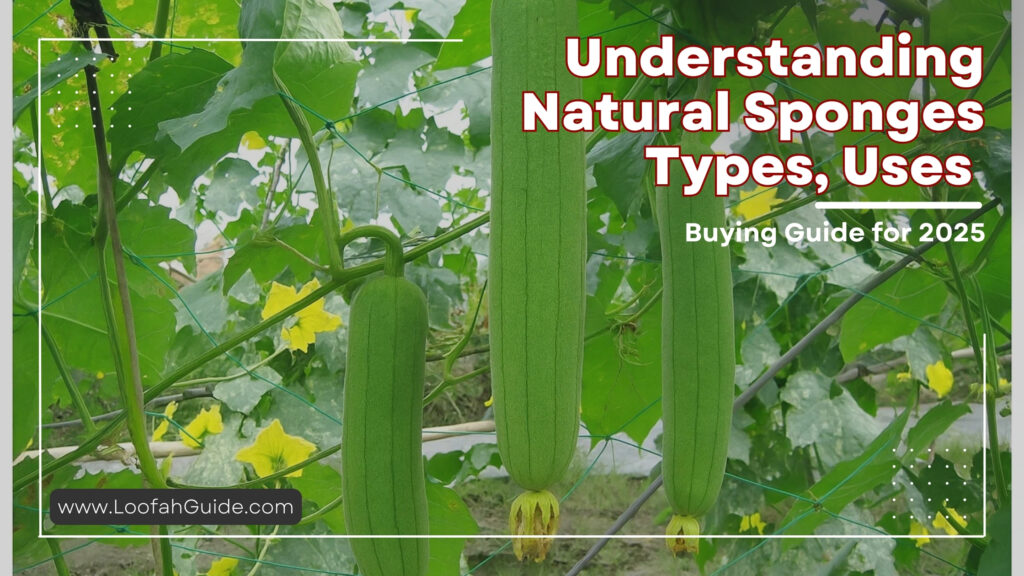
Understanding where kitchen loofah sponges come from helps consumers appreciate their unique properties. The Luffa aegyptiaca plant belongs to the cucumber family, producing large gourds that develop fibrous interiors as they mature. Farmers harvest these gourds after the plant completes its growing cycle, then process them to extract the valuable fiber network inside.
Egyptian cultivation of loofahs dates back centuries, with the Nile Valley providing ideal growing conditions. The combination of rich alluvial soil, warm temperatures, and controlled humidity produces loofahs with notably dense fiber structures. Experienced cultivators recognize subtle differences in fiber quality based on harvest timing, growing location, and post-harvest processing methods.
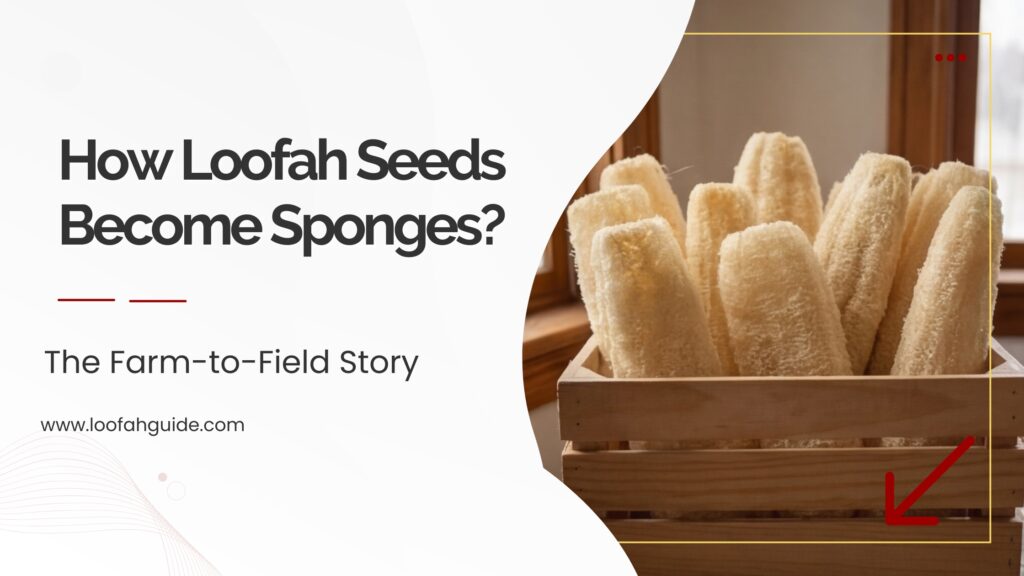
Commercial loofah production involves careful drying, cleaning, and sometimes bleaching of harvested fibers. Quality-focused producers avoid harsh chemical treatments that weaken fiber integrity, relying instead on natural sun-drying and mechanical processing. These methods preserve the natural strength that makes Egyptian loofahs particularly valued in professional kitchens and among discerning consumers.
Natural Fiber Performance Characteristics
Kitchen loofah sponges demonstrate specific performance attributes that influence their effectiveness for different cleaning tasks. Fiber density determines scrubbing aggressiveness, with denser loofahs tackling stubborn residue while looser structures work gently on delicate surfaces.
| Performance Factor | Natural Loofah | Synthetic Scrubber | Cellulose Sponge |
|---|---|---|---|
| Scrubbing Effectiveness | Excellent for baked residue | Varies by material | Limited to soft deposits |
| Surface Safety | Safe for most materials | May scratch coatings | Very gentle |
| Drying Speed | Fast with proper placement | Slow due to trapped moisture | Moderate |
| Odor Resistance | Good with maintenance | Poor over time | Very poor |
| Environmental Impact | Fully biodegradable | Centuries to decompose | Partially biodegradable |
The ability to customize scrubbing intensity appeals to both home users and commercial operations. Kitchens handling diverse cookware benefit from keeping several loofah grades available for different tasks. This versatility explains growing adoption in restaurant kitchens where efficiency and equipment longevity both matter.
Selecting the Right Kitchen Loofah Sponges for Your Needs
Choosing kitchen loofah sponges requires matching product characteristics to intended applications. The diversity of available options means buyers can find loofahs optimized for specific cleaning challenges rather than settling for one-size-fits-all solutions.
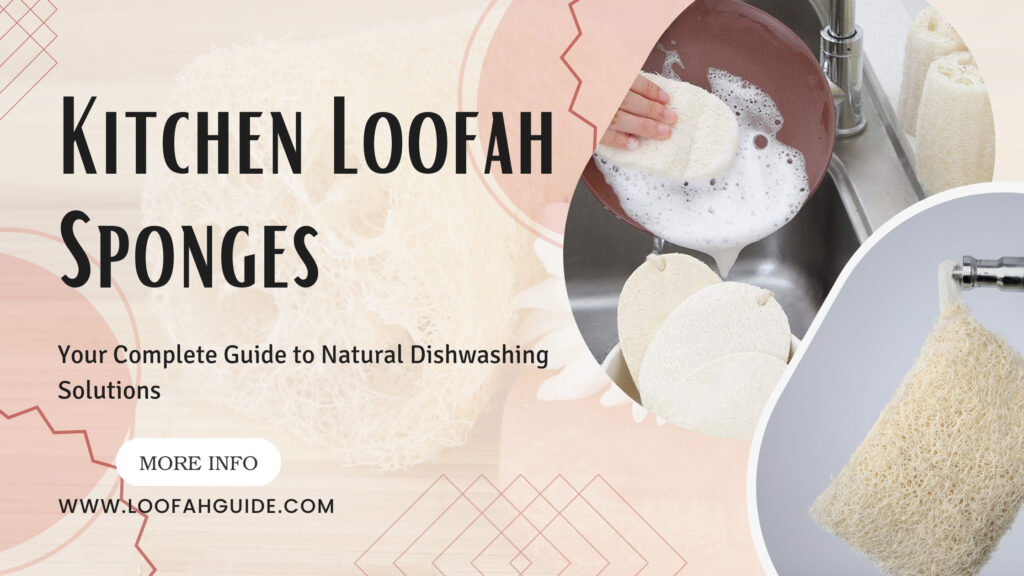
Fiber density serves as the primary selection criterion. High-density loofahs feature tightly packed fibers that provide aggressive scrubbing action for heavy-duty cleaning. These work well on cast iron, stainless steel, and commercial cookware subjected to high-heat cooking. Lower density options suit everyday dishes, glassware, and surfaces requiring gentler treatment.
Physical dimensions affect both cleaning effectiveness and user comfort. Larger loofah sections cover more surface area per stroke, improving efficiency for big pots and baking sheets. Smaller sizes allow precise work on glasses, narrow containers, and intricate cookware shapes. Hand size and grip preference also influence ideal dimensions for individual users.
Kitchen Loofah Types and Their Ideal Applications
Different kitchen loofah configurations address specific cleaning scenarios. Understanding these variations helps buyers select products matching their particular needs.
| Loofah Configuration | Dimensions | Best For | User Type |
|---|---|---|---|
| Flat Oval Pads | 10 to 12 cm oval, 2 cm thick | General dishwashing | Home kitchens |
| Thick Rectangular | 12 x 8 cm, 3 to 4 cm thick | Heavy pots, grills | Restaurant use |
| Small Circles | 6 cm diameter | Glasses, bottles | Specialty cleaning |
| Wedge Shape | Triangular, varied thickness | Corners, tight spaces | Detail work |
| Handled Designs | 20 to 30 cm total length | Large surfaces, reach | Commercial, ergonomic need |
Wholesale buyers seeking inventory for retail or commercial supply should consider offering multiple configurations to address diverse customer needs. Consumer preference varies considerably based on kitchen size, cooking habits, and specific cleaning challenges. For additional product options and specifications, explore the complete kitchen loofah collection at Egexo at https://egexo.com/product-category/kitchen-loofah where bulk quantities are available alongside sample orders.
Evaluating Quality Before Purchase
Quality assessment protects both consumers buying individual products and businesses establishing supply relationships. Several indicators reveal loofah quality before purchase.
Visual inspection provides initial quality signals. Premium kitchen loofah sponges display uniform fiber distribution without thin spots, holes, or irregular density patterns. Color should appear consistent throughout, ranging from natural cream to light brown depending on processing method. Dark spots, discoloration patterns, or visible debris suggest substandard processing.
Physical testing offers additional insight when possible. Quality loofahs feel substantial without being excessively heavy. Fibers should show some flexibility rather than brittle stiffness. Gently compressing the loofah reveals whether fiber bonds remain intact. Premium products spring back toward original shape while inferior loofahs may collapse permanently.
Odor testing helps identify processing issues. Fresh natural loofahs have mild, slightly vegetal scents. Strong musty odors indicate improper drying or storage. Chemical smells suggest excessive bleaching or treatment with harsh agents that may weaken fibers and leave residues.
Proper Care Extends Kitchen Loofah Lifespan Significantly
Maintenance practices dramatically influence how long kitchen loofah sponges remain effective. Proper care routines double or triple useful lifespan compared to neglected products while maintaining hygiene standards essential for food preparation environments.
Post-use rinsing removes trapped food particles that otherwise decompose within the fiber structure. Thorough rinsing under running water should continue until no visible debris remains. Squeezing repeatedly helps flush particles from deep within the loofah rather than simply rinsing surface material.
Complete drying between uses prevents bacterial growth that eventually degrades both performance and hygiene. Kitchen loofahs dry fastest when suspended in circulating air rather than lying flat on wet surfaces. Simple hooks, mesh baskets, or purpose-made holders position loofahs for optimal airflow. Avoiding enclosed spaces like cabinet interiors helps prevent moisture retention.
Weekly Sanitization Procedures
Regular sanitization complements daily rinsing to maintain hygienic conditions throughout loofah service life. Several effective methods suit different situations and preferences.
Boiling water treatment provides thorough sanitization using equipment available in any kitchen. Submerge the loofah completely in boiling water for 2 to 3 minutes, ensuring full coverage. This temperature eliminates virtually all bacteria and allows the loofah to cool before handling.
Microwave sanitization works quickly when a microwave is available. Thoroughly wet the loofah first, as dry material may scorch or ignite. Microwave on high for 1 to 2 minutes, monitoring throughout. Allow cooling before handling as the loofah retains significant heat.
Diluted vinegar soaking offers chemical-free sanitization for those preferring to avoid heat treatments. Combine one part white vinegar with four parts water and soak the loofah for 15 to 20 minutes. Rinse thoroughly afterward to remove vinegar residue.
| Sanitization Method | Time Required | Effectiveness | Best For |
|---|---|---|---|
| Boiling Water | 2 to 3 minutes | Excellent | Weekly deep cleaning |
| Microwave | 1 to 2 minutes | Very Good | Quick sanitization |
| Vinegar Soak | 15 to 20 minutes | Good | Chemical-free preference |
| Dishwasher Cycle | Full cycle | Very Good | Convenience |
| Hydrogen Peroxide Soak | 10 minutes | Excellent | Heavy contamination |
Commercial kitchens may implement daily sanitization schedules during busy periods. Food service operations benefit from establishing written protocols ensuring consistent maintenance across all staff members. These procedures support health inspection compliance while maximizing cleaning tool effectiveness.
Recognizing When Replacement Becomes Necessary
Even well-maintained kitchen loofah sponges eventually require replacement. Recognizing replacement indicators prevents using degraded products that underperform or compromise kitchen hygiene.
Fiber integrity provides the clearest replacement signal. When significant sections become thin, compressed beyond recovery, or detach from the main structure, cleaning effectiveness diminishes substantially. The scrubbing action depends on fiber density and structural cohesion that degradation compromises.
Persistent odor despite sanitization indicates bacterial colonization too extensive for normal cleaning methods to address. If odors return within days of thorough sanitization, the loofah has reached end of useful life regardless of remaining physical integrity.
Visual changes including darkening, spotting, or unusual discoloration warrant immediate replacement. These signs often indicate mold growth or bacterial colonies that sanitization cannot adequately address.
Typical replacement timelines vary based on usage intensity and maintenance consistency. Home kitchens using loofahs daily typically replace every 6 to 8 weeks with proper care. Commercial operations may require more frequent replacement given higher usage volumes.
Environmental Benefits Drive Kitchen Loofah Adoption
Sustainability concerns motivate many consumers transitioning from synthetic scrubbers to kitchen loofah sponges. Understanding the environmental advantages helps both individual buyers and businesses communicate value to eco-conscious markets.
Complete biodegradability distinguishes natural loofahs from all synthetic alternatives. Disposed loofahs decompose within 30 to 60 days under typical composting conditions, returning plant material to natural cycles. This contrasts sharply with synthetic sponges requiring 200 to 500 years for decomposition in landfill environments.
The microplastic problem receives increasing attention as research reveals these particles throughout ecosystems and even human bodies. Synthetic sponges shed thousands of microplastic fragments during normal use, releasing them into water systems via drain water. Natural loofahs eliminate this contamination source entirely since plant fibers do not persist as pollutants.
Lifecycle Analysis Favors Natural Loofahs
Comprehensive environmental assessment considers impacts from production through disposal. Natural kitchen loofahs demonstrate advantages across multiple lifecycle stages.
Agricultural production of loofahs requires minimal inputs compared to manufacturing synthetic alternatives. Loofah plants grow with moderate water requirements, no mandatory chemical fertilizers, and no synthetic pesticides when cultivated using traditional methods. The plants actually improve soil quality through organic matter contribution during their growing cycle.
Processing loofahs involves primarily mechanical operations with low energy requirements. Drying utilizes solar energy in traditional production regions. Cutting and shaping require basic tools rather than energy-intensive manufacturing equipment. Compare this to synthetic sponge production requiring petroleum extraction, chemical processing, and high-temperature manufacturing.
Transportation creates some environmental cost for loofahs shipped from growing regions to distant markets. However, the lightweight nature of dried loofahs means shipping efficiency per unit exceeds many alternatives. Container loads of natural loofahs represent thousands of products with relatively low total weight.
Disposal closes the lifecycle loop favorably for natural loofahs. Composting returns nutrients to soil while avoiding landfill contribution. Even disposed in regular waste, natural loofahs break down relatively quickly compared to persistent synthetic materials.
Supporting Sustainable Agriculture Through Purchasing Choices
Buying natural kitchen loofah sponges supports agricultural communities in traditional growing regions. This economic dimension adds social sustainability to environmental benefits.
Egyptian loofah cultivation provides livelihoods for farming families in rural communities along the Nile Valley. Traditional growing methods passed through generations preserve agricultural knowledge while producing premium products. Supporting these producers through purchasing decisions helps maintain viable alternatives to industrial agriculture.
Quality-focused suppliers like Egexo maintain direct relationships with farming communities, ensuring fair compensation reaches actual producers. This supply chain transparency matters to businesses and consumers concerned about ethical sourcing. Learn more about cultivation practices and supply chain standards at https://egexo.com/loofah-farm-to-export-process where the complete production journey is documented.
For businesses building sustainable product offerings, natural kitchen loofahs align with consumer values while delivering genuine performance. The combination of environmental credentials and practical effectiveness makes these products increasingly popular in eco-conscious retail channels.
Kitchen Loofah Sponges for Professional and Commercial Applications
Commercial kitchens, food processing facilities, and hospitality operations increasingly adopt kitchen loofah sponges for both performance and sustainability reasons. Understanding professional applications helps businesses evaluate natural loofahs for their operations.
Restaurant dish stations benefit from loofah durability and scrubbing effectiveness on commercial cookware. The aggressive cleaning action tackles residue from high-heat cooking while the natural material poses no food safety concerns. Many restaurant operators report kitchen loofah sponges outlast synthetic alternatives by 50 percent or more in demanding commercial environments.
Food processing facilities appreciate the complete absence of synthetic fragments that could contaminate products. Regulatory scrutiny of foreign material contamination makes natural, biodegradable cleaning tools attractive. Should loofah fibers somehow contact food products, they represent plant material rather than plastic.
Bulk Purchasing Considerations for Businesses
Businesses transitioning to kitchen loofah sponges need reliable supply sources offering consistent quality at reasonable volumes. Several factors influence successful bulk purchasing relationships.
Minimum order quantities vary among suppliers based on their operational scale and target markets. Established Egyptian suppliers typically accommodate orders ranging from small retail quantities to container-load shipments for large distributors. First-time buyers should request samples before committing to significant orders, verifying quality meets operational requirements.
Specification consistency matters particularly for businesses developing standard procedures around specific products. Reliable suppliers maintain quality control ensuring each shipment matches established specifications. Variation in fiber density, sizing, or processing between orders disrupts operational efficiency and staff training.
Documentation requirements differ by market and application. Food service operations may require certifications confirming food-safe processing. Import regulations vary by country and product category. Experienced export suppliers familiar with major markets provide necessary documentation efficiently.
For businesses exploring kitchen loofah supply options, https://wholesaleloofah.com/ provides resources specifically addressing bulk purchasing considerations. Sample requests help evaluate products before quantity commitments through https://egexo.com/request-loofah-samples/ where trial quantities ship for quality assessment.
Building Product Offerings Around Natural Kitchen Tools
Retailers and distributors recognizing consumer demand for sustainable kitchen products can build profitable offerings around natural loofahs and related items. Strategic product selection and presentation maximize market success.
| Market Segment | Product Focus | Messaging Priority | Price Sensitivity |
|---|---|---|---|
| Eco-Conscious Consumer | Sustainability credentials | Environmental impact | Moderate |
| Natural Living | Chemical-free, organic | Health benefits | Low |
| Zero Waste | Biodegradability | Waste reduction | Moderate |
| Professional Kitchen | Performance, durability | Efficiency gains | Low to moderate |
| Gift and Home Decor | Aesthetic presentation | Quality, craftsmanship | Low |
Bundling kitchen loofahs with complementary products creates attractive offerings. Consider combinations with natural dish soap, bamboo utensils, or organic cotton cleaning cloths. These bundles address multiple customer needs while increasing average order value.
Private labeling allows retailers to build brand identity around quality natural products. Established manufacturers offer private label services creating custom-branded kitchen loofah products for qualifying orders. Explore private label manufacturing options at https://egexo.com/private-label-loofah-manufacturing/ for businesses seeking branded product development.
Comparing Kitchen Loofah Sponges to Alternative Cleaning Tools
Consumers and businesses evaluating kitchen loofah sponges benefit from direct comparison with familiar alternatives. Understanding relative strengths and limitations supports informed purchasing decisions.
Traditional cellulose sponges offer softness and high absorbency but lack the scrubbing texture needed for stuck residue. These products work well for wiping surfaces but struggle with encrusted cookware. Their tendency to harbor odors and bacteria despite washing limits useful lifespan.
Plastic mesh scrubbers provide aggressive scrubbing but risk scratching delicate surfaces. The microplastic shedding issue concerns environmentally aware users. These products occupy similar price points to natural loofahs while offering shorter functional lifespan.
Steel wool and abrasive pads deliver maximum scrubbing power for serious cleaning challenges. However, they damage many cookware finishes and pose safety risks if particles remain on food contact surfaces. These products suit narrow applications rather than general kitchen use.
Head-to-Head Performance Assessment
Direct comparison across key performance factors helps buyers evaluate options systematically.
| Factor | Natural Loofah | Cellulose Sponge | Plastic Scrubber | Steel Wool |
|---|---|---|---|---|
| Scrubbing Power | Very Good | Poor | Good | Excellent |
| Surface Safety | Good | Excellent | Fair | Poor |
| Lifespan | 6 to 12 weeks | 2 to 4 weeks | 3 to 6 weeks | 1 to 2 weeks |
| Odor Resistance | Good | Poor | Fair | Not applicable |
| Eco-Friendliness | Excellent | Fair | Poor | Moderate |
| Versatility | Very Good | Limited | Fair | Limited |
| Hygiene | Good with care | Poor | Fair | Good |
Natural kitchen loofah sponges emerge as strong all-around performers balancing effectiveness with safety and sustainability. Their versatility across multiple cleaning tasks provides value that specialized tools cannot match.
Frequently Asked Questions About Kitchen Loofah Sponges
Q1: How often should I replace my kitchen loofah sponge for optimal hygiene?
A: Replace kitchen loofah sponges every 6 to 8 weeks with daily home use when following proper maintenance routines including thorough rinsing and weekly sanitization. Replace immediately if persistent odors develop despite sanitization, if significant fiber breakdown occurs, or if discoloration appears. Commercial kitchens with heavier usage may need replacement every 4 to 6 weeks to maintain performance standards.
Q2: Can kitchen loofah sponges scratch non-stick cookware surfaces?
A: Natural kitchen loofah sponges generally clean non-stick surfaces safely when properly prepared. Soak the loofah thoroughly before use to soften fibers, apply gentle pressure, and use straight rather than circular scrubbing motions. Premium loofahs with finer fiber structures work best on delicate coatings. Avoid using high-density or dry loofahs on non-stick surfaces as these may cause gradual coating wear over time.
Q3: What minimum quantities should retailers expect when ordering kitchen loofahs wholesale?
A: Minimum order quantities vary significantly among loofah suppliers based on their operational scale. Smaller importers may require 50 to 100 piece minimums for standard products. Major Egyptian suppliers typically accommodate orders from several hundred pieces upward, with container-load quantities available for established distributors. Request samples first to verify quality before committing to quantity orders through established supplier channels.
Q4: Are natural kitchen loofahs truly biodegradable and compostable?
A: Yes, natural kitchen loofah sponges biodegrade completely within 30 to 60 days under typical composting conditions. The plant-based cellulose fibers break down through natural decomposition processes without leaving persistent residues. Cut used loofahs into smaller pieces to accelerate breakdown. Unlike synthetic alternatives that persist for centuries, natural loofahs return nutrients to soil and produce no microplastic pollution.
Q5: Why do Egyptian loofahs cost more than Asian-grown alternatives?
A: Egyptian kitchen loofah sponges command premium pricing due to measurably superior quality resulting from ideal growing conditions and traditional cultivation expertise. The Nile Valley environment produces loofahs with significantly denser fiber structures that provide better scrubbing performance and last 40 to 60 percent longer than comparable products from other regions. This extended lifespan often makes Egyptian loofahs more cost-effective despite higher initial purchase prices.
Q6: How should I sanitize kitchen loofahs between uses?
A: Effective sanitization methods include boiling water submersion for 2 to 3 minutes, microwaving a thoroughly wet loofah for 1 to 2 minutes, or soaking in diluted vinegar solution for 15 to 20 minutes. Weekly sanitization maintains hygiene when combined with thorough rinsing after each use and complete drying between uses. Commercial kitchens may implement daily sanitization during high-volume periods.
Q7: Can kitchen loofah sponges clean cast iron cookware without damaging seasoning?
A: Kitchen loofah sponges clean cast iron effectively while protecting valuable seasoning layers when used properly. Select medium-density loofahs rather than highly aggressive varieties. Use minimal soap or plain hot water, scrub gently, and dry the cast iron immediately after cleaning. The loofah removes food residue without the abrasiveness of steel wool or stiff brushes that strip seasoning.
Expert Insight from Egexo
Selecting kitchen loofah sponges requires attention to fiber density and structural uniformity that casual inspection may miss. Quality loofahs from our Egyptian harvests undergo careful sorting based on fiber characteristics developed during optimal growing conditions. We recommend buyers request samples before committing to bulk purchases since quality varies substantially among suppliers and growing regions. When evaluating samples, check for consistent density throughout the product without thin spots or irregular fiber distribution. Compress the loofah firmly and observe recovery speed. Premium loofahs spring back quickly while inferior products remain compressed. These simple tests reveal quality differences that photographs cannot convey. Our quality standards documentation at https://egexo.com/loofah-quality-standards provides detailed specifications for buyers seeking consistent, verifiable product quality.
Conclusion
Kitchen loofah sponges represent a practical, sustainable alternative to synthetic cleaning tools that delivers genuine performance improvements alongside environmental benefits. The natural fiber structure provides effective scrubbing action while complete biodegradability eliminates the waste accumulation and microplastic pollution associated with conventional options.
Understanding quality indicators, proper maintenance practices, and selection criteria helps both consumers and businesses maximize value from these traditional cleaning tools. Egyptian loofahs consistently demonstrate superior characteristics due to ideal growing conditions and centuries of cultivation expertise, making them preferred choices for demanding applications.
Key Takeaways:
- Natural kitchen loofah sponges typically last 6 to 12 weeks with proper care, often outlasting synthetic alternatives
- Complete biodegradability and zero microplastic shedding make loofahs environmentally superior to plastic-based scrubbers
- Fiber density determines scrubbing aggressiveness, allowing selection matched to specific cleaning tasks
- Weekly sanitization combined with daily rinsing and drying maintains hygiene throughout loofah service life
- Egyptian-grown loofahs command premium quality status due to superior fiber density and durability
Ready to experience natural cleaning performance?
- For Wholesale Buyers: Request a bulk quote at https://egexo.com/get-quotation-loofah-wholesale/ or download the complete product catalog at https://egexo.com/wp-content/uploads/2025/08/EGEXO-Loofah-Wholesale-Supplier-Product-Catalog.pdf
- For Individual Orders: Browse the kitchen loofah selection at https://egexo.com/product-category/kitchen-loofah or request samples at https://egexo.com/request-loofah-samples/