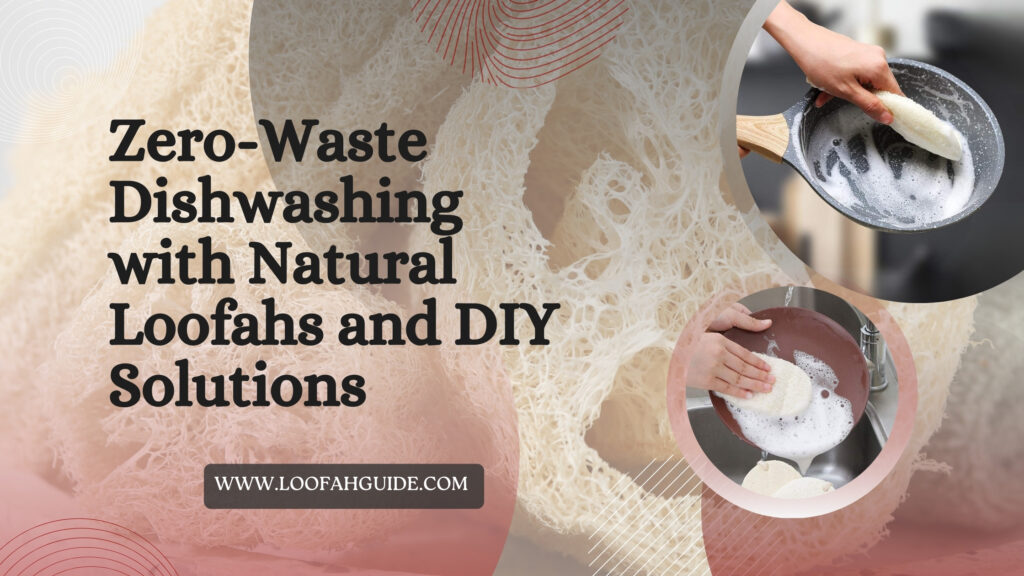
Rethinking How We Clean Our Dishes
The average household discards between 24 and 36 plastic sponges annually, each one destined to persist in landfills for centuries while slowly releasing microplastics into soil and groundwater. Zero-waste dishwashing using natural loofahs offers a compelling alternative that actually improves cleaning results while eliminating this environmental burden entirely. When combined with common pantry ingredients like vinegar, baking soda, and lemon, the humble loofah transforms into a complete dishwashing system requiring no synthetic chemicals or disposable plastics.
This approach works equally well whether you wash dishes for a family of four or manage cleaning operations for a busy restaurant kitchen. Natural loofahs grown in optimal conditions provide the mechanical scrubbing action necessary for effective cleaning, while simple acidic and alkaline solutions handle the chemistry of breaking down grease and sanitizing surfaces. The result is cleaner dishes, lower costs over time, and the satisfaction of knowing your daily routine contributes to environmental health rather than degradation.
Throughout this guide, you will find practical techniques refined through real-world testing, quality selection criteria that matter for performance, and maintenance protocols that extend loofah lifespan dramatically. Retail buyers sourcing products for eco-conscious customers and individual consumers seeking personal sustainability solutions will both discover actionable information tailored to their specific needs.
For comprehensive product specifications and wholesale opportunities, visit Egexo, an established Egyptian supplier with over 25 years of loofah cultivation expertise.
What Makes Loofahs Ideal for Kitchen Cleaning Tasks
The Luffa aegyptiaca plant produces a fibrous interior structure specifically designed by nature for water flow and nutrient distribution. When dried and processed, this same structure creates an ideal dishwashing tool. The interconnected fiber network captures food particles while allowing water and cleaning solutions to circulate continuously, preventing the buildup of residue that plagues synthetic sponges.
Structural Advantages Over Synthetic Alternatives
Natural loofah fibers possess a slight natural roughness that provides excellent scrubbing action without scratching most surfaces. Unlike plastic scrubbers with uniform synthetic bristles, loofah fibers vary slightly in texture throughout the sponge, creating multiple contact angles that clean more effectively with less effort. This variation also means a single loofah handles everything from delicate glassware to crusty baking sheets simply by adjusting pressure and selecting different portions of the scrubber.
The cellular composition of loofah includes natural lignin, a plant compound that resists bacterial colonization better than synthetic materials. Studies examining bacterial growth on various cleaning tools found that natural loofahs harbored significantly fewer bacteria after equivalent use periods when properly dried between applications. This inherent antimicrobial property matters greatly for food safety in both home and commercial kitchens.
Egyptian-grown loofahs demonstrate particularly dense fiber structures due to optimal growing conditions in the Nile Delta region. This density directly correlates with durability and cleaning effectiveness, which explains why quality-conscious suppliers and retailers specifically seek Egyptian sources. Learn more about loofah quality standards that distinguish premium products from inferior alternatives.
Natural Loofah Versus Synthetic Sponge Comparison
| Characteristic | Natural Egyptian Loofah | Cellulose Sponge | Plastic Scrubber | Steel Wool |
|---|---|---|---|---|
| Typical Lifespan | 4 to 6 months | 2 to 4 weeks | 3 to 6 weeks | 2 to 4 weeks |
| Biodegradability | 100 percent in 30 days | Partial | None for 500 plus years | Metal recycling only |
| Bacterial Resistance | High when dried properly | Low | Moderate | High |
| Surface Safety | Safe for most surfaces | Safe for most | Can scratch | Scratches many surfaces |
| Grease Removal | Excellent | Moderate | Good | Excellent but damaging |
| Environmental Impact | Carbon negative | Moderate | High negative | Moderate |
| Microplastic Release | None | Minimal | Significant | None |
This comparison demonstrates why using natural loofahs represents the superior choice across nearly every meaningful metric for kitchen cleaning applications.
The Vinegar Method for Everyday Dishwashing
White distilled vinegar contains acetic acid at concentrations typically around five percent, providing natural degreasing and antibacterial properties that handle most everyday dishwashing needs. When paired with the mechanical action of a quality loofah, vinegar solutions clean effectively without any synthetic detergents.
Understanding Vinegar Chemistry in Cleaning
Acetic acid works by disrupting the molecular bonds that hold grease and oil to dish surfaces. Unlike synthetic surfactants that encapsulate grease droplets, vinegar actually breaks down the fat molecules themselves, making them water-soluble and easy to rinse away. This fundamental difference explains why vinegar cleaning often produces squeaky-clean results that soap-based methods cannot match.
The antibacterial properties of vinegar have been extensively documented in food science research. Concentrations as low as three percent acetic acid eliminate common foodborne pathogens including Salmonella, E. coli, and Listeria within minutes of contact. For household dishwashing, standard five percent vinegar provides a significant safety margin while remaining gentle enough for daily use on all dish types.
Vinegar also naturally descales, removing mineral deposits from hard water that can leave spots on glassware and dull the appearance of stainless steel. Regular use of vinegar-based cleaning prevents buildup that eventually requires harsh chemical treatment to remove.
Vinegar Dishwashing Technique Guide
| Dish Type | Vinegar Dilution | Water Temperature | Soaking Time | Scrubbing Intensity |
|---|---|---|---|---|
| Everyday Plates | 1 part vinegar to 3 parts water | Warm | None needed | Light to moderate |
| Greasy Pans | 1 part vinegar to 2 parts water | Hot | 2 to 5 minutes | Moderate to firm |
| Glassware | 1 part vinegar to 4 parts water | Cool to warm | None needed | Very light |
| Plastic Containers | 1 part vinegar to 2 parts water | Warm | 5 to 10 minutes | Moderate |
| Cutting Boards | Undiluted vinegar spray | Room temperature | 5 minutes | Moderate scrubbing |
| Coffee Stained Mugs | 1 part vinegar to 1 part water | Hot | 15 to 30 minutes | Firm circular motions |
For wholesale buyers developing product lines around sustainable kitchen cleaning, consider bundling loofahs with spray bottles and recipe cards explaining these dilution ratios. Private label manufacturing enables creating branded kits for retail sale.
Baking Soda Techniques for Stubborn Residue
When dishes present challenges beyond what vinegar alone can address, baking soda adds gentle abrasive power that tackles baked-on food, burnt residue, and stubborn stains. Sodium bicarbonate provides this scrubbing action without the environmental concerns or surface damage risks associated with commercial abrasive cleaners.
How Baking Soda Enhances Loofah Cleaning
Baking soda crystals are soft enough to avoid scratching most dish surfaces yet firm enough to provide meaningful abrasion when combined with loofah fiber action. The crystals dissolve gradually during scrubbing, continuously releasing fresh abrasive particles while the spent material rinses away harmlessly.
Beyond mechanical cleaning, baking soda neutralizes acidic food residues that can cause odors and staining. Tomato-based sauces, citrus, and fermented foods leave acidic traces that baking soda effectively neutralizes. This makes the ingredient particularly valuable for cleaning food storage containers that often retain odors from previous contents.
The mild alkaline nature of baking soda also helps lift grease by saponifying fats, essentially creating tiny amounts of soap through chemical reaction. This dual mechanical and chemical action explains why baking soda paste often succeeds where other methods fail.
Baking Soda Application Methods
Dry Sprinkle Technique: For lightly soiled items with minor stuck-on residue, sprinkle dry baking soda directly onto a dampened loofah. The moisture activates the baking soda while the loofah fibers distribute it evenly across the cleaning surface. This method works well for routine cleaning of pots and pans with minor residue.
Paste Application: Mix baking soda with just enough water to form a thick paste consistency. Apply this paste directly to problem areas on dishes, allow it to sit for five to fifteen minutes depending on severity, then scrub with your loofah. The extended contact time allows chemical reactions to loosen residue before mechanical scrubbing begins.
Vinegar Reaction Method: For extremely stubborn residue, apply baking soda paste first, then spray with vinegar solution. The resulting fizzing reaction helps lift burnt-on food from pan surfaces. Allow the reaction to complete, typically 30 seconds to one minute, then scrub with your loofah while residue remains loosened.
Commercial kitchens dealing with high volumes of baked goods, roasted dishes, or grilled items find baking soda techniques essential for efficient pan cleaning. Establishing protocols that include appropriate soaking times reduces labor requirements while improving results.
Explore kitchen loofah options specifically designed for heavy-duty commercial applications requiring maximum durability.
Lemon Solutions for Brightening and Freshness
Fresh lemon juice brings citric acid power to your zero-waste dishwashing arsenal, excelling at tasks where visual brightness and pleasant scent matter alongside basic cleanliness. The natural properties of citrus complement loofah cleaning beautifully for specific applications.
Citric Acid Cleaning Properties
Lemon juice contains approximately six percent citric acid, which dissolves mineral deposits and cuts through protein-based residues more effectively than acetic acid alone. This makes lemon particularly valuable for removing hard water spots from glassware, lifting egg and dairy residue from dishes, and brightening stained surfaces.
The natural antibacterial properties of lemon juice add another layer of sanitation to your dishwashing routine. Research indicates citric acid inhibits bacterial growth effectively, though slightly less powerfully than vinegar for common foodborne pathogens. For general household dishwashing, lemon provides adequate sanitization while leaving dishes smelling naturally fresh.
Lemon oils present in fresh juice also contribute mild degreasing action and provide the distinctive clean scent that consumers associate with cleanliness. Unlike synthetic fragrances that merely mask odors, actual lemon juice eliminates odor-causing compounds while leaving its characteristic fresh smell.
Lemon Cleaning Applications
| Application | Preparation | Technique | Best Results For |
|---|---|---|---|
| Glassware Brightening | 2 tablespoons juice per cup water | Spray and wipe with loofah | Spotted or cloudy glasses |
| Copper and Brass | Lemon half dipped in salt | Rub directly then loofah scrub | Tarnished metal items |
| Cutting Board Sanitization | Fresh lemon half | Rub across surface then scrub | Wooden and plastic boards |
| Stain Removal | Direct juice application | Apply and sit 10 minutes then scrub | Tea and coffee stains |
| Garbage Disposal | Lemon peels with cold water | Run disposal then loofah clean splash guard | Odor elimination |
| Microwave Cleaning | Lemon slices in water bowl | Steam then wipe with damp loofah | Splattered interiors |
For retail businesses, lemon-paired loofah sets make attractive gift items and starter kits for customers beginning their zero-waste journey. Custom product design services can help develop unique product combinations.
Selecting Quality Loofahs for Kitchen Use
Performance in zero-waste dishwashing depends significantly on loofah quality. Understanding what distinguishes premium kitchen-grade loofahs from inferior products helps both individual consumers and wholesale buyers make selections that deliver satisfaction.
Quality Indicators That Matter
Fiber density represents the most important quality factor for kitchen loofahs. Dense fiber structures provide better scrubbing action, resist compression during use, and last significantly longer than loosely structured alternatives. Egyptian loofahs consistently demonstrate superior density due to optimal growing conditions, making origin an important consideration.
Color indicates proper harvesting and processing. Premium loofahs display golden tan to light brown coloration throughout, signifying correct maturity at harvest and appropriate drying procedures. Dark spots, gray areas, or excessive lightness may indicate problems ranging from premature harvest to mold exposure during processing.
Flexibility testing reveals internal fiber integrity. Quality loofahs compress under pressure but spring back to original shape immediately upon release. Loofahs that remain compressed or feel brittle likely suffered damage during processing or storage that compromises their useful life.
The farm to export process significantly impacts final product quality, making supplier selection crucial for consistent results.
Kitchen Loofah Selection Checklist
| Selection Criterion | What to Look For | Warning Signs | Importance Level |
|---|---|---|---|
| Origin | Egyptian Nile Delta preferred | Unknown or undisclosed source | Critical |
| Fiber Density | Feels substantial when squeezed | Feels hollow or very light | Critical |
| Color Uniformity | Consistent golden tan throughout | Dark spots or gray patches | High |
| Flexibility | Springs back immediately | Remains compressed or brittle | High |
| Scent | Neutral earthy smell | Musty or chemical odors | Moderate |
| Cut Quality | Clean even edges | Frayed or torn edges | Moderate |
| Size Appropriateness | Fits comfortably in hand | Too large or awkward shape | Moderate |
Wholesale buyers evaluating new suppliers should always request samples before committing to bulk orders, allowing hands-on quality assessment.
Maintaining Loofahs for Maximum Lifespan
Proper maintenance transforms a two-month loofah lifespan into four to six months of effective service. These care protocols require minimal time investment while dramatically improving return on your natural cleaning tool investment.
Daily Maintenance Requirements
Rinse thoroughly after every use, ensuring no food particles remain trapped in the fiber matrix. Squeeze firmly multiple times under running water to flush the interior, where debris often accumulates invisibly. Shake vigorously to expel excess water from between fibers.
Hang your loofah where air circulates freely, allowing complete drying between uses. Bathroom hooks near windows, kitchen window sills, and dedicated drying racks all work well. Avoid enclosed storage in cabinets, under sinks, or in containers where moisture remains trapped.
Position matters for thorough drying. Hanging orientation allows gravity to pull moisture downward and out of the loofah, while laying flat can trap dampness in the center. Most users find simple hooks or clips the most effective storage solution.
Weekly Deep Cleaning Schedule
| Cleaning Method | Process Description | Time Required | Best For |
|---|---|---|---|
| Vinegar Soak | Submerge in undiluted white vinegar for 15 minutes then rinse | 20 minutes total | General sanitization |
| Boiling Water | Place in rolling boil for 2 to 3 minutes then air dry | 15 minutes total | Odor elimination |
| Sunlight Treatment | Place clean loofah in direct sun for 3 to 4 hours | 4 hours passive | UV sanitization |
| Hydrogen Peroxide | Soak in 3 percent solution for 10 minutes then rinse | 15 minutes total | Deep bacterial elimination |
| Baking Soda Soak | Dissolve 2 tablespoons in warm water and soak 30 minutes | 35 minutes total | Odor and residue removal |
Rotating between methods provides comprehensive sanitization while preventing any single treatment from degrading fibers prematurely.
Commercial Applications and Business Considerations
Restaurants, catering operations, hotels, and institutional kitchens increasingly adopt natural loofah systems for both environmental and economic reasons. Understanding implementation considerations helps facility managers make successful transitions from synthetic to natural cleaning tools.
Economic Analysis for Commercial Kitchens
Initial perception often suggests natural products cost more than synthetic alternatives. Careful analysis typically reveals the opposite when accounting for replacement frequency and total lifecycle costs.
A single commercial kitchen station using plastic sponges requires replacement every two to three weeks, consuming 17 to 26 units annually. The same station using quality Egyptian loofahs requires replacement every four to six months, consuming only two to three units yearly. Even at higher per-unit costs, loofahs deliver substantial savings.
Waste disposal costs also favor natural loofahs. Synthetic sponges require trash disposal, increasingly subject to commercial waste fees in many jurisdictions. Loofahs compost with food waste, eliminating disposal costs entirely for operations with composting programs.
Staff productivity improves with natural loofahs due to superior cleaning effectiveness. Better mechanical action reduces scrubbing time per item, accumulating into meaningful labor savings across high-volume operations.
Implementation Guide for Businesses
| Implementation Phase | Key Actions | Timeline | Success Metrics |
|---|---|---|---|
| Assessment | Audit current sponge consumption and costs | Week 1 | Baseline data established |
| Sourcing | Obtain samples from quality suppliers | Weeks 2 to 3 | Samples tested and evaluated |
| Trial | Test in limited kitchen stations | Weeks 4 to 6 | Staff feedback collected |
| Training | Educate staff on proper techniques and care | Week 7 | All staff trained |
| Full Rollout | Replace all synthetic sponges | Week 8 | Complete transition |
| Monitoring | Track costs and replacement frequency | Ongoing | ROI verification |
Businesses ready to explore wholesale opportunities should request a quotation for volume pricing customized to their specific requirements.
Environmental Impact Assessment
Choosing natural loofahs over synthetic sponges creates measurable environmental benefits that extend far beyond simple waste reduction. Understanding the full scope of impact helps consumers and businesses appreciate the significance of this seemingly small choice.
Lifecycle Environmental Comparison
Plastic sponge production requires petroleum extraction, chemical processing, manufacturing energy, and global shipping of raw materials and finished products. Each sponge carries a substantial carbon footprint before ever reaching your kitchen.
Loofah cultivation, by contrast, absorbs carbon dioxide during the plant growth phase. Egyptian farming practices using traditional irrigation and minimal chemical inputs create products with negative carbon footprints. The plant matter captures more carbon during growth than processing and shipping release, making every loofah a small carbon sink.
End-of-life considerations dramatically favor natural options. Discarded loofahs decompose completely within 30 days in active compost systems, returning nutrients to soil. Plastic sponges persist for centuries, slowly fragmenting into microplastics that contaminate soil, water, and eventually food chains.
The cumulative impact of widespread loofah adoption would eliminate millions of pounds of plastic waste annually while sequestering significant carbon in agricultural systems. Individual choices aggregate into meaningful environmental improvement.
Learn more about sustainable loofah sourcing at wholesaleloofah.com for additional industry insights.
Frequently Asked Questions
Is zero-waste dishwashing with natural loofahs sanitary for food preparation surfaces?
Zero-waste dishwashing using natural loofahs with vinegar, baking soda, or lemon provides effective sanitization meeting household food safety standards. Research confirms that five percent vinegar solutions eliminate common pathogens including E. coli and Salmonella within 60 seconds. Proper loofah maintenance including complete drying and weekly deep cleaning ensures the tools themselves remain hygienic.
How do natural loofahs compare to dish brushes for cleaning effectiveness?
Natural loofahs provide superior conformability to dish shapes compared to rigid brushes, allowing better contact with curved surfaces and detailed areas. Loofahs also provide variable texture, with outer portions gentler for delicate items and inner sections firmer for heavy scrubbing. Most users find loofahs more versatile than single-stiffness brush options.
What is the best way to prepare a new loofah for kitchen use?
Soak your new loofah in warm water for 15 to 20 minutes before first use, allowing fibers to fully hydrate and soften to working texture. Squeeze and release several times to work water through the entire structure. Some users prefer a brief boiling water treatment for initial sanitization before kitchen use.
Can natural loofahs scratch non-stick cookware surfaces?
Premium quality natural loofahs are safe for most non-stick surfaces when used with appropriate pressure. Plant fibers are significantly softer than metal utensils or abrasive plastic scrubbers. For particularly delicate coatings, use only the outer softer portions of your loofah and apply minimal pressure.
How many loofahs should a typical household maintain for kitchen use?
Most households benefit from maintaining two to three kitchen loofahs in rotation, allowing complete drying between uses while always having a ready scrubber available. Designate different loofahs for different tasks if desired, such as one for general dishes and another for heavy pots and pans.
What causes loofahs to develop odors and how can this be prevented?
Odors develop when loofahs remain damp between uses, allowing bacterial growth in the moist fiber environment. Prevention requires ensuring complete drying after each use by hanging in well-ventilated areas. Weekly deep cleaning with vinegar, boiling water, or sunlight treatment eliminates odor-causing bacteria before they become established.
Where can businesses source quality kitchen loofahs in wholesale quantities?
Established suppliers like Egexo specialize in Egyptian-grown loofahs with minimum order quantities starting at 500 pieces. Look for suppliers offering sample programs, detailed quality specifications, and transparent information about growing and processing methods. Direct relationships with growers typically ensure better quality and pricing than third-party distributors.
Expert Insight from Egexo
With over 25 years cultivating loofahs in Egypt’s Nile Delta region, our agricultural specialists have refined understanding of what makes kitchen-grade loofahs perform optimally. The critical factor most users overlook is harvest timing. Loofahs destined for kitchen use require 120 to 140 days of maturity to develop the dense fiber structure that withstands vigorous daily scrubbing.
For zero-waste dishwashing success, we recommend selecting loofahs specifically graded for kitchen applications rather than repurposing bath-grade products. Kitchen loofahs undergo different processing that optimizes them for grease removal and food particle cleaning. The investment in proper grade selection pays dividends in both performance and longevity.
Our observation across decades of supplying kitchens worldwide confirms that vinegar-based cleaning with quality loofahs consistently outperforms synthetic alternatives for everyday dishwashing. The combination respects both traditional wisdom and modern environmental understanding, delivering results that satisfy the most demanding users.
Conclusion
Zero-waste dishwashing using natural loofahs combined with vinegar, baking soda, and lemon represents practical sustainability that improves daily life rather than complicating it. The approach eliminates plastic waste, reduces chemical exposure, and delivers cleaning results equal or superior to conventional methods.
Quality loofah selection matters tremendously for success. Egyptian-grown specimens from established suppliers provide the fiber density and durability that kitchen applications demand. Proper maintenance extends useful life dramatically, maximizing both economic and environmental returns on your natural cleaning investment.
Whether you manage a commercial kitchen seeking sustainable operations or simply want to reduce household environmental impact, the techniques in this guide provide everything needed for effective implementation.
Key Takeaways:
- Natural loofahs combined with pantry staples clean as effectively as synthetic products with chemicals
- Vinegar handles everyday dishes while baking soda tackles stubborn residue and lemon brightens and freshens
- Quality Egyptian loofahs last four to six months with proper care versus weeks for synthetics
- Commercial operations achieve cost savings alongside environmental benefits
- Proper drying between uses prevents odor development and extends loofah lifespan
Ready to begin your zero-waste dishwashing journey?
- For Wholesale Buyers: Request a customized quote or download the complete product catalog
- For Individual Consumers: Browse kitchen loofah options or request samples to test quality firsthand