Natural exfoliation removes approximately 500 million dead skin cells daily from the average adult body, yet most people rely on ineffective synthetic tools that fail to deliver genuine results. Egyptian loofah products represent the gold standard for mechanical exfoliation, offering fiber density and durability that plastic alternatives cannot replicate. Whether you seek smoother skin through better home care routines or source inventory for a growing wellness business, understanding which loofah varieties perform best determines your success.
The Nile Delta region of Egypt produces roughly 60 percent of premium-grade natural loofahs worldwide. Unique agricultural conditions including mineral-rich alluvial soil, consistent Mediterranean sunshine, and low humidity during harvest season create Luffa aegyptiaca specimens with cellular structures distinctly superior to those cultivated elsewhere. Testing confirms Egyptian-grown loofahs maintain effectiveness through 40 to 60 uses compared to 15 to 25 uses for other origins.
This detailed guide examines eight Egyptian loofah products that consistently deliver spa-caliber performance. You will discover specific quality markers distinguishing premium specimens from inferior alternatives, proper techniques maximizing exfoliation benefits, maintenance protocols extending product lifespan, and sourcing guidance for both personal purchases and bulk procurement. The information draws from cultivation expertise spanning over 25 years of Egyptian loofah production and export.
Understanding these products empowers better purchasing decisions regardless of quantity needs. Individual consumers gain knowledge for selecting effective personal care tools, while spa owners and retailers acquire evaluation frameworks for inventory investments.
The Science Behind Egyptian Loofah Superiority
Before examining specific products, understanding why Egyptian origin matters establishes context for quality evaluation. The biological and environmental factors creating superior loofahs influence every product category discussed in this guide.
Fiber Structure and Density
Loofah effectiveness depends primarily on fiber density at the cellular level. Egyptian cultivation conditions produce fibers measuring 3 to 5 millimeters in compressed thickness with consistent spacing throughout the internal matrix. This density creates optimal friction for lifting dead skin cells without causing micro-tears or irritation.
Cross-sectional analysis reveals Egyptian specimens contain 30 to 40 percent more fiber material per cubic centimeter than Asian-grown alternatives. This density translates directly into durability and exfoliation effectiveness. Sparse fibers compress quickly, losing texture within weeks, while dense Egyptian fibers maintain performance characteristics across months of regular use.
Climate and Soil Contributions
The Nile Delta provides ideal growing conditions through several mechanisms. Alluvial soil deposited over millennia contains balanced mineral content supporting robust plant development. Average temperatures between 25 to 35 degrees Celsius during growing season optimize photosynthesis without heat stress. Low humidity during September through November harvest windows enables natural field drying that preserves fiber integrity.
Contrast these conditions with tropical cultivation regions where high humidity necessitates artificial drying. Heat-accelerated drying weakens fiber walls by evaporating natural oils too rapidly, producing brittle structures that degrade quickly under use pressure.
Harvest Timing Expertise
Optimal loofah quality requires precise harvest timing within a 7 to 10 day window. Harvesting too early yields immature fibers lacking density, while delayed harvest allows fiber degradation as the gourd over-ripens. Egyptian farmers with generational experience recognize visual and tactile indicators signaling peak maturity, knowledge unavailable to newer cultivation operations.
This expertise explains quality consistency from established Egyptian suppliers compared to variable results from emerging production regions. When evaluating products, origin verification ensures you benefit from this accumulated agricultural knowledge.
Product 1: Unprocessed Whole Loofah Gourds
Whole loofah gourds offer maximum versatility for consumers preferring customization control and businesses requiring cutting flexibility. These complete specimens retain the full internal fiber network exactly as harvested, cleaned of seeds and outer skin but otherwise unmodified.
Identifying Quality Specimens
Premium whole loofahs exhibit several observable characteristics. Uniform golden-brown coloring throughout indicates proper maturation and drying. Dark spots or patches suggest moisture damage, mold exposure, or bruising during handling. Length should fall between 30 to 60 centimeters with consistent diameter avoiding tapered or bulging sections.
Tactile assessment reveals fiber quality immediately. Press firmly against the cylinder surface. Dense fibers resist compression and spring back within 2 seconds. Soft or slow-recovering areas indicate sparse internal structure or degradation. The loofah should feel substantial in hand proportional to its size, with lightweight specimens suggesting hollow internal sections.
Home Customization Options
Whole loofahs enable personalized cutting matching specific preferences. Slicing into 2 to 3 centimeter rounds creates shower-friendly discs. Lengthwise halves serve effectively for dry brushing techniques. Larger sections work well for bath soaking where extended water exposure softens fibers for gentle full-body contact.
Many consumers enjoy the crafting potential of whole loofahs. Creating custom soap bars embedded with loofah slices combines exfoliation with cleansing. Shaped pieces fit into homemade bath products or decorative bathroom accessories. The natural aesthetic appeals to those seeking plastic-free alternatives throughout their homes.
Business Applications
Spa operators and retailers purchasing whole loofahs gain inventory flexibility impossible with pre-cut products. Cutting specifications adapt to treatment protocols or retail packaging requirements without waiting for custom manufacturing runs. Bulk whole loofah purchases typically offer better per-unit economics than equivalent pre-cut quantities.
For wholesale sourcing, Egexo provides premium whole loofahs with documented quality grading. Their inspection process evaluates length, diameter, fiber density, color uniformity, and seed removal completeness before export approval.
Product 2: Body Exfoliation Discs and Rounds
Pre-cut loofah discs represent the most popular format for daily shower exfoliation. Standard sizing ensures consistent performance while eliminating preparation requirements for immediate use.
Size Selection Guide
| Disc Diameter | Thickness | Best Applications | User Preference |
|---|---|---|---|
| 6 cm | 1.5 cm | Facial use, small areas | Gentle exfoliation seekers |
| 8 cm | 2 cm | General body, daily shower | Most common choice |
| 10 cm | 2.5 cm | Full body coverage | Efficiency-focused users |
| 12 cm | 3 cm | Back, legs, large areas | Thorough exfoliation preference |
Thickness affects water retention and pressure distribution. Thinner discs conform better to body contours but require more frequent replacement. Thicker options provide cushioned pressure distribution extending lifespan but may feel less precise on curved surfaces.
Activation and Usage Technique
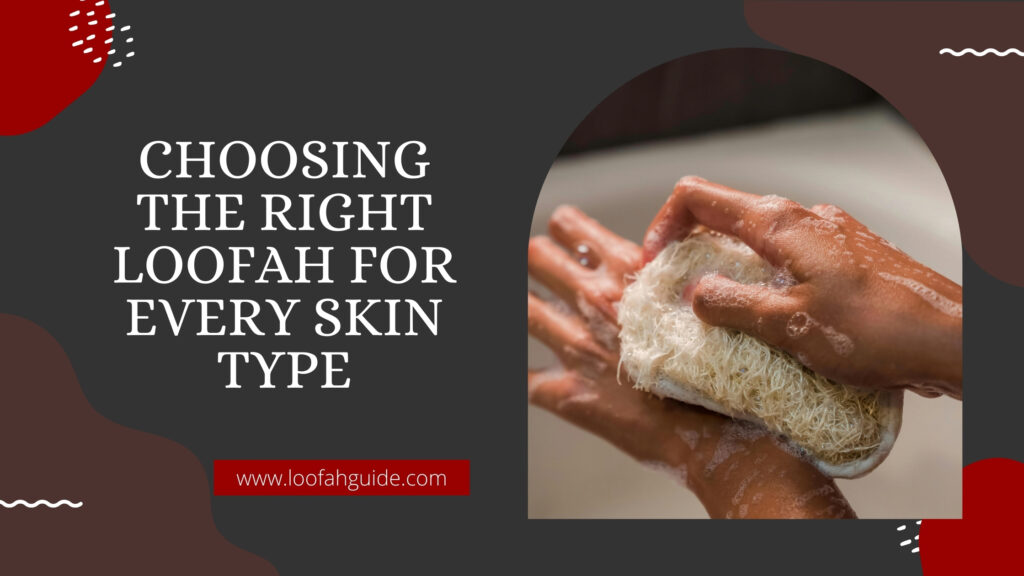
Dry loofah fibers require water activation before effective exfoliation. Submerge the disc completely for 30 to 60 seconds until fibers soften noticeably. Squeeze excess water leaving the loofah damp but not dripping. Apply body wash or soap directly to the moistened surface.
Use circular motions with moderate pressure across skin surfaces. Adjust pressure based on sensitivity of different body areas, lighter on chest and inner arms, firmer on legs and back. Work systematically from shoulders downward, spending 20 to 30 seconds per major body region. Total exfoliation time should range between 3 to 5 minutes for full body treatment.
Rinse skin thoroughly after exfoliation to remove loosened dead cells and product residue. Follow with moisturizer application while skin remains slightly damp for optimal absorption. Frequency recommendations suggest 2 to 3 sessions weekly for most skin types, with sensitive skin limiting to once weekly initially.
Expected Results Timeline
Consistent loofah exfoliation produces noticeable improvements within specific timeframes. After 1 to 2 weeks, skin texture becomes smoother to touch as accumulated dead cell layers diminish. By week 3 to 4, ingrown hair frequency typically decreases as proper exfoliation prevents follicle blockage. Months 2 to 3 often bring visible improvement in skin tone evenness as cell turnover normalizes.
These results require consistency and proper technique. Sporadic use or excessive pressure delays benefits while potentially causing irritation. Patient adherence to recommended protocols yields superior outcomes compared to aggressive initial usage.
Product 3: Loofah Back Scrubbers with Dual Handles
Reaching the back presents challenges for thorough exfoliation without assistance. Back scrubbers featuring loofah panels between dual handles solve this accessibility problem while delivering effective fiber contact across difficult areas.
Construction Quality Assessment
Effective back scrubbers combine quality loofah panels with durable handle construction. The loofah section should measure minimum 15 by 10 centimeters, providing adequate coverage per stroke. Panel thickness between 2 to 3 centimeters ensures sufficient fiber mass for consistent exfoliation pressure.
Handle materials significantly affect durability and grip security. Sustainable options include bamboo dowels, recycled cotton rope, and natural jute cording. Avoid plastic handles that undermine environmental benefits of natural loofah selection. Handle length should span 50 to 60 centimeters total, enabling comfortable reaching across the full back width.
Attachment security determines product lifespan. Examine how the loofah panel connects to handles. Reinforced stitching through multiple fiber layers outperforms simple glued attachments. Quality scrubbers survive repeated stretching motions without panel separation or handle detachment.
Usage Technique for Maximum Benefit
Wet the loofah panel thoroughly before use. Position handles in opposite hands with the panel behind your back. Pull handles alternately in sawing motions, moving the panel across your back horizontally. Reposition height gradually to cover area from shoulders to lower back.
Apply body wash to the panel periodically during use. The scrubbing motion generates lather while delivering exfoliation. Spend 1 to 2 minutes covering the entire back area. Rinse thoroughly by reversing the motion under shower spray.
Back scrubbers work excellently for pre-shower dry brushing as well. Using the dry loofah in the same motion stimulates circulation and lymphatic movement before water activation. Many users incorporate both dry brushing and wet exfoliation into routines for comprehensive back care.
Complementary Home Spa Routines
Back scrubbers integrate naturally into weekly home spa sessions. After exfoliation, apply treatment masks or intensive moisturizers to freshly prepared skin. The increased absorption following dead cell removal maximizes product effectiveness. Consider alternating between exfoliation sessions and moisturizing treatments for balanced skin maintenance.
For quality back scrubbers and other body exfoliation tools, explore the body loofah collection at Egexo featuring multiple handle configurations and panel sizes.
Product 4: Exfoliating Loofah Mitts
Loofah mitts provide controlled exfoliation through hand-fitted design, allowing precise pressure modulation across body surfaces. The glove format maintains consistent fiber contact while offering intuitive usability requiring no technique mastery.
Design Variations and Selection
| Mitt Style | Coverage | Best For | Experience Level |
|---|---|---|---|
| Finger mitt | Single finger | Targeted areas, face | Precision users |
| Half mitt | Palm coverage | Arms, legs, torso | Beginning users |
| Full glove | Complete hand | Full body sessions | Regular exfoliators |
| Double sided | Loofah and cloth | Dual texture preference | Versatility seekers |
Full coverage gloves deliver most efficient full-body exfoliation through consistent contact regardless of hand position. Half mitts offer lighter commitment for those testing loofah exfoliation benefits. Double-sided versions combining loofah with soft cloth enable texture switching mid-session without changing tools.
Pressure Control Advantages
Unlike handheld loofahs requiring grip maintenance during use, mitts transfer hand pressure directly to skin contact. This mechanical advantage enables precise pressure variation without tool repositioning. Light fingertip contact suits sensitive areas while full-palm pressure addresses rough patches on heels, elbows, and knees.
The secure fit prevents slipping during use, eliminating interruptions that break exfoliation rhythm. Elastic cuffs should grip wrist securely without restricting circulation. Quality mitts feature reinforced double-band cuffs maintaining elasticity through repeated wet and dry cycles.
Maintenance for Extended Lifespan
Mitt construction complicates drying compared to simple loofah pieces. After use, remove immediately and squeeze thoroughly to expel trapped moisture. Turn inside-out if construction allows, exposing internal surfaces to air circulation. Hang by the cuff in well-ventilated areas away from shower humidity.
The fabric lining requires attention alongside loofah surfaces. Residual moisture in lining materials promotes bacterial growth causing odor development. Weekly machine washing in gentle cycles helps maintain hygiene, though verify manufacturer recommendations before washing. Air dry completely before storage or reuse.
Properly maintained mitts last 60 to 80 uses before fiber degradation noticeably affects performance. Track approximate use count to anticipate replacement timing rather than waiting for obvious deterioration.
Product 5: Facial Exfoliation Pads
Facial skin demands gentler treatment than body surfaces due to thinner structure and increased sensitivity. Specialized facial loofah pads undergo additional processing creating appropriate texture for delicate applications.
Processing Differences from Body Products
Facial pads utilize innermost loofah fibers naturally finer than outer sections. Manufacturing selects these premium fiber zones and applies enzyme treatments softening texture without compromising structural integrity. The resulting product delivers effective exfoliation at significantly reduced abrasiveness compared to standard body loofahs.
Quality facial pads measure 6 to 8 centimeters diameter with thickness between 0.5 to 1 centimeter. Thinner profiles conform to facial contours ensuring consistent contact across forehead, cheeks, nose, and chin. Overly thick pads bridge across curved surfaces, creating uneven pressure distribution.
Proper Facial Technique
Facial exfoliation requires modified approach compared to body treatment. Dampen the pad and apply gentle cleanser rather than standard soap. Use light pressure with small circular motions, working outward from the nose across cheeks and upward across the forehead. Avoid the eye area entirely and use minimal pressure around the nose and mouth.
Limit facial exfoliation sessions to 60 to 90 seconds maximum. Over-exfoliation causes irritation, redness, and potential barrier damage. Frequency should not exceed twice weekly for normal skin types, once weekly for sensitive or dry skin, and potentially three times weekly only for oily, resilient skin types.
Rinse thoroughly and follow immediately with hydrating serum or moisturizer. Freshly exfoliated facial skin absorbs products efficiently but also loses moisture rapidly without protective application. Never leave exfoliated facial skin untreated.
Integration with Skincare Routines
Position facial loofah exfoliation strategically within existing routines. Morning exfoliation prepares skin for makeup application, reducing flakiness and improving product adhesion. Evening exfoliation clears accumulated environmental debris and enhances overnight treatment penetration.
Avoid combining loofah exfoliation with chemical exfoliants on the same day. The combination risks over-exfoliation causing sensitivity and irritation. Alternate between mechanical and chemical exfoliation methods, spacing sessions by minimum 48 hours.
Product 6: Sustainable Kitchen Scrubbers
Egyptian loofah products extend beyond personal care into household applications. Kitchen scrubbers demonstrate loofah durability while replacing synthetic sponges contributing to microplastic pollution.
Environmental Impact Comparison
| Factor | Natural Loofah | Synthetic Sponge |
|---|---|---|
| Biodegradability | 30 days composting | 200+ years landfill |
| Microplastic shedding | Zero | Significant during use |
| Manufacturing footprint | Agricultural, low energy | Petroleum-based, high energy |
| End of life | Compostable | Landfill or incineration |
| Performance lifespan | 4-8 weeks | 2-4 weeks |
The environmental case for kitchen loofahs proves compelling. Beyond eliminating plastic waste, natural loofahs avoid the continuous microplastic shedding occurring when synthetic sponges contact water and friction. These microplastics enter waterways through drain systems, eventually reaching oceans and food chains.
Kitchen Performance Characteristics
Dense Egyptian loofah fibers scrub effectively against baked-on food residue, grease, and general dishwashing tasks. The natural texture provides sufficient abrasion for most cleaning needs without scratching non-stick or delicate surfaces. Test on inconspicuous areas before using on specialty cookware.
Kitchen loofahs work equally well for surface cleaning beyond dishes. Counter scrubbing, stovetop cleaning, and general kitchen surface maintenance all benefit from loofah texture. The natural antibacterial properties of dry loofah fibers reduce odor development compared to perpetually damp synthetic sponges.
Care Practices for Kitchen Use
Kitchen applications expose loofahs to food particles and grease requiring more aggressive cleaning than personal care use. Rinse thoroughly after each dishwashing session, squeezing firmly to expel debris. Weekly sanitization using boiling water submersion for 2 minutes kills bacteria and refreshes fiber texture.
Allow complete drying between uses by positioning in well-ventilated areas or using dedicated drying racks. Damp kitchen loofahs develop odors rapidly due to food residue providing bacterial nutrition. Some users rotate between 2 to 3 kitchen loofahs, ensuring adequate drying time between uses.
Explore kitchen loofah options at Egexo for household applications extending sustainable practices beyond personal care.
Product 7: Pet Grooming Loofah Tools
Pet owners seeking natural grooming alternatives discover Egyptian loofah products serve animal care needs effectively. Specialized pet loofahs accommodate different requirements than human skin applications.
Adaptations for Animal Use
Pet grooming loofahs feature softer fiber grades appropriate for animal skin sensitivity beneath fur coverage. Processing creates gentler texture while maintaining effectiveness for coat cleaning and massage. Ergonomic handle designs accommodate grip requirements when handling wet, moving animals during bath time.
Surface area typically exceeds human body products, enabling efficient coverage across larger animal bodies. Dogs particularly benefit from substantial loofah panels covering significant coat area per stroke, reducing bath time duration.
The natural material safety proves important for pets prone to chewing grooming tools. Unlike synthetic materials posing ingestion risks, loofah fibers pass through digestive systems without harm if consumed in small quantities. Still, supervise pet access to grooming tools and store securely between uses.
Benefits Beyond Basic Cleaning
Loofah grooming provides massage benefits beyond simple coat cleaning. The fiber texture stimulates skin circulation and distributes natural oils throughout fur. Regular loofah grooming reduces shedding by removing loose undercoat hair before it deposits on furniture and clothing.
Many pet owners report improved coat appearance after consistent loofah grooming adoption. The mechanical stimulation encourages healthy hair follicle function while the cleaning action removes accumulated dirt dulling coat shine. Combined with appropriate bathing frequency, loofah grooming contributes to overall pet skin and coat health.
Discover pet grooming loofah products at Egexo designed for canine and feline applications with appropriate fiber grades and ergonomic designs.
Product 8: Decorative and Craft Loofah Materials
Beyond functional applications, Egyptian loofah products serve creative and decorative purposes. Natural aesthetic appeal and workability attract crafters, artists, and eco-conscious decorators seeking sustainable materials.
Craft Project Applications
Loofah material accepts various modifications enabling diverse craft projects. Natural dyes penetrate fiber structures, creating colored pieces for decorative arrangements. Cutting into specific shapes produces bases for handmade soaps, bath bombs, and cosmetic products. Sliced sections embed attractively in transparent soap bars combining visual appeal with functional exfoliation.
Larger loofah pieces serve as sustainable packaging materials, gift basket components, or display elements in retail environments. The texture photographs well for product marketing, adding natural visual interest to commercial imagery. Eco-focused brands particularly value loofah integration into unboxing experiences reinforcing sustainability messaging.
Home Decor Integration
Whole loofah gourds function as distinctive decorative elements in bathroom and spa spaces. Their organic shapes and natural coloring complement minimalist and natural design aesthetics. Grouped arrangements create visual interest while communicating commitment to sustainable materials.
Crafters create loofah-based home accessories including coasters, trivets, and textured wall elements. The material accepts paints and finishes while maintaining fiber texture, enabling customization matching existing decor schemes. Sealed properly, decorative loofah items maintain appearance indefinitely in dry indoor environments.
For craft supply quantities and specialty cuts, wholesale purchasing provides cost-effective material sourcing. Wholesale loofah resources offer guidance on bulk acquisition for creative applications.
Quality Evaluation Guide for All Product Types
Regardless of specific product category, consistent evaluation criteria identify superior Egyptian loofah products. Apply these assessment techniques when purchasing any loofah variety.
Visual Inspection Checklist
| Quality Indicator | Premium Signs | Warning Signs |
|---|---|---|
| Color uniformity | Consistent golden-brown | Dark spots, patches, variations |
| Surface texture | Even fiber distribution | Gaps, thin areas, lumps |
| Structural integrity | Firm, cohesive feel | Soft sections, crumbling edges |
| Cleanliness | Seed-free, debris-free | Visible seeds, plant material |
| Processing quality | Clean cuts, finished edges | Ragged edges, uneven cuts |
Visual assessment catches obvious quality issues before purchase. Photographs enable preliminary evaluation for online purchases, though in-person inspection remains preferable when possible.
Tactile Assessment Techniques
Physical handling reveals quality indicators invisible in photographs. Compress the loofah firmly and observe recovery time. Premium specimens spring back within 2 seconds. Slow recovery or permanent compression indicates sparse fiber structure or degradation.
Weight relative to size indicates density. Heavier loofahs contain more fiber material per volume, translating to durability and exfoliation effectiveness. Unusually light specimens suggest hollow internal structure or over-dried fibers losing natural oils.
Flexibility testing involves gentle bending. Quality loofahs flex moderately without cracking or shedding fibers. Brittle products that crack or release fiber fragments during bending will deteriorate rapidly under use stress.
Supplier Verification Practices
Source verification ensures claimed Egyptian origin authenticity. Request documentation confirming cultivation location and export certification. Established suppliers like Egexo provide transparency regarding farm sources and quality control processes.
Sample ordering before bulk purchase protects against quality misrepresentation. Evaluate samples using the criteria above before committing to larger quantities. Reputable suppliers offer sample programs recognizing buyers need quality verification. Request samples through Egexo to assess products firsthand.
Comprehensive Care and Maintenance Protocol
Proper maintenance dramatically extends Egyptian loofah product lifespan while ensuring hygienic use. These practices apply across all product categories with minor variations noted.
Daily Care Requirements
Rinse thoroughly under running water immediately after each use. Work fingers through fibers to dislodge trapped debris, dead skin cells, and product residue. Squeeze firmly to expel excess water, then shake to encourage drainage from internal fiber channels.
Hang in well-ventilated areas away from shower humidity. Enclosed shower environments maintain elevated humidity preventing proper drying. Position loofahs outside shower areas or in spaces with active air circulation. Many users transport loofahs to bedroom or living areas for faster drying.
Weekly Sanitization Methods
Weekly deep cleaning prevents bacterial accumulation causing odor and potential skin issues. Several effective sanitization approaches exist.
Hydrogen peroxide method involves submerging loofahs in 3 percent hydrogen peroxide solution for 5 minutes. This concentration provides antibacterial action without damaging natural fibers. Rinse thoroughly after treatment and dry completely.
White vinegar method uses diluted vinegar at 1 part vinegar to 4 parts water. Soak for 10 minutes, then rinse and dry. The acidic environment eliminates most bacteria while the dilution prevents fiber damage from concentrated acid exposure.
Boiling water method provides thorough sanitization for sturdy loofah products. Submerge in boiling water for 2 to 3 minutes, then remove carefully and allow complete air drying. This approach works best for thick, dense products. Thin or delicate items may suffer structural damage from heat exposure.
Replacement Timing Indicators
Replace loofahs showing any deterioration signs regardless of use duration. Persistent musty odor surviving sanitization indicates embedded bacterial growth requiring replacement. Visible discoloration, particularly dark spots not present originally, suggests mold development. Fiber breakdown causing pieces to detach during use indicates structural failure. Noticeably reduced texture effectiveness means fiber compression has eliminated exfoliation capacity.
Proactive replacement scheduling prevents using degraded products. Body loofahs typically require replacement every 6 to 8 weeks with regular use. Facial products need replacement every 4 to 6 weeks due to more frequent sanitization weakening fibers. Kitchen scrubbers last 4 to 8 weeks depending on use intensity.
Sourcing Guide for Different Purchase Scales
Whether buying single items for personal use or hundreds of units for business inventory, understanding sourcing options improves purchasing outcomes.
Individual Consumer Options
Personal purchases typically occur through retail channels or direct-to-consumer online stores. Quality varies significantly between sources, making evaluation skills important. The Egexo shop offers retail quantities of premium Egyptian loofah products with quality guarantees.
Retail pricing reflects distribution markups but provides convenience and smaller quantity access. Expect to pay 3 to 8 USD per standard body loofah through retail channels depending on quality grade and retailer positioning.
Small Business Purchasing
Spa owners, boutique retailers, and small distributors require quantities between personal use and industrial wholesale. Many suppliers accommodate these mid-scale orders through minimum order quantities starting at 50 to 200 units depending on product type.
This scale often provides meaningful per-unit savings compared to retail purchasing while avoiding massive inventory commitments. Request quotations for business quantities specifying your volume needs and product requirements.
Wholesale and Distribution Scale
Large retailers, distributors, and chain operations require bulk purchasing with volume pricing. Wholesale quantities typically start at 500 units with progressive discounts at 1,000, 2,500, and 5,000 unit thresholds. Custom products including private labeling require higher minimums reflecting manufacturing setup investments.
Wholesale purchasing involves import logistics, quality inspection protocols, and supplier relationship management. Resources at Wholesale Loofah provide guidance on navigating bulk acquisition processes.
The Egexo product catalog details complete product specifications and wholesale pricing structures for comprehensive planning.
Expert Insight from Egexo
Understanding loofah quality requires recognizing that appearance alone never tells the complete story. With over 25 years in Egyptian loofah cultivation and export, Egexo emphasizes the critical importance of processing methods alongside raw material quality.
Two identical-looking loofahs from the same harvest can perform dramatically differently based on post-harvest handling. Traditional sun-drying over 2 to 3 weeks allows gradual moisture release while preserving natural oils within fiber cell walls. These oils contribute to flexibility and longevity, preventing the brittle breakdown common in heat-accelerated products.
When evaluating suppliers, ask specifically about drying methods. Artificial heat drying produces visually acceptable products faster but sacrifices the fiber resilience distinguishing premium Egyptian loofahs. Suppliers unable or unwilling to discuss processing methods often use shortcuts compromising long-term product performance.
Learn more about quality standards ensuring consistent excellence and the complete farm to export process demonstrating proper handling at every stage.
Frequently Asked Questions
Q1: What makes Egyptian loofah products better than loofahs grown in other countries?
A: Egyptian loofah products achieve superior quality through optimal growing conditions in the Nile Delta region. The combination of mineral-rich alluvial soil, consistent sunshine averaging 25 to 35 degrees Celsius, and low harvest-season humidity produces fiber density 30 to 40 percent greater than alternatives. Additionally, generations of Egyptian farming expertise ensure proper harvest timing within the critical 7 to 10 day maturity window. Laboratory testing confirms Egyptian specimens last 40 to 60 uses compared to 15 to 25 uses for other origins.
Q2: How often should I replace my Egyptian loofah for body exfoliation?
A: Replace body exfoliation loofahs every 6 to 8 weeks with regular use, regardless of visual appearance. Bacteria accumulate within fiber structures even with proper sanitization, and fiber effectiveness diminishes through compression over time. Replace immediately if you notice persistent odor after cleaning, visible discoloration or dark spots, fiber pieces detaching during use, or noticeably reduced texture effectiveness. Facial loofahs require more frequent replacement every 4 to 6 weeks due to delicate application requirements.
Q3: Can Egyptian loofahs be used on sensitive skin without causing irritation?
A: Egyptian loofah products suit most sensitive skin types when proper technique is applied. The natural fiber structure creates gentle mechanical exfoliation without micro-tears caused by synthetic alternatives. Sensitive skin users should select softer fiber grades or facial-specific products, use light pressure during exfoliation, limit sessions to 2 to 3 minutes initially, and reduce frequency to once weekly rather than multiple sessions. Those with active skin conditions like eczema or psoriasis should consult dermatologists before incorporating loofah exfoliation.
Q4: How do I properly sanitize and dry my loofah to prevent bacterial growth?
A: Daily care requires thorough rinsing after each use, firm squeezing to expel moisture, and hanging in well-ventilated areas outside shower humidity. Weekly sanitization uses either 3 percent hydrogen peroxide soak for 5 minutes, diluted white vinegar at 1 to 4 ratio for 10 minutes, or boiling water submersion for 2 to 3 minutes for sturdy products. Complete drying between uses prevents bacterial growth, so consider rotating between 2 to 3 loofahs to ensure adequate drying time.
Q5: What is the difference between body loofahs and facial loofahs?
A: Facial loofahs undergo additional processing creating gentler texture appropriate for delicate facial skin. Manufacturing selects innermost loofah fibers with naturally finer structure, then applies enzyme treatments softening texture without weakening structural integrity. Facial products measure 6 to 8 centimeters diameter with 0.5 to 1 centimeter thickness for contour conformity. Usage technique differs as well, with facial exfoliation limited to 60 to 90 seconds using light pressure, compared to 3 to 5 minutes with moderate pressure for body exfoliation.
Q6: Are Egyptian loofah products environmentally sustainable?
A: Egyptian loofah products offer exceptional environmental sustainability compared to synthetic alternatives. Natural loofahs biodegrade completely within 30 days when composted, leaving zero microplastic residue. Cultivation requires minimal water and traditional farming practices avoid pesticides or chemical fertilizers. Synthetic sponges shed microplastic fibers during every use, entering waterways and food chains, while persisting in landfills for hundreds of years. Choosing Egyptian loofahs eliminates ongoing microplastic contribution to environmental pollution.
Q7: Where can I purchase authentic Egyptian loofah products in bulk quantities?
A: Authentic Egyptian loofah products in bulk quantities are available through established suppliers with documented Egyptian sourcing and quality control processes. Wholesale quantities typically start at 500 units with progressive discounts at higher volume thresholds. Reputable suppliers offer sample programs for quality verification before bulk commitment. Egexo provides wholesale Egyptian loofahs with 25 years of cultivation expertise, offering quotation requests for specific quantity needs and sample ordering for product evaluation.
Q8: Can I use the same loofah for both body exfoliation and kitchen cleaning?
A: Maintaining separate loofahs for body exfoliation and kitchen cleaning is strongly recommended. Kitchen use exposes loofahs to food particles, grease, and cleaning chemicals inappropriate for skin contact. Body loofahs accumulate dead skin cells and personal care products unsuitable for food preparation surfaces. Cross-contamination risks include bacterial transfer and chemical residue contact. Purchase dedicated products for each application to maintain hygiene standards and optimize product performance for intended uses.
Conclusion
Selecting the right Egyptian loofah products transforms daily routines and business offerings alike. The eight product categories examined in this guide represent essential options spanning personal care, household applications, pet grooming, and creative uses. Each category benefits from Egyptian cultivation advantages including superior fiber density, optimal processing methods, and generations of agricultural expertise.
Quality evaluation skills protect purchasing investments whether acquiring single items or bulk inventory. Visual inspection, tactile assessment, and supplier verification combine to ensure authentic Egyptian origin and premium grade products. Proper maintenance protocols then maximize lifespan, delivering value across 40 to 60 uses per quality loofah compared to 15 to 25 uses for inferior alternatives.
The environmental benefits strengthen purchasing decisions as well. Complete biodegradability within 30 days eliminates microplastic pollution while sustainable cultivation practices minimize ecological footprint. Choosing Egyptian loofah products aligns personal care and business practices with growing consumer demand for planet-conscious alternatives.
Key Takeaways:
- Egyptian loofahs contain 30 to 40 percent more fiber density than alternatives due to Nile Delta growing conditions
- Proper care including thorough drying and weekly sanitization extends product lifespan significantly
- Different product types serve specific applications from gentle facial care to heavy-duty kitchen scrubbing
- Quality evaluation requires visual inspection, tactile assessment, and supplier verification
- Environmental advantages include complete biodegradability and zero microplastic contribution
Ready to experience authentic Egyptian loofah quality?
For Personal Purchases: Browse the complete collection at Egexo or learn more through Wholesale Loofah resources
For Business Orders: Request wholesale pricing or order samples for quality evaluation