Natural loofah represents one of the oldest sustainable tools known to humanity, yet modern households rarely tap into its full potential. Archaeological evidence suggests ancient Egyptians harvested loofah gourds over 5,000 years ago, using the fibrous interior for everything from bathing rituals to household tasks. Today, as environmental awareness drives consumers toward plastic-free alternatives, rediscovering practical loofah uses offers both ecological benefits and superior performance across countless daily applications.
The global shift away from synthetic materials has renewed interest in natural cleaning and personal care solutions. Natural loofah stands at the forefront of this movement, providing a versatile, biodegradable alternative that outperforms plastic sponges in durability, effectiveness, and environmental responsibility. Understanding the diverse loofah uses available transforms this simple plant fiber into an indispensable household tool.
This comprehensive guide explores ten practical loofah uses that replace synthetic products throughout your home. Whether you seek gentler skincare solutions, eco-friendly cleaning tools, or creative DIY projects, natural loofah delivers results while supporting sustainable living. Business owners and retailers will also discover why consumer demand for natural loofah products continues growing, creating opportunities in the expanding green products market.
What Makes Natural Loofah Exceptional
Before exploring specific loofah uses, understanding the unique properties of this remarkable plant material explains why it excels across so many applications. The loofah plant, botanically classified as Luffa aegyptiaca, produces elongated gourds containing a complex network of natural cellulose fibers. When the gourd matures and dries, these fibers form an intricate matrix with properties no synthetic material can replicate.
Natural loofah fibers possess inherent characteristics that make them ideal for both cleaning and personal care. The fiber structure creates natural abrasiveness that removes buildup without scratching, while microscopic channels within fibers help distribute soap and cleaning solutions effectively. Additionally, loofah fibers demonstrate natural resistance to bacterial colonization when properly dried between uses.
Regional Quality Variations
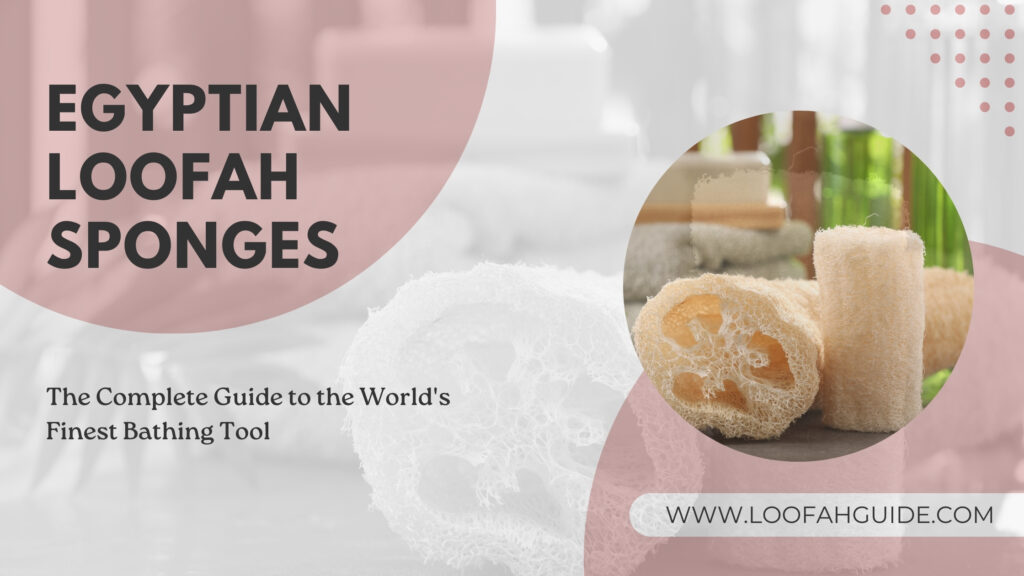
Loofah quality varies significantly based on growing region, climate conditions, and cultivation practices. Egyptian loofah consistently earns recognition as the premium standard due to the Nile Valley’s ideal growing conditions. The combination of mineral-rich soil, abundant sunshine, and traditional farming knowledge produces loofahs with superior fiber density and durability.
When selecting loofah products, origin matters considerably. Loofahs grown in optimal conditions last longer, perform better, and provide more satisfying results across all applications. Quality suppliers like Egexo maintain rigorous standards throughout cultivation and processing to ensure consistent product excellence.
Natural Loofah Properties and Benefits
| Property | Benefit | Application Advantage |
|---|---|---|
| Fibrous texture | Effective scrubbing | Removes buildup without scratching |
| Natural porosity | Superior lather | Distributes soap efficiently |
| Antimicrobial tendency | Resists bacteria | Stays fresher between uses |
| Biodegradability | Zero waste disposal | Composts completely |
| Renewable source | Sustainable supply | Environmentally responsible |
| Chemical-free | No synthetic additives | Safe for sensitive users |
Use 1: Daily Skin Exfoliation and Body Care
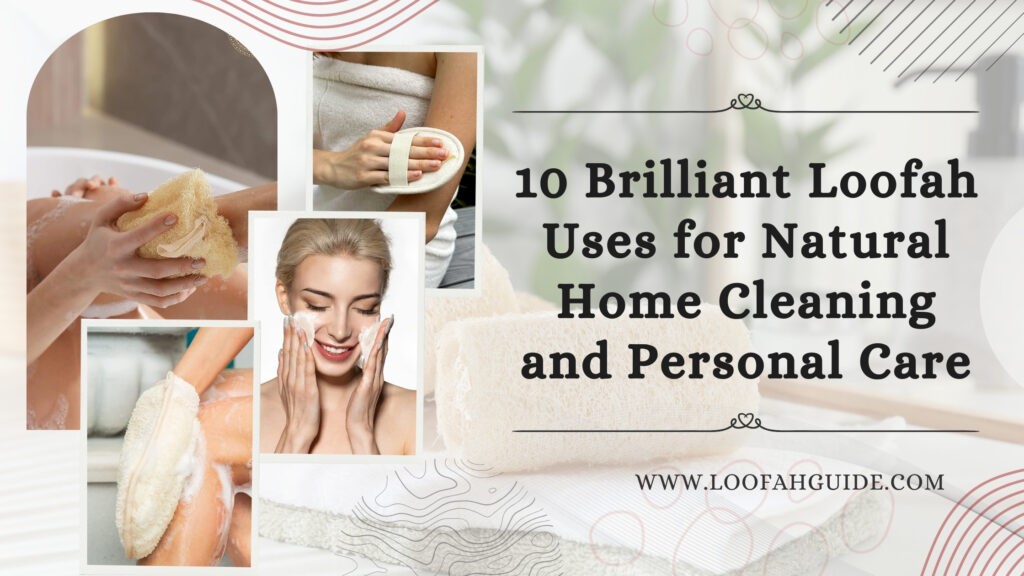
The most recognized loofah use remains skin exfoliation, where natural fibers gently remove dead skin cells to reveal healthier, smoother skin beneath. Unlike harsh chemical exfoliants or abrasive synthetic scrubbers, natural loofah provides mechanical exfoliation that works with your skin rather than against it.
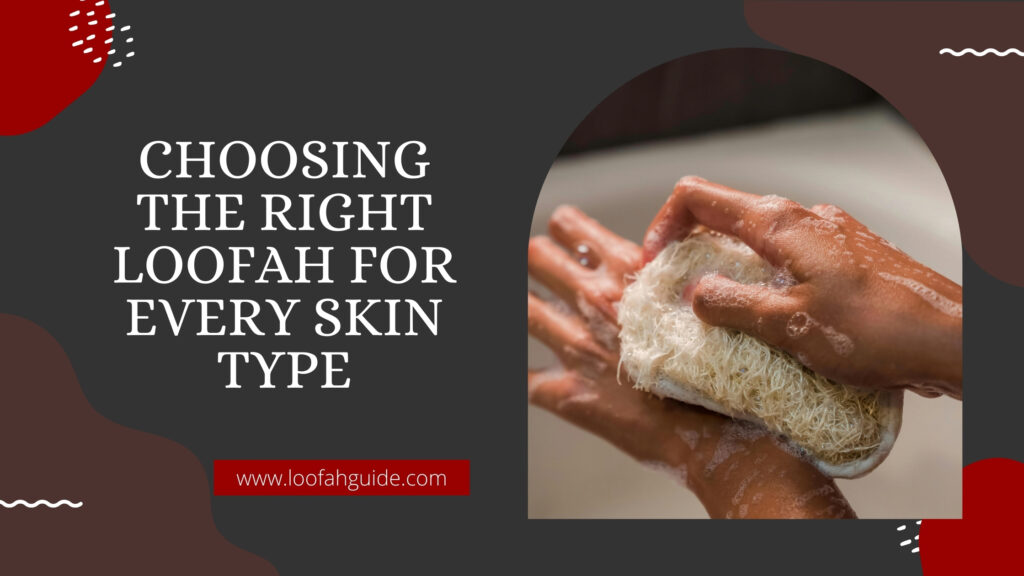
Effective exfoliation with loofah requires proper technique. Begin by thoroughly wetting the loofah to soften fibers, then apply your preferred body wash or soap. Using moderate pressure, work in circular motions starting from your extremities and moving toward your heart. This direction supports natural lymphatic flow and maximizes circulation benefits.
Regular loofah exfoliation delivers multiple skincare benefits beyond simply removing dead cells. Increased circulation brings nutrients to skin cells while carrying away waste products. The gentle stimulation encourages collagen production over time, contributing to firmer, more youthful skin appearance. Many users report reduced ingrown hairs, more even skin tone, and improved absorption of moisturizers after incorporating loofah exfoliation into their routines.
Choosing the Right Texture
Loofah texture varies from soft and fine to firm and coarse, with each variation suited to different skin types and preferences. Softer loofahs work best for sensitive skin, facial applications, and daily gentle exfoliation. Firmer textures address rough areas like elbows, knees, and heels where thicker skin accumulates.
Quality body loofahs offer consistent texture throughout, allowing users to select the firmness level matching their needs. Some users prefer keeping multiple loofahs with different textures for various body areas and exfoliation intensities.
Skin Type and Loofah Texture Matching Guide
| Skin Type | Recommended Texture | Pressure Level | Weekly Frequency |
|---|---|---|---|
| Very sensitive | Ultra soft | Light | Once |
| Sensitive | Soft | Light to moderate | One to two times |
| Normal | Medium | Moderate | Two to three times |
| Oily or thick | Medium to firm | Moderate to firm | Three to four times |
| Rough patches | Firm | Firm | As needed |
Use 2: Facial Cleansing and Gentle Exfoliation
Extending loofah uses to facial care requires careful product selection and gentle technique. Facial skin differs significantly from body skin, with thinner structure and greater sensitivity to damage. However, appropriate loofah application provides effective facial exfoliation that many find superior to synthetic alternatives or harsh scrub products.
Select small, ultra-soft loofah pieces specifically for facial use. The finest fibers from the inner gourd sections provide gentle yet effective exfoliation suitable for most facial skin types. Dampen the loofah thoroughly and apply a small amount of gentle facial cleanser. Using featherlight pressure, work in small circles across the forehead, cheeks, nose, and chin while avoiding the delicate eye area.
Limit facial loofah use to once or twice weekly maximum to prevent over-exfoliation, which can compromise the skin barrier and cause sensitivity or breakouts. Following facial exfoliation, apply hydrating products while pores remain open for enhanced absorption.
Those with active acne, rosacea, or other inflammatory skin conditions should consult dermatologists before incorporating facial loofah exfoliation. For these individuals, loofah may prove too stimulating and could worsen symptoms.
Use 3: Scalp Treatment and Hair Health
Among lesser-known loofah uses, scalp care offers significant benefits for hair health and comfort. Product buildup, excess oil, and dead skin cells accumulate on the scalp over time, potentially contributing to dandruff, irritation, and sluggish hair growth. Natural loofah provides gentle mechanical removal of this buildup without harsh chemical treatments.
Wet a medium-textured loofah and apply your regular shampoo directly to the fibers. Massage your scalp using gentle circular motions, allowing the loofah texture to reach areas fingertips typically miss. Focus on areas prone to buildup while avoiding aggressive pressure that could irritate the scalp.
This technique increases blood circulation to hair follicles while providing deeper cleansing than standard shampooing. Many users notice decreased scalp oiliness, reduced flakiness, and improved hair volume within weeks of incorporating loofah scalp treatments. The same approach benefits beard care, helping exfoliate skin beneath facial hair to reduce ingrown hairs and irritation.
Use 4: Eco-Friendly Dish Cleaning
Replacing synthetic kitchen sponges with natural loofah represents one of the most impactful environmental loofah uses available to households. Standard kitchen sponges require replacement every few weeks, creating substantial plastic waste while releasing microplastics into water systems with every use. Natural kitchen loofahs eliminate both concerns while delivering superior cleaning performance.
Kitchen loofah applications span everyday dish washing to tackling tough stuck-on food. The natural fiber structure creates excellent lather from dish soap while providing texture that lifts food residue without scratching most cookware surfaces. Kitchen loofahs prove particularly effective on cast iron, stainless steel, ceramic, and glass surfaces where gentle abrasion helps without causing damage.
With proper care, kitchen loofahs last three to six months compared to two to four weeks for synthetic alternatives. This durability translates to significant cost savings alongside environmental benefits. When your kitchen loofah eventually wears out, simply compost it rather than adding to landfill waste.
Kitchen Loofah Durability Comparison
| Characteristic | Natural Kitchen Loofah | Synthetic Kitchen Sponge |
|---|---|---|
| Typical lifespan | 12 to 24 weeks | 2 to 4 weeks |
| Annual replacements needed | 2 to 4 | 13 to 26 |
| Microplastic release | None | Continuous |
| End of life disposal | Compostable | Landfill only |
| Cleaning effectiveness | Excellent | Good |
| Bacterial resistance | Naturally resistant | Requires frequent sanitizing |
| Long-term cost | Lower | Higher |
Use 5: Safe Produce Washing
Food safety concerns drive many consumers to carefully wash fruits and vegetables, yet most lack effective tools for this purpose. Natural loofah provides an ideal produce cleaning solution, offering enough texture to remove pesticide residue, wax coatings, and surface contaminants without damaging delicate produce. This loofah use addresses practical food safety while avoiding chemical produce washes.
Designate a specific loofah exclusively for produce to maintain hygiene separation from other household uses. Choose a medium texture that effectively scrubs without being harsh enough to bruise softer items. Wet the loofah and gently scrub firm produce like apples, potatoes, carrots, and cucumbers under running water. The natural fibers dislodge surface residue more effectively than hands alone while avoiding the microplastic transfer from synthetic brushes.
For delicate produce like tomatoes, peaches, or berries, use a softer loofah with minimal pressure. Alternatively, some users dedicate ultra-soft loofah pieces specifically for delicate produce that requires gentler handling.
Use 6: Bathroom Deep Cleaning
Bathroom surfaces present cleaning challenges that natural loofah handles exceptionally well. Soap scum, hard water deposits, mildew, and general grime accumulate on tile, fixtures, and glass despite regular cleaning efforts. The textured surface of natural loofah lifts these deposits more effectively than cloths while remaining gentle enough to avoid scratching most bathroom surfaces.
Apply your preferred bathroom cleaner to a wet loofah and scrub surfaces using circular motions. For stubborn soap scum or hard water deposits, allow the cleaner to sit for several minutes before scrubbing. The combination of chemical cleaning agents and natural mechanical action from loofah fibers produces results that neither approach achieves alone.
Natural loofah works safely on ceramic tile, porcelain fixtures, fiberglass tubs, acrylic shower surrounds, and glass shower doors. Exercise caution on natural stone surfaces like marble or granite, using only very soft loofahs with appropriate stone-safe cleaners to prevent etching or scratching.
Bathroom Surface Loofah Application Guide
| Surface Material | Safe to Use Loofah | Texture Recommendation | Special Considerations |
|---|---|---|---|
| Ceramic tile | Yes | Medium to firm | Excellent for grout lines |
| Porcelain | Yes | Medium | Standard approach works |
| Fiberglass | Yes with care | Soft to medium | Avoid heavy pressure |
| Acrylic | Yes with care | Soft | Very gentle strokes |
| Glass | Yes | Soft to medium | Follow with squeegee |
| Natural stone | Limited | Very soft only | Use pH neutral cleaners |
| Chrome fixtures | Yes | Soft | Polish after cleaning |
Use 7: Homemade Body Scrub Creation
Creative loofah uses extend into DIY personal care, where natural loofah fibers enhance homemade body scrub recipes. Combining grated loofah with oils, sugars, and essential oils creates customized exfoliation products that outperform many commercial alternatives. This approach appeals to those seeking natural skincare solutions while controlling exactly what touches their skin.
Creating loofah body scrubs requires finely grated or chopped dried loofah combined with a carrier oil base. Popular carrier options include coconut oil for its moisturizing properties, jojoba oil for its similarity to natural skin sebum, or sweet almond oil for sensitive skin compatibility. Add granulated sugar or fine sea salt for additional exfoliation, along with essential oils for fragrance and therapeutic benefits.
The loofah fibers provide lasting texture that remains effective even as sugar or salt dissolves during use. Store homemade scrubs in airtight containers away from moisture, using within four to six weeks for optimal freshness. Customize recipes seasonally with different essential oil combinations or adjust exfoliation intensity by varying loofah to sugar ratios.
Basic DIY Loofah Body Scrub Formula
| Ingredient | Measurement | Function |
|---|---|---|
| Finely grated dried loofah | 3 tablespoons | Physical exfoliation texture |
| Carrier oil of choice | Half cup | Moisture and binding |
| Granulated sugar or fine salt | Quarter cup | Additional exfoliation |
| Essential oils | 15 to 20 drops | Fragrance and benefits |
| Vitamin E oil | Half teaspoon | Natural preservation |
| Raw honey | 1 tablespoon optional | Humectant and antibacterial |
Use 8: Natural Body Wash Enhancement
Taking DIY applications further, incorporating loofah into homemade body wash creates daily cleansing products with built-in gentle exfoliation. This loofah use suits those preferring natural personal care products or anyone seeking to reduce packaging waste through homemade alternatives.
Combine very finely grated loofah with liquid castile soap as a base, adding moisturizing oils and natural fragrance according to preference. The suspended loofah particles provide subtle exfoliation during every shower without requiring separate scrubbing. This approach proves particularly valuable for maintaining smooth skin between more intensive exfoliation sessions.
Store homemade loofah body wash in pump dispensers for convenient use, shaking before each application to redistribute settled fibers. Adjust loofah quantity based on desired exfoliation intensity, starting with smaller amounts and increasing if more texture is preferred.
For those interested in developing commercial natural body care products, exploring custom product design options with established suppliers opens opportunities in the growing natural products market.
Use 9: Therapeutic Foot Treatments
Feet deserve more care than most people provide, enduring daily stress while often being neglected in personal care routines. Loofah uses for foot care range from daily maintenance to intensive callus treatment, with natural fibers proving ideal for addressing the thicker skin found on heels and soles.
Create a therapeutic foot soak by adding grated loofah to warm water with Epsom salts and several drops of peppermint or tea tree essential oil. Soak feet for fifteen to twenty minutes, allowing warmth and salts to soften callused areas while loofah particles begin the exfoliation process. Follow soaking with direct loofah scrubbing, focusing on heels, balls of feet, and any rough patches.
Regular foot care with loofah prevents callus buildup rather than requiring intensive correction later. Those prone to rough heels benefit from brief daily loofah scrubbing in the shower, maintaining smooth skin with minimal effort. This preventive approach proves far easier than addressing severely callused feet that require professional intervention.
Foot Care Loofah Treatment Protocol
| Foot Condition | Treatment Frequency | Technique | Expected Timeline |
|---|---|---|---|
| General maintenance | Daily brief scrub | Light pressure, circulation | Ongoing prevention |
| Mild roughness | Every other day | Moderate pressure | 2 to 3 weeks improvement |
| Moderate calluses | Daily after soaking | Firm targeted pressure | 4 to 6 weeks reduction |
| Severe calluses | Daily intensive | Very firm pressure | Combine with professional care |
| Dry cracked heels | Daily with moisturizer | Medium pressure plus oil | 3 to 4 weeks healing |
Use 10: Pet Grooming and Coat Maintenance
The final practical loofah use benefits four-legged family members, providing natural grooming that most pets enjoy. Natural loofah texture removes loose fur, distributes skin oils throughout the coat, and delivers stimulating massage that improves circulation and skin health.
Slightly dampen the loofah and brush in the direction of fur growth using gentle, consistent strokes. The natural fibers collect loose hair while the massage action stimulates blood flow to hair follicles. Many pet owners report improved coat shine, reduced shedding around the home, and pets who actively seek out grooming sessions once accustomed to the pleasant sensation.
Natural loofah grooming appeals to pet owners concerned about synthetic materials in contact with their animals. Unlike plastic brushes that may harbor bacteria in crevices, natural loofah can be easily cleaned and eventually composted. The pet and spa grooming loofah category offers options specifically sized and textured for animal care applications.
Maximizing Loofah Performance Through Proper Care
Achieving optimal results from all loofah uses requires proper maintenance that extends product life while ensuring hygiene. Simple care practices dramatically affect how long your loofah lasts and how well it performs throughout its useful life.
After each use, rinse the loofah thoroughly under running water to remove soap residue, dead skin cells, or cleaning product remnants. Squeeze firmly to remove excess water, then store in a location with good air circulation where the loofah can dry completely between uses. Avoid storing wet loofah in enclosed spaces like drawers or plastic containers where trapped moisture promotes bacterial and fungal growth.
Loofah Care and Replacement Schedule
| Loofah Application | Sanitizing Frequency | Replacement Interval | Disposal Method |
|---|---|---|---|
| Body exfoliation | Weekly | 4 to 6 weeks | Compost |
| Facial care | After each use | 3 to 4 weeks | Compost |
| Kitchen cleaning | Weekly | 12 to 24 weeks | Compost |
| Bathroom cleaning | Bi-weekly | 8 to 12 weeks | Compost |
| Produce washing | Weekly | 8 to 12 weeks | Compost |
| Pet grooming | Monthly | 8 to 12 weeks | Compost |
Sanitize loofahs periodically by soaking in diluted white vinegar solution or placing damp loofah in microwave for thirty seconds. These methods kill accumulated bacteria and extend safe usage periods. However, replace loofahs according to recommended schedules regardless of sanitization, as fiber breakdown eventually compromises both effectiveness and hygiene.
Understanding Quality When Selecting Loofah Products
Not all loofahs deliver equal performance, making quality assessment important when selecting products. Understanding what distinguishes premium loofah from inferior alternatives helps ensure satisfying results across all intended uses.
Examine fiber density by gently compressing the loofah and observing how quickly it returns to original shape. Quality loofahs feature tightly woven fibers that spring back promptly, while lower quality products may feel loose or fail to recover fully. Check for consistent texture throughout, avoiding loofahs with dense areas mixed with sparse sections that indicate uneven development.
Color provides quality clues as well. Natural loofah ranges from light cream to golden tan, with coloring remaining consistent throughout. Very white loofahs may have been chemically bleached, while dark spots or discoloration suggest improper drying or storage. Fresh loofah should smell neutral or slightly earthy, with musty or chemical odors indicating problems.
The comprehensive quality standards maintained by reputable suppliers ensure consistent product excellence that inferior sources cannot match. Understanding the complete farm to export process provides insight into what separates premium Egyptian loofah from alternatives grown under less controlled conditions.
Environmental Benefits of Choosing Natural Loofah
Selecting natural loofah over synthetic alternatives creates meaningful environmental impact that extends far beyond individual households. Every natural loofah replacing synthetic sponges prevents plastic waste while eliminating microplastic pollution that accompanies synthetic product use.
Natural loofah grows without significant chemical inputs when cultivated responsibly, requires minimal processing beyond drying and cleaning, and biodegrades completely at end of life. The carbon footprint comparison dramatically favors natural loofah, making it an accessible choice for environmentally conscious consumers seeking practical sustainability without sacrificing performance.
For retailers and businesses serving eco-conscious markets, natural loofah products align with customer values while offering attractive margins and repeat purchase potential. The growing demand for sustainable household products creates opportunities for businesses willing to source quality natural alternatives. Wholesale buyers can explore options through established suppliers who maintain ethical sourcing practices throughout their supply chains.
Learn more about sustainable living with natural products at WholesaleLoofah.com, offering resources for businesses entering the natural products market.
FAQ Section
Q1: How often should I replace my loofah for personal care use?
A: Personal care loofahs require replacement every four to six weeks when used for body exfoliation to maintain hygiene and effectiveness. Facial loofahs should be replaced even more frequently, every three to four weeks, due to the sensitive nature of facial skin. Signs indicating replacement need include loosening fibers, persistent odor despite cleaning, discoloration, or reduced springiness when compressed. Kitchen and household cleaning loofahs typically last longer, three to six months, because they face different usage conditions than personal care applications.
Q2: Can natural loofah cause skin irritation or allergic reactions?
A: Natural loofah rarely causes allergic reactions since it contains no synthetic chemicals or additives. However, skin irritation can occur from using excessive pressure, over-exfoliating too frequently, or using loofah texture inappropriate for your skin type. Start with softer textures and gentle pressure, increasing gradually as your skin adjusts. Those with extremely sensitive skin, eczema, or other inflammatory conditions should consult healthcare providers before incorporating loofah exfoliation. Proper hygiene maintaining clean dry loofah between uses prevents bacterial issues that could potentially cause skin problems.
Q3: What distinguishes Egyptian loofah from loofah grown in other regions?
A: Egyptian loofah benefits from the unique growing conditions found in the Nile Valley region, where mineral-rich alluvial soil, consistent Mediterranean sunshine, and centuries of cultivation expertise combine to produce superior products. These environmental factors create loofahs with denser fiber networks, greater structural durability, and more consistent texture throughout compared to loofah cultivated elsewhere. Egyptian loofah suppliers like Egexo maintain quality standards through controlled growing conditions and rigorous post-harvest processing that ensure consistent excellence international buyers recognize as the industry benchmark.
Q4: Is it safe to use loofah on my face every day?
A: Daily facial loofah use is not recommended for most skin types as it may lead to over-exfoliation causing sensitivity, redness, or compromised skin barrier function. Limit facial loofah exfoliation to once or twice weekly maximum, using ultra-soft textures with very light pressure. Allow skin to recover between exfoliation sessions, adjusting frequency based on how your skin responds. Those with oily or thicker facial skin may tolerate slightly more frequent use, while sensitive skin types should limit applications to once weekly or less.
Q5: How do I properly sanitize my loofah between replacements?
A: Effective loofah sanitization methods include soaking in diluted white vinegar solution for five to ten minutes, briefly microwaving damp loofah for thirty seconds, or soaking in diluted hydrogen peroxide solution. Perform sanitization weekly for personal care loofahs and bi-weekly for household cleaning loofahs. Always ensure loofahs dry completely after sanitization before storing. While sanitization extends safe usage periods, it does not eliminate the need for regular replacement according to recommended schedules since fiber breakdown eventually compromises both effectiveness and hygiene regardless of cleanliness.
Q6: Can I compost my loofah when it wears out?
A: Natural loofah composts completely within weeks to months depending on composting conditions. Cut worn loofahs into smaller pieces to accelerate decomposition and add to backyard compost bins or municipal composting programs accepting plant materials. Even loofahs not actively composted will biodegrade naturally over time without leaving microplastic residue or persistent pollutants. This complete biodegradability represents a significant environmental advantage over synthetic sponges that persist in landfills for decades while releasing harmful compounds during decomposition.
Q7: Are there any surfaces I should avoid cleaning with loofah?
A: While natural loofah works safely on most household surfaces, exercise caution with certain materials. Natural stone surfaces like marble, granite, or travertine may scratch from loofah texture, especially when combined with acidic cleaners. Use only very soft loofahs with pH neutral cleaners on natural stone. Non-stick cookware coatings may be damaged by loofah abrasion over time, so use soft textures with light pressure. High-gloss painted surfaces, some plastic materials, and delicate antique finishes warrant careful testing in inconspicuous areas before regular loofah cleaning.
Q8: Where can I find high-quality natural loofah products?
A: Quality natural loofah products are available through specialty retailers, eco-conscious home goods stores, and directly from established suppliers. When selecting sources, prioritize suppliers who provide origin information, maintain quality certifications, and offer consistent products. Egexo provides premium Egyptian loofah through both retail and wholesale channels, with options for custom product design and private label manufacturing for businesses developing their own product lines. Request samples to evaluate quality before committing to larger purchases.
Expert Insight from Egexo
With over two decades of experience cultivating and processing Egyptian loofah, we have observed that successful loofah use depends equally on product quality and user technique. Premium loofah from optimal growing conditions provides the foundation, but proper usage maximizes benefits while extending product life significantly.
The most common mistake we see involves using excessive pressure, particularly during initial use when enthusiasm often leads to aggressive scrubbing. Natural loofah fibers work through gentle repeated motion rather than forceful friction. Let the texture do the work while you guide the movement. This approach delivers better results while preventing skin irritation and premature fiber breakdown that shortens loofah life. Understanding this principle transforms loofah from an occasional exfoliation tool into a daily essential that enhances multiple aspects of personal care and household maintenance.
Conclusion
These ten practical loofah uses demonstrate how a single natural product can replace numerous synthetic alternatives throughout your home. From daily skin exfoliation and gentle facial cleansing to eco-friendly kitchen cleaning and therapeutic foot treatments, natural loofah delivers superior performance while supporting sustainable living practices.
Key Takeaways:
- Natural loofah provides versatile applications across personal care, household cleaning, and even pet grooming needs
- Quality significantly impacts performance, with Egyptian loofah offering superior fiber density and durability
- Proper care including thorough drying and regular replacement maintains both effectiveness and hygiene
- Complete biodegradability makes natural loofah an environmentally responsible choice without compromising results
- Simple technique adjustments like appropriate pressure and circular motions maximize benefits from every loofah use
Ready to experience premium natural loofah quality?
- For Wholesale Buyers: Request a bulk quote or download the complete product catalog to explore sourcing opportunities
- For Individual Shoppers: Browse the collection or order samples to test quality before purchasing