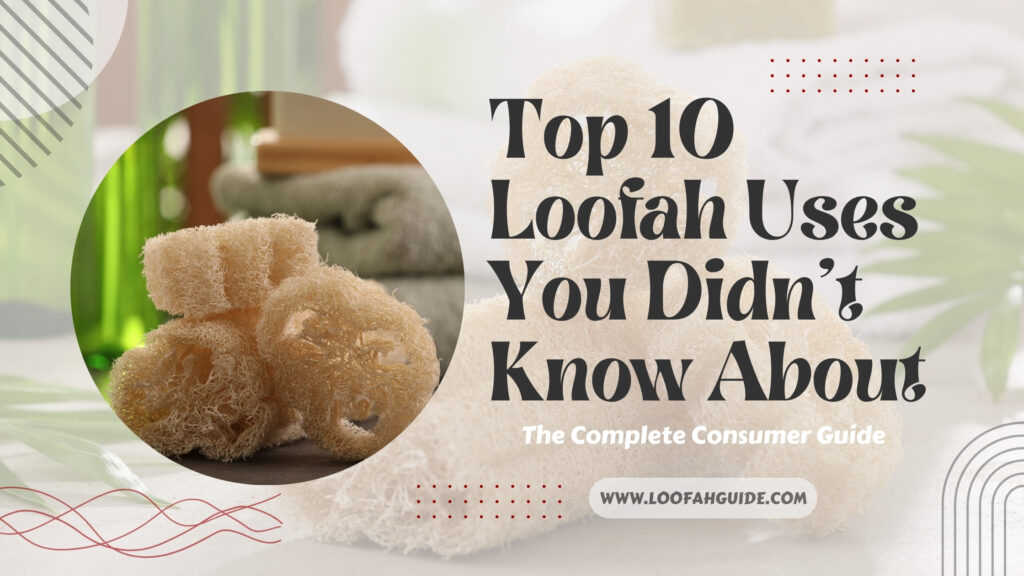
Here is something worth pausing on: the object you rinse and hang in your shower every day is technically a vegetable. Loofah comes from a gourd in the cucumber family, and the fiber inside the dried fruit is one of the most adaptable natural materials found in any household product. If your loofah has only ever seen the inside of your shower, you are genuinely using it at about 10 percent of its potential.
This guide is designed to change that. The top 10 loofah uses you didn’t know about cover everything from pet grooming and kitchen scrubbing to garden applications and even sound dampening for craft projects. Each use is grounded in the actual physical properties of loofah fiber, not exaggeration. Along the way, you will also find practical buying guidance, care instructions, and recommendations for sourcing high-quality natural loofah, because the quality of the product shapes how well it performs in every single one of these applications.
If you are researching loofah for a business, everything here applies to you too. Retailers, spa operators, and importers will find product specifications, quality benchmarks, and sourcing information woven throughout this guide. At loofahguide.com, the goal is to make sure every reader, regardless of why they arrived, leaves knowing more about this product than they did before.
Understanding the Loofah: More Than a Shower Staple
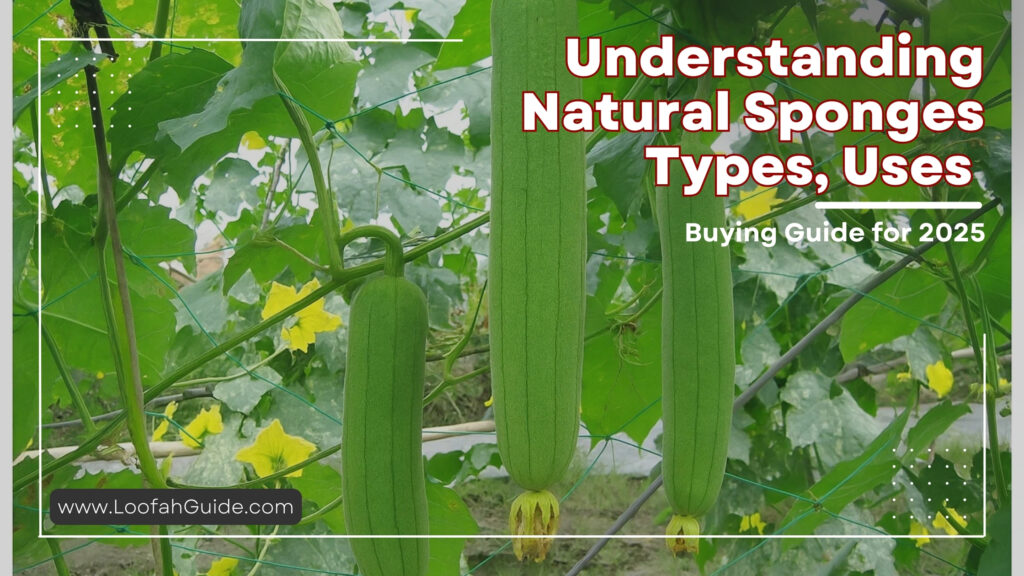
The botanical name for the plant that produces loofah is Luffa aegyptiaca or Luffa cylindrica, depending on the variety. Both are climbing gourds grown in tropical and subtropical climates. When the gourd matures and dries on the vine, the outer skin is removed to reveal the internal fiber network, which is what becomes the loofah product sold in stores and online.
Why the Fiber Structure Matters
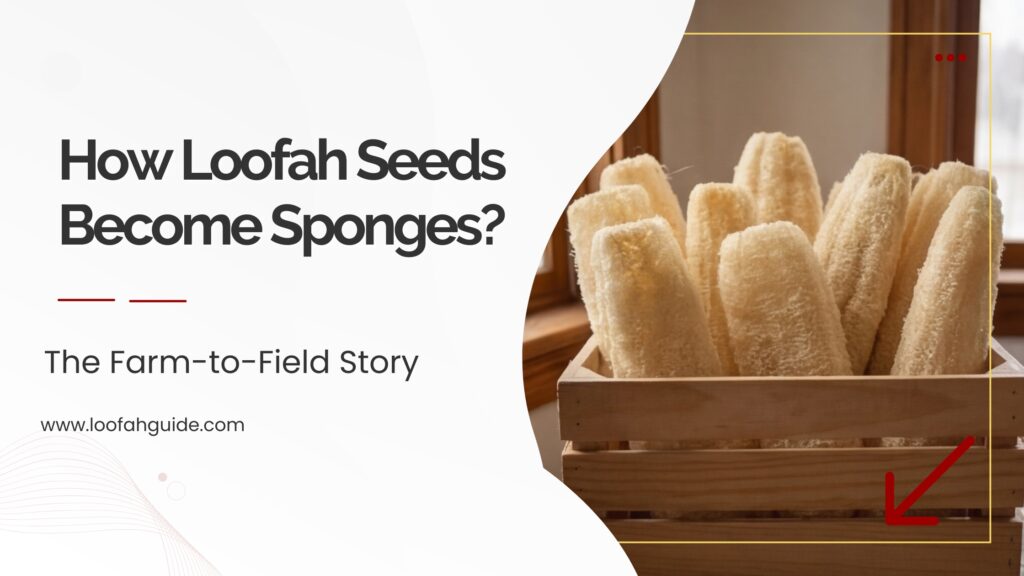
The three-dimensional mesh of cellulose fibers inside a dried loofah gourd is what makes it perform so differently from flat sponges or cloth. The mesh creates multiple contact points against any surface, distributing scrubbing action evenly. The open channels allow water and soap to move through rather than accumulating in one area, which is part of why natural loofah dries faster and resists bacterial growth better than many synthetic alternatives.
This same structure is what makes loofah adaptable across uses. You are not repurposing a product. You are applying the same consistent physical properties to different problems.
Where Does the Best Loofah Come From?
Growing region matters more than most consumers realize. Egypt, specifically the Nile Delta region, produces loofah with a notably denser fiber mesh than varieties grown in parts of Asia or Central America. The combination of mineral-rich soil, warm consistent temperatures, and low-humidity drying conditions creates a firmer, more resilient fiber that holds its shape through more uses.
Egexo, based in Egypt, has spent over 25 years cultivating and exporting Egyptian loofah to buyers across the world. Their farm to export process is transparent and well documented, which is useful for both businesses evaluating suppliers and consumers who want to know where their products originate.
The Top 10 Loofah Uses You Didn’t Know About
Use 1: Therapeutic Skin Exfoliation with Proper Technique
The difference between a basic shower scrub and therapeutic exfoliation is technique and timing. The most effective way to use a loofah for skin is to apply it after 3 to 5 minutes of steam or warm water exposure, when the skin’s surface layer has softened. Use slow circular motions with moderate pressure, working from the feet upward toward the heart.
This approach stimulates circulation, accelerates the shedding of dead skin cells, and can visibly improve skin texture with consistent use over several weeks. It is the method used in hammam traditions across North Africa and the Middle East, where loofah-based body treatments have been practiced for centuries.
For consumers shopping for a body loofah, look for products with consistent fiber density and a neutral smell. The bath and body loofah collection at Egexo includes multiple grades suited to different skin types and preferences.
Use 2: Chemical-Free Kitchen Scrubbing
Synthetic kitchen sponges have received growing scrutiny over the past decade. Research has identified both bacterial accumulation in closed-cell foam and microplastic shedding into food and wastewater as legitimate concerns. A natural loofah kitchen scrubber addresses both issues: the open-cell structure drains and dries more efficiently, and no synthetic materials are involved.
Loofah is effective on cast iron without stripping seasoning, safe on ceramic cookware surfaces, and capable of scrubbing vegetable skins without soap when you prefer a rinse-only clean. The kitchen loofah range at Egexo covers sliced and whole scrubber formats in kitchen-grade density.
Use 3: Natural Pet Grooming at Home
Pet owners spend significant money on grooming tools, many of which are made from plastic or metal and require careful technique to avoid skin irritation. A natural loofah dampened with warm water works as an effective between-bath grooming tool for cats and dogs with short to medium coats.
The fiber texture loosens and collects shed fur, removes surface dirt and allergens from the coat, and is soft enough on animal skin that most pets tolerate it without resistance. Because it contains no synthetic materials or chemical treatments, there is no risk from the animal licking the surface after grooming.
Products designed specifically for this use are available in the pet and spa loofah category.
Use 4: Foot Exfoliation and Callous Management
Callouses on the heels and balls of the feet form from repeated friction. Regular exfoliation with a firm loofah, used on wet feet after soaking for 5 to 10 minutes, breaks down surface buildup gradually without the risk of over-removal that comes with aggressive filing. This is a gentler, more sustainable approach to foot care than pumice stones or electric foot files for people with mild to moderate callous buildup.
Many pedicure kits and foot care product lines now include a natural loofah section as a standard component. For retailers building foot care bundles, sourcing food-grade loofah sections in consistent sizing is straightforward through a wholesale supplier like Egexo.
Use 5: Grout and Tile Cleaning Without Scratching
Bathroom tile and grout cleaning often involves chemical sprays and abrasive pads that risk dulling the tile glaze over time. A natural loofah dampened with warm water and a mild cleaning solution provides enough friction to remove soap scum, hard water deposits, and surface grime from most tile types without scratching.
The physical structure of loofah, firm but not rigid, makes it particularly effective on textured tiles where flat cloths leave deposits in the grooves. It is also a more ergonomic tool than small scrubbing brushes for large surface areas.
Use 6: Produce Washing and Vegetable Scrubbing
Washing vegetables is a food safety step that benefits from a dedicated tool. A natural loofah reserved for kitchen produce use scrubs the surfaces of root vegetables, cucumbers, melons, and citrus effectively without the risk of chemical transfer that comes from using synthetic sponges that may have absorbed dish soap residue.
The key is to keep a separate loofah designated for food contact only and to replace it more frequently than you would a cleaning loofah. Every 4 to 6 weeks is a reasonable cycle for a kitchen produce loofah in regular household use.
Use 7: Artistic Texture Work in Painting and Crafts
A loofah section creates unpredictable, layered texture marks when loaded with paint and pressed or dragged across a surface. Mixed-media artists and craft enthusiasts use it for background texturing in acrylics, creating organic patterns in watercolor, and applying irregular paint fields in decorative projects.
The texture each loofah produces is unique, since no two fiber meshes are identical, which gives the medium an authenticity that manufactured texturing tools cannot replicate. Raw loofah sections are well suited for this application. Browse raw loofah scrubbers for unprocessed options.
Use 8: Biodegradable Seed Starting in the Garden
Gardeners who grow from seed use a variety of starting media, from peat plugs to foam trays. Moistened loofah sections cut to fit seed trays work as natural, biodegradable starting pods. Seeds planted into loofah fiber germinate reliably because the structure holds moisture while remaining permeable to air.
When the seedling is ready for transplant, the entire loofah plug goes into the soil. The fiber breaks down within a few weeks, releasing no toxins and adding organic matter to the surrounding soil. This is an elegant zero-waste option for gardeners who are already avoiding plastic in other areas.
Use 9: Cushioning and Vibration Absorption in Packaging
Cut loofah pieces used as packaging fill for handmade and artisan products provide light cushioning, vibration absorption, and a natural aesthetic that reinforces an eco-friendly brand identity. Small ceramic pieces, glass items, and handmade cosmetics benefit from the cushioning loofah provides when packed around them in a shipping box.
This use has grown steadily alongside the expansion of the handmade and independent retail sector, where plastic foam packing peanuts are increasingly seen as brand-inconsistent.
Use 10: Professional Spa and Hydrotherapy Protocols
In professional spa settings, loofah is used beyond basic exfoliation. Warm water hydrotherapy treatments use loofah compresses against muscle tissue to stimulate circulation and support the relaxation response. The fiber holds heat briefly when saturated with warm water, making it effective for this purpose.
Spa operators who want to build branded treatment protocols around natural materials can work with Egexo’s private label manufacturing program or explore custom loofah product design to create configurations suited to specific treatment needs. You can also request loofah samples to evaluate quality before placing a wholesale order.
Choosing the Right Loofah: A Consumer and Buyer Comparison Guide
Not all loofahs are equal. The table below compares what to look for across different purchase contexts.
| Buyer Type | Priority Factors | Recommended Product Type | Where to Source |
|---|---|---|---|
| Individual consumer | Fiber softness, clean smell, consistent size | Soft to medium body loofah | Egexo shop or trusted retailer |
| Spa owner | Consistent grading, bulk availability, certifications | Multi-grade body and spa loofah | Egexo wholesale with sample first |
| Retailer | Shelf appeal, packaging, private label option | Branded loofah products | Egexo private label program |
| Pet owner | Non-toxic, appropriately sized, gentle texture | Pet grooming loofah pad | Egexo pet loofah category |
| Kitchen-focused buyer | Density, durability, no-chemical composition | Kitchen-grade loofah slice | Egexo kitchen loofah category |
| Gardener / crafter | Unprocessed fiber, large gourd sections | Raw loofah scrubbers | Egexo raw loofah category |
Loofah Care: A Practical Maintenance Guide
Getting the most out of any loofah, regardless of application, depends on consistent simple care. These are not complicated steps. They take about 30 seconds after each use.
Daily and Weekly Care Routine
| Step | Timing | Method |
|---|---|---|
| Thorough rinse | After every use | Run under clean water, squeeze gently to flush through the fiber |
| Hang to dry | After every use | Hang in a position with airflow on all sides; avoid resting on a flat surface |
| Vinegar soak | Once per week | Mix 1 part white vinegar to 4 parts water; soak for 5 minutes, rinse thoroughly |
| Visual inspection | Once per week | Check for dark spots, persistent odor, or fiber collapse |
| Replacement | Every 4-6 weeks (body) | Sooner if smell persists after vinegar treatment |
| Replacement | Every 8-12 weeks (kitchen) | Sooner if scrubbing effectiveness decreases noticeably |
A loofah that is rinsed, dried, and treated weekly will outlast one that is left wet and unused at the bottom of a shower shelf by a factor of two or more.
Natural vs Synthetic: The Honest Comparison
| Category | Natural Loofah | Synthetic Sponge |
|---|---|---|
| Material source | Luffa plant (gourd) | Petroleum-based foam |
| End-of-life disposal | Compostable in weeks | Landfill only |
| Scrubbing effectiveness | Excellent (multi-surface) | Moderate (flat surface only) |
| Bacterial risk | Lower (drains and dries faster) | Higher (retains moisture) |
| Chemical content | None (if unbleached) | Dyes, binders, foam agents |
| Skin compatibility | High (gentle on most skin types) | Variable (some contain irritants) |
| Environmental impact | Minimal | Significant (microplastics) |
| Cost over time | Lower (longer lifespan) | Higher (frequent replacement) |
For more comprehensive sourcing information and wholesale resources, visit wholesaleloofah.com where buyers can find detailed product comparisons, supplier evaluation guides, and bulk purchasing resources.
Expert Insight from Egexo
Egyptian loofah has been grown in the Nile Delta for generations, and the production methods that have developed over that time produce a noticeably different fiber than what comes from regions where loofah is a newer crop.
The key factor most buyers do not ask about is the drying process. Loofahs dried too quickly or at inconsistent temperatures develop a brittle outer fiber layer that breaks down faster in use. Egexo’s traditional slow-drying process preserves fiber elasticity, which is why our products return to shape after compression and maintain their scrubbing performance through a longer use cycle.
For consumers, this means you get more uses per product. For wholesale buyers, it means lower return rates and better customer retention. Both outcomes matter, and both start at the farm level, which is why Egexo controls the process from seed to shipment rather than sourcing fiber from variable third-party suppliers.
If you want to see the full picture of how Egexo produces loofah, the farm to export process page covers it in detail.
FAQ Section
Q1: Can I use the same loofah for my body and kitchen cleaning? A: It is strongly recommended to keep separate loofahs for body use and kitchen or household cleaning. Body loofahs come into contact with skin cells, soap, and bacteria from the body. Using the same loofah in the kitchen introduces cross-contamination risks. The good news is that natural loofah is affordable enough that maintaining separate units for each application is practical and worthwhile.
Q2: How do I know when it is time to replace my loofah? A: The two clearest signals are persistent odor after thorough rinsing and visible fiber collapse where the mesh no longer springs back under light pressure. A loofah that smells after cleaning is harboring bacteria that rinsing alone cannot address. One that has lost its structural firmness will no longer exfoliate or clean effectively. For body use, plan on replacement every 4 to 6 weeks with regular care. Kitchen loofahs last 8 to 12 weeks.
Q3: Are there loofah products specifically made for pets? A: Yes. Loofah products designed for pet grooming are sized and textured specifically for animal coat care rather than human skin. They tend to be slightly firmer and larger than standard bath loofahs. Egexo offers a dedicated pet and spa loofah range that has been designed with animal grooming in mind. Natural loofah is a safer alternative to many synthetic grooming tools because it contains no chemical treatments that could affect animals if ingested.
Q4: Is natural loofah hygienic to use? A: Natural loofah is hygienic when properly maintained. The open-cell fiber structure drains and dries more efficiently than closed-cell synthetic sponges, which reduces the window for bacterial growth. Weekly treatment with a diluted white vinegar solution provides an effective, chemical-free disinfection method. The key is consistent rinsing after every use and ensuring the loofah dries fully between uses. A loofah left wet continuously will develop bacterial or mold growth regardless of its material.
Q5: What is the best way to compost a used loofah? A: Remove any non-organic components first, including rope handles, elastic bands, or synthetic mesh coverings. The loofah fiber itself is pure plant cellulose and will decompose within 4 to 8 weeks in a standard active compost pile, or slightly longer in a passive backyard bin. No special preparation is needed. Simply cut or break the loofah into smaller sections to accelerate breakdown and add it to your compost along with other organic material.
Q6: Where can I buy high-quality natural loofah in bulk? A: For bulk and wholesale purchasing, Egexo is Egypt’s leading loofah supplier with over 25 years of cultivation and export experience. Buyers can request a wholesale quote, order product samples, or download the full product catalog to review available products, specifications, and minimum order quantities. For individual purchases, the Egexo shop is available for direct orders.
Conclusion
Loofah is a material with a depth of application that most people have never explored. The top 10 loofah uses you didn’t know about, from therapeutic exfoliation techniques to pet grooming, kitchen scrubbing, garden applications, and spa protocols, all draw on the same core properties: a natural cellulose fiber mesh that provides consistent mechanical action across many different surfaces and situations.
The quality of the loofah you choose determines how well it performs in every single one of these uses. Egyptian loofah, and specifically the varieties cultivated and exported by Egexo, represents the benchmark for consistency, durability, and natural integrity. Whether you are stocking a retail shelf, equipping a spa treatment room, or simply upgrading your personal care routine, starting with the right product makes every application more effective.
Key Takeaways:
- Loofah has at least 10 distinct uses across personal care, home cleaning, pet grooming, gardening, and professional spa contexts
- Natural loofah outperforms synthetic alternatives on durability, hygiene, and environmental impact
- Proper care, rinsing after every use, hanging to dry, and weekly vinegar treatment, extends loofah lifespan significantly
- Egyptian loofah is considered the highest quality globally due to fiber density and traditional processing methods
- Egexo offers wholesale, private label, and consumer purchasing options with samples available before bulk commitment
Ready to experience Egyptian loofah quality?
- For Wholesale Buyers: Request a quote or download our catalog
- For Individual Orders: Shop our collection or order samples