
Walk into a pharmacy in Tokyo and ask for a loofah, and you might get a blank stare. Ask for a hechima, and the shop assistant knows exactly what you mean. Head to a market in Sao Paulo and say loofah, and most vendors will look confused. Say bucha vegetal, and they will point you to an entire shelf of options. The product is the same plant-based, biodegradable, fibrous sponge. The name is everything.
How are loofah (luffa) sponges called in your country is one of the most practically useful questions in the natural beauty and household goods world, and the answer tells you a lot about trade history, botanical naming, cultural traditions, and the global journey of a plant that has been scrubbing humanity clean for centuries.
This guide was built for two groups. If you are a consumer navigating unfamiliar markets, traveling, or simply curious about the product you use every day, you will find a comprehensive naming table covering 30 plus countries and cultural context for each major region. If you are a retailer, importer, or spa supplier sourcing natural sponges in bulk, understanding these naming differences is critical for packaging, labeling, and market communication. EGEXO has been exporting Egyptian loofah since 2015.
The Plant Behind Every Name
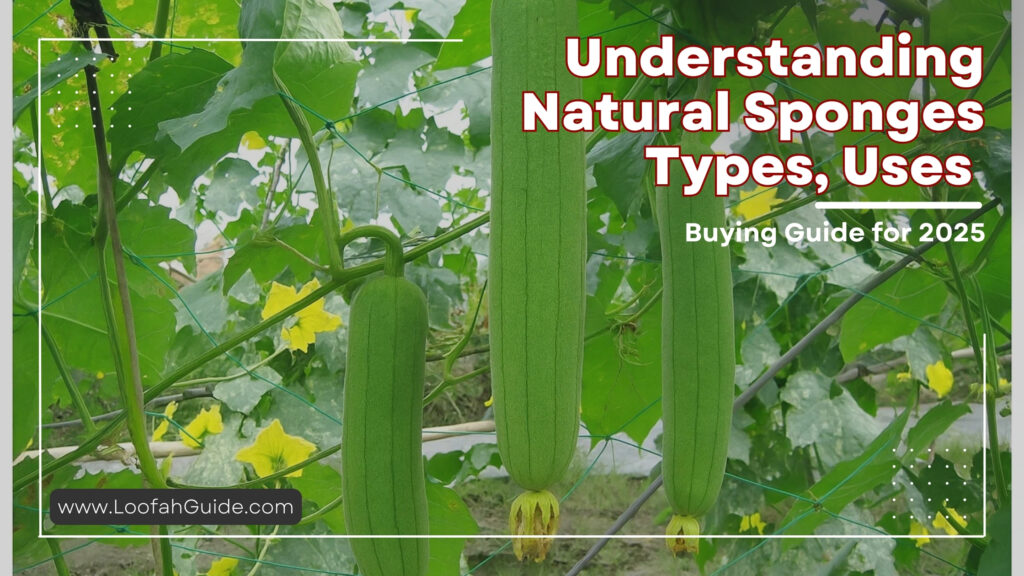
No matter what you call it, every natural loofah sponge comes from the same source: a fast-growing tropical vine in the Cucurbitaceae family. Luffa cylindrica and Luffa acutangula are the two commercially significant species. Both produce fruit that, when left to mature and dry on the vine, develops a dense network of cellulose fibers that becomes the sponge you hold in your hand.
From Seed to Sponge: The Lifecycle of Luffa
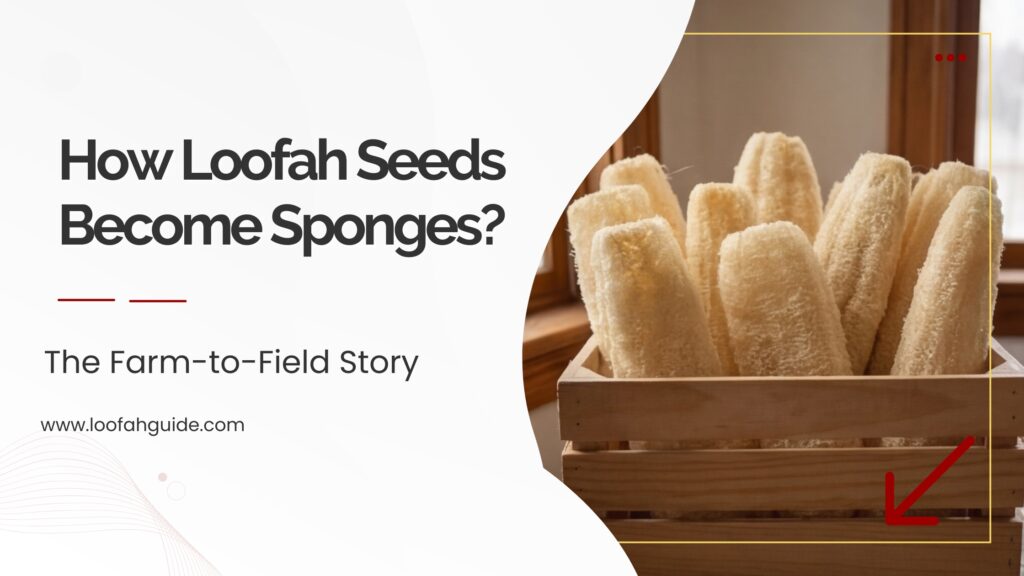
The plant grows vigorously in warm climates, with vines reaching up to 10 meters in length under ideal conditions. Fruits intended for sponge production are left on the vine until they turn yellow and begin to dry naturally. The outer skin is then removed, seeds shaken out, and the remaining fibrous skeleton rinsed, dried further, and cut or shaped for sale.
The entire process, when done correctly using traditional methods, produces a product that is 100 percent natural, contains no synthetic processing aids, and is fully biodegradable at end of life. The quality of the end product depends enormously on when the fruit is harvested, how the drying is managed, and whether the fiber is checked before packing.
Egypt’s growing conditions, particularly in the Nile Delta region where Egexo operates, produce luffa with consistently denser fiber than tropical producers in Southeast Asia. See the detailed quality standards that Egexo applies to every harvest.
How Loofah Got Its Name: A Global Etymology
Language is a map of trade. The names that different cultures use for luffa sponges trace the routes through which the plant traveled across the world.
The Arabic Origin of the Word Loofah
The English word loofah is borrowed from the Arabic word “lif” or “louf,” meaning fiber. Egypt and the wider Arab world have cultivated and traded luffa products for centuries. Arab traders carried both the plant and the name into Mediterranean markets. European merchants, particularly the Dutch and British, picked up both.
In contemporary Arabic, the most common terms are leefa, lifa, or liffa depending on regional dialect. In Egyptian Arabic, leefa is the everyday word, and it predates the English derivative by centuries. This historical claim to the name reflects Egypt’s genuine centrality in global luffa cultivation, a position it still holds today.
How the Name Moved Through Europe
The Dutch term luffa entered German botanical literature in the 1600s when Dutch naturalists formally classified the plant. From German scientific writing, luffa spread into French and Italian botanical usage. British colonial encounters with the plant in India, Africa, and Southeast Asia reinforced the Arabic-derived loofah spelling in English-speaking markets.
By the 20th century, loofah had become the standardized retail spelling in English while luffa retained its position in scientific, trade, and botanical contexts. Both spellings describe exactly the same product.
Global Names for Loofah: The Most Complete Reference Available
The table below covers the names used in major consumer and trade markets worldwide. For wholesale buyers, this table is a practical labeling and marketing reference. For consumers, it helps you find the product wherever you travel or shop.
Complete International Loofah Name Reference
| Country or Region | Primary Name Used | Secondary Names | Cultural Context |
|---|---|---|---|
| USA and Canada | Loofah | Luffa, Loofa | Retail dominant; wellness and spa sector |
| United Kingdom | Loofah | Luffa sponge | Long retail tradition; hammam spa influence growing |
| Egypt | Leefa | Lifa, Liffa | Cultural origin; hammam and personal hygiene tradition |
| Saudi Arabia and Gulf | Leefa | Lifa al-hammam | Hammam bath culture; widely used in spa treatments |
| Morocco and Algeria | Kissa, Leefa | Luffa | Kissa used for hammam mitt distinction |
| Germany | Luffa, Luffaschwamm | Naturschwamm | Naturschwamm means natural sponge |
| Italy | Luffa | Spugna vegetale, Zucca spugna | Zucca spugna means sponge gourd |
| Spain | Lufa, Estropajo | Esponja vegetal | Estropajo associated with kitchen scrubbing |
| Mexico and Central America | Estropajo | Zacate, Lufa | Zacate regional term for fibrous scrubbers |
| Brazil | Bucha vegetal | Luffa, Esfregao | Esfregao means scrubber |
| Portugal | Bucha vegetal | Luffa | Same as Brazilian Portuguese |
| Japan | Hechima | None dominant | Deep cultural history; beauty and traditional uses |
| China | Si Gua Luo | Si Gua, Tianluosi | Si Gua means silk melon; traditional uses |
| South Korea | Susebak | Loopa, Cheonmamitbak | Bath scrubbing context |
| Vietnam | Muop | Muop huong | Also consumed as a vegetable |
| Indonesia | Oyong | Gambas, Petola | Significant regional variation |
| Malaysia | Petola | Oyong, Luffa | Petola in Malay; oyong in Chinese-Malaysian |
| Philippines | Patola | Kabatiti | Both names widely used |
| India (Hindi) | Turai, Torai | Ghosavela, Neti | Food and bath uses overlap significantly |
| India (Tamil) | Peerkangai | Silk pumpkin | Both culinary and cleaning applications |
| Turkey | Kabak Lifi | Lifli Kabak | Kabak means gourd; Lifi means fiber |
| Russia | Lyuffa | Myochalka | Myochalka is a general bath scrubber term |
| Netherlands | Luffa | Sponskomkommer | Sponge cucumber, descriptive compound word |
| Poland | Luffa | Naturalny Scrub | Primarily categorized under natural scrubs |
| Nigeria | Kpakpo | Sifon | Varies significantly by ethnic group |
| Ethiopia | Enset fiber (traditional) | Luffa | Modern retail uses luffa |
| South Africa | Loofah | Luffa sponge | English term dominant in formal retail |
| Australia | Loofah | Luffa | Luffa also used in home gardening community |
| Argentina and Chile | Lufa | Esponja vegetal | Esponja vegetal in wellness and pharmacy |
Why This Matters for Product Labeling
If you are selling natural sponge products in multiple countries, bilingual or market-specific packaging pays for itself quickly. A product labeled only as “loofah” will underperform in Brazil, where bucha vegetal is the established consumer term, and in Japan, where hechima carries significantly more recognition and trust.
Egexo’s private label loofah manufacturing service includes consultation on market-appropriate naming and packaging, so your product lands correctly regardless of the target country. Explore how custom loofah product design allows you to build products that are precisely calibrated for your audience.
Cultural Uses of Loofah: What the Name Reflects About Tradition
The name a culture gives to a product often reflects how that culture uses it. Loofah is a perfect example.
Hammam Culture and the Arab World
In Egypt, Morocco, Turkey, and across the Arab world, the bath sponge is inseparable from hammam culture. The public bathhouse tradition involves multiple stages: steam, soaking, scrubbing, and rinsing. The luffa sponge, known locally as leefa or kessa depending on the region, is the primary scrubbing tool. This tradition values firm, dense sponges that create significant friction for deep exfoliation.
Understanding this preference is commercially valuable. Buyers supplying hammam spas, Turkish bath products, or Arab market retailers should ask for firmer, denser luffa sponge. Egexo’s bath and body loofah range is a good place to start, and EGEXO can advise on options for hammam use.
Kitchen Traditions in Latin America
In Mexico, Central America, and parts of South America, the estropajo is a kitchen essential. Natural fibrous sponges are used for scrubbing pots, cleaning produce, and general household cleaning. The kitchen application means a different shape, a rougher texture, and a tolerance for more aggressive use than a delicate bath product.
For wholesale buyers in the household goods sector, kitchen loofah products represent a distinct and growing category with different specifications from bath sponges. The trend away from synthetic scrub pads is accelerating across Latin American urban markets, creating real commercial opportunity.
Traditional Uses in Asia
In China and Japan, luffa has a long history of traditional use. In Japan, hechima water, the sap extracted from cut vines at the end of summer, has long been used as a traditional toner and remains an ingredient in some Japanese skincare products.
If you have a skin condition, ask your doctor. For natural beauty brands, this tradition can be part of how loofah is described to customers.
Quality Evaluation: How to Choose Loofah Regardless of What It Is Called
The name tells you the language. The fiber tells you the quality. Here is what to evaluate whether you are shopping retail or sourcing wholesale.
Quality Evaluation Checklist
| Quality Indicator | What to Look For | Red Flags to Avoid |
|---|---|---|
| Fiber density | Sponge feels heavy and solid when dry | Hollow sections, visible gaps in fiber |
| Color uniformity | Natural off-white to light cream | Heavy browning, patchy bleaching |
| Smell | Neutral, mild, or no aroma | Musty odor, chemical smell |
| Texture when dry | Firm, slightly rough | Brittle, crumbling edges |
| Behavior when wet | Softens within 30 seconds, springs back | Stays rigid or collapses flat |
| Seed remnants | None visible inside | Loose seeds indicate poor processing |
| Cut edges | Clean, even edges without fraying | Ragged, uneven cuts |
Practical Testing Steps Before Buying in Bulk
- Request a sample from your supplier before any large order commitment. Egexo offers a sample request program specifically for this purpose.
- Wet one sample piece and assess how quickly it softens and how well it holds its shape during use.
- Allow the piece to dry completely and compare its post-use structure to its original shape.
- Check fiber density by compressing the dry sponge.
- Smell the sponge after both wet and dry testing. Any persistent musty or chemical odor suggests poor processing.
For wholesale evaluation, compare samples side by side. EGEXO checks every order by hand for colour, holes, size and dryness. You can read more about its quality standards.
Growing and Sourcing: Why Egypt Is the World Standard
The question of where loofah comes from is as important as what it is called. Origin directly determines quality, and quality directly determines customer satisfaction, repeat purchases, and brand reputation.
Egypt’s Agricultural Advantage
The Nile Delta offers a near-perfect combination of conditions for high-quality luffa cultivation. Rich alluvial soil deposited over millennia by Nile flooding provides natural fertility without synthetic supplementation. Long summers with abundant sunshine allow complete, natural drying of fruits on the vine, which produces better fiber structure than artificially dried luffa. Consistent irrigation from the river system supports steady crop yields through predictable growing seasons.
These geographic factors are structural advantages that cannot simply be replicated by growing the same plant elsewhere. When buyers ask why Egyptian loofah commands a premium in global markets, the soil and climate are a large part of the honest answer.
The other part is accumulated expertise. Review the complete farm to export process to understand how that expertise translates into product reliability.
Sourcing for Different Markets
For buyers supplying bulk hospitality or institutional customers, standard products offer good value. Egexo has 22 products, from body sponges to kitchen pads, in consistent supply.
For buyers in emerging markets building natural product categories from scratch, the opportunity lies in educating consumers about what makes a loofah valuable.
Sustainability: The Argument That Works in Every Language
Whatever name your market uses, the environmental argument for natural loofah over synthetic sponges is equally compelling everywhere. Plastic sponge waste has become a meaningful issue in consumer consciousness across all the major markets covered in this guide.
Environmental Comparison: Natural Luffa vs Synthetic Options
| Environmental Factor | Natural Egyptian Luffa | Polyester Scrubbing Pads | Cellulose Synthetic Sponge |
|---|---|---|---|
| Material origin | Annual plant crop, renewable | Petroleum derivative | Wood pulp plus synthetic binders |
| Microplastic emissions | None (plant fiber) | High per wash cycle | Low to moderate |
| Biodegradation | Biodegrades in compost | Very long | Partial |
| Compostable | Yes, fully | No | Partially |
| Renewable supply | Yes, annual crop | No | Partially |
| Chemical treatment | Standard loofah is not bleached | Yes, binding agents | Yes, bleaching and binders |
For consumers who are already using the right product by any name, the sustainability argument confirms their choice. For those still using synthetic options, it provides genuine motivation to switch.
FAQ Section
Q1: How are loofah sponges called in different countries?
The name varies significantly by region. In the United States and UK, loofah is standard. In Egypt and the Arab world, leefa or lifa is used. Brazil and Portugal call it bucha vegetal. Japan uses hechima, while China uses si gua luo for the dried sponge form. India uses turai, torai, or ghosavela depending on the region and language. In Indonesia, it is oyong or petola. Turkey calls it kabak lifi. In Mexico and Spanish-speaking markets, estropajo or lufa is common. The underlying product is identical: the dried fibrous interior of a mature luffa cylindrica fruit.
Q2: Is the loofah plant the same as the loofa, luffa, and leefa?
Yes. Loofah, loofa, luffa, and leefa all refer to the same plant and the same product. Luffa is the botanical genus name. Loofah is the anglicized English spelling. Loofa is an alternate English spelling. Leefa is the Arabic-origin name most common in Egypt and Arab-speaking markets. The variant spellings reflect different linguistic routes through which the product traveled into different markets over centuries of trade, not differences in the actual plant or product.
Q3: What is the history of the word loofah?
The English word loofah derives from the Arabic “lif” or “louf,” meaning fiber. Egypt and the Arab world have cultivated and traded luffa for centuries, and Arab traders introduced the plant and its name into Mediterranean markets. Dutch and British colonial-era merchants spread the plant and its names into European botanical literature and eventually into retail markets worldwide. By the 20th century, loofah was standard in English retail while the scientific name luffa was retained in botanical and trade documentation globally.
Q4: Why do some countries use loofah for cooking and others only for bathing?
In Southeast Asian countries including Vietnam, Indonesia, the Philippines, and parts of India, luffa is grown and consumed as a vegetable when harvested young. The immature fruit is tender, mild-flavored, and nutritious, used in soups, stir-fries, and curries. In Western markets, luffa reached consumers primarily through trade networks that positioned it as a bath product rather than a food crop, so the culinary use never developed. In markets with direct cultivation tradition, like Vietnam and India, both uses coexist naturally.
Q5: How do I know if my loofah is genuine natural luffa or an imitation?
Genuine natural luffa has a distinct fibrous network structure that is visible when you look at a cross-section. The fibers run longitudinally and form a three-dimensional mesh. Imitation products made from synthetic fibers or cellulose foam have a uniform, smooth interior without a natural fiber network. Natural luffa also softens progressively when wet, returning to a firm but pliable state rather than becoming uniformly soft like a foam sponge. When in doubt, check the country of origin and request documentation from your supplier.
Q6: What size loofah sponge is best for body use?
For personal body exfoliation, sponges between 15 and 20 centimeters in length are most practical. They cover enough surface area to make scrubbing efficient without being too large to handle comfortably. Smaller pieces, around 8 to 12 centimeters, are better for facial use or for targeting specific areas. For wholesale buyers, Egexo offers bath and body sponges across the full size range, and custom cutting is available for buyers with specific size requirements.
Q7: Can loofah sponges be used in spas and wellness centers professionally?
Absolutely. Natural loofah sponges are a staple in spa, hammam, and wellness center settings globally. They are used in exfoliation treatments, body scrubs, and skin preparation steps before wraps or massages. Professional spa use tends to favor denser, firmer sponges for more effective exfoliation.
Q8: How should I care for a loofah sponge to maximize its lifespan?
Rinse the sponge thoroughly with clean water after every use. Squeeze out excess moisture and hang it in a location with good airflow, away from shower spray, to allow complete drying between uses. Every one to two weeks, soak the sponge in a diluted solution of water and white vinegar for 5 minutes, then rinse and dry thoroughly. Replace the sponge when it begins to show structural breakdown, persistent odor that does not clear after cleaning, or significant color change. With proper care, a natural loofah stays in good condition for longer.
A Note from EGEXO
The diversity of names for luffa sponges around the world is not a confusion to be resolved. It is a commercial opportunity to be understood. EGEXO has been exporting Egyptian loofah since 2015, from our own farms and partner farms in the Nile Delta. Our private label service exists precisely to help you put Egyptian loofah into packaging that speaks to your customer in terms they trust. That is how a good product becomes a successful product in any language.
Conclusion
Understanding how loofah (luffa) sponges are called in your country is not a trivial question. It is the entry point into a global conversation about natural materials, cultural traditions, sustainable living, and the practical realities of international trade. From hechima in Japan to bucha vegetal in Brazil, from leefa in Egypt to kabak lifi in Turkey, every name carries history, meaning, and commercial relevance.
Whether you are a consumer choosing a better bath product, a retailer building a natural beauty range, or an importer evaluating supply chains, the name on the product and the quality behind it both matter.
Key Takeaways:
- Loofah sponges are known by 20 plus distinct names across global markets, reflecting centuries of trade and cultural adaptation
- The word loofah itself originates from Arabic, tracing back to Egypt’s central role in the plant’s commercial history
- Naming knowledge is practically valuable for product labeling, marketing, and wholesale documentation in international markets
- Egyptian-grown luffa sets the global quality standard due to geography, growing conditions, and accumulated cultivation expertise
Ready to bring Egyptian loofah quality to your market, under whatever name your customers know it by?
- For Wholesale Buyers: Request a quote or download our catalog
- For Individual Shoppers: Request a quote or request samples