Introduction: The Rise of Sustainable Bath Essentials
Every year, consumers discard approximately 5.8 billion plastic bath sponges worldwide, with most taking over 500 years to decompose in landfills. This staggering environmental impact has sparked a revolution in personal care, pushing eco-friendly soap and loofah combos into mainstream consciousness. From individual households seeking greener alternatives to spa chains overhauling their amenity programs, demand for natural bath pairings has never been stronger.
The shift toward sustainable bathing extends beyond environmental guilt. Natural loofah and soap combinations deliver tangible performance benefits that synthetic alternatives simply cannot match. Plant-derived loofah fibers create superior lather, provide gentler exfoliation, and offer antibacterial properties that plastic mesh sponges lack. When matched with properly formulated natural soaps, these combinations transform routine cleansing into genuinely beneficial skincare.
Egyptian-grown loofahs have emerged as the benchmark for quality in this category. Suppliers with extensive cultivation backgrounds, including Egexo with over 25 years of farming expertise, have perfected techniques that produce loofahs with unmatched fiber integrity and durability. Understanding what distinguishes premium products from inferior alternatives empowers both individual consumers and business purchasers to make informed decisions.
This guide walks through everything needed to select, use, and source eco-friendly soap and loofah combos effectively. Whether stocking shelves for retail sale or simply upgrading personal bath routines, the information ahead covers quality assessment, product matching, maintenance protocols, and purchasing strategies for every need.
What Makes Soap and Loofah Combinations Eco-Friendly
Defining Authentic Sustainability
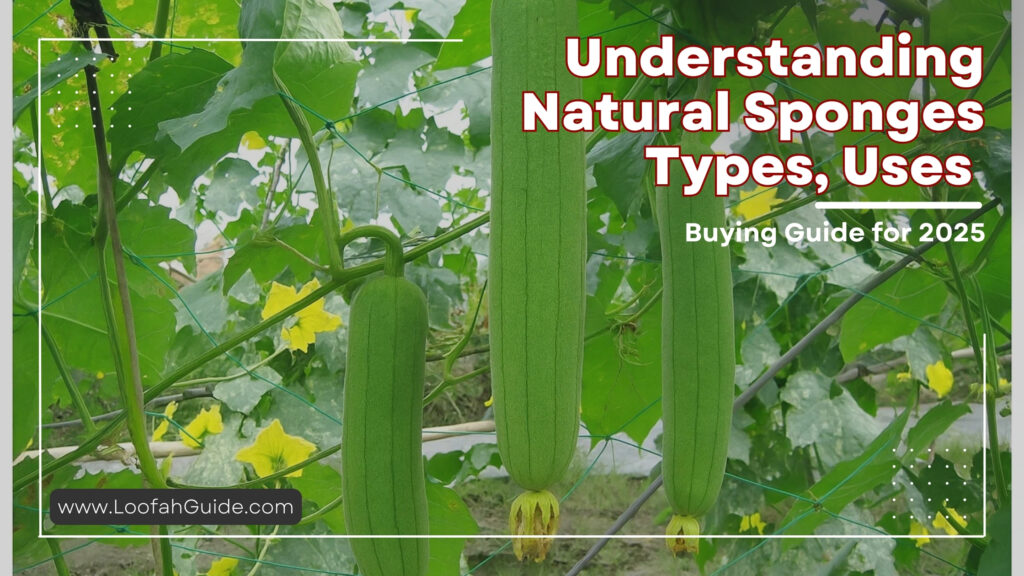
True eco-friendly soap and loofah combos meet strict criteria across their entire lifecycle. The loofah component must originate from the Luffa plant genus, a climbing vine producing fibrous gourds that humans have used for bathing and cleaning for centuries. Authentic natural loofahs contain no synthetic materials, plastic reinforcements, or chemical treatments that compromise biodegradability.
Soap partners in genuine eco-friendly pairings avoid ingredients harmful to waterways and ecosystems. This means excluding sodium lauryl sulfate, synthetic fragrances, microplastic beads, triclosan, and petroleum-derived compounds. Quality natural soaps rely instead on saponified plant oils, essential oils for scent, and botanical additives for specific therapeutic benefits.
The sustainability equation also considers packaging, transportation, and production methods. Truly eco-conscious products minimize plastic packaging, source materials from responsible agricultural operations, and maintain transparency about manufacturing processes. Suppliers like Egexo document their farm to export journey to demonstrate accountability at each production stage.
Environmental Impact Comparison
Understanding the environmental footprint of different bath product options clarifies why natural alternatives matter. Synthetic bath sponges require petroleum extraction, chemical processing, and energy-intensive manufacturing before reaching consumers. Their disposal creates persistent pollution that accumulates in marine environments and enters food chains through microplastic contamination.
Natural loofahs present a dramatically different profile. They grow using sunlight and water, require minimal processing, and return completely to the earth through composting after use. A single loofah plant can produce multiple usable gourds during its growing season, making cultivation highly efficient compared to industrial manufacturing.
Soap environmental impacts depend heavily on formulation choices. Conventional soaps containing synthetic detergents and preservatives introduce chemicals that wastewater treatment facilities struggle to remove completely. Natural soap formulations break down rapidly and harmlessly, protecting aquatic ecosystems downstream from household drains.
Types of Natural Loofahs for Soap Pairing
Body and Bath Varieties
The largest category of loofahs used in eco-friendly soap and loofah combos encompasses products designed for body cleansing and exfoliation. These range from whole natural gourds to precisely cut shapes tailored for specific applications. The body loofah collection illustrates the diversity available within this single category.
Whole loofahs appeal to consumers and retailers seeking maximum versatility. Buyers can cut these to preferred sizes, creating multiple products from single gourds. This approach suits crafters, small-batch retailers, and individuals who enjoy customizing their bath accessories.
Pre-cut slices and discs offer convenience for those preferring ready-to-use products. Standard sizing ensures consistent retail presentation while simplifying inventory management for stores. These processed forms typically undergo additional cleaning and sometimes softening treatments before packaging.
Shaped loofahs include ergonomic designs like back scrubbers with handles, mitt-style covers for hand insertion, and facial pads with refined textures. These specialty forms command premium pricing and appeal to consumers seeking specific functionality beyond basic cleansing.
Kitchen and Household Options
Beyond personal care, natural loofahs serve household cleaning applications where eco-friendly soap and loofah combos replace plastic sponges and synthetic scrubbers. Kitchen loofah varieties feature denser fiber structures engineered for scrubbing durability rather than skin comfort.
Kitchen-grade loofahs withstand abrasive contact with cookware, countertops, and dishes without rapid deterioration. Their coarser texture effectively removes stuck food and grease when paired with natural dish soaps formulated for degreasing. Unlike plastic sponges that harbor bacteria in non-porous surfaces, loofah fibers dry completely between uses, reducing microbial concerns.
Household applications extend to cleaning fruits and vegetables, scrubbing garden tools, and even bathing pets. This versatility makes natural loofahs genuinely multi-purpose products that justify their position in eco-conscious homes.
Specialty and Raw Forms
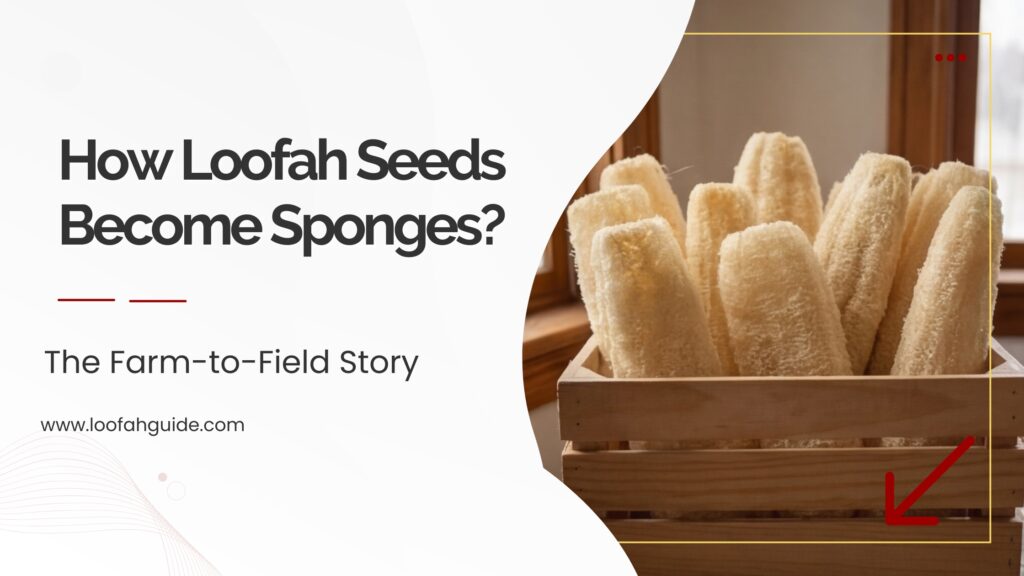
Raw loofah scrubbers represent minimally processed options for consumers and businesses seeking maximum control over final products. These retain natural seed cavities and rough exterior textures that some users prefer for intensive exfoliation.
Pet grooming represents another specialty application growing in popularity. Pet and spa grooming loofahs feature appropriate fiber density for animal coats and skin sensitivity. Pet owners appreciate natural alternatives to synthetic grooming tools, particularly for animals with skin sensitivities or allergies.
Spa and wellness facilities require premium-grade loofahs meeting exacting aesthetic and performance standards. These applications typically demand Grade A classification with uniform coloring, consistent fiber distribution, and precise dimensional specifications. Wholesale buyers should review quality standards documentation when sourcing for professional environments.
Natural Soap Types That Pair Best With Loofahs
Cold Process Bar Soaps
Cold process soaps represent the gold standard for eco-friendly soap and loofah combos due to their superior moisturizing properties and pure ingredient profiles. This traditional soapmaking method combines oils with lye at low temperatures, preserving natural glycerin that commercial processes often remove for separate sale.
The glycerin content in cold process soaps provides crucial moisturization that counterbalances loofah exfoliation. Without adequate hydration during cleansing, exfoliation can leave skin feeling tight and uncomfortable. Cold process formulations deliver both cleaning action and skin nourishment in single products.
Cure times of four to six weeks distinguish properly made cold process soaps from rushed alternatives. This aging period allows complete saponification, water evaporation, and crystal structure development that creates hard, long-lasting bars. Quality artisan soapmakers specify cure times on packaging, helping consumers identify premium products.
Glycerin and Melt-and-Pour Varieties
Transparent glycerin soaps offer different characteristics suited for specific loofah applications. Their high glycerin content creates exceptionally gentle cleansing appropriate for sensitive skin types when paired with soft-fiber loofahs. The clarity also allows embedded decorative elements that appeal to gift markets.
Melt-and-pour soap bases enable craft production without handling raw lye, making them popular among small-batch creators and DIY enthusiasts. While less traditional than cold process methods, quality melt-and-pour bases using natural ingredients produce effective soaps appropriate for loofah pairing.
These soap types generate abundant lather quickly, which some users prefer for certain applications. The rapid lather production compensates for potentially shorter bar lifespan compared to harder cold process varieties.
Liquid Castile and Natural Body Washes
Liquid soap options work effectively with loofahs for consumers preferring pump dispensers over bar formats. Authentic castile soaps made from olive oil provide gentle cleansing with excellent loofah compatibility. The concentrated nature of quality liquid castile means small amounts generate substantial lather when worked into loofah fibers.
Natural body washes containing plant-derived surfactants offer another liquid option. Formulations avoiding sulfates and synthetic detergents maintain the eco-friendly credentials essential for genuine sustainable bath routines. Reading ingredient lists carefully distinguishes truly natural products from greenwashed alternatives containing problematic chemicals.
Liquid formats particularly suit commercial hospitality applications where refillable dispensers reduce packaging waste compared to individual bar soaps. Hotels and spas increasingly adopt this approach alongside bulk-purchased loofahs to demonstrate environmental commitment to guests.
Matching Loofah Types to Soap Formulations
| Loofah Variety | Recommended Soap Type | Skin Type Suitability | Exfoliation Level | Best Application |
|---|---|---|---|---|
| Soft Processed Disc | Glycerin or goat milk bar | Sensitive and dry | Gentle | Daily facial care |
| Standard Body Slice | Cold process moisturizing | Normal and combination | Moderate | Regular body washing |
| Dense Egyptian Cut | Activated charcoal bar | Oily and acne-prone | Medium-firm | Deep pore cleansing |
| Raw Whole Gourd | Exfoliating salt bar | Normal and resilient | Intensive | Weekly body scrub |
| Kitchen Grade | Natural dish liquid | Not applicable | Heavy duty | Cookware and dishes |
| Pet Spa Variety | Organic pet shampoo | Animal coats | Gentle to moderate | Pet bathing and grooming |
This matching framework guides both retail buyers selecting inventory combinations and individuals building personal care routines. Proper pairing maximizes the benefits of eco-friendly soap and loofah combos while minimizing potential for skin irritation or product underperformance.
For wholesale buyers developing retail bundles, this matching logic helps create combinations that genuinely serve customer needs rather than arbitrary pairings that may disappoint users. Consider consulting wholesale resources for additional guidance on commercial product development.
Quality Assessment Guide for Buyers
Visual and Tactile Inspection Points
Evaluating eco-friendly soap and loofah combos requires attention to specific quality indicators that distinguish premium products from inferior alternatives. This assessment applies whether purchasing single items for personal use or evaluating wholesale lots for business resale.
Quality loofahs exhibit uniform fiber distribution when examined against light. Hold the loofah up and look for consistent density without obvious thin spots, holes, or compressed areas. Color should range from pale cream to light tan, with minimal variation across the surface. Dark spots, gray discoloration, or green tinges indicate improper drying or storage that may affect performance and hygiene.
Texture assessment requires touching dry and wet specimens. Dry loofahs feel firm but not brittle, with fibers that flex without snapping. After brief water exposure, quality loofahs soften significantly while retaining structural integrity. Inferior products either remain rigid when wet or become mushy and fragile.
Soap quality assessment focuses on ingredient transparency and physical characteristics. Quality bars feel dense and substantial, not lightweight or crumbly. Surfaces should appear smooth and consistent, without oily residue, cracks, or chalky patches. Scent should be pleasant but not overwhelming, indicating appropriate essential oil concentration rather than synthetic fragrance overload.
Certification and Documentation Review
Business buyers must verify supplier credentials beyond product appearance. Essential documentation for imported eco-friendly soap and loofah combos includes phytosanitary certificates confirming agricultural product compliance, certificates of origin documenting genuine Egyptian sourcing, and any claimed organic or sustainability certifications.
Request certificates of analysis detailing processing methods, testing results, and quality control procedures. Reputable suppliers provide this documentation readily, while evasive responses suggest quality or authenticity concerns worth investigating further.
Sample ordering programs allow physical verification before committing to bulk purchases. Investing small amounts in sample evaluation prevents costly mistakes from large orders that fail to meet expectations upon arrival.
Consumer Buying Guide: What to Look For
Retail Shopping Considerations
Individual consumers shopping for eco-friendly soap and loofah combos benefit from understanding what questions to ask and characteristics to evaluate before purchasing. Retail environments limit hands-on assessment, making label reading and seller reputation evaluation particularly important.
Origin claims deserve scrutiny. Premium loofahs genuinely sourced from Egypt command higher prices due to superior quality, so some sellers misrepresent origins to justify markups on inferior products. Ask retailers about their supply chain, or purchase directly from documented sources like the Egexo online shop where provenance is verified.
Packaging should serve product protection without excessive material waste. Minimal plastic, recyclable cardboard, or compostable wrapping aligns with the sustainability principles that motivate eco-friendly purchases. Elaborate plastic packaging contradicts the environmental values driving demand for natural bath products.
Price serves as an imperfect but useful quality signal. Extremely cheap loofahs often result from accelerated growing that sacrifices fiber development, or processing shortcuts that leave contaminants. Budget natural soaps frequently contain fillers and synthetic ingredients that undermine genuine benefits. Moderate pricing from reputable sellers typically indicates appropriate quality for effective products.
Online Purchase Evaluation
Online shopping for eco-friendly soap and loofah combos requires different evaluation strategies since physical inspection before buying is impossible. Focus on seller information, customer reviews, and return policies to manage purchase risk.
Seller descriptions should include specific origin information, processing details, and sizing specifications. Vague descriptions lacking concrete details often indicate sellers unfamiliar with or dishonest about their products. Quality suppliers invest in thorough product information because they have genuine quality attributes to communicate.
Customer reviews mentioning texture, durability, and performance provide valuable real-world quality feedback. Look for detailed reviews describing actual use experiences rather than generic positive comments that may be fabricated. Patterns across multiple reviews reveal consistent quality characteristics or recurring problems.
Generous return policies demonstrate seller confidence in product quality. Retailers standing behind their eco-friendly soap and loofah combos typically allow returns or exchanges for products failing to meet reasonable expectations. Restrictive policies suggest sellers anticipating dissatisfaction.
Wholesale Sourcing Strategies for Businesses
Supplier Selection Criteria
Business buyers sourcing eco-friendly soap and loofah combos for resale must evaluate potential suppliers systematically. Beyond product quality, operational factors determine whether supplier relationships deliver consistent value over time.
| Evaluation Factor | Key Questions | Importance Level | Verification Method |
|---|---|---|---|
| Cultivation Experience | Years in loofah farming operations | Critical | Company history documentation |
| Processing Capabilities | In-house or outsourced manufacturing | High | Facility information and certifications |
| Quality Control Systems | Inspection and grading procedures | Critical | Quality standards documentation |
| Minimum Order Flexibility | MOQ ranges for different buyer sizes | High | Direct quotation request |
| Customization Options | Private label and custom design availability | Medium | Service page review |
| Communication Responsiveness | Reply times and contact accessibility | High | Test inquiries before committing |
| Export Documentation | Completeness of required certificates | Critical | Sample shipment verification |
| Pricing Transparency | Clear pricing structures without hidden fees | High | Detailed quotation analysis |
Egyptian suppliers like Egexo offer private label manufacturing and custom product design services that enable differentiated retail offerings. These capabilities transform generic products into branded merchandise commanding premium positioning.
Order Planning and Inventory Management
Successful retail operations require inventory strategies balancing adequate stock levels against capital tied up in unsold merchandise. Eco-friendly soap and loofah combos present specific planning considerations related to product shelf life and seasonal demand patterns.
Natural loofahs maintain quality for 18 to 24 months when stored properly in dry, climate-controlled environments. Natural soaps vary more significantly, with some formulations remaining stable for years while others develop rancidity within months. Understanding specific product shelf lives prevents losses from expired inventory.
Demand patterns for bath products show modest seasonal variation, with slight increases during holiday gift-giving periods and summer months when exfoliation interest peaks. Planning inventory accordingly optimizes cash flow without risking stockouts during high-demand windows.
Requesting detailed quotations from multiple suppliers enables price comparison while revealing differences in service offerings, minimum orders, and shipping arrangements that affect total landed cost beyond unit pricing alone.
Care Instructions for Maximum Product Life
Daily Maintenance Protocol
Proper care dramatically extends the useful life of eco-friendly soap and loofah combos while maintaining hygienic conditions essential for body contact products. Daily maintenance requires minimal time but delivers substantial benefits.
After each use, rinse loofahs thoroughly under running water until all soap residue washes away. Squeeze gently to remove excess water without wringing or twisting that damages fiber structure. Hang the loofah in a ventilated location away from direct shower spray where complete drying can occur before next use.
Soap bars benefit from drainage storage that prevents water pooling around and beneath them. Soap dishes with ridged surfaces or drainage holes allow air circulation that keeps bars firm and extends their usable lifespan. Avoid leaving soap sitting in accumulated water, which causes premature softening and waste.
Between-use drying represents the single most important factor in loofah longevity and hygiene. Perpetually damp loofahs create conditions favoring bacterial and mold growth, shortening useful life and potentially causing skin problems. Proper drying prevents these issues naturally without chemical intervention.
Weekly Deep Cleaning and Sanitization
Weekly sanitization supplements daily care by eliminating microorganisms that may accumulate despite proper drying. Several effective methods suit different preferences and circumstances.
Vinegar soaking provides gentle, natural sanitization without harsh chemicals. Submerge loofahs in a solution of one tablespoon white vinegar per cup of warm water for 15 to 20 minutes. The mild acidity eliminates bacteria and dissolves mineral deposits from hard water. Rinse thoroughly and dry completely after treatment.
Hydrogen peroxide offers stronger sanitization for loofahs showing early signs of odor or discoloration. Use standard three percent pharmacy-grade peroxide, soaking for five to ten minutes before thorough rinsing. This method works well for kitchen loofahs exposed to food residues.
Sunlight exposure provides chemical-free UV sanitization during suitable weather. Place clean, damp loofahs in direct sunlight for two to four hours. The UV radiation naturally eliminates bacteria and helps bleach minor discoloration. This method works particularly well in dry climates where solar intensity is high.
Recognizing Replacement Timing
Even well-maintained eco-friendly soap and loofah combos eventually require replacement. Recognizing appropriate replacement timing ensures continued effectiveness while avoiding use of deteriorated products that may harbor bacteria or cause skin irritation.
| Replacement Indicator | Description | Action Required |
|---|---|---|
| Persistent Odor | Musty or sour smell despite cleaning | Immediate replacement |
| Fiber Breakdown | Loose fibers shedding during use | Replace within one week |
| Structural Weakness | Areas feeling thin or developing holes | Replace before failure |
| Discoloration | Dark spots not responding to cleaning | Evaluate and likely replace |
| Reduced Lather | Soap not foaming effectively | Indicates fiber degradation |
| Texture Changes | Becoming slimy or excessively soft | Immediate replacement |
Typical replacement intervals range from four to eight weeks for body loofahs, three to four weeks for facial applications, and six to twelve weeks for kitchen varieties. These timelines assume proper daily and weekly maintenance. Inadequate care shortens useful life substantially.
Composting spent loofahs completes sustainable product lifecycles. Natural loofah fibers decompose within 30 days in active compost systems, contributing organic matter to soil. This disposal method distinguishes genuinely eco-friendly products from synthetic alternatives requiring landfill disposal.
Health and Safety Considerations
Skin Compatibility Assessment
Most users tolerate eco-friendly soap and loofah combos well, but individual skin characteristics influence optimal product selection and usage approaches. Understanding these factors prevents potential problems while maximizing benefits.
Sensitive skin types require gentler approaches than resilient skin can handle. Select low-density loofahs with fine fiber structures, use light pressure during washing, and pair with fragrance-free soaps containing soothing ingredients. Test new combinations on small forearm areas before full-body application to assess individual tolerance.
Acne-prone skin benefits from loofah exfoliation that removes dead cells clogging pores, but requires careful technique to avoid spreading bacteria or causing irritation. Use dedicated facial loofahs never used elsewhere on the body, replace frequently, and ensure complete drying between uses. Pair with non-comedogenic soaps formulated for blemish-prone skin.
Certain skin conditions may contraindicate loofah use entirely. Active eczema flares, psoriasis plaques, open wounds, sunburned areas, and recently treated skin should not receive loofah exfoliation. Consult dermatologists before using loofahs on skin with diagnosed conditions or undergoing medical treatments.
Hygiene Best Practices
Maintaining hygienic conditions protects against potential problems while preserving the genuine benefits eco-friendly soap and loofah combos provide. These practices apply to both personal users and commercial operations.
Never share loofahs between users. Personal care tools contacting skin harbor individual bacteria that may cause problems when transferred to others. Households should maintain separate loofahs for each person, clearly identified to prevent accidental sharing.
Store loofahs away from toilet areas where airborne bacteria concentrate after flushing. Bathroom ventilation and layout affect contamination risk, with well-ventilated spaces positioned away from toilets presenting lowest concern.
Commercial hospitality operations must provide fresh loofahs for each guest stay. Reusing loofahs between guests creates hygiene and liability concerns regardless of cleaning procedures. Single-use policies and clear disposal demonstrate appropriate standards to guests and regulators.
FAQ Section
Q1: What exactly qualifies as eco-friendly soap and loofah combos?
A: Eco-friendly soap and loofah combos pair natural plant-derived loofahs from the Luffa genus with soaps free from synthetic detergents, artificial fragrances, parabens, and petroleum-based ingredients. Authentic combos feature completely biodegradable components, minimal packaging waste, and transparent sourcing. Egyptian-grown loofahs represent the quality benchmark, while cold process soaps with natural glycerin make ideal partners for effective, sustainable bathing.
Q2: How often should natural loofahs be replaced?
A: Natural loofahs in eco-friendly soap and loofah combos typically require replacement every four to eight weeks for body use, three to four weeks for facial applications, and six to twelve weeks for kitchen purposes. Replacement timing depends on usage frequency, maintenance quality, and observable condition changes. Signs requiring immediate replacement include persistent odor, fiber shedding, structural breakdown, and discoloration unresponsive to cleaning.
Q3: Can businesses customize eco-friendly soap and loofah combos for their brands?
A: Yes, reputable Egyptian suppliers offer extensive customization for businesses developing private label eco-friendly soap and loofah combos. Options include custom loofah shapes, specific sizing requirements, branded packaging design, and exclusive product specifications. Private label programs enable retailers to create differentiated offerings that build brand equity while maintaining quality sourcing from established suppliers with cultivation expertise.
Q4: Are natural loofahs sanitary for regular use?
A: Natural loofahs maintain excellent sanitary conditions when users follow proper care protocols. Their porous fiber structure actually dries faster than non-porous synthetic alternatives, reducing bacterial growth opportunity. Daily rinsing, complete drying between uses, weekly sanitization, and timely replacement keep eco-friendly soap and loofah combos hygienic throughout their useful lifespan. Improper care allowing perpetual dampness compromises any bath tool regardless of material.
Q5: What makes Egyptian loofahs superior to those from other regions?
A: Egyptian loofahs benefit from ideal Nile Delta growing conditions featuring nutrient-rich soil, consistent climate, and established agricultural infrastructure. Suppliers like Egexo bring over 25 years of cultivation experience refining techniques that produce superior fiber density, flexibility, and durability. These quality advantages make Egyptian loofahs preferred for premium eco-friendly soap and loofah combos where performance and longevity matter.
Q6: How should retailers price eco-friendly soap and loofah combo products?
A: Retailers typically achieve margins of 55 to 70 percent on eco-friendly soap and loofah combos, higher than individual item sales averaging 40 to 55 percent margins. Wholesale loofah pricing from quality Egyptian suppliers ranges from 0.30 to 2.50 USD per unit depending on variety and volume. Bundling reduces per-unit handling costs while increasing perceived value, justifying retail prices between 12.99 and 34.99 USD for thoughtfully curated combinations.
Q7: Do eco-friendly soap and loofah combos work for all skin types?
A: Eco-friendly soap and loofah combos can accommodate all skin types through appropriate product selection and usage techniques. Sensitive skin requires soft loofahs paired with gentle, fragrance-free soaps using light pressure. Oily skin benefits from firmer loofahs with clarifying soap formulations. Normal skin tolerates standard density loofahs with moisturizing soaps. Matching products to individual skin characteristics optimizes results while preventing irritation.
Q8: What documentation should wholesale buyers verify before ordering?
A: Wholesale buyers should verify phytosanitary certificates confirming import compliance, certificates of origin documenting authentic Egyptian sourcing, quality control documentation describing inspection procedures, and any organic or sustainability certifications claimed. Reputable suppliers provide complete export documentation readily. Ordering samples before bulk commitment allows physical quality verification beyond paperwork review.
Expert Insight from Egexo
Drawing from over 25 years cultivating Egyptian loofahs in the fertile Nile Delta region, we understand that successful eco-friendly soap and loofah combos depend on matching fiber characteristics to soap chemistry. Loofahs harvested at optimal maturity between 180 and 200 days develop ideal cellular structure that traps soap efficiently while releasing lather smoothly during use. Pairing considerations matter significantly. Dense, oil-rich soaps like those containing shea or cocoa butter perform best with medium-density loofahs that provide adequate exfoliation without absorbing excessive product. Lighter glycerin formulations suit softer loofahs where gentle cleansing takes priority. For retailers developing combo products, we recommend testing multiple pairings before finalizing offerings. The combinations generating best lather, lasting longest through use cycles, and feeling most comfortable on skin will satisfy customers and generate repeat purchases that build sustainable business success.
Conclusion
Eco-friendly soap and loofah combos represent the convergence of environmental responsibility and superior personal care performance. Natural loofahs deliver exfoliation benefits synthetic alternatives cannot match, while properly formulated soaps cleanse effectively without environmental harm. Together, these products offer meaningful improvements for consumers seeking healthier bath routines and retailers pursuing profitable sustainable product lines.
Quality assessment skills distinguish exceptional products from mediocre alternatives flooding markets. Understanding what to look for in fiber structure, soap formulation, and supplier credentials protects purchasing investments whether buying single items for personal use or bulk quantities for business resale.
Proper maintenance maximizes the value eco-friendly soap and loofah combos provide. Simple daily care protocols extend product life substantially while ensuring hygienic conditions essential for body contact applications. Knowing when replacement becomes necessary completes responsible product stewardship.
Key Takeaways:
- Authentic eco-friendly combos feature plant-derived loofahs paired with soaps free from synthetic chemicals and harmful ingredients
- Egyptian loofahs from experienced cultivators like Egexo provide superior fiber quality and durability
- Proper product matching optimizes performance by pairing appropriate loofah density with compatible soap formulations
- Daily rinsing, complete drying, and weekly sanitization maintain hygiene while extending useful lifespan
- Wholesale buyers should verify supplier credentials, request samples, and evaluate documentation before bulk ordering
Ready to explore premium Egyptian loofah options?
For Business Buyers: Request wholesale pricing or download the complete product catalog to evaluate available options.
For Individual Consumers: Browse the product collection or order samples to experience Egyptian loofah quality firsthand.