Introduction: Rethinking Your Shower Routine
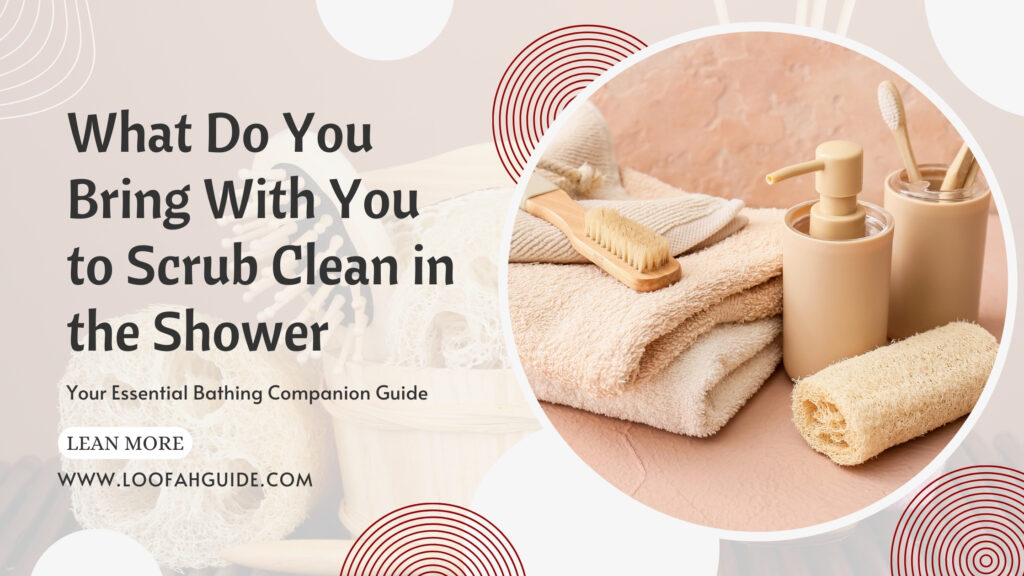
What do you bring with you to scrub clean in the shower is more than a casual question about bathroom habits. Your answer reveals a lot about your approach to skincare, your environmental values, and even your awareness of what actually works for healthy skin. Most people grab whatever sits on the shower shelf without considering whether it serves their body well.
Consider this reality: dermatological research indicates that the average adult sheds roughly 1.5 grams of skin daily, most of it as tiny flakes that accumulate without proper removal. Your scrubbing tool determines whether these dead cells wash away or remain trapped against your skin, potentially clogging pores and dulling your complexion. The difference between adequate cleaning and genuinely effective exfoliation often comes down to tool selection.
This guide examines every major option for shower scrubbing from traditional cloths to modern silicone devices, with particular focus on why natural plant-based loofahs have earned devoted followings among both skincare enthusiasts and wellness professionals. Business owners sourcing products for spas, retail shops, or hospitality settings will find valuable supplier insights alongside practical consumer advice.
The information draws from decades of industry knowledge, including expertise from established Egyptian loofah cultivators who have refined growing and processing techniques over generations. Whether shopping for personal use or evaluating wholesale opportunities, you will gain clarity on what truly matters in a shower scrubbing companion.
The Real Purpose Behind Shower Scrubbing
Understanding why we scrub in the shower helps explain why tool selection matters so much. Body scrubbing serves purposes beyond removing visible dirt, and recognizing these benefits informs smarter choices.
Mechanical Exfoliation Explained
Your skin constantly renews itself through a process called desquamation, where old cells release from the surface as new ones push up from below. In healthy young skin, this happens efficiently. As we age or when skin becomes dry or stressed, dead cells cling stubbornly and require mechanical assistance.
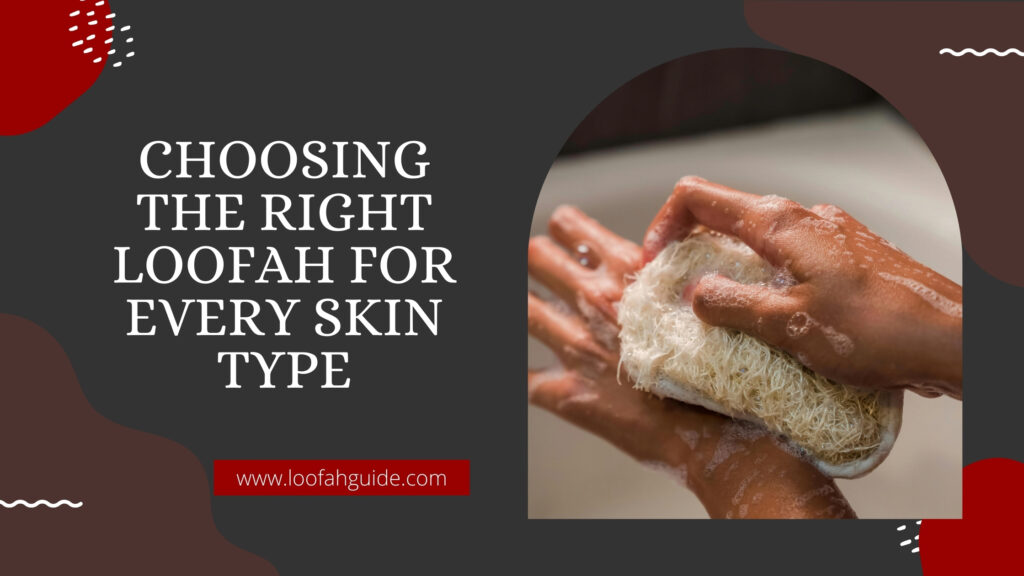
Mechanical exfoliation uses physical friction to loosen and remove these cells. The texture of your scrubbing tool creates this friction. Too gentle, and dead cells remain. Too harsh, and you risk micro-abrasions that irritate rather than help. Natural loofah fibers strike an effective middle ground, providing meaningful friction without excessive roughness.
When considering what to bring with you to scrub clean in the shower, this balance should guide your thinking. Products marketed as extra abrasive or featuring artificial scrubbing particles often cause more harm than benefit.
Circulation and Skin Health Benefits
Beyond exfoliation, scrubbing stimulates blood flow to the skin surface. This increased circulation delivers oxygen and nutrients while supporting waste removal at the cellular level. Regular body scrubbing contributes to firmer, healthier-looking skin over time.
The massage action also supports lymphatic movement. Unlike blood circulation driven by the heart, lymphatic fluid relies on muscle movement and external pressure. Shower scrubbing with upward strokes toward the heart assists this natural detoxification system.
These benefits matter to individual consumers seeking better skin and to spa professionals designing treatment protocols. Quality scrubbing tools that deliver consistent results justify premium positioning in both retail and service contexts. For product sourcing, explore options from Egexo’s bath and body collection.
Comprehensive Tool Comparison: Finding Your Ideal Scrubber
Multiple options exist for shower scrubbing, each with distinct characteristics. Understanding these differences prevents wasted purchases and disappointing results.
Natural Loofah Overview
Natural loofahs come from the fibrous interior of mature Luffa gourds, a plant cultivated primarily in warm climates. Egypt produces particularly high-quality loofahs due to favorable growing conditions and established agricultural expertise. The resulting sponges feature interconnected fibers that create effective scrubbing surfaces while remaining flexible enough to conform to body contours.
Key advantages include biodegradability, effective exfoliation, rapid drying between uses, and freedom from synthetic chemicals. Drawbacks involve the need for proper maintenance and eventual replacement, typically every three to six months.
For comprehensive information about natural loofah sourcing, visit Wholesale Loofah for industry resources.
Synthetic Mesh Poufs
These colorful balls of nylon netting dominate mass market shower accessories. Their low cost and abundant lather production appeal to budget-conscious shoppers. However, synthetic poufs harbor bacteria readily due to their dense construction and slow drying. Most dermatologists recommend frequent replacement, often every three to four weeks, which undermines their apparent economy.
Environmental concerns add another consideration. Synthetic poufs contribute to plastic waste and may shed microplastic particles during use. Growing consumer awareness of these issues drives declining preference among environmentally conscious shoppers.
Traditional Washcloths
Cotton washcloths remain familiar choices for many households. Their machine washability provides convenience, and they pose minimal learning curve. However, washcloths provide only light exfoliation due to their relatively smooth texture. They also dry slowly, potentially harboring bacteria between uses if left damp.
Washcloths work adequately for daily cleansing but fall short for meaningful exfoliation needs. Many users combine them with a more textured tool for weekly deeper scrubbing sessions.
Emerging Alternatives
Silicone scrubbers have gained market share recently. Their non-porous surfaces resist bacterial growth and clean easily. However, silicone provides minimal exfoliation, better suited for cleansing than scrubbing. Body brushes offer strong exfoliation but require careful technique to avoid irritation. Konjac sponges, made from plant root fiber, provide gentle cleansing primarily suited for facial use.
Detailed Feature Comparison
This table provides objective comparison across the most common shower scrubbing options, helping both consumers and business buyers evaluate suitability.
| Characteristic | Natural Loofah | Nylon Pouf | Cotton Cloth | Silicone Pad | Dry Brush |
|---|---|---|---|---|---|
| Material Origin | Plant fiber | Petroleum plastic | Cotton plant | Synthetic polymer | Natural bristle or synthetic |
| Exfoliation Strength | Medium strong | Light medium | Light | Very light | Strong |
| Lather Production | Good | Excellent | Moderate | Poor | None |
| Drying Time | 2 to 4 hours | 8 to 24 hours | 6 to 12 hours | Minutes | 1 to 2 hours |
| Bacterial Risk | Low with care | High | Moderate high | Very low | Low |
| Replacement Frequency | 3 to 6 months | 3 to 4 weeks | Monthly wash, yearly replace | 1 to 2 years | 6 to 12 months |
| Environmental Impact | Positive | Negative | Moderate | Negative | Varies |
| Price Range Retail | 3 to 15 USD | 1 to 5 USD | 2 to 10 USD | 8 to 20 USD | 15 to 40 USD |
| Wholesale Viability | Excellent | Declining | Stable | Growing | Niche |
Natural loofahs emerge favorably across most criteria, particularly when environmental impact and true cost over time factor into decisions.
Why Egyptian Loofahs Lead the Market
Not all natural loofahs deliver equal results. Growing conditions, harvest timing, and processing methods dramatically affect final quality. Egyptian loofahs consistently outperform alternatives from other regions for specific agricultural and technical reasons.
Climate and Soil Advantages
The Nile Delta region provides nearly ideal conditions for loofah cultivation. Warm temperatures averaging 25 to 35 degrees Celsius during the growing season allow extended vine maturation. Rich alluvial soil delivers nutrients that support dense fiber development. Low humidity during harvest season enables proper curing without mold risk.
These natural advantages cannot be replicated easily elsewhere. Loofahs grown in less suitable climates often produce thinner fibers, inconsistent density, and shorter useful lifespans.
Cultivation Expertise
Egyptian farmers have grown loofahs for generations, developing refined techniques for maximizing quality. Experienced cultivators know precisely when to harvest for optimal fiber maturity, typically after 150 to 180 days when the gourd has dried naturally on the vine. They understand curing processes that strengthen fibers without brittleness.
This accumulated knowledge creates consistent quality that newer producing regions struggle to match. Buyers seeking reliable products benefit from sourcing through suppliers with deep roots in Egyptian loofah agriculture. Review Egexo’s quality standards for detailed certification information.
Processing and Preparation
Post-harvest handling significantly affects finished loofah quality. Proper processing involves careful removal of outer skin, thorough cleaning of residual plant material, and appropriate drying. Rushing these steps or using harsh chemical treatments degrades fiber integrity.
Egyptian processors following traditional methods combined with modern quality controls produce loofahs with superior durability and consistent texture. The farm to export process documentation explains these steps in detail.
Selecting the Right Scrubbing Tool for Your Needs
Different situations call for different scrubbing solutions. This guidance helps match tools to specific requirements.
Selection by Skin Type
| Skin Type | Recommended Tool | Texture Level | Usage Notes |
|---|---|---|---|
| Normal | Standard grade natural loofah | Medium | Full body use 2 to 3 times weekly |
| Oily | Standard natural loofah | Medium firm | Focus on oil-prone areas, 3 times weekly |
| Dry | Premium soft natural loofah | Gentle medium | Light pressure, 1 to 2 times weekly, moisturize after |
| Sensitive | Premium grade loofah or konjac | Gentle | Once weekly maximum, test small area first |
| Mature | Premium natural loofah | Gentle medium | Regular use supports circulation, moderate pressure |
| Acne prone | Natural loofah or silicone | Medium | Avoid active breakouts, clean tool thoroughly |
Individual variation means personal testing matters. Order samples to evaluate different grades before committing to larger purchases.
Selection by Use Case
| Application | Best Tool Choice | Key Considerations |
|---|---|---|
| Daily shower cleansing | Natural loofah or washcloth | Balance between cleaning and gentleness |
| Weekly deep exfoliation | Natural loofah | Thorough dead skin removal |
| Pre-shave preparation | Natural loofah | Lifts hair, prevents ingrown |
| Post-workout cleansing | Natural loofah | Removes sweat residue effectively |
| Spa body treatments | Premium natural loofah | Professional appearance, effective results |
| Hotel guest amenities | Packaged natural loofah | Sustainable image, quality impression |
| Retail gift products | Shaped natural loofah | Visual appeal, perceived value |
Business buyers can explore custom product design options for differentiated offerings in any category.
Proper Technique for Maximum Results
Owning the right scrubbing tool matters less without proper technique. These guidelines ensure you gain full benefits while avoiding potential downsides.
Body Scrubbing Method
Effective shower scrubbing follows a logical sequence that maximizes exfoliation while supporting natural body processes.
| Phase | Action | Timing | Purpose |
|---|---|---|---|
| Preparation | Run warm shower, allow steam to build | 2 to 3 minutes | Opens pores, softens skin surface |
| Tool Prep | Soak loofah under running water | 30 to 60 seconds | Softens fibers for comfortable contact |
| Lather | Apply body wash or soap to loofah | As needed | Creates lubrication, adds cleansing |
| Lower Body | Scrub feet and legs in circular motions | 2 to 3 minutes | Start furthest from heart |
| Work Upward | Progress to thighs, hips, buttocks | 2 to 3 minutes | Follow natural lymph flow direction |
| Torso | Scrub abdomen and back | 2 minutes | Moderate pressure on stomach area |
| Upper Body | Arms from wrists toward shoulders | 2 minutes | Continue upward pattern |
| Sensitive Areas | Light pressure on chest, neck | 1 minute | Thinner skin requires gentleness |
| Rinse | Thoroughly rinse body and loofah | 1 to 2 minutes | Remove all loosened cells and soap |
| Tool Care | Squeeze water from loofah, hang to dry | 30 seconds | Critical for hygiene maintenance |
Total time investment runs approximately 10 to 15 minutes for thorough scrubbing, though daily maintenance scrubbing can be quicker.
Pressure Guidelines
Proper pressure varies by body area and skin sensitivity. This reference helps calibrate your approach.
| Body Area | Recommended Pressure | Reason |
|---|---|---|
| Feet and heels | Firm | Thicker skin tolerates more friction |
| Lower legs | Medium firm | Good tolerance, benefits circulation |
| Thighs | Medium | Balance effectiveness with comfort |
| Back | Medium firm | Harder to reach, tolerates pressure |
| Abdomen | Light medium | Internal organs underneath |
| Chest | Light | Thinner, more sensitive skin |
| Upper arms | Medium | Similar to legs |
| Neck | Very light | Delicate skin, visible area |
| Face | Do not use body loofah | Too harsh for facial skin |
Adjust based on personal comfort. Redness that fades within minutes indicates effective exfoliation. Persistent redness or discomfort signals excessive pressure.
Maintenance and Hygiene Practices
Proper care extends loofah lifespan and maintains hygienic conditions. Neglecting maintenance undermines the benefits of even premium products.
Daily Care Routine
| Task | Method | Frequency | Importance |
|---|---|---|---|
| Rinse thoroughly | Hold under running water, squeeze repeatedly | After each use | Removes soap and skin cells |
| Squeeze dry | Press firmly to expel water | After each use | Speeds drying process |
| Hang properly | Suspend in ventilated area outside shower | After each use | Allows air circulation |
| Inspect condition | Check for discoloration or odor | Weekly | Early detection of problems |
Deep Cleaning Schedule
| Method | Process | Frequency | Notes |
|---|---|---|---|
| Vinegar soak | Submerge in 1 part vinegar to 4 parts water for 15 minutes, rinse thoroughly | Weekly | Natural sanitizing |
| Boiling water | Pour boiling water over loofah in heat-safe container, let cool, squeeze dry | Bi-weekly | Kills bacteria effectively |
| Hydrogen peroxide | Soak in 3% solution for 10 minutes, rinse thoroughly | Monthly | Deep sanitization |
| Sunlight exposure | Place in direct sunlight for 2 to 4 hours | When possible | Natural UV sanitization |
Avoid bleach, which degrades natural fibers rapidly. Microwaving works for synthetic products but may damage natural loofahs depending on moisture content.
Business Considerations for Scrubbing Product Lines
Retailers, spa operators, and distributors benefit from understanding market dynamics around shower scrubbing products. Consumer preferences have shifted notably in recent years.
Market Trend Analysis
| Trend | Direction | Business Implication |
|---|---|---|
| Sustainability awareness | Strong increase | Natural products gaining share |
| Plastic reduction | Strong increase | Synthetic poufs declining |
| Self-care investment | Moderate increase | Premium products viable |
| Ingredient transparency | Strong increase | Simple natural products favored |
| Local and artisan preference | Moderate increase | Authentic origin stories valuable |
| Subscription models | Emerging | Regular replacement creates opportunity |
These trends favor natural loofah products positioned with clear sustainability messaging and authentic sourcing stories.
Wholesale Buying Considerations
| Factor | What to Evaluate | Why It Matters |
|---|---|---|
| Supplier experience | Years in business, production capacity | Reliability indicator |
| Quality consistency | Sample evaluation, client references | Protects your reputation |
| Certification | Quality standards documentation | Validates claims |
| Customization | Private label and design options | Differentiation capability |
| MOQ flexibility | Minimum order requirements | Cash flow management |
| Communication | Response time, language capability | Operational efficiency |
| Logistics | Shipping experience, documentation | Smooth importing |
Request a wholesale quote to begin evaluating supplier fit for your business needs.
Product Category Expansion
Body scrubbing loofahs represent one segment of a broader product family offering diversification opportunities.
| Category | Target Market | Growth Potential |
|---|---|---|
| Bath and body loofahs | General consumers, spas | Strong established demand |
| Kitchen cleaning loofahs | Eco households, restaurants | Growing with plastic alternatives |
| Pet grooming loofahs | Pet owners, groomers | Emerging niche |
| Raw bulk loofahs | Crafters, manufacturers | Steady specialty demand |
| Combination products | Gift market, specialty retail | Premium positioning |
Explore kitchen loofah options and pet grooming products for expanded inventory possibilities.
Common Mistakes to Avoid
Both consumers and business buyers make predictable errors when dealing with shower scrubbing products. Awareness prevents these pitfalls.
Consumer Mistakes
| Mistake | Consequence | Correction |
|---|---|---|
| Never replacing scrubbing tool | Bacterial accumulation, reduced effectiveness | Replace natural loofahs every 3 to 6 months |
| Storing in shower | Constant moisture prevents drying | Hang outside shower spray zone |
| Scrubbing too hard | Skin irritation, micro-tears | Moderate pressure, let tool do work |
| Daily harsh scrubbing | Compromised skin barrier | Limit thorough scrubbing to 2 to 3 times weekly |
| Using on face | Irritation, damage to delicate skin | Use facial-specific products |
| Sharing with others | Cross-contamination | Personal loofahs for each user |
Business Buyer Mistakes
| Mistake | Consequence | Correction |
|---|---|---|
| Choosing lowest price only | Quality issues, returns, reputation damage | Balance price with verified quality |
| Skipping sample evaluation | Inventory of unsuitable products | Always test before bulk orders |
| Ignoring supplier credentials | Supply disruptions, inconsistent quality | Verify experience and references |
| Overlooking customization | Undifferentiated products | Explore private label options |
| Single supplier dependency | Supply chain vulnerability | Develop backup relationships |
For reliable supply partnerships, review why businesses choose Egexo as their preferred source.
Expert Insight from Egexo
Understanding what makes an exceptional loofah requires recognizing quality indicators that average consumers might miss. After 25 years cultivating and exporting Egyptian loofahs, our team has identified the key differentiators.
First, examine fiber uniformity. Premium loofahs display consistent fiber distribution throughout, without dense patches next to sparse areas. This uniformity indicates proper growing conditions and appropriate harvest timing. Run your fingers across the dry loofah surface and feel for evenness.
Second, assess resilience. Compress the loofah firmly and release. Quality loofahs spring back immediately to original shape. Slow recovery or permanent compression indicates fiber degradation from premature harvest or improper processing.
Third, check color. Natural cream to light tan coloring suggests proper curing without chemical treatments. Very white loofahs may have undergone bleaching that weakens fibers. Dark spots or grey patches indicate potential mold exposure or inadequate drying.
Finally, smell the product. Quality loofahs have minimal scent, perhaps a faint plant odor. Strong or unpleasant smells suggest improper processing or storage problems.
Armed with these evaluation skills, consumers can select better products, and business buyers can establish meaningful quality standards with suppliers. Download the complete catalog for detailed product specifications.
Frequently Asked Questions
Q1: What should I bring to scrub clean in the shower for best results?
A natural loofah provides the best combination of effective exfoliation, hygiene, and sustainability for most people. The plant-based fibers create appropriate friction to remove dead skin cells without causing irritation when used correctly. Natural loofahs dry quickly between uses, reducing bacterial concerns that plague synthetic alternatives. Egyptian-grown loofahs offer particularly high quality due to favorable climate conditions and generations of cultivation expertise.
Q2: How long does a natural loofah last compared to synthetic options?
Quality natural loofahs last three to six months with proper care, significantly longer than synthetic mesh poufs which should be replaced every three to four weeks due to bacterial accumulation. While natural loofahs cost more initially, their extended lifespan often makes them more economical over time. Proper maintenance including thorough drying and periodic sanitizing maximizes useful life.
Q3: Can I use the same scrubbing tool every day?
You can use a natural loofah daily for general cleansing with light pressure. However, intensive exfoliating scrubbing should be limited to two to three times weekly for normal skin types to avoid over-exfoliation. Daily harsh scrubbing can compromise the skin barrier. Listen to your skin and adjust frequency based on how it responds.
Q4: What is the most hygienic shower scrubbing option?
When properly maintained, natural loofahs are highly hygienic due to their open fiber structure that allows rapid drying. Silicone scrubbers offer excellent hygiene due to non-porous surfaces but provide minimal exfoliation. The key to hygiene with any tool is proper care: thorough rinsing, complete drying between uses, and regular replacement. Neglected tools of any material become bacterial breeding grounds.
Q5: Are natural loofahs suitable for sensitive skin?
Natural loofahs can work for sensitive skin when premium soft grades are selected and gentle technique is used. Wet the loofah thoroughly to soften fibers, apply light pressure, and limit scrubbing to once weekly initially. Premium grade loofahs feature finer, more uniform fibers that feel gentler against skin. Test on a small area first and discontinue if irritation occurs.
Q6: What minimum quantities do wholesale loofah suppliers require?
Minimum order quantities vary by supplier and product type. Established suppliers like Egexo offer flexible MOQs ranging from sample quantities for evaluation to full container loads for volume buyers. Customized or private label products typically require higher minimums due to setup requirements. Contact suppliers directly with your specific needs to receive accurate MOQ information.
Q7: How do I evaluate loofah quality when buying in bulk?
Effective quality evaluation involves requesting samples across different grades, physically inspecting fiber density and uniformity, testing resilience through compression, checking color consistency, and verifying supplier credentials. Establish clear quality specifications in purchase agreements including acceptable variation ranges. Building relationships with transparent suppliers who provide quality documentation protects your business reputation.
Q8: What makes Egyptian loofahs better than loofahs from other sources?
Egyptian loofahs benefit from optimal growing conditions in the Nile Delta including ideal temperatures, nutrient-rich soil, and appropriate humidity levels. Generations of cultivation expertise ensure proper harvest timing and processing techniques. The resulting products feature denser fiber networks, more consistent quality, and longer usable lifespans than loofahs from regions with less suitable climates or less experienced producers.
Conclusion
The question of what to bring with you to scrub clean in the shower deserves thoughtful consideration rather than grabbing whatever happens to be handy. Your scrubbing tool affects exfoliation effectiveness, skin health, environmental impact, and long-term value.
Natural Egyptian loofahs consistently prove themselves as the superior choice for most users. Their plant-based fibers deliver effective mechanical exfoliation without harsh synthetic materials. Quick drying characteristics support hygiene between uses. Full biodegradability aligns with growing environmental consciousness. Extended lifespan provides genuine economy despite slightly higher initial costs.
For individual consumers, investing in quality scrubbing tools and learning proper technique transforms routine showers into effective skincare rituals. For businesses, the strong consumer trend toward natural, sustainable products creates meaningful opportunities in body care categories.
Key Takeaways:
- Natural loofah outperforms synthetic alternatives in exfoliation, hygiene, and sustainability
- Egyptian growing conditions produce superior quality loofahs
- Proper technique and maintenance maximize benefits from any scrubbing tool
- Market trends strongly favor natural products for retail and spa applications
- Quality evaluation skills protect both consumers and business buyers
Ready to upgrade your shower scrubbing routine?
- For Wholesale Buyers: Request a quote or download the product catalog
- For Personal Use: Shop the collection or request samples