Why Growing Loofah at Home Has Become So Popular
Did you know that a single loofah vine can produce between 20 and 50 loofahs in one growing season? Learning how to grow your own loofah at home has become one of the most rewarding gardening projects for eco-conscious individuals and forward-thinking businesses alike. The loofah plant, scientifically known as Luffa aegyptiaca, transforms from a simple seed into a versatile natural sponge that serves kitchens, bathrooms, and spa facilities worldwide.
The global demand for natural body care products has grown by 12 percent annually since 2020, driving interest in home loofah cultivation. Whether you want sustainable bath accessories for personal use or you are exploring small-scale production opportunities, understanding proper growing techniques makes all the difference between mediocre results and exceptional harvests.
Egyptian loofah remains the gold standard in the industry, and Egexo has spent over 25 years perfecting cultivation methods that produce the finest quality sponges. This comprehensive guide shares professional insights that help home growers achieve results comparable to commercial operations. You will discover everything from soil preparation and seed selection to harvesting techniques and processing methods that maximize both quality and yield.
Spa owners, retailers, and distributors often begin their loofah journey by experimenting with home cultivation before scaling operations. Meanwhile, individual gardeners appreciate the satisfaction of producing their own sustainable bathing products. This guide serves both paths with practical, proven advice.
Understanding the Loofah Plant: Essential Knowledge Before You Start
What Makes Loofah Different from Other Gourds
The loofah belongs to the Cucurbitaceae family, sharing ancestry with cucumbers, melons, and squash. However, its fibrous interior structure sets it apart from edible relatives. When mature, the fruit develops an intricate network of natural fibers that create the scrubbing texture we recognize in finished loofah products.
Two primary species exist for cultivation. Luffa aegyptiaca, commonly called the Egyptian or smooth loofah, produces the highest quality sponges with uniform fiber density. Luffa acutangula, known as ridged loofah, offers a different texture but lower overall quality for body care applications. Home growers seeking premium results should focus on Luffa aegyptiaca varieties, particularly those sourced from Egyptian seed stock.
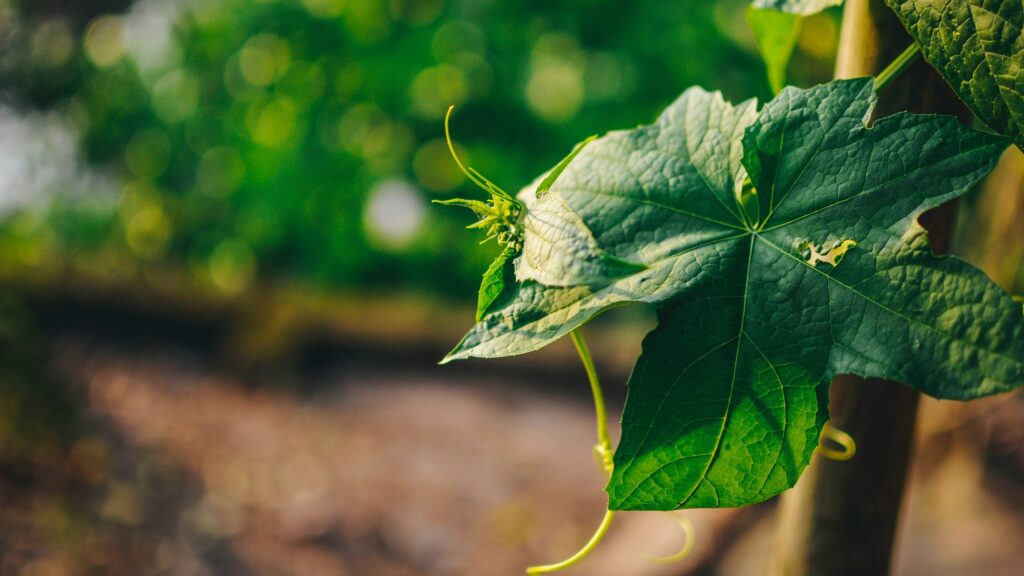
The plant grows as a vigorous climbing vine reaching 15 to 30 feet in length. Its large yellow flowers attract pollinators, and successful pollination leads to fruit development within days. Understanding this growth habit helps you plan appropriate support structures and garden space allocation.
Climate and Growing Zone Requirements
Loofah thrives in warm climates with long growing seasons. The plant requires 150 to 200 frost-free days to produce mature, harvestable sponges. USDA zones 7 through 11 provide ideal outdoor conditions, though gardeners in cooler regions successfully grow loofahs using season extension techniques.
Temperature plays a critical role throughout the growth cycle. Seeds germinate best between 70 and 85 degrees Fahrenheit, while mature plants tolerate temperatures up to 95 degrees without stress. Nighttime temperatures should remain above 60 degrees for optimal fruit development.
| Growing Factor | Optimal Range | Minimum Acceptable | Maximum Tolerable |
|---|---|---|---|
| Germination Temperature | 75 to 85 F | 65 F | 95 F |
| Growing Season Temperature | 70 to 90 F | 60 F | 100 F |
| Soil Temperature at Planting | 65 to 75 F | 60 F | 85 F |
| Frost-Free Days Required | 180 to 200 | 150 | N/A |
| Daily Sunlight Hours | 8 to 10 | 6 | 14 |
For professional growers and businesses considering loofah cultivation, these parameters determine site selection and infrastructure investment. The Farm to Export Process at Egexo demonstrates how commercial operations optimize these conditions for consistent quality production.
Preparing Your Garden: Setting Up for Success
Selecting the Ideal Growing Location
How to grow your own loofah at home begins with choosing the right spot in your garden. Loofah vines demand full sun exposure, meaning at least six hours of direct sunlight daily. Southern-facing locations in northern hemisphere gardens typically provide optimal light conditions.
The climbing nature of loofah vines requires substantial vertical support. Plan for structures at least 8 feet tall, though 10 to 12 feet allows better air circulation and easier harvesting. Fences, trellises, arbors, and pergolas all work effectively when properly reinforced.
Soil drainage matters tremendously for loofah cultivation. The plants develop extensive root systems that rot quickly in waterlogged conditions. Raised beds offer excellent drainage control, particularly in areas with heavy clay soils. If planting in-ground, amend heavy soils with organic matter and consider creating mounded rows.
Soil Preparation and Nutrient Requirements
Loofah plants are heavy feeders requiring rich, well-balanced soil. Begin preparation two to four weeks before planting by incorporating generous amounts of aged compost or well-rotted manure. Target a soil pH between 6.0 and 6.8 for optimal nutrient availability.
| Soil Amendment | Application Rate | Purpose | Timing |
|---|---|---|---|
| Aged Compost | 4 to 6 inches | Overall fertility | 2 to 4 weeks before planting |
| Balanced Fertilizer 10-10-10 | 2 pounds per 100 sq ft | Base nutrients | At planting |
| Bone Meal | 1 cup per plant | Phosphorus for roots | At planting |
| Epsom Salt | 1 tablespoon per plant | Magnesium for growth | Monthly during season |
| Fish Emulsion | Diluted per label | Quick nitrogen boost | Every 2 to 3 weeks |
Professional loofah producers in Egypt follow similar soil preparation protocols, though at much larger scales. The Quality Standards established by Egexo begin with soil health, demonstrating how foundation preparation impacts final product quality.
Step-by-Step Planting Guide: From Seed to Sprout
Seed Selection and Pre-Treatment
Quality seeds determine harvest success. Purchase seeds from reputable suppliers who specialize in Luffa aegyptiaca varieties. Avoid generic mixed gourd seeds, which often produce inferior sponge quality.
Loofah seeds have hard outer coatings that benefit from pre-treatment before planting. Soaking seeds in warm water for 24 to 48 hours softens the seed coat and speeds germination. Some experienced growers gently nick the seed coat with a nail file, being careful not to damage the embryo inside.
Seed Preparation Checklist:
| Step | Action | Duration | Notes |
|---|---|---|---|
| 1 | Inspect seeds for damage | 5 minutes | Discard cracked or moldy seeds |
| 2 | Soak in warm water | 24 to 48 hours | Change water every 12 hours |
| 3 | Optional scarification | 2 minutes per seed | Nick opposite from pointed end |
| 4 | Wrap in damp paper towel | 3 to 5 days | Check daily for sprouting |
| 5 | Plant when root emerges | Immediately | Handle gently to avoid damage |
Starting Seeds Indoors
Gardeners in shorter season climates should start loofah seeds indoors 4 to 6 weeks before the last expected frost date. Use biodegradable pots at least 4 inches in diameter, as loofah seedlings develop long taproots that resent disturbance.
Fill containers with quality seed-starting mix and plant seeds 1 inch deep with the pointed end facing down. Maintain soil moisture without waterlogging, and provide bottom heat using seedling heat mats if ambient temperatures fall below 70 degrees.
Seedlings emerge in 7 to 14 days under optimal conditions. Once they develop their first true leaves, begin hardening off by gradually exposing them to outdoor conditions over 7 to 10 days before transplanting.
Direct Sowing Outdoors
Warm climate gardeners can direct sow loofah seeds once soil temperatures consistently reach 65 degrees Fahrenheit. Create planting hills spaced 6 to 8 feet apart, with 3 to 4 seeds per hill planted 1 inch deep. Thin to the strongest 2 seedlings per hill once plants establish.
Direct sown plants often develop stronger root systems than transplants, though they require longer growing seasons to reach maturity. The trade-off works well in zones 9 through 11 where frost rarely threatens.
For those interested in exploring commercial applications, understanding these cultivation basics proves invaluable. Many spa owners and retailers who partner with wholesale loofah suppliers first experiment with home growing to understand product quality factors.
Growing Season Care: Nurturing Your Vines to Maturity
Watering Strategies for Optimal Growth
Consistent moisture management determines loofah quality more than almost any other factor. The plants need 1 to 2 inches of water weekly, delivered deeply to encourage extensive root development. Drip irrigation or soaker hoses provide ideal delivery, keeping foliage dry and reducing disease pressure.
Morning watering allows leaves to dry before evening, minimizing fungal issues. Avoid overhead sprinklers once flowering begins, as wet flowers reduce pollination success. Mulching around plants with 3 to 4 inches of organic material conserves moisture and suppresses weeds.
| Growth Stage | Water Needs | Frequency | Special Considerations |
|---|---|---|---|
| Seedling | Light | Daily | Avoid waterlogging |
| Vegetative Growth | Moderate | Every 2 to 3 days | Deep watering preferred |
| Flowering | Moderate to High | Every 2 days | Keep flowers dry |
| Fruit Development | High | Daily in heat | Critical for fiber quality |
| Maturation | Reduced | Every 3 to 4 days | Allows proper drying |
Training and Supporting Vines
Loofah vines climb using tendrils that wrap around available supports. Guide young vines toward your trellis system, gently securing them with soft ties if needed. Once established, plants climb aggressively and require minimal intervention.
Strong support structures prevent fruit damage and improve air circulation. Commercial operations use overhead trellis systems that allow loofahs to hang freely, producing straighter, more uniform sponges. Home growers can approximate this setup using cattle panels bent into tunnel shapes or sturdy A-frame structures.
Pruning lateral branches encourages energy focus on fruit production. Remove side shoots from the lower 2 feet of the main vine, and limit plants to 2 or 3 primary leaders. This technique increases individual loofah size while maintaining manageable plant spread.
Fertilization Schedule Throughout the Season
Heavy-feeding loofah vines benefit from regular fertilization throughout the growing season. Begin with balanced fertilizer at planting, then transition to higher phosphorus and potassium formulations once flowering begins.
| Timing | Fertilizer Type | Application Method | Purpose |
|---|---|---|---|
| At Planting | Balanced 10-10-10 | Mixed into soil | Establish foundation |
| 3 Weeks After Planting | High Nitrogen | Side dress | Encourage vine growth |
| At First Flowers | High Phosphorus | Foliar or soil | Support bloom development |
| Fruit Set | Balanced with Calcium | Soil drench | Prevent blossom end rot |
| Mid-Season | Potassium Rich | Side dress | Improve fiber quality |
| Final Month | Reduced Nitrogen | Light application | Encourage maturation |
Professional cultivators like those supplying raw loofah scrubbers follow precise fertilization protocols that maximize fiber density and structural integrity. Home growers benefit from understanding these commercial practices.
Pollination and Fruit Development: Critical Success Factors
Understanding Loofah Flowering Patterns
Loofah plants produce separate male and female flowers on the same vine. Male flowers typically appear first, often 2 to 3 weeks before female blooms emerge. This timing ensures pollen availability when female flowers open.
Female flowers are identifiable by the small immature fruit visible behind the petals. Male flowers grow on thin stems without this swelling. Both flowers open in early morning and remain receptive for only one day, making pollination timing critical.
Natural pollinators including bees, butterflies, and other insects typically handle pollination in diverse gardens. However, gardeners growing loofahs in isolated locations or during periods of low pollinator activity may need to hand pollinate for reliable fruit set.
Hand Pollination Techniques
Hand pollination guarantees fruit development regardless of pollinator availability. Perform this task early morning when flowers first open, using a small paintbrush or cotton swab.
Hand Pollination Process:
- Identify freshly opened male flowers with visible yellow pollen
- Gently remove petals to expose the pollen-covered anthers
- Locate open female flowers with receptive stigmas
- Transfer pollen by brushing or touching anthers to stigma
- Mark pollinated flowers with twist ties to track development
- Repeat for all open female flowers over several mornings
Successful pollination results in visible fruit growth within 3 to 5 days. Unpollinated flowers wither and drop from the vine. Hand pollination can increase fruit set rates from 60 percent to over 90 percent in challenging conditions.
Maximizing Fruit Quality During Development
Developing loofahs require consistent care for optimal fiber formation. Fruits reach full size within 3 to 4 weeks after pollination but need additional time for internal fiber maturation. Rushing harvest produces weak, underdeveloped sponges unsuitable for quality use.
Monitor developing fruits for signs of pest damage, disease, or physical stress. Remove damaged fruits promptly to redirect plant energy toward healthy specimens. Limiting each vine to 8 to 12 fruits produces larger, higher quality sponges than allowing unlimited production.
The body loofah products available through Egexo result from careful attention during this development phase. Commercial growers inspect developing fruits daily, ensuring only premium specimens reach harvest.
Harvesting Your Loofahs: Timing and Techniques
Recognizing Harvest Readiness
Knowing when to harvest determines final product quality. Mature loofahs undergo visible changes that signal readiness for picking. The skin transitions from green to yellow or brown, becoming increasingly lightweight as internal moisture decreases.
Harvest Readiness Indicators:
| Indicator | Ready | Not Ready |
|---|---|---|
| Skin Color | Yellow to brown | Green |
| Weight | Noticeably light | Heavy with moisture |
| Sound When Shaken | Seeds rattle inside | No sound |
| Skin Texture | Dry, papery, loose | Firm, attached |
| Stem Condition | Dry, brown | Green, flexible |
Some growers prefer harvesting slightly early when skin just begins yellowing, finishing the drying process off-vine. This approach reduces weather damage risk but requires careful post-harvest handling. Others leave loofahs on vines until fully dry, accepting some quality variation for convenience.
Proper Harvesting Methods
Cut loofahs from vines using clean, sharp pruners, leaving 2 to 3 inches of stem attached. Avoid pulling or twisting, which can damage both the fruit and the vine. Handle harvested loofahs gently, as rough treatment can break internal fibers.
Harvest during dry weather when possible. Wet conditions promote mold growth on freshly picked specimens. If harvesting is necessary during damp periods, bring loofahs indoors immediately for drying.
Sort harvested loofahs by size and quality immediately. Separate fully mature specimens from those needing additional drying. Remove any showing signs of mold, insect damage, or physical injury.
Processing Your Harvest: From Gourd to Usable Sponge
Peeling and Cleaning Techniques
Converting harvested gourds into usable sponges requires proper processing. Begin by removing the outer skin, which peels easily from fully mature specimens. Less mature loofahs may require soaking in water for several hours to loosen the skin.
Work over a container to catch seeds, which number 100 to 300 per mature loofah. Save seeds from your best specimens for next year’s planting or share with fellow gardeners. Seeds remain viable for 3 to 5 years when stored in cool, dry conditions.
After peeling, shake out remaining seeds and loose fiber particles. Rinse thoroughly under running water, squeezing repeatedly to flush out sap and debris. Some growers use a diluted bleach solution at this stage for sanitization, though thorough water rinsing alone produces clean results.
Drying and Storage for Maximum Longevity
Proper drying prevents mold and extends storage life significantly. Hang processed loofahs in well-ventilated areas away from direct sunlight. Air circulation proves more important than heat for effective drying.
| Drying Method | Time Required | Best For | Considerations |
|---|---|---|---|
| Air Drying Indoors | 5 to 7 days | Most situations | Requires good ventilation |
| Outdoor Shade Drying | 3 to 5 days | Warm dry climates | Protect from rain |
| Dehydrator Low Setting | 12 to 24 hours | Quick processing | Energy cost |
| Fan Assisted | 3 to 4 days | Humid climates | Most effective option |
Fully dried loofahs feel lightweight and make a distinctive rustling sound when squeezed. Store in breathable containers or mesh bags, avoiding plastic which traps moisture. Properly processed and stored loofahs remain usable for 2 to 3 years.
For those interested in comparing home-processed loofahs with commercial quality, requesting samples from professional suppliers provides valuable benchmarks. Understanding commercial standards helps home growers continuously improve their techniques.
Quality Assessment: Grading Your Home-Grown Loofahs
Understanding Professional Grading Standards
Professional loofah producers use standardized grading systems that home growers can adapt for personal use. Quality assessment considers fiber density, structural integrity, uniformity, and cleanliness.
Quality Grading Criteria:
| Grade | Fiber Density | Uniformity | Defects Allowed | Typical Use |
|---|---|---|---|---|
| Premium A | Very dense, tight | Highly uniform | None | Spa and retail |
| Standard B | Dense | Mostly uniform | Minor only | General bath use |
| Economy C | Moderate | Some variation | Moderate | Kitchen cleaning |
| Utility D | Variable | Inconsistent | Significant | Garden and craft |
Egyptian loofahs consistently achieve premium grades due to optimal growing conditions and generations of cultivation expertise. The quality standards maintained by Egexo represent the benchmark against which all loofah products are measured.
Improving Quality in Future Seasons
Home growers can systematically improve their results by tracking variables and outcomes across seasons. Document seed sources, soil amendments, watering schedules, and harvest timing for each crop. Compare these records with final quality assessments to identify successful practices.
Common quality issues and their solutions include thin fibers from inadequate nutrition, small size from water stress, and discoloration from delayed harvest. Addressing these factors progressively improves results over multiple growing seasons.
From Garden to Business: Scaling Your Loofah Operation
Evaluating Commercial Potential
Successful home loofah cultivation sometimes sparks interest in commercial possibilities. Before scaling operations, assess local market demand, production costs, and competitive positioning carefully.
Small-scale producers typically target farmers markets, craft fairs, and direct online sales. These channels favor unique presentations and personal customer relationships over volume pricing. Handcrafted loofah products with botanical additives, custom shapes, or specialty packaging command premium prices.
| Business Model | Startup Investment | Time Commitment | Profit Potential |
|---|---|---|---|
| Farmers Market Sales | Low | Moderate | Moderate |
| Online Direct Sales | Low to Moderate | High | Moderate to High |
| Wholesale to Retailers | Moderate | Moderate | Variable |
| Value Added Products | Moderate to High | High | High |
For serious commercial consideration, partnering with established suppliers often proves more practical than building production infrastructure. Companies like Egexo offer private label manufacturing services that allow entrepreneurs to develop branded products without cultivation complexity.
Connecting with the Professional Loofah Industry
Understanding the broader loofah industry provides valuable perspective for hobby growers and aspiring professionals alike. Egypt dominates global production, with the Nile Delta region producing an estimated 60 percent of world supply. This geographic concentration reflects ideal growing conditions combined with centuries of cultivation expertise.
Professional operations differ from home gardens primarily in scale and consistency. Commercial farms utilize mechanized planting, irrigation systems, and processing equipment that dramatically increase efficiency. Quality control protocols ensure uniform products meeting international export standards.
Resources like Loofah Guide and Wholesale Loofah provide additional information for those interested in exploring industry connections further.
Expert Insight from Egexo
Growing loofah at home connects you directly with one of nature’s most versatile sustainable products. After 25 years of commercial loofah cultivation in Egypt, we have learned that success comes from patience and attention to detail rather than complicated techniques. The same fundamentals that produce premium export-quality loofahs apply equally to backyard gardens. Focus on soil health, consistent watering, and proper harvest timing. These three factors determine quality more than any other variables.
Home growers often underestimate how long loofahs need to mature on the vine. Harvesting too early produces weak fibers that fall apart quickly. Wait until the skin turns completely brown and the fruit feels lightweight before picking. This patience rewards you with sponges that perform beautifully and last for months of regular use.
We encourage home growers to experience professional-grade Egyptian loofah alongside their own production. Comparing results provides valuable learning opportunities and helps you appreciate both the craft of cultivation and the remarkable qualities of properly grown Luffa aegyptiaca. Browse our collection to see the standard that Egyptian loofah quality represents worldwide.
Frequently Asked Questions
Q1: How long does it take to grow a loofah from seed to harvest?
A: Growing loofah from seed to harvest typically requires 150 to 200 days depending on climate conditions and variety. Seeds germinate in 7 to 14 days, vines begin flowering around day 50 to 60, and fruits need 90 to 120 additional days after pollination to fully mature. Gardeners in cooler zones 7 and 8 should start seeds indoors to maximize growing season length.
Q2: Can I grow loofah in containers or do I need garden space?
A: Loofah grows successfully in large containers of at least 20 gallons capacity with proper support structures. Container growing allows gardeners without yard space to cultivate loofahs on patios, balconies, or rooftops. Ensure containers have excellent drainage, use quality potting mix enriched with compost, and water more frequently than in-ground plants since containers dry faster.
Q3: What quality can home growers expect compared to commercial Egyptian loofah?
A: Home growers can achieve good to very good quality with proper techniques, though matching premium Egyptian loofah requires ideal growing conditions rarely found outside the Nile Delta region. Commercial Egyptian operations benefit from optimal climate, specialized seed varieties, and generations of cultivation expertise. Home-grown loofahs work excellently for personal use, while businesses requiring consistent premium quality typically source from established suppliers like Egexo.
Q4: How many loofahs can one plant produce?
A: A healthy, well-maintained loofah vine produces between 20 and 50 sponges per growing season under optimal conditions. Limiting fruit set to 8 to 12 loofahs per plant increases individual size and quality, which most growers prefer over maximum quantity. Commercial operations balance yield and quality based on target market requirements and processing capabilities.
Q5: Are home-grown loofahs suitable for resale or only personal use?
A: Home-grown loofahs can be sold at farmers markets, craft fairs, and through direct online channels when properly processed and graded. Quality varies significantly based on growing conditions and techniques. Retailers and distributors requiring consistent supply and standardized quality typically partner with wholesale suppliers who maintain professional production standards and offer bulk purchasing options.
Q6: What is the difference between Egyptian loofah and other varieties?
A: Egyptian loofah, specifically Luffa aegyptiaca grown in the Nile Delta, produces denser fiber networks, more uniform texture, and superior durability compared to loofahs from other regions. The combination of ideal climate, mineral-rich soil, and centuries of selective breeding creates products recognized globally as the premium standard. Other varieties may work adequately for home use but rarely match Egyptian quality for commercial applications.
Q7: How should I store harvested loofahs to maintain quality?
A: Store fully dried loofahs in breathable containers like mesh bags or cardboard boxes in cool, dry locations away from direct sunlight. Avoid plastic bags or airtight containers which trap moisture and promote mold growth. Properly processed and stored loofahs maintain quality for 2 to 3 years. Check stored loofahs periodically for signs of moisture damage or pest activity.
Conclusion
Learning how to grow your own loofah at home offers rewards that extend far beyond the garden. You gain sustainable bath and kitchen products, deeper appreciation for natural materials, and potentially the foundation for small business ventures. This guide has walked you through every stage from seed selection to harvest processing, incorporating professional techniques developed over decades of commercial cultivation.
The journey from tiny seed to finished loofah sponge takes patience, typically 150 to 200 days, but delivers satisfaction that mass-produced alternatives simply cannot match. Whether you grow a single vine for personal use or scale operations for market sales, the fundamentals remain consistent: quality soil, adequate water, proper support, and patience for full maturation.
Key Takeaways:
- Loofah requires 150 to 200 frost-free days and full sun exposure for successful cultivation
- Soil preparation and consistent watering determine fiber quality more than any other factors
- Hand pollination increases fruit set rates from 60 percent to over 90 percent
- Harvest only when skin turns fully brown and fruit feels lightweight with rattling seeds
- Egyptian loofah from the Nile Delta represents the global quality standard for all loofah products
Ready to explore premium Egyptian loofah quality?
For Wholesale Buyers: Request a quote for bulk orders or download our complete catalog to explore product options.
For Individual Orders: Shop our collection of premium loofah products or request samples to experience Egyptian quality firsthand.