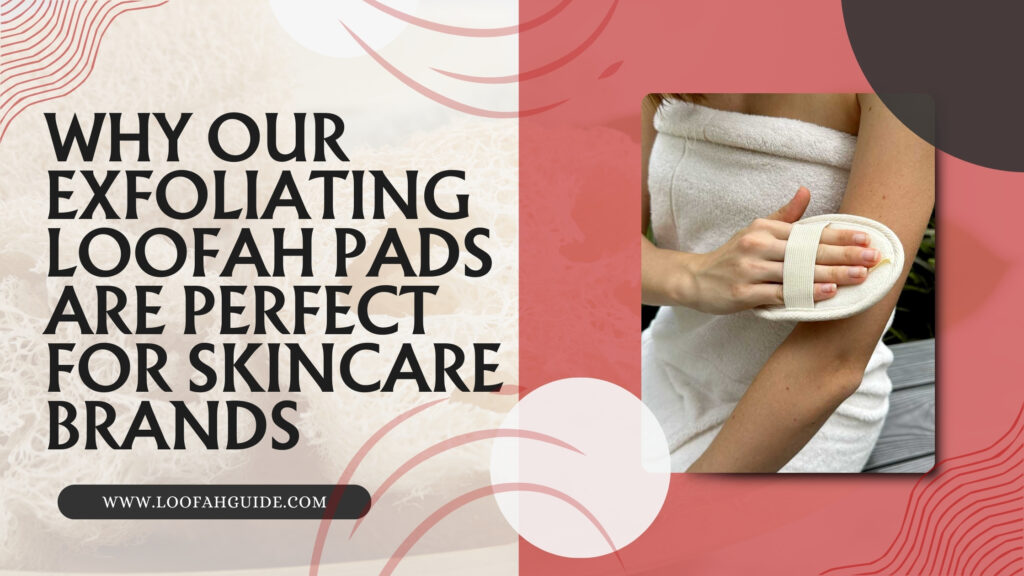
Nine out of ten dermatologists recommend regular exfoliation as part of a complete skincare routine, yet finding the right exfoliating tool remains a challenge for both beauty professionals and everyday consumers. Natural loofah pads have emerged as the preferred choice among skincare experts, and understanding why our exfoliating loofah pads are perfect for skincare brands reveals important insights about quality, effectiveness, and sustainability that every buyer should consider before making purchasing decisions.
The shift toward natural skincare tools accelerated dramatically between 2022 and 2025, with plant based exfoliators capturing 28 percent of the global market previously dominated by synthetic alternatives. This trend reflects growing awareness about microplastic pollution, skin sensitivity concerns, and the superior performance characteristics of properly sourced natural fibers. Skincare brands responding to these consumer demands need suppliers capable of delivering consistent quality at scale, while individual buyers want assurance that products they bring into their homes meet genuine quality standards.
Egyptian loofah stands apart in this marketplace, recognized globally as the premium standard for natural exfoliation. Grown in the agricultural heartland of the Nile Delta, these loofahs develop under ideal conditions that produce fibers with exceptional texture, durability, and skin compatibility. Egexo, with over 25 years of specialized cultivation expertise, has become the trusted source for skincare brands seeking the finest exfoliating loofah pads available anywhere in the world.
This comprehensive guide explores the characteristics that define premium loofah quality, examines the practical considerations for both commercial buyers and personal users, and provides actionable information for making informed purchasing decisions. Whether you manage procurement for a spa chain or simply want better results from your daily skincare routine, the information ahead will transform how you evaluate and use exfoliating loofah products.
Explore wholesale purchasing options at Wholesale Loofah for competitive bulk pricing.
Understanding What Separates Premium Exfoliating Loofah Pads from Ordinary Products
Discovering why our exfoliating loofah pads are perfect for skincare brands starts with recognizing the measurable differences between premium and standard grade products. Not all loofahs deliver equal results, and the factors determining quality become apparent only when you know what characteristics to evaluate.
The Botanical Foundation of Superior Exfoliation
Luffa aegyptiaca, the species cultivated for skincare applications, produces cylindrical fruits containing a fibrous matrix that becomes the exfoliating material after processing. The growing conditions during the plant development cycle directly determine the density, flexibility, and durability of these fibers in the finished product.
Egyptian cultivation benefits from several environmental advantages unavailable elsewhere. The Nile Delta soil contains mineral compositions accumulated over thousands of years of river sediment deposits. Average growing season temperatures between 25 and 35 degrees Celsius match the optimal range for loofah plant metabolism. Consistent sunshine exposure during the maturation phase triggers the lignification process that gives fibers their characteristic firmness without excessive rigidity.
These conditions produce loofahs with fiber counts averaging 18 fibers per square centimeter, compared to 12 to 14 fibers per square centimeter typical of loofahs grown in Southeast Asian or Central American regions. Higher fiber density translates directly into more effective exfoliation because each stroke of the pad contacts more individual fibers working against the skin surface.
Laboratory analysis of Egyptian versus imported loofahs reveals additional differences in fiber composition. Egyptian specimens contain approximately 15 percent higher cellulose content, the structural compound responsible for maintaining shape when wet. This explains why Egyptian loofah pads retain their texture through months of use while inferior products collapse into soft, ineffective masses after just weeks.
Visual and Tactile Quality Indicators
Consumers and professional buyers alike benefit from knowing how to assess loofah quality through direct examination. These evaluation techniques work whether you are inspecting sample products from potential suppliers or selecting items from retail displays.
Quality Assessment Guide for Loofah Pads
| Assessment Method | Premium Indicators | Warning Signs |
|---|---|---|
| Visual Fiber Pattern | Uniform matrix with visible depth | Flat appearance or irregular gaps |
| Color Evaluation | Cream to light tan, consistent throughout | Gray patches, dark spots, or bleached white |
| Dry Texture Test | Firm with slight flexibility | Brittle, crumbly, or excessively stiff |
| Wet Texture Test | Softens within 60 seconds, retains structure | Immediate mushiness or no softening |
| Scent Check | Mild vegetal, slightly sweet | Chemical odors or musty smell |
| Squeeze Recovery | Returns to shape within 5 seconds | Stays compressed or tears |
| Edge Examination | Clean cut with intact fibers | Frayed edges or loose fiber strands |
These indicators apply universally across loofah products regardless of shape or intended application. Skincare brands evaluating potential suppliers should request samples for hands on assessment using these criteria. Individual consumers can apply the same standards when shopping, though sealed packaging may limit evaluation to visual inspection until purchase.
Professional buyers should request laboratory test results documenting bacterial counts, chemical residue analysis, and fiber density measurements. Reputable suppliers like Egexo maintain current testing documentation and provide certificates upon request. Review detailed quality standards to understand the benchmarks premium products must meet.
How Skincare Professionals Integrate Loofah Pads into Treatment Protocols
Understanding why our exfoliating loofah pads are perfect for skincare brands requires examining how these products function within professional treatment contexts. Spas, dermatology practices, and esthetic studios each approach exfoliation differently based on their client populations and service offerings.
Spa and Wellness Center Applications
Full service spas incorporate loofah exfoliation into body treatment sequences that may include wraps, masks, and massage components. The exfoliation step prepares skin to absorb active ingredients from subsequent treatment products while providing the satisfying tactile experience clients expect from premium spa services.
Treatment room efficiency matters in commercial spa operations where appointment schedules must flow smoothly. Loofah pads that require minimal preparation time between clients improve throughput without sacrificing service quality. Egyptian loofah with its quick softening characteristics and rapid post rinse drying supports this operational requirement better than alternatives needing extended soaking or struggling to dry between appointments.
Single use protocols in some spa environments create demand for economical yet premium quality products. Bulk purchasing directly from manufacturers like Egexo makes single use feasible even in upscale settings by reducing per unit costs to levels that fit within treatment pricing structures. Request a bulk quotation to explore pricing for your anticipated volume requirements.
Retail Skincare Brand Product Lines
Skincare brands selling directly to consumers through retail or ecommerce channels use exfoliating tools as entry products that introduce customers to their broader offerings. A quality loofah pad creates positive first impressions that encourage exploration of cleansers, serums, and treatments from the same brand.
Product bundling strategies pair loofah pads with complementary items in curated sets. A facial care bundle might include a gentle exfoliating pad alongside cleanser, toner, and moisturizer. Body care sets combine larger loofah pads with body wash and lotion. These bundles increase average order values while providing customers with complete solutions rather than individual components.
Private label manufacturing enables brands to offer exclusive loofah products unavailable elsewhere. Egexo private label services create custom configurations with your branding, packaging design, and optional accessories. Minimum orders starting at 1,000 units make private label accessible for emerging brands while volume pricing supports established companies purchasing larger quantities.
Skincare Brand Integration Strategies
| Strategy | Implementation | Business Benefit |
|---|---|---|
| Entry Product | Feature loofah as affordable first purchase | Customer acquisition |
| Bundle Component | Include in curated skincare sets | Increased order value |
| Subscription Add On | Offer as renewal item in subscription boxes | Recurring revenue |
| Promotional Gift | Provide with purchases over threshold | Purchase incentive |
| Private Label | Develop exclusive branded product | Brand differentiation |
| Cross Sell Companion | Recommend with cleanser purchases | Category expansion |
Browse the complete body loofah collection to see product options suitable for brand integration.
The Science of Effective Exfoliation with Natural Loofah Fibers
Explaining why our exfoliating loofah pads are perfect for skincare brands means examining the biological mechanisms that make natural loofah superior for skin renewal. Understanding these processes helps both professionals recommending products and consumers using them to achieve optimal results.
Mechanical Exfoliation Mechanisms
Human skin continuously regenerates through a cycle lasting approximately 28 days in healthy adults. Cells produced in the basal layer of the epidermis migrate upward over this period, eventually reaching the surface as flattened, keratinized structures that shed naturally through a process called desquamation. Various factors including age, environmental exposure, and skin conditions can slow this shedding process, causing dead cells to accumulate and create dull, rough skin texture.
Mechanical exfoliation assists natural desquamation by physically dislodging cells ready to shed but remaining attached to the skin surface. The irregular texture of loofah fibers creates friction that breaks the bonds holding dead cells in place without penetrating into living tissue below. This distinguishes gentle mechanical exfoliation from aggressive approaches that damage the skin barrier.
Natural loofah fibers have microscopic surface irregularities that synthetic materials lack. These irregularities create more contact points per unit area, distributing exfoliating action across many small interactions rather than concentrated pressure points. The result is thorough exfoliation with reduced risk of irritation or micro abrasions that can occur with less sophisticated tools.
Research published in the Journal of Cosmetic Dermatology documented that subjects using natural loofah for eight weeks showed 34 percent improvement in skin texture scores compared to 19 percent improvement in subjects using synthetic mesh alternatives. Both groups used identical cleanser products, isolating the exfoliating tool as the variable producing different outcomes.
Optimizing Exfoliation Technique for Different Body Areas
Different body regions have varying skin thickness, sensitivity levels, and exfoliation requirements. Adapting technique by area maximizes benefits while minimizing risk of over exfoliation that can compromise skin barrier function.
Body Region Exfoliation Guidelines
| Body Area | Skin Characteristics | Recommended Pressure | Duration | Frequency |
|---|---|---|---|---|
| Face | Thin, sensitive, exposed | Very light | 30 to 60 seconds | 1 to 2 times weekly |
| Neck | Thin, often neglected | Light | 30 seconds | 1 to 2 times weekly |
| Chest | Variable thickness | Light to moderate | 1 minute | 2 to 3 times weekly |
| Arms | Medium thickness | Moderate | 1 to 2 minutes per arm | 2 to 3 times weekly |
| Back | Thicker, prone to buildup | Moderate to firm | 2 to 3 minutes | 3 to 4 times weekly |
| Abdomen | Variable, often sensitive | Light to moderate | 1 to 2 minutes | 2 times weekly |
| Legs | Medium to thick | Moderate | 2 to 3 minutes per leg | 3 times weekly |
| Feet | Thick, calloused areas | Firm | 2 to 3 minutes per foot | 3 to 4 times weekly |
These guidelines represent starting points that individuals should adjust based on their skin response. Signs of over exfoliation include persistent redness lasting more than 30 minutes after treatment, increased sensitivity, or tight dry feeling that moisturizer does not relieve. Reducing frequency or pressure typically resolves these issues.
Find comprehensive skincare routines at Loofah Guide covering all aspects of natural exfoliation.
Commercial Considerations for Skincare Brands Sourcing Loofah Products
Business buyers evaluating why our exfoliating loofah pads are perfect for skincare brands must consider factors beyond product quality. Supply chain reliability, pricing structures, customization capabilities, and regulatory compliance all influence supplier selection decisions.
Evaluating Supplier Capabilities
Not all loofah suppliers offer equal capabilities, and matching supplier strengths to your business requirements prevents disappointing partnerships. Key evaluation criteria help distinguish suppliers positioned to support your growth from those likely to create problems as your needs evolve.
Manufacturing capacity determines whether suppliers can scale with your business. Small operations may offer attractive initial pricing but struggle to fulfill larger orders as your brand grows. Egexo maintains production capacity supporting orders from 500 units to 500,000 units monthly, ensuring supply keeps pace with demand regardless of your growth trajectory.
Quality control systems provide assurance that every shipment matches sample quality. Document the inspection processes suppliers use at each production stage. Request defect rate statistics showing the percentage of units rejected during quality checks. Premium suppliers maintain defect rates below 2 percent; rates above 5 percent suggest inadequate quality systems.
Export experience matters for international buyers navigating customs requirements. Suppliers without established export operations may struggle with documentation, packaging for international transit, or compliance with destination country regulations. Egexo ships to over 40 countries and maintains current certifications for major markets including European Union, United States, Middle East, and Asia Pacific regions.
Review the complete farm to export process to understand supply chain controls from cultivation through delivery.
Understanding Pricing Structures and Volume Economics
Loofah pricing varies significantly based on quality grade, order volume, customization requirements, and shipping terms. Understanding these factors helps buyers negotiate effectively and budget accurately.
Pricing Factor Analysis
| Factor | Impact on Price | Buyer Consideration |
|---|---|---|
| Quality Grade | Premium grades cost 40 to 60 percent more than economy | Match grade to target market positioning |
| Order Volume | 500 to 1000 units base price, discounts begin at 2500 units | Forecast demand to optimize order sizing |
| Private Label | Adds 15 to 25 percent for custom packaging | Factor into product margin calculations |
| Custom Shapes | Adds 20 to 35 percent for non standard configurations | Consider stock shapes when possible |
| Shipping Terms | FOB versus CIF pricing varies by 10 to 20 percent | Compare total landed cost not just product price |
| Payment Terms | Advance payment may qualify for 3 to 5 percent discount | Balance cash flow against discount value |
New wholesale relationships typically begin with standard payment terms requiring 50 percent deposit with balance due before shipment. Established accounts with positive payment history may qualify for net 30 terms on subsequent orders. These arrangements support buyer cash flow while managing supplier risk.
Download the complete product catalog with detailed specifications and suggested retail pricing for each product category.
Consumer Guide to Selecting and Using Exfoliating Loofah Pads
Individual consumers benefit equally from understanding why our exfoliating loofah pads are perfect for skincare brands, as the same quality factors that matter to professionals determine results in home skincare routines. This section addresses practical questions consumers ask when shopping for and using loofah products.
Choosing the Right Loofah Configuration
Loofah products come in numerous shapes and sizes designed for different applications. Matching product configuration to intended use ensures optimal results and value.
Facial loofah pads should measure no larger than 8 by 10 centimeters to allow precise control around eye areas and facial contours. Smaller sizes in the 5 by 7 centimeter range work well for targeted treatment of specific areas like nose creases or chin. Facial products should come from Premium A grade material with the finest fiber texture to prevent irritation on delicate facial skin.
Body loofah pads in the 12 by 18 centimeter range provide efficient coverage for arms, legs, and torso without being unwieldy to handle. Larger pads measuring 15 by 25 centimeters suit back exfoliation where coverage area matters more than precision. Contoured shapes with ergonomic curves improve grip during shower use when hands are wet and soapy.
Loofah mitts that slip over the hand offer convenience and secure handling. These products work well for individuals who find holding pads difficult due to dexterity limitations or simply prefer the mitt format. Quality mitts feature double layered construction with loofah exterior and cotton or bamboo interior lining for comfort.
Explore the full range of bath and body loofahs to find configurations matching your preferences.
Establishing an Effective Exfoliation Routine
Consistency matters more than intensity in exfoliation routines. Regular gentle exfoliation produces better long term results than occasional aggressive sessions that stress the skin barrier. Building sustainable habits starts with realistic schedules that fit into existing routines.
Morning exfoliation works well for people who shower upon waking, as the stimulating sensation helps promote alertness while preparing skin for daytime moisturizers and sunscreen. Evening exfoliation suits those who prefer nighttime showers, with the added benefit that skin can absorb overnight treatment products more effectively after dead cell removal.
Begin new exfoliation routines conservatively regardless of skin type. Start with once weekly sessions for the first two weeks, observing skin response for signs of irritation or over exfoliation. Gradually increase frequency over the following weeks until reaching the optimal schedule for your skin type. This progressive approach prevents the common mistake of starting too aggressively and causing setbacks requiring recovery time.
Exfoliation Routine Development Timeline
| Week | Frequency | Focus | Observation Points |
|---|---|---|---|
| 1 to 2 | Once weekly | Technique practice | Redness duration, sensitivity changes |
| 3 to 4 | Twice weekly | Building consistency | Texture improvement, any irritation |
| 5 to 6 | Per skin type recommendation | Full routine | Overall skin condition assessment |
| Ongoing | Adjusted as needed | Maintenance | Seasonal or condition based adjustments |
Proper Care to Maximize Product Lifespan
Loofah pads require appropriate maintenance to deliver consistent performance throughout their intended lifespan. Neglecting care accelerates degradation and creates hygiene concerns that undermine the benefits of natural exfoliation.
After each use, rinse the pad thoroughly under running water while gently squeezing to expel trapped debris and cleanser residue. Avoid wringing or twisting motions that stress fiber connections and cause premature breakdown. Shake excess water from the pad and hang in a location with good air circulation away from direct shower spray.
Weekly sanitization prevents bacterial accumulation that can occur even with proper daily rinsing. Prepare a solution of one tablespoon white vinegar per liter of warm water and soak the pad for 15 minutes. The mild acidity creates an inhospitable environment for bacteria without damaging natural fibers. Rinse thoroughly after soaking and ensure complete drying before next use.
Replace loofah pads every 60 to 90 days depending on use frequency and maintenance consistency. Products that receive excellent care may last toward the upper end of this range, while heavily used or poorly maintained products may need earlier replacement. Signs indicating replacement time include persistent softness that does not firm up when dry, visible fiber breakdown, or any musty odor that persists after sanitization.
Environmental and Sustainability Considerations
Modern consumers and responsible businesses increasingly factor environmental impact into purchasing decisions. Examining why our exfoliating loofah pads are perfect for skincare brands from a sustainability perspective reveals compelling advantages over synthetic alternatives.
Biodegradability and End of Life Impact
Natural loofah decomposes completely within 30 days when composted under appropriate conditions. The plant fibers break down into organic matter that enriches soil rather than persisting as waste. This contrasts sharply with synthetic exfoliating products that may take hundreds of years to decompose while potentially releasing microplastics into ecosystems.
Even loofah products that end up in general waste rather than compost systems cause minimal environmental harm. The organic material breaks down in landfill conditions, though more slowly than active composting. No toxic compounds release during decomposition because the product contains only plant material processed without harsh chemical treatments.
Skincare brands emphasizing sustainability can confidently feature natural loofah products as evidence of environmental commitment. Marketing messages highlighting biodegradability resonate with eco conscious consumer segments willing to pay premiums for products aligned with their values. This positioning justifies quality focused pricing while building brand loyalty among environmentally motivated customers.
Sustainable Cultivation Practices
Egyptian loofah cultivation follows agricultural practices refined over generations to work with natural systems rather than against them. Traditional growing methods require minimal synthetic inputs because the Nile Delta environment provides natural fertility and pest resistance.
Loofah plants improve soil health through their root systems that fix nitrogen and add organic matter when post harvest residues decompose in fields. Crop rotation cycles alternate loofah with other crops to prevent soil depletion and break pest cycles naturally. These practices maintain productive agricultural land without the chemical dependencies common in industrial farming systems.
Water efficiency in Egyptian cultivation takes advantage of established irrigation infrastructure serving the Nile Delta agricultural region. Loofah requires moderate water compared to many crops, and timing irrigation to plant growth stages minimizes waste. Climate conditions that concentrate rainfall in winter months when loofah is dormant reduce irrigation needs during the active growing season.
Learn more about Egexo sourcing practices supporting sustainable agriculture.
Comparing Natural Loofah Against Alternative Exfoliation Methods
Comprehensive evaluation of why our exfoliating loofah pads are perfect for skincare brands requires honest comparison against competing approaches. Different exfoliation methods suit different needs, and understanding relative strengths helps match solutions to requirements.
Natural Loofah Versus Chemical Exfoliants
Chemical exfoliants including alpha hydroxy acids and beta hydroxy acids work by dissolving the bonds between dead skin cells rather than physically removing them. These products offer advantages for certain applications but cannot fully replace mechanical exfoliation for many users.
Chemical exfoliants excel at treating specific skin concerns like acne, hyperpigmentation, and fine lines where targeted active ingredients address underlying issues. They require no physical effort during application and work continuously after application until rinsed or absorbed. However, they carry risks of over exfoliation, sun sensitivity, and irritation that mechanical methods avoid.
Natural loofah provides immediate visible results that chemical exfoliants cannot match. The physical removal of dead cells creates instant smoothness that users can see and feel. This tangible feedback motivates continued use and routine compliance. Loofah also works on all skin types without the trial and error process often needed to find compatible chemical formulations.
Many skincare professionals recommend combining approaches, using chemical exfoliants for targeted treatment while maintaining mechanical exfoliation for general skin maintenance. Natural loofah in this combined routine provides the mechanical component without adding chemical burden that might cause sensitivity when layered with acid products.
Exfoliation Method Comparison
| Characteristic | Natural Loofah | Chemical Exfoliants | Electronic Devices |
|---|---|---|---|
| Mechanism | Mechanical friction | Chemical dissolution | Mechanical oscillation |
| Immediate Results | Yes | Gradual | Yes |
| Skin Type Suitability | Universal with technique adjustment | Type specific formulations | Most types with settings |
| Learning Curve | Minimal | Moderate | Moderate |
| Ongoing Cost | Low, replacement every 60 to 90 days | Moderate, continuous repurchase | High initial, low ongoing |
| Portability | Excellent | Good | Limited |
| Environmental Impact | Minimal, biodegradable | Moderate, packaging waste | High, electronic waste |
| Maintenance Required | Simple rinsing and drying | None | Charging and head replacement |
Shop quality exfoliating tools in the Egexo store featuring products for every application.
Expert Insight from Egexo
The single most overlooked factor in loofah quality comes from the drying process between harvest and processing. Loofah fruits contain significant moisture when picked, and removing this moisture determines whether fibers develop their characteristic firmness or remain weak and prone to rapid breakdown. Our facilities use raised drying racks that allow air circulation around each fruit for 10 to 14 days until moisture content drops below 12 percent. Rushing this stage by using artificial heat or inadequate drying time produces loofahs that feel acceptable when new but deteriorate rapidly once placed in use. We encourage buyers to ask any potential supplier about their drying protocols, as this single factor predicts product longevity more reliably than any other specification. Quality suppliers welcome these questions because proper drying represents significant investment that distinguishes serious producers from operations cutting corners to reduce costs.
Frequently Asked Questions
Q: Why are exfoliating loofah pads better than synthetic alternatives for skincare routines?
A: Natural loofah pads provide superior exfoliation through irregular fiber surfaces that create more contact points with skin than uniform synthetic materials. Egyptian loofah fibers contain natural lignin compounds maintaining texture through extended use, typically 60 to 90 days compared to 30 days for synthetic products. Additionally, natural loofah biodegrades completely within 30 days when composted, eliminating the microplastic concerns associated with synthetic mesh alternatives.
Q: What minimum order quantities should skincare brands expect when sourcing loofah pads?
A: Standard wholesale orders begin at 500 units for stock products available in standard configurations. Private label orders requiring custom packaging typically start at 1,000 units to justify setup costs for custom printing and assembly. Volume discounts become available at 2,500, 5,000, and 10,000 unit thresholds, making larger orders significantly more economical on a per unit basis.
Q: How can consumers identify authentic Egyptian loofah quality when shopping?
A: Authentic Egyptian loofah displays cream to light tan coloration with visible fiber depth when examined closely. The dry texture should feel firm with slight flexibility rather than brittle or excessively rigid. When wet, quality loofah softens within 60 seconds while retaining structural integrity. Avoid products with chemical odors suggesting harsh processing, gray or dark patches indicating poor storage, or uniform white color suggesting excessive bleaching.
Q: What certifications should wholesale buyers verify when evaluating loofah suppliers?
A: Essential certifications include phytosanitary certificates confirming pest and disease free status required for agricultural product importation. Certificates of origin document Egyptian sourcing claims. Laboratory analysis reports should verify absence of pesticide residues and prohibited substances. For European markets, REACH compliance documentation confirms regulatory adherence. Reputable suppliers maintain current certifications and provide documentation upon request.
Q: How often should exfoliating loofah pads be replaced for optimal hygiene and performance?
A: Replace loofah pads every 60 to 90 days with regular use. Products receiving proper maintenance including daily rinsing, complete drying between uses, and weekly sanitization typically last toward the upper end of this range. Signs indicating earlier replacement include persistent softness even when dry, visible fiber degradation, any musty odor persisting after cleaning, or noticeably reduced exfoliation effectiveness.
Q: Can sensitive skin types safely use natural loofah exfoliation?
A: Yes, with appropriate technique modifications. Sensitive skin types should limit exfoliation to once weekly using very gentle pressure for no more than one minute per session. Thoroughly wetting the loofah pad before use softens fibers for gentler contact. Premium A grade products offer the finest fiber texture most suitable for sensitive applications. Patch testing on a small area before full use helps identify any individual sensitivities.
Q: What custom manufacturing options are available for skincare brands developing private label products?
A: Private label services include custom packaging design, logo application through printing or embossing, unique product shapes and dimensions, branded accessories like storage bags or packaging inserts, and exclusive color treatments. Development timelines typically run 28 to 35 days from artwork approval to shipment. Egexo design teams can assist with concept development or work from brand provided specifications.
Q: How do professional spas integrate loofah pads into treatment protocols?
A: Spas incorporate loofah exfoliation as a preparatory step before body treatments including wraps, masks, and massage. The exfoliation removes dead cells so subsequent products penetrate more effectively while providing the tactile experience clients expect from premium spa services. Single use protocols common in professional settings drive demand for bulk purchasing that makes quality products economically feasible even for per client disposal.
Conclusion
Exploring why our exfoliating loofah pads are perfect for skincare brands reveals the intersection of botanical science, manufacturing excellence, and practical application that defines premium natural exfoliation. Egyptian loofah cultivated in the Nile Delta provides fiber characteristics unmatched by alternatives from other growing regions, while Egexo processing standards ensure these natural advantages translate into consistently superior finished products.
Skincare brands building product lines around natural exfoliation gain access to supplier capabilities including private label manufacturing, flexible order quantities, and comprehensive export documentation for international markets. Individual consumers benefit from the same quality standards that professionals demand, bringing spa grade exfoliation into daily home skincare routines at accessible price points.
The sustainability advantages of natural loofah address growing consumer concerns about environmental impact without compromising performance. Biodegradable materials, traditional cultivation practices, and minimal processing requirements align with values driving purchasing decisions across consumer demographics.
Key Takeaways:
- Egyptian loofah fiber density of 18 fibers per square centimeter exceeds alternatives by 30 to 50 percent
- Quality loofah pads maintain effectiveness for 60 to 90 days versus 30 days for synthetic products
- Private label manufacturing starts at 1,000 unit minimums with 28 to 35 day lead times
- Weekly vinegar sanitization extends product lifespan and maintains hygiene standards
- Natural loofah biodegrades within 30 days eliminating microplastic environmental concerns
Ready to experience premium Egyptian loofah quality?
- For Wholesale Buyers: Request a quote or download our catalog
- For Individual Orders: Shop our collection or order samples