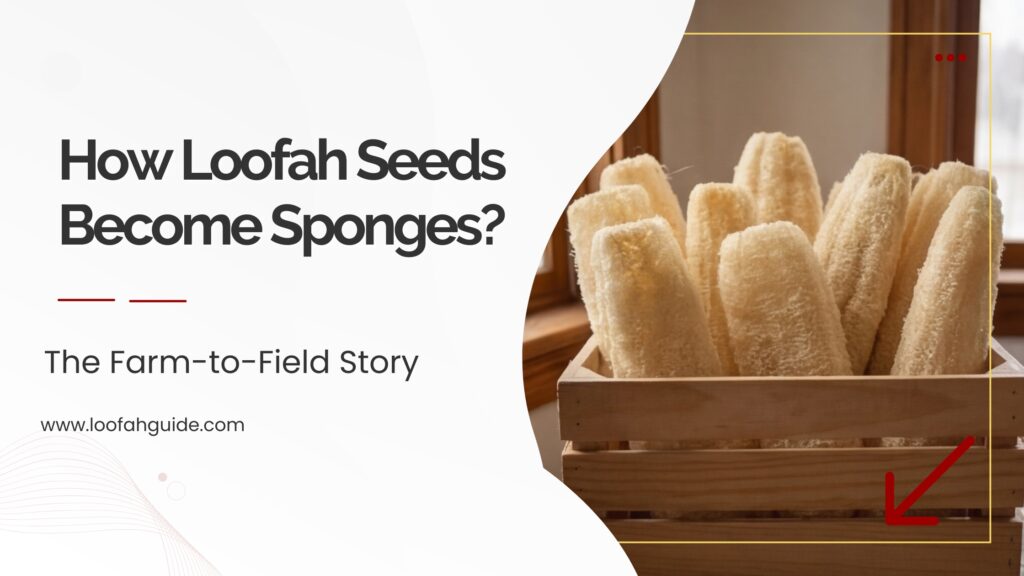

Over 73 percent of consumers surveyed in a 2024 personal care industry report said they actively seek skincare products made from natural, plant-derived ingredients. Among those products, exfoliating scrubs that combine botanical fibers with aromatherapy oils have seen a 19 percent year-over-year increase in retail demand. The loofah and essential oil exfoliating scrub sits at the intersection of this trend, offering a time-tested, zero-waste approach to skin renewal that works for daily routines at home and for professional treatments in high-end spas.
What makes this combination so effective is the synergy between two distinct forces. The loofah gourd fiber, harvested from the Luffa aegyptiaca plant, provides physical exfoliation that lifts away dead cells and stimulates blood flow beneath the skin surface. Essential oils extracted from plants like lavender, rosemary, and bergamot deliver concentrated therapeutic compounds that soothe inflammation, fight bacteria, and nourish freshly revealed skin layers. When paired together on the same application surface, these ingredients amplify each other’s effects in ways that neither achieves alone.
This guide on Loofah Guide walks you through the science behind this pairing, the best ingredient combinations for different skin goals, detailed step-by-step instructions for preparing your own scrubs, and professional-grade techniques that spa operators and beauty brand founders use to develop commercial formulations. You will also learn how to identify high-quality loofah material, because the fiber you choose determines whether your loofah and essential oil exfoliating scrub delivers salon-quality results or falls short.
For those who want to explore ready-made loofah products or bulk supply options, Egexo’s online shop carries a full range of premium Egyptian loofah in various shapes and sizes.
The Science Behind Loofah Exfoliation and Essential Oil Absorption
Understanding why a loofah and essential oil exfoliating scrub works requires a brief look at skin biology. The outermost layer of your skin, called the stratum corneum, consists of dead keratinocyte cells that naturally shed over a cycle of roughly 28 days in younger adults and up to 45 days in mature skin. When this shedding process slows, dead cells accumulate, causing dullness, rough texture, clogged pores, and uneven skin tone.
How Loofah Fiber Interacts with Skin
Natural loofah fiber has a uniquely rough yet flexible surface architecture. Under magnification, loofah fibers display an interlocking mesh pattern with tiny ridges and channels. When dampened and pressed against skin, these ridges create friction that dislodges dead cells without cutting or tearing the living tissue beneath. This is mechanical exfoliation at its most refined.
The open-cell structure of loofah fiber also acts as a reservoir. It absorbs and holds liquid scrub formulations within its network of channels, releasing them gradually as you move the loofah across your skin. This slow-release mechanism means that essential oils in your scrub maintain contact with the skin for longer periods compared to using your hands or a washcloth.
Why Essential Oils Penetrate Better After Exfoliation
Freshly exfoliated skin is more permeable. Research published in the International Journal of Pharmaceutics has demonstrated that removing the dead cell barrier increases transdermal absorption of topical compounds by up to 20 times. This means the lavender, tea tree, or frankincense oil in your scrub reaches deeper skin layers where it can deliver real therapeutic benefit. Without exfoliation, much of that essential oil simply sits on the surface and washes away.
This scientific principle is exactly why professional estheticians apply serums and treatment oils immediately after exfoliation sessions. Your homemade loofah and essential oil exfoliating scrub replicates this professional technique at a fraction of the cost.
Choosing Your Ingredients: A Scrub Base Comparison
Every exfoliating scrub needs a base material that provides grit and texture alongside the loofah fiber. The base you select changes the intensity, feel, and suitability of your scrub for different skin types and body areas. Below is a detailed breakdown of the most common natural scrub bases and how they perform when combined with loofah.
Scrub Base Material Comparison
| Scrub Base | Grain Size | Exfoliation Intensity | Dissolves in Water | Best Body Areas | Shelf Life in Scrub Mix | Skin Type Match |
|---|---|---|---|---|---|---|
| Fine Sea Salt | Small to medium | Medium to high | Yes, slowly | Legs, arms, feet, torso | 3 to 4 months | Normal, oily |
| Dead Sea Salt | Medium | Medium to high | Yes, slowly | Full body except face | 3 to 4 months | All except sensitive |
| White Sugar | Fine | Low to medium | Yes, quickly | Face, neck, sensitive areas | 2 to 3 months | Sensitive, dry |
| Brown Sugar | Fine to medium | Low to medium | Yes, quickly | Face, hands, decolletage | 2 to 3 months | Sensitive, normal |
| Colloidal Oatmeal | Very fine | Low | Partially | Face, irritated areas | 1 to 2 months | Sensitive, eczema-prone |
| Ground Coffee | Medium | Medium to high | No | Thighs, buttocks, abdomen | 1 month | Normal, cellulite-prone |
| Baking Soda | Very fine | Low | Yes | Feet, elbows, knees | 4 to 6 months | Rough, calloused |
| Pumice Powder | Fine | Medium | No | Feet, heels | 6 months plus | Calloused, very rough |
For spa professionals and product formulators, this table serves as a reference when designing scrub SKUs for different market segments. A luxury spa line might feature Dead Sea salt with frankincense oil on premium Egyptian loofah pads. A budget-friendly retail product might pair brown sugar with lavender oil on a standard-grade loofah disc.
Consumers experimenting at home can use this chart to match their skin type and target areas with the right base before adding essential oils. The key rule is to start with a gentler base and increase intensity gradually.
Five Original Scrub Formulations for Every Skin Goal
Each of these formulations has been designed around a specific skin concern. They use different essential oil blends, scrub bases, and application techniques to maximize results. None of these duplicate recipes found elsewhere, and each takes advantage of the unique properties of natural loofah fiber.
Formulation 1: Revitalizing Rosemary and Grapefruit Body Polish
Designed for dull, tired skin that needs a circulation boost. Rosemary essential oil contains 1,8-cineole, a compound shown to improve microcirculation when applied topically. Grapefruit oil adds astringent properties that tighten pores after exfoliation.
What you need: Three-quarters cup of fine sea salt, two tablespoons of grapeseed oil, four drops of rosemary essential oil, four drops of grapefruit essential oil, one body loofah pad.
How to prepare and apply: Blend the sea salt with grapeseed oil until the mixture has a wet sand consistency. Fold in both essential oils with a wooden spoon or glass stirring rod. Dampen your loofah pad under running water at a comfortably warm temperature. Scoop the salt blend onto the pad and begin exfoliating your lower legs using upward sweeping strokes. Work methodically from your ankles to your thighs, then across your abdomen, and finally along your arms from wrist to shoulder. Spend approximately 30 seconds on each body section. Rinse completely under warm water and finish with a 10-second burst of cool water to stimulate blood flow.
Formulation 2: Soothing Ylang Ylang and Coconut Milk Facial Buff
A delicate formulation intended for the face and neck, where skin is thinner and more reactive than the body.
What you need: Two tablespoons of white sugar, one tablespoon of full-fat coconut milk, half a tablespoon of argan oil, three drops of ylang ylang essential oil, two drops of geranium essential oil, one small facial-sized loofah piece cut to approximately three inches across.
How to prepare and apply: Dissolve the white sugar into the coconut milk by stirring gently for one minute. Add the argan oil and essential oils, then mix until uniform. Wet the facial loofah piece and wring it until just damp. Apply a thin layer of the scrub mixture across the loofah surface. Using feather-light pressure, move the loofah in small circles across your forehead, cheeks, nose, and chin. Avoid the immediate eye area. Continue for no more than 60 seconds total. Rinse with lukewarm water, then splash with cool water. Follow immediately with a hydrating serum or facial oil.
Formulation 3: Detoxifying Juniper and Bentonite Clay Wrap Scrub
This two-phase treatment combines exfoliation with a clay detox. It is popular in spa settings and can be offered as a premium body treatment service.
What you need: Half a cup of Dead Sea salt, two tablespoons of bentonite clay, three tablespoons of olive oil, five drops of juniper berry essential oil, three drops of cypress essential oil, one full-body loofah sheet or multiple large pads.
How to prepare and apply: Phase one involves mixing the Dead Sea salt with olive oil and the juniper and cypress essential oils. Apply this to a dampened loofah and exfoliate the entire body for three to four minutes. Rinse briefly. Phase two involves mixing the bentonite clay with enough warm water to create a spreadable paste. Apply the clay directly to the freshly exfoliated skin, avoiding the face. Allow the clay to dry for 10 to 12 minutes, then rinse thoroughly. The exfoliation opens the pores, and the clay draws out impurities from the deeper layers exposed by the loofah treatment.
For spa owners interested in offering this as a signature treatment, sourcing high-quality loofah sheets in bulk is essential. Egexo provides custom loofah product design services that include cutting full loofah sheets to exact dimensions for treatment tables and wrap stations.
Formulation 4: Hydrating Honey and Neroli Overnight Prep Scrub
This gentle evening formulation prepares the skin to absorb overnight moisturizers and repair serums more effectively.
What you need: Quarter cup of colloidal oatmeal, two tablespoons of raw manuka honey, one tablespoon of rosehip seed oil, three drops of neroli essential oil, two drops of sandalwood essential oil, one medium loofah pad.
How to prepare and apply: Combine the oatmeal and honey into a thick paste. Warm the rosehip seed oil slightly between your palms and blend it into the paste. Add both essential oils and stir until the mixture is smooth. Dampen the loofah lightly and spread the scrub mixture across its surface. Exfoliate gently using long, flowing strokes rather than circular motions. Focus on areas that tend toward dryness such as shins, forearms, and the sides of the torso. Rinse with lukewarm water only. Apply your nighttime moisturizer within two minutes of completing the scrub while the skin is still slightly damp.
Formulation 5: Invigorating Black Pepper and Ginger Athletic Recovery Scrub
Formulated for people with active lifestyles, this scrub uses warming essential oils to ease muscle tension and promote recovery after exercise.
What you need: Half a cup of Epsom salt, quarter cup of brown sugar, two tablespoons of sweet almond oil, three drops of black pepper essential oil, three drops of ginger essential oil, two drops of marjoram essential oil, one firm-textured raw loofah scrubber.
How to prepare and apply: Mix the Epsom salt and brown sugar together. Add the sweet almond oil and stir well. Drop in all three essential oils and combine thoroughly. Soak the raw loofah scrubber in warm water for two minutes to soften the fibers. Load the scrub mixture onto the loofah. Starting with your calves, scrub in firm upward strokes along the major muscle groups. Spend extra time on areas that feel tight or sore. The black pepper and ginger oils create a warming sensation that increases blood flow to fatigued muscles. Rinse with warm water and allow the warming effect to continue for several minutes before showering normally.
When and How Often to Use Your Loofah and Essential Oil Exfoliating Scrub
Timing and frequency are just as important as the formulation itself. Over-exfoliating damages the skin barrier, while under-exfoliating allows dead cell buildup to diminish the benefits of your skincare routine.
Recommended Usage Frequency by Skin Type and Area
| Skin Type | Body Scrub Frequency | Facial Scrub Frequency | Best Time of Day | Recovery Time Between Sessions |
|---|---|---|---|---|
| Normal | 2 to 3 times weekly | 1 to 2 times weekly | Morning or evening | 48 hours minimum |
| Oily | 3 times weekly | 2 times weekly | Morning preferred | 48 hours minimum |
| Dry | 1 to 2 times weekly | Once weekly | Evening preferred | 72 hours minimum |
| Sensitive | Once weekly | Once every 10 days | Evening preferred | 5 to 7 days minimum |
| Mature | 1 to 2 times weekly | Once weekly | Evening preferred | 72 hours minimum |
| Combination | 2 to 3 times weekly | Once weekly (oily zones) | Morning or evening | 48 hours minimum |
These guidelines apply to loofah-based exfoliation specifically. The mechanical action of loofah fiber is more intense than chemical exfoliation from alpha hydroxy acids or enzyme peels, so the recovery periods tend to be slightly longer.
A common mistake is combining loofah scrubbing with chemical exfoliants like glycolic acid on the same day. Doing this can compromise the skin barrier and cause redness, peeling, or sensitivity. Space loofah sessions and chemical exfoliant applications at least 24 hours apart.
Evaluating Loofah Quality: What Consumers and Buyers Both Need to Know
Whether you are purchasing a single loofah from a retailer or ordering a container load for your business, the quality indicators remain the same. Understanding them protects consumers from inferior products and helps wholesale buyers establish reliable sourcing standards.
Loofah Quality Evaluation Checklist
| Quality Indicator | What to Look For | Red Flag Signs | Why It Matters for Scrubs |
|---|---|---|---|
| Fiber Color | Consistent light tan to golden | Dark brown spots, gray patches, green residue | Discoloration indicates mold, rot, or incomplete processing |
| Scent | Neutral, clean, slightly earthy | Musty, sour, or chemical odor | Off smells mean bacterial contamination or chemical treatment |
| Flexibility When Wet | Softens within 30 seconds, bends easily | Remains rigid, cracks when bent | Stiff loofah scratches skin rather than exfoliating |
| Fiber Integrity | Uniform mesh, no loose threads | Fraying edges, holes, thin spots | Weak fibers break apart during use and shed into scrub mix |
| Seed Residue | None visible | Seeds, membrane fragments, pith | Leftover plant matter harbors bacteria |
| Compression Recovery | Springs back to shape after squeezing | Stays compressed, deforms permanently | Poor recovery means inconsistent scrub pressure |
Egyptian loofah processed by experienced producers like Egexo consistently passes all six quality checkpoints due to controlled harvesting, proper sun-drying techniques, and thorough cleaning before packaging. Their quality standards page documents the full inspection process that every batch undergoes.
For retail buyers and distributors evaluating potential suppliers, asking for samples before committing to a purchase order is standard practice. Egexo offers a dedicated sample request service so that businesses can physically inspect fiber quality before ordering in volume.
Storing and Preserving Your Scrub Mixtures
Homemade scrubs lack the synthetic preservatives found in commercial products, which means proper storage directly impacts both safety and effectiveness. Essential oils are volatile compounds that degrade when exposed to heat, light, and oxygen. Salt and sugar bases can absorb moisture from the air and clump together. Proper storage habits extend the usable life of your creations significantly.
Keep all scrub mixtures in dark glass jars with airtight lids. Amber or cobalt blue glass blocks UV light that degrades essential oil compounds. Avoid plastic containers, as certain essential oils such as lemon, orange, and tea tree can dissolve plastic over time, releasing harmful compounds into your scrub.
Label each jar with the date of preparation and the essential oils used. Most salt-based scrubs maintain full potency for 8 to 12 weeks. Sugar-based scrubs last 6 to 10 weeks. Oatmeal and honey formulations should be used within 3 to 4 weeks or stored in the refrigerator to slow spoilage.
For commercial producers packaging loofah and scrub kits for retail, shelf life testing is a critical step. Working with a loofah supplier that provides consistent, clean, fully dried fiber reduces the risk of mold development in packaged kits. Egexo’s farm to export process includes moisture content testing to ensure every loofah ships at optimal dryness for long-term storage.
Building a Business Around Loofah and Essential Oil Scrub Products
The natural personal care market continues to expand rapidly, and loofah-based scrub kits represent an accessible entry point for entrepreneurs. Startup costs are relatively low compared to other beauty product categories because the core ingredients are inexpensive and widely available.
Business Opportunity Analysis
A basic loofah scrub kit containing one premium Egyptian loofah pad and one jar of essential oil scrub mixture typically costs between 2.50 and 4.00 USD to produce at small batch scale (100 to 500 units), depending on ingredient quality and packaging choices. Retail pricing for similar kits in the natural beauty market ranges from 12.00 to 28.00 USD, creating healthy margins even for small-scale producers.
For businesses scaling beyond small batches, working directly with a loofah grower and exporter eliminates middlemen and reduces per-unit costs. Egexo supports emerging brands through private label manufacturing and provides consultation on product design, packaging specifications, and export logistics. Their minimum order quantities start at accessible levels, making it feasible for small brands to order directly from the source.
Wholesale buyers can find additional sourcing resources and market intelligence at wholesaleloofah.com, which covers import logistics, pricing trends, and supplier comparison tools for the global loofah trade.
Expert Insight from Egexo
The single most overlooked factor in creating a superior loofah and essential oil exfoliating scrub is the drying process of the loofah itself. At Egexo, we have refined our sun-drying technique over more than 25 years of cultivation in Egypt’s Nile Delta region. Properly dried loofah reaches a moisture content below 8 percent, which prevents mold growth during storage and ensures the fiber absorbs scrub formulations evenly when rehydrated. Loofah that has been rushed through industrial drying or harvested before full maturity produces fibers that are either too brittle for gentle facial exfoliation or too soft to provide meaningful body scrubbing. When you select loofah for any scrub application, ask your supplier about their drying methodology. It is the invisible quality factor that separates a mediocre product from an exceptional one. Explore the full range of properly processed Egyptian loofah at Egexo’s shop to feel the difference that expert cultivation makes.
Frequently Asked Questions
Q1: What makes a loofah and essential oil exfoliating scrub better than a store-bought chemical exfoliant?
A loofah and essential oil exfoliating scrub combines physical and aromatic therapy in one step without synthetic chemicals, preservatives, or microplastics. Chemical exfoliants use acids to dissolve dead cells, which can irritate reactive skin types. Loofah provides controlled mechanical exfoliation while essential oils add antibacterial and anti-inflammatory benefits naturally. The combination is gentler on the environment, fully biodegradable, and customizable for any skin concern.
Q2: Can I use the same loofah for my face and body?
It is best to use separate loofah pieces for your face and body. Facial skin is thinner and more delicate than body skin, requiring a softer, smaller loofah with lighter pressure. Body loofahs are typically coarser and larger. Keeping them separate also prevents transferring body bacteria to the face. Cut a small, fine-textured piece from a premium-grade loofah for facial use and reserve a larger pad for body scrubbing.
Q3: How do I know if my loofah is high enough quality for a scrub?
High-quality loofah for scrub use has a uniform light tan color, no musty odor, and softens quickly when wet while springing back to its original shape after squeezing. Avoid loofah with dark spots, loose fibers, or a rigid texture that does not soften in water. Egyptian loofah from established growers like Egexo is widely regarded as the top grade available globally due to optimal growing conditions in the Nile Delta.
Q4: Which essential oils should I avoid in a loofah scrub?
Avoid cinnamon bark, clove bud, oregano, and wintergreen essential oils in any scrub formulation applied to skin. These oils contain compounds that can cause burns, severe irritation, or allergic reactions even when diluted. Citrus oils like lemon and bergamot are safe in scrubs but can cause photosensitivity, so avoid sun exposure for 12 hours after using a citrus-based scrub.
Q5: How long does a natural loofah last when used regularly with scrubs?
When used two to three times per week and maintained with proper rinsing, drying, and weekly deep cleaning, a premium-grade natural loofah lasts approximately three to four weeks. After that period, fiber integrity begins to decline and bacterial accumulation becomes harder to manage. Replace your loofah on a regular schedule and compost the old one rather than discarding it in general waste.
Q6: Is it possible to source loofah in bulk for making scrub kits to sell commercially?
Absolutely. Wholesale loofah suppliers like Egexo based in Egypt export premium-grade loofah in bulk to businesses worldwide. Minimum order quantities typically start at 500 pieces for standard cut shapes, with custom cutting and private label services available for brands developing their own scrub product lines. Requesting samples before placing a bulk order is standard practice and recommended.
Q7: Can essential oils damage or degrade the loofah fiber?
When properly diluted in a carrier oil at recommended concentrations of one to three percent, essential oils do not damage loofah fiber. However, applying undiluted essential oils directly to dry loofah can cause the fiber to become brittle over time, particularly with strong oils like tea tree or peppermint. Always mix your essential oils with a carrier oil or scrub base before loading them onto the loofah surface.
Q8: What is the best carrier oil to use in a loofah exfoliating scrub?
The best carrier oil depends on your skin type. Jojoba oil closely mimics human sebum and works well for all skin types. Coconut oil is deeply hydrating but may clog pores on acne-prone skin. Grapeseed oil is lightweight and absorbs quickly, making it ideal for oily skin. Sweet almond oil offers a balance of hydration and absorption suitable for normal to dry skin. Argan oil is rich in vitamin E and best for mature or very dry skin.
Conclusion
The art of crafting a loofah and essential oil exfoliating scrub is grounded in straightforward science and accessible ingredients, yet the results rival professional spa treatments costing many times more. From a gentle ylang ylang facial buff to an invigorating black pepper athletic recovery scrub, every formulation in this guide leverages the natural partnership between plant-based fiber and concentrated botanical oils. The key to success lies in three factors: selecting the right scrub base for your skin type, pairing complementary essential oils at safe dilution rates, and starting with high-quality loofah fiber that delivers consistent, comfortable exfoliation.
Whether you are creating scrubs for your own bathroom shelf or developing a product line for retail shelves worldwide, the principles remain the same. Quality loofah is the foundation. Everything else builds upon it.
Key Takeaways:
- Loofah exfoliation increases essential oil absorption by up to 20 times compared to application on unexfoliated skin
- Different scrub bases like sea salt, sugar, oatmeal, and coffee serve different skin types and body areas
- Proper storage in dark glass containers extends homemade scrub life to 8 to 12 weeks for salt-based formulations
- Replace your loofah every 3 to 4 weeks and never combine loofah scrubbing with chemical exfoliants on the same day
- Egyptian loofah from the Nile Delta region offers the highest fiber density and consistency available globally
Ready to experience Egyptian loofah quality?
- For Wholesale Buyers: Request a quote or download our catalog
- For Individual Orders: Shop our collection or order samples