The Shower Ritual Most People Are Getting Wrong
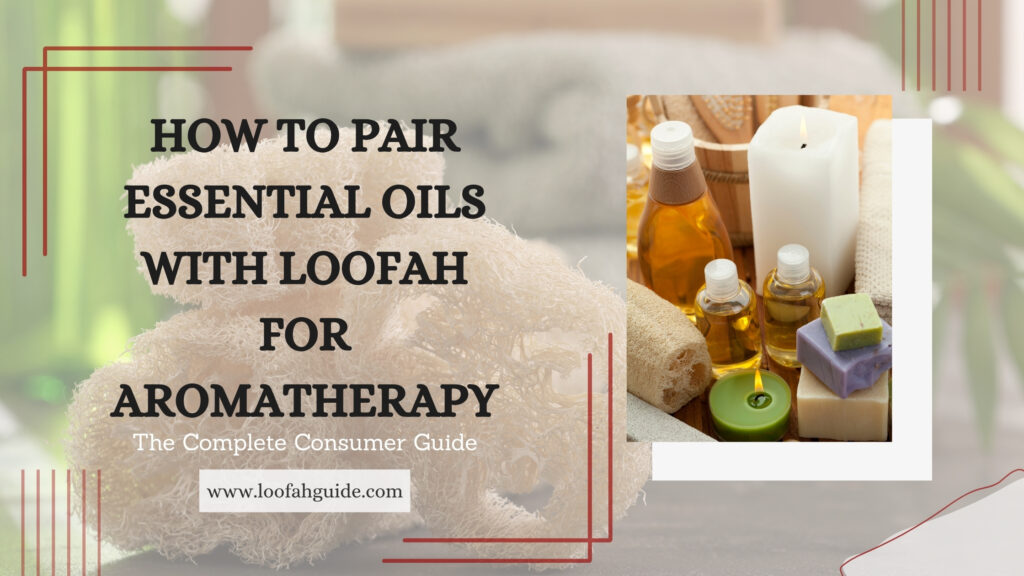
Most people use a loofah the same way every day: wet it, add some body wash, scrub, rinse, and move on. That routine cleans the skin, but it misses an opportunity that wellness practitioners and spa professionals have relied on for decades. When you understand how to pair essential oils with loofah correctly, your daily shower becomes a genuine therapeutic experience with measurable effects on mood, skin health, and physical recovery.
Research from the International Journal of Neuroscience confirmed that inhalation of lavender essential oil during physical contact activities, including massage and skin brushing, produces significantly greater reductions in perceived stress than inhalation alone. The act of exfoliation with a loofah opens the pores, warms the skin surface, and increases the rate at which aromatic compounds enter both the bloodstream and the respiratory system through steam. This is not a wellness trend. It is basic dermatology and aromatherapy science working together.
This guide covers everything a consumer needs to know about pairing essential oils with loofah: which oils to choose, how to apply them safely, how to match blends to specific wellness goals, which loofah type delivers the best results, and how to build a weekly routine that produces consistent benefits. We also address what buyers sourcing products for retail or gifting should look for when selecting quality natural loofahs for aromatherapy use.
By the end, you will have a complete reference you can return to anytime you want to refine or expand your aromatherapy loofah practice.
Understanding the Science Behind Loofah and Essential Oil Synergy
Before diving into specific pairings and techniques, it helps to understand why the loofah is such an effective medium for essential oil delivery. Most people think of it purely as a scrubbing tool. Its real value in aromatherapy is structural.
How Loofah Fiber Absorbs and Releases Essential Oils
A natural loofah is the dried fibrous skeleton of the Luffa aegyptiaca plant, a member of the cucumber family. When dried and processed correctly, it forms a three-dimensional mesh of interlocking cellulose fibers with thousands of microscopic channels running through its interior.
These channels function like a capillary network. When a loofah is soaked in water containing diluted essential oil, the oil travels into these channels through capillary action and remains suspended within the fiber structure. As the loofah is compressed against the skin during exfoliation, those channels are alternately compressed and expanded, releasing the oil in controlled pulses directly onto the skin surface.
This is qualitatively different from applying oil directly to the skin with your hands. The mechanical compression of loofah exfoliation drives the oil into freshly opened pores rather than leaving it sitting on the surface. The result is a deeper, more sustained absorption of the oil’s active compounds.
Why Natural Fiber Outperforms Synthetic for This Purpose
Synthetic mesh bath poufs are made from polyester or nylon. These materials do not have the capillary channel structure of natural loofah fiber. Any essential oil applied to a synthetic pouf sits on the surface and is largely rinsed away in the first pass of water over the skin.
Natural Egyptian loofah, particularly the premium-grade fiber cultivated in Egypt’s Nile Delta region and exported through suppliers like Egexo, retains essential oil within its structure throughout an entire shower session. A good-quality Egyptian loofah will release oil gradually across a 10 to 20 minute shower, creating a sustained aromatherapy environment rather than a brief burst that disappears within the first 60 seconds.
For consumers comparing options, this retention difference alone justifies choosing natural over synthetic. For retailers and product developers at wholesaleloofah.com, understanding this distinction is fundamental to marketing aromatherapy loofah products accurately.
Skin Permeability and Why Timing Matters
Essential oil compounds are small-molecule lipophilic substances, meaning they are fat-soluble and capable of crossing the skin barrier. Skin permeability increases significantly when the skin is warm, hydrated, and freshly exfoliated. A hot shower with loofah exfoliation creates exactly these three conditions simultaneously.
Studies on transdermal drug delivery have consistently demonstrated that skin temperature increases of as little as 4 to 5 degrees Celsius can increase permeability by a factor of two to three. This means that using essential oils during a warm shower with loofah exfoliation is not just more pleasant than applying them to dry skin. It is measurably more effective.
Choosing the Right Essential Oil for Your Goal
The most common mistake people make when starting aromatherapy loofah practice is choosing an oil based solely on scent preference. Fragrance preference matters, but the therapeutic profile of the oil should drive the selection. Here is a comprehensive breakdown by wellness goal.
For Stress Relief and Better Sleep
Lavender (Lavandula angustifolia) remains the most thoroughly researched essential oil in clinical aromatherapy literature. Its primary active compound, linalool, has demonstrated anxiolytic effects across multiple double-blind trials. For loofah use, a bedtime shower with lavender-infused loofah exfoliation is one of the most effective non-pharmacological sleep preparation rituals available.
Roman chamomile is an excellent secondary choice, with a softer, apple-like scent and similarly documented calming properties. Blending three drops of lavender with two drops of Roman chamomile in one teaspoon of jojoba carrier oil creates a synergistic blend that many users report as more effective than either oil alone.
For Morning Energy and Mental Clarity
Peppermint (Mentha piperita) activates TRPM8 cold receptors in the skin even at room temperature, creating an immediate invigorating sensation that is distinctly energizing in the early morning. Its menthol content also has documented effects on cognitive alertness, with several studies showing improved reaction time and accuracy following peppermint inhalation.
Rosemary is a strong complement to peppermint for morning use. Its active compound 1,8-cineole has been studied for its effects on working memory and mental speed. Combined in a morning loofah routine, these two oils create what many spa practitioners call an internal coffee effect, without caffeine.
For Skin Health and Glow
Frankincense (Boswellia carterii) is one of the most valued oils in cosmetic aromatherapy. Its boswellic acid content has anti-inflammatory properties, and it is widely used in premium skincare formulations for its ability to reduce the appearance of fine lines and uneven skin tone. When applied via loofah, its absorption is enhanced by the exfoliation that removes the dead surface layer immediately before the oil contacts the new skin beneath.
Geranium rose essential oil is another standout for skin-focused loofah aromatherapy. It has natural astringent properties that help balance sebum production, making it effective for both oily and combination skin types.
For Muscle Recovery and Physical Fatigue
Eucalyptus (Eucalyptus globulus) is the go-to oil for post-exercise recovery aromatherapy. Its primary compound, 1,8-cineole, has documented anti-inflammatory and mild analgesic properties. When applied via loofah after a workout, eucalyptus-infused exfoliation addresses three recovery needs simultaneously: circulatory stimulation through physical brushing, anti-inflammatory oil absorption, and respiratory opening through steam inhalation.
Black pepper essential oil is a less commonly known but highly effective complement for muscle recovery. Its warming effect on circulation makes it ideal for stiff or fatigued muscles, particularly effective when blended with eucalyptus in a 1:2 ratio.
Essential Oil Pairing Reference Guide
| Wellness Goal | Primary Oil | Complementary Oil | Carrier Oil | Dilution Rate |
|---|---|---|---|---|
| Sleep and relaxation | Lavender | Roman Chamomile | Jojoba | 2 to 3 percent |
| Morning energy | Peppermint | Rosemary | Sweet Almond | 1.5 to 2 percent |
| Skin clarity and glow | Frankincense | Geranium Rose | Rosehip | 3 to 4 percent |
| Muscle recovery | Eucalyptus | Black Pepper | Fractionated Coconut | 2 to 3 percent |
| Mood elevation | Bergamot | Sweet Orange | Jojoba | 2 to 3 percent |
| Detox and cleanse | Grapefruit | Juniper Berry | Sweet Almond | 1.5 to 2 percent |
| Cold and congestion | Eucalyptus | Peppermint | Fractionated Coconut | 1 to 2 percent |
Step-by-Step: How to Pair Essential Oils with Loofah at Home
The process is simple once you understand the principles. The following method applies to home users building a personal practice, as well as spa professionals standardizing a client treatment protocol.
Preparing Your Loofah
Start with a high-quality natural loofah. If it is new, soak it in warm water for five minutes before first use. This activates the fiber structure and tests its absorption speed. A quality Egyptian loofah will become fully saturated within 60 to 90 seconds of submersion.
If the loofah has been stored dry, inspect it before use. It should be free of any musty odor, discoloration, or visible mold. A lightly yellowed loofah that was sun-dried is normal and harmless. A dark gray or brown loofah with an off smell should be discarded immediately.
For regular consumers, Egexo’s natural Egyptian loofahs, available through egexo.com/product-category/body-loofah, arrive properly dried and ready to use without any preparation other than soaking.
Preparing Your Essential Oil Blend
Never apply undiluted essential oil directly to the loofah or skin. This is the single most important safety rule in aromatherapy loofah use. Undiluted application risks chemical burns, sensitization reactions, and accelerated degradation of the loofah fiber.
The standard process is as follows:
- Measure one teaspoon (approximately 5 ml) of your chosen carrier oil into a small ceramic or glass bowl
- Add 5 to 10 drops of your essential oil blend, adjusting based on the dilution rate from the table above
- Stir gently to combine
- Apply the blend directly to the center of a damp loofah
- Allow 30 seconds for the oil to begin absorbing into the fiber before use
For a deeper infusion method, add 15 to 20 drops of diluted blend to a bowl of warm water and submerge the entire loofah for two to three minutes. This method is particularly effective for full-body treatments and is commonly used in professional spa settings.
Applying the Loofah
Begin at the soles of the feet and work upward using slow, firm circular movements. Spend approximately one minute on each major body area: feet and calves, thighs and hips, abdomen, arms and shoulders, and back if reachable.
The circular motion is not arbitrary. It follows the direction of lymphatic drainage in the body, which supports the removal of metabolic waste and enhances the detoxifying benefit of detox-focused oil blends such as grapefruit or juniper berry.
Spend extra time on rough or dry areas such as elbows, knees, and heels, where the combination of exfoliation and oil absorption will show the most visible improvement over time.
Post-Use Care
Rinse the loofah under running water for 30 seconds after every session. Essential oil residue left in the fiber will oxidize and develop rancidity over time, shortening the loofah’s useful life and creating unpleasant odors.
After rinsing, squeeze the loofah gently, never wring it, and hang it in an open, well-ventilated area away from the shower stream. A hanging rope or suction hook near an open window is ideal. Proper drying between uses is the single most important factor in extending loofah lifespan.
A properly maintained natural Egyptian loofah used four times per week with essential oils should last three to five weeks before replacement is warranted. For guidance on loofah maintenance schedules, loofahguide.com maintains a regularly updated resource library on natural bath tool care.
Skin Type Guide: Matching Essential Oils and Loofah Intensity
Not all skin types respond the same way to aromatherapy loofah treatment. Matching the loofah texture and oil selection to your specific skin profile ensures comfort and maximizes benefit.
Skin Type and Loofah Aromatherapy Recommendations
| Skin Type | Recommended Loofah Grade | Essential Oils to Use | Oils to Avoid | Session Frequency |
|---|---|---|---|---|
| Normal | Medium (Grade B) | Lavender, Bergamot, Frankincense | None specific | 4 to 5 times per week |
| Oily | Firm (Grade A) | Tea Tree, Geranium, Grapefruit | Heavy base oils | Daily if tolerated |
| Dry | Soft (Grade C or facial) | Rosehip, Sandalwood, Chamomile | Citrus in high dilution | 3 to 4 times per week |
| Sensitive | Soft (facial or Grade C) | Chamomile, Lavender | Peppermint, Cinnamon, Clove | 2 to 3 times per week |
| Combination | Medium (Grade B) | Geranium, Frankincense, Bergamot | High-dilution single oils | 4 times per week |
| Mature | Soft (Grade C) | Frankincense, Neroli, Rose | Any undiluted application | 3 to 4 times per week |
For consumers with chronic skin conditions such as eczema, psoriasis, or rosacea, consult a dermatologist before beginning any essential oil loofah practice. While many users with these conditions report improvement, individual responses vary significantly.
Building a Weekly Aromatherapy Loofah Ritual
Consistency compounds results in aromatherapy practice. A single lavender-infused shower session produces measurable short-term stress reduction. A consistent four-week practice of targeted oil and loofah combinations produces progressive improvements in skin texture, sleep quality, and subjective wellbeing that many users describe as transformative.
A Seven-Day Introductory Aromatherapy Loofah Plan
| Day | Time of Session | Oil Blend | Purpose | Notes |
|---|---|---|---|---|
| Day 1 | Evening | Lavender and Chamomile | Baseline relaxation test | Note skin reaction |
| Day 2 | Morning | Peppermint and Sweet Orange | Morning energy experience | Keep session under 8 minutes |
| Day 3 | Rest Day | None | Allow skin to rest | Optional dry brush only |
| Day 4 | Evening | Frankincense and Geranium | Skin nourishment focus | Use rosehip carrier oil |
| Day 5 | Morning | Eucalyptus and Rosemary | Respiratory and circulation | Best after exercise |
| Day 6 | Evening | Bergamot and Lavender | Mood and sleep preparation | Dimmed lighting recommended |
| Day 7 | Morning | Grapefruit and Juniper Berry | Weekly cleanse and reset | Increase water intake after |
This seven-day introduction allows you to experience the full range of aromatherapy loofah benefits before settling into a personalized routine. Most users find two to three preferred blends by the end of the first week and build their regular practice around those.
Aromatherapy Loofah Gifting and Retail: What Buyers Need to Know
For anyone sourcing aromatherapy loofah products for gifting, retail, or spa supply, the quality of the loofah base is the determining factor in whether the aromatherapy pairing works as intended.
What to Look for When Buying Aromatherapy Loofahs in Bulk
| Quality Indicator | What It Looks Like | Why It Matters for Aromatherapy |
|---|---|---|
| Fiber color | Pale ivory to light tan, uniform | Even color indicates proper drying, no mold or chemical treatment |
| Flexibility | Springs back fully after compression | Good recovery means oil-releasing channels are intact |
| Absorption speed | Saturated within 90 seconds | Fast absorption indicates open capillary channels |
| Odor | Neutral, faintly earthy | No chemical smell ensures oil blends perform without interference |
| Weight | 30 to 80 g depending on size | Heavier fiber means more oil capacity |
| Origin certificate | Egyptian preferred | Nile Delta cultivation is recognized as premium globally |
Egexo is Egypt’s leading loofah exporter, with over 25 years of cultivation experience and direct farm-to-export control over every stage of production. Their process is documented in full at egexo.com/loofah-farm-to-export-process and the current product catalog is available for download at egexo.com/wp-content/uploads/2026/08/EGEXO-Loofah-Wholesale-Supplier-Product-Catalog.pdf.
For retailers wanting to build an aromatherapy loofah product line with custom branding, Egexo’s private label program at egexo.com/private-label-loofah-manufacturing offers end-to-end support from product design to export documentation.
Safety Essentials: What Every Aromatherapy Loofah User Should Know
Aromatherapy loofah practice is very safe when basic guidelines are followed. Most adverse reactions come from improper dilution, not from the oils or loofah themselves.
Essential Oil Safety Checklist
| Rule | Details | Who It Applies To |
|---|---|---|
| Always dilute | Maximum 3 percent dilution for body use | All users |
| Patch test first | Apply diluted oil to inner wrist, wait 24 hours | New oils, sensitive skin, first-time users |
| Avoid mucous membranes | Keep oil away from eyes, nose, mouth | All users |
| Photosensitive oils | Avoid citrus oils before sun exposure | All users, critical for outdoor activities |
| Children under 10 | Use only lavender or chamomile at 0.5 to 1 percent | Children specifically |
| Pregnancy | Avoid clary sage, rosemary, juniper | Pregnant users |
| Medication interaction | Consult physician if on blood thinners or hormone therapy | Specific medical conditions |
| Loofah hygiene | Replace every 3 to 4 weeks, dry completely after each use | All users |
Following these guidelines, the vast majority of adults can practice aromatherapy loofah use daily without any adverse effects.
FAQ Section
Q1: What is the correct way to pair essential oils with loofah for aromatherapy? Dilute your chosen essential oil in a carrier oil at a 2 to 3 percent concentration, typically 5 to 10 drops per teaspoon of carrier oil. Apply the blend to a damp natural loofah and allow 30 seconds of absorption before beginning your shower scrub. Work in circular upward motions from the feet toward the heart. The warmth and steam of the shower amplify both the aromatic release and the skin absorption of the oil’s active compounds, creating a combined exfoliation and aromatherapy effect that neither element produces alone.
Q2: How is using essential oils on a loofah different from a bath bomb or diffuser? A diffuser delivers aromatherapy through inhalation only, with no skin contact or exfoliation benefit. A bath bomb releases oils into standing water, which delivers some skin exposure but no mechanical exfoliation. The loofah method combines all three pathways simultaneously: inhalation through steam, topical skin absorption enhanced by warmth and moisture, and transdermal penetration through freshly exfoliated pores. This triple-delivery mechanism makes the loofah one of the most efficient aromatherapy tools available for full-body therapeutic use.
Q3: How often should you replace a loofah used with essential oils? A natural loofah used with essential oils four or more times per week should be replaced every three to four weeks. Essential oil residue, combined with the warm and moist environment of a bathroom, can accelerate bacterial growth within the fiber if proper drying is not maintained after each use. Rinse thoroughly after every session, hang to dry completely between uses, and discard at the first sign of persistent odor, discoloration, or fiber degradation.
Q4: Can essential oils damage a natural loofah? Undiluted essential oils can degrade loofah fiber over time because many pure essential oils are mildly acidic or contain terpene compounds that break down cellulose. Properly diluted oils in carrier oil bases do not cause this problem under normal use conditions. The carrier oil actually conditions the loofah fiber slightly, which many users report increases its softness and longevity. Always dilute before applying to the loofah, and rinse thoroughly after use to prevent oil oxidation buildup.
Q5: What carrier oil is best for loofah aromatherapy? Jojoba oil is the most recommended carrier for loofah aromatherapy because it most closely resembles the skin’s natural sebum, absorbs completely without leaving a greasy residue, and has an exceptionally long shelf life that prevents rancidity in the loofah fiber. Sweet almond oil is an excellent alternative for users who prefer a slightly richer feel, particularly beneficial for dry skin. Fractionated coconut oil is ideal for post-exercise and recovery blends because of its light texture and quick absorption.
Q6: Are there any essential oils that should never be used on a loofah? Cinnamon bark, clove, and oregano essential oils should never be used in loofah aromatherapy, even when diluted. These oils are classified as dermal irritants and sensitizers at concentrations well within the range typically used in aromatherapy, and the mechanical action of loofah exfoliation increases absorption to a level that can cause significant skin reactions. Citrus oils including lemon, lime, and bergamot should only be used in the evening or on days without planned sun exposure, as they are photosensitive and can cause phototoxic burns.
Q7: Where can I buy high-quality natural loofahs specifically suited for aromatherapy use? Egyptian loofah from verified agricultural exporters provides the best fiber quality for aromatherapy pairing. Egexo, based in Egypt with over 25 years of loofah cultivation experience, supplies premium-grade natural loofahs to consumers, spas, and retailers internationally. Their body loofah collection is available at egexo.com/product-category/body-loofah, and individual consumers can request samples before purchasing at egexo.com/request-loofah-samples. For wholesale and retail sourcing, additional resources are available at wholesaleloofah.com.
Q8: How do I know if my loofah is natural enough for aromatherapy use? A natural loofah suitable for aromatherapy should absorb a teaspoon of water within 90 seconds, spring back fully when compressed, carry no chemical or bleach odor, and be uniformly pale ivory to light tan in color. Bleached white loofahs have had their fiber channels chemically disrupted and will not retain essential oils effectively. Overly dark or mottled loofahs may have mold contamination. When in doubt, purchase from a supplier who provides origin certification and quality documentation, such as Egexo’s certified Egyptian loofah range.
Expert Insight from Egexo
At Egexo, our 25 years of loofah cultivation in Egypt’s Nile Delta have given us a perspective that goes well beyond agricultural production. We have supplied loofah to some of the world’s leading spa brands, wellness product developers, and natural beauty retailers, and the feedback from aromatherapy applications consistently points to one variable above all others: fiber preparation.
A loofah that has been harvested at peak maturity, sun-dried slowly rather than artificially heated, and never bleached will perform dramatically better as an aromatherapy carrier than a commercially whitened product. The bleaching process that makes loofahs look clean and uniform in retail packaging does the equivalent of filling those capillary channels with scar tissue. The channels are still there, but their absorption capacity is reduced by an estimated 40 to 60 percent.
Our recommendation for any consumer or business building an aromatherapy loofah program is to insist on unbleached, naturally processed fiber and verify the origin with a certificate of agricultural production. You can review Egexo’s standards and request samples at egexo.com/request-loofah-samples, or explore our full quality documentation at egexo.com/loofah-quality-standards.
Conclusion
Understanding how to pair essential oils with loofah transforms an ordinary hygiene habit into a purposeful wellness practice. The science is clear: warm, exfoliated skin absorbs aromatic compounds more effectively than any other topical delivery method, and a high-quality natural loofah is the ideal tool for combining exfoliation with oil application in a single efficient step.
The key is simplicity. Choose an oil matched to your goal, dilute it properly, apply it to a quality natural loofah, and let the warmth of your shower do the rest. Consistency over two to four weeks is what produces the results that keep people practicing aromatherapy loofah routines long-term.
Key Takeaways:
- The capillary structure of natural Egyptian loofah makes it the most effective personal-use aromatherapy delivery tool available
- Dilution at 2 to 3 percent in a carrier oil is essential for safety and fiber preservation
- Match the essential oil to your therapeutic goal, not just your scent preference
- Skin type determines the appropriate loofah grade and oil selection
- Proper post-use drying is the most important factor in loofah lifespan and hygiene
Ready to build your aromatherapy loofah practice?
- For Wholesale and Retail Buyers: Request a quote or download the product catalog
- For Individual Consumers: Shop the loofah collection or order samples