Does Everyone Use a Washcloth or Something Else in the Shower? Here Is What the Data Actually Shows
If you have ever wondered whether your shower routine is typical or unusual, you are not alone. Showering is one of the most universal human habits, yet the tools people use to actually clean their bodies range from a folded square of terry cloth to a centuries-old plant fiber that grows in tropical fields.
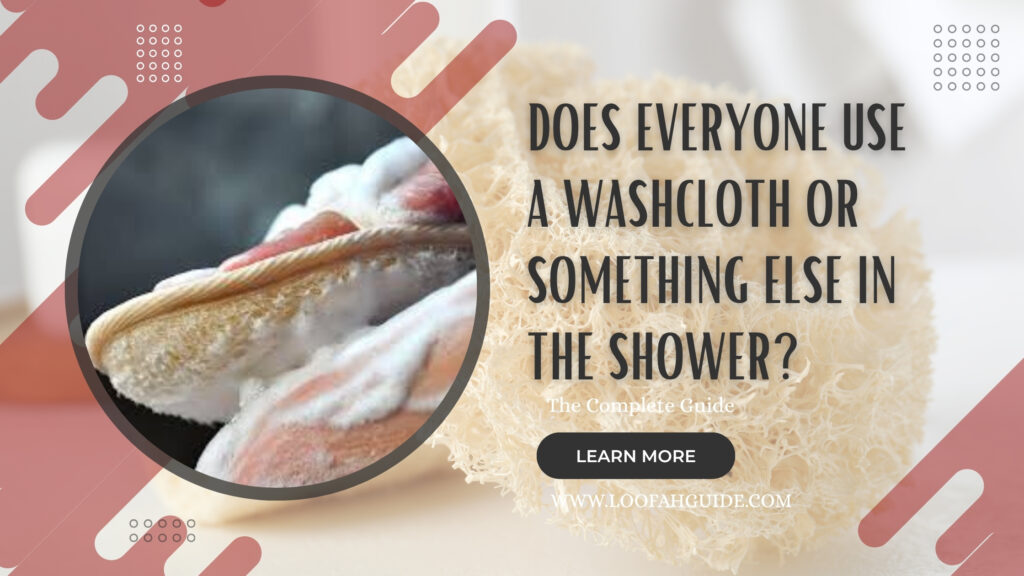
Does everyone use a washcloth or something else in the shower? The short answer is that people use a surprising variety of tools, and the washcloth is less dominant than many people assume. Survey data from multiple hygiene studies conducted between 2020 and 2023 consistently shows that between 25 and 38 percent of adults wash primarily with a washcloth. The remaining majority uses something else entirely, including synthetic sponges, natural loofahs, exfoliating gloves, back brushes, or simply their hands and a bar of soap.
This guide is written for people who want to understand their options fully, not just follow habit. Whether you are rethinking your skin care routine, searching for a more sustainable alternative, or sourcing products for a wellness business, this is the most thorough breakdown available on the topic.
We cover every major shower tool, how they compare by performance and safety, what different cultures use and why, and how the natural loofah from Egypt has emerged as the most complete bathing tool for modern consumers and premium retailers alike.
The Full Spectrum of Shower Tools Used Around the World
The range of things people use to cleanse their bodies in the shower is broader than the marketing aisle at a pharmacy suggests. Understanding what each tool is and who uses it helps explain why the global bathing market has fragmented into so many segments.
Hands and Bar Soap
A significant portion of the global population, particularly in parts of South Asia and sub-Saharan Africa, relies on hands and bar soap without any additional bathing tool. This is effective for basic cleansing but provides zero mechanical exfoliation, which means dead skin cells accumulate faster.
Washcloths and Flannels
In North America, the UK, and parts of continental Europe, the washcloth (called a flannel in British English) has been the traditional bathing tool for generations. It is soft on skin, easy to launder, and versatile. However, its exfoliation capacity is minimal, and studies have shown that a damp washcloth left in the shower between uses can harbor bacteria like Staphylococcus at levels that cause concern when used on broken or sensitive skin.
Synthetic Nylon Puffs
The nylon mesh bath puff became a retail phenomenon in the 1990s and is still one of the top-selling personal care accessories globally. It creates rich lather quickly, is cheap to manufacture, and comes in a wide array of colors and sizes. The critical downside is environmental. Nylon is a petroleum-derived plastic that sheds microplastic fibers during every use and sits in landfills for hundreds of years after disposal.
Exfoliating Gloves and Kessa Mitts
Popular in Middle Eastern and North African hammam traditions, kessa mitts and exfoliating gloves are worn on the hand and used to physically scrub dead skin from the body. They are highly effective for deep exfoliation and have a large following in countries like Morocco, Tunisia, and Turkey, as well as in their diaspora communities in Europe and North America.
Natural Sea Sponges
Sea sponges are genuinely natural products with antibacterial properties inherent in their biology. They are soft, long-lasting, and gentle. The sustainability concern is real, however. Wild-harvested sea sponges are subject to overharvesting pressure in the Mediterranean and Caribbean, and farmed sea sponges remain relatively rare and expensive.
Natural Loofah Sponges
The natural loofah, grown from the Luffa plant family, is the most complete natural bathing tool available. It provides mechanical exfoliation, stimulates circulation, lathers effectively with soap or body wash, is fully biodegradable, and can be grown sustainably at agricultural scale. Egypt is the world’s leading producer of premium natural loofah, and the country’s Nile Delta region has cultivated the plant for export for well over a century.
You can learn more about the range of consumer and wholesale loofah options at LoofahGuide.com or explore the full export-grade product range directly at Egexo’s bath and body loofah category.
Side-by-Side Comparison: Every Major Shower Tool Evaluated
Choosing the best shower tool is easier when you can see the data laid out clearly. The comparison below covers all major bathing tools across the dimensions that matter most to real users.
| Tool | Exfoliation Power | Skin Friendliness | Environmental Impact | Hygiene Maintenance | Longevity | Best Use Case |
|---|---|---|---|---|---|---|
| Washcloth | Low | High | Low impact (reusable) | High (daily washing needed) | 6-12 months | Gentle daily cleansing |
| Hands only | None | Very high | Zero | None required | Unlimited | Basic soap application |
| Synthetic mesh puff | Moderate | Moderate | High (microplastics) | High (bacteria-prone) | 4-8 weeks | Quick lather |
| Exfoliating glove | High | Moderate | Moderate | Moderate | 2-4 months | Full-body exfoliation |
| Natural sea sponge | Low to moderate | Very high | Moderate (sustainability concern) | Low | 12-24 months | Sensitive skin |
| Natural loofah | High | High | Very low (biodegradable) | Low with proper drying | 3-6 months | Exfoliation, circulation, spa use |
| Back brush (natural) | High | Moderate | Low | Moderate | 6-12 months | Back and hard-to-reach areas |
The natural loofah is the only option that scores highly across exfoliation power, skin friendliness, and environmental impact simultaneously. It is the reason that wellness brands, spas, and eco-conscious retailers have increasingly pivoted to loofah as their core personal care product.
What Dermatologists Actually Recommend
Dermatology guidance on bathing tools has evolved considerably over the past decade. The general consensus among skin specialists now leans toward natural, breathable tools that dry quickly and provide moderate to high exfoliation without traumatizing the skin barrier.
Washcloths are flagged for bacterial retention. Synthetic puffs are flagged for both bacterial buildup and environmental harm. Natural loofah, when maintained correctly, receives positive marks for its combination of effectiveness and breathability.
The recommendation is consistent: if you are going to invest in any bathing tool, a quality natural loofah used 3 to 4 times per week with proper care between uses delivers the best results for the broadest range of skin types.
Shower Habits Across Cultures: A Fascinating Global Map
One of the most interesting aspects of the question of whether everyone uses a washcloth or something else in the shower is how dramatically the answer varies by region and culture. Bathing practices are shaped by tradition, climate, religion, economics, and access to products.
The Washcloth Belt: North America and Parts of Europe
The United States has the highest washcloth usage rate among developed nations. This is partly a habit passed across generations and partly a reflection of the dominant retail environment, where washcloths have long been stocked as the default option. In France and Germany, shower culture is slightly different, with body brushes and exfoliating products more common.
The Hammam Tradition: Middle East and North Africa
In Morocco, Egypt, Turkey, Algeria, and surrounding regions, the public bath or hammam is a centuries-old institution. Full-body exfoliation with kessa mitts, black soap, and sometimes loofah is a weekly ritual rather than a daily chore. This tradition values the physical removal of dead skin as a health and wellness practice rather than simply a hygiene requirement.
Egypt’s connection to loofah is particularly deep. The country has grown Luffa for both domestic use and export for over a century, and the Nile Delta’s loofah farms are recognized globally as the source of the highest quality natural loofah available. Egexo’s farm to export process documents this cultivation heritage in detail.
Asia Pacific: Texture and Ritual
In Japan, the tradition of the furo (deep soaking bath) is supplemented by vigorous body scrubbing. The Japanese nylon body towel is widely used for exfoliation, though natural alternatives are gaining market share. In South Korea, the Italy towel (a coarse scrubbing cloth used in jjimjilbang bathhouses) remains iconic, but the global K-beauty movement has brought new attention to gentle, skin-first tools including natural loofah.
In Southeast Asia and India, shower habits vary enormously by urban and rural context, but the general pattern is soap-centric with less emphasis on mechanical exfoliation tools.
Natural Loofah for Skin Health: The Science Behind the Scrub
Understanding why a natural loofah works better than a washcloth for most skin types requires a basic understanding of skin biology. This is useful for consumers and for businesses that need to communicate product benefits to their customers.
How Skin Renews Itself
The outermost layer of skin, the stratum corneum, is made up of dead skin cells that are constantly being shed and replaced. This process takes approximately 28 to 30 days in young adults and slows with age. When dead cells do not shed efficiently, skin can appear dull, pores become congested, and topical products like moisturizers and serums absorb less effectively.
Mechanical exfoliation, which is what a loofah provides, physically lifts and removes these dead cells during the washing process. The interlocking fiber mesh of a natural loofah creates multiple contact surfaces with the skin, making it significantly more effective than the flat surface of a washcloth.
The Circulation Benefit
Using a natural loofah with circular or long sweeping strokes also stimulates blood circulation in the superficial skin layers. Improved microcirculation contributes to a more even skin tone and can support the appearance of firmer skin over time. This is one reason loofah-based body treatments have been a staple of professional spa menus for decades.
For spa owners and wellness businesses looking to incorporate premium natural loofah into their service menu, Egexo’s wholesale loofah shop offers the full range of sizes and grades suited for professional use. You can also request a quotation for bulk spa supply.
Choosing the Right Shower Tool: A Practical Guide by Skin Type and Lifestyle
Not every shower tool works for every person. The right choice depends on your skin type, how often you shower, your environmental priorities, and your budget. The guide below makes it simple to identify the best match.
| Profile | Recommended Tool | Why It Works | Frequency Guidance |
|---|---|---|---|
| Active lifestyle, normal skin | Natural loofah | Strong exfoliation, removes sweat and dead cells | Daily or every other day |
| Dry or eczema-prone skin | Soft washcloth or soft loofah | Gentle, reduces skin barrier disruption | 2-3 times per week |
| Oily skin or acne body | Natural loofah | Unclogs pores, prevents follicular buildup | 3-4 times per week |
| Eco-conscious consumer | Natural loofah | Biodegradable, zero microplastics | As needed |
| Spa professional | Premium Egyptian loofah | Consistent quality, appropriate for client treatment | Per treatment |
| Older adults | Soft loofah or sea sponge | Gentle exfoliation without barrier damage | 2-3 times per week |
| Children | Soft washcloth | Minimal exfoliation for delicate skin | Daily |
For consumers ready to make the switch, the bath and body loofah collection from Egexo offers multiple options suited to different skin needs. For wholesale buyers looking to build a product assortment around these profiles, Egexo’s export team can advise on the best product mix.
How to Properly Use and Care for a Natural Loofah
Getting the most from a natural loofah requires more than just picking one up and scrubbing. Technique and care make a significant difference in both skin results and loofah longevity.
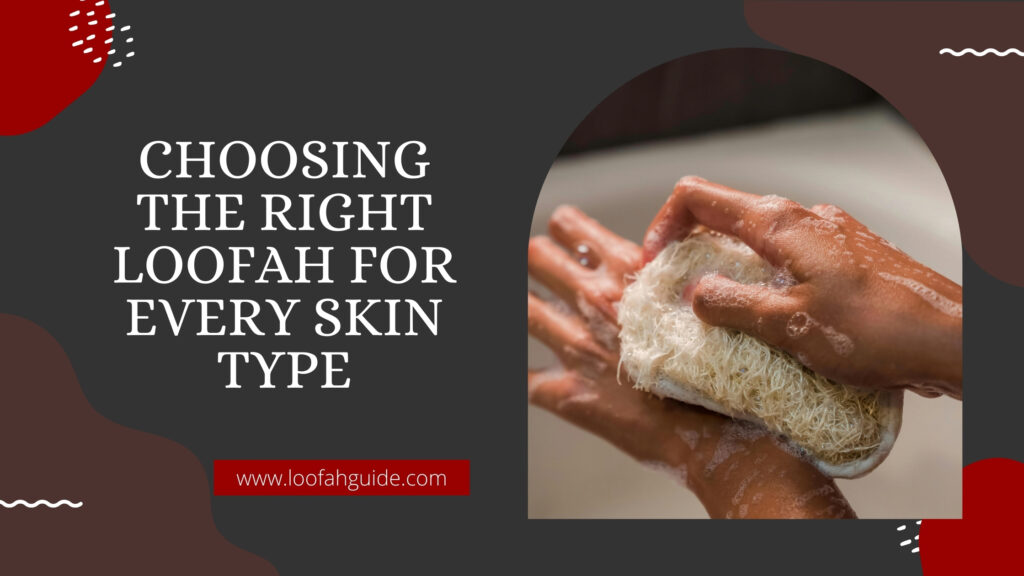
The Right Way to Use a Natural Loofah
- Wet the loofah thoroughly under warm water for 30 seconds before use. This softens the fibers and reduces any initial roughness.
- Apply your preferred body wash, soap, or cleansing bar directly to the loofah.
- Work the loofah in circular motions across the body, starting from the feet and working upward. This direction supports lymphatic drainage.
- Use lighter pressure on delicate areas such as the chest, inner arms, and neck.
- Rinse the loofah thoroughly under running water until the water runs clear.
- Squeeze out excess water completely and hang in a ventilated space to dry.
Loofah Maintenance Schedule
| Task | Frequency | Method |
|---|---|---|
| Thorough rinse and hang dry | After every use | Running water, squeeze dry, hang |
| Deep clean to remove soap buildup | Weekly | Soak in diluted white vinegar for 5-10 minutes |
| Sunlight drying for natural antibacterial effect | Weekly when possible | Lay flat or hang in direct sunlight |
| Check for odor or fiber breakdown | Monthly | Visual and smell inspection |
| Full replacement | Every 3-4 months | Compost the old loofah |
A well-maintained natural loofah is consistently more hygienic than a synthetic mesh puff left damp in a humid bathroom. The fiber structure of natural loofah dries faster and resists bacterial colonization more effectively than synthetic materials when properly maintained.
For Wholesale Buyers: Building a Loofah Product Range That Sells
If you are a retailer, spa operator, wellness brand, or importer, the growing consumer interest in natural shower tools is a direct business opportunity. The key is sourcing product that reflects the quality your customers expect.
What Retail Buyers Are Looking For in Natural Loofah
Consumers shopping for natural loofah in 2026 are more informed than ever. They read labels, check origin, and research sustainability claims. A loofah product that can clearly communicate Egyptian origin, natural processing, and biodegradable credentials commands a premium retail price and earns stronger brand loyalty.
The table below outlines the quality criteria that matter most to retail buyers and how Egexo’s product line addresses each one.
| Buyer Criteria | Why It Matters | Egexo Standard |
|---|---|---|
| Verified Egyptian origin | Associated with premium quality globally | Farm-direct from Nile Delta |
| Consistent sizing | Reduces retail complaints and returns | Graded by diameter and length |
| Natural color, no artificial bleaching | Preferred by eco-conscious consumers | Available in natural and lightly processed grades |
| Biodegradable packaging option | Aligns with sustainability brand values | Available on request |
| Private label capability | Enables brand differentiation | Full private label service available |
| Export documentation | Required for import compliance | Complete export documentation provided |
Egexo’s private label loofah manufacturing service is designed specifically for brands that want to sell premium Egyptian loofah under their own identity. The custom loofah product design team can develop bespoke products from concept to finished export-ready item.
For businesses just starting to explore the loofah market, the product catalog is the best starting point, and sample orders are available to verify quality before any bulk commitment.
FAQ Section
Q1: Does everyone use a washcloth or something else in the shower, and what is most popular globally? A: No, shower tool use varies significantly around the world. Washcloths are most common in North America but represent only 25 to 38 percent of adult shower habits globally. Synthetic mesh puffs, natural loofahs, exfoliating gloves, and back brushes all have significant user bases. Natural loofah is the fastest-growing segment of the personal care tool market, driven by rising demand for sustainable and effective bathing products.
Q2: Why is natural loofah considered better than synthetic bath sponges? A: Natural loofah biodegrades completely and does not shed microplastic fibers like synthetic nylon puffs. It also dries faster than synthetic materials, which reduces bacterial growth between uses. The fiber structure of natural loofah provides more effective mechanical exfoliation per use than nylon mesh, and it is derived from a renewable, agriculturally grown plant source rather than petroleum-based materials.
Q3: What is the difference between standard and premium grade loofah? A: Standard grade loofah typically has a diameter of 8 to 10 cm and moderate fiber density, suitable for general retail. Premium grade loofah has a diameter of 10 to 14 cm, higher fiber density, lower moisture content at the time of export, and is preferred by spas, wellness brands, and high-end retailers. Egexo supplies both grades with full quality documentation.
Q4: How do I know if a loofah supplier is legitimate? A: A legitimate loofah supplier will have direct access to cultivation or verified grower partnerships, documented quality control processes, export certifications, and the ability to provide physical samples before bulk orders. Egexo publishes its quality standards and encourages all prospective buyers to request samples and review export documentation before committing to any order.
Q5: Can natural loofah replace a washcloth completely? A: For most adults, yes. A natural loofah performs every function a washcloth does and adds effective exfoliation, improved circulation, and better hygiene between uses when properly maintained. The only exception is for very young children or individuals with extremely sensitive or compromised skin, who may benefit from the gentler contact of a soft washcloth.
Q6: What is the environmental impact of switching from synthetic puffs to natural loofah? A: The impact is significant. A single synthetic nylon bath puff generates microplastic pollution with every use and takes hundreds of years to decompose in a landfill. A natural loofah is grown from a plant, processed without synthetic materials, and composts fully at end of life. Switching one household from synthetic to natural loofah eliminates several plastic items per year from the waste stream.
Q7: How does Egyptian loofah compare to loofah from other countries? A: Egyptian loofah, particularly from the Nile Delta region, is recognized as the global quality benchmark due to the growing conditions that produce dense, uniform fiber networks. Loofah from other regions often has more variable fiber density and sizing, which creates quality control challenges for retailers. Egexo’s farm-direct supply from Egypt ensures consistency that other origins struggle to match.
Expert Insight from Egexo
The question of what people use in the shower is one that touches on skin health, environmental responsibility, and cultural tradition simultaneously. From our perspective as growers and exporters with more than 25 years in the loofah industry, the most consistent insight we can offer is this: a well-grown, properly processed Egyptian loofah is not a commodity product. It is the result of careful agricultural practice, patient cultivation, and rigorous quality control. Consumers who make the switch from synthetic tools to natural Egyptian loofah consistently report a noticeable difference within the first two weeks. Retailers who stock premium Egyptian loofah see stronger repeat purchase rates than those who stock generic alternatives. Quality that is visible, tangible, and verifiable is what separates a loofah that builds a brand from one that simply fills a shelf.
Conclusion
The diversity of shower tools used around the world tells us one important thing: there is no universal standard, but there is a clear direction of travel. Consumers increasingly want tools that clean effectively, treat their skin well, and leave no lasting harm on the environment. Natural loofah, particularly from Egypt’s proven growing regions, meets all three criteria better than any alternative.
Whether you are a curious consumer reconsidering your morning routine or a business building a product line around today’s wellness values, the evidence points clearly toward natural loofah as the right choice.
Key Takeaways:
- Washcloth use is far from universal, representing 25 to 38 percent of adult shower habits globally
- Natural loofah outperforms every major alternative on exfoliation, hygiene, and environmental sustainability
- Egyptian loofah is the global quality standard and is backed by over a century of cultivation expertise
- Proper use and care extends loofah life to 3 to 6 months per unit
- Wholesale buyers can access farm-direct Egyptian loofah through Egexo with flexible MOQs and full private label options
Ready to experience Egyptian loofah quality?
- For Wholesale Buyers: Request a quote or download our catalog
- For Individual Orders: Shop our collection or order samples