Natural bath products have experienced remarkable growth over the past five years, with loofah bath sets leading the category as consumers increasingly reject plastic alternatives. Research from the Global Wellness Institute indicates that natural exfoliation products now represent a 2.3 billion USD market segment, growing at roughly 11 percent annually. This shift reflects deeper consumer awareness about both personal health and environmental responsibility.
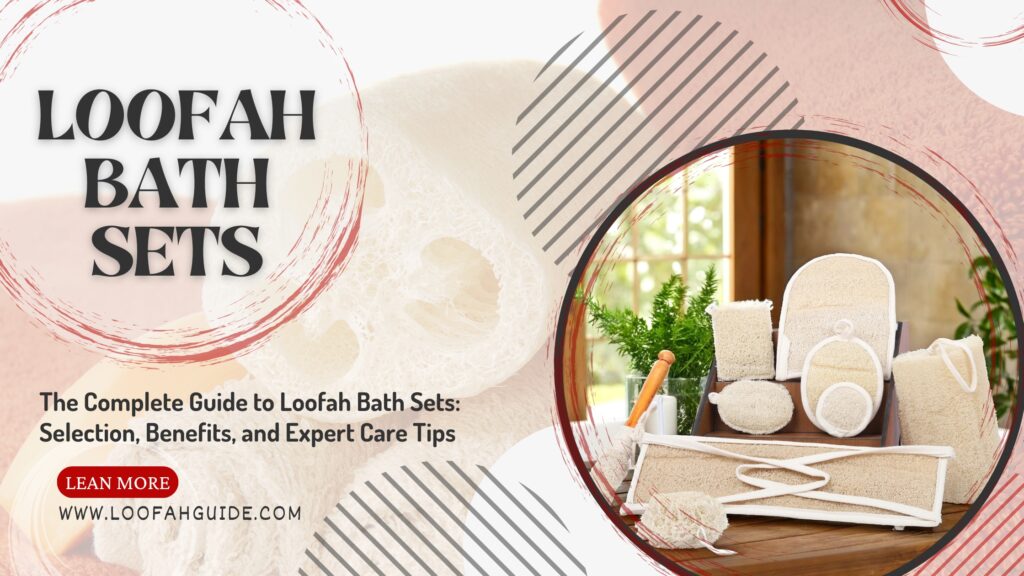
Loofah bath sets bundle multiple natural sponge products into coordinated collections designed for comprehensive body care. These sets typically combine body loofahs, facial pads, back scrubbers, and bath accessories sourced from the Luffa aegyptiaca plant. For gift purchasers seeking thoughtful presents, spa owners building retail programs, or individuals upgrading their personal care routines, understanding what distinguishes exceptional loofah bath sets from mediocre ones makes all the difference.
This guide examines loofah bath sets from every angle that matters. You will discover the genuine skin benefits supported by dermatological research, learn selection criteria that separate premium products from inferior alternatives, and gain practical knowledge for maximizing the lifespan and performance of your loofahs. Whether you plan to purchase a single set for yourself or source hundreds for business purposes, the information here applies directly to your needs.
Understanding What Goes Into Quality Loofah Bath Sets
The term loofah bath set encompasses tremendous variation in quality, composition, and value. Knowing what components to expect and what quality indicators matter helps buyers at every level make informed decisions.
Components Found in Typical Bath Set Collections
Standard loofah bath sets include between two and six individual items, though premium collections sometimes expand further. The core component in any worthwhile set is a body loofah, the primary tool for full-body exfoliation during bathing. Quality body loofahs measure between 15 and 25 centimeters in length, providing adequate surface area for efficient use while remaining manageable in hand.
Beyond the body loofah, sets commonly include supporting items tailored to specific applications. Facial loofah pads offer gentler exfoliation appropriate for delicate facial skin. These smaller pieces, typically five to eight centimeters in diameter, feature softer fiber density than body loofahs. Back scrubbers extend reach for solo bathers, featuring loofah material mounted on handles or straps. Bath mitts encase loofah material in fabric gloves for controlled exfoliation pressure.
Some sets incorporate complementary accessories beyond loofah items themselves. Natural soap dishes, cotton washcloths, wooden handles, and storage bags appear in various combinations. While these additions increase perceived value, the loofah components themselves determine actual set quality. Buyers should evaluate loofah quality first, treating accessories as bonuses rather than primary value drivers.
The composition table below outlines typical set configurations across market segments.
| Set Type | Typical Items Included | Target User | Common Price Range |
|---|---|---|---|
| Basic Starter | Body loofah plus facial pad | New users, budget buyers | 10 to 18 USD |
| Standard | Body loofah, facial pad, back strap | General consumers | 18 to 30 USD |
| Deluxe | Body loofah, facial pad, back scrubber, bath mitt | Gift purchases, enthusiasts | 30 to 50 USD |
| Premium Spa | Full loofah collection plus accessories | Luxury gifts, spa retail | 50 to 85 USD |
| Professional | Multiple body loofahs, specialized items | Spas, retailers | 75 to 150 USD |
The Origin Factor: Why Source Location Matters
Not all loofahs grow equal. Geographic origin significantly influences fiber quality, durability, and overall performance. Egyptian loofah, particularly from Nile Delta cultivation areas, has earned recognition as the global quality standard for substantive reasons rooted in agricultural science.
The Nile Delta provides uniquely favorable growing conditions for Luffa aegyptiaca. Alluvial soil deposits from millennia of river flooding create mineral-rich growing medium that promotes robust plant development. Temperature patterns featuring warm days and cooler nights encourage dense fiber formation within the developing fruit. Centuries of cultivation knowledge passed through Egyptian farming communities have refined harvesting timing and processing techniques to optimize final product quality.
Loofahs from other growing regions including China, India, and Central America can certainly serve basic purposes. However, side-by-side comparison reveals noticeable differences in fiber density, color consistency, and usage durability. Egyptian loofahs typically last 40 to 60 percent longer under equivalent use conditions, making initial price premiums economically justified for most buyers.
For those seeking verified Egyptian loofah products, established suppliers like Egexo offer direct access to Nile Delta cultivation with documented quality standards and traceable sourcing.
The Science Behind Loofah Exfoliation Benefits
Claims about loofah benefits abound in marketing materials, but separating substantiated effects from exaggeration requires examining actual dermatological research and physiological mechanisms.
How Natural Loofah Exfoliation Works
Exfoliation removes dead skin cells from the epidermis surface, accelerating the natural cell turnover process that maintains healthy skin appearance. The human body continuously generates new skin cells in deeper layers while older cells migrate outward and eventually shed. This cycle takes approximately 28 days in young adults, slowing progressively with age to 45 days or longer in older individuals.
Natural loofah fiber creates mechanical exfoliation through physical abrasion at the skin surface. The plant fiber structure features microscopic irregularities that lift and remove dead cells more effectively than smooth surfaces while remaining gentler than harsh synthetic abrasives. Unlike chemical exfoliants that dissolve cellular bonds, mechanical exfoliation through loofah use works purely through physical action, making it suitable for users who prefer or require chemical-free skin care approaches.
The table below compares exfoliation methods across key performance dimensions.
| Exfoliation Method | Mechanism | Intensity Control | Environmental Impact | Best For |
|---|---|---|---|---|
| Natural Loofah | Mechanical friction | High user control | Fully biodegradable | Most skin types, eco-conscious users |
| Synthetic Poufs | Mechanical friction | Moderate control | Plastic waste, microplastic shedding | Budget-focused users |
| Sugar or Salt Scrubs | Physical abrasion plus dissolution | Low control | Generally biodegradable | Occasional deep exfoliation |
| Chemical Exfoliants | Acid dissolution of cellular bonds | Concentration dependent | Varies by formulation | Targeted skin concerns |
| Exfoliating Brushes | Mechanical friction | High control | Handle waste at end of life | Dry brushing techniques |
Documented Skin Benefits from Regular Use
Consistent loofah use produces several measurable benefits supported by dermatological observation. Improved skin texture results from accelerated removal of dulling dead cell accumulation. Many users notice smoother, softer skin within two to three weeks of beginning regular loofah exfoliation.
Enhanced circulation represents another documented benefit. The gentle friction of loofah use stimulates blood flow to skin surfaces, delivering oxygen and nutrients while encouraging lymphatic drainage. This circulatory boost contributes to healthier skin appearance and may help reduce the appearance of cellulite, though dramatic cellulite reduction claims exceed what evidence supports.
Product absorption improves following exfoliation. Moisturizers, serums, and other topical products penetrate more effectively when applied to freshly exfoliated skin lacking dead cell barriers. Users often report needing less product to achieve equivalent results, providing both skin benefits and economic advantages.
Ingrown hair prevention ranks among the most appreciated benefits, particularly for those who shave regularly. Gentle exfoliation prevents dead skin from trapping emerging hairs beneath the surface, reducing painful bumps and skin irritation associated with ingrown hairs.
Skin Type Considerations and Precautions
While loofah benefits apply broadly, individual skin characteristics warrant consideration when selecting and using bath sets. Not every skin type responds identically to exfoliation, and appropriate adjustments ensure positive experiences.
Those with sensitive skin should approach loofah use gradually. Starting with softer loofah textures and light pressure allows skin to adapt without irritation. Reducing frequency to two or three times weekly rather than daily use often suits sensitive individuals. Facial skin generally requires gentler treatment than body skin, making dedicated facial loofahs with softer fiber density appropriate choices.
Certain skin conditions require caution or avoidance of mechanical exfoliation entirely. Active acne, rosacea flares, eczema outbreaks, sunburned skin, and open wounds contraindicate loofah use until healing occurs. Individuals with diagnosed skin conditions should consult dermatologists before establishing exfoliation routines.
The suitability reference below helps users match their skin characteristics to appropriate loofah choices and usage patterns.
| Skin Type | Recommended Loofah Texture | Suggested Frequency | Pressure Level | Special Considerations |
|---|---|---|---|---|
| Normal | Medium density | Daily or every other day | Moderate | Standard care applies |
| Oily | Medium to firm density | Daily | Moderate to firm | Focus on congested areas |
| Dry | Soft to medium density | Two to three times weekly | Light to moderate | Moisturize immediately after |
| Sensitive | Soft density only | Two times weekly maximum | Very light | Discontinue if irritation occurs |
| Combination | Medium density | Every other day | Vary by zone | Adjust pressure by area |
| Mature | Soft to medium density | Two to three times weekly | Light | Support with hydrating products |
Selecting the Right Loofah Bath Set for Your Needs
Choosing among available loofah bath sets requires matching product characteristics to intended use cases. Different situations call for different approaches to selection.
Quality Indicators Every Buyer Should Check
Visual and tactile inspection reveals substantial information about loofah quality before purchase. Color provides immediate indication of processing quality and fiber condition. Premium Egyptian loofah displays uniform golden to light tan coloring throughout. Dark spots, excessive brown patches, or greenish tinges suggest inadequate processing, mold exposure, or inferior source material.
Fiber density distinguishes durable loofahs from those that will deteriorate quickly. Quality loofahs feel substantial when squeezed, with noticeable resistance from tightly packed natural fibers. Overly soft, spongy loofahs lacking structure typically come from immature harvests or poor growing conditions and will compress permanently with minimal use.
Structural integrity matters for long-term satisfaction. Quality loofahs maintain their shape when handled without sections separating or fibers pulling loose easily. Seams, stitching, or construction on assembled products like back scrubbers should appear secure and even.
Size consistency within sets indicates professional sourcing and assembly. Reputable suppliers grade and match loofahs for sets rather than randomly combining mismatched pieces. This attention to presentation reflects broader quality commitment.
The quality assessment checklist below provides systematic evaluation criteria.
| Quality Factor | Positive Indicators | Warning Signs | Importance Level |
|---|---|---|---|
| Color | Uniform golden tan | Dark spots, green tinges, excessive browning | High |
| Fiber Density | Firm, resistant to compression | Overly soft, spongy, hollow feeling | High |
| Structural Integrity | Shape retention, secure construction | Fibers separating, loose sections | High |
| Aroma | Neutral or faintly earthy | Musty, moldy, chemical odors | Medium |
| Size Consistency | Matched pieces within set | Random size variation | Medium |
| Packaging Quality | Protective, informative, appropriate | Damaged, unclear origin information | Low to Medium |
Purchasing Considerations for Different Buyer Types
Individual consumers selecting bath sets for personal use should prioritize items they will actually utilize over impressive looking collections with pieces destined for drawer storage. A well-chosen two-piece set serves better than an elaborate five-piece collection gathering dust. Consider bathroom storage constraints and drying space availability when evaluating set compositions.
Gift purchasers face different calculations. Presentation value matters alongside practical utility for gift applications. Mid-range and deluxe sets with attractive packaging communicate thoughtfulness more effectively than basic sets, even when the recipient would be equally satisfied with simpler options. Consider recipient skin sensitivity if known, defaulting toward softer options when uncertain.
Business buyers evaluating inventory investments need different assessment criteria. Product margins, supplier reliability, minimum order requirements, and reorder consistency matter alongside individual product quality. Established suppliers like Egexo provide wholesale resources and bulk quotation processes designed for commercial purchasing needs. Testing products through sample orders before committing to larger quantities reduces business risk.
Caring for Loofah Bath Sets to Maximize Lifespan
Proper maintenance dramatically extends loofah useful life while ensuring hygienic conditions. The difference between four-week and eight-week loofah lifespan often comes down to care practices rather than initial product quality.
Daily Care Routine for Optimal Results
Every loofah use should conclude with thorough rinsing. Hot water works best for removing soap residue, dead skin cells, and body oils that accumulate during bathing. Squeezing the loofah multiple times while rinsing ensures interior fibers receive cleaning attention, not just surface areas.
Complete drying between uses prevents the bacterial growth that shortens loofah life and creates hygiene concerns. Natural fibers retain moisture that can support microbial populations if not allowed to dry. Hanging loofahs in well-ventilated areas away from direct shower spray allows air circulation that promotes drying. Avoid leaving wet loofahs sitting in soap dishes, tub corners, or enclosed shower caddies where moisture lingers.
Bathroom environment influences drying effectiveness. Exhaust fans running during and after bathing reduce ambient humidity that slows drying. Rooms with windows benefit from occasional opening to promote air exchange. Those in consistently humid environments may need to move loofahs outside the bathroom for drying.
Weekly Deep Cleaning Procedures
Beyond daily rinsing, weekly sanitization maintains hygienic conditions and prevents buildup that degrades loofah performance. Several effective methods suit different preferences and resources.
Vinegar soaking provides natural sanitization without harsh chemicals. Submerging loofahs in a solution of one part white vinegar to four parts water for five minutes kills most bacteria while dissolving mineral and soap accumulation. Thorough rinsing after soaking removes vinegar odor that would otherwise persist.
Microwave sanitization offers quick alternative treatment for loofahs without metal components. Wetting the loofah thoroughly and microwaving for 30 to 60 seconds generates steam that sanitizes effectively. Caution is required as loofahs become quite hot during this process.
Dilute bleach solutions provide thorough sanitization when other methods seem insufficient. One tablespoon of bleach per gallon of water creates effective sanitizing concentration. Soaking for five minutes followed by extensive rinsing removes bleach residue. This method works well but may slightly accelerate fiber breakdown with repeated use.
Sun drying serves both sanitization and maintenance purposes. Direct sunlight naturally sanitizes through UV exposure while thoroughly drying fibers. Weekly sun exposure for several hours maintains loofah condition effectively when weather permits.
The maintenance schedule below outlines recommended care frequencies.
| Maintenance Task | Frequency | Method | Time Required | Purpose |
|---|---|---|---|---|
| Thorough Rinse | After every use | Hot water squeeze and repeat | 1 to 2 minutes | Remove residue and cells |
| Complete Drying | After every use | Hang in ventilated area | Ongoing | Prevent bacterial growth |
| Deep Sanitization | Weekly | Vinegar soak or microwave | 5 to 10 minutes | Kill bacteria, remove buildup |
| Sun Drying | Weekly when possible | Direct sunlight exposure | 2 to 4 hours | Natural sanitization |
| Condition Assessment | Weekly | Visual and tactile inspection | 1 minute | Identify replacement timing |
Recognizing When Replacement Becomes Necessary
Even well-maintained loofahs eventually require replacement. Continuing use beyond appropriate lifespan reduces effectiveness and introduces hygiene concerns that negate loofah benefits.
Several indicators signal replacement time. Persistent odor despite sanitization suggests embedded bacterial colonies that cleaning cannot reach. Loss of structural firmness means fibers have broken down and exfoliation effectiveness has diminished. Visible deterioration including holes, thinning areas, or separating sections indicates material failure. Discoloration that cleaning cannot remove reflects accumulated contamination requiring fresh product replacement.
General replacement guidelines suggest four to eight weeks depending on use frequency and care quality. Heavy daily use with excellent maintenance typically reaches six to eight weeks. Lighter use with moderate care commonly achieves four to six weeks. Regardless of appearance, replacing loofahs at least every two months ensures consistent hygiene even when visible deterioration has not yet occurred.
Natural loofahs biodegrade effectively, making disposal environmentally responsible. Cutting used loofahs into pieces accelerates decomposition in compost systems. Garden applications as biodegradable pot scrubbers or plant ties extend useful life before final composting.
Environmental Advantages of Natural Loofah Products
Sustainability concerns increasingly influence consumer purchasing decisions, and natural loofah bath sets offer genuine environmental advantages over synthetic alternatives worth understanding.
The Plastic Problem with Synthetic Bath Products
Conventional plastic shower poufs and synthetic scrubbers create multiple environmental concerns throughout their lifecycle. Manufacturing requires petroleum-based materials and industrial processing with associated carbon footprints. During use, synthetic materials shed microplastic particles with every bath, sending plastic fragments into wastewater systems that treatment plants cannot fully capture. These microplastics accumulate in aquatic ecosystems with documented harm to marine life.
End of life disposal compounds problems. Synthetic bath products cannot decompose naturally, persisting in landfills for centuries or breaking into progressively smaller plastic fragments that spread through ecosystems. The typical synthetic shower pouf requires replacement every four to six weeks, generating continuous plastic waste streams from regular users.
Natural Loofah Lifecycle Benefits
Natural loofah products contrast sharply with synthetic alternatives across environmental metrics. Cultivation involves growing plants that actually capture carbon during their growth cycle. Traditional Egyptian loofah farming uses minimal chemical inputs, relying on crop rotation and natural pest management rather than intensive agrochemical applications.
Processing converts harvested loofah gourds into finished products through mechanical and water-based methods rather than chemical-intensive manufacturing. The farm to export process documentation from established suppliers details these natural processing approaches.
During use, natural loofahs shed only biodegradable plant fibers rather than persistent microplastics. Any particles entering wastewater systems decompose naturally without ecosystem accumulation. Users can feel confident their bathing routines are not contributing to plastic pollution problems.
Disposal completes the sustainable cycle. Spent loofahs decompose completely in compost systems within months, returning organic matter to soil rather than persisting as waste. This cradle-to-cradle lifecycle makes natural loofah bath sets genuinely sustainable alternatives to plastic bath products.
The environmental comparison below summarizes key differences.
| Environmental Factor | Natural Loofah | Synthetic Pouf | Impact Significance |
|---|---|---|---|
| Raw Material Source | Renewable plant cultivation | Petroleum extraction | High |
| Manufacturing Impact | Low energy, minimal chemicals | Industrial processing, chemical inputs | Medium |
| Use Phase Pollution | Biodegradable fiber shedding | Microplastic release | High |
| Product Lifespan | 4 to 8 weeks | 4 to 6 weeks | Low |
| End of Life | Complete biodegradation | Centuries of landfill persistence | High |
| Carbon Footprint | Carbon neutral to negative | Positive carbon emissions | Medium |
Building a Complete Natural Bath Care Routine
Loofah bath sets work best as part of thoughtful overall bath care routines rather than isolated product use. Understanding how loofahs integrate with other products and practices maximizes their benefits.
Incorporating Loofahs into Daily Bathing
Optimal loofah use timing within bathing routines affects results. Beginning with several minutes of warm water exposure softens both skin and loofah fibers, preparing surfaces for effective exfoliation. Attempting to use dry loofahs on dry skin produces harsh abrasion without corresponding benefit.
Apply cleanser directly to the wet loofah rather than skin for most effective use. The loofah texture helps generate lather while distributing product evenly. Work in gentle circular motions, adjusting pressure based on skin sensitivity and body area. Elbows, knees, and feet tolerate firmer pressure, while chest, stomach, and inner arm areas benefit from lighter touch.
Rinsing skin thoroughly after loofah exfoliation removes all cleanser and loosened dead cells. Following immediately with moisturizer application takes advantage of freshly exfoliated skin receptivity, allowing better product penetration and hydration effectiveness.
Complementary Products That Enhance Results
Certain products pair particularly well with loofah exfoliation routines. Natural soaps and body washes formulated without harsh sulfates complement the gentle mechanical action of loofah use. Heavily fragranced or chemical-laden products may cause irritation on freshly exfoliated skin that would not occur otherwise.
Post-exfoliation moisturizers make significant difference in overall results. Hydrating body lotions or natural oils applied to slightly damp skin after exfoliation lock in moisture effectively. Those with dry skin particularly benefit from this practice, as exfoliation without follow-up hydration can actually worsen dryness.
Body brushes complement rather than compete with loofah use when applied appropriately. Dry brushing before bathing provides lymphatic stimulation benefits, while wet loofah use during bathing handles actual skin exfoliation. The combination addresses both circulation and surface skin renewal.
Frequently Asked Questions About Loofah Bath Sets
Q: How often should I replace the loofahs in my bath set?
A: Individual loofahs in bath sets typically require replacement every four to eight weeks depending on use frequency and care quality. Body loofahs used daily with proper maintenance last six to eight weeks. Facial loofahs seeing lighter use may extend slightly longer. Regardless of visible condition, replacement every two months maximum ensures hygiene. Watch for persistent odor, softening, or visible deterioration as signals to replace sooner.
Q: What makes Egyptian loofah different from loofahs grown elsewhere?
A: Egyptian loofah from the Nile Delta region benefits from ideal growing conditions that produce superior fiber density and durability. Nutrient-rich alluvial soil, optimal temperature variations between day and night, and centuries of cultivation expertise combine to create loofahs that outlast alternatives by 40 to 60 percent under equivalent use. The characteristic golden color and firm texture of quality Egyptian loofah distinguish it from softer, less durable alternatives grown in other regions.
Q: Are loofah bath sets safe for sensitive skin?
A: Loofah bath sets can work well for sensitive skin with appropriate product selection and usage adjustments. Choose sets featuring softer fiber density rather than firm exfoliating textures. Limit use frequency to two times weekly maximum and employ very light pressure. Always test on small skin areas before full body application. If irritation occurs, discontinue use and consider even gentler alternatives. Those with diagnosed skin conditions should consult dermatologists before beginning loofah exfoliation routines.
Q: Can natural loofahs develop mold or bacteria?
A: Natural loofahs can support bacterial growth and potentially mold if not properly maintained, which is why correct care practices matter significantly. Thorough rinsing after each use, complete drying between uses, and weekly sanitization prevent problematic microbial growth. Storing loofahs in well-ventilated areas rather than enclosed wet spaces reduces risk substantially. Replacing loofahs within recommended timeframes prevents issues even when visible problems have not appeared.
Q: How do I know if a loofah bath set is good quality before buying?
A: Quality loofah bath sets display several identifiable characteristics. Look for uniform golden to light tan coloring without dark spots or greenish tinges. Feel for firm fiber density that resists compression rather than overly soft, spongy texture. Check that loofah pieces within sets are size-matched rather than randomly combined. Smell for neutral or faintly earthy aroma rather than musty or chemical odors. Reputable suppliers provide origin information and quality certifications that support purchase confidence.
Q: What is the most hygienic way to store loofah bath sets?
A: Optimal loofah storage promotes complete drying between uses while keeping products accessible. Hanging hooks in ventilated bathroom areas work well, positioning loofahs away from direct shower spray that would keep them wet. Avoid enclosed caddies, soap dishes, or container storage where moisture accumulates. In very humid bathrooms, consider storing loofahs outside the bathroom entirely, bringing them in only for bathing. Regular sanitization supplements proper storage in maintaining hygienic conditions.
Q: Do loofah bath sets make good gifts?
A: Loofah bath sets make excellent gifts combining practical utility with thoughtful presentation. Unlike many gift items that go unused, bath loofahs provide genuine daily value that recipients appreciate. The natural, eco-friendly nature appeals to environmentally conscious recipients. Mid-range to deluxe sets with attractive packaging communicate gift-giving thoughtfulness effectively. Consider recipient skin sensitivity when selecting, defaulting toward softer options when uncertain about preferences.
Expert Insight from Egexo
With over 25 years cultivating and exporting Egyptian loofah, we have observed that consumer satisfaction correlates directly with realistic expectations and proper product education. Many disappointments stem not from product deficiencies but from misunderstandings about appropriate use and care.
Natural loofah requires an adjustment period for users accustomed to synthetic alternatives. The firmer texture may initially seem harsh, but this density is precisely what enables effective exfoliation and extended product life. We recommend new users begin with lighter pressure than seems necessary, gradually increasing as skin adapts over one to two weeks. This approach prevents the irritation that sometimes leads users to abandon natural loofahs prematurely.
Equally important is understanding that loofah products are consumables with finite lifespans by design. The biodegradability that makes natural loofahs environmentally responsible also means they will not last forever. Viewing regular replacement as feature rather than flaw aligns expectations with reality and ensures consistently positive experiences with these remarkable natural products.
Conclusion
Loofah bath sets represent one of the most practical intersections of personal care effectiveness, environmental responsibility, and gift-giving thoughtfulness available today. Understanding what distinguishes quality products, how to use them properly, and how to maintain them effectively transforms these simple plant-based tools into valuable additions to daily routines.
The benefits of natural loofah exfoliation are well-established through both scientific research and generations of practical use. Improved skin texture, enhanced circulation, better product absorption, and ingrown hair prevention provide tangible value that users experience directly. Environmental advantages over plastic alternatives add meaningful significance for eco-conscious consumers.
Selecting quality loofah bath sets requires attention to origin, construction, and intended use case. Egyptian loofah from the Nile Delta sets the global quality standard for substantive reasons rooted in growing conditions and cultivation expertise. Proper care extending from daily rinsing through weekly sanitization maximizes the return on quality product investments.
Key Takeaways:
- Quality loofah bath sets provide four to eight weeks of use per item with proper care
- Egyptian loofah offers measurably superior fiber density and durability compared to alternatives
- Daily rinsing and complete drying prevent bacterial growth that shortens product life
- Natural loofahs eliminate microplastic pollution concerns associated with synthetic bath products
- Skin type and sensitivity should guide both product selection and usage patterns
Ready to experience the difference quality Egyptian loofah makes?
For Individual Purchases: Shop premium loofah collections or explore the complete bath and body loofah selection to find sets matching your needs.
For Business Inquiries: Request wholesale pricing or order samples to evaluate product quality for your retail or spa business.
For Additional Information: Visit Wholesale Loofah for business resources or explore more guides on natural loofah products throughout our site.