The Rise of Sustainable Travel Hygiene: Why Natural Loofahs Belong in Every Travel Kit
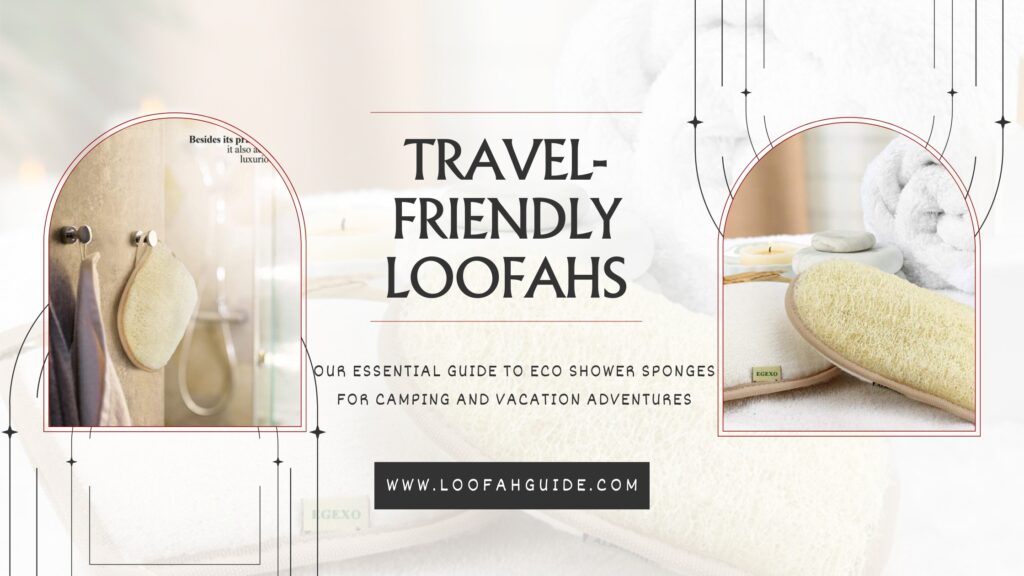
Recent surveys reveal that 78 percent of travelers actively seek ways to reduce plastic waste during their journeys, yet most struggle to find reliable alternatives for basic hygiene products. Travel-friendly loofahs solve this challenge by offering lightweight, biodegradable, and highly effective bathing solutions that perform excellently from beachside showers to backcountry streams. These natural plant fibers have accompanied travelers for centuries, and modern cultivation techniques now produce versions specifically optimized for portable use.
The distinction between an ordinary loofah and a genuinely travel-friendly loofah lies in specific physical properties that affect performance under variable conditions. Fiber density, moisture release rate, structural resilience, and antimicrobial characteristics all determine whether a natural sponge will thrive or fail during extended travel. Egyptian-grown loofahs consistently demonstrate superior performance across these metrics, earning recognition as the gold standard among discerning travelers and specialty retailers worldwide.
This guide provides comprehensive information for individual consumers preparing their sustainable travel kits and for business buyers evaluating natural loofah products for their inventory. Understanding the science behind loofah performance, proper selection criteria, and maintenance protocols ensures optimal results regardless of your destination or purchasing volume.
Egexo, with more than 25 years dedicated to Egyptian loofah cultivation, supplies both individual consumers and wholesale buyers seeking authentic quality. Explore the complete range of body and bath loofahs or learn about wholesale partnership opportunities for your business.
Understanding Loofah Anatomy: What Makes Some Sponges Better for Travel
Before selecting a travel-friendly loofah, understanding the internal structure of these remarkable plants helps explain performance differences between products and origins.
The Science of Loofah Fiber Networks
Loofah sponges develop from the mature fruit of the Luffa aegyptiaca plant, a climbing vine in the cucumber family. As the fruit matures and dries on the vine, the flesh breaks down leaving behind an intricate network of cellulose fibers. These fibers form interconnected chambers that trap air when dry and hold water when saturated.
The spacing between fibers determines both exfoliation intensity and drying speed. Tightly packed fibers found in premium Egyptian specimens create smaller air pockets that release moisture quickly through capillary action. Loosely structured fibers from inferior growing conditions retain water longer, creating conditions favorable to bacterial growth during travel.
Regional Growing Differences
Geography significantly impacts loofah quality for travel applications. Consider these regional characteristics:
| Growing Region | Fiber Density Rating | Typical Drying Time | Travel Suitability | Market Availability |
|---|---|---|---|---|
| Egypt Nile Delta | 9 out of 10 | 4 to 5 hours | Excellent | Premium suppliers |
| China Eastern Provinces | 6 out of 10 | 7 to 9 hours | Moderate | Mass market |
| India Gujarat Region | 5 out of 10 | 8 to 10 hours | Fair | Budget segment |
| Vietnam Central Highlands | 7 out of 10 | 6 to 8 hours | Good | Limited export |
| Mexico Sinaloa State | 6 out of 10 | 7 to 8 hours | Moderate | Regional markets |
| United States Florida | 7 out of 10 | 6 to 7 hours | Good | Specialty retailers |
Egyptian loofahs achieve superior fiber density through a combination of mineral-rich Nile alluvial soil, controlled irrigation practices, and extended vine maturation periods. Growers in the Nile Delta allow fruits to remain on vines 15 to 20 days longer than commercial operations elsewhere, permitting maximum fiber development before harvest.
Discover how traditional cultivation methods produce exceptional quality through the detailed farm to export process documentation.
Choosing Your Perfect Travel Loofah: A Decision Framework
Selecting the right travel-friendly loofah involves matching product characteristics to your specific travel style, skin type, and practical requirements.
Travel Style Assessment
Your typical travel patterns should guide loofah selection. Answer these questions to identify your ideal product profile:
Question 1: What is your primary travel accommodation type?
Travelers staying in hotels and resorts can prioritize comfort and exfoliation quality over extreme portability. Those frequenting hostels, campgrounds, or wilderness areas need maximum quick-drying capability and compact dimensions.
Question 2: How long are your typical trips?
Weekend travelers can manage with smaller, lighter loofahs even if durability is moderate. Extended travelers spending weeks or months on the road require robust construction that withstands hundreds of use cycles.
Question 3: What climate zones do you typically visit?
Humid tropical destinations demand loofahs with exceptional moisture release to prevent mildew between uses. Arid climates allow more flexibility in product selection since environmental drying assistance is abundant.
Size Selection Guide
| Travel Loofah Size | Dimensions | Best Applications | Recommended Users |
|---|---|---|---|
| Ultra Compact | 6 to 8 cm length | Ultralight backpacking, minimalist travel | Weight-conscious adventurers |
| Standard Travel | 9 to 12 cm length | General camping, hostel travel, road trips | Most travelers |
| Comfort Travel | 13 to 16 cm length | Resort vacations, RV living, extended stays | Comfort-focused travelers |
| Full Size Portable | 17 to 20 cm length | Van life, cruise travel, vacation homes | Those prioritizing experience over space |
Most travelers find the standard travel size between 9 and 12 centimeters offers the optimal balance of portability and usability. This size fits easily in standard toiletry bags while providing sufficient surface area for effective full-body cleansing.
Browse size options in the complete Egexo shop collection featuring travel-optimized cuts across all dimensions.
The Complete Traveler Care System: Maintaining Your Loofah on the Road
Proper maintenance determines whether your travel-friendly loofah remains hygienic and effective throughout your journey or becomes a breeding ground for unwanted microorganisms.
Pre-Trip Preparation Protocol
Before departing on any trip, prepare your loofah using this process:
Step 1: Deep Sanitization
Soak your loofah in a solution of one part white vinegar to four parts hot water for 30 minutes. This eliminates any dormant bacteria and removes residual skin cells from previous use.
Step 2: Complete Drying
After sanitization, squeeze thoroughly and place in direct sunlight or well-ventilated area for 24 hours minimum. The loofah should feel completely dry and lightweight before packing.
Step 3: Proper Packing
Store in a breathable mesh bag or cotton pouch. Never seal in plastic bags or waterproof containers, even when fully dry. Include a small packet of silica gel if traveling to humid climates.
Daily Travel Maintenance Routine
| Time | Action | Purpose | Duration |
|---|---|---|---|
| After morning use | Rinse thoroughly, squeeze three times | Remove soap and debris | 30 seconds |
| Mid-morning | Hang in ventilated area | Begin drying process | Ongoing |
| Before afternoon activities | Check moisture level | Assess drying progress | 10 seconds |
| Evening | Relocate if still damp | Optimize air exposure | As needed |
| Before bed | Confirm dry state | Prevent overnight moisture buildup | 10 seconds |
| Weekly | Deep clean with vinegar solution | Eliminate bacterial buildup | 20 minutes |
Emergency Field Care Techniques
Travel sometimes presents unexpected challenges requiring improvised loofah care:
Situation: No Clean Water Available
Shake loofah vigorously 50 times to mechanically dislodge debris. Expose to direct sunlight for natural UV sanitization. Resume normal cleaning at first opportunity.
Situation: Loofah Accidentally Sealed Wet
Immediately remove from sealed container. Smell for musty odors indicating mold development. If odor-free, proceed with emergency sun-drying. If musty smell present, consider replacement at next opportunity.
Situation: Dropped in Questionable Water Source
Retrieve immediately and squeeze out contaminated water. Sanitize with hand sanitizer if available, rubbing throughout fiber network. Allow complete drying before next use. Perform deep vinegar cleaning within 24 hours.
For comprehensive care instructions covering all scenarios, visit the detailed maintenance guides at Loofah Guide.
Travel Loofah Applications Across Adventure Types
Different travel experiences create unique demands on your bathing equipment. Understanding these distinctions helps travelers and retailers alike match products to purposes.
Wilderness Backpacking
Backpackers carrying everything on their backs value every gram saved. Travel-friendly loofahs weighing 25 to 35 grams add negligible pack weight while dramatically improving trail hygiene compared to alternatives like bandanas or bare hands.
The natural antibacterial properties of dried loofah fibers make them safer for wilderness use than synthetic sponges that harbor bacteria more readily. When following Leave No Trace principles requiring bathing at least 200 feet from water sources, a small loofah paired with biodegradable soap enables thorough cleaning with minimal water usage.
Key wilderness loofah considerations include:
- Select smallest effective size to minimize pack volume
- Choose densest available fibers for fastest drying between stream access
- Attach hanging loop for external pack drying during hiking
- Replace more frequently due to demanding use conditions
Beach and Coastal Destinations
Coastal travel presents unique challenges including salt water exposure, sand infiltration, and high humidity environments. Quality Egyptian loofahs resist these stressors better than alternatives, though proper care remains essential.
Salt water degrades loofah fibers approximately 40 percent faster than fresh water. Always rinse thoroughly with fresh water after any salt exposure, even if you did not intentionally use the loofah in ocean water. Salt spray and beach shower water often contain sufficient salt to accelerate wear.
The natural exfoliating texture proves particularly valuable for removing stubborn sunscreen residue and embedded sand particles that resist ordinary washing. Many beach travelers report cleaner-feeling skin with natural loofahs compared to synthetic alternatives at coastal destinations.
International Urban Travel
City travelers moving between hotels, hostels, and rental accommodations benefit from consistent personal hygiene tools regardless of what accommodations provide. Quality varies dramatically between properties, and shared bathroom environments in hostels create hygiene concerns that personal loofahs address.
Compact travel loofahs fit easily in day bags for gym visits, spa appointments, or public bathhouses common in many cultures. The discretion of a small natural sponge versus bulky synthetic alternatives makes personal hygiene maintenance more practical during urban exploration.
Learn about premium options for discerning travelers through Wholesale Loofah resources connecting consumers with quality suppliers.
Business Perspectives: Sourcing Travel Loofahs for Retail Success
Retailers, distributors, and hospitality operators increasingly recognize travel-friendly loofahs as profitable inventory additions serving growing consumer demand for sustainable travel products.
Market Opportunity Analysis
The sustainable travel accessories market demonstrates consistent growth trajectories:
| Market Metric | 2022 Value | 2024 Value | Projected 2026 | Growth Rate |
|---|---|---|---|---|
| Global Eco-Tourism Market | 172 billion USD | 192 billion USD | 225 billion USD | 12 percent annually |
| Sustainable Toiletries Segment | 4.2 billion USD | 5.1 billion USD | 6.4 billion USD | 15 percent annually |
| Natural Bath Products Category | 890 million USD | 1.1 billion USD | 1.4 billion USD | 17 percent annually |
| Travel-Size Natural Loofahs | 45 million USD | 62 million USD | 85 million USD | 22 percent annually |
Travel-friendly loofahs represent one of the fastest-growing subcategories within sustainable toiletries, driven by increasing consumer awareness and expanding retail distribution channels.
Wholesale Buyer Evaluation Criteria
Retailers evaluating loofah suppliers should assess these quality indicators:
| Evaluation Factor | Quality Indicators | Warning Signs |
|---|---|---|
| Fiber Consistency | Uniform density across batch | High variation between units |
| Color Standards | Consistent cream to light tan | Dark spots, yellowing, or grey tones |
| Moisture Content | Below 8 percent at delivery | Feels damp, heavy, or musty |
| Packaging Quality | Breathable materials, protective design | Sealed plastic, damaged packaging |
| Documentation | Origin certificates, quality reports | Vague sourcing, no documentation |
| Sample Availability | Free or low-cost samples offered | Reluctance to provide samples |
| MOQ Flexibility | Reasonable minimums for testing | Excessive minimum requirements |
| Communication | Responsive, knowledgeable team | Slow responses, limited expertise |
Egexo provides comprehensive quality standards documentation and welcomes sample requests through their sample ordering system for evaluation before commitment.
Private Label Opportunities
Many successful retailers differentiate their travel loofah offerings through private label branding. Custom packaging, branded hang tags, and exclusive sizing options create unique products that resist direct price comparison with competitors.
Private label minimums typically start around 500 units for basic customization including branded packaging and hang tags. More extensive customization involving unique cuts, special processing, or custom displays generally requires 1000 or more units.
Explore private label manufacturing options and custom product design services for branded travel loofah development.
Comparing Travel Loofah Options: Natural Versus Synthetic Analysis
Travelers and buyers frequently compare natural loofahs against synthetic alternatives. This objective analysis examines performance, environmental impact, and value considerations.
Performance Comparison Matrix
| Performance Factor | Natural Egyptian Loofah | Synthetic Mesh Pouf | Silicone Scrubber |
|---|---|---|---|
| Exfoliation Effectiveness | Excellent natural texture | Moderate, inconsistent | Minimal exfoliation |
| Lather Production | Good with proper technique | Excellent foam creation | Poor lather retention |
| Drying Speed | 4 to 6 hours | 12 to 18 hours | 1 to 2 hours |
| Bacteria Resistance | Good when dried properly | Poor, harbors bacteria | Excellent resistance |
| Durability | 3 to 4 months typical | 4 to 8 weeks typical | 12 plus months typical |
| Weight | 30 to 50 grams | 40 to 60 grams | 80 to 120 grams |
| Pack Compression | Excellent, 40 percent reduction | Moderate compression | No compression |
| Environmental Impact | 100 percent biodegradable | Creates microplastics | Non-biodegradable |
| Cost Per Month Use | 2 to 3 USD | 1 to 2 USD | 1 USD or less |
Environmental Impact Deep Dive
Environmental considerations increasingly drive purchasing decisions for conscious consumers:
Microplastic Pollution
Synthetic mesh poufs shed approximately 1.5 million microplastic fibers over their lifespan. These particles enter water treatment systems that cannot filter them effectively, ultimately reaching oceans and entering food chains. Natural loofahs produce zero microplastic pollution.
End of Life Disposal
Natural Egyptian loofahs compost completely within 30 to 60 days in active compost systems or 6 to 12 months in passive decomposition. Synthetic alternatives persist for 200 to 500 years in landfill conditions, and incineration releases harmful compounds.
Production Footprint
Loofah cultivation absorbs atmospheric carbon dioxide during plant growth, making it potentially carbon-negative when sustainable farming practices are employed. Synthetic sponge production requires petroleum extraction, chemical processing, and energy-intensive manufacturing contributing significant carbon emissions.
Review complete sustainability information through the Why Choose Egexo resource page.
Building Your Travel Hygiene Kit: Complete Assembly Guide
Creating an effective sustainable travel hygiene kit extends beyond loofah selection to include complementary products and organizational systems.
Essential Kit Components
Primary Items:
- Travel-friendly loofah in appropriate size for trip type
- Biodegradable soap bar or concentrated liquid soap
- Mesh drying bag with hanging attachment
- Small quick-dry towel or chamois
Supporting Items:
- Silica gel packets for humidity control
- Spare loofah for extended trips over 30 days
- Small vinegar bottle for weekly sanitization
- Waterproof container for soap storage only
Organization and Packing Strategy
Pack travel hygiene items in a dedicated breathable pouch separate from other toiletries. This prevents cross-contamination with products that could transfer odors or residues to your loofah. Position within luggage to avoid crushing while ensuring air circulation.
For air travel, natural loofahs present no restrictions and can be packed in carry-on or checked luggage without concerns. The compact size of travel loofahs typically allows inclusion even in minimal personal item bags for ultra-budget flights.
Destination-Specific Adaptations
Tropical Humid Climates: Double the drying time allocations and consider rotating two loofahs if trips exceed one week. Humidity above 80 percent significantly slows drying regardless of loofah quality.
Arid Desert Climates: Natural drying conditions are ideal, but store loofahs away from direct sun when not actively drying to prevent UV damage to fibers over extended exposures.
Cold Weather Destinations: Indoor heated environments often feature very low humidity that can cause loofahs to become brittle. Store in bathroom environments where shower humidity maintains some moisture in fibers between uses.
Access related products including kitchen loofahs for travelers who appreciate natural scrubbing options beyond personal bathing applications.
Expert Insight from Egexo
Our quality control specialists who have evaluated over two million loofahs across 25 years of export operations offer this guidance for travel loofah selection: prioritize fiber uniformity over size when choosing products for demanding travel conditions. A smaller loofah with consistent, dense fiber distribution will outperform a larger specimen with variable quality.
When examining potential purchases, flex the loofah gently along its length. Quality travel specimens maintain consistent resistance throughout the flex without soft spots or areas that collapse more readily than surrounding sections. These consistency indicators matter more than overall firmness or softness ratings.
Travelers planning extended journeys exceeding 60 days should budget for loofah replacement mid-trip rather than attempting to stretch a single product beyond optimal performance. Carrying two compact loofahs from departure provides rotation benefits and backup security with minimal additional weight or volume.
For retail buyers, requesting samples from multiple production batches reveals consistency across supplier operations. Reliable suppliers like Egexo demonstrate minimal variation between batches because of established quality standards and controlled processing protocols.
Frequently Asked Questions
Q1: Can I bring a natural loofah through airport security in my carry-on luggage?
Natural travel-friendly loofahs pass through airport security without restrictions in carry-on or checked luggage worldwide. These plant-based products contain no prohibited materials and present no security concerns. Ensure your loofah is completely dry before packing to avoid any moisture-related questions during screening. Millions of travelers carry natural loofahs through international airports annually without incident.
Q2: How do travel-friendly loofahs perform in cold water compared to synthetic alternatives?
Natural Egyptian loofahs maintain effective exfoliation in cold water conditions that cause many synthetic alternatives to stiffen uncomfortably. The natural fiber structure retains flexibility across temperature ranges from near-freezing to hot water. Cold water does slow lather production slightly, so travelers may need additional soap when showering in unheated water sources common during camping.
Q3: What profit margins can retailers expect on travel loofah products?
Retailers typically achieve 45 to 65 percent gross margins on quality travel-friendly loofahs depending on sourcing efficiency and positioning strategy. Premium Egyptian loofahs command higher retail prices while maintaining competitive wholesale costs for volume buyers. Specialty outdoor retailers and eco-focused shops often achieve margins at the higher end of this range through educated customer bases willing to pay for quality.
Q4: How should I dispose of a worn-out travel loofah responsibly?
Dispose of natural travel loofahs through composting for optimal environmental benefit. Cut into smaller pieces to accelerate decomposition, then add to home compost bins, municipal green waste collection, or even bury in garden soil. Complete biodegradation occurs within 30 to 60 days in active compost or 6 to 12 months through passive decomposition. Never dispose of natural loofahs in plastic recycling streams.
Q5: Do natural loofahs work effectively with solid shampoo and conditioner bars?
Travel-friendly loofahs pair excellently with solid shampoo and conditioner bars popular among sustainable travelers. The natural fiber texture helps generate lather from concentrated solid products while distributing product evenly through hair and across scalp. This combination creates a completely plastic-free shower routine ideal for environmentally conscious adventurers.
Q6: What is the best way to sanitize a loofah without access to vinegar while traveling?
When vinegar is unavailable, alternative sanitization methods include soaking in diluted hydrogen peroxide for 10 minutes, brief immersion in boiling water if camping equipment allows, or extended UV exposure through direct sunlight for 4 to 6 hours. Lemon juice diluted similarly to vinegar provides antibacterial effects where available. Hand sanitizer can address surface bacteria but does not penetrate fiber networks as effectively as soaking methods.
Q7: How do wholesale minimum order quantities vary between suppliers for travel-sized loofahs?
Wholesale minimum orders for travel-friendly loofahs typically range from 100 to 500 units depending on supplier and customization requirements. Established suppliers like Egexo offer minimums starting at 100 units for standard products, allowing retailers to test market response affordably. Private label and custom products generally require 500 or more units. Volume pricing improvements typically begin at 500 units with significant discounts available at 2000 plus unit commitments.
Conclusion
Travel-friendly loofahs deliver sustainable hygiene solutions that satisfy both environmental values and practical performance requirements across diverse travel scenarios. From ultralight backpacking expeditions to comfortable resort vacations, these natural plant-fiber sponges prove their worth through quick drying, effective exfoliation, and complete biodegradability. Egyptian-origin loofahs stand apart through superior fiber density developed in ideal growing conditions, making them the preferred choice for demanding travelers and quality-focused retailers alike.
Key Takeaways:
- Egyptian loofahs dry 40 percent faster than alternatives due to dense fiber structures developed in Nile Delta growing conditions
- Proper pre-trip preparation and daily maintenance extend travel loofah lifespan significantly beyond typical use patterns
- Natural loofahs produce zero microplastic pollution compared to 1.5 million fibers shed by synthetic mesh alternatives
- Retail margins of 45 to 65 percent make travel-friendly loofahs attractive inventory additions for sustainable product retailers
- Complete biodegradation within 60 days makes natural loofahs ideal for environmentally conscious travelers
Ready to experience Egyptian loofah quality?
For Wholesale Buyers: Request a bulk quote or download the complete product catalog to evaluate options for your inventory needs.
For Individual Travelers: Shop the curated collection or request samples to find your perfect travel companion before your next adventure.