Long before plastic bath poufs lined store shelves, ancient civilizations discovered a remarkable plant that would define natural skincare for millennia. The history of loofah sponges begins not in a factory but in fertile farmland where the Luffa gourd first revealed its extraordinary fibrous interior to curious farmers. This natural exfoliator has cleansed and revitalized human skin across cultures, continents, and centuries, earning a reputation that modern synthetic alternatives have never managed to challenge successfully.
Understanding where loofah comes from transforms how you select and use these natural skincare tools. The history of Egyptian loofah in particular explains why certain products outperform others and why authenticity matters when choosing exfoliating sponges. Whether you seek the gentlest option for sensitive skin or need robust scrubbing power for tough calluses, historical knowledge guides better purchasing decisions.
This comprehensive guide traces loofah from its botanical origins through ancient bathing rituals, global trade expansion, and modern wellness revival. You will discover why natural loofah remains preferred over synthetic options, how traditional cultivation methods produce superior quality, and what this rich heritage means for your skincare routine today. For those interested in wholesale sourcing, this historical context also reveals quality indicators that distinguish premium suppliers from commodity producers.
What Exactly Is a Loofah Sponge
Botanical Origins and Plant Biology
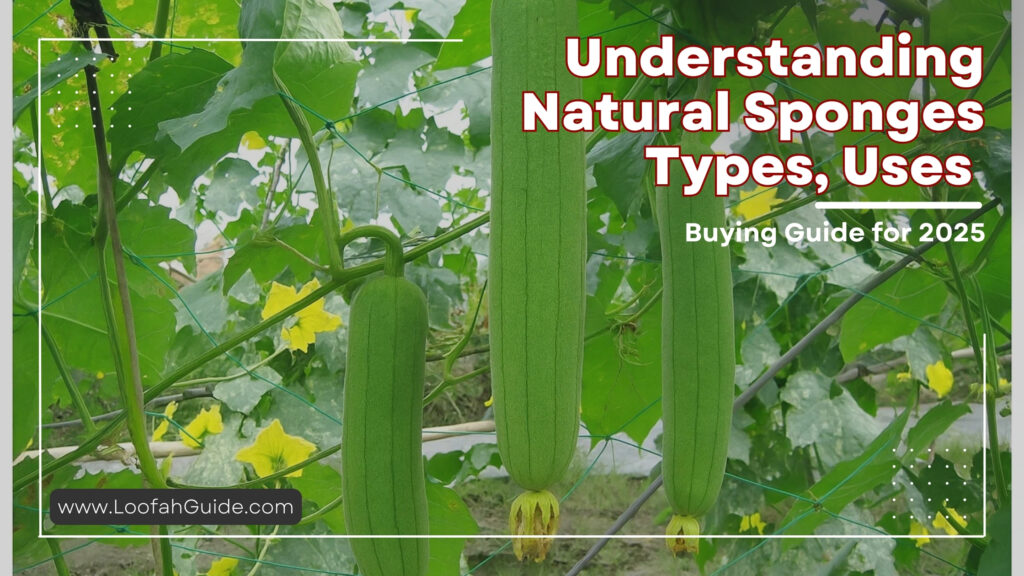
Despite common assumptions, loofah sponges do not come from the ocean. The history of loofah sponges centers on a climbing vine in the cucumber family called Luffa, which produces large cylindrical gourds. When these gourds mature fully and dry, their interior flesh transforms into a network of tough, interconnected fibers perfect for scrubbing and exfoliation.
Two primary species provide commercial loofah products. Luffa aegyptiaca, named for its Egyptian cultivation heritage, produces the cylindrical loofahs most commonly found in stores. Luffa acutangula, known as ridged or angled loofah, features prominent ridges along its length and serves both culinary and bathing purposes. Both species belong to the Cucurbitaceae family alongside cucumbers, melons, and squash.
The transformation from edible vegetable to bath sponge fascinates many first-time loofah users. Young Luffa gourds are entirely edible and feature in Asian cuisines as a tender vegetable similar to zucchini. As the gourd matures over several months, the interior develops an increasingly fibrous structure. Farmers allow gourds intended for sponge production to remain on the vine until this fiber network fully develops and the outer skin begins drying.
Harvesting at the correct maturity stage determines final product quality. The fiber structure continues strengthening as the gourd dries, eventually becoming the familiar scrubbing surface that has served human hygiene needs for thousands of years. This natural development process cannot be rushed or artificially replicated, which explains why authentic natural loofah maintains advantages over synthetic imitations.
How Natural Loofah Fibers Form
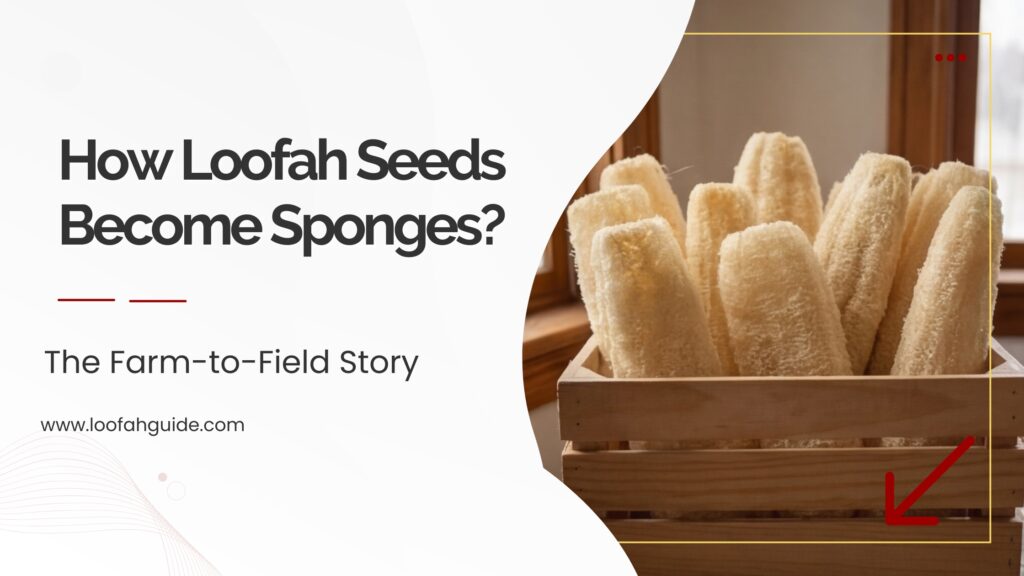
The fibrous interior of a loofah gourd represents one of nature’s most efficient exfoliating structures. During growth, the plant deposits cellulose and lignin in patterns that create a three-dimensional network of interconnected channels. This structure provides both flexibility and firmness, allowing the sponge to conform to body contours while maintaining enough rigidity for effective scrubbing.
Cross-sectional examination reveals the complexity of natural loofah architecture. Fibers radiate outward from a central cavity, creating layers of varying density. The outer portions typically feature denser fiber arrangements suited for vigorous exfoliation, while inner layers offer gentler texture appropriate for sensitive areas. This natural variation allows users to customize their experience by selecting different portions of the same sponge.
Water absorption properties result directly from this fiber architecture. The channel network draws moisture inward through capillary action, holding water within the structure for soap lathering while remaining firm enough for effective scrubbing. Synthetic alternatives attempt to replicate this functionality through plastic mesh construction but cannot match the balanced performance that natural fiber architecture provides.
Ancient Civilizations and Early Loofah Use
Egyptian Bathing Culture and Loofah Discovery
The history of Egyptian loofah intertwines with one of antiquity’s most sophisticated bathing cultures. Ancient Egyptians elevated personal hygiene to an art form, developing elaborate cleansing rituals that combined practical hygiene with spiritual purification. Within this context, natural loofah emerged as an essential grooming tool that helped maintain the smooth, clean skin Egyptian culture prized highly.
Archaeological evidence suggests loofah cultivation in the Nile Delta began over two thousand years ago. The region’s warm climate, rich soil, and reliable irrigation created ideal growing conditions that farmers quickly learned to optimize. Villages along the Nile specialized in loofah production, developing cultivation expertise passed through family lines across generations.
Egyptian bathing practices influenced civilizations throughout the Mediterranean world. Greek and Roman travelers documented Egyptian hygiene customs, often expressing admiration for cleanliness standards that exceeded their own cultures. Trade networks carried both loofah products and cultivation knowledge outward from Egypt, spreading this natural skincare tool across expanding commercial routes.
Temple complexes incorporated elaborate bathing facilities where priests performed ritual purification before religious ceremonies. The cleansing process held spiritual significance beyond mere hygiene, representing preparation for divine communion. Natural loofahs provided thorough yet gentle cleansing appropriate for these sacred contexts, establishing associations between loofah use and purity that persist in modern wellness culture.
Asian Loofah Traditions
While Egypt pioneered loofah cultivation, Asian cultures developed their own rich traditions around this versatile plant. Chinese agricultural texts reference loofah cultivation dating back over a thousand years, with both culinary and bathing applications documented extensively. The Chinese term for loofah translates roughly as “silk gourd,” referencing the smooth texture of young edible specimens.
Japanese bathing culture, renowned for its meticulous attention to cleanliness, embraced loofah as a natural complement to traditional soaking rituals. Japanese bathers typically scrub thoroughly before entering communal baths, making exfoliating tools essential equipment. Natural loofah provided ideal functionality for this preparatory cleansing, earning permanent status in Japanese bathing tradition.
Southeast Asian communities utilized loofah for both personal hygiene and household cleaning throughout history. The same fibrous properties that make loofah effective for skin exfoliation translate to excellent scrubbing performance on dishes, pots, and surfaces. This dual functionality made loofah cultivation economically valuable for farming families who could sell products for multiple applications.
Indian Ayurvedic traditions incorporated natural loofah into holistic wellness practices emphasizing body purification. Ayurvedic texts recommend dry brushing with natural fibers to stimulate lymphatic circulation and remove accumulated toxins through the skin. Loofah provided perfect texture for these therapeutic scrubbing practices, connecting daily hygiene with broader health maintenance philosophies.
Cultural Significance of Loofah Through History
| Culture | Historical Period | Primary Loofah Uses | Cultural Significance |
|---|---|---|---|
| Ancient Egypt | 2000+ years ago | Bathing, ritual purification | Spiritual cleanliness, elite status symbol |
| Classical China | Tang Dynasty onward | Culinary, bathing, household cleaning | Practical versatility, agricultural value |
| Traditional Japan | Edo Period onward | Pre-bath scrubbing, body preparation | Cleanliness discipline, bathing ritual |
| Ayurvedic India | Ancient through present | Therapeutic dry brushing, detoxification | Holistic health, toxin elimination |
| Colonial Europe | 18th-19th centuries | Personal hygiene, industrial filtration | Exotic luxury, practical innovation |
The Global Journey of Loofah Cultivation
Trade Routes and Continental Spread
The history of loofah sponges expanded dramatically as global trade networks connected distant civilizations. Merchants traveling the Silk Road carried Egyptian loofah products alongside spices, textiles, and precious metals. These commercial exchanges introduced loofah to cultures that had never encountered the plant, creating new markets and eventually new cultivation regions.
Maritime trade routes proved equally important for loofah distribution. Arab traders dominated Indian Ocean commerce for centuries, connecting Egyptian producers with Asian markets hungry for quality goods. Ships carried dried loofah alongside other Egyptian exports, establishing commercial relationships that influenced regional preferences for generations.
European contact with loofah came relatively late in this global story. Portuguese explorers encountered loofah during African expeditions in the 15th century, bringing specimens back to botanical gardens where scholars attempted to understand this unfamiliar plant. Spanish colonizers similarly documented loofah in their American territories, noting indigenous uses they observed among local populations.
The colonial era accelerated loofah’s transformation from regional specialty to global commodity. European powers imported substantial quantities for both household and industrial applications, creating demand that stimulated cultivation across tropical regions worldwide. By the 19th century, loofah had become a recognized international trade good with established quality grades and pricing structures.
Regional Cultivation Development
As loofah cultivation spread globally, different regions developed distinct growing approaches suited to local conditions. Egyptian methods remained the gold standard, refined across countless generations to optimize fiber quality and production efficiency. Other regions adapted these techniques while developing innovations appropriate for their specific climates and soil types.
South American cultivation expanded significantly during the 20th century, particularly in Brazil where tropical conditions supported vigorous loofah growth. Asian production increased across China, Vietnam, and other nations with suitable climates. These emerging sources provided alternatives to traditional Egyptian supply, though quality variations between regions became increasingly apparent to discerning buyers.
The history of Egyptian loofah demonstrates why origin matters for natural products. Growing conditions directly influence fiber development, with climate, soil composition, and water quality all affecting final product characteristics. Egyptian loofah maintains premium status because Nile Valley conditions produce consistently superior fiber density and durability that other regions struggle to match.
Modern wholesale buyers recognize these quality differences when sourcing inventory. Retailers serving discerning customers increasingly specify Egyptian origin for their loofah products, understanding that consumers notice performance differences even without knowing their cause. This market preference rewards traditional Egyptian cultivation while encouraging quality maintenance across the industry.
Global Loofah Production Comparison
| Growing Region | Climate Characteristics | Typical Fiber Quality | Primary Markets |
|---|---|---|---|
| Egypt (Nile Valley) | Warm, consistent, excellent irrigation | Premium density, superior durability | International wholesale, premium retail |
| China | Variable by region, large scale production | Mixed quality, volume focused | Mass market, budget retail |
| Brazil | Tropical, humid, newer cultivation | Good quality, developing expertise | Regional markets, some export |
| India | Diverse climates, traditional methods | Variable quality, authentic techniques | Domestic markets, Ayurvedic suppliers |
| Southeast Asia | Tropical, humid, mixed crops | Moderate quality, dual-use focus | Regional markets, culinary supply |
Industrial Revolution and Commercial Expansion
From Household Item to Industrial Material
The 19th century transformed loofah from a personal care item into a versatile industrial material. Engineers and manufacturers discovered applications that ancient users never imagined, dramatically expanding demand for natural loofah fiber. This commercial boom elevated loofah cultivation to major agricultural industry status in producing regions.
Steam engine technology created unexpected loofah demand. Engineers found that loofah fiber provided excellent filtration properties for treating water before it entered steam boilers. The fibrous structure trapped impurities that could damage equipment, extending machinery lifespan and improving operational efficiency. Factories purchased loofah in bulk quantities for these industrial filtration applications.
Military applications emerged during global conflicts of the early 20th century. Loofah served as padding material in military helmets, providing shock absorption that protected soldiers from impact injuries. Gas mask production incorporated loofah filters designed to trap harmful particles and chemical agents. These wartime uses demonstrated loofah versatility while creating enormous temporary demand spikes.
Medical facilities found numerous applications for natural loofah during this period. Surgeons used sterilized loofah for wound cleaning, appreciating gentle yet effective cleansing properties. Hospital supply chains stocked loofah sponges for patient bathing and general hygiene maintenance. Though synthetic materials eventually replaced loofah in most clinical settings, these historical medical uses established lasting associations between loofah and cleanliness.
The Synthetic Challenge
Petroleum-based synthetic materials began competing with natural loofah during the mid-20th century. Manufacturers produced plastic mesh bath poufs that superficially resembled loofah functionality at lower production costs. Mass marketing promoted these synthetic alternatives as modern improvements over traditional natural products.
Initial consumer adoption of synthetic alternatives proved substantial. Lower prices and colorful appearance attracted budget-conscious shoppers unfamiliar with natural loofah benefits. Plastic poufs became standard bathroom items across developed markets, displacing natural products from many retail environments.
However, synthetic dominance proved temporary as consumers discovered significant performance and environmental disadvantages. Plastic mesh harbors bacteria more readily than natural fibers, creating hygiene concerns that careful users noticed. Environmental awareness increased recognition that plastic bath products contribute to pollution problems, while natural loofah offers complete biodegradability.
The history of loofah sponges entered a revival phase as wellness movements embraced natural alternatives to synthetic personal care products. Health-conscious consumers actively sought traditional options their grandparents would recognize. This preference shift created new opportunities for quality natural loofah suppliers while validating historical wisdom about natural skincare tools.
Natural vs Synthetic Loofah Comparison
| Characteristic | Natural Loofah | Synthetic Plastic Pouf |
|---|---|---|
| Material Source | Luffa gourd plant fiber | Petroleum-based plastic mesh |
| Environmental Impact | Fully biodegradable, sustainable | Creates microplastic pollution, centuries to decompose |
| Bacterial Resistance | Natural antimicrobial properties | Harbors bacteria readily, requires frequent replacement |
| Exfoliation Quality | Balanced firmness, adapts to body contours | Inconsistent texture, may scratch or irritate |
| Durability | 3-4 weeks with proper care | 2-4 weeks before visible deterioration |
| Production Method | Traditional agriculture, minimal processing | Industrial manufacturing, chemical processing |
| End of Life | Composts naturally, returns to soil | Landfill or ocean pollution |
Modern Wellness Revival
Return to Natural Skincare
Contemporary health and wellness movements have driven remarkable resurgence in natural loofah popularity. Consumers increasingly reject synthetic personal care products in favor of traditional alternatives with proven track records. This preference shift reflects broader cultural trends toward authenticity, sustainability, and connection with natural materials.
The history of loofah sponges provides exactly the heritage story that modern consumers find compelling. Products used successfully for thousands of years carry implicit quality endorsements that newly invented synthetic alternatives cannot claim. Marketing narratives connecting purchases with ancient traditions resonate strongly with consumers seeking meaningful connections to their personal care routines.
Social media has amplified natural skincare enthusiasm across global audiences. Influencers demonstrating traditional loofah use reach millions of viewers interested in sustainable lifestyle content. User testimonials comparing natural loofah performance against synthetic alternatives consistently favor traditional products, building organic demand through authentic experience sharing.
Spa and wellness facilities have rediscovered loofah treatments as premium service offerings. Body scrubs featuring authentic natural loofah command higher prices than treatments using synthetic tools. Clients perceive greater value from natural materials with historical significance, making loofah a profitable addition to spa service menus worldwide.
Environmental Consciousness and Sustainable Choices
Environmental awareness has become a primary driver of natural loofah preference. Plastic pollution concerns motivate consumers to eliminate synthetic products from their routines wherever possible. Natural loofah offers one of the clearest sustainability wins available in personal care, providing superior functionality while generating zero plastic waste.
The complete biodegradability of natural loofah appeals strongly to eco-conscious consumers. Used loofahs can be composted along with other organic materials, returning nutrients to soil rather than accumulating in landfills or oceans. This closed-loop lifecycle aligns with circular economy principles that environmentally aware consumers actively support through purchasing decisions.
Sustainable cultivation practices add additional environmental credibility to natural loofah products. Traditional Egyptian farming methods maintain soil health without synthetic fertilizers or harmful pesticides. Water-efficient irrigation techniques refined over generations minimize environmental impact while producing premium quality products. For consumers evaluating products based on complete lifecycle impact, natural loofah delivers compelling sustainability advantages.
Retailers have responded to environmental preferences by expanding natural loofah offerings and reducing synthetic alternatives. Store displays increasingly feature natural products prominently, with educational signage explaining sustainability benefits. This retail environment shift further accelerates natural loofah adoption among consumers who might not actively seek alternatives but respond positively when presented with better options.
How Historical Knowledge Improves Modern Selection
Quality Indicators from Traditional Expertise
Understanding the history of Egyptian loofah helps modern consumers recognize quality differences between products. Generations of cultivators and traders developed evaluation criteria based on extensive experience with loofah performance. These traditional quality indicators remain valid because they reflect genuine functional differences rather than arbitrary preferences.
Fiber density provides the most important quality indicator for loofah selection. Dense, tightly packed fibers indicate complete maturation and proper growing conditions. Quality loofahs feel firm when squeezed but spring back quickly, demonstrating fiber elasticity essential for effective exfoliation. Products that compress easily and recover slowly have inferior fiber development that limits both performance and durability.
Color reveals cultivation and processing quality through visual assessment. Natural loofahs range from pale cream to light golden tones, with uniform coloration throughout indicating consistent growing conditions and careful processing. Dark spots, excessive browning, or irregular color patterns suggest problems during cultivation, harvesting, or processing that may affect product performance.
Weight relative to size helps identify properly dried and processed specimens. Quality loofahs feel lighter than their size might suggest because complete drying removes all moisture from the fiber structure. Excessive weight indicates incomplete drying that promotes bacterial growth and accelerates deterioration. Traditional traders developed intuitive feel for appropriate weight that modern consumers can develop through comparative handling.
Matching Products to Personal Needs
The history of loofah sponges reveals that ancient users maintained different products for different applications. This historical precedent supports modern practice of selecting loofah characteristics matched to specific needs rather than assuming one product serves all purposes equally. Understanding this traditional approach improves personal care outcomes for contemporary users.
Sensitive skin requires loofahs with lighter fiber density and finer texture. Historical records indicate that gentler loofahs were reserved for nobility and situations requiring careful treatment. Modern consumers with sensitive skin should seek similar characteristics, choosing products that provide mild exfoliation without irritation risk. Testing a small area before full use remains wise practice for anyone uncertain about skin sensitivity.
Vigorous exfoliation needs call for denser, firmer loofah products. Traditional users chose robust specimens for heavy-duty scrubbing of tough skin areas like feet, elbows, and knees. Modern consumers seeking intensive exfoliation should similarly select products with higher fiber density capable of addressing stubborn dead skin accumulation effectively.
Different body areas may benefit from different loofah types within the same bathing routine. Facial skin requires gentler treatment than body skin, suggesting lighter products for face use. Back areas often need more vigorous scrubbing than arms or torso. Following historical precedent of maintaining multiple loofahs for different purposes optimizes results across all body areas.
Loofah Selection Guide by Application
| Application | Recommended Density | Texture Preference | Usage Frequency | Care Priority |
|---|---|---|---|---|
| Facial exfoliation | Very light | Fine, soft fibers | 2-3 times weekly | Highest hygiene standards |
| Daily body cleansing | Light to medium | Balanced texture | Daily or alternate days | Regular drying, weekly cleaning |
| Deep exfoliation treatment | Medium to firm | Robust fiber structure | Weekly | Thorough rinsing after use |
| Foot and callus care | Firm | Dense, coarse fibers | As needed | Can tolerate slightly rougher handling |
| Sensitive skin care | Light | Fine, gentle fibers | 1-2 times weekly | Extra attention to moisture removal |
Caring for Your Loofah Based on Traditional Wisdom
Maintenance Practices from Historical Use
Traditional loofah users developed maintenance practices that maximize product lifespan while ensuring hygienic use. These time-tested approaches remain fully applicable for modern consumers seeking optimal value from their natural skincare investments. Following historical guidance helps contemporary users avoid common mistakes that shorten loofah life unnecessarily.
Thorough drying between uses represents the most important maintenance practice. Historical users stored loofahs in well-ventilated locations where air circulation promoted rapid moisture evaporation. Modern bathrooms often lack adequate ventilation, requiring deliberate effort to ensure complete drying. Hanging loofahs outside the shower area or near open windows prevents moisture retention that promotes bacterial growth.
Regular cleaning extends loofah useful life significantly. Traditional practices included periodic soaking in clean water, sometimes with natural cleansing agents added. Modern users can achieve similar results through weekly sanitization using diluted vinegar solutions or brief microwave heating of dampened loofahs. These cleaning practices eliminate accumulated bacteria without damaging natural fibers.
Replacement timing requires honest assessment of loofah condition. Historical users replaced loofahs when fiber structure began degrading visibly, recognizing that deteriorated products provide reduced functionality while potentially harboring harmful bacteria. Modern users should similarly replace loofahs showing signs of breakdown, typically after three to four weeks of regular use.
Storage and Hygiene Best Practices
Proper storage protects loofah quality between uses while preventing contamination that could transfer to skin. Traditional storage methods emphasized air circulation and cleanliness, principles that guide effective modern storage practices regardless of bathroom configuration.
Hanging storage works better than laying loofahs on surfaces where water pools. Hooks, suction cup holders, or dedicated shower caddies keep loofahs elevated where air circulates freely around all surfaces. This positioning promotes rapid drying while preventing contact with potentially contaminated surfaces common in wet bathroom environments.
Location selection affects drying speed and contamination risk. Areas near heating vents or with consistent air movement provide ideal storage environments. Keeping loofahs away from toilet areas reduces exposure to airborne contaminants during flushing. Storing multiple loofahs separately prevents cross-contamination between products used on different body areas.
Travel storage requires different approaches than home bathroom storage. Carrying wet loofahs in sealed containers creates moisture retention that promotes rapid bacterial growth. Allowing complete drying before packing for travel, or accepting slightly reduced lifespan from sealed transport of damp products, represent practical compromises for travelers wanting to maintain loofah routines away from home.
Loofah Care Schedule
| Maintenance Task | Frequency | Method | Purpose |
|---|---|---|---|
| Post-use rinsing | After every use | Thorough rinse under clean running water | Remove soap residue and dead skin cells |
| Complete drying | After every use | Hang in well-ventilated area | Prevent bacterial growth |
| Deep cleaning | Weekly | Soak in diluted vinegar solution for 5 minutes | Sanitize and refresh fibers |
| Condition assessment | Weekly | Visual inspection for discoloration or breakdown | Identify replacement needs |
| Replacement | Every 3-4 weeks | Dispose of old loofah, begin using fresh product | Maintain hygiene and performance |
Finding Quality Loofah Products Today
What to Look for When Shopping
Understanding the history of loofah sponges provides evaluation frameworks for modern purchasing decisions. Quality indicators developed through centuries of use remain applicable whether shopping online, in retail stores, or evaluating wholesale suppliers. Applying historical knowledge helps consumers avoid inferior products while identifying genuinely premium options.
Origin information offers important quality signals. Egyptian loofah commands premium prices for good reason, as Nile Valley growing conditions consistently produce superior fiber development. Products specifying Egyptian origin typically justify higher prices through better performance and durability. Vague origin claims or missing source information often indicate commodity products prioritizing price over quality.
Product appearance reveals processing quality through visual assessment. Quality loofahs display uniform coloration without dark spots, excessive browning, or irregular patterns. Fiber structure should appear dense and well-organized rather than sparse or randomly arranged. Physical examination of products before purchase allows assessment impossible when shopping solely from online images.
Supplier reputation provides quality assurance that individual product inspection cannot guarantee. Established suppliers with demonstrated expertise in natural loofah maintain consistent quality standards across their product lines. Reading reviews, researching company backgrounds, and requesting samples before large purchases helps identify reliable sources worthy of ongoing business relationships.
Wholesale Sourcing Considerations
Retailers, spa operators, and distributors evaluating wholesale loofah sources benefit from historical quality knowledge applied at larger scale. Wholesale purchasing decisions affect business profitability through both product costs and customer satisfaction outcomes. Applying traditional quality criteria helps wholesale buyers select suppliers delivering genuine value rather than merely low prices.
Supplier cultivation methods indicate likely product quality. Wholesalers maintaining relationships with traditional farming communities typically deliver superior products compared to industrial operations prioritizing volume over quality. Questions about growing practices, harvest timing, and processing methods reveal supplier commitment to quality that translates into better products for end customers.
Sample evaluation before volume commitment protects wholesale buyers from quality disappointments. Reputable suppliers welcome sample requests and provide representative products that accurately preview larger order quality. Request samples from potential suppliers and compare physical characteristics before committing significant inventory investment.
Long-term relationship potential matters more than individual transaction pricing. Suppliers offering consistent quality, reliable delivery, and responsive customer service deliver greater value over time than those competing solely on price. Wholesale buyers benefit from developing ongoing relationships with quality-focused suppliers like those found through WholesaleLoofah.com rather than constantly seeking new lowest-price sources.
For comprehensive information about loofah products, applications, and sourcing, explore additional resources at LoofahGuide.com and Egexo.com.
Frequently Asked Questions
Where did loofah sponges originally come from?
The history of loofah sponges traces back over 2,000 years to the Nile Valley in Egypt, where farmers first cultivated Luffa aegyptiaca for its remarkable fibrous interior. The scientific name directly acknowledges Egyptian origins. From Egypt, loofah spread globally through ancient trade routes connecting Africa, Asia, and eventually Europe and the Americas. Egyptian cultivation remains the quality standard today.
Is loofah a sea sponge or a plant?
Loofah is entirely plant-based, despite common misconceptions suggesting ocean origins. The loofah sponge comes from a gourd-producing vine in the cucumber family called Luffa. When mature gourds dry completely, their interior flesh transforms into the fibrous scrubbing material used for exfoliation. This vegetable origin makes loofah fully vegan, sustainable, and biodegradable unlike actual sea sponges.
Why is Egyptian loofah considered superior quality?
Egyptian loofah earns premium status through ideal growing conditions in the Nile Valley. The climate provides extended warm seasons allowing complete fiber maturation. Rich alluvial soil delivers balanced nutrition for uniform fiber development. Consistent irrigation from the Nile ensures optimal moisture throughout the growing cycle. These factors combine to produce loofahs with superior density, durability, and texture.
How long have people been using loofah for skincare?
Historical evidence confirms loofah use for skincare spanning at least 2,000 years, with ancient Egyptian bathing culture incorporating natural loofah into elaborate hygiene rituals. Asian traditions similarly embrace loofah extending back over a millennium. This extensive history of continuous use provides stronger quality endorsement than any modern synthetic alternative can claim.
What is the difference between natural and synthetic loofah?
Natural loofah consists of plant fibers from dried Luffa gourds, offering balanced exfoliation, natural antimicrobial properties, and complete biodegradability. Synthetic alternatives use petroleum-based plastic mesh that harbors bacteria more readily, creates microplastic pollution, and persists in landfills for centuries. Performance testing consistently favors natural loofah for exfoliation quality and skin health outcomes.
How can I tell if a loofah is good quality?
Quality loofahs display uniform cream to light golden coloration without dark spots or irregular patterns. Fiber structure appears dense and well-organized. When squeezed, quality specimens feel firm but spring back quickly. Weight should feel light relative to size, indicating complete drying. These traditional quality indicators developed through centuries of use remain valid for modern purchasing decisions.
How often should I replace my natural loofah?
Most natural loofahs require replacement every three to four weeks with regular daily use. Signs indicating replacement need include visible fiber breakdown, persistent discoloration despite cleaning, unpleasant odor, or significantly reduced firmness. Following proper maintenance practices including thorough drying and weekly sanitization maximizes useful lifespan within this general timeframe.
Can loofah be used on sensitive skin?
Yes, selecting appropriate loofah density makes natural exfoliation suitable for sensitive skin. Choose products with lighter fiber density and finer texture for gentle treatment. Historical users reserved softer loofahs for delicate applications. Test on a small area first, use light pressure, and limit exfoliation frequency to two or three times weekly for sensitive skin types.
Expert Insight from Egexo
With over 25 years cultivating and exporting premium Egyptian loofah, we have witnessed growing global appreciation for natural skincare tools with authentic heritage. The history of loofah sponges matters because it explains why quality differences exist between products that might appear similar superficially. Egyptian growing conditions produce fiber characteristics that other regions cannot replicate regardless of cultivation effort. When selecting loofah for personal use or retail inventory, understanding this heritage helps identify products worth premium investment. We encourage everyone to experience the difference that genuine Egyptian loofah provides through direct comparison with alternatives. Quality becomes immediately apparent through actual use, validating traditional knowledge accumulated across generations of cultivation expertise.
Conclusion
The history of loofah sponges reveals a natural skincare tool perfected through millennia of continuous use across diverse cultures worldwide. From ancient Egyptian bathhouses to modern wellness spas, natural loofah has maintained its position as the preferred exfoliating material because nothing synthetic has successfully replicated its balanced performance, sustainability, and skin-friendly properties. Understanding this heritage empowers modern consumers to make informed choices that honor traditional wisdom while addressing contemporary needs.
Egyptian loofah remains the quality benchmark because the same environmental factors that created historical excellence continue producing superior products today. Climate, soil, water, and generational farming expertise combine in the Nile Valley to deliver natural skincare tools unmatched anywhere else globally. For consumers seeking the best natural exfoliation experience, and for businesses building product lines around authentic quality, Egyptian origin provides meaningful assurance backed by thousands of years of proven performance.
Key Takeaways:
- Loofah cultivation originated in Egypt over 2,000 years ago and spread globally through ancient trade networks
- Natural loofah offers superior exfoliation, sustainability, and hygiene compared to synthetic plastic alternatives
- Egyptian growing conditions produce premium fiber quality that other regions cannot match
- Traditional quality indicators remain valid for modern purchasing decisions
- Proper maintenance extends loofah lifespan while ensuring hygienic use
Ready to experience authentic natural loofah quality?
- For Wholesale Buyers: Request a quote for bulk pricing or download our complete product catalog
- For Individual Orders: Shop our collection or request samples to evaluate quality directly