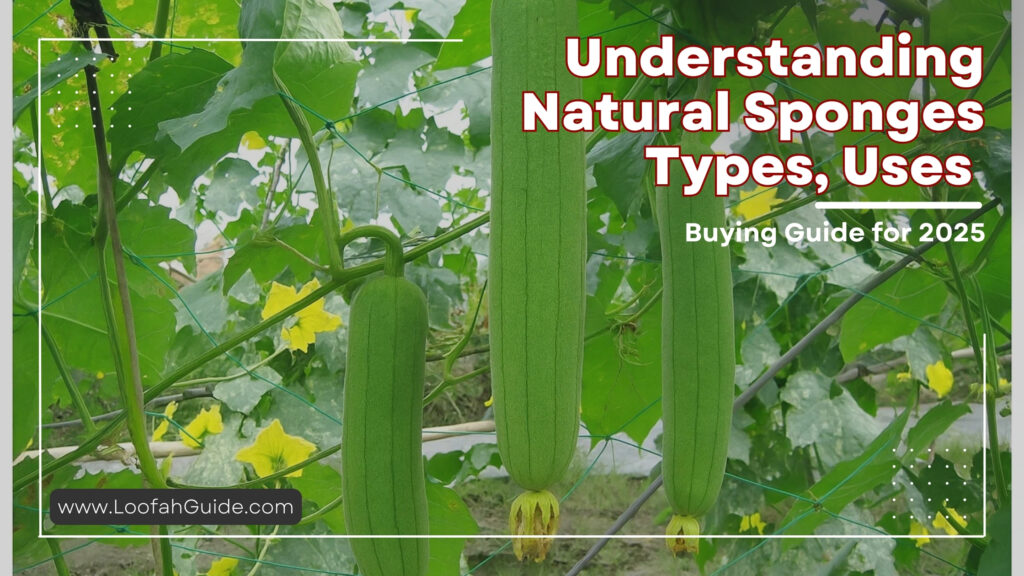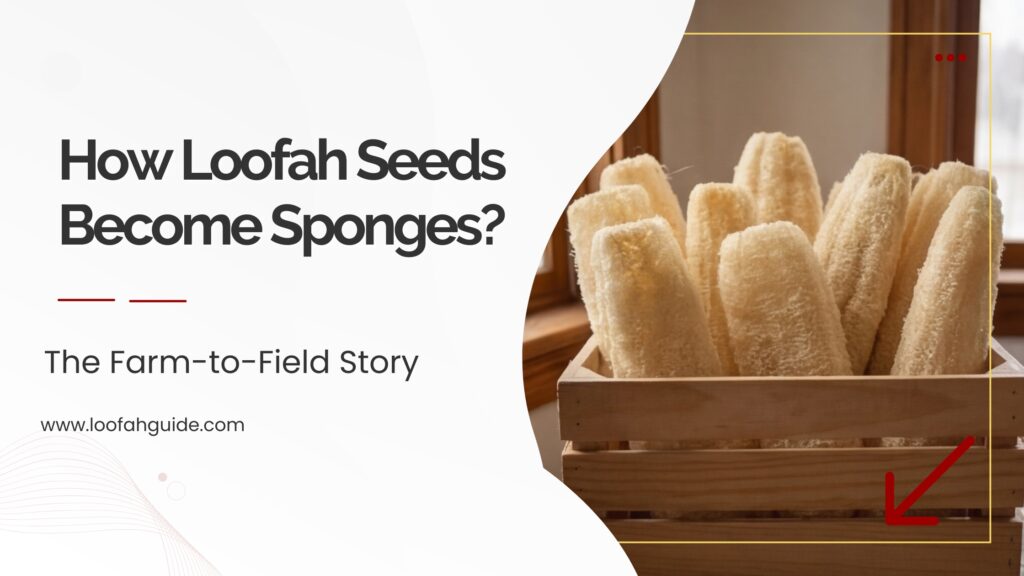
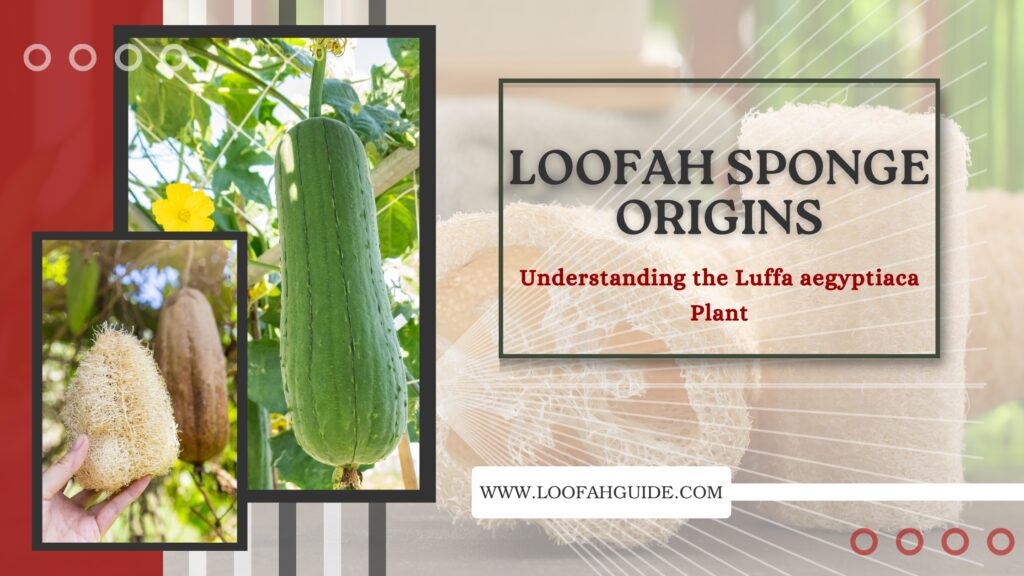
Have you ever wondered where that fibrous scrubber in your shower actually comes from? Most people assume loofah sponges are harvested from the ocean floor alongside sea sponges, but the truth is far more fascinating. The natural sponge you use for exfoliation grows on a vine in sun-drenched fields, starting life as a cucumber-like gourd before transforming into one of nature’s most effective cleansing tools.
Luffa aegyptiaca represents a remarkable intersection of botany, sustainability, and practical household utility. This tropical climbing vine, cultivated for thousands of years across warm climates worldwide, produces fruit that naturally develops an intricate fibrous network perfect for gentle skin exfoliation and household cleaning. Unlike petroleum-based synthetic alternatives that persist in landfills for centuries, the natural sponge from Luffa aegyptiaca returns to the earth within weeks of disposal.
Egyptian farmers have perfected loofah cultivation over generations, developing techniques that produce exceptionally dense, durable fibers prized by consumers and wholesale buyers alike. The Nile Delta region offers ideal growing conditions, including mineral-rich soil, abundant sunshine, and traditional harvesting methods passed down through families. Understanding the botanical origins of your loofah deepens appreciation for this sustainable product while helping you select higher quality options for your skincare routine.
This comprehensive guide explores everything from the scientific classification of Luffa aegyptiaca to practical tips for extending your natural sponge lifespan. Whether you are seeking eco-friendly alternatives to plastic bath accessories or simply curious about the journey from seed to shower, you will discover why this ancient plant remains relevant in modern sustainable living.
The Botanical Profile of Luffa aegyptiaca
Luffa aegyptiaca belongs to the Cucurbitaceae family, making it a botanical cousin to cucumbers, melons, and squash. This classification explains why young loofah fruits are actually edible and appear in traditional Asian cuisine before the fibrous network fully develops. The plant originated in South Asia and spread through ancient trade routes to Africa, the Middle East, and eventually worldwide tropical and subtropical regions.
The scientific name combines the Arabic word “luffa” with “aegyptiaca,” referencing the plant’s long cultivation history in Egypt. Alternative spellings include luffa, loofa, and loufah, while regional names vary from sponge gourd in English-speaking countries to torai in Hindi and si gua in Mandarin. Regardless of terminology, all refer to the same remarkable natural sponge producing vine.
Growing Characteristics and Climate Requirements
Luffa aegyptiaca thrives in warm environments with consistent temperatures between 25 and 30 degrees Celsius. The vine requires a lengthy growing season of 150 to 200 days from planting to harvest, which limits commercial cultivation to tropical and subtropical zones. Egyptian growing regions benefit from extended warm seasons, allowing farmers to optimize fiber density through careful timing of the harvest.
The climbing vine can extend 9 meters or more when provided adequate support structures. Large yellow flowers appear throughout the growing season, attracting pollinators essential for fruit development. Each vine produces multiple gourds, though farmers often prune strategically to channel plant energy into fewer, higher quality fruits with denser fiber networks.
| Growth Stage | Duration | Key Developments |
|---|---|---|
| Germination | 7 to 14 days | Seeds sprout in warm, moist soil |
| Vegetative Growth | 60 to 80 days | Vine establishment and leaf development |
| Flowering | 30 to 45 days | Yellow blooms appear and pollination occurs |
| Fruit Development | 45 to 60 days | Gourds form and fiber network develops |
| Maturation | 14 to 21 days | Outer skin dries and fruit is ready for harvest |
From Gourd to Natural Sponge
The transformation from fresh vegetable to dried natural sponge involves careful timing and processing. Farmers monitor gourds throughout the maturation phase, watching for visual cues indicating optimal fiber development. Harvesting too early produces weak, underdeveloped fibers while waiting too long risks mold development or fiber degradation.
After harvest, the outer skin must be removed to reveal the fibrous interior. Traditional methods involve soaking the gourds in water to loosen the skin, followed by manual peeling and seed removal. The exposed fiber network is then thoroughly washed and sun-dried over several days. This process requires considerable expertise to preserve fiber integrity while ensuring complete drying that prevents mold growth.
Premium quality natural sponges from established suppliers undergo additional sorting and grading based on fiber density, color consistency, and structural integrity. Understanding these quality indicators helps consumers identify superior products that deliver better performance and longer lifespan.
Health and Skincare Benefits of Natural Loofah Sponges
The fibrous structure of Luffa aegyptiaca provides mechanical exfoliation that removes dead skin cells, unclogs pores, and stimulates circulation. Unlike harsh chemical exfoliants or abrasive synthetic scrubbers, the natural sponge offers gentle yet effective cleansing suitable for regular use. Dermatologists often recommend natural exfoliation methods for maintaining healthy skin without disruption to the moisture barrier.
Regular exfoliation with a natural sponge supports the skin renewal cycle that naturally slows with age. Dead cells that accumulate on the skin surface create a dull appearance and can contribute to clogged pores and rough texture. Gentle mechanical removal through loofah use reveals fresher skin beneath while preparing the surface for better absorption of moisturizers and treatment products.
Skin Benefits Across Different Body Areas
Different body areas respond uniquely to natural sponge exfoliation. Rougher patches on elbows, knees, and heels benefit from slightly more vigorous loofah use, while delicate areas like the chest and inner arms require gentler pressure. Learning to adjust technique based on skin sensitivity maximizes benefits while preventing irritation.
| Body Area | Recommended Pressure | Frequency | Special Considerations |
|---|---|---|---|
| Back and Shoulders | Moderate to firm | 2 to 3 times weekly | Helps prevent body acne |
| Arms and Legs | Moderate | 2 to 3 times weekly | Focus on circulation benefits |
| Elbows and Knees | Firm | 3 to 4 times weekly | Target rough, dry patches |
| Feet and Heels | Firm | Daily if needed | Softens calluses over time |
| Chest and Stomach | Light to moderate | 1 to 2 times weekly | Use gentle circular motions |
| Face | Not recommended | N/A | Facial skin requires gentler methods |
The increased blood flow stimulated by loofah massage provides additional benefits beyond exfoliation. Improved circulation supports nutrient delivery to skin cells and can help reduce the appearance of cellulite through consistent use over time. Many users report smoother, more even skin tone after incorporating natural sponge exfoliation into their regular bathing routine.
Comparing Natural and Synthetic Alternatives
Consumers increasingly question the materials in their personal care products, and the natural sponge versus synthetic debate reflects broader concerns about health and environmental impact. Luffa aegyptiaca offers distinct advantages while requiring slightly different care than plastic alternatives.
| Factor | Natural Loofah Sponge | Synthetic Bath Pouf |
|---|---|---|
| Material Source | Plant-based, renewable | Petroleum-derived plastic |
| Biodegradability | Fully compostable in 30 days | Persists for 500+ years |
| Exfoliation Type | Mechanical, adjustable pressure | Softer, less effective |
| Bacterial Resistance | Requires proper drying | Traps moisture easily |
| Lifespan | 3 to 4 weeks with care | 4 to 6 weeks |
| Environmental Impact | Carbon neutral, sustainable | Contributes to plastic pollution |
| Chemical Exposure | None | Potential plastic leaching |
Natural sponges from Luffa aegyptiaca require more attentive care than synthetic alternatives but reward users with superior exfoliation and environmental peace of mind. The bath and body loofah collection from quality suppliers offers various shapes and sizes to suit different preferences and applications.
Sustainable Living with Luffa aegyptiaca Products
Environmental consciousness drives many consumers toward natural alternatives, and Luffa aegyptiaca embodies sustainable living principles throughout its lifecycle. From cultivation through disposal, the natural sponge minimizes environmental impact while providing practical daily utility.
The plant itself contributes positively during growth, absorbing carbon dioxide and producing oxygen like any agricultural crop. Water requirements are moderate compared to many commercial crops, and traditional cultivation methods in Egypt minimize synthetic input use. Family farms practicing generational growing techniques maintain soil health through crop rotation and natural pest management strategies.
Zero Waste Applications Beyond the Bathroom
The versatility of Luffa aegyptiaca extends far beyond skin exfoliation. Creative consumers discover numerous applications throughout the home, maximizing value while reducing reliance on disposable plastic products. Each application leverages the unique fibrous structure that makes this natural sponge so effective.
Kitchen cleaning represents one of the most popular alternative uses. The natural sponge effectively scrubs dishes, pots, and pans without scratching surfaces. Unlike plastic sponges that harbor bacteria in synthetic fibers, loofah can be sanitized through boiling or microwave treatment. Many households maintain separate loofahs for kitchen and bathroom use to prevent cross-contamination.
Gardeners appreciate loofah sections as biodegradable seed starting containers. The fibrous material holds moisture while allowing root penetration, and the entire container can be planted directly in soil where it decomposes naturally. This application particularly appeals to zero-waste gardeners seeking alternatives to plastic nursery pots.
Pet owners discover that natural loofah makes excellent gentle grooming tools for dogs, cats, and even horses. The pet grooming loofah collection includes shapes designed specifically for animal care. The natural fibers effectively remove loose fur and distribute natural oils while providing a gentle massage pets enjoy.
Home Craft and DIY Projects
Creative households incorporate Luffa aegyptiaca into homemade personal care products and crafts. Sliced loofah rounds embedded in melt-and-pour soap bases create exfoliating soap bars perfect for gift-giving. The combination of cleansing soap and scrubbing loofah in a single product appeals to eco-conscious recipients.
Thin loofah slices serve as natural, biodegradable cleaning pads for facial cleansing when softer exfoliation is preferred. Soaking dried loofah briefly in warm water produces a gentler texture suitable for more sensitive applications. Many users keep separate pieces in varying thickness for different purposes throughout their skincare routine.
How to Select, Use, and Care for Your Natural Sponge
Quality varies significantly in the natural sponge market, and informed selection ensures you receive products that perform well and last longer. Understanding what distinguishes premium Luffa aegyptiaca from inferior products empowers better purchasing decisions whether shopping online or in stores.
Quality Indicators for Natural Loofah
Premium natural sponges display consistent fiber density without thin spots or gaps in the network structure. The color should appear uniformly light tan to cream, without dark spots that may indicate mold exposure or improper drying. Avoid products with musty odors, as proper processing produces a clean, neutral smell.
| Quality Level | Fiber Density | Color Consistency | Structure Integrity | Typical Source |
|---|---|---|---|---|
| Premium Grade | Dense, tight network | Uniform cream to tan | No thin spots or holes | Egypt, specialized farms |
| Standard Grade | Moderate density | Minor color variation | Occasional thin areas | Various tropical regions |
| Economy Grade | Loose, sparse fibers | Inconsistent coloring | Visible gaps common | Mass production facilities |
The quality standards maintained by reputable suppliers ensure consistent premium products. Egyptian loofah has earned particular recognition for superior fiber development attributed to ideal growing conditions and traditional expertise. Understanding the farm to export process reveals the care invested in producing quality natural sponges.
Proper Usage Techniques for Best Results
Effective loofah use requires proper preparation and technique. New loofahs benefit from soaking in warm water for 10 to 15 minutes before first use, allowing the fibers to soften and expand. This initial hydration prepares the natural sponge for comfortable contact with skin.
During bathing, wet the loofah thoroughly and apply your preferred soap or body wash. Using circular motions with moderate pressure, work across the skin surface. Avoid pressing too firmly, as the natural fibers provide adequate exfoliation with gentle application. Rinse the loofah thoroughly after each use to remove soap residue and skin cells.
The most common mistake users make involves storing the loofah in the shower between uses. The perpetually damp environment promotes bacterial growth that shortens product lifespan and potentially introduces pathogens to the skin. Instead, remove the loofah from the shower after use and allow complete drying between bathing sessions.
Maintenance and Replacement Guidelines
Proper care extends natural sponge lifespan significantly while maintaining hygienic conditions. Follow these maintenance practices to maximize your investment in quality Luffa aegyptiaca products.
| Care Task | Frequency | Method |
|---|---|---|
| Rinsing | After each use | Squeeze thoroughly under running water |
| Drying | After each use | Hang in well-ventilated area outside shower |
| Deep Cleaning | Weekly | Soak in diluted hydrogen peroxide or vinegar solution |
| Sanitizing | Weekly | Microwave damp loofah for 30 seconds or boil for 2 minutes |
| Inspection | Weekly | Check for dark spots, odor, or fiber breakdown |
| Replacement | Every 3 to 4 weeks | Dispose in compost and start fresh |
Natural loofahs require replacement more frequently than synthetic alternatives, but the environmental benefits justify this cycle. Composting used loofahs returns nutrients to soil rather than contributing to landfill accumulation. The brief lifespan actually ensures you always use a fresh, hygienic product rather than maintaining the same bacterial-laden pouf for months.
Growing Your Own Luffa aegyptiaca at Home
Home gardeners in suitable climates can experience the satisfaction of producing their own natural sponges. Growing Luffa aegyptiaca requires space, patience, and appropriate conditions but rewards dedicated gardeners with a renewable supply of sustainable bath and cleaning products.
Success depends primarily on climate and growing season length. Gardeners in USDA zones 7 and warmer can typically grow loofah outdoors, while those in cooler regions may start plants indoors and extend the season with protective structures. The 150 to 200 day growing requirement limits success in areas with short summers unless season extension techniques are employed.
Provide sturdy trellising or fence support for the vigorous climbing vines. Consistent water throughout the growing season supports fruit development, though plants tolerate brief dry periods once established. Full sun exposure of at least 6 to 8 hours daily produces the best fiber development in mature gourds.
Harvest timing significantly impacts final product quality. Wait until the outer skin turns brown and feels dry before cutting gourds from the vine. Peeling and processing follow the same methods used by commercial producers, though home gardeners often experiment with soaking times to develop preferred fiber softness.
For those preferring the convenience of ready-to-use products, the extensive selection at quality suppliers provides professionally processed loofahs in various shapes and sizes. Exploring the complete product catalog reveals options from whole natural sponges to specialized shapes for kitchen and body care applications.
FAQ Section
Q1: Is Luffa aegyptiaca the same plant as the sea sponge used in cosmetics?
A: No, Luffa aegyptiaca is a terrestrial plant from the cucumber family, while sea sponges are marine animals. The natural sponge from loofah grows on a vine as a gourd and develops fibrous tissue during maturation. Sea sponges are harvested from ocean floors and have entirely different composition and texture. Loofah provides firmer, more consistent exfoliation compared to the softer texture of natural sea sponges.
Q2: How often should I replace my natural loofah sponge?
A: Replace your natural sponge every 3 to 4 weeks with regular use. Signs indicating replacement include persistent odor even after sanitizing, visible dark spots or discoloration, fiber breakdown or excessive softening, and any mold growth. Proper care including thorough drying between uses and weekly sanitizing helps maximize lifespan while maintaining hygienic conditions.
Q3: Can I use a loofah if I have sensitive skin?
A: Yes, but with modifications. Soak the natural sponge longer to achieve maximum softness, use lighter pressure during exfoliation, and limit use to once or twice weekly rather than daily. Start with less sensitive areas like arms and legs to assess your skin response. Avoid loofah use on broken skin, active acne, sunburned areas, or immediately after chemical treatments like peels or retinoid application.
Q4: What makes Egyptian loofah different from loofah grown elsewhere?
A: Egyptian Luffa aegyptiaca benefits from ideal growing conditions in the Nile Delta region, including mineral-rich alluvial soil, consistent warm temperatures, and abundant sunshine. Generations of cultivation expertise have refined growing techniques that optimize fiber density and quality. The combination of environmental factors and traditional methods produces natural sponges recognized globally for superior performance and durability.
Q5: Are loofah sponges hygienic for regular use?
A: Natural loofah sponges are hygienic when properly maintained. The key factors include allowing complete drying between uses, sanitizing weekly through boiling or microwave treatment, and replacing every 3 to 4 weeks. Storing the loofah outside the shower in a well-ventilated area prevents the bacterial growth associated with perpetually damp conditions. Following these practices makes natural sponge use as safe as any bath accessory.
Q6: Can I use Luffa aegyptiaca for purposes other than skin exfoliation?
A: Absolutely. The versatile natural sponge works excellently for dish washing, pot scrubbing, and general household cleaning without scratching surfaces. Gardeners use loofah sections as biodegradable seed starting containers. Pet owners appreciate loofah for gentle grooming. Crafters incorporate sliced loofah into homemade soaps and beauty products. The kitchen loofah collection offers shapes specifically designed for non-bath applications.
Q7: How do I know if my loofah is good quality before purchasing?
A: Quality natural sponges display dense, consistent fiber networks without visible gaps or thin spots. Color should be uniform cream to light tan without dark patches. The product should have no musty odor. When squeezed, quality loofah springs back to shape. Purchasing from reputable suppliers with transparent sourcing ensures consistent quality and proper processing that eliminates contamination concerns.
Q8: Is growing my own Luffa aegyptiaca difficult?
A: Growing loofah requires patience and appropriate climate more than advanced gardening skill. Success depends on having 150 to 200 frost-free days, full sun exposure, and vertical support for climbing vines. Gardeners in USDA zones 7 and warmer typically succeed outdoors, while cooler climates require season extension. The main challenges involve timing harvest correctly and processing the gourds after harvest to reveal the natural sponge interior.
Expert Insight from LoofahGuide
Understanding Luffa aegyptiaca transforms how you view this humble bathroom accessory. What appears as a simple scrubber represents centuries of agricultural tradition, sustainable cultivation practices, and natural material science. The fibrous network developing inside each gourd evolved to support the plant’s seed distribution but serves human purposes remarkably well.
When selecting natural sponges, prioritize density over size. A smaller, tightly-fibered loofah outperforms and outlasts a larger specimen with sparse fiber development. The slight premium for quality Egyptian loofah pays dividends through superior exfoliation and extended lifespan. Consider keeping multiple loofahs in rotation, allowing each to dry completely between uses while maintaining your regular bathing routine.
The shift from synthetic to natural bath products represents more than environmental consciousness. You connect with agricultural traditions, support sustainable farming communities, and use a product that returns harmlessly to the earth after serving its purpose. That awareness enriches the simple act of bathing with meaning beyond mere hygiene.
Conclusion
Luffa aegyptiaca demonstrates nature’s capacity to provide practical solutions that synthetic alternatives struggle to match. This remarkable plant transforms from climbing vine to versatile natural sponge through processes refined over thousands of years of cultivation. Understanding the botanical origins, proper selection criteria, and care requirements empowers you to maximize benefits from this sustainable product.
The natural sponge market continues expanding as consumers prioritize eco-friendly alternatives to plastic bath accessories. Quality varies significantly between sources, making informed purchasing decisions essential for satisfaction. Egyptian loofah maintains its reputation for superior fiber density and durability, supported by ideal growing conditions and generational cultivation expertise.
Key Takeaways:
- Luffa aegyptiaca is a plant-based natural sponge from the cucumber family, not a marine organism
- Proper care including thorough drying and weekly sanitizing extends lifespan and maintains hygiene
- Quality indicators include dense fiber networks, consistent coloring, and neutral odor
- Natural loofah biodegrades completely within weeks, unlike plastic alternatives persisting for centuries
- Egyptian growing conditions and traditional methods produce recognized premium quality
Ready to explore premium natural sponge options?
- For Comprehensive Wholesale Information: Visit WholesaleLoofah.com for bulk purchasing resources
- For Product Selection: Explore the complete shop collection or request samples to experience quality firsthand