Walk into almost any spa that has switched to natural products in the last five years and you will likely find the same thing on their treatment shelves: a firm, beige, naturally fibrous loofah that came from Egypt. This is not coincidence. The global personal care market has been moving steadily away from plastic and synthetic materials, and natural bath loofahs have emerged as one of the clearest beneficiaries of that shift. Global natural loofah sales have increased by nearly 30% between 2021 and 2025, with no sign of slowing.
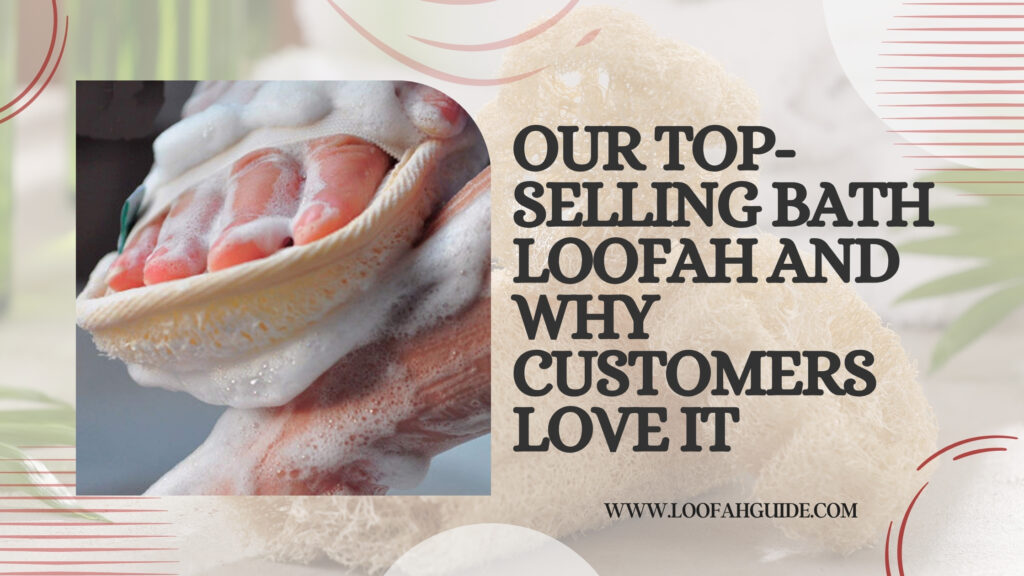
Our top-selling bath loofah sits at the center of that trend. It is the product that first-time buyers discover and experienced buyers keep reordering. It is the product spa managers specify by name when placing quarterly restocking orders. And it is the product individual users recommend to friends after their first few showers.
This guide covers everything you need to know about it: why it works, how it is made, how to use it correctly, how long it lasts, and what sets it apart from both cheaper natural alternatives and the synthetic options that still dominate mass-market shelves.
For those already ready to explore the range, loofahguide.com offers in-depth product comparisons and care guides, and the full product selection is available through Egexo’s Bath and Body collection.
Understanding What a Natural Bath Loofah Actually Is
A lot of people assume loofah is a sea creature. It is not. The loofah (also spelled luffa) is the dried fibrous interior of a mature Luffa aegyptiaca plant, a member of the cucumber family. When the fruit matures and is dried, the inner fiber network becomes the natural scrubber that has been used in bathing and skincare for centuries across the Middle East, North Africa, and Asia.
Why Origin Matters More Than You Think
Not all natural loofahs are the same, even when they are labeled identically. The quality of a natural loofah depends heavily on where it was grown, when it was harvested, and how it was processed. Egyptian loofah, grown in the Nile Delta region, consistently outperforms varieties from other regions because of three compounding advantages: climate, soil mineral content, and generations of cultivation expertise.
The Egyptian growing season produces loofah fibers with a tighter, more uniform internal structure. That structure is what creates the “just right” exfoliation feeling: firm enough to actually remove dead skin and improve circulation, but flexible enough that it does not cause irritation when used correctly.
The Difference Between Loofah Grades
| Grade | Fiber Density | Color Consistency | Intended Use | Typical Buyer |
|---|---|---|---|---|
| Premium Export Grade | High | Excellent | Retail, spa, hotel | Specialty retailers, spa chains |
| Standard Grade | Medium-High | Good | General retail | Mass market importers |
| Economy Grade | Medium | Variable | Budget retail | Discount wholesalers |
| Bleached White Grade | High | Uniform white | Cosmetic/spa brands | Private label brands |
Egexo produces and exports primarily Premium Export Grade loofah, which is the grade that sits behind our top-selling bath loofah’s consistent performance and customer satisfaction.
What Makes Our Top-Selling Bath Loofah Stand Out
There are hundreds of natural loofah products on the market. Most of them disappoint repeat buyers. Our top-selling bath loofah does not, and understanding why requires looking at the full picture from farm to shelf.
Fiber Quality and Texture
The fiber network in our premium bath loofah is harvested at the precise maturity window when density peaks. Harvest too early and the fibers are too soft and loose. Harvest too late and they become brittle. Egexo’s cultivation team, with over 25 years of field experience in Egypt’s Nile Delta, has developed a maturity index that guides every harvest decision. This is one of the reasons our product feels different from day one.
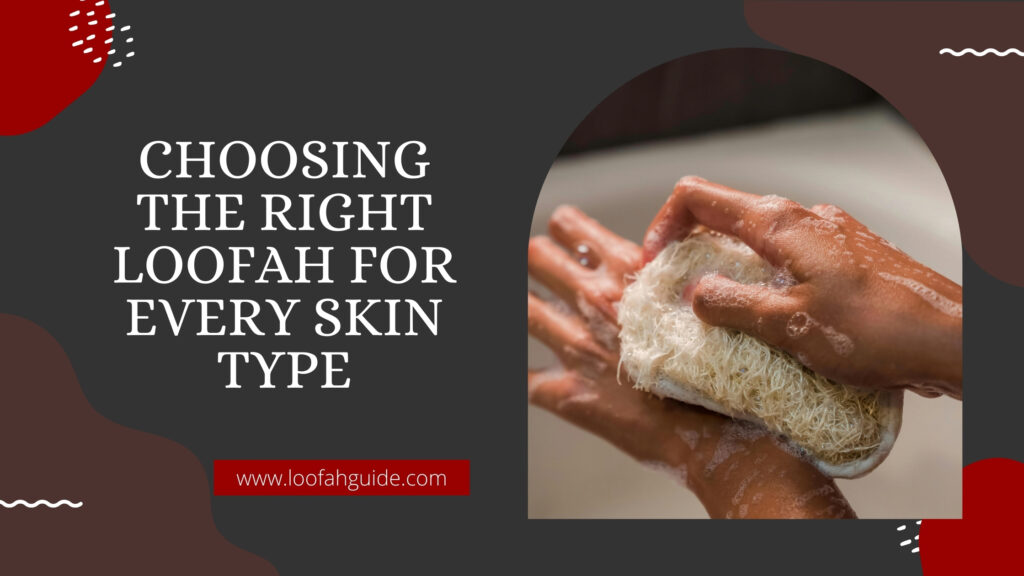
When you first hold this loofah dry, it feels firm. Within 30 seconds of water contact, the fibers soften and expand into a flexible, skin-conforming structure that feels nothing like a harsh scrubber. That transition from dry to wet is where real quality reveals itself. Cheaper products either start too soft and never provide meaningful exfoliation, or they start and stay too stiff and cause irritation.
Size and Shape Options
| Size | Dimensions | Best For | Popular With |
|---|---|---|---|
| Small | 10-12cm | Face, neck, delicate areas | Individual consumers |
| Medium | 13-15cm | Full body, daily use | Consumers, hotel amenity |
| Large | 16-20cm | Back, full body, spa use | Spas, retail retail |
| Extra Large | 20-22cm | Professional spa treatments | Spa chains, therapists |
| Custom | On request | Branded product lines | Private label clients |
Sustainability That Is Actually Verifiable
Greenwashing is a real problem in the personal care industry. Many products claim to be natural or eco-friendly while relying on heavy processing or non-biodegradable packaging. Our top-selling bath loofah passes the simple test: it is a plant, it is dried, it is used, and when it reaches the end of its life it can go directly into a compost bin.
There are no synthetic additives, no bleaching agents in our natural-color range, and no plastic components. The only thing between the Egyptian field and your shower is careful cleaning, drying, and grading. For those who want to learn more about sustainable bathing, loofahguide.com has a growing library of content on plastic-free personal care alternatives.
Skin Benefits: What the Research Shows
Exfoliation is not just cosmetic. Regular, appropriate exfoliation has been linked to improved skin cell turnover, better absorption of moisturizers, and reduced ingrown hair incidence. Natural loofah provides what dermatologists call mechanical exfoliation, which is the removal of dead skin cells through physical contact rather than chemical dissolution.
Comparing Exfoliation Methods
| Method | How It Works | Skin Compatibility | Environmental Impact | Cost per Use |
|---|---|---|---|---|
| Natural Loofah | Mechanical fiber contact | Excellent for most types | Minimal, biodegradable | Very low |
| Synthetic Loofah | Synthetic fiber contact | Good, but microplastic risk | High (microplastics) | Low |
| Exfoliating Gloves | Woven fabric contact | Good | Moderate | Low |
| Chemical Exfoliants | AHA/BHA chemical action | High (precise control) | Variable | Medium-High |
| Salt or Sugar Scrubs | Granule abrasion | Good for most types | Low | Medium |
| Dry Brushing | Stiff bristle contact | Better for dry skin | Low | Low |
Natural loofah sits at the intersection of effectiveness, skin compatibility, and environmental responsibility. That combination is difficult to replicate with any single alternative.
Who Benefits Most From Regular Loofah Use
- People with keratosis pilaris (rough, bumpy skin on arms or thighs) see consistent improvement with regular exfoliation
- Those prone to ingrown hairs benefit from the gentle mechanical action before and after hair removal
- People with dull or congested skin benefit from the circulation boost that comes with the scrubbing motion
- Individuals transitioning from synthetic to natural personal care find loofah an easy, effective switch
How to Use Your Bath Loofah for Maximum Results
Correct use makes a measurable difference in both the results you get and how long the product lasts. These steps apply whether you are using a loofah for personal care or training spa staff on correct technique.
First Use Protocol
- Remove the loofah from packaging and inspect it visually for any damage or debris.
- Hold under warm running water for 30-60 seconds or soak in a bowl of warm water.
- Squeeze gently several times to allow the fibers to fully absorb water and soften.
- Apply your body wash or soap of choice directly to the loofah.
- Begin with lighter pressure on less-sensitive areas to get a feel for the texture.
- On first use, avoid the face unless the loofah is specifically sized and labeled for facial use.
Daily and Weekly Care Routine
| Task | When | Why It Matters |
|---|---|---|
| Rinse after use | Every use | Removes soap residue and skin cells |
| Wring and hang to dry | Every use | Prevents bacterial and mold growth |
| Vinegar or baking soda soak | Once per week | Deep cleaning, odor prevention |
| Visual inspection | Once per week | Spot early signs of degradation |
| Full replacement | Every 6-8 weeks | Prevents bacterial buildup beyond cleaning |
Common Mistakes That Shorten Loofah Life
Leaving a wet loofah in a closed shower caddy or soap dish is the single most common cause of premature degradation and odor. Loofahs need airflow to dry completely between uses. A simple hook or hanging loop solves this problem entirely.
Buying Guide: How to Choose the Right Natural Loofah
With so many products claiming to be “natural” and “premium,” knowing what to look for protects both buyers and end users.
Quality Evaluation Checklist
| Evaluation Point | What Good Looks Like | Red Flag |
|---|---|---|
| Fiber color | Even natural beige or uniform white | Dark patches, brown spots |
| Fiber density | Feels substantial, not floppy | Too light, loose, or papery |
| Smell | Mild natural scent or neutral | Strong chemical or musty odor |
| Texture dry | Firm but not brittle | Crumbly or falling apart |
| Texture wet | Softens within 60 seconds | Stays hard or disintegrates |
| Packaging info | Origin stated, contact available | No origin or supplier information |
| Supplier transparency | Farm or processing details available | No supply chain information |
Egexo makes this evaluation easy by providing samples before bulk orders are placed and by publishing full quality standards on the Egexo quality standards page. Individual buyers can shop directly or explore the full bath and body range.
For Bulk Buyers: Why Egexo Is the Right Source
If you are sourcing natural loofahs at volume for retail, hospitality, or spa supply, supplier reliability is as important as product quality. Egexo has been exporting Egyptian loofah for over 25 years to clients in Europe, North America, the Gulf, and Asia. The infrastructure behind consistent, large-volume supply is not something that can be built quickly.
What Wholesale Buyers Get With Egexo
| Service | Details |
|---|---|
| Minimum Order Quantity | 500 units standard, flexible by arrangement |
| Sample Program | 10-50 units available before bulk commitment |
| Private Label | Full branded packaging and label service |
| Custom Products | Specialty shapes, sizes, and formulations |
| Export Documentation | Phytosanitary, COO, and compliance paperwork |
| Lead Time | 14-21 business days standard |
| Markets Served | EU, US, Gulf, Asia, Africa |
Wholesale buyers can review full details on wholesaleloofah.com or request a quote directly. For those new to sourcing from Egypt, the Farm to Export process page provides a detailed walkthrough of the full supply chain from cultivation to shipment.
FAQ Section
Q1: What is the best way to break in a new natural bath loofah? A: Soak your new loofah in warm water for 2-3 minutes before using it for the first time. This activates the natural fiber structure, which starts firm and becomes flexible with water contact. Using it dry or without adequate soaking can feel harsh and gives an inaccurate impression of how the product performs. After breaking it in on the first use, 30 seconds of warm water soaking is sufficient for subsequent uses.
Q2: How do I know if my loofah needs to be replaced? A: Replace your natural bath loofah when it develops a persistent smell that does not go away after cleaning, shows visible darkening or discoloration in the fibers, or begins to fall apart or lose structural integrity. Under normal use and proper care, this typically happens at 6-8 weeks. The smell is the most reliable early indicator since bacterial accumulation happens internally before it is visible externally.
Q3: Can natural loofah cause skin irritation? A: Natural Egyptian loofah is unlikely to cause irritation when used correctly. The most common cause of irritation is using too much pressure, particularly with a new, stiffer loofah before the fibers have fully softened. Soaking before use and applying light pressure eliminates most irritation risk. People with eczema or active skin conditions should consult a dermatologist before adding any exfoliating tool to their routine.
Q4: What is the difference between bleached and natural-color loofah? A: Natural-color loofah is processed without chemical agents and retains its original beige tone. Bleached loofah has been whitened using a controlled process to create a uniform white appearance, which many spa and cosmetic brands prefer for aesthetic reasons. Both varieties perform identically in terms of exfoliation quality and durability. The choice between them is primarily visual and brand-driven.
Q5: Where does the best natural loofah come from? A: Egypt’s Nile Delta region produces the highest quality natural loofah in the world. The climate, soil composition, and cultivation expertise in this region create loofah with denser, more uniform fibers than varieties grown in Southeast Asia or Latin America. Egyptian loofah from suppliers like Egexo is exported to over 30 countries and consistently rated highest in independent quality assessments.
Q6: Is natural loofah hygienic? A: Natural loofah is hygienic when cared for correctly. The key practices are rinsing thoroughly after every use, hanging to dry fully in a ventilated space, and doing a weekly disinfecting soak with diluted vinegar or baking soda. Loofahs that are left wet in closed spaces can develop bacteria quickly. Following the standard care routine keeps the product safe and clean throughout its 6-8 week lifespan.
Q7: Can I use the same loofah on my face and body? A: It is generally not recommended to use the same loofah on both face and body. Facial skin is thinner and more sensitive than body skin. If you want to use loofah on your face, choose a small, purpose-sized facial loofah and use it exclusively on the face with very light pressure. The standard bath loofahs in the 12-20cm range are designed for body use.
Expert Insight from Egexo
The loofah plant gives us a narrow harvest window of roughly 10-14 days per growing cycle to collect fruit at its ideal maturity. Outside that window, the product changes in ways that cannot be corrected downstream, no matter how careful the processing. This is why we invest heavily in training our agricultural team rather than relying entirely on post-harvest quality control. Getting the harvest right is the foundation of everything else. When you hold an Egexo loofah and feel that particular combination of firmness and flexibility, you are experiencing decades of this kind of accumulated knowledge applied at every step. It is not something that gets replicated by sourcing through intermediaries or choosing the lowest-cost option.
Conclusion
Our top-selling bath loofah earns its reputation one shower at a time. From the Nile Delta growing conditions that create superior fiber quality, to the careful 6-stage processing that ensures every unit is clean and graded, to the practical performance that keeps both wholesale buyers and individual users coming back, this product represents what natural bath care should look like.
Understanding the difference between premium Egyptian loofah and lower-grade alternatives helps both buyers and consumers make choices that deliver real value rather than just checking a “natural” box.
Key Takeaways:
- Egyptian loofah produces denser, more uniform fibers than regional alternatives due to climate and cultivation expertise
- Proper care extends loofah lifespan to 6-8 weeks, making it more cost-effective than frequent synthetic replacements
- Natural loofah is 100% biodegradable, compostable, and free from microplastics
- Grading standards matter significantly: premium export-grade loofah performs noticeably better than economy grades
- Egexo’s 25-year track record in Egyptian loofah cultivation and export makes them the benchmark supplier globally
Ready to experience Egyptian loofah quality?
- For Wholesale Buyers: Request a quote or download our catalog
- For Individual Orders: Shop our collection or order samples