Spa professionals process an average of 15 to 25 body treatments weekly, and their tool choices directly impact client satisfaction and business profitability. Natural bath and body loofahs have emerged as essential equipment in wellness facilities worldwide, valued for their exfoliation effectiveness and authentic sensory experience. Understanding why spa owners love bath and body loofahs provides valuable insights for anyone interested in achieving professional-grade skincare results, whether managing a treatment facility or simply upgrading personal care routines at home.
The global spa industry reached 131 billion USD in 2024, with body treatments representing one of the fastest-growing service categories. Within this expanding market, natural exfoliation tools have gained significant traction as consumers increasingly reject synthetic alternatives in favor of plant-based options. Egyptian loofahs dominate the premium segment, with suppliers like Egexo providing bath and body products to spas across more than 40 countries through 25 years of cultivation expertise.
This comprehensive guide examines the specific qualities that make natural loofahs preferred among spa professionals, practical selection criteria for different applications, maintenance protocols that maximize product lifespan, and actionable advice for both commercial buyers and individual consumers seeking superior exfoliation experiences.
Understanding Natural Loofah Structure and Performance Characteristics
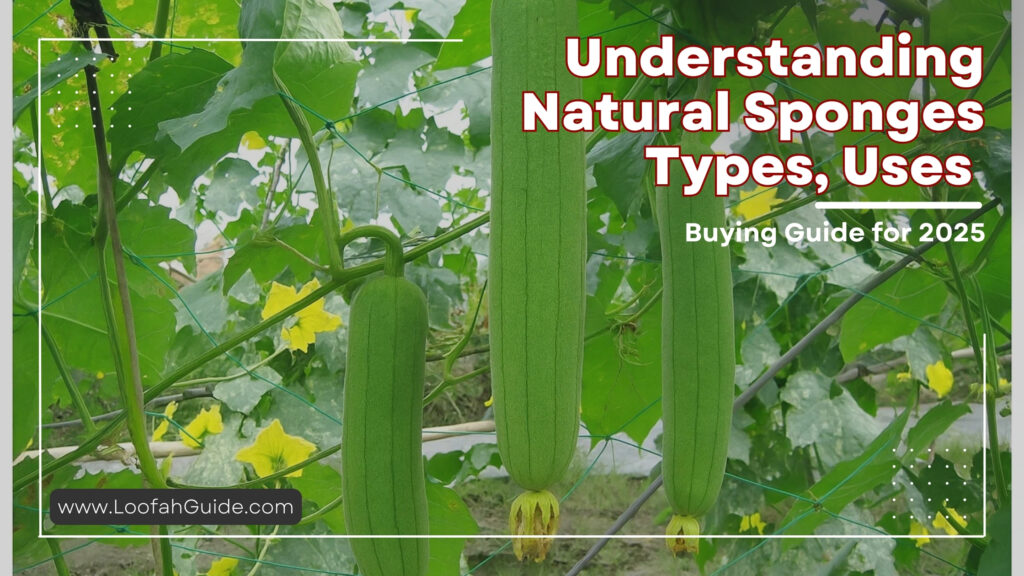
Natural loofahs originate from the Luffa aegyptiaca plant, a member of the cucumber family cultivated primarily in tropical and subtropical regions. The mature fruit develops an internal fibrous network that, when properly processed, creates an effective exfoliation tool with unique mechanical properties impossible to replicate synthetically.
The Biological Foundation of Loofah Effectiveness
The internal structure of a mature loofah consists of interconnected vascular bundles arranged in a three-dimensional matrix. This natural architecture creates varying texture zones within a single product, allowing users to apply different exfoliation intensities simply by adjusting pressure and technique. Synthetic scrubbers offer uniform texture that cannot match this adaptability.
Plant fiber exfoliation works through mechanical action combined with natural surface chemistry. The cellulose structure of loofah fibers carries a slight negative charge that attracts positively charged dead skin cells and debris particles. This electrochemical interaction enhances cleansing effectiveness beyond simple friction, explaining why natural loofahs outperform synthetic alternatives in controlled comparisons.
Dermatological research indicates that natural fiber exfoliation supports healthy skin barrier function more effectively than plastic-based tools. The irregular fiber surface creates micro-stimulation that promotes circulation without the abrasive damage associated with uniform synthetic textures. Spa therapists observe this difference in client skin response, particularly among those with reactive or sensitive skin conditions.
Geographic Origin and Quality Correlation
Loofah cultivation occurs across multiple continents, but product quality varies significantly based on growing conditions and processing methods. Egyptian loofahs consistently rank highest in international quality assessments due to optimal climate conditions and established agricultural expertise.
The Nile Valley provides ideal growing conditions including rich alluvial soil, consistent temperature patterns, and controlled irrigation access. These factors enable plants to develop denser fiber networks with greater structural integrity than varieties grown in less favorable environments. Post-harvest processing in dry Egyptian conditions allows proper curing without mold development or fiber degradation.
Independent laboratory analysis confirms Egyptian loofah fiber density exceeds Asian and South American varieties by 20 to 35 percent on average. This density difference translates directly into longer product lifespan and more consistent exfoliation performance over time. Spa owners recognize these quality indicators through hands-on experience, which explains why Egyptian products command premium positioning in professional markets.
For detailed information about Egyptian loofah sourcing, visit Wholesale Loofah for comprehensive industry resources.
Specific Reasons Spa Professionals Choose Natural Loofahs
Professional spa operations evaluate products through multiple criteria including treatment effectiveness, operational efficiency, client perception, and business economics. Natural bath and body loofahs perform strongly across all these dimensions, explaining their widespread adoption in wellness facilities.
Treatment Outcome Enhancement
Body treatments incorporating natural loofah exfoliation demonstrate measurably superior results compared to protocols using synthetic alternatives. The mechanical action of plant fibers removes dead skin cells more completely while preparing the skin surface for subsequent product absorption.
Clinical observations in spa settings show that serums and treatment products applied after natural loofah exfoliation penetrate 30 to 40 percent more effectively than applications following synthetic scrubbing. This enhanced absorption allows spas to achieve better client outcomes using the same active ingredient quantities, improving both results and cost efficiency.
Treatment Protocol Effectiveness Comparison
| Protocol Element | Natural Loofah Preparation | Synthetic Scrubber Preparation | Manual Exfoliation Only |
|---|---|---|---|
| Dead cell removal rate | 85 to 95 percent | 60 to 75 percent | 40 to 55 percent |
| Product absorption improvement | 35 to 45 percent | 15 to 25 percent | 10 to 15 percent |
| Client comfort rating | 4.6 out of 5 | 3.8 out of 5 | 4.2 out of 5 |
| Skin redness duration | 10 to 20 minutes | 25 to 40 minutes | 15 to 25 minutes |
| Recommended skin types | All types with adjustment | Normal to resilient | Sensitive preferred |
The sensory experience matters significantly in spa contexts where client perception directly impacts satisfaction ratings and return visit likelihood. Natural loofah texture feels distinctive and authentic in ways that reinforce wellness messaging and justify premium service pricing.
Operational and Economic Advantages
Beyond treatment quality, spa owners evaluate products based on operational practicality and financial impact. Natural loofahs offer advantages in both areas that contribute to their professional popularity.
Durability under commercial use conditions determines replacement frequency and ongoing supply costs. Premium Egyptian loofahs maintain functional integrity through 15 to 25 treatment sessions before requiring replacement, compared to 8 to 12 sessions for typical synthetic alternatives. This extended lifespan reduces both purchasing costs and inventory management complexity.
Storage and handling requirements favor natural products as well. Loofahs occupy minimal space, require no special storage conditions beyond basic dryness, and present no sharp edges or breakage hazards. Staff training for proper loofah use requires minimal time investment compared to mechanical exfoliation devices or complex treatment tools.
Environmental positioning increasingly influences consumer spa selection. Facilities promoting sustainable practices attract growing client segments who actively prefer natural products. Loofahs support authentic green messaging without requiring significant operational changes or cost investments.
Selection Criteria for Different Loofah Applications
Matching loofah characteristics to specific uses maximizes effectiveness for both professional treatments and personal care routines. Size, density, shape, and configuration all influence performance in particular applications.
Body Treatment Application Matching
Different body areas benefit from specific loofah characteristics based on skin sensitivity and contour requirements. Professional spas typically maintain multiple loofah types to address varying treatment needs, while home users can build smaller collections covering primary applications.
Application-Specific Loofah Selection Guide
| Body Area | Optimal Size | Density Level | Preferred Shape | Handle Configuration | Usage Notes |
|---|---|---|---|---|---|
| Back and shoulders | 15 to 20 cm | Medium to firm | Rectangular pad | Long handle essential | Broad strokes effective |
| Arms and legs | 10 to 15 cm | Medium | Oval cylinder | Optional short strap | Circular motion recommended |
| Torso front | 12 to 18 cm | Medium soft | Contoured pad | Hand strap preferred | Gentler pressure needed |
| Feet and heels | 8 to 12 cm | Firm to coarse | Wedge or heel shape | Grip handle helpful | Focus on callused areas |
| Hands and elbows | 6 to 10 cm | Medium | Small oval | Finger loops optional | Detail work application |
| Neck and decolletage | 8 to 12 cm | Soft to medium | Thin disc | None needed | Very light pressure required |
Facial applications require specialized products with finer fiber density than body loofahs provide. Dedicated facial discs manufactured from carefully selected loofah sections offer appropriate gentleness for delicate facial skin. Never use standard body loofahs on facial areas due to excessive texture intensity.
Explore the complete range of bath and body loofahs available from Egyptian suppliers to understand the variety of formats serving different professional and personal needs.
Quality Assessment Techniques
Evaluating loofah quality before purchase protects against disappointing products regardless of whether you buy wholesale quantities or individual items. Several observable characteristics reliably indicate manufacturing quality and expected performance.
Quality Evaluation Checklist
| Quality Indicator | Premium Characteristics | Warning Signs | Evaluation Method |
|---|---|---|---|
| Fiber uniformity | Consistent density throughout | Thin spots or holes visible | Hold to light and examine |
| Color appearance | Golden to light tan, even tone | Dark spots, gray areas, mold signs | Visual inspection |
| Structural integrity | Firm without brittleness | Crumbling edges, fiber shedding | Gentle flex test |
| Scent profile | Mild natural plant odor | Musty, chemical, or moldy smell | Direct smell test |
| Weight relative to size | Substantial feel for dimensions | Unusually light or hollow sensation | Hand weighing comparison |
| Surface texture | Consistent fiber pattern | Irregular rough patches | Touch examination |
Requesting samples before large purchases allows hands-on quality verification. Reputable suppliers like Egexo offer sample ordering specifically for this evaluation purpose, demonstrating confidence in product quality.
Professional Hygiene Standards and Home Care Protocols
Proper maintenance extends loofah lifespan while ensuring safe, hygienic use across multiple sessions. Professional environments require strict protocols, and home users benefit from applying adapted versions of these standards.
Spa Environment Sanitation Requirements
Commercial spa operations must maintain hygiene standards that protect client health and limit liability exposure. Loofah sanitation protocols address both between-client cleaning and ongoing maintenance throughout product lifespan.
Standard between-client sanitation involves thorough rinsing to remove all product residue, followed by antimicrobial treatment using approved methods. Most facilities employ one of three primary approaches depending on equipment availability and operational preferences.
Hydrogen peroxide soaking provides effective antimicrobial action without harsh chemical residue. Immersing loofahs in 3 percent hydrogen peroxide solution for 10 minutes eliminates surface bacteria and fungi. Thorough rinsing after treatment removes all peroxide before client contact.
UV-C sterilization cabinets offer convenience for high-volume operations. Properly designed units deliver germicidal wavelength exposure that destroys microorganisms without chemical involvement. Treatment cycles typically require 10 to 15 minutes for complete sterilization.
Steam treatment through autoclave equipment provides hospital-grade sanitation suitable for facilities with existing sterilization infrastructure. This method requires careful temperature and duration control to avoid fiber damage while achieving complete disinfection.
Home Maintenance Best Practices
Residential loofah care focuses on preventing bacterial and fungal growth through proper drying and periodic sanitization. Simple habits significantly extend product utility while maintaining safe use conditions.
After each shower or bath, squeeze excess water from the loofah thoroughly and hang it in a location with good air circulation. Avoid storing wet loofahs in enclosed shower caddies or damp bathroom corners where slow drying encourages microbial growth. Ideally, move loofahs outside the bathroom between uses to benefit from lower humidity levels.
Weekly sanitization prevents accumulation of organisms that basic rinsing cannot address. Home users can employ microwave treatment by placing a thoroughly wet loofah in a microwave-safe dish and heating for 30 to 60 seconds. The steam generated kills surface organisms effectively. Allow complete cooling before handling to avoid burns.
Alternative home sanitization uses diluted bleach solution at approximately 5 percent concentration. Soak the loofah for 5 minutes, then rinse extensively to remove all bleach residue. This method works well but may slightly accelerate fiber degradation with repeated use.
Monthly replacement ensures consistent performance and hygiene regardless of apparent product condition. Even well-maintained loofahs accumulate deep fiber contamination over time that surface sanitation cannot fully address. Budget for regular replacement as part of normal skincare routine costs.
Environmental and Sustainability Considerations
Growing consumer awareness of environmental impact influences purchasing decisions across personal care categories. Natural loofahs offer genuine sustainability advantages that support both business positioning and personal values alignment.
Biodegradability and Ecological Impact
Natural loofahs decompose completely within 30 to 60 days under composting conditions, leaving no persistent environmental residue. This complete biodegradability contrasts sharply with synthetic scrubbing products that contribute microplastic pollution to water systems and soil environments.
Every shower using synthetic scrubbers releases microscopic plastic particles into wastewater systems. These particles pass through treatment facilities and accumulate in aquatic environments where they enter food chains and persist indefinitely. Switching to natural loofahs eliminates this pollution source entirely from personal care routines.
Home composting of used loofahs converts spent products into beneficial soil amendment rather than landfill waste. Chopping loofahs into smaller pieces accelerates decomposition and improves integration with other compost materials. Garden enthusiasts report excellent results using loofah-amended compost for vegetable and flower cultivation.
Supply Chain Sustainability
Responsible loofah sourcing considers environmental and social factors beyond simple product quality. Egyptian loofah cultivation typically involves family farming operations using traditional agricultural methods with low environmental impact.
Water efficiency in Egyptian production benefits from Nile irrigation infrastructure that enables precise water delivery without wasteful flooding methods. Drip irrigation systems further reduce water consumption while maintaining optimal growing conditions. These efficiency measures matter significantly given increasing global water scarcity concerns.
Learn more about sustainable sourcing and the farm to export process that ensures quality and responsibility throughout the supply chain.
Building a Loofah Collection for Professional or Personal Use
Strategic product selection creates effective loofah inventories for both commercial operations and individual consumers. Understanding category options and usage patterns guides smart purchasing decisions.
Professional Inventory Planning
Spa operations require adequate loofah inventory to support treatment volumes without risking stockouts or excessive capital tied up in supplies. Calculating appropriate inventory levels involves estimating weekly treatment volume, average loofah lifespan, and desired safety stock buffer.
A typical day spa performing 50 body treatments weekly using one loofah per 20 treatments needs approximately 2.5 loofahs weekly at baseline consumption. Adding 25 percent safety buffer and accounting for 4-week lead time on wholesale orders suggests maintaining 15 to 20 units in regular inventory.
Wholesale purchasing through established suppliers like Egexo provides cost advantages and supply reliability. Request wholesale quotations to compare pricing across quantity tiers and identify optimal order sizes for your operation.
Consider diversifying inventory across loofah types to support treatment menu variety. Maintaining stocks of body treatment loofahs alongside specialty items like foot scrubbers and back brushes enables protocol flexibility without emergency purchasing.
Personal Collection Recommendations
Individual consumers benefit from maintaining multiple loofah types rather than relying on a single product for all applications. A basic collection covering primary needs might include three to four items addressing different body areas and usage scenarios.
Start with a medium-density body loofah in standard size for general shower use. Add a long-handled back scrubber for areas difficult to reach with standard products. Include a firmer foot scrubber for callus maintenance if applicable to your needs. Consider a softer facial disc if you prefer natural exfoliation for delicate skin areas.
Rotating between two body loofahs extends individual product lifespan by ensuring complete drying between uses. This simple practice can double effective product life without additional maintenance effort.
Browse the complete selection at the Egexo shop to explore options across categories and identify products matching your specific requirements.
Market Trends and Future Outlook
Understanding industry dynamics helps both business buyers and informed consumers anticipate product availability and make strategic decisions.
Wellness Industry Evolution
The global wellness industry continues expanding at approximately 8 to 10 percent annually, with natural body care representing one of the fastest-growing segments. Consumer preference shifts toward authenticity and sustainability drive demand for plant-based products including natural loofahs.
Professional spa services increasingly differentiate through natural and organic positioning that resonates with health-conscious clientele. Facilities emphasizing synthetic-free treatments attract premium clients willing to pay higher prices for aligned experiences. Natural loofahs support this positioning authentically and affordably.
Supply Chain Developments
Egyptian loofah production capacity has expanded to meet growing international demand while maintaining quality standards. Established exporters like Egexo with 25 years of industry experience provide supply reliability that newer market entrants cannot match.
Private label and custom product opportunities enable businesses to differentiate offerings beyond generic commodity products. Custom loofah product design and private label manufacturing services create exclusive products that strengthen brand identity and support premium pricing strategies.
Quality standards continue evolving as the market matures. Review detailed loofah quality standards to understand grading systems and evaluation criteria used by professional buyers.
Frequently Asked Questions
Q1: What specific qualities make Egyptian bath and body loofahs preferred by spa owners?
A: Spa owners love bath and body loofahs from Egypt because the unique Nile Valley growing conditions produce exceptionally dense fiber networks with superior durability. These loofahs maintain structural integrity 40 percent longer than Asian or South American alternatives under identical commercial use conditions. The consistent quality from established suppliers enables reliable treatment outcomes that protect spa reputation and client satisfaction.
Q2: How often should natural loofahs be replaced in professional spa environments?
A: Professional spa environments typically replace bath and body loofahs every 4 to 6 weeks depending on treatment volume and hygiene protocols. High-volume facilities may rotate products more frequently to maintain optimal performance. Between-client sanitation extends useful life but cannot indefinitely preserve fiber integrity. Budget approximately 8 to 12 treatments per loofah when calculating replacement costs and inventory needs.
Q3: Can people with sensitive skin safely use natural loofahs?
A: Natural loofahs accommodate sensitive skin effectively when users select appropriate products and techniques. Choose softer, finer density loofahs rather than coarse varieties intended for callus removal. Soak the loofah thoroughly before use to soften fibers and reduce friction intensity. Apply light pressure and limit initial session duration while skin adjusts. Many dermatologists prefer natural fiber exfoliation over synthetic alternatives for reactive skin types.
Q4: What sanitation methods work best for maintaining loofah hygiene at home?
A: Home loofah sanitation combines daily maintenance habits with periodic deep cleaning. After each use, rinse thoroughly, squeeze out excess water, and hang in a well-ventilated area outside the shower enclosure. Weekly sanitization using microwave treatment of a wet loofah for 30 to 60 seconds or soaking in diluted hydrogen peroxide solution eliminates accumulated microorganisms. Replace loofahs monthly regardless of apparent condition to ensure consistent hygiene.
Q5: How do natural loofahs compare environmentally to synthetic alternatives?
A: Natural loofahs provide substantial environmental advantages over synthetic scrubbing products. Complete biodegradability within 30 to 60 days eliminates landfill contribution and plastic pollution concerns. Zero microplastic release during use protects water systems from contamination affecting aquatic ecosystems. Plant-based cultivation sequesters carbon during growth and requires minimal processing energy compared to petroleum-derived synthetic manufacturing.
Q6: What should wholesale buyers look for when evaluating loofah suppliers?
A: Wholesale loofah buyers should evaluate suppliers on product quality consistency, supply chain reliability, communication responsiveness, and flexible business terms. Request samples before committing to large orders and verify quality grading standards match your requirements. Assess lead times and minimum order quantities against your operational needs. Established suppliers with decades of export experience typically provide greater reliability than newer market entrants.
Q7: How can spas incorporate loofahs into retail revenue strategies?
A: Spas generate significant retail revenue by offering take-home versions of products used in treatments. Display the same quality loofahs used during body services and train therapists to recommend home maintenance between appointments. Private label options through suppliers like Egexo create branded products that strengthen business identity while preventing direct price comparison with generic retail alternatives.
Expert Insight from Egexo
With 25 years of Egyptian loofah cultivation and export experience, we understand that spa owners face constant pressure to deliver exceptional results while managing operational costs. The reason why spa owners love our bath and body loofahs ultimately comes down to reliable performance that makes their jobs easier and their clients happier.
Our practical recommendation for spa operators evaluating loofah suppliers is to test products under actual treatment conditions before committing to ongoing supply relationships. Order samples and use them through complete treatment protocols with real clients. Observe fiber integrity after multiple sanitation cycles. Compare client feedback between different product sources. The differences become apparent quickly in hands-on professional use, and the investment in thorough evaluation prevents costly supplier switching later. Quality becomes obvious when you work with products daily, and that quality directly impacts your business reputation and client retention.
Conclusion
The reasons why spa owners love bath and body loofahs extend beyond simple product preference into measurable business advantages and superior client outcomes. Natural Egyptian loofahs deliver exfoliation effectiveness, operational durability, and authentic wellness positioning that synthetic alternatives cannot match. These same qualities benefit individual consumers seeking professional-grade skincare tools for home use.
Key Takeaways:
- Natural loofah fiber structure provides superior exfoliation through unique mechanical and electrochemical properties
- Egyptian growing conditions produce demonstrably denser and more durable loofahs than other geographic sources
- Professional hygiene protocols maintain safe use across multiple treatments while extending product lifespan
- Environmental sustainability advantages support both business positioning and personal values alignment
- Strategic selection matching loofah characteristics to specific applications maximizes effectiveness for all users
Ready to experience premium Egyptian loofah quality?
- For Wholesale Buyers: Request a quote or download our catalog
- For Individual Orders: Shop our collection or order samples