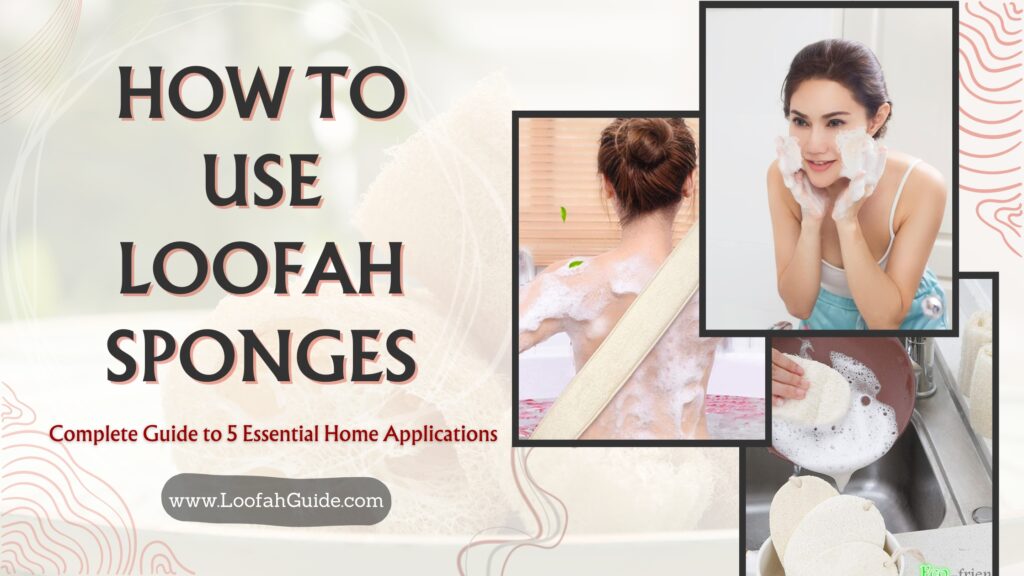
The humble loofah sponge has quietly revolutionized sustainable home care for millions of households worldwide. Originating from the fibrous interior of the Luffa cylindrica gourd, this natural wonder delivers remarkable versatility that synthetic alternatives simply cannot match. Research indicates that households adopting natural loofah products eliminate an average of 24 plastic sponges from landfills each year, making the usage of loofah sponges both a practical and environmentally conscious choice.
Yet many people underutilize their loofah sponges, limiting them to occasional shower use when these adaptable fibers excel across numerous household tasks. From specialized skincare routines to effective dishwashing techniques, pet care solutions, and even artistic endeavors, understanding proper loofah sponge applications unlocks tremendous value from each purchase.
This comprehensive guide explores five essential ways to incorporate natural loofah into your daily routine. Whether you seek personal wellness solutions or manage purchasing decisions for hospitality businesses, spas, or retail operations, the information here helps maximize your investment in sustainable natural products. Premium Egyptian loofah, cultivated through generations of agricultural expertise, serves as the gold standard for every application we examine.
The Natural Advantage: Why Loofah Outperforms Synthetic Options
Before diving into specific applications, understanding what makes natural loofah uniquely effective establishes important context. The cellular structure of loofah fiber creates performance characteristics that petroleum based alternatives cannot replicate despite decades of material science advancement.
Structural Benefits of Natural Loofah Fiber
Natural loofah develops its distinctive properties through biological processes during the growing cycle. As the Luffa gourd matures over 150 to 200 days, internal fibers form an interconnected matrix with thousands of microscopic channels. These channels create the texture that makes loofah effective for exfoliation, scrubbing, and absorption tasks.
The fiber structure varies naturally across each loofah piece, providing zones of different firmness within a single product. This variation allows users to customize pressure and intensity during use, something uniform synthetic materials cannot offer. Experienced users learn to identify softer and firmer areas within their loofah, applying each appropriately to different tasks.
Additionally, natural cellulose fibers possess inherent properties that support hygiene when properly maintained. Unlike plastic sponges where bacteria colonize uniform pore structures, loofah fibers dry more completely due to their varied architecture. This characteristic extends usable lifespan when combined with appropriate care practices.
Environmental Impact Comparison
| Factor | Natural Loofah | Synthetic Sponge | Environmental Difference |
|---|---|---|---|
| Decomposition Time | 30 to 60 days | 200 to 500 years | Natural decomposes 3000 times faster |
| Production Resources | Water, sunlight, soil | Petroleum, chemicals, energy | Loofah requires renewable inputs only |
| End of Life Options | Compostable, biodegradable | Landfill only | Loofah returns nutrients to soil |
| Microplastic Release | None | Releases particles during use | Zero microplastic contribution |
| Carbon Footprint | Carbon negative during growth | Carbon intensive production | Loofah actively sequesters carbon |
Business buyers sourcing sustainable products for eco conscious consumers increasingly recognize these distinctions. The wholesale market for natural loofah continues expanding as retailers respond to customer demand for environmentally responsible alternatives. Explore comprehensive sourcing information at Wholesale Loofah for business purchasing guidance.
Application 1: Personalized Facial and Body Skincare
The most recognized usage of loofah sponges centers on personal skincare, where proper technique transforms routine washing into effective exfoliation therapy. Understanding how to match loofah characteristics to individual skin needs prevents irritation while maximizing benefits.
Skin Type Assessment and Loofah Selection
Selecting appropriate loofah texture requires honest assessment of your skin characteristics. The following framework guides both individual consumers and skincare professionals advising clients.
| Skin Characteristic | Visual and Tactile Signs | Recommended Loofah Type | Usage Frequency | Preparation Method |
|---|---|---|---|---|
| Dry and Sensitive | Tightness, flaking, redness prone | Ultra soft, aged loofah | Once or twice weekly | Extended soaking, 8 to 10 minutes |
| Normal and Balanced | Even texture, minimal concerns | Medium texture loofah | Two to three times weekly | Standard soaking, 3 to 5 minutes |
| Oily and Congested | Visible pores, shine, breakouts | Medium firm loofah | Three to four times weekly | Brief soaking, 2 to 3 minutes |
| Combination | Oily T zone, dry cheeks | Two loofahs, different textures | Varies by zone | Zone specific preparation |
| Mature and Thinning | Fine lines, decreased elasticity | Soft loofah, gentle use | Once or twice weekly | Extended soaking with oils |
Spa professionals and estheticians stocking treatment supplies benefit from maintaining multiple loofah grades to accommodate diverse client needs. The bath and body loofah collection offers various textures suitable for professional skincare applications.
Step by Step Exfoliation Protocol
Proper technique matters as much as product selection for achieving optimal results. This protocol works for personal home use and adapts easily to professional treatment settings.
Begin by cleansing skin with your regular cleanser to remove surface dirt and makeup. This preparation allows the loofah to focus on exfoliation rather than basic cleaning. Wet your loofah thoroughly under warm running water, then squeeze to remove excess while retaining moisture throughout the fiber structure.
Apply a small amount of cleanser or exfoliating product directly to the loofah surface. Work the product into the fibers with your fingers to distribute evenly. Starting at extremities and moving toward your core, use gentle circular motions with light to moderate pressure depending on your skin type assessment.
Pay special attention to areas prone to roughness including elbows, knees, heels, and upper arms. These zones tolerate firmer pressure and benefit from focused attention. Avoid sensitive areas including face, neck, and chest unless using an exceptionally soft loofah specifically prepared for these regions.
Rinse skin thoroughly to remove all loosened dead cells and product residue. Follow immediately with hydrating products while pores remain open from the warm water and exfoliation. Pat skin dry rather than rubbing to avoid irritation on freshly exfoliated surface.
For additional skincare guidance and product recommendations, the complete loofah guide resources provide expanded information on treatment protocols and product selection.
Application 2: Effective Kitchen and Dishwashing Methods
Natural loofah delivers exceptional performance for kitchen cleaning tasks, offering scrubbing power that rivals synthetic options while eliminating plastic waste accumulation. This application demonstrates the broader usage of loofah sponges beyond personal care contexts.
Loofah Performance in Kitchen Environments
Kitchen applications demand durability, cleaning effectiveness, and hygiene maintenance under challenging conditions. Natural loofah meets these requirements while providing advantages specific to food preparation environments.
The fibrous structure excels at removing cooked on food residue without scratching cookware surfaces. Unlike abrasive synthetic scrubbers that damage non stick coatings over time, loofah fibers flex under pressure while maintaining cleaning effectiveness. This characteristic extends cookware lifespan, providing indirect cost savings beyond the sponge purchase itself.
Food service operations making sustainability commitments find natural loofah aligns with broader environmental goals while satisfying practical performance requirements. The transition from synthetic to natural kitchen sponges represents a visible commitment to ecological responsibility that resonates with environmentally conscious customers and staff.
Commercial kitchens, restaurants, and hospitality operations can explore bulk purchasing options for kitchen loofah products designed specifically for high volume food service applications.
Kitchen Loofah Best Practices
Maximizing kitchen loofah effectiveness requires attention to usage patterns and maintenance routines. These practices apply whether managing a household kitchen or commercial food preparation facility.
Optimal Kitchen Tasks for Natural Loofah:
- Dish and cookware washing for everyday items
- Countertop and surface cleaning with appropriate cleaners
- Vegetable scrubbing for produce with firm skins
- Sink basin cleaning and maintenance
- Small appliance exterior cleaning
Tasks Requiring Alternative Tools:
- Heavy grease removal on industrial equipment
- Sanitizing cutting boards used for raw proteins
- Cleaning cast iron requiring specific care methods
- Tasks requiring extended chemical contact
Daily Kitchen Loofah Protocol:
After each significant use, rinse the loofah thoroughly under the hottest water available. Squeeze firmly several times to flush debris from interior fibers. Store in an upright position or hanging configuration that allows complete air exposure on all surfaces. Avoid leaving kitchen loofahs submerged in standing water or trapped under dishes where moisture accumulates.
Rotate between two or three kitchen loofahs, allowing each to dry completely for 24 hours before returning to service. This rotation extends individual product lifespan while maintaining hygiene standards appropriate for food contact applications.
Application 3: Pet Grooming and Animal Care Solutions
Natural loofah provides gentle yet effective grooming solutions for household pets, serving both home pet owners and professional grooming businesses. The organic fiber structure offers advantages over synthetic brushes and grooming tools for various coat types and skin conditions.
Understanding Loofah Benefits for Pet Care
Animals benefit from loofah grooming through several mechanisms that support skin and coat health. The textured surface removes loose fur and dander while providing gentle skin stimulation that promotes natural oil distribution.
Many pets with sensitive skin react poorly to plastic bristle brushes or synthetic grooming tools. Natural loofah fibers prove gentler on animal skin while remaining effective at debris removal and coat maintenance. Pet owners report reduced scratching and skin irritation after transitioning to natural grooming materials.
The usage of loofah sponges in pet care contexts extends naturally from human skincare applications. The same properties that make loofah effective for human exfoliation translate to animal grooming, adjusted for different coat types and skin characteristics.
Professional groomers and pet care facilities differentiating through natural and organic service offerings find loofah grooming aligns with client expectations. The pet and spa grooming loofah selection includes products specifically processed for animal care applications.
Pet Grooming Protocol by Animal Type
| Pet Type | Coat Characteristic | Loofah Application | Session Frequency | Special Considerations |
|---|---|---|---|---|
| Short Hair Dogs | Smooth, close lying | Gentle circular massage | Weekly | Focus on shedding seasons |
| Long Hair Dogs | Flowing, prone to tangles | Directional strokes following growth | Twice weekly | Detangle before loofah use |
| Double Coat Dogs | Dense undercoat with guard hairs | Firm strokes reaching undercoat | Weekly, daily during shedding | Most effective when coat is dry |
| Short Hair Cats | Fine, close texture | Very gentle short strokes | Weekly | Allow cat to investigate first |
| Long Hair Cats | Silky, mat prone | Gentle directional strokes | Two to three times weekly | Work around, not through, mats |
| Small Mammals | Varies by species | Very light touch, brief sessions | As tolerated | Ensure animal comfort throughout |
Creating Pet Friendly Loofah Products
Home crafters and small batch producers can create integrated pet grooming products combining loofah with complementary materials.
Construct a pet grooming mitt by attaching a loofah section to a cloth glove base. This configuration provides control during grooming sessions while protecting your hand from pet nails or sudden movements. Use waterproof adhesive suitable for items that will encounter moisture during bathing applications.
For dry grooming between baths, smaller loofah pieces work effectively for spot cleaning and debris removal. Cut natural loofah into palm sized sections appropriate for your pet size. Store in breathable containers between sessions to prevent moisture accumulation.
Pet product retailers expanding into natural and organic offerings can explore private label manufacturing options for branded pet grooming loofah products.
Application 4: Household Cleaning and Surface Care
Beyond kitchen applications, natural loofah serves numerous household cleaning purposes where its unique characteristics provide advantages over conventional cleaning tools. These loofah sponge recipes for household care reduce chemical dependence while delivering effective results.
Room by Room Loofah Applications
Bathroom Cleaning Applications
Bathrooms present cleaning challenges ideally suited to natural loofah characteristics. Soap scum, mineral deposits, and mildew require textured tools that provide abrasion without surface damage.
Tile and grout benefit significantly from loofah cleaning methods. The varied fiber texture works cleaning solutions into grout lines more effectively than flat synthetic pads. Create a paste from baking soda and water, apply to loofah surface, and work into grout using circular motions. Rinse thoroughly to reveal refreshed grout appearance.
Shower fixtures including handles, soap dishes, and drain covers clean effectively with loofah and mild cleanser. The texture reaches into decorative patterns and crevices where buildup accumulates. Glass shower doors respond well to loofah and vinegar solution for hard water spot removal.
Living Area Applications
Textured surfaces throughout living spaces benefit from loofah cleaning methods. Upholstered furniture collects pet hair, dust, and debris that vacuuming misses. Dry loofah passed across fabric surfaces lifts and collects particles for easy disposal.
Window screens accumulate dust and outdoor debris that restricts airflow and appearance. Remove screens when possible and clean both sides with dampened loofah using gentle pressure. This method proves more effective than spraying and wiping, which often spreads debris rather than removing it.
Decorative items with textured surfaces including carved wood, woven baskets, and pottery clean effectively with dry loofah that reaches into surface variations. This gentle method removes dust accumulation without risk of damage from moisture or chemicals.
Outdoor and Garden Loofah Uses
The durability of natural loofah extends readily to outdoor cleaning applications where harsher conditions would quickly destroy delicate tools.
Garden tool maintenance benefits significantly from regular loofah cleaning. Soil left on metal tools promotes rust development that shortens useful lifespan. After each gardening session, scrub tool surfaces with dampened loofah to remove soil residue. Dry tools thoroughly before storage for maximum rust prevention.
Outdoor furniture made from resin, painted metal, or textured plastics cleans effectively with loofah and mild soap solution. The texture reaches into surface patterns where debris accumulates while remaining gentle enough to preserve protective coatings.
Automotive enthusiasts find loofah useful for interior detailing tasks. Dashboard textures, vent grilles, and seat crevices respond well to dry loofah cleaning that lifts dust and debris for easy removal.
Application 5: Creative and Craft Applications
Natural loofah provides unique properties for craft projects and artistic applications, offering textures and characteristics unavailable from manufactured materials. This dimension of loofah sponge usage appeals to creative individuals and craft supply retailers alike.
Soap Making and Bath Product Creation
Incorporating loofah into handmade soap creates functional products combining cleansing and exfoliation in single items. This technique suits hobbyist soap makers, artisan producers, and bath product brands developing unique offerings.
Embedded Loofah Soap Method:
Select uniformly cut loofah discs approximately one half inch thick for optimal soap integration. The porous structure absorbs melted soap base, creating permanent bonds as products cure. Position loofah slices within soap molds before pouring, ensuring complete coverage with soap mixture.
Transparent soap bases showcase the natural loofah fiber pattern within finished bars, creating visually interesting products that communicate their dual function. Colored or opaque bases work equally well for brands preferring uniform appearance.
Melt and pour soap making allows straightforward loofah integration without specialized equipment. Heat soap base according to package directions, add fragrance and color if desired, pour half into mold, position loofah slice, then cover with remaining soap. Allow 24 hours curing time before unmolding.
Cold process soap makers can adapt loofah integration to their existing methods. The extended cure time for cold process soap allows deep penetration of saponified oils into loofah fibers, creating exceptionally durable finished products.
Artistic and Decorative Uses
Texture Tool Applications
Natural loofah creates distinctive texture effects for various artistic media. Acrylic painters use loofah sections for applying paint in organic patterns impossible to achieve with manufactured brushes. Dip loofah edge into paint and press onto canvas, varying pressure to create dimensional effects.
Mixed media artists incorporate actual loofah pieces into assemblage works. The organic color and texture provide natural elements that complement found object compositions. Loofah accepts paint, dye, and various adhesives, allowing integration into diverse artistic visions.
Home Decor Creation
Create rustic soap dishes by slicing thick loofah sections horizontally and sealing cut surfaces. The natural drainage properties keep bar soap dry between uses while providing attractive organic appearance for bathroom display.
Construct decorative baskets by connecting loofah sections with natural sisal or hemp cord. These containers suit bathroom storage, gift presentation, or seasonal decoration depending on size and finishing treatment.
Craft supply retailers and DIY project websites find growing interest in natural material crafting. Request product samples to evaluate loofah suitability for specific craft applications before committing to inventory purchases.
Maintaining Loofah Products for Maximum Lifespan
Proper care significantly extends natural loofah usefulness across all applications discussed. These maintenance practices apply whether using loofah for personal care, household cleaning, or specialty purposes.
Comprehensive Care Schedule
| Maintenance Task | Frequency | Method | Purpose | Applicable Uses |
|---|---|---|---|---|
| Thorough Rinsing | After every use | Hot water flush, firm squeezing | Remove debris and residue | All applications |
| Complete Drying | Daily | Open air storage with circulation | Prevent bacterial growth | Body care and kitchen |
| Deep Sanitizing | Weekly | Vinegar soak or microwave treatment | Kill accumulated bacteria | High moisture exposure uses |
| Condition Assessment | Every two weeks | Visual and tactile inspection | Identify replacement timing | All loofahs |
| Rotation | Ongoing | Alternate between multiple loofahs | Extend individual lifespan | Daily use applications |
Recognizing Replacement Indicators
Even well maintained loofahs eventually require replacement. Learning to recognize these signs ensures continued effectiveness and hygiene.
Fiber breakdown becomes visible when thin spots or holes develop from concentrated wear. Areas receiving repeated pressure during use typically show degradation first. Once structural integrity compromises, cleaning and exfoliation effectiveness declines significantly.
Persistent odor remaining after proper sanitizing suggests bacterial colonization within fiber structure. While surface bacteria clean away during normal maintenance, deep colonization requires product replacement rather than continued treatment attempts.
Color changes including darkening, discoloration, or spotting may indicate mold development. Mold can establish within loofah interior where visual inspection cannot detect early stages. Any unexplained color change warrants precautionary replacement.
Texture changes including excessive softness, sliminess, or unusual feel during use suggest fiber degradation or microbial activity. Trust tactile assessment alongside visual inspection when evaluating continued usability.
Understanding the quality standards that distinguish premium loofah helps set appropriate expectations for product lifespan based on initial quality grade.
Sourcing Quality Loofah Products
Product origin and processing significantly impact performance across every application covered in this guide. Informed sourcing decisions ensure satisfaction whether purchasing for personal use or business inventory.
Geographic and Quality Considerations
Egyptian loofah maintains premium positioning in global markets due to cultivation conditions and processing expertise developed over generations. The Nile Delta region provides optimal growing conditions including extended seasons, appropriate humidity, and fertile soils that support superior fiber development.
The farm to export process employed by established Egyptian suppliers ensures quality preservation from harvest through international delivery. These procedures include proper drying, grading, and packaging that maintains fiber integrity during storage and transport.
Quality grading systems allow buyers to select appropriate products for intended applications. Premium grades suit demanding uses including professional skincare and retail product development. Standard grades provide excellent value for household cleaning and general purpose applications.
Business Purchasing Guidance
Wholesale buyers benefit from understanding minimum order quantities, quality specifications, and supplier evaluation criteria when establishing loofah sourcing relationships.
Reputable suppliers provide clear grading standards with visual and specification based criteria for each grade offered. Request samples before committing to volume purchases, evaluating products against your specific application requirements.
Consider total value rather than unit price alone. Premium grade loofah from established suppliers often provides better overall value through longer lifespan, more consistent quality, and reliable supply chain performance.
The Egexo product catalog provides comprehensive product specifications for wholesale purchasing decisions. For quotations on specific quantity requirements, submit inquiries through the wholesale quotation system.
Learn more about supplier evaluation criteria when selecting loofah sourcing partners for business applications.
Frequently Asked Questions
What makes Egyptian loofah different from loofahs grown elsewhere?
Egyptian loofah develops distinctive quality characteristics due to optimal growing conditions in the Nile Delta region. Extended growing seasons of 180 to 200 days allow complete fiber maturation, creating denser internal structure than loofahs from shorter season climates. Generations of cultivation expertise ensure proper harvesting timing and processing methods that preserve natural fiber properties. These factors combine to produce loofahs with superior durability, more consistent texture, and longer useful lifespan compared to products from less established growing regions.
How often should I replace my body care loofah sponge?
Body care loofahs used for regular exfoliation typically require replacement every six to eight weeks under normal usage patterns. Factors affecting replacement timing include usage frequency, storage conditions, and maintenance practices. Loofahs used daily in humid bathroom environments may need earlier replacement than those used less frequently with proper drying between sessions. Watch for fiber breakdown, persistent odor, or color changes as signals that replacement is needed regardless of time elapsed.
Can natural loofah scratch or damage delicate surfaces?
Natural loofah provides gentle cleaning action suitable for most household surfaces when used appropriately. The organic fiber structure flexes under pressure rather than maintaining rigid abrasion, making it safer for delicate surfaces than many synthetic alternatives. However, extremely delicate finishes including some non stick coatings, polished metals, and certain plastics may warrant testing in inconspicuous areas before full application. Adjust pressure based on surface sensitivity and condition for safe effective cleaning.
Is natural loofah sanitary for kitchen use around food preparation?
Natural loofah maintains appropriate hygiene for kitchen applications when properly cared for. The key requirements include thorough rinsing after each use, complete drying between uses, and regular sanitizing treatment. Rotate between multiple kitchen loofahs allowing complete drying for each before returning to service. Replace kitchen loofahs every four to six weeks or immediately upon noticing odor, discoloration, or texture changes. These practices ensure hygiene standards appropriate for food contact applications.
What minimum quantities apply for wholesale loofah purchases?
Minimum order quantities vary by product type, supplier, and customization requirements. Sample quantities allow product evaluation before volume commitment. Standard wholesale minimums typically range from 500 to 1000 pieces per product type for initial orders, with flexibility for established relationships or combined product orders. Custom labeling or specialized processing may require higher minimums to justify setup costs. Contact suppliers directly to discuss specific quantity requirements for your intended applications.
How do I choose between different loofah grades for retail inventory?
Grade selection depends on your target customer profile and price positioning strategy. Premium grades suit retailers serving quality conscious consumers willing to pay more for superior products. Standard grades provide value positioning for price sensitive markets while maintaining acceptable quality for intended uses. Consider stocking multiple grades to serve different customer segments. Request samples of each grade under consideration, evaluating against your customer expectations and competitive positioning before finalizing inventory decisions.
Can pets with skin allergies safely use natural loofah grooming?
Natural loofah often proves gentler for sensitive skin than synthetic grooming tools due to organic fiber properties. However, individual animals may react differently based on specific allergy triggers. Introduce loofah grooming gradually, starting with brief sessions and monitoring for any adverse reactions. The hypoallergenic properties of natural plant fiber make reactions less likely than with petroleum based synthetics. Consult veterinary guidance for animals with diagnosed skin conditions before introducing any new grooming materials.
What applications work best for economy grade loofah products?
Economy grade loofah with lower fiber density and possible cosmetic variations suits applications where premium appearance matters less than function. Household cleaning tasks including general surface scrubbing, garden tool maintenance, and outdoor furniture cleaning utilize economy grade effectively. Craft projects where loofah will be cut, painted, or otherwise modified can use economy grades without sacrificing results. Pet grooming for initial product trial before committing to premium grades represents another appropriate economy grade application.
Expert Insight from Egexo
With more than two decades of experience cultivating and processing Egyptian loofah for international markets, our agricultural team has identified proper drying as the single most important factor determining loofah longevity and performance. Whether used for body care, kitchen tasks, or specialty applications, loofahs that dry completely between uses consistently outlast those stored in continuously damp conditions. We recommend dedicating storage locations with maximum air circulation for all loofah products, rotating between multiple pieces to ensure each dries thoroughly before next use. This simple practice extends useful lifespan by 40 to 60 percent across all applications while maintaining the hygiene standards that ensure safe effective use.
Conclusion
Natural loofah sponges deliver remarkable versatility across five essential home applications. From personalized skincare routines matched to individual skin types through kitchen cleaning, pet grooming, household maintenance, and creative projects, understanding proper usage of loofah sponges transforms these sustainable products from occasional accessories into everyday essentials.
The environmental advantages of choosing natural loofah over synthetic alternatives compound with each application. Households fully embracing loofah for appropriate tasks eliminate significant plastic waste while gaining performance that often exceeds conventional options. Business buyers serving eco conscious markets find natural loofah products align with customer values while delivering practical satisfaction.
Quality sourcing decisions impact results across every application. Egyptian loofah from established suppliers with documented quality standards provides the consistency and durability that supports both personal satisfaction and business success.
Key Takeaways:
- Natural loofah serves five distinct application categories effectively
- Skin type matching prevents irritation while maximizing exfoliation benefits
- Proper maintenance extends product lifespan by 40 to 60 percent
- Egyptian origin indicates superior cultivation and processing quality
- Both consumers and businesses benefit from quality focused sourcing
Ready to explore premium natural loofah products?
For Wholesale Buyers: Request detailed quotation for bulk purchasing or download the complete product catalog to review available options.
For Individual Consumers: Browse the product collection to find loofahs suited to your needs or request samples to experience quality firsthand.