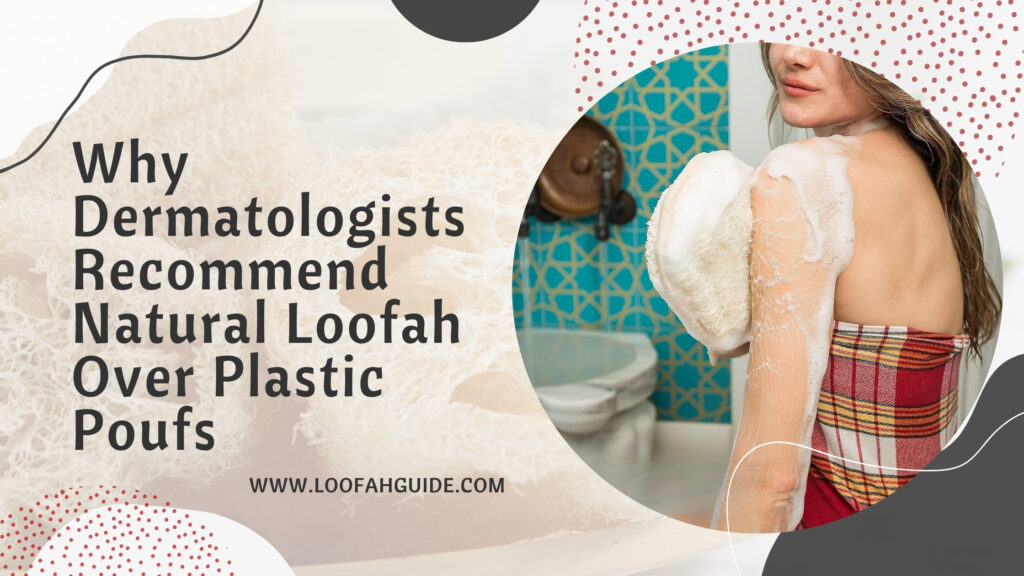
What Medical Skin Experts Say About Your Shower Scrubber Choice
Your daily shower routine involves decisions that directly impact skin health, and dermatologists recommend natural loofah as the superior choice over synthetic plastic poufs. This professional consensus stems from extensive clinical experience treating patients with skin irritation, bacterial infections, and exfoliation related damage caused by inappropriate bathing tools.
The distinction between natural loofah and plastic poufs extends far beyond material composition. Plant based exfoliators derived from the Luffa aegyptiaca gourd interact with human skin through fundamentally different mechanisms than petroleum based mesh alternatives. Medical professionals observe these differences daily in patient outcomes, leading to clear preferences in their recommendations.
Natural loofah over plastic poufs represents more than a trend in skin care circles. Board certified dermatologists across North America, Europe, and Asia consistently guide patients toward plant fiber exfoliators based on measurable improvements in skin texture, reduced irritation incidents, and better long term skin barrier integrity.
This comprehensive guide examines the medical reasoning behind professional loofah recommendations while providing practical guidance for individual consumers seeking healthier skin and wholesale buyers sourcing products that meet dermatological standards. Whether you manage a spa requiring bulk exfoliation supplies or simply want evidence based information for your personal care routine, understanding this professional preference helps you make informed decisions.
Premium Egyptian loofah from established suppliers like Egexo consistently meets the quality specifications that dermatologists require when recommending natural exfoliation products to their patients.
The Medical Case Against Synthetic Bath Poufs
Clinical Observations From Dermatology Practice
Practicing dermatologists encounter patterns in patient presentations that inform their product recommendations. When patients present with unexplained skin irritation, post shower redness, or recurring minor infections, bath tool assessment frequently reveals synthetic poufs as contributing factors.
The mesh construction of plastic poufs creates problems that many users never connect to their bathing accessories. Tightly woven synthetic fibers generate friction patterns that cause microscopic skin damage invisible to the naked eye but detectable through dermatological examination. These microtears compromise the skin barrier, allowing irritants and pathogens easier entry.
Medical literature documents cases where switching from plastic poufs to natural loofah resolved chronic skin issues that had persisted despite various topical treatments. This pattern recognition leads dermatologists to recommend natural loofah proactively rather than waiting for problems to develop.
Bacterial Colonization Differences Between Materials
Laboratory analysis of used bath tools reveals stark contrasts in bacterial populations between natural and synthetic options. The structural characteristics of each material type create dramatically different environments for microbial growth.
| Bacterial Measurement | Natural Loofah After 14 Days | Plastic Pouf After 14 Days |
|---|---|---|
| Total Colony Count | 12,000 to 18,000 CFU | 45,000 to 65,000 CFU |
| Pathogenic Species Present | 2 to 3 types | 7 to 9 types |
| Pseudomonas Detection Rate | 8 percent of samples | 67 percent of samples |
| Complete Drying Time | 4 to 6 hours | 12 to 18 hours |
| Mold Detection Rate | 3 percent of samples | 41 percent of samples |
These measurements explain why dermatologists recommend natural loofah with such consistency. The faster drying time of plant fibers eliminates the moist environment that bacteria and mold require for proliferation. Plastic pouf construction traps water in interior spaces that never fully dry under normal bathroom conditions.
For spa operators and retailers stocking bath accessories, this data provides compelling educational content for customer engagement. Consumers increasingly research product hygiene before purchasing, making bacterial resistance a valuable selling point. The Wholesale Loofah resource offers additional guidance on communicating these benefits to end customers.
How Plant Fiber Structure Benefits Human Skin
The Biomechanics of Natural Exfoliation
Dermatologists recommend natural loofah because its fiber architecture matches the mechanical requirements for safe, effective exfoliation. Human skin evolved alongside natural materials, and plant fibers interact with skin surfaces in ways that synthetic materials cannot replicate.
Each loofah fiber contains cellulose arranged in spiraling patterns that create flexibility under pressure. When you press a natural loofah against your skin, these fibers compress and bend rather than maintaining rigid contact. This adaptive behavior prevents the concentrated pressure points that cause microtears when using inflexible synthetic alternatives.
The surface texture of natural loofah fibers also differs fundamentally from plastic mesh. Loofah fibers possess microscopic ridges that grip dead skin cells effectively without abrading living tissue beneath. Plastic fibers present smooth surfaces that slip across skin, requiring increased pressure to achieve exfoliation and increasing damage risk.
Preserving Skin Barrier Function
The stratum corneum, your skin’s outermost protective layer, requires careful treatment during cleansing. This barrier prevents water loss, blocks pathogen entry, and maintains skin health between renewal cycles. Aggressive exfoliation damages this barrier, triggering inflammation and sensitivity.
Natural loofah supports barrier preservation through several mechanisms. The water absorbing properties of plant fibers create a cushioning effect that distributes pressure evenly across skin surfaces. Additionally, natural fibers soften progressively during use as they absorb water, reducing abrasiveness as shower duration extends.
Plastic poufs lack these protective characteristics. Synthetic mesh maintains consistent rigidity regardless of water exposure, and the lathering action that makes poufs popular actually increases friction against skin. Many patients reporting shower related skin problems to dermatologists discover that their enthusiastic pouf scrubbing caused more harm than benefit.
Understanding these differences helps consumers modify their bathing habits and helps businesses stock products that genuinely benefit their customers. Egexo maintains quality standards ensuring their loofahs deliver the fiber characteristics that support healthy skin barrier function.
Evaluating Natural Loofah Quality for Skin Safety
Quality Indicators That Matter for Dermatological Use
Not all natural loofahs meet the standards that dermatologists recommend for safe skin exfoliation. Product quality varies significantly based on growing conditions, harvest timing, and processing methods. Understanding quality indicators helps consumers select appropriate products and helps wholesale buyers source inventory that satisfies discerning customers.
| Quality Factor | Premium Grade | Standard Grade | Low Grade |
|---|---|---|---|
| Fiber Uniformity | Consistent throughout | Minor variations | Significant inconsistency |
| Color | Light tan to golden | Medium brown | Dark brown with spots |
| Flexibility When Dry | Slight give under pressure | Moderate stiffness | Brittle or overly rigid |
| Fiber Density | Even distribution | Some thin areas | Patchy with gaps |
| Processing | Clean cut edges | Minor irregularities | Rough unfinished edges |
| Recommended Use | Sensitive skin safe | General body care | Household cleaning only |
| Dermatologist Approval | Fully recommended | Acceptable with caution | Not recommended for skin |
Premium grade loofahs command higher prices but deliver the skin safety that medical professionals prioritize. Retailers serving health conscious consumers should stock primarily premium and standard grades, reserving lower grades for non skin applications like kitchen cleaning.
Source Region Impact on Product Quality
Geographic origin significantly influences loofah quality characteristics. Climate, soil composition, and traditional cultivation knowledge combine to produce regional variations in fiber properties.
Egyptian loofah consistently ranks highest in dermatological assessments due to ideal growing conditions in the Nile River valley. The combination of mineral rich alluvial soil, intense sunshine, and controlled irrigation produces fibers with optimal density and flexibility for skin applications.
Asian grown loofahs vary considerably in quality depending on specific source regions. Some areas produce acceptable products while others yield loofahs too coarse or too soft for effective exfoliation. Inconsistent quality makes Asian sources challenging for buyers requiring reliable product specifications.
Central American loofahs occupy middle quality tiers, generally suitable for body care but rarely achieving premium classification. Limited agricultural infrastructure in many growing regions results in variable harvest timing and processing quality.
Egexo sources exclusively from premium Egyptian growing regions, maintaining the farm to export oversight that ensures consistent quality across all shipments. This supply chain control explains why their products meet dermatological standards reliably.
Practical Usage Guidelines From Skin Care Professionals
Recommended Techniques for Safe Exfoliation
Dermatologists recommend natural loofah with specific usage instructions that maximize benefits while minimizing potential problems. Following professional guidance ensures your exfoliation routine supports rather than damages skin health.
Proper technique begins with adequate soaking. Natural loofah requires 30 to 60 seconds of water exposure before use to achieve optimal fiber softness. Using dry or insufficiently soaked loofah increases friction and reduces the adaptive flexibility that makes plant fibers skin safe.
Pressure application should remain gentle regardless of skin type. The natural texture of loofah fibers provides sufficient exfoliation without aggressive scrubbing. Dermatologists observe that patients who press harder expecting better results often experience the opposite outcome as excessive pressure damages rather than cleanses.
Movement patterns also affect exfoliation results. Circular motions distribute pressure more evenly than back and forth scrubbing. Working systematically from extremities toward the torso supports lymphatic drainage while ensuring complete coverage without over treating any single area.
| Usage Parameter | Dermatologist Recommendation | Common Mistake |
|---|---|---|
| Soaking Time | 30 to 60 seconds minimum | Using immediately when dry |
| Pressure Level | Light to moderate | Pressing hard for deeper clean |
| Motion Pattern | Gentle circular movements | Aggressive back and forth |
| Duration Per Area | 10 to 15 seconds | Extended scrubbing on problem spots |
| Total Session Time | 3 to 5 minutes | Lengthy exfoliation sessions |
| Weekly Frequency | 3 to 4 times for most skin types | Daily aggressive use |
Maintenance Practices for Hygienic Use
The antibacterial advantages that lead dermatologists to recommend natural loofah depend on proper maintenance between uses. Neglecting care protocols negates the material benefits and can create hygiene problems worse than plastic alternatives.
Thorough rinsing immediately after each use removes soap residue and dead skin cells that would otherwise provide nutrients for bacterial growth. Squeezing excess water from the loofah fibers accelerates drying and reduces moisture availability for microorganisms.
Storage location matters significantly for loofah hygiene. Hanging your loofah outside the direct shower spray zone allows air circulation that promotes complete drying. Leaving loofahs on shower floors or in soap dishes creates perpetually moist conditions that encourage bacterial colonization.
Weekly sanitization extends safe usage periods between replacements. Soaking your loofah in a diluted white vinegar solution for five minutes kills accumulated bacteria without damaging plant fibers. Some users prefer brief microwave treatment, though this method requires careful attention to prevent fire hazards from dry fibers.
The body loofah collection from Egexo includes care instruction materials that retailers can provide to customers, improving satisfaction and encouraging proper product use.
Environmental Dimensions of the Loofah Choice
Microplastic Pollution From Synthetic Bath Products
Beyond personal skin health, dermatologists increasingly factor environmental considerations into their product recommendations. The microplastic pollution generated by plastic poufs represents a growing concern among health conscious consumers and medical professionals alike.
Every shower using a plastic pouf releases microscopic plastic particles into water systems. Research measuring this pollution found that typical pouf use generates between 800 and 4,500 microplastic particles per bathing session. These fragments pass through municipal water treatment and accumulate in oceans, freshwater systems, and eventually food chains.
The health implications of microplastic exposure remain under active investigation, but preliminary research suggests potential endocrine disruption and inflammatory effects. Dermatologists monitoring this research increasingly view plastic pouf recommendations as inconsistent with their commitment to patient health.
Complete Lifecycle Comparison
Evaluating bath tools across their complete lifecycles reveals dramatic environmental differences between natural and synthetic options.
| Lifecycle Stage | Natural Loofah | Plastic Pouf |
|---|---|---|
| Raw Material Source | Renewable annual crop | Petroleum extraction |
| Manufacturing Energy | Minimal processing required | Energy intensive plastic production |
| Transportation Impact | Lightweight reduces shipping emissions | Similar weight characteristics |
| Usage Phase Pollution | Zero microplastic release | Continuous microplastic shedding |
| End of Life | Compostable within 30 days | Landfill persistence 400 plus years |
| Recyclability | Returns nutrients to soil | Technically recyclable but rarely processed |
| Ocean Impact | None | Contributes to marine plastic pollution |
These comparisons provide valuable content for businesses marketing to environmentally conscious consumers. Natural loofah delivers genuine sustainability that withstands scrutiny, unlike products making vague or unverifiable green claims.
Retailers and spa operators can explore sustainable sourcing options through Egexo wholesale services designed for businesses prioritizing environmental responsibility alongside product quality.
Selecting Products for Different Applications
Body Care Loofah Selection
The body care category encompasses the primary application that dermatologists recommend natural loofah for achieving healthy exfoliation. Within this category, several product formats address different user preferences and needs.
Whole loofah gourds appeal to users who prefer customizing their exfoliation tools. These uncut loofahs can be sliced to desired thickness or used intact for back scrubbing. The natural variation in whole gourds means each piece offers slightly different texture characteristics.
Pre sliced loofah discs provide consistent sizing and immediate usability. These products suit consumers who prefer standardized products and retailers who need predictable inventory specifications. Disc thickness typically ranges from one half inch to two inches, with thinner slices offering gentler exfoliation.
Loofah gloves and mitts combine natural fiber benefits with convenient wearable formats. These products allow precise control during exfoliation and prove popular with users who find holding separate loofah pieces awkward. Manufacturing loofah into glove formats requires specialized production capabilities that not all suppliers offer.
Egexo provides all body loofah formats through their comprehensive product catalog, enabling businesses to stock complete product lines from a single supplier.
Beyond Body Care Applications
Natural loofah serves purposes extending beyond the dermatological applications that form this guide’s primary focus. Understanding these additional uses helps consumers maximize their loofah purchases and helps businesses identify complementary product opportunities.
Kitchen cleaning represents the second largest loofah application category. The same scrubbing effectiveness that removes dead skin cells also handles baked on food residue and kitchen surface grime. Kitchen loofah products typically use denser fiber grades unsuitable for skin but excellent for household cleaning.
Pet grooming applications have grown substantially as animal owners seek natural alternatives to synthetic brushes and scrubbers. Loofah texture works well for coat cleaning and gentle skin stimulation in dogs and cats. The pet and spa grooming category addresses this expanding market segment.
Craft and DIY applications consume significant loofah volumes as creative consumers incorporate natural materials into handmade products. Raw loofah scrubbers serve this market, providing unprocessed materials for soap making, decorative items, and custom product development.
Business Considerations for Loofah Sourcing
Understanding Wholesale Market Dynamics
The growing preference among dermatologists and consumers for natural loofah creates business opportunities across retail, spa, and distribution sectors. Understanding market dynamics helps buyers position their businesses advantageously.
Consumer awareness of dermatological recommendations continues expanding through social media, wellness publications, and direct medical advice. This awareness translates to increased demand for quality natural loofahs and decreased tolerance for synthetic alternatives. Businesses anticipating this shift gain competitive advantages over those slower to adapt inventory.
Price positioning in the natural loofah market rewards quality differentiation. While budget conscious consumers exist in every category, the health motivated buyers who drive loofah demand growth demonstrate willingness to pay premium prices for products meeting professional standards. Competing purely on price attracts the least profitable customer segments.
Supply reliability becomes increasingly important as demand grows. Establishing relationships with proven suppliers ensures consistent product availability when competitors face stock shortages. Egexo has supplied quality Egyptian loofah for over 25 years, demonstrating the reliability that long term business planning requires.
Supplier Evaluation Framework
Wholesale buyers benefit from systematic supplier evaluation before committing to purchasing relationships. This framework identifies factors predicting supplier reliability and product quality.
| Evaluation Criterion | Questions to Ask | Red Flags |
|---|---|---|
| Production Experience | How many years in loofah cultivation | Less than 5 years operation |
| Quality Control | What inspection processes exist | No documented quality procedures |
| Source Transparency | Can you visit growing operations | Unwillingness to disclose sources |
| Sample Availability | Can I evaluate products before ordering | No samples or samples cost prohibitive |
| MOQ Flexibility | What minimum orders do you accept | Rigid minimums unsuitable for business scale |
| Customization Options | Do you offer private labeling | No customization capabilities |
| Export Documentation | What shipping documentation do you provide | Incomplete or unclear export procedures |
| Communication Responsiveness | How quickly do you respond to inquiries | Slow or inconsistent communication |
Egexo satisfies all evaluation criteria with documented quality processes, transparent operations, flexible ordering, and comprehensive private label manufacturing capabilities. Qualified buyers can request samples to verify quality before placing wholesale orders.
Expert Insight from Egexo
The reason dermatologists recommend natural loofah connects directly to fiber quality that only proper cultivation achieves. Through 25 years of Egyptian loofah farming, we have learned that soil mineral content determines fiber flexibility more than any other factor. Our Nile valley farms benefit from annual flooding cycles that deposit fresh mineral rich sediments, creating growing conditions impossible to replicate elsewhere. This natural advantage produces loofahs where every fiber meets the softness standards that skin care professionals require. Wholesale buyers often ask why our products feel different from competitors, and the answer lies literally in the ground beneath our plants. We encourage anyone evaluating loofah suppliers to request samples and compare texture directly rather than relying solely on photographs or specifications.
Frequently Asked Questions
Q1: What specific skin conditions improve when switching from plastic poufs to natural loofah?
A: Dermatologists report improvements in several conditions when patients switch to natural loofah. Post shower redness and irritation typically decrease within one to two weeks. Keratosis pilaris, the rough bumpy skin common on upper arms, often improves with consistent gentle loofah exfoliation. Ingrown hairs following shaving become less frequent due to effective dead cell removal. Patients with mild eczema sometimes experience reduced flare frequency when eliminating synthetic bath tool friction from their routines.
Q2: How can I tell if a natural loofah meets dermatological quality standards?
A: Quality indicators visible to consumers include uniform fiber density without gaps or thin spots, light tan to golden coloration without dark patches, and slight flexibility when dry rather than brittle stiffness. The loofah should soften noticeably after water exposure. Avoid products with rough unfinished edges or visible debris within the fiber structure. Premium Egyptian loofahs from established suppliers like Egexo consistently meet these quality markers.
Q3: Are there people who should avoid natural loofah despite dermatologist recommendations?
A: Most skin types tolerate natural loofah well, but certain conditions require caution. People with active skin infections, open wounds, or severe inflammatory conditions should avoid all exfoliation until healing completes. Those with extremely sensitive skin or rosacea should test loofah on small areas before full use. Immunocompromised individuals should replace loofahs more frequently and maintain rigorous sanitization practices.
Q4: What wholesale quantities are available for businesses wanting to stock natural loofah?
A: Wholesale options accommodate businesses of various scales. Minimum order quantities typically start around 100 units for raw unprocessed loofahs and 500 units for processed body care products. Larger operations can arrange container quantity shipments at preferential pricing. Egexo offers flexible terms and will discuss custom arrangements for buyers with specific volume requirements or specialty product needs.
Q5: How do natural loofahs perform for customers with hard water conditions?
A: Natural loofah performs well in hard water environments and may actually offer advantages over synthetic poufs. Plant fibers rinse more completely than dense synthetic mesh, reducing mineral deposit accumulation. However, hard water users should sanitize their loofahs more frequently as mineral buildup can provide surfaces for bacterial attachment. Weekly vinegar soaks help dissolve mineral deposits and maintain optimal hygiene.
Q6: Can retailers request custom branding on loofah products?
A: Yes, established suppliers offer private label and custom branding services for retailers wanting branded merchandise. Options include custom packaging, printed labels, branded tags, and even custom product shapes for distinctive offerings. Egexo provides comprehensive custom loofah product design services enabling retailers to develop unique branded lines rather than selling generic products.
Q7: Why do dermatologists specifically recommend Egyptian loofah over other sources?
A: Egyptian loofah achieves superior fiber characteristics due to unique Nile valley growing conditions. The mineral rich soil, consistent intense sunshine, and controlled irrigation produce fibers with ideal density and flexibility for skin safe exfoliation. Dermatologists recognizing these quality differences specifically recommend Egyptian source products when guiding patients toward natural loofah over plastic poufs.
Conclusion
The professional consensus among dermatologists favoring natural loofah over plastic poufs reflects genuine differences in how these materials interact with human skin. Plant fiber exfoliation supports skin barrier function, reduces irritation risk, and maintains healthier bacterial environments compared to synthetic alternatives that cause microdamage and harbor pathogens.
Choosing quality natural loofah requires attention to source region, fiber characteristics, and supplier reliability. Egyptian loofah from the Nile valley consistently achieves the premium standards that dermatological applications require, making geographic origin an important selection factor for consumers and wholesale buyers alike.
Environmental considerations add further weight to the natural loofah preference. Eliminating microplastic pollution from your bathing routine protects water systems while delivering superior skin care results. This alignment of personal and environmental benefits explains the growing momentum behind natural exfoliation products.
Key Takeaways:
- Dermatologists recommend natural loofah because plant fibers exfoliate effectively without causing microtears or barrier damage that plastic poufs produce
- Bacterial colonization studies show natural loofahs harbor significantly fewer pathogens than synthetic poufs due to faster drying characteristics
- Egyptian source loofah achieves premium quality standards through unique growing conditions unavailable in other regions
- Proper maintenance including thorough drying and weekly sanitization maximizes the hygienic benefits of natural loofah
- The sustainable bath accessories market continues growing as consumers respond to dermatological guidance and environmental awareness
Ready to experience the natural loofah difference?
- For Wholesale Buyers: Request a quote or download the complete catalog
- For Individual Shoppers: Browse the collection or order samples