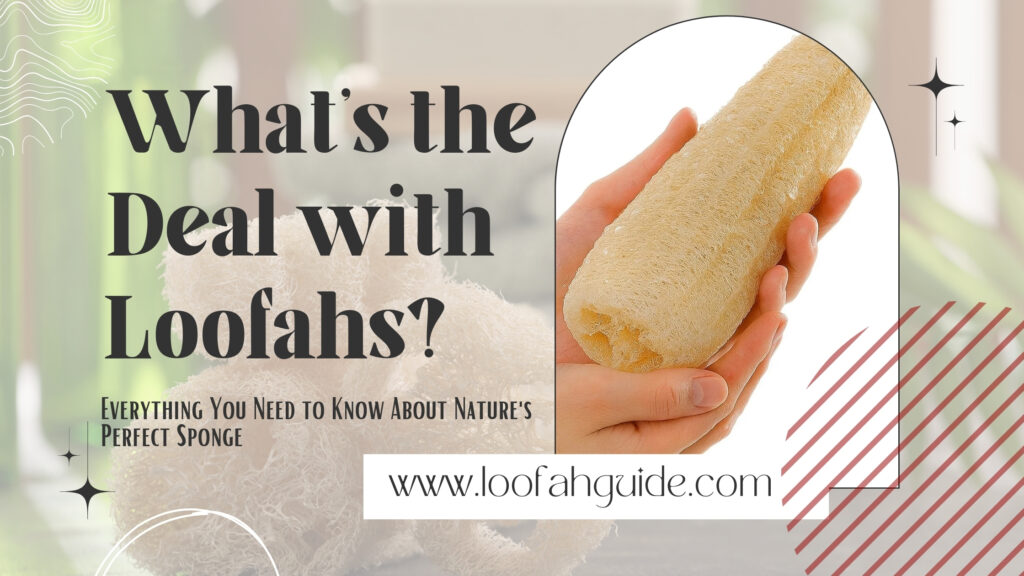
What’s the deal with loofahs, and why have these humble bathroom staples captured global attention? The answer lies in a surprising truth that changes how most people view their shower routine. That textured scrubber hanging in your bathroom is not harvested from ocean floors or manufactured in factories. It grows on vines in warm climates, ripening like the vegetables it truly is. The Luffa aegyptiaca plant produces gourds that transform into the fibrous sponges we know, making loofahs one of the few completely plant based personal care tools still in widespread use today.
The natural personal care market has expanded to 54 billion USD globally, with plant based bath products experiencing 11 percent year over year growth. This surge reflects changing consumer priorities around sustainability, skin health, and environmental responsibility. Businesses from boutique spas to major retailers are responding by sourcing authentic natural loofahs, while individual consumers increasingly reject plastic alternatives that contribute to pollution and offer inferior performance.
This guide unpacks everything about loofahs, answering questions for curious consumers seeking better skincare solutions and professional buyers evaluating wholesale opportunities. You will discover the botanical science behind loofah fiber structure, learn practical care techniques that triple product lifespan, and understand quality markers that separate premium products from inferior alternatives. Whether you want to upgrade your personal routine or source products for a business, this resource provides the knowledge you need to make confident decisions.
The Surprising Origin Story of Loofahs
The journey of loofahs from ancient cultivation to modern bathrooms spans thousands of years and multiple continents. Understanding this history reveals why certain regions produce superior products and how traditional knowledge continues influencing quality today.
From Gourd to Sponge: The Botanical Reality
Loofahs belong to the Cucurbitaceae family, sharing genetic heritage with cucumbers, squash, and melons. Two primary species produce commercial loofahs: Luffa aegyptiaca, often called smooth loofah or Egyptian loofah, and Luffa acutangula, known as ridged or angled loofah. The aegyptiaca variety dominates the body care market due to its superior fiber structure and gentler texture.
The transformation from edible gourd to bath sponge occurs naturally on the vine. Young loofah fruits contain soft flesh suitable for cooking, popular in Asian cuisines where they appear in stir fries and soups. As the gourd matures over approximately 150 to 200 days, internal fibers develop and strengthen while flesh gradually disappears. The mature fruit essentially mummifies, leaving only the intricate fiber skeleton.
This fiber network consists primarily of cellulose arranged in a three dimensional matrix. Unlike synthetic materials with uniform structure, loofah fibers vary in thickness and orientation, creating natural exfoliation patterns that adapt to skin contours. Scientific analysis shows fiber diameters ranging from 150 to 350 micrometers, with optimal body care specimens falling in the 200 to 280 micrometer range for balanced effectiveness and gentleness.
Why Geography Matters for Quality
Climate and soil conditions dramatically influence loofah fiber development. The plant requires a long frost free growing season, consistent moisture, and nutrient rich soil. These requirements explain why Egypt’s Nile Delta emerged as the premier loofah cultivation region worldwide.
The Nile Delta offers a unique combination of factors unmatched elsewhere. Alluvial soil deposited over millennia provides exceptional mineral content. The Mediterranean climate delivers warm temperatures without extreme heat stress that causes fiber brittleness. Traditional irrigation techniques developed over generations ensure consistent water availability without overwatering that promotes fungal issues.
Comparative testing between loofahs from different origins reveals measurable quality differences. Egyptian specimens typically demonstrate 25 to 35 percent higher fiber density than Asian alternatives and 40 percent better structural integrity than Central American products. These differences translate directly to user experience and product longevity.
| Growing Region | Fiber Density | Durability Rating | Texture Quality | Typical Grade |
|---|---|---|---|---|
| Egypt Nile Delta | 0.5 to 0.6 g per cc | Excellent | Premium soft | A to A Plus |
| China | 0.35 to 0.45 g per cc | Moderate | Variable | B to C |
| India | 0.3 to 0.4 g per cc | Fair | Often coarse | C to D |
| Central America | 0.3 to 0.35 g per cc | Fair | Inconsistent | C to D |
| Southeast Asia | 0.35 to 0.4 g per cc | Moderate | Variable | B to C |
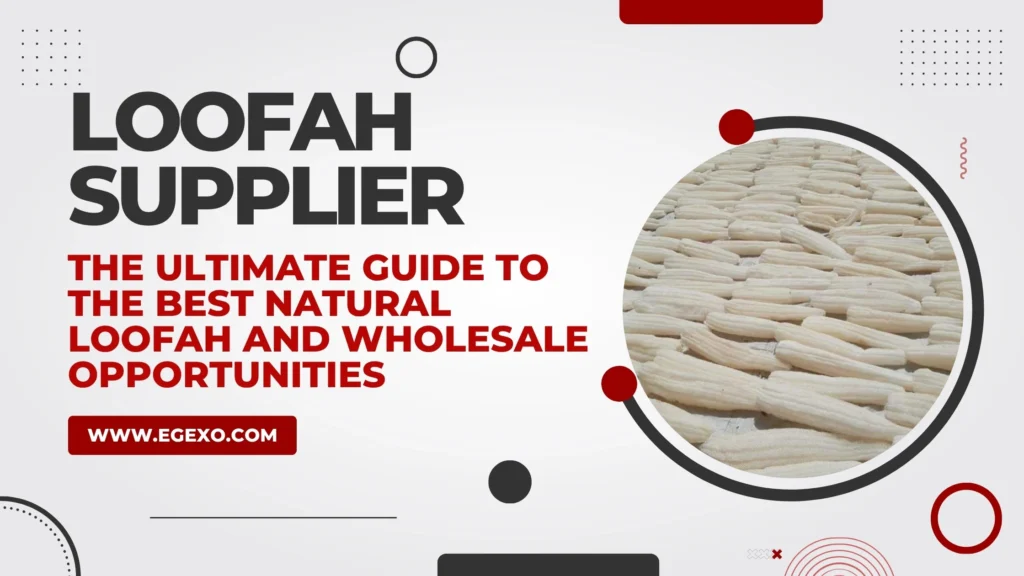
For those seeking wholesale quality Egyptian loofahs, Egexo has established themselves as the leading supplier with over 25 years of cultivation expertise in this optimal growing region.
Natural Versus Synthetic: Making the Informed Choice
The bathroom products aisle presents consumers with seemingly endless options, from colorful plastic poufs to natural sponges of various types. Understanding the real differences helps you choose products aligned with your values and needs.
Environmental Footprint Comparison
Plastic mesh bath poufs represent one of the most frequently replaced bathroom items, with typical lifespans of six to eight weeks before visible degradation. These products shed microplastic particles with every use, releasing fibers that pass through water treatment systems into rivers and oceans. Research published in marine biology journals estimates that personal care products contribute over 700,000 microplastic particles per household annually to waterways.
Natural loofahs offer a fundamentally different environmental profile. Being composed entirely of plant cellulose, they biodegrade completely within four to six weeks when composted. During use, any fiber particles released are chemically identical to fallen leaves or grass clippings, integrating harmlessly into ecosystems. The cultivation process actually captures carbon dioxide, making loofah production net carbon negative when transportation is minimized.
Life cycle analysis comparing the two product categories reveals stark contrasts. Manufacturing a single synthetic pouf requires approximately 0.8 liters of petroleum and releases 2.3 kilograms of carbon dioxide equivalent. Growing and processing a natural loofah uses minimal energy beyond human labor and solar drying, with carbon sequestration during plant growth offsetting any processing emissions.
Performance and Skin Health Benefits
Beyond environmental considerations, natural loofahs deliver measurably better skincare results. The irregular fiber structure provides what dermatologists call variable mechanical exfoliation, meaning different pressure points across the sponge surface work at different intensities. This prevents the uniform abrasion that can damage skin when using synthetic scrubbers.
Clinical observations indicate that natural loofah users experience fewer instances of micro tears and irritation compared to synthetic pouf users when following similar routines. The plant fiber composition also means no chemical additives, dyes, or plastic softeners that can trigger sensitivities in reactive skin types.
Water retention properties differ significantly between materials. Natural loofahs absorb water into the fiber structure itself, softening progressively as saturation increases. Synthetic poufs merely trap water in mesh pockets, maintaining a relatively consistent and often harsher texture regardless of soaking time. This absorption characteristic makes natural loofahs inherently gentler while still providing effective exfoliation.
| Performance Factor | Natural Loofah | Synthetic Pouf |
|---|---|---|
| Exfoliation evenness | Variable, adaptive | Uniform, potentially harsh |
| Drying time | 2 to 4 hours | 4 to 8 hours |
| Bacterial resistance | Good when dried | Poor due to moisture retention |
| Lather production | Excellent | Good |
| Skin irritation risk | Low | Moderate |
| Durability with care | 3 to 4 weeks | 6 to 8 weeks |
| Eco disposal | Compostable | Landfill only |
Comprehensive Quality Assessment Guide
Whether selecting a loofah for personal use or evaluating products for business purposes, understanding quality indicators ensures satisfaction with your choice. Professional grading considers multiple factors that collectively determine product performance and longevity.
Visual Quality Markers
Premium loofahs display consistent coloration ranging from light tan to golden brown. Avoid products with dark spots, which may indicate mold exposure during processing or storage. Green tinges suggest incomplete maturation at harvest, correlating with weak fiber structure. Bleached white loofahs have undergone chemical processing that weakens fibers and removes beneficial natural properties.
Fiber pattern uniformity matters significantly. Quality specimens show evenly distributed fibers throughout the sponge body without thin patches or dense clumps. Hold the loofah up to light and examine for consistent translucency. Major variations indicate irregular growing conditions or poor grade sorting during processing.
Surface texture should feel firm but not hard when dry. Squeeze the loofah gently and observe recovery. Premium products spring back to original shape within seconds. Slow recovery or permanent compression marks indicate fiber degradation or inferior grade material.
Structural Integrity Tests
The bend test reveals internal fiber quality that visual inspection may miss. Gently flex the loofah in different directions. Quality specimens bend smoothly without cracking sounds or sudden breaking points. Inferior products often crack or show visible fiber separation during this test.
Water absorption testing provides insight into fiber density and structural health. Submerge the loofah in warm water for thirty seconds, then remove and squeeze firmly. Premium loofahs release water smoothly and regain softness uniformly. Poor quality products may feel lumpy, retain water unevenly, or develop mushy sections.
Weight relative to size indicates fiber density, a primary quality determinant. A loofah measuring approximately four inches in diameter should weigh between 25 and 40 grams dry. Significantly lighter specimens lack adequate fiber density for durability. Heavier than expected loofahs may have been inadequately dried, risking mold development.
Quality Evaluation Checklist
| Criterion | Premium Quality | Acceptable Quality | Reject |
|———–|—————–|——————–|—– —|
| Color | Even tan to golden | Minor variations | Dark spots or bleached |
| Fiber density | Uniform throughout | Slight variations | Thin patches or clumps |
| Flexibility | Springs back immediately | Recovers within 3 seconds | Cracks or stays compressed |
| Scent | Neutral or slightly earthy | Very faint | Musty or chemical |
| Weight | Appropriate for size | Within 20 percent variance | Very light or heavy |
| Surface | Smooth fiber pattern | Minor irregularities | Rough or broken fibers |
For businesses requiring consistent premium quality, working with established suppliers ensures reliable grading. Egexo’s quality standards documentation provides detailed specifications that professional buyers can reference when establishing purchasing criteria.
Maximizing Your Loofah Investment Through Proper Care
Correct maintenance practices can double or triple loofah lifespan while ensuring hygienic use throughout the product life. These techniques apply whether you use loofahs personally or provide them to customers in hospitality or spa settings.
Daily Care Essentials
After every use, rinse your loofah thoroughly under running water for at least thirty seconds. Work the fibers gently to release trapped soap and skin cells. Many users underestimate this step, but residue accumulation accelerates bacterial growth and fiber degradation more than any other factor.
Squeeze excess water from the loofah without twisting, which can damage fiber structure. Shaking briskly removes additional moisture from interior channels. Hang the loofah in a location with good air circulation, ideally outside the immediate shower area where humidity remains high. Hooks near bathroom vents or windows provide optimal drying conditions.
Never store a damp loofah in enclosed spaces like shower caddies or medicine cabinets. The trapped moisture creates ideal conditions for bacterial and mold growth. Even premium quality loofahs deteriorate rapidly when denied adequate drying between uses.
Weekly Deep Cleaning Protocol
Weekly sanitization prevents microbial buildup that daily rinsing cannot fully address. The most effective home method uses diluted white vinegar, a natural antimicrobial agent that does not damage plant fibers.
Prepare a solution of one part white vinegar to four parts warm water in a clean container. Submerge the loofah completely and allow soaking for fifteen to twenty minutes. The acetic acid penetrates fiber structure, neutralizing bacteria and dissolving mineral deposits from hard water. After soaking, rinse thoroughly under running water and dry as usual.
Alternative sanitization methods include hydrogen peroxide soaking using the same dilution ratio, or brief microwave exposure for damp loofahs. Microwave sanitization requires caution as overheating can damage fibers. Limit exposure to fifteen to twenty seconds on high power for a thoroughly wet loofah.
Maintenance Schedule Overview
| Timeframe | Action | Method | Purpose |
|---|---|---|---|
| After each use | Thorough rinse | Running water 30 seconds minimum | Remove soap and debris |
| After each use | Complete drying | Hang in ventilated area | Prevent bacterial growth |
| Weekly | Deep sanitization | Vinegar soak 15 to 20 minutes | Kill accumulated microbes |
| Every 2 weeks | UV exposure | Direct sunlight 2 to 4 hours | Natural disinfection |
| Weekly | Visual inspection | Check for wear signs | Monitor condition |
| Every 3 to 4 weeks | Replacement | Dispose and replace | Maintain hygiene |
Recognizing Replacement Time
Even with perfect care, loofahs have finite lifespans and require regular replacement. Watch for these indicators that suggest your loofah has reached end of life.
Persistent odor despite thorough cleaning indicates bacterial colonization within fiber structure that sanitization cannot reach. Any musty or unpleasant smell warrants immediate replacement regardless of visual condition.
Visible fiber breakdown appears as fraying edges, loose strings, or sections that feel noticeably thinner than surrounding areas. Once structural degradation begins, it accelerates rapidly with continued use.
Reduced lather production and less effective exfoliation sensation indicate fiber compaction from repeated use. While the loofah may still appear intact, compressed fibers cannot perform properly.
Color changes beyond normal aging suggest problems. Darkening often indicates mold penetration, while unusual lightening may result from chemical exposure or extreme fiber degradation.
Diverse Applications Beyond Body Care
While shower exfoliation represents the most common loofah use, these versatile natural sponges excel in numerous other applications. Exploring alternative uses maximizes value and reduces household reliance on synthetic alternatives.
Kitchen and Household Cleaning
Natural loofah scrubbers provide excellent cleaning performance for dishes, cookware, and surfaces. The fiber texture removes stuck food and residue without scratching most finishes, making loofahs safer than plastic scrubbers for non stick coatings and delicate surfaces.
Cut loofah sections into appropriate sizes for different kitchen tasks. Larger pieces work well for pots and pans, while smaller cuts suit dish washing. Unlike synthetic sponges that trap grease and food particles in foam cells, loofah’s open fiber structure rinses clean easily.
The kitchen loofah category includes products specifically shaped and graded for household cleaning tasks. These typically use slightly coarser fiber grades than body care products, optimizing scrubbing effectiveness while maintaining the natural benefits.
Pet Grooming Applications
Loofahs make excellent grooming tools for many pets, particularly dogs and horses. The gentle texture removes loose fur and distributes natural skin oils while providing pleasant massage sensation. Many animals enjoy loofah grooming sessions more than brushing with synthetic tools.
Pet specific loofah products feature appropriate sizing and fiber softness for animal use. The pet and spa loofah selection addresses this growing market segment as pet owners increasingly apply natural product preferences to their animals.
Craft and Decorative Uses
Beyond functional applications, loofahs appear in numerous craft projects. Soap makers embed loofah slices in handmade soap bars, creating exfoliating products that combine cleansing and scrubbing functions. The neutral color accepts dyes well for decorative applications.
Floral designers use loofah sections as natural arrangement elements. Cut pieces add texture and visual interest to displays while maintaining the organic aesthetic many consumers prefer. The lightweight yet structural nature of dried loofah makes it easy to work with in various creative contexts.
Gardeners have discovered loofahs as biodegradable seed starting pots. Small loofah sections hold growing medium while allowing root penetration, then decompose naturally after transplanting. This eliminates plastic pot waste while providing seedlings with good drainage and aeration.
Understanding the Wholesale Loofah Market
For spa operators, retailers, and businesses exploring natural product lines, understanding wholesale dynamics enables better purchasing decisions. The loofah supply chain involves specific considerations that differ from manufactured goods.
Supply Chain Fundamentals
Loofah production follows agricultural cycles, with primary harvest seasons varying by growing region. Egyptian production peaks between September and November, with processing and export continuing through the following months. This seasonality affects availability and pricing, with optimal purchasing timing typically falling between January and April when fresh harvest inventory is fully processed and graded.
Unlike manufactured products with consistent year round production, loofah quality can vary between harvest years based on weather conditions during growing season. Establishing relationships with reliable suppliers helps ensure access to consistent quality regardless of annual variations. Egexo’s farm to export process documentation provides transparency into how professional operations manage these variables.
Pricing Factors and Considerations
Wholesale loofah pricing reflects multiple variables beyond simple supply and demand. Grade level represents the primary cost determinant, with premium A grade products commanding significantly higher prices than commercial C grade alternatives. Size specifications, processing level, and customization requirements all influence final pricing.
Minimum order quantities typically range from 500 to 2000 pieces for standard products, with custom loofah product design orders potentially requiring higher volumes to justify setup costs. Businesses should factor shipping costs into total landed cost calculations, as loofah’s low density relative to volume can make freight a significant expense.
| Pricing Factor | Impact Level | Consideration |
|---|---|---|
| Quality grade | High | Premium grades cost 40 to 80 percent more |
| Order volume | Moderate to high | Larger orders receive better per unit pricing |
| Processing level | Moderate | Cut and shaped products cost more than raw |
| Customization | Variable | Private labeling adds setup and per unit costs |
| Shipping method | Moderate | Sea freight versus air affects total cost |
| Seasonality | Low to moderate | Peak demand periods may increase prices |
Evaluating Potential Suppliers
Thorough supplier evaluation protects businesses from quality issues and supply disruptions. Request samples before committing to volume orders, testing products against your specific requirements. The sample request process allows quality verification without major financial commitment.
Documentation review should include export licensing, facility certifications, and quality testing procedures. Legitimate suppliers provide this information readily. Hesitation or inability to produce documentation suggests potential problems.
Communication quality during the inquiry phase often predicts ongoing relationship dynamics. Suppliers who respond promptly, answer questions thoroughly, and demonstrate product knowledge typically deliver better ongoing service than those with slow or incomplete communication.
For detailed product specifications and pricing information, businesses can download the complete product catalog or request quotations for specific requirements.
Health Considerations and Best Practices
While natural loofahs offer significant benefits, responsible use includes understanding potential concerns and implementing practices that maximize safety and effectiveness.
Hygiene Management
The moist bathroom environment and organic nature of loofahs require attention to hygiene. Studies examining bathroom loofah samples have found various bacteria present, though the health significance varies based on individual immune status and skin condition.
Proper drying between uses represents the single most effective hygiene measure. Bacteria require moisture to proliferate, and thoroughly dried loofahs present a less hospitable environment for microbial growth. The weekly sanitization protocol described earlier further reduces bacterial populations.
Individuals with compromised immune systems, open wounds, or active skin infections should exercise additional caution. Consulting healthcare providers about exfoliation product use is appropriate in these circumstances. Healthy individuals following proper care procedures can use natural loofahs safely throughout normal product lifespan.
Skin Type Considerations
Different skin types benefit from adjusted loofah use techniques. Sensitive skin responds best to well softened loofahs with light pressure and shorter contact time. Thoroughly soak the loofah before use and apply minimal pressure, letting the texture do the work without forcing it.
Normal to oily skin types can use moderate pressure and may benefit from more frequent exfoliation. However, daily vigorous scrubbing is excessive for any skin type and can disrupt the skin barrier. Two to three times weekly provides adequate exfoliation for most people.
Very dry skin requires particular attention to post exfoliation moisturizing. Loofah use removes dead skin cells but also temporarily disrupts the lipid barrier. Apply moisturizer within a few minutes of drying to lock in hydration and support skin recovery.
Usage Recommendations by Skin Type
| Skin Type | Recommended Frequency | Pressure Level | Additional Tips |
|---|---|---|---|
| Sensitive | 1 to 2 times weekly | Very light | Extra soaking time |
| Normal | 2 to 3 times weekly | Light to moderate | Standard technique |
| Oily | 2 to 3 times weekly | Moderate | Focus on oil prone areas |
| Dry | 1 to 2 times weekly | Light | Moisturize immediately after |
| Combination | 2 times weekly | Varies by area | Adjust by zone |
Frequently Asked Questions
Q1: What’s the deal with loofahs being called sea sponges?
This common misconception stems from the similar texture and appearance between loofahs and actual sea sponges. However, loofahs are entirely plant based, growing from vines as gourds in the cucumber family. The confusion persists partly because both products serve similar purposes in bathing, but their origins are completely different. Loofahs come from agricultural cultivation while sea sponges are harvested from ocean floors.
Q2: How can I tell if a loofah is high quality before purchasing?
Examine the color for even tan tones without dark spots or bleaching. Quality loofahs feel firm but flexible when dry, springing back quickly when compressed. The fiber pattern should appear uniform without thin patches or dense clumps. Weight should feel appropriate for size, neither unusually light suggesting low density nor heavy indicating excess moisture. Any musty smell indicates improper storage or processing.
Q3: Can wholesale buyers request custom loofah shapes and sizes?
Yes, established suppliers offer custom manufacturing services including specific cuts, shapes, and private label packaging. Minimum order quantities for custom products typically start at 2000 to 5000 pieces depending on complexity. The process involves design consultation, sample approval, and production scheduling. Custom options allow businesses to differentiate their offerings while maintaining quality standards.
Q4: Are loofahs safe for all skin types including sensitive skin?
Natural loofahs suit most skin types when used appropriately. Sensitive skin benefits from thorough loofah softening before use, lighter pressure, and less frequent exfoliation. The plant fiber composition means no chemical additives that might trigger reactions. Individuals with specific skin conditions should consult dermatologists before using any exfoliation products. Adjusting technique rather than avoiding loofahs entirely usually addresses sensitivity concerns.
Q5: What causes loofahs to develop odors and how can this be prevented?
Odors develop when bacteria colonize moist loofah fibers. Prevention centers on thorough drying between uses and weekly deep sanitization. Hang loofahs in well ventilated areas away from constant shower moisture. The vinegar soak method effectively eliminates odor causing bacteria. Persistent smell despite proper care indicates the loofah has reached end of life and requires replacement.
Q6: How do Egyptian loofahs compare to those from other growing regions?
Egyptian loofahs consistently demonstrate superior quality metrics including higher fiber density, better structural integrity, and more uniform texture. The Nile Delta growing conditions combine optimal climate, mineral rich soil, and traditional cultivation expertise unavailable elsewhere. Independent testing shows Egyptian specimens last 30 to 40 percent longer than alternatives under identical use conditions, justifying any premium pricing through extended product life.
Q7: What minimum orders do wholesale suppliers typically require?
Standard minimum order quantities range from 500 to 1000 pieces for basic loofah products like whole or cut body scrubbers. Specialized items, custom shapes, or private labeled products may require higher minimums of 2000 to 5000 pieces. Suppliers often offer flexibility for new business relationships or trial orders. Discussing specific needs directly with suppliers provides accurate MOQ information for particular product configurations.
Q8: How should businesses store bulk loofah inventory?
Store loofahs in cool, dry conditions with good air circulation. Avoid sealed containers that trap any residual moisture. Ideal storage humidity falls below 50 percent with temperatures between 60 and 75 degrees Fahrenheit. Properly dried and stored loofahs maintain quality for 18 to 24 months. Rotate inventory using first in first out principles and inspect periodically for any signs of moisture damage or pest issues.
Expert Insight from Egexo
The question we hear most frequently from both consumers and wholesale buyers concerns loofah replacement timing. Many people use their loofahs far longer than advisable, undermining the hygienic benefits that attract them to natural products initially.
Our recommendation after 25 years in Egyptian loofah cultivation and export: replace body care loofahs every three to four weeks regardless of visual appearance. Internal fiber degradation and bacterial accumulation occur before obvious external signs appear. Think of it like replacing a toothbrush; regular replacement maintains effectiveness and hygiene even when the product still looks functional.
For businesses supplying spas, hotels, or retail customers, this replacement cycle actually represents a positive factor. Consumable products drive repeat purchases and demonstrate commitment to customer wellbeing. Educating customers about proper replacement timing adds value while supporting sustainable sales patterns.
For detailed guidance on loofah selection and business opportunities, visit Wholesale Loofah for commercial resources or explore the complete body loofah collection to experience Egyptian quality directly. Businesses seeking partnership opportunities can request quotations for specific product requirements.
Conclusion
What’s the deal with loofahs turns out to be a story of natural innovation, sustainable agriculture, and practical benefits that synthetic alternatives simply cannot match. These plant based sponges represent one of the few personal care tools that genuinely outperform manufactured substitutes while offering clear environmental advantages. From the cucumber family vines of Egypt’s Nile Delta to bathrooms worldwide, loofahs continue proving their value to increasingly conscious consumers and businesses alike.
Key Takeaways:
- Loofahs grow as gourds on vines, transforming into fibrous sponges through natural maturation, not manufacturing processes
- Egyptian loofahs achieve superior quality through ideal growing conditions and generations of cultivation expertise
- Proper care including thorough drying and weekly sanitization extends lifespan while maintaining hygiene
- Quality indicators include even coloration, uniform fiber density, appropriate flexibility, and neutral scent
- Natural loofahs biodegrade completely while delivering better skincare results than plastic alternatives
Ready to experience premium loofah quality?
For Wholesale Buyers: Request a quote or download the complete catalog to explore partnership opportunities with Egypt’s leading loofah supplier.
For Individual Orders: Shop the collection or order samples to discover the difference authentic Egyptian loofahs make in your daily routine.